 MomSkoop

Empathy is the ability to understand and share the feelings of others. It’s what helps us connect with people, build strong relationships, and show kindness when someone is struggling.
However, not everyone expresses empathy in the same way, and some people may have a harder time recognizing or responding to others’ emotions. Certain phrases can reveal when someone might be lacking in empathy, and recognizing these patterns can help you better understand the people around you.
1. You’re overreacting

When someone tells you that you’re overreacting, they’re dismissing your feelings without trying to understand them.
This phrase suggests that your emotions aren’t valid or important enough to be taken seriously.
Instead of listening and showing concern, the person is shutting down the conversation before it even starts.
People with empathy recognize that everyone experiences emotions differently.
What might seem small to one person could feel overwhelming to another.
By labeling your reaction as excessive, they’re avoiding the effort of seeing things from your perspective.
This can leave you feeling isolated and misunderstood.
Healthy communication involves acknowledging feelings, even when we don’t fully understand them.
2. That’s not my problem

Imagine sharing something important with someone, only to hear them say it’s not their problem.
This phrase creates an immediate emotional wall between people.
It shows a complete lack of concern for what you’re going through, even if they’re not directly involved.
Empathetic individuals understand that caring about others doesn’t require personal responsibility for their issues.
Simply listening or offering support can make a huge difference.
When someone refuses to acknowledge your struggles with this phrase, they’re prioritizing their own convenience over your emotional needs.
It’s a clear sign they’re unwilling to extend even basic kindness.
True connections are built on mutual support, not indifference.
3. Just get over it

Few phrases feel as cold as being told to just get over something that’s bothering you.
This dismissive statement completely ignores the complexity of human emotions and the healing process.
It treats serious feelings like minor inconveniences that can be switched off at will.
Recovery from difficult experiences takes time, patience, and often support from others.
Someone with empathy recognizes this and offers understanding rather than pressure.
Using this phrase shows impatience with another person’s emotional journey.
It suggests that their feelings are burdensome and should be hidden away.
Genuine care involves allowing people the space and time they need to process their experiences without judgment or rushed expectations.
4. You wouldn’t understand

This phrase builds barriers instead of bridges between people.
When someone says you wouldn’t understand, they’re assuming you lack the capacity for empathy or perspective-taking.
Rather than explaining their situation, they shut you out completely.
Ironically, this statement often reveals the speaker’s own empathy deficit.
They can’t imagine that others might relate to their experiences or offer meaningful support.
Empathetic communication involves trying to share experiences and feelings, even when they’re difficult to express.
It means giving others a chance to listen and connect.
By refusing to even attempt explanation, someone using this phrase demonstrates unwillingness to create emotional intimacy or trust in relationships.
5. You get what you deserve

Hearing this phrase when you’re struggling adds cruelty to an already difficult situation.
It implies that your suffering is justified punishment, showing zero compassion for your circumstances.
This kind of statement reveals a harsh, judgmental worldview that lacks understanding of life’s complexities.
Empathetic people recognize that bad things happen to good people, and that everyone makes mistakes.
They offer support rather than blame when someone is down.
This phrase also suggests a sense of moral superiority, as if the speaker is above experiencing similar hardships.
It creates distance rather than connection.
Compassionate responses focus on helping someone move forward, not on deciding whether their pain is earned.
6. I’d never do that

Did you know?
Research shows that people often overestimate their own moral behavior compared to others.
When someone responds to your mistake or struggle with this phrase, they’re placing themselves above you rather than beside you.
It’s a subtle form of judgment disguised as a personal statement.
Empathetic individuals understand that everyone is capable of making poor choices, especially under stress or difficult circumstances.
They respond with curiosity about what led to the situation rather than self-righteous declarations.
This phrase creates shame instead of providing support.
It makes the person feel worse about themselves while the speaker feels morally superior.
True empathy involves recognizing our shared humanity and vulnerability.
7. It’s not my fault
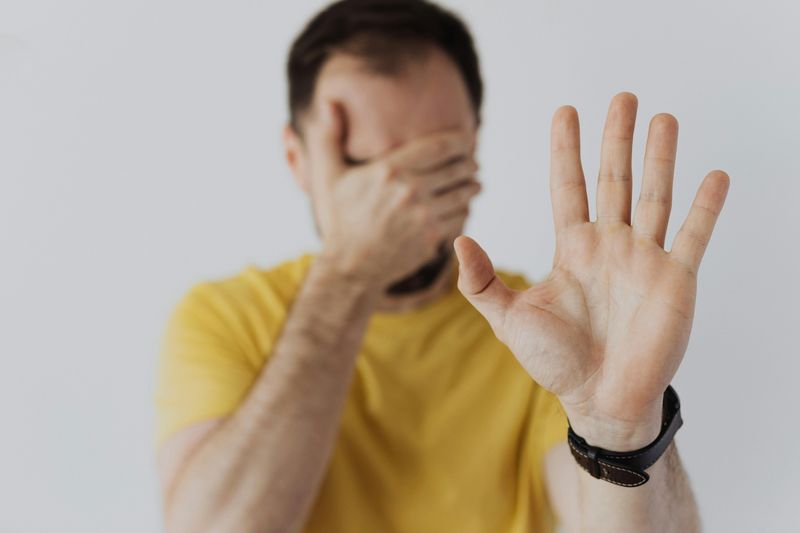
Constantly deflecting responsibility with this phrase shows an inability to consider how one’s actions affect others.
While sometimes true, using it repeatedly prevents meaningful conversations about feelings and impact.
It prioritizes self-protection over understanding another person’s experience.
Empathetic people can separate fault from impact.
Even when something isn’t technically their fault, they can acknowledge how their actions or words affected someone else.
This defensive phrase shuts down dialogue and prevents resolution.
It keeps the focus on who’s to blame rather than on healing and moving forward together.
Healthy relationships require willingness to hear how we’ve hurt others, regardless of our intentions or technical responsibility for the situation.
8. That’s just who I am

Using personality as an excuse for hurtful behavior is a major red flag for low empathy.
This phrase suggests that the person is unwilling to grow, change, or consider how their actions affect those around them.
It treats harmful patterns as unchangeable personality traits rather than choices.
Empathetic individuals understand that personal growth is a lifelong process.
They’re willing to examine their behavior and make adjustments when they learn they’ve hurt someone.
By hiding behind this statement, someone avoids accountability and dismisses your feelings as less important than their comfort.
It’s essentially asking you to accept poor treatment without complaint.
Genuine relationships require flexibility and willingness to evolve together.
9. It’s not that bad

Minimizing someone’s pain with this phrase is a classic sign of empathy deficiency.
It tells the person that their assessment of their own experience is wrong.
Instead of validating their feelings, it questions their judgment and perception of reality.
Everyone’s threshold for difficulty is different, shaped by past experiences, current resources, and personal resilience.
What seems manageable to one person might be overwhelming to another, and both perspectives are valid.
Empathetic responses involve accepting someone’s experience as real and significant to them.
Even if you’ve faced worse, that doesn’t diminish what they’re going through.
Support means meeting people where they are, not where you think they should be.
10. Calm down

Has anyone ever calmed down after being told to calm down?
Probably not.
This phrase is particularly frustrating because it treats emotions as problems to be controlled rather than experiences to be understood.
It suggests that your feelings are inappropriate or excessive.
Empathetic people recognize that emotions serve important purposes.
Rather than demanding someone suppress their feelings, they ask what’s causing the distress and how they can help.
Telling someone to calm down often escalates the situation because it adds invalidation to whatever they were already upset about.
It shows more concern with managing their display of emotion than understanding its source.
Genuine support involves patience with emotional expression, not demands for emotional suppression.