 MomSkoop
Walking into someone’s home can reveal a lot about how they live their daily life. The way a space is decorated, organized, and used often reflects the energy and experiences of the person who lives there.
Sometimes, certain details quietly hint that life has become more routine than thrilling, more predictable than adventurous.
1. Everything Is Perfectly Functional—but Nothing Is Personal
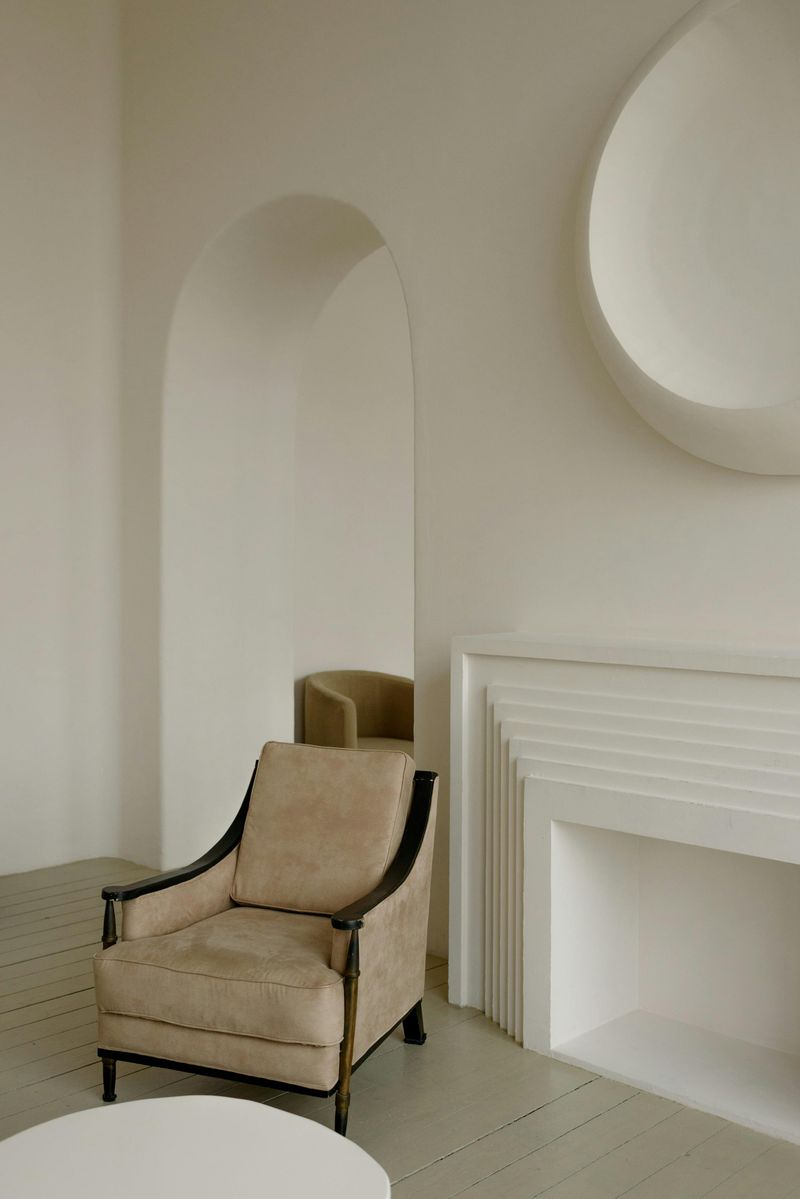
Walking into a home where everything serves a purpose but nothing tells a story can feel oddly empty.
Furniture sits in all the right places, shelves hold practical items, yet there are no framed photos from memorable trips or quirky souvenirs that spark conversation.
The walls remain blank or filled with mass-produced prints that could belong to anyone.
Personal touches transform a house into a home.
Without mementos, handmade gifts, or objects tied to passions and memories, the space feels like a waiting room rather than a sanctuary.
This absence might suggest that spontaneity and personal expression have taken a backseat to simply getting through each day without much emotional investment in the surroundings.
2. No Evidence of Hobbies or Creative Outlets
A home devoid of hobby materials speaks volumes about how free time is spent.
No yoga mat rolled in the corner, no half-read novels on the nightstand, no guitar leaning against the wall, and no craft supplies tucked away suggest that interests beyond daily necessities have faded.
When work and routine consume all energy, passions often get shelved indefinitely.
Creative outlets and hobbies bring color and excitement to everyday life.
They provide challenges, growth, and joy that break monotony.
If nothing in the home hints at active pursuits—whether painting, cooking experiments, gardening, or learning new skills—it might indicate that life has settled into a predictable loop without much room for exploration or personal development.
3. Uniform, Safe Décor Choices
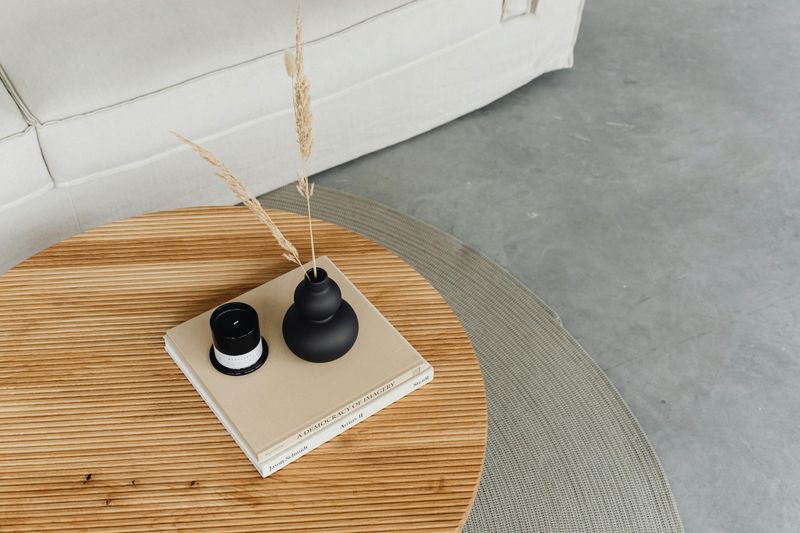
Beige walls, taupe sofas, and generic landscape prints create a pleasant but uninspiring atmosphere.
When every design choice plays it safe, the home can feel like a furniture showroom rather than a reflection of personality.
Bold colors, eclectic art, or unexpected furniture pieces require confidence and a willingness to take risks in self-expression.
Choosing décor that feels too cautious might mirror a lifestyle that avoids risks altogether.
Vibrant throw pillows, unique vintage finds, or statement pieces showcase individuality and courage.
A space filled only with neutral, universally acceptable items suggests that comfort and conformity have replaced the desire to stand out, experiment, or embrace what truly brings joy, even if it defies trends.
4. An Immaculate but Emotionless Living Space
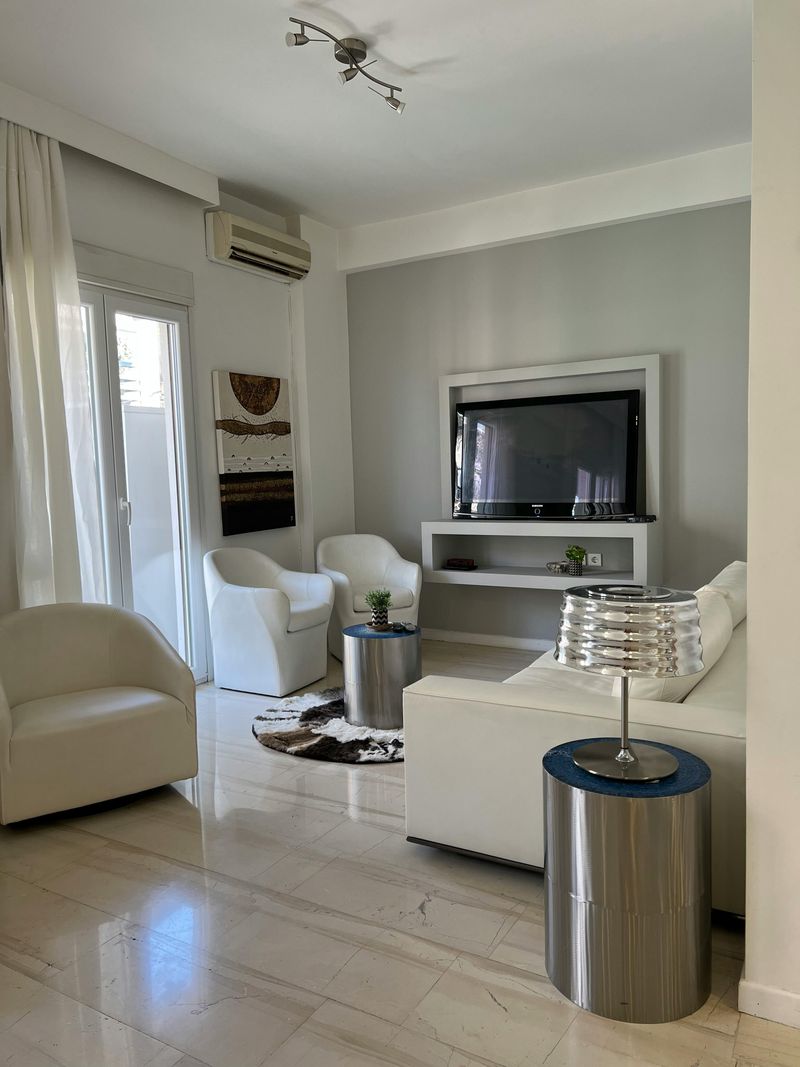
Some homes are so perfectly clean and organized that they feel more like museums than places where life actually happens.
Not a pillow out of place, not a coffee mug on the counter, not a jacket tossed over a chair.
While cleanliness is admirable, excessive order can strip away warmth and spontaneity.
Homes should show signs of being lived in and enjoyed.
A cozy throw blanket draped casually, a book left open on the couch, or fresh flowers in a vase add character and comfort.
When everything is perpetually spotless and controlled, it might suggest that maintaining appearances has become more important than relaxing, having fun, or letting loose.
Life’s best moments are often a little messy.
5. A Kitchen That Looks Rarely Used
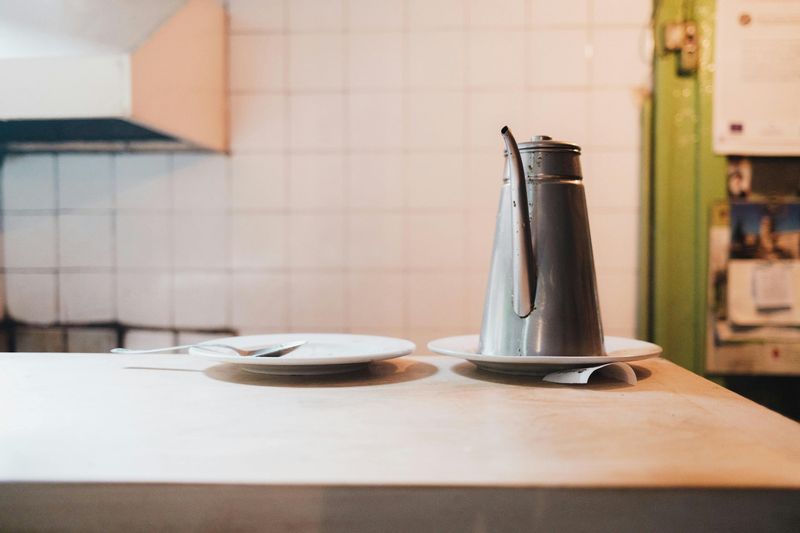
Peek inside the pantry and you might find only basic staples—salt, pepper, maybe some pasta.
The spice rack holds three dusty bottles, and the cookware looks barely touched.
A kitchen that lacks variety in ingredients or tools often signals that meals have become repetitive and uninspired, relying heavily on takeout or microwaved convenience foods.
Cooking can be an adventure, a way to explore new flavors and cultures without leaving home.
When someone stops experimenting in the kitchen, it might reflect a broader lack of curiosity or energy.
Fresh herbs, exotic spices, and well-used cutting boards indicate someone who enjoys the process of creating, trying new recipes, and savoring the experience rather than just fueling up.
6. No Signs of Guests or Social Activity
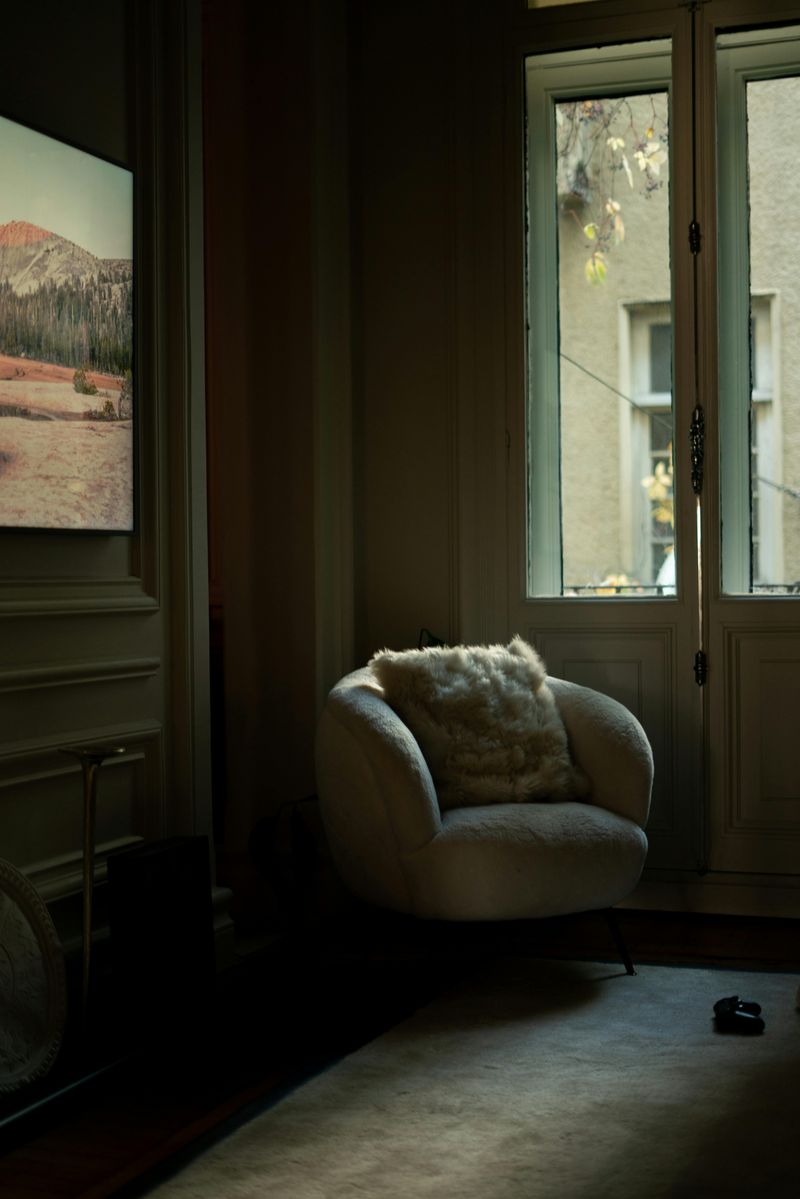
Look around and notice there are no extra chairs pulled up to the table, no stack of board games in the closet, no wine glasses for entertaining, and no guest towels in the bathroom.
These small absences suggest that social gatherings rarely happen here.
When a home is set up only for one person’s solitary routine, it hints at isolation or a lifestyle lacking social spark.
Entertaining friends, hosting dinners, or simply having people over for coffee brings energy and connection into a space.
Homes designed for community feel alive and welcoming.
If there is no evidence that others regularly visit, it might indicate that social life has dwindled, replaced by quiet evenings alone without much interaction or shared laughter.
7. Outdated or Unchanged Furnishings
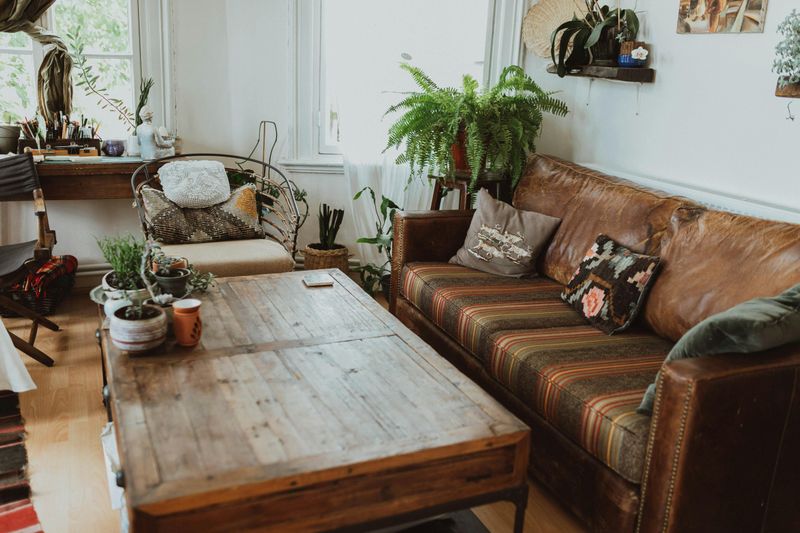
Furniture and décor that haven’t changed in a decade can reveal a life stuck in the same patterns.
The same floral couch from years ago, the same faded curtains, the same dusty knickknacks on the shelf—all frozen in time.
While not everyone needs to redecorate constantly, a complete lack of updates might suggest stagnation rather than contentment.
Refreshing a space reflects growth, new interests, and evolving tastes.
Even small changes like new throw pillows, updated artwork, or rearranged furniture can breathe fresh energy into a home.
When nothing ever shifts, it can mirror a life that has stopped evolving, where curiosity and reinvention have been replaced by comfortable but unchanging routines that no longer inspire.
8. Television as the Main Focal Point
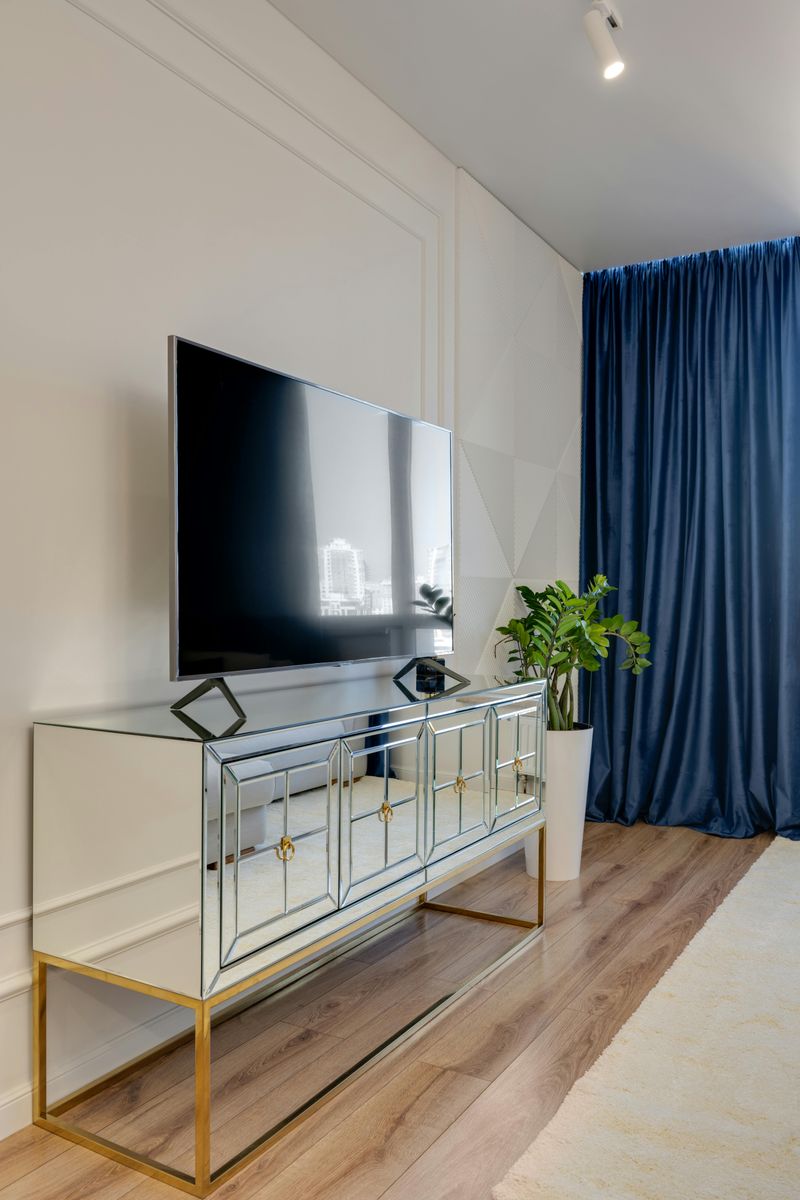
Every piece of furniture faces the television, which dominates the room like a shrine to passive entertainment.
There is no cozy reading nook, no space for hobbies, no area set up for conversation or creativity.
The entire layout revolves around screen time, suggesting that most free hours are spent watching rather than doing.
While relaxing with a favorite show is perfectly fine, a home designed solely around the TV can indicate a lifestyle lacking active engagement.
Spaces that encourage movement, creativity, and interaction foster richer experiences.
When the television becomes the centerpiece, it might reflect a routine where excitement comes only from scripted stories rather than real-life adventures, hobbies, or meaningful connections with others.
9. Closet Full of Practical but Uninspired Clothing

Open the closet and find rows of nearly identical outfits—black pants, gray sweaters, plain shirts in muted tones.
Everything is comfortable and practical, but nothing stands out or reflects personal flair.
When fashion becomes purely functional, it can signal that self-expression and confidence have been traded for blending in and playing it safe.
Clothing choices often mirror how someone feels about themselves and their life.
A wardrobe filled with color, unique pieces, or statement accessories suggests someone willing to take chances and embrace individuality.
If everything looks the same and prioritizes invisibility over style, it might indicate that excitement and boldness have been replaced by routine and caution, both in dress and in daily living.
10. Lack of Travel or Cultural Influence
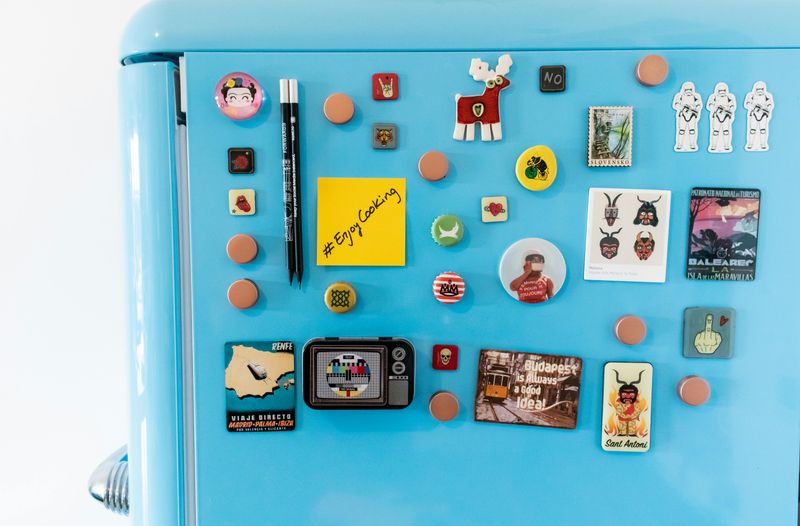
There are no travel guides on the shelf, no maps pinned to the wall, no souvenirs from faraway places, and no art reflecting different cultures.
The absence of these items suggests limited exposure to new environments, experiences, or perspectives.
Travel, even in small doses, broadens horizons and introduces fresh ideas that enrich daily life.
Curiosity about the world keeps life interesting.
Souvenirs, foreign language books, or photographs from trips serve as reminders of adventures and inspire future exploration.
When a home shows no trace of wanderlust or cultural curiosity, it might indicate that routines have become so entrenched that stepping outside the familiar feels unnecessary or overwhelming, leaving little room for the thrill of discovery.
11. Absence of Plants or Living Elements
Not a single plant graces the windowsill, no flowers brighten the table, and no natural textures soften the hard edges of furniture.
A home without living elements can feel stagnant and lifeless.
Plants require care, attention, and nurturing—qualities that also reflect personal growth and a willingness to invest in beauty and vitality.
Greenery adds warmth, color, and a sense of renewal to any space.
It connects the indoors with nature and creates a more inviting atmosphere.
When there are no plants or natural touches, it might suggest that energy for nurturing—whether for plants, hobbies, or relationships—has dwindled.
The absence of growth-oriented elements can mirror a life that feels stuck, lacking the freshness and renewal that comes from tending to something alive.
12. No Ongoing Projects or Signs of Anticipation

Everything in the home is finished, complete, and static.
There is no half-read book waiting to be picked up, no puzzle in progress on the coffee table, no travel brochures for an upcoming trip, and no project materials hinting at future plans.
When nothing is evolving or in the works, it suggests a life without forward momentum or excitement.
Anticipation fuels enthusiasm and gives people something to look forward to.
Ongoing projects, whether big or small, create a sense of purpose and growth.
A home where everything is perpetually done and nothing is beginning might reflect a routine so set that spontaneity and new experiences no longer have a place.
Life thrives on change, curiosity, and the thrill of what comes next.