 MomSkoop

Marriage was once considered the ultimate goal for women, but times are changing.
More women today are choosing to leave their marriages or avoid them altogether.
This shift reflects deeper changes in society, personal independence, and what women expect from their relationships.
Understanding these reasons can help us see why marriage is no longer the only path to happiness.
1. Emotional Needs Left Unmet

Feeling emotionally disconnected from a partner can be one of the most painful experiences in marriage.
Women often crave deep emotional bonds where they feel heard, understood, and valued.
When these needs go unmet for years, the relationship starts to feel empty.
Many women describe feeling like roommates rather than romantic partners.
Conversations become surface-level, and genuine emotional support disappears.
This lack of fulfillment creates a loneliness that feels worse than being alone.
Eventually, women realize they deserve more than just coexisting with someone.
Leaving becomes a way to reclaim emotional health and find genuine connection elsewhere.
2. Arguments That Never Get Resolved

Constant fighting wears down even the strongest relationships.
When couples argue about the same issues repeatedly without finding solutions, frustration builds into resentment.
Women often feel exhausted from trying to communicate their concerns only to be met with defensiveness or silence.
Poor communication patterns create toxic cycles.
One partner shuts down emotionally while the other desperately seeks resolution.
These unresolved conflicts pile up like unpaid bills, creating emotional debt neither person can afford.
Walking away sometimes feels like the only way to find peace.
Women choose their mental health over staying in relationships where their voices echo in empty rooms.
3. Broken Trust Through Infidelity
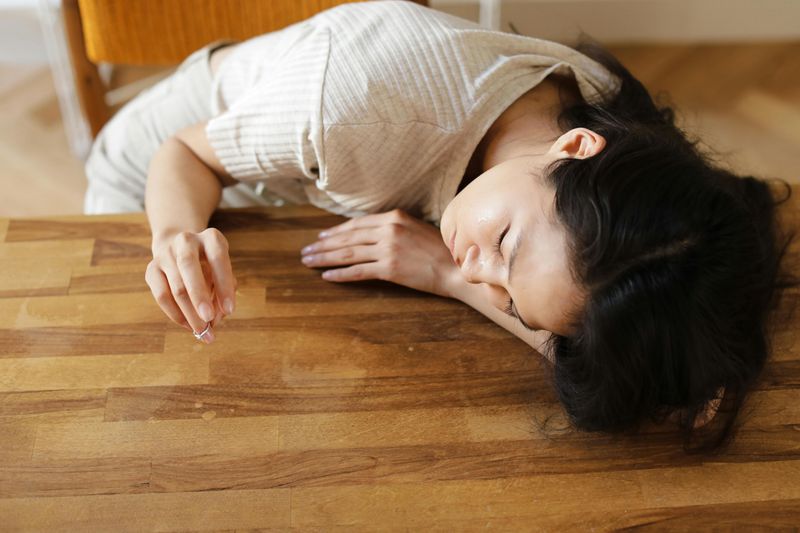
Affairs shatter the foundation of marriage in ways that often cannot be repaired.
Discovering a partner’s betrayal brings devastating pain that changes everything.
Trust, once broken, becomes incredibly difficult to rebuild, no matter how many apologies are offered.
Beyond the affair itself, ongoing deception creates additional wounds.
Women find themselves questioning every word, every late night at work, every text message.
Living with constant suspicion becomes exhausting and unhealthy.
Many women decide that rebuilding trust requires more energy than starting fresh.
They choose self-respect over staying with someone who violated their commitment and broke their heart.
4. Shouldering All the Household Burdens
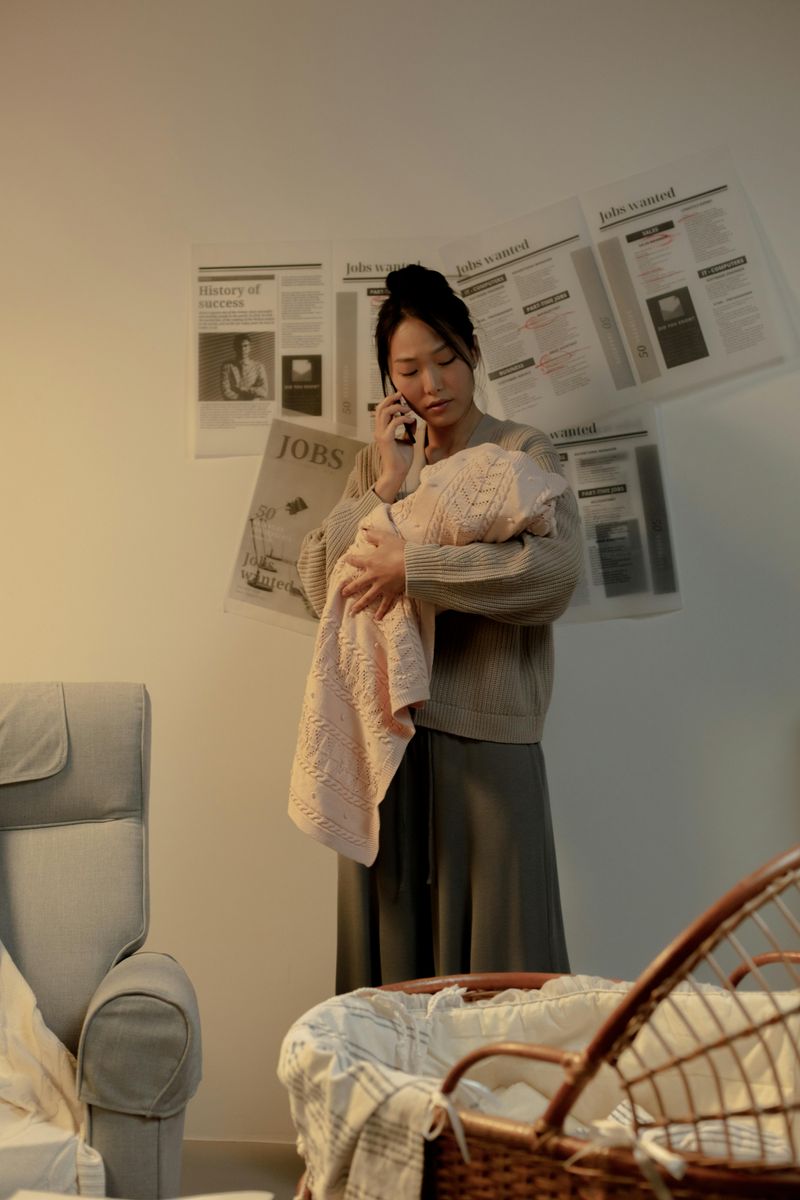
Research shows women still handle most housework and childcare, even when working full-time jobs.
This imbalance creates what experts call the “second shift”—coming home from work only to start another job.
The exhaustion from carrying this load alone becomes unbearable over time.
Women grow tired of asking for help with basic responsibilities.
They become frustrated managing the household mental load while partners remain oblivious.
This inequality breeds resentment that slowly poisons the relationship.
Leaving sometimes means less work, ironically.
Many divorced women report feeling relieved they only have to care for their children, not a grown adult who refuses to contribute equally.
5. Economic Freedom Changes Everything

Previous generations of women often stayed in unhappy marriages because they lacked financial options.
Today, more women earn their own income and build successful careers.
This economic independence fundamentally changes the marriage equation.
Having financial security means women no longer need to tolerate unhealthy relationships for survival.
They can afford their own homes, support their children, and build lives on their terms.
Money provides choices that grandmothers never had.
Financial independence empowers women to prioritize happiness over security.
When staying married means staying miserable, having the resources to leave becomes life-changing freedom worth celebrating.
6. Carrying Everything Alone

Being married yet feeling completely unsupported creates a unique kind of loneliness.
Women describe managing everyone’s emotions, schedules, and needs while their own get ignored.
This invisible labor goes unnoticed until they reach their breaking point.
Feeling taken for granted erodes love gradually.
Small acts of appreciation disappear, replaced by expectations that she’ll handle everything.
Partners stop saying thank you, stop noticing her efforts, stop caring about her exhaustion.
Eventually, women realize they’re already doing everything alone.
Divorce simply makes official what’s already true—they don’t actually have a partner, just another person to care for unnecessarily.
7. When Physical and Emotional Closeness Fades
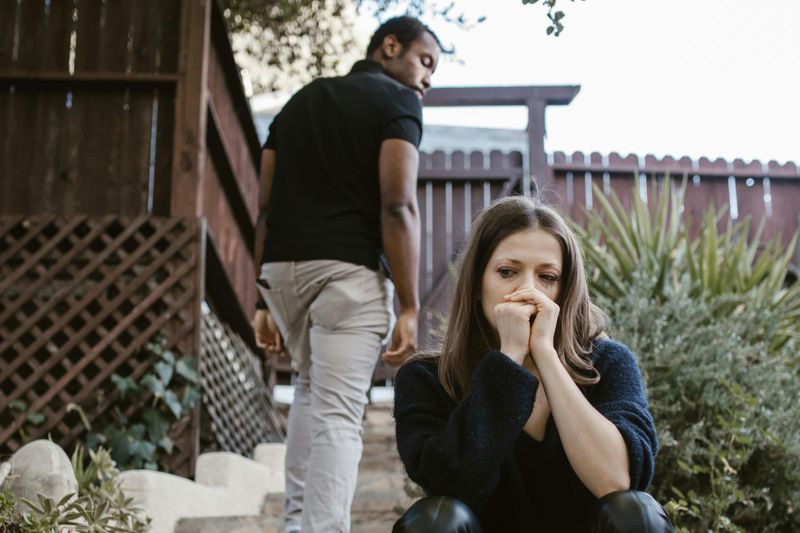
Intimacy involves more than just physical connection—it requires emotional vulnerability and closeness too.
When both disappear, marriages become cold arrangements lacking warmth or affection.
Women need to feel desired, wanted, and emotionally close to their partners.
Years without genuine intimacy create painful distance between spouses.
They stop touching affectionately, stop sharing deep conversations, stop being vulnerable with each other.
The relationship becomes a business partnership managing logistics without love.
Women eventually recognize they deserve passion and connection.
Living without intimacy feels like slow emotional starvation, making divorce a necessary step toward finding fulfillment again.
8. Years of Unhappiness Reaching Critical Point

Some marriages die slowly over many years rather than ending from one dramatic event.
Couples grow apart gradually, their lives moving in different directions.
What once worked simply stops working, and neither person knows how to fix it.
Long-term dissatisfaction accumulates quietly.
Small disappointments pile up, shared dreams fade away, and the friendship that held them together crumbles.
They realize they’ve become strangers who happen to share an address.
Women facing this reality often feel both grief and relief.
Leaving acknowledges what’s been true for years—the connection died long ago, and it’s finally time to move forward separately.
9. Pursuing Personal Dreams and Growth

Women today increasingly prioritize personal development and individual goals.
When marriage feels like an obstacle to growth rather than a support system, it becomes problematic.
They want partners who encourage their ambitions, not ones who hold them back.
Some husbands feel threatened by their wives’ success or personal evolution.
They prefer the woman they married years ago rather than supporting who she’s becoming.
This resistance creates frustration and stagnation.
Choosing personal fulfillment over an limiting marriage represents healthy self-awareness.
Women recognize that staying small to make partners comfortable means sacrificing their potential and happiness unnecessarily.
10. Escaping Harmful and Controlling Behavior

Abuse takes many forms beyond physical violence.
Emotional manipulation, constant criticism, isolation from friends and family, and coercive control all cause serious harm.
Women in these situations often feel trapped, scared, and powerless.
Recognizing abuse can take time because it often escalates gradually.
What started as jealousy becomes surveillance, what seemed like concern becomes control.
Leaving abusive marriages requires tremendous courage and often external support.
No woman should stay in a dangerous situation.
Divorce from an abusive partner isn’t failure—it’s survival and the brave first step toward healing and reclaiming personal safety.
11. Addiction and Mental Health Struggles

Living with untreated addiction or severe mental illness strains marriages beyond what many people can handle.
Women often become caretakers rather than partners, sacrificing their wellbeing trying to fix someone who won’t seek help.
This dynamic becomes exhausting and destructive.
Alcohol abuse, drug addiction, or untreated depression create unpredictable, chaotic home environments.
Children suffer, finances crumble, and the woman carries everything while her partner spirals.
Promises to change rarely materialize into actual recovery.
Leaving isn’t giving up on someone—it’s refusing to drown alongside them.
Women protect themselves and their children by stepping away from destructive patterns their partners won’t address.
12. Society Finally Supports Women’s Choices
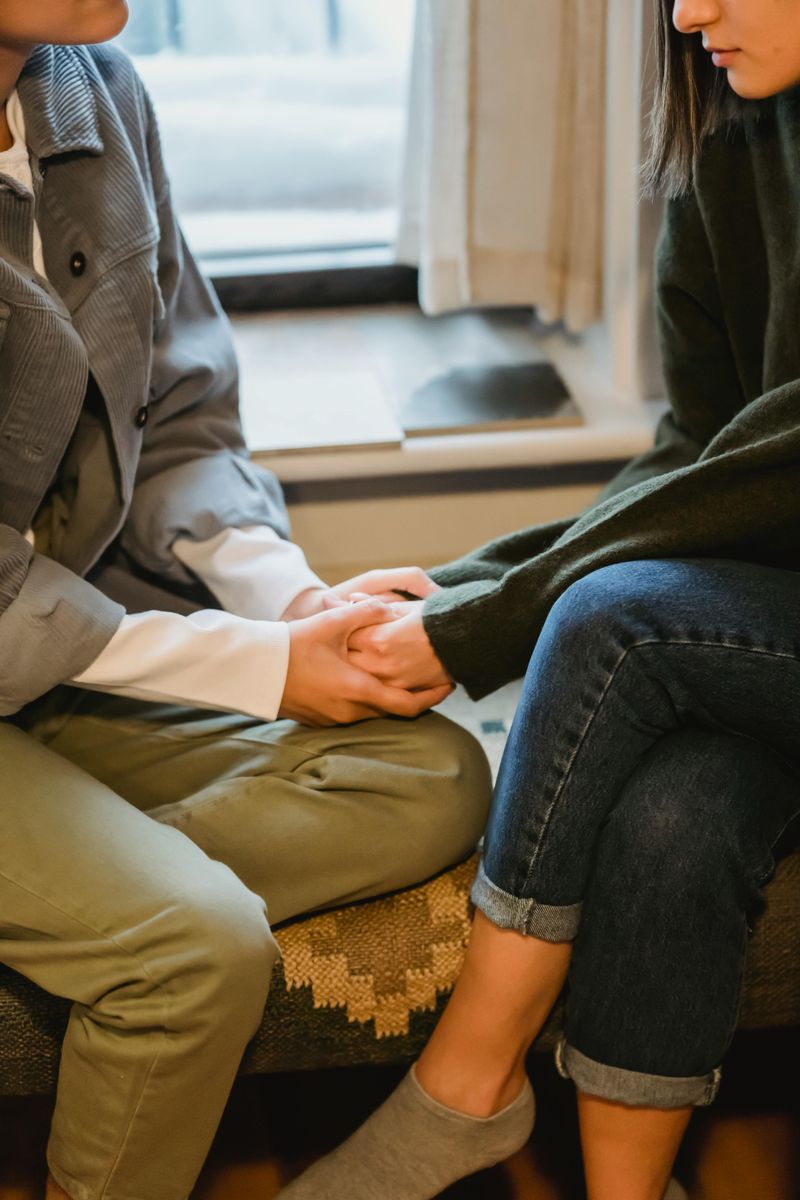
Previous generations faced harsh judgment for leaving marriages, regardless of how unhappy or unhealthy they were.
Today, divorce carries far less stigma.
Communities increasingly support women’s right to choose happiness over staying in bad situations.
This cultural shift empowers women to make decisions based on wellbeing rather than shame.
Friends and family offer support instead of criticism.
Society recognizes that staying married isn’t automatically better than being divorced.
Reduced stigma removes a major barrier that once trapped women in miserable marriages.
When divorce becomes socially acceptable, women gain freedom to prioritize their mental health and genuine happiness.