 MomSkoop
Fashion and design trends come and go, but some overstay their welcome. As we look ahead to 2026, certain aesthetics have worn out their appeal and deserve a long break.
From cookie-cutter beauty standards to algorithm-fueled microtrends, these looks have lost their spark and originality.
1. Overly Saturated Y2K Everything
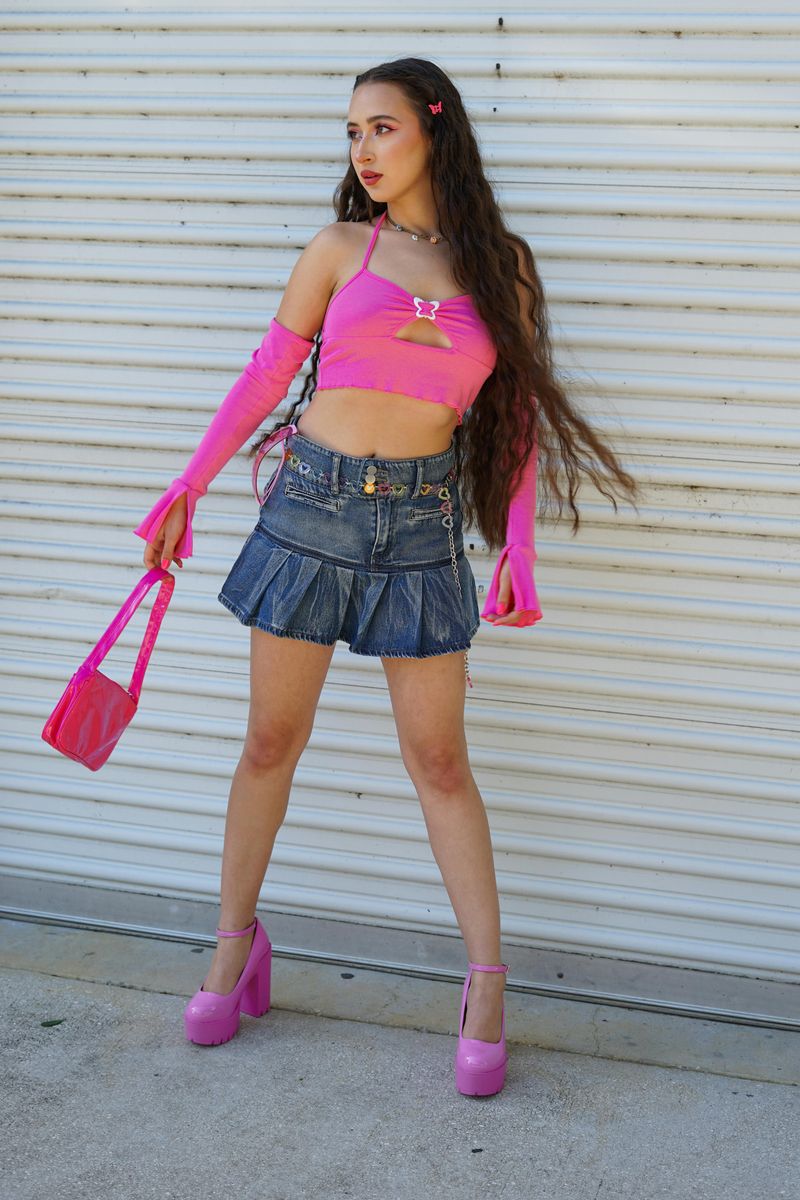
Remember when butterfly clips and low-rise jeans first made their comeback?
That felt fresh and nostalgic.
But now, Y2K fashion has been recycled so many times that it feels like a photocopy of a photocopy.
Logo mania and velour tracksuits flood every store without adding anything new to the conversation.
The trend has become predictable, lacking the creative twist that made the early 2000s fun in the first place.
What we need is innovation, not imitation.
Designers should take inspiration from the past but remix it with modern sensibility.
Otherwise, we’re just stuck in a time loop that’s lost its charm and excitement.
2. Beige-on-Beige Minimalism
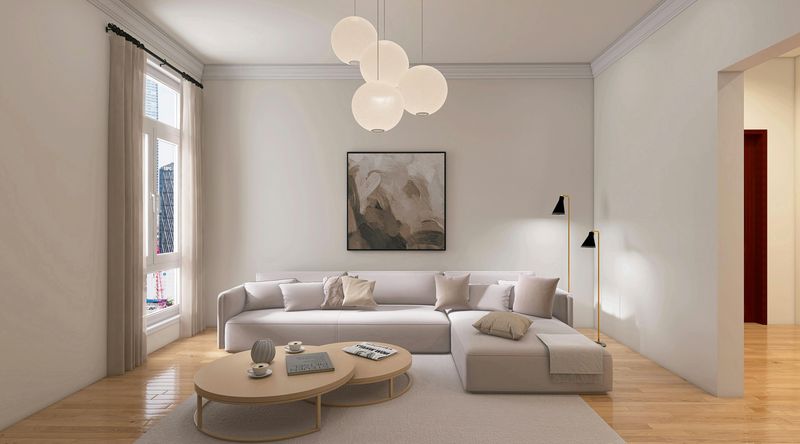
Walking into a room painted entirely in shades of tan can feel like stepping into a sensory void.
Beige minimalism stripped away clutter, but it also removed personality, warmth, and visual interest.
Spaces became Instagram backdrops instead of homes people actually lived in.
Everything matched so perfectly that nothing stood out or told a story.
Texture, color, and contrast disappeared in favor of neutral sameness.
Homes should reflect the people who live in them, not look like they’re waiting for a photoshoot.
Adding pops of color, unique art, or vintage finds makes a space feel alive.
It’s time to embrace individuality over algorithmic perfection.
3. Instagram Face
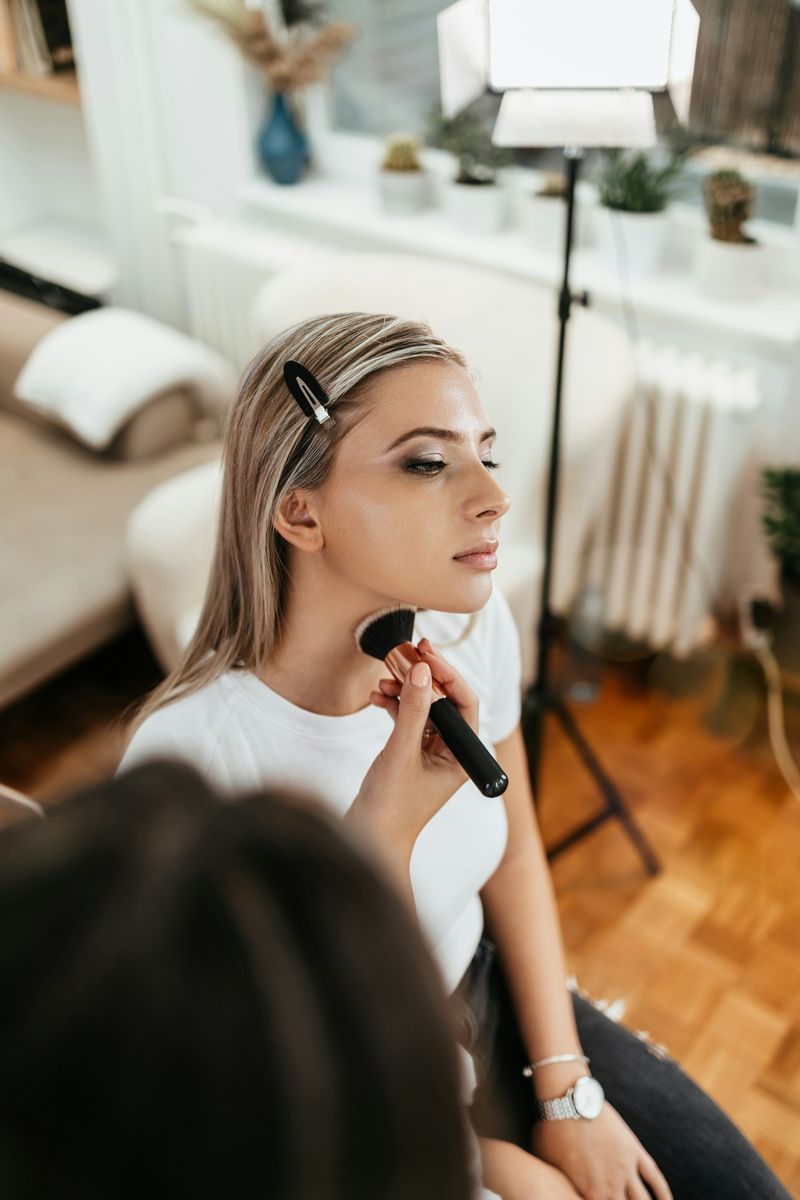
Scroll through any beauty feed and you’ll see the same face repeated endlessly.
Sharp contour, plumped lips, sculpted cheeks, and brows that could cut glass.
This look became so standardized that individuality vanished.
Heavy makeup and cosmetic procedures created a beauty template that left little room for natural features.
Everyone started looking like everyone else, and unique beauty got lost in the process.
Real beauty comes in endless forms, not one filtered formula.
Celebrating different face shapes, skin textures, and features makes the world more interesting.
Let’s move toward authenticity instead of chasing an impossible, copy-paste standard that erases what makes each person special.
4. Fast-Fashion Microtrends

One week it’s cottagecore, the next it’s coastal grandmother, then suddenly everyone’s dressing like a vampire.
Microtrends move so fast that clothes barely get worn before they’re considered outdated.
Fast fashion brands churn out cheap versions of viral aesthetics designed to last weeks, not years.
This cycle creates massive waste and encourages people to constantly buy new things.
Nothing has time to develop meaning or personal style.
Building a wardrobe should be about finding pieces you love and will wear repeatedly.
Quality over quantity makes more sense financially and environmentally.
Slowing down and choosing timeless items lets you develop a signature look instead of chasing whatever’s trending this Tuesday.
5. Costume Goth
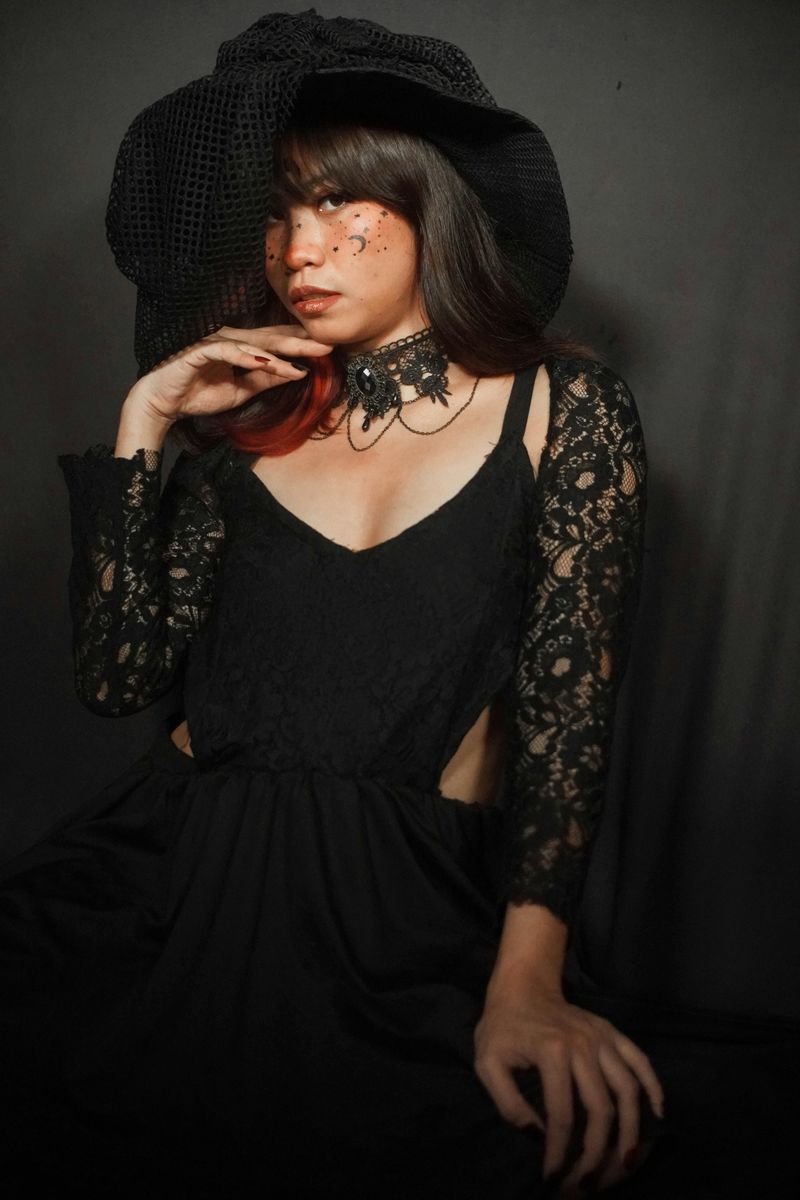
Black lace, silver crosses, and fishnet gloves don’t automatically make something gothic.
Authentic goth culture has deep roots in music, literature, and subversive art that goes way beyond surface-level styling.
When brands slap gothic imagery on everything without understanding its history, it becomes a hollow costume.
The aesthetic loses its meaning and becomes just another trend to exploit and discard.
True goth style carries weight and intention, drawing from Victorian mourning dress, punk rebellion, and romantic darkness.
It’s about expressing something deeper than what looks cool in a photo.
Respecting subcultures means learning their stories, not just borrowing their look for a weekend.
6. Hyper-Glossy Clean Girl Uniforms
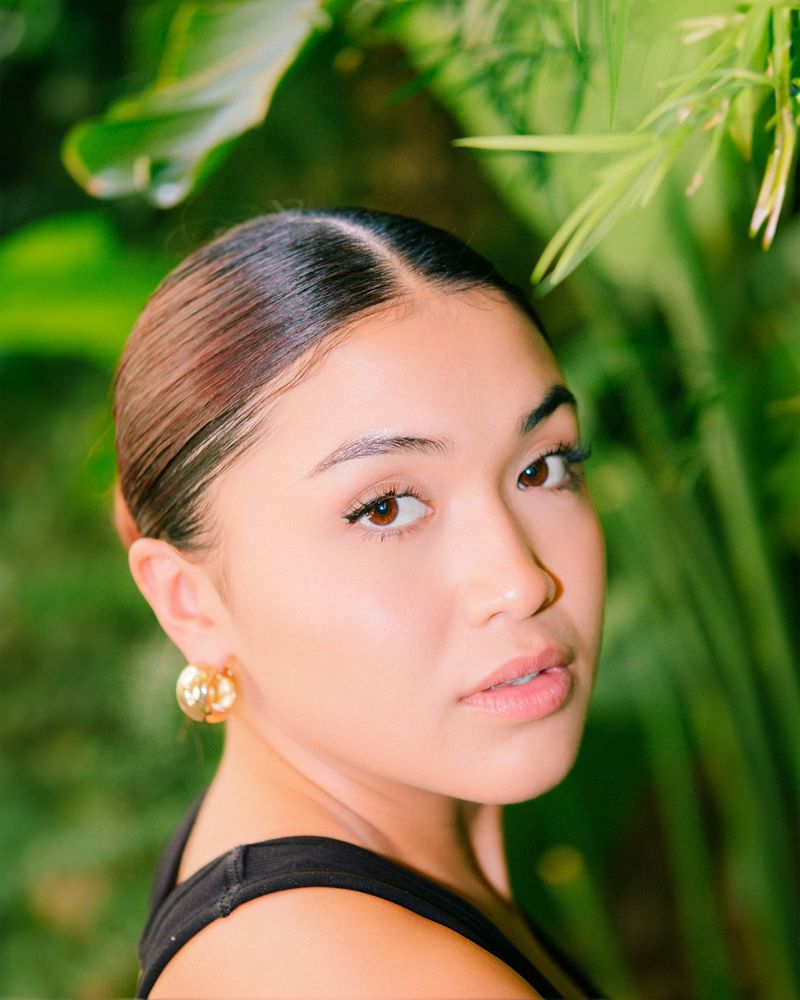
Slicked-back buns, gold hoops, minimal makeup, and neutral athleisure became the unofficial uniform of effortless beauty.
Except it wasn’t effortless at all when everyone had to look identical to fit in.
The clean girl aesthetic promised simplicity but delivered conformity.
Personal style got replaced by a checklist of required items and a very specific look.
What started as fresh and natural became rigid and exclusive.
Effortless should mean comfortable in your own skin, not copying someone else’s formula.
Beauty routines should serve you, not the other way around.
Real confidence comes from expressing yourself authentically, whether that’s glossy and minimal or bold and colorful.
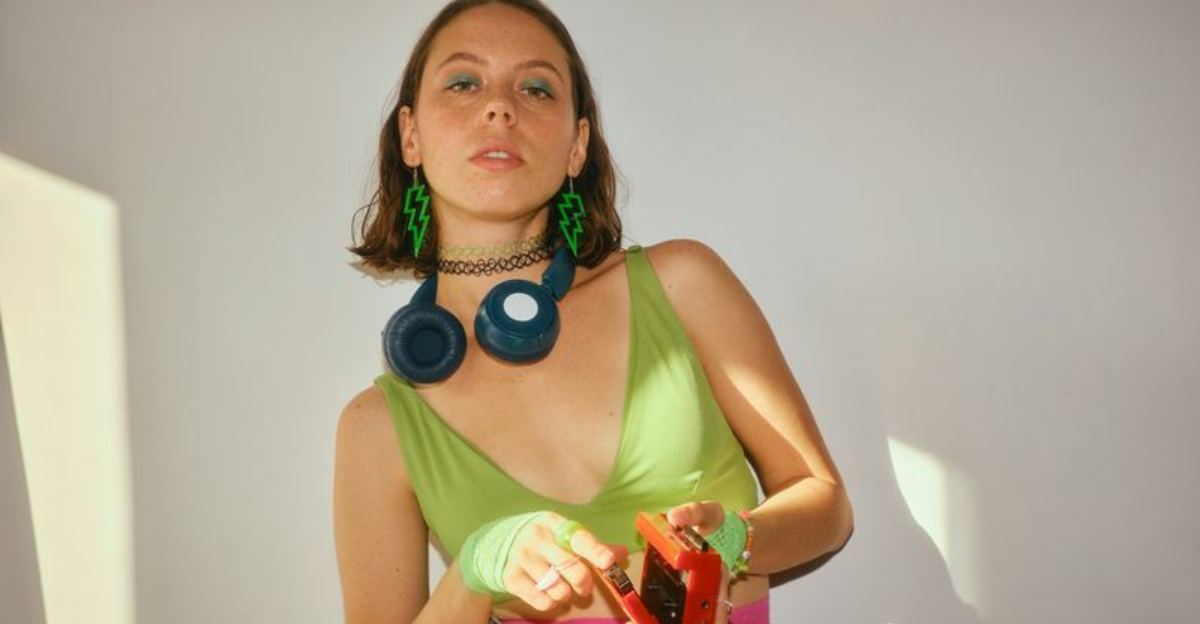
7. Neon Overload
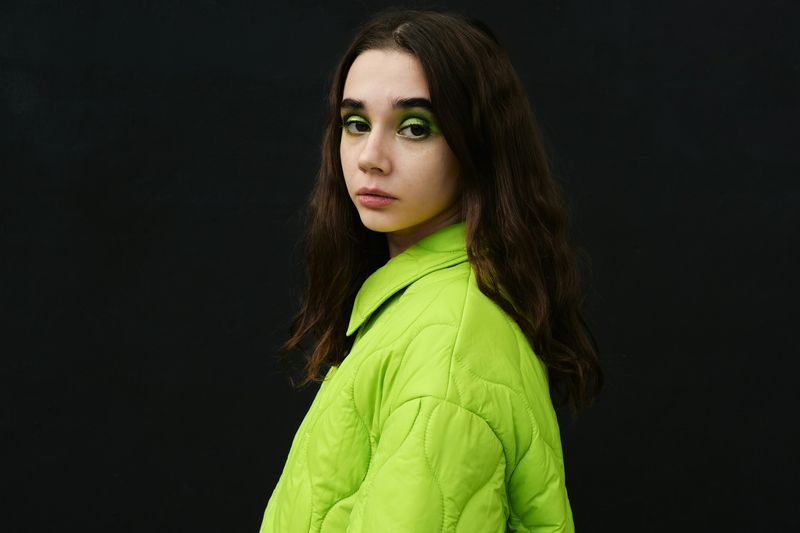
Highlighter yellow, electric lime, and shocking pink can look amazing when used thoughtfully.
But when neon colors blast every surface without restraint, they become visually exhausting.
Neon works best as an accent, not the entire palette.
Too much brightness with no balance creates chaos instead of energy.
Context matters, whether in fashion, interiors, or graphic design.
Strategic pops of neon against neutral backgrounds create impact and excitement.
Mixing textures and tones gives the eye places to rest.
Restraint doesn’t mean boring; it means knowing when more isn’t better.
Let neon shine by using it purposefully, not drowning everything in fluorescent overload that loses all meaning.
8. Matchy-Matchy Sets
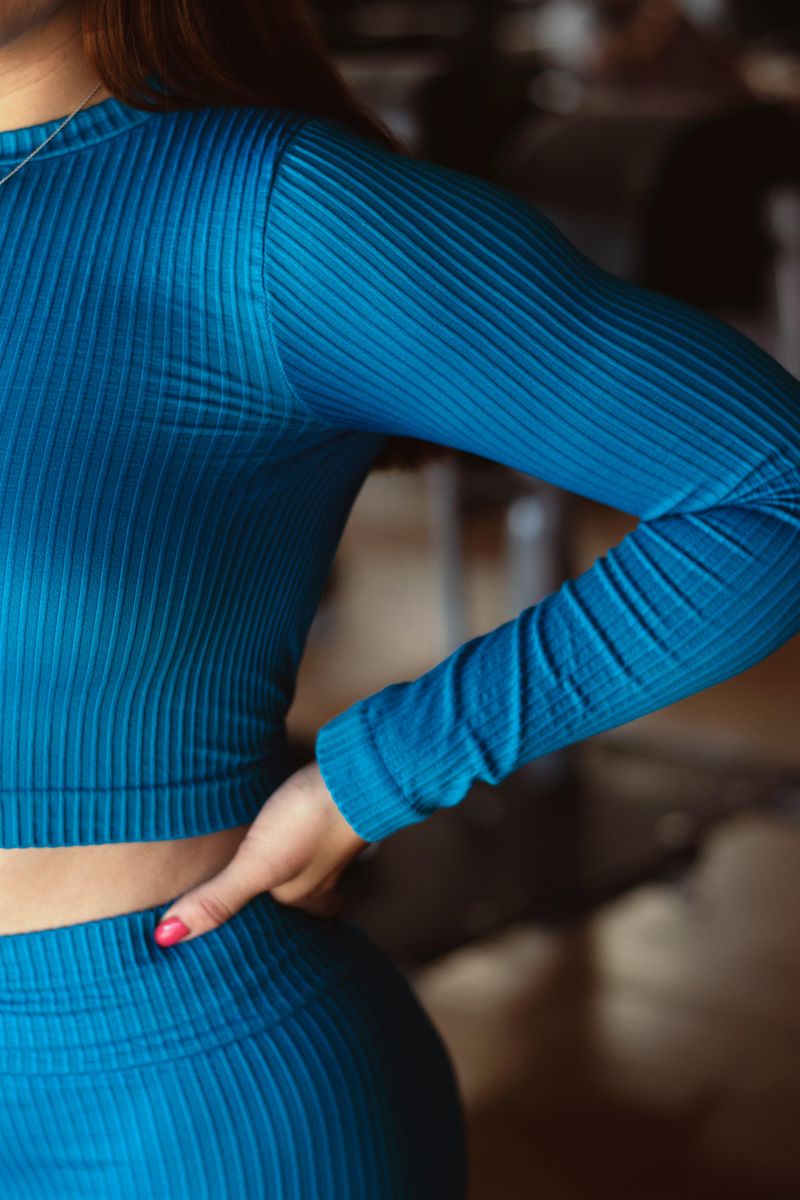
Pre-coordinated outfits take the guesswork out of getting dressed, but they also remove all creativity.
When your shirt, pants, and accessories come as a package deal, there’s no room for personal expression.
Fashion becomes paint-by-numbers instead of an art form.
Everyone ends up looking like they’re wearing a uniform from the same store.
Mixing and matching pieces shows personality and develops your eye for style.
Building outfits from different sources creates unique combinations that feel distinctly yours.
Experimenting with unexpected pairings is how personal style develops.
Breaking up matching sets and adding individual pieces transforms generic looks into something special that actually represents who you are.
9. Millennial Pink Burnout
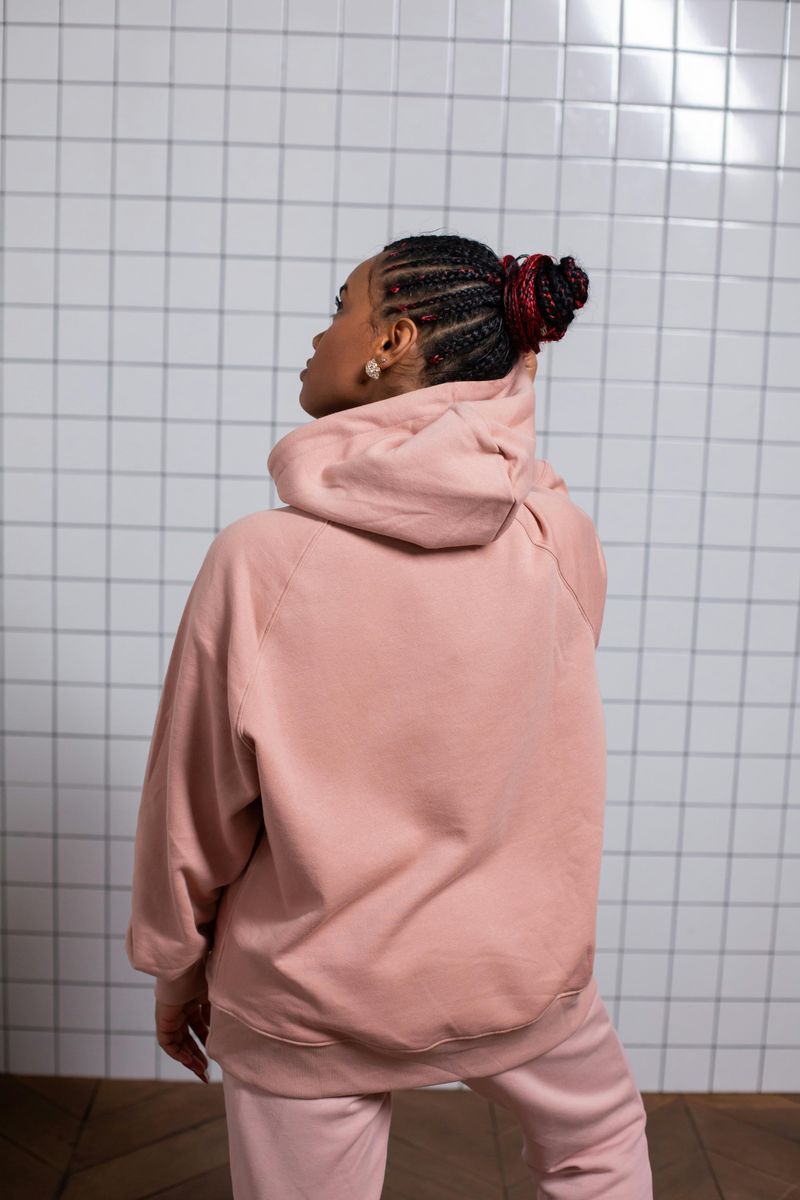
Once upon a time, millennial pink felt sophisticated and modern.
That dusty rose shade showed up everywhere from coffee shops to tech startups, signaling a new aesthetic moment.
But after years of seeing it on every product, wall, and Instagram post, the color lost its magic.
What felt fresh in 2016 now triggers visual fatigue.
Overexposure turned a lovely shade into a tired cliché.
Colors deserve breaks just like trends do.
Moving on doesn’t mean millennial pink was bad; it just means we’ve seen enough for now.
Exploring new palettes keeps design exciting and prevents burnout.
Maybe in another decade it’ll feel fresh again, but for now, let’s give it a rest.
10. Over-Minimalized Branding
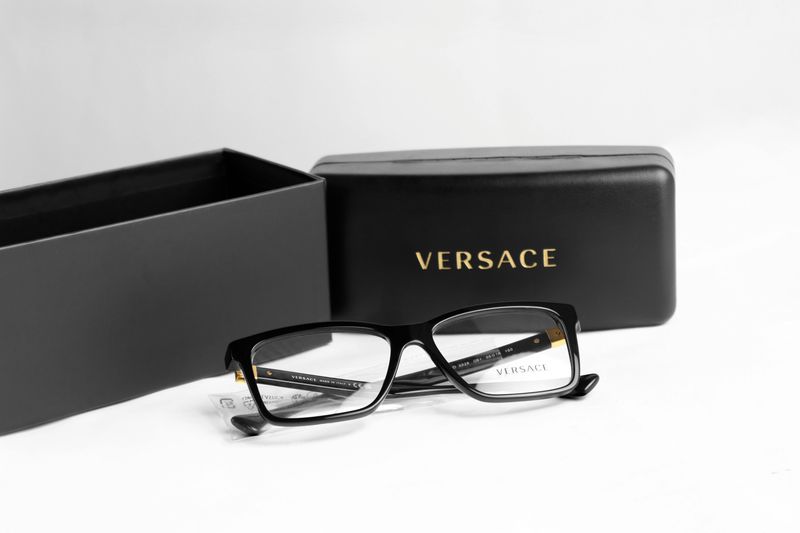
Remember when logos had personality?
Then everyone stripped their branding down to sans-serif text and flat colors, claiming it looked modern and clean.
But somewhere along the way, brands became indistinguishable from each other.
Unique identities got sacrificed for the appearance of sophistication.
Logos that once told stories became forgettable wordmarks that could belong to anyone.
Good design balances simplicity with character.
Minimalism works when it reveals essence, not when it erases identity.
Brands need visual personality to stand out and connect with people.
Sometimes a little detail, color, or quirk makes all the difference between memorable and generic.
Let’s bring back logos with soul.
11. Ultra-Distressed Denim
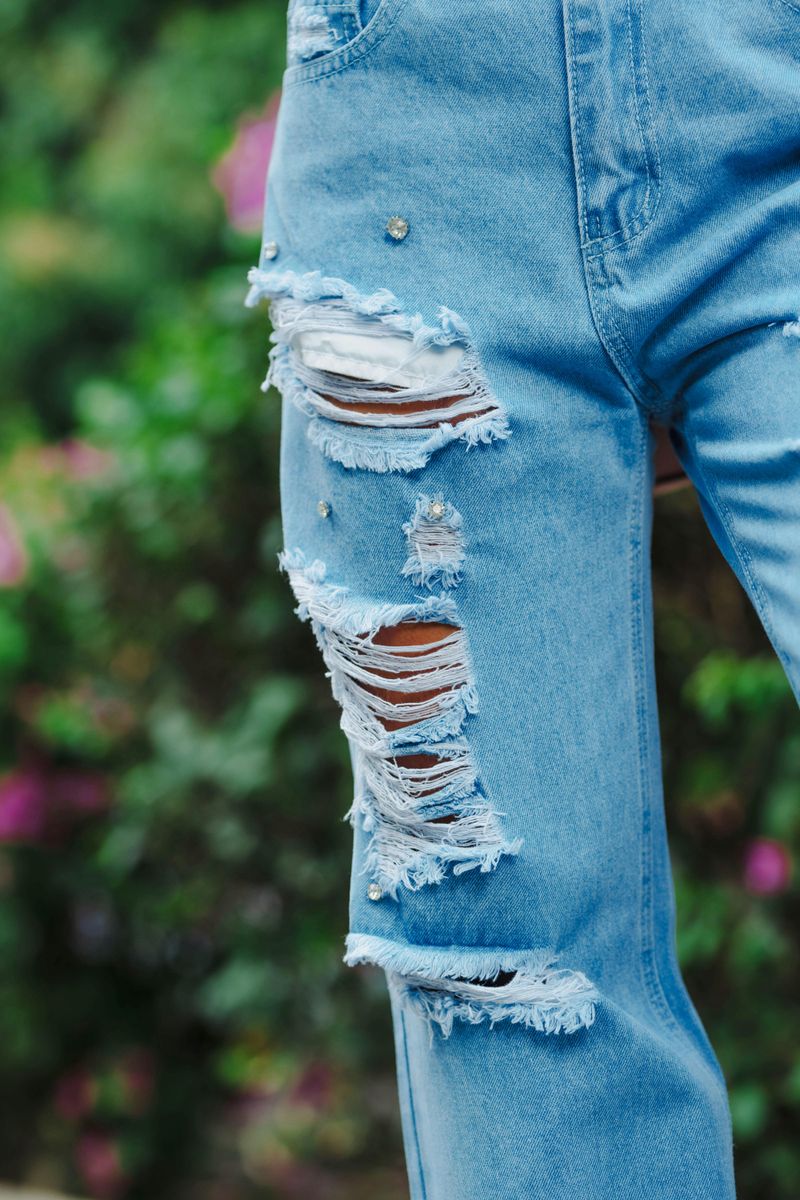
Jeans with a few strategic rips can look cool and lived-in.
But when denim is shredded to the point where more fabric is missing than present, it crosses into absurdity.
Ultra-distressed jeans barely function as clothing anymore.
They’re cold, impractical, and often more expensive than intact versions.
The look went from edgy rebellion to trying way too hard.
Well-worn denim tells a story of actual wear, not factory destruction.
Authenticity beats manufactured rebellion every time.
If you want distressed jeans, wear them until they naturally develop character.
That feels real, while buying pre-shredded pants for premium prices just feels like a marketing gimmick that’s run its course.
12. Influencer Beige Interiors
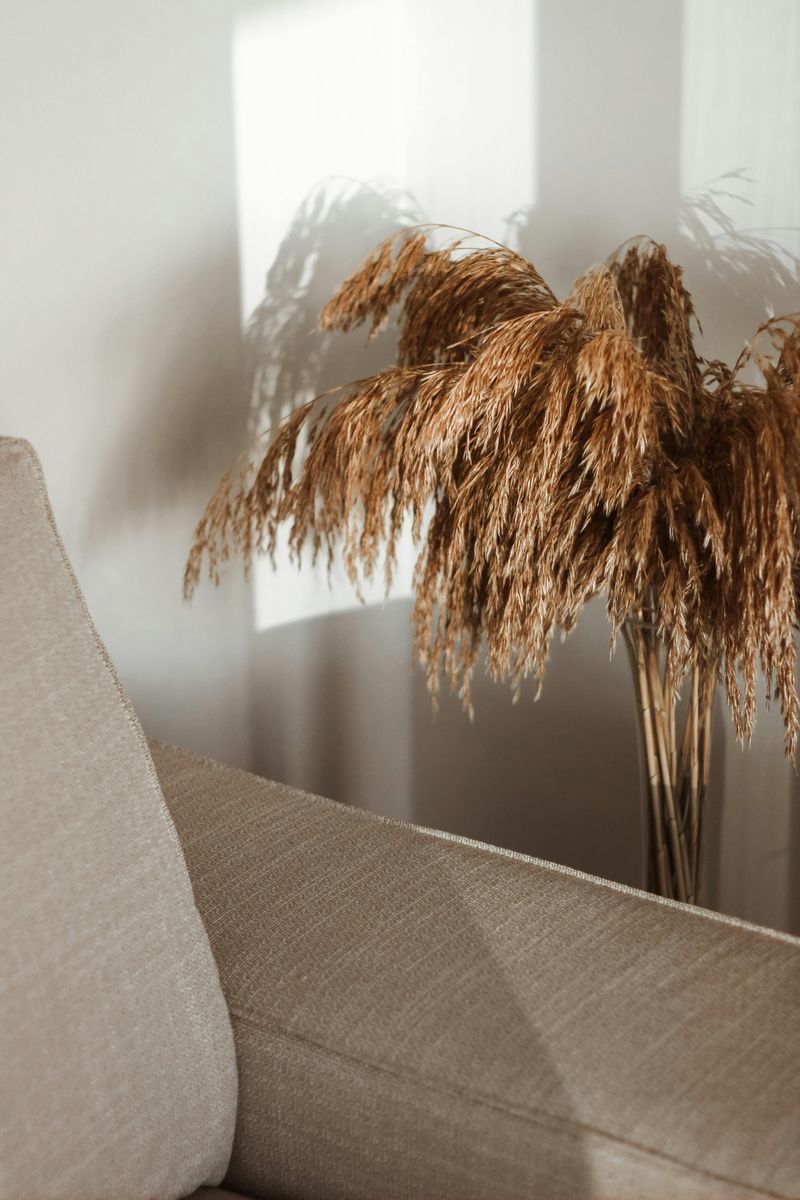
Bouclé chairs, cloud couches, and pampas grass became the holy trinity of influencer home design.
Every apartment started looking like the same catalog page, down to the exact placement of identical decor.
These spaces photograph beautifully but often lack comfort and personality.
Function gets sacrificed for aesthetic cohesion.
Homes became sets designed for content creation rather than actual living.
Your space should support your life, not impress strangers online.
Mix vintage finds with new pieces, display meaningful objects, and prioritize comfort over trends.
Homes with character come from collecting things you love over time, not ordering everything from the same influencer’s link list at once.
13. Algorithm-Driven Aesthetics

When trends are designed to perform well on social media rather than look good in real life, something fundamental breaks.
Outfits, rooms, and makeup looks get optimized for likes instead of livability or personal expression.
Algorithm-driven aesthetics prioritize what photographs well over what actually works.
People choose styles based on engagement metrics rather than genuine preference.
This creates a homogenized visual culture where everything looks the same because it’s all chasing the same formula.
Real style comes from personal exploration, not analytics.
What makes you feel good matters more than what gets the most comments.
Break free from algorithm thinking and choose aesthetics that resonate with you, even if they’re not trending right now.