 MomSkoop
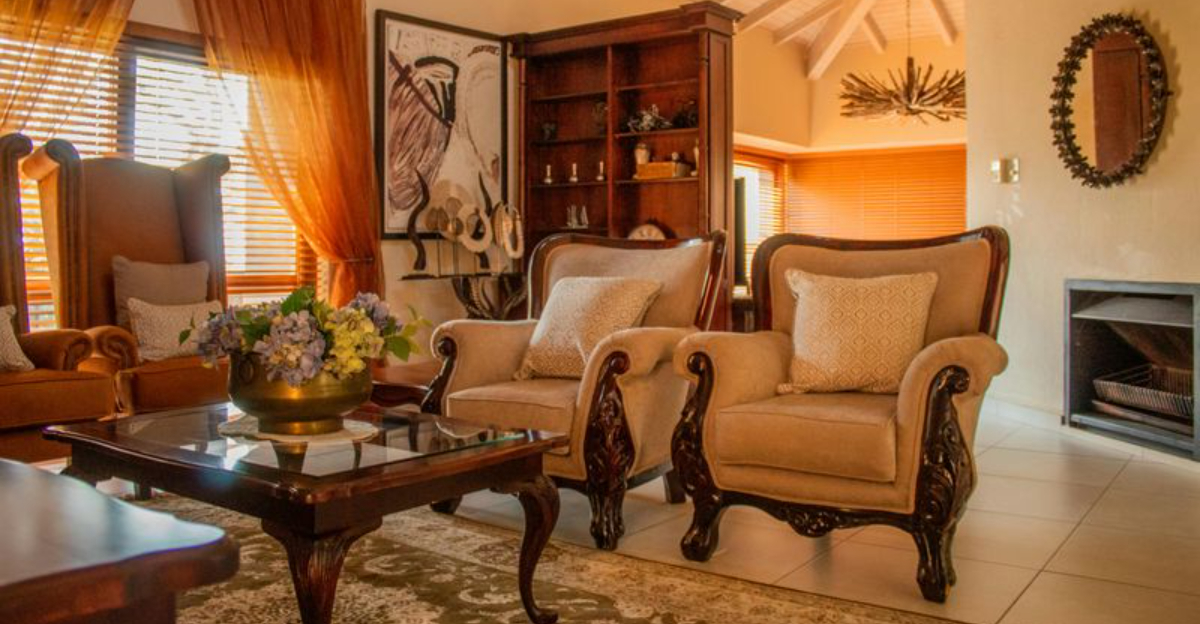
Furniture trends are evolving beyond fleeting aesthetics, with designers placing greater emphasis on comfort, sustainability, craftsmanship, and personal expression. As we move into 2026, homes are becoming more intentional, blending timeless design with innovative materials and multifunctional pieces that adapt to modern lifestyles.
From sculptural silhouettes to nature-inspired finishes, these emerging furniture trends are set to redefine interiors and shape the way we live. According to leading designers, these 14 furniture trends represent the future of home design—and they’re already making a significant impact.
1. Comfort as a Status Symbol
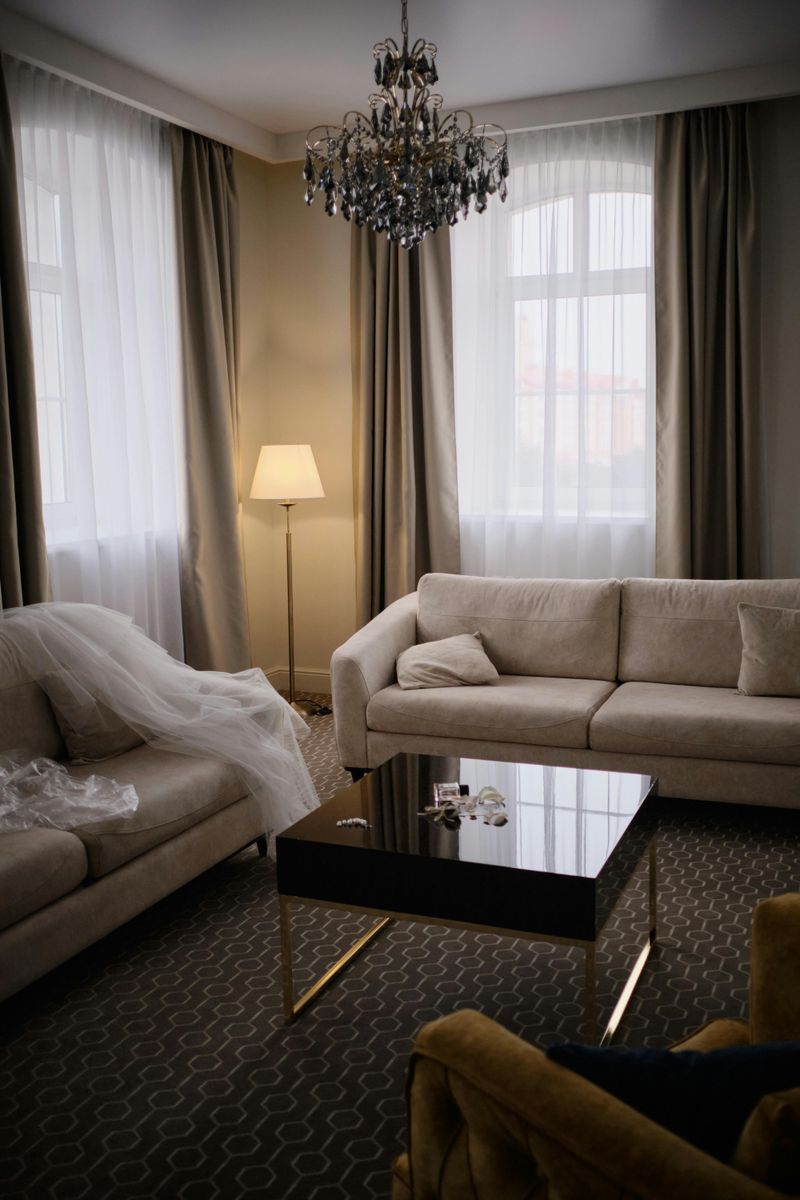
Gone are the days when stiff, formal furniture showed off your style.
Now, the most impressive pieces are the ones that make you want to sink in and stay awhile.
Plush sofas with deep cushions and oversized armchairs are taking center stage in living rooms everywhere.
Designers are focusing on materials like velvet, bouclé, and soft linens that feel as good as they look.
Your guests will be more impressed by how relaxed they feel than by how fancy your furniture appears.
This trend proves that luxury doesn’t have to be uncomfortable.
Investing in cozy, well-made pieces shows you value quality of life over just appearances.
After all, what’s the point of beautiful furniture if you can’t actually enjoy sitting on it?
2. Handcrafted Americana
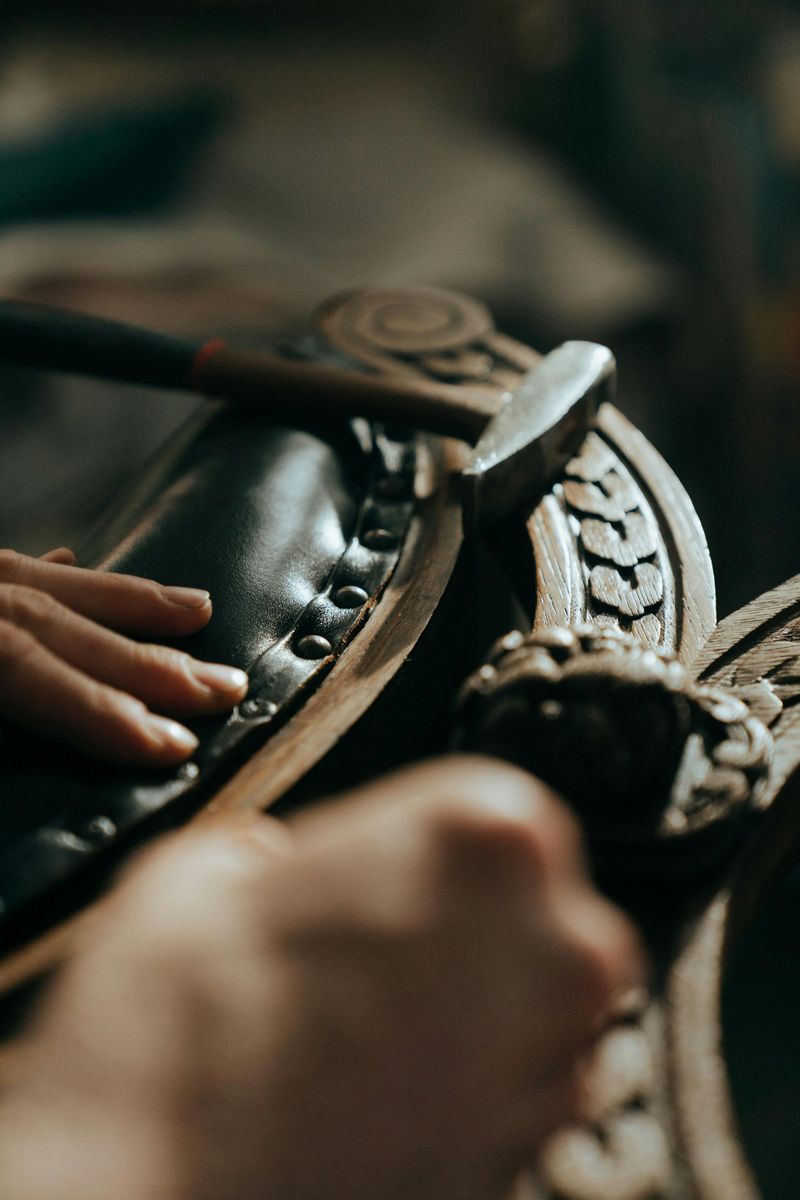
American-made furniture with visible craftsmanship is making a huge comeback.
People are tired of mass-produced items that all look the same.
Instead, they’re seeking out pieces made by local artisans who use traditional techniques passed down through generations.
Think sturdy wooden tables with hand-carved details, rocking chairs built to last decades, and cabinets with unique joinery that tells a story.
Each imperfection becomes a badge of authenticity rather than a flaw.
This trend celebrates American heritage and supports small businesses at the same time.
When you buy handcrafted furniture, you’re not just getting a functional item—you’re bringing home a piece of art.
The connection to the maker adds meaning that factory furniture simply can’t match.
3. Elevated Sectionals
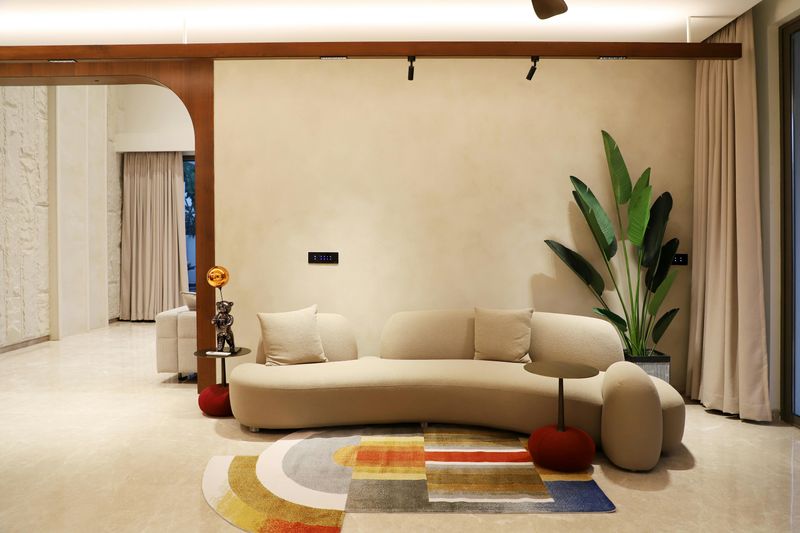
Sectional sofas are getting a major upgrade from their basic beginnings.
No longer just practical seating for big families, they’re becoming statement pieces with sophisticated designs.
Modern sectionals feature curved shapes, mixed materials, and modular configurations that adapt to your space perfectly.
High-end fabrics like leather and performance textiles make them both stylish and durable.
Designers are adding architectural elements such as exposed wooden frames and metal legs that elevate the entire look.
These aren’t your parents’ bulky sectionals that dominated the room in awkward ways.
Today’s versions are sleek, customizable, and surprisingly elegant.
They prove that practical furniture can also be the most beautiful piece in your home, combining function with serious fashion sense.
4. Joyful Sculptures
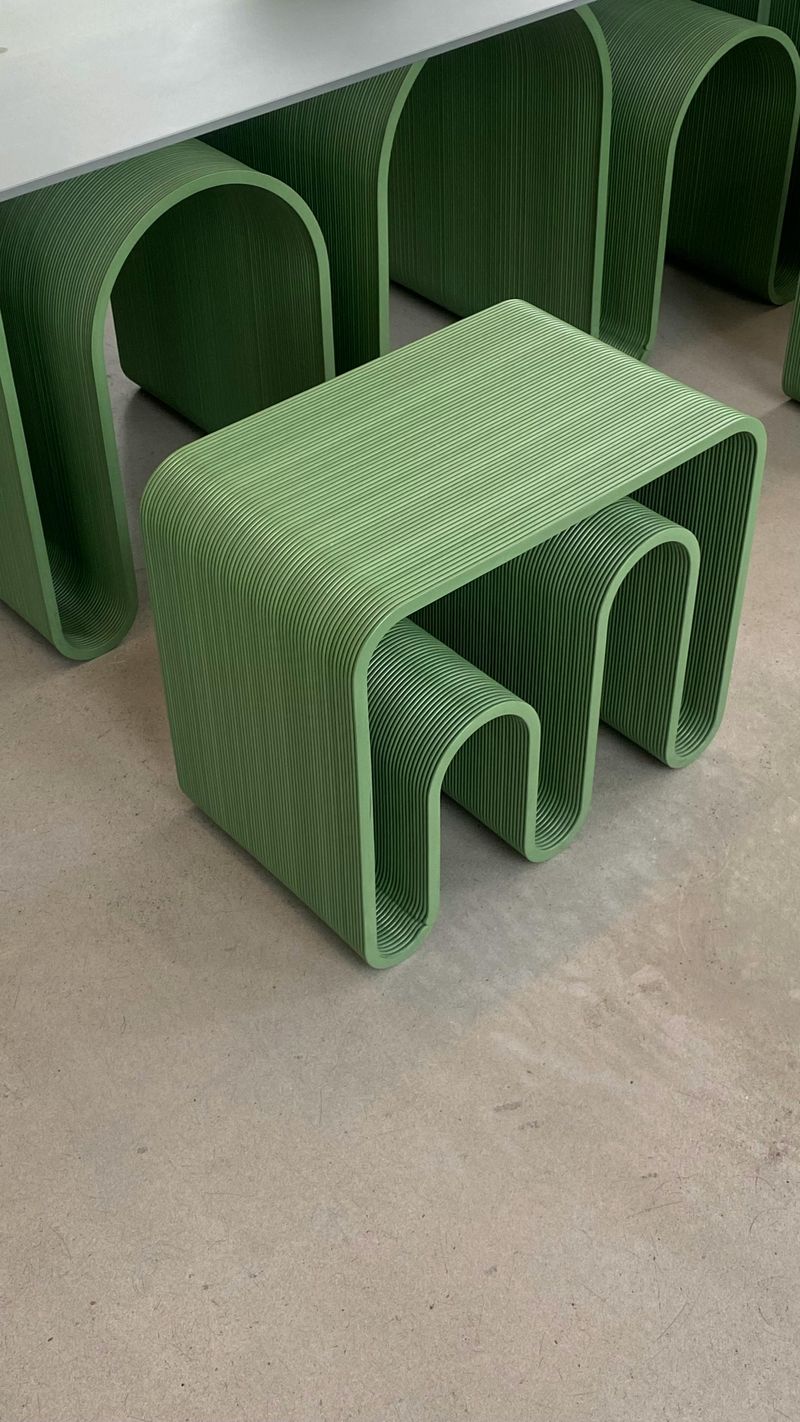
Why should furniture be boring when it can be a conversation starter?
Sculptural pieces that double as functional art are popping up in homes everywhere.
Chairs shaped like abstract forms, tables with unexpected curves, and shelving units that look like modern installations are all part of this trend.
These pieces bring personality and playfulness into spaces that might otherwise feel too serious.
Bright colors and unusual shapes make rooms feel more alive and creative.
You might find a side table that looks like a colorful mushroom or a lamp that resembles a dancing figure.
This trend encourages homeowners to think of furniture as more than just practical items.
When your chair looks like a work of art, every day feels a little more special and inspiring.
5. Juxtaposition of Eras
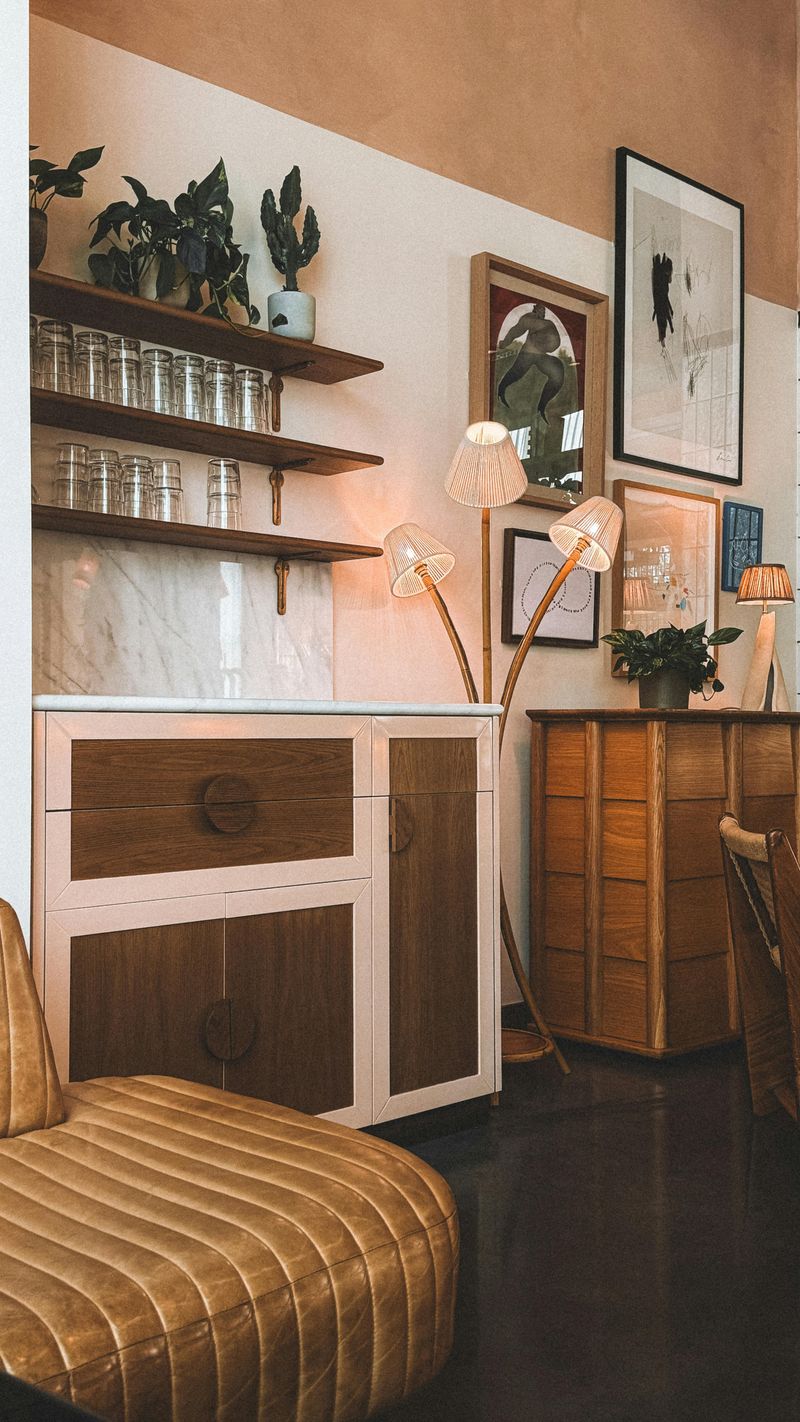
Mixing furniture from different time periods creates surprisingly harmonious spaces.
A sleek modern sofa might sit next to a vintage Victorian side table, and somehow it all works beautifully together.
This trend breaks the old rule that everything in a room needs to match perfectly.
Combining eras adds depth and character that single-style rooms often lack.
An Art Deco mirror can complement minimalist furniture, while mid-century chairs look fresh beside contemporary pieces.
The key is finding common threads like color, texture, or scale that tie different styles together.
This approach lets you keep beloved inherited pieces while still updating your space.
It also makes decorating more personal and less cookie-cutter, reflecting your unique taste rather than following a single design manual.
6. Whimsical Designs
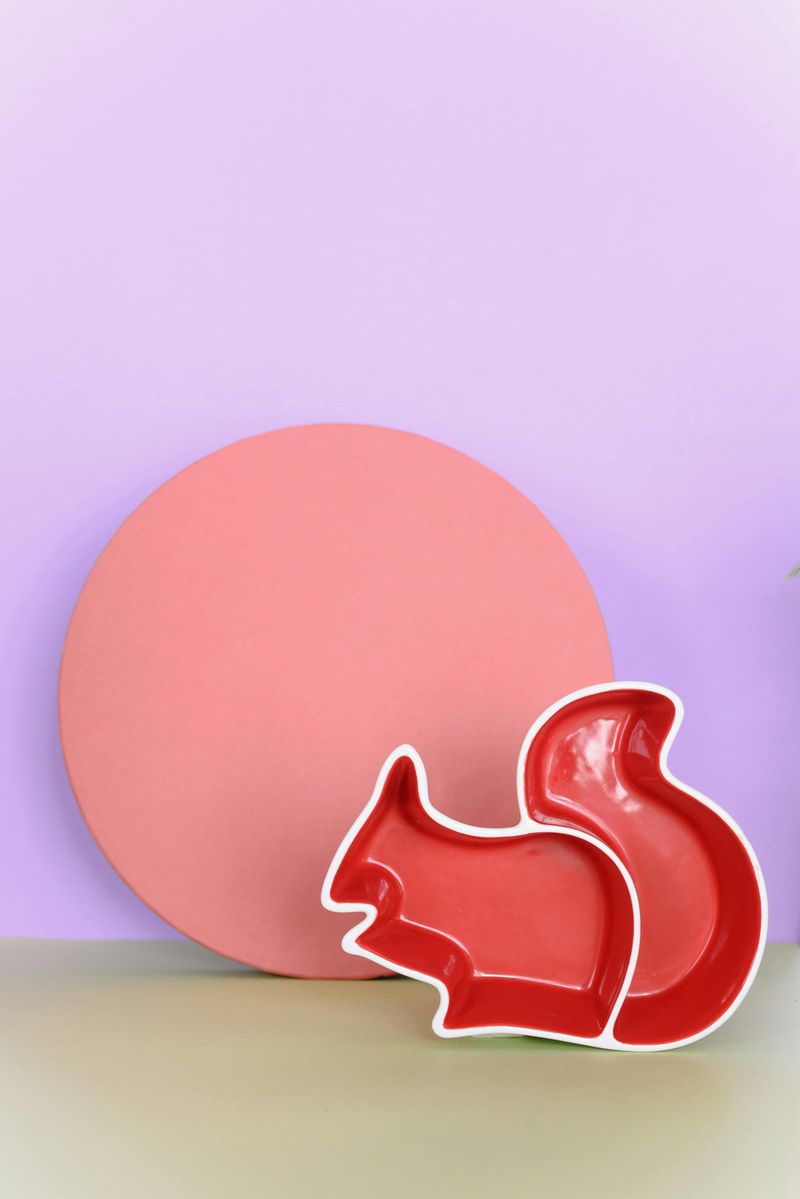
Serious, grown-up furniture is taking a backseat to pieces with a sense of humor.
Whimsical designs feature unexpected details like wavy edges, cartoon-inspired shapes, or furniture that looks like it came from a storybook.
These playful elements remind us that our homes should be fun, not just functional.
A chair might have legs that curve in impossible-looking ways, or a bookshelf could resemble a cloud floating on the wall.
Pastel colors and soft, rounded shapes dominate this trend, creating spaces that feel welcoming and imaginative.
This style works especially well in creative spaces, kids’ rooms, or anywhere you want to spark joy.
Whimsical furniture proves that being practical doesn’t mean sacrificing personality or the chance to smile every time you enter a room.
7. Wood on Wood
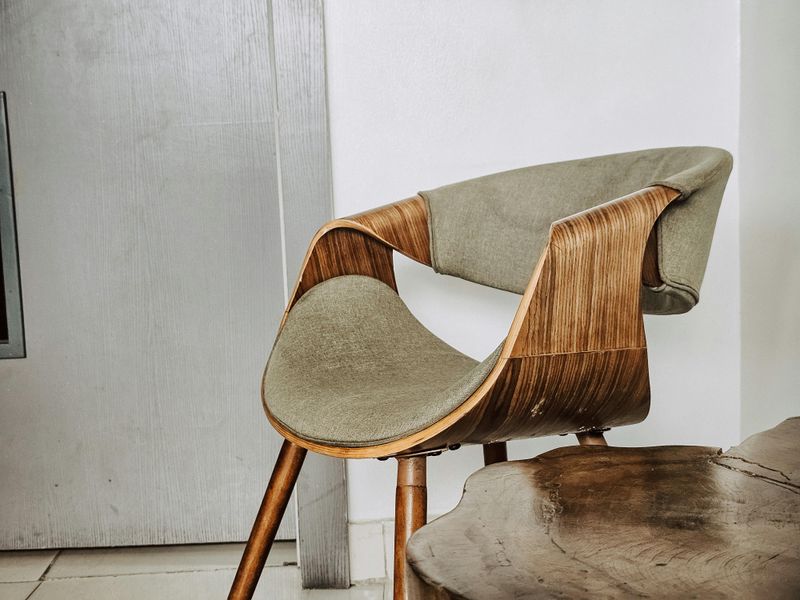
Designers are embracing the beauty of natural wood in all its forms.
Instead of hiding wood grain or painting over it, the latest trend celebrates different wood tones and textures together.
You might see a walnut table paired with oak chairs and maple shelving, creating a rich, layered look.
This approach highlights the unique character of each wood type rather than trying to make everything match exactly.
The variety adds warmth and organic beauty that painted or laminate furniture can’t replicate.
Different wood grains create visual interest without needing bold colors or patterns.
This trend also promotes sustainability by showcasing wood’s natural beauty rather than covering it up.
The result is spaces that feel connected to nature, timeless, and genuinely inviting.
8. 70s Decor
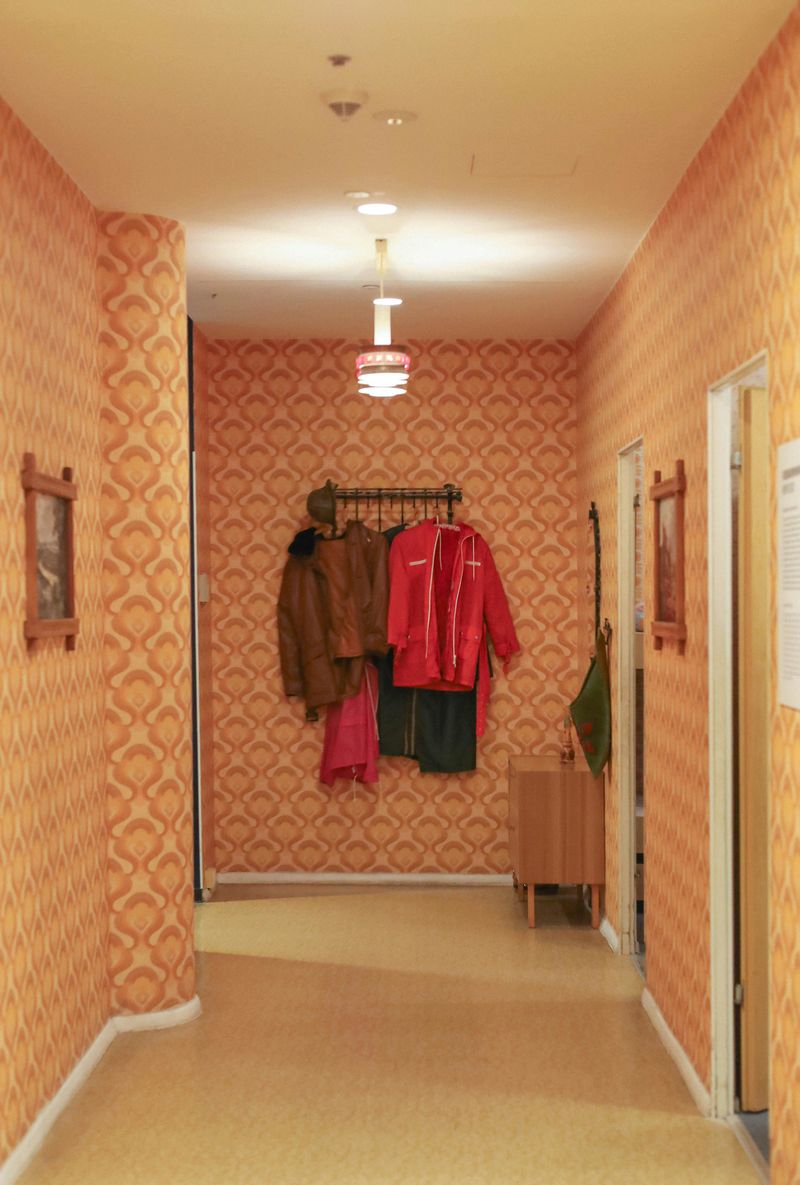
Everything groovy is new again as 1970s style makes a major return.
Low-profile sofas, shag rugs, and furniture with rounded edges are bringing that retro vibe back into modern homes.
Earthy colors like burnt orange, avocado green, and mustard yellow are replacing the grays that dominated recent years.
Designers are updating these vintage looks with contemporary materials and cleaner lines, so they feel fresh rather than dated.
Macramé wall hangings, rattan accents, and geometric patterns complete the throwback aesthetic.
The seventies celebrated comfort and individuality, values that resonate with today’s homeowners.
This trend offers a fun alternative to minimalism while still maintaining a cohesive look.
Bringing back this era’s warmth and personality makes homes feel more lived-in and less like showrooms.
9. Landlocked Rattan
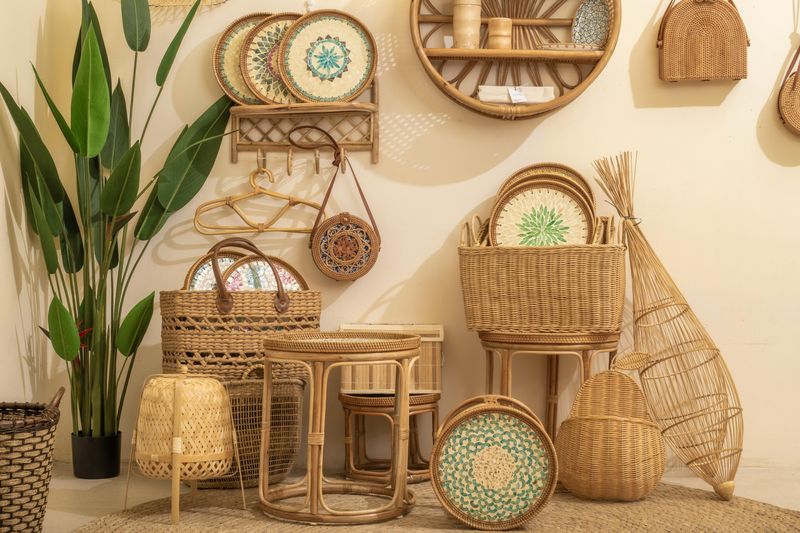
Rattan furniture is moving far beyond beach houses and tropical patios.
This woven material is showing up in city apartments, suburban homes, and even formal dining rooms.
Designers are using rattan in unexpected ways, like headboards, cabinet fronts, and light fixtures that add texture without feeling too casual.
The natural material brings warmth to modern spaces that might otherwise feel cold or sterile.
Rattan’s lightweight nature and organic texture make it incredibly versatile for any climate or location.
It pairs beautifully with both minimalist and maximalist styles, proving its adaptability.
Whether you live near the ocean or in the middle of the mountains, rattan adds a breezy, relaxed element to your space.
This trend shows that coastal materials can work anywhere when styled thoughtfully.
10. Skirting Used Sparingly
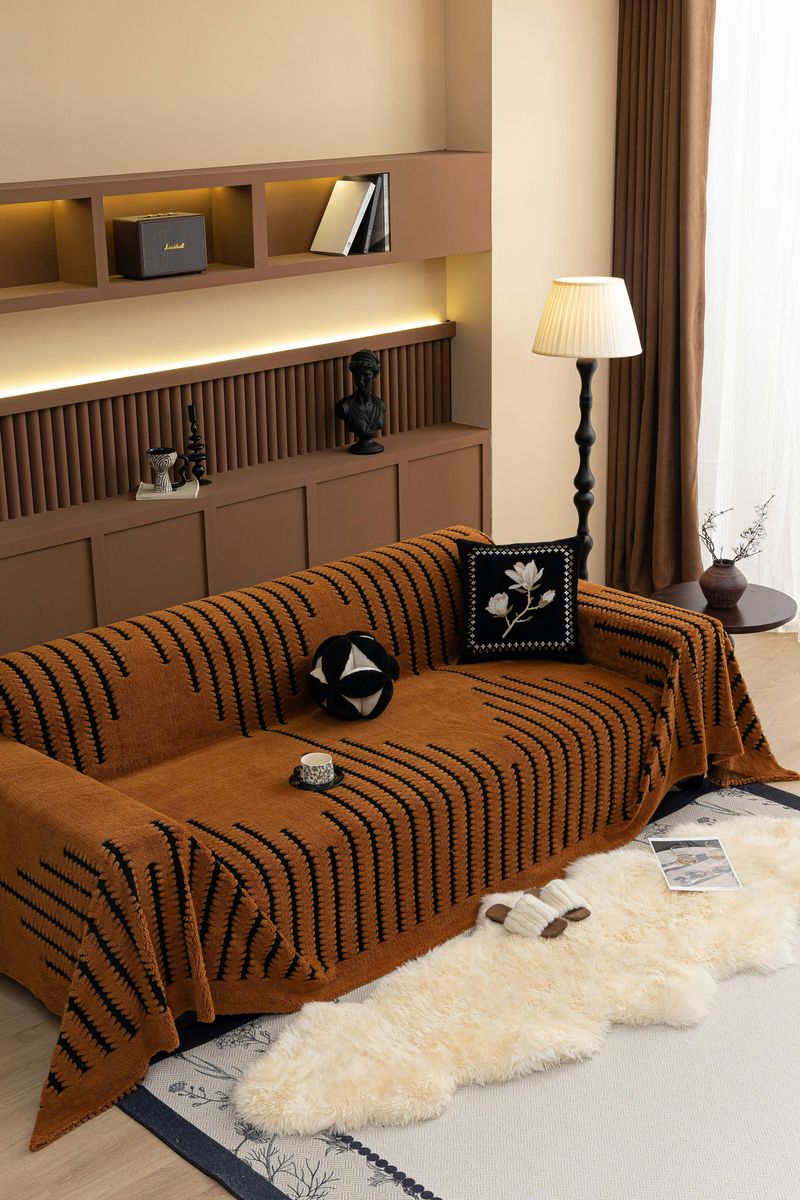
Furniture skirts—those fabric panels that hide chair and sofa legs—are making a comeback, but with restraint.
Instead of the heavy, floor-length skirts common in traditional design, modern versions are shorter and more tailored.
They add a touch of softness and elegance without overwhelming the furniture’s shape.
Designers are using skirts on just one or two statement pieces rather than every upholstered item in the room.
This selective approach keeps spaces from feeling too fussy or old-fashioned.
The updated skirts often feature interesting details like pleats, contrasting trim, or unexpected fabrics that add personality.
When used thoughtfully, skirting can hide storage underneath furniture or soften hard lines in contemporary spaces.
It’s a nod to classic design that feels fresh when applied with a lighter touch.
11. Tradition Takes a Seat
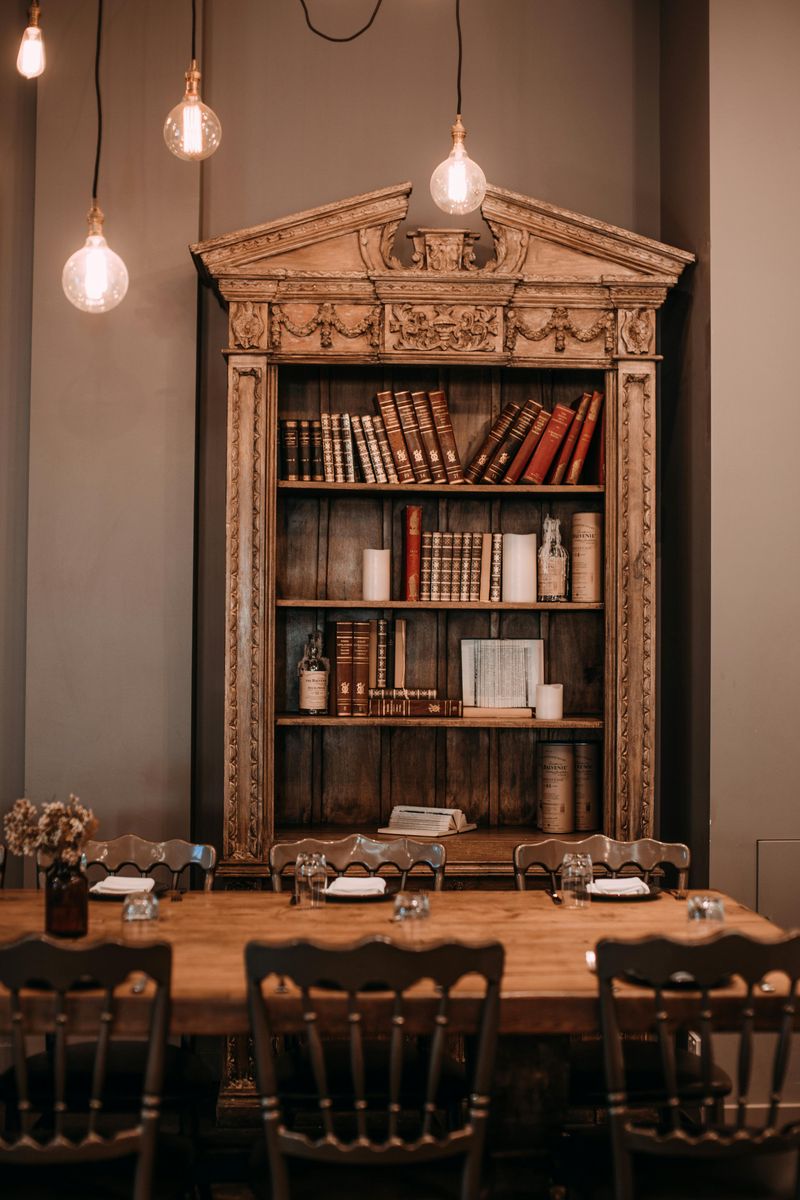
Classic furniture styles are being reimagined with bold, contemporary twists.
Traditional wingback chairs might appear in neon colors, or Chippendale tables could feature unexpected geometric inlays.
This trend respects historical designs while refusing to be bound by their original rules.
Designers are keeping the silhouettes we recognize but changing materials, colors, and finishes in surprising ways.
A Victorian settee might be upholstered in modern performance fabric with abstract patterns instead of floral prints.
These updated classics work in both traditional and contemporary spaces, bridging the gap between old and new.
The approach honors craftsmanship and timeless shapes while making them relevant for today’s lifestyles.
It’s proof that tradition doesn’t have to mean boring or outdated when approached with creativity and confidence.
12. Low-Slung Profiles
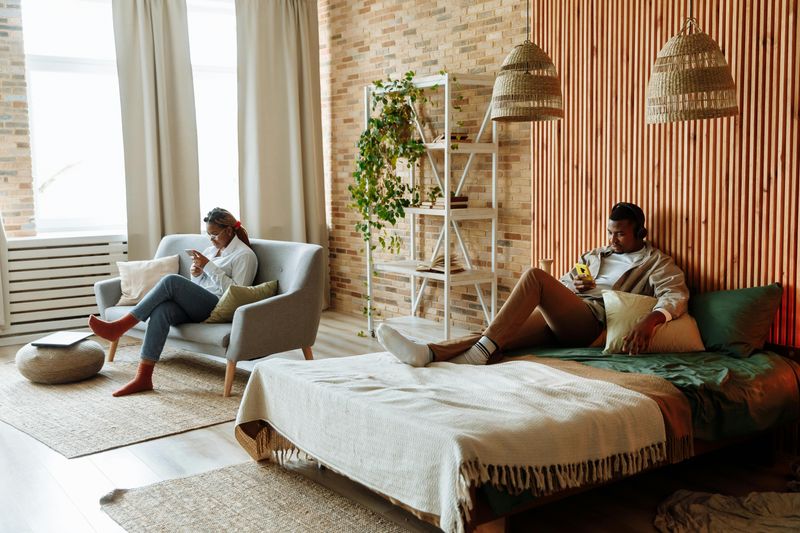
Furniture is getting closer to the ground, and the effect feels instantly calmer.
Sofas, beds, and lounge chairs with low-slung profiles create a room that looks collected rather than crowded.
Designers love how these silhouettes make ceilings feel taller and everyday living feel more relaxed.
What makes the look feel fresh for 2026 is its quiet confidence.
Instead of ornate detailing, the shape itself does the talking, with broad frames, generous seats, and crisp lines.
If you want your space to feel modern without tipping cold, this trend hits that sweet spot beautifully in almost any room of the house.
13. Patinated Metals
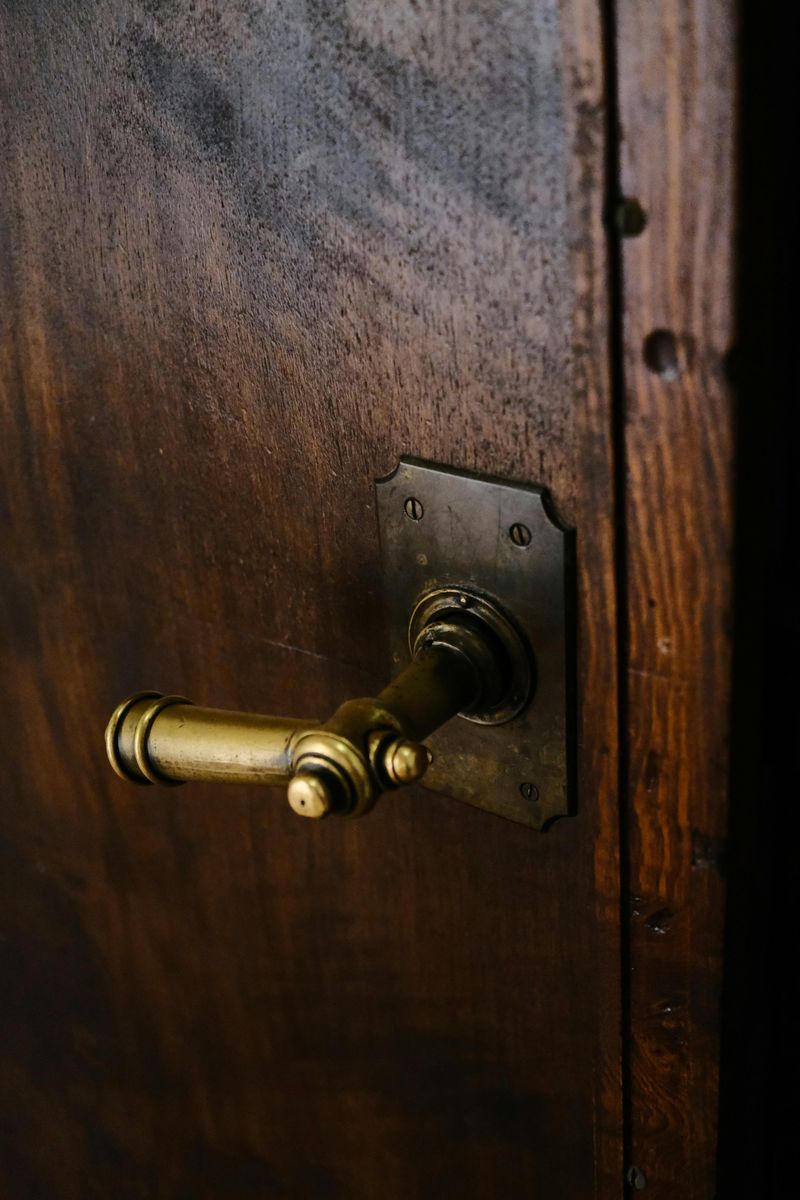
After years of flat black finishes and perfectly matched hardware, designers are leaning into metals with depth.
Bronze, antique brass, and softly weathered steel bring a layered glow that feels richer than anything overly polished.
The appeal is not just visual – these finishes make newer furniture feel like it already has a story.
You will see the shift on table bases, cabinet pulls, lighting, and accent chairs with metal frames.
A little tarnish, warmth, or variation keeps a room from feeling too new and too controlled.
In 2026, that lived-in character is becoming one of the easiest ways to add instant soul.
14. Curves at the Table
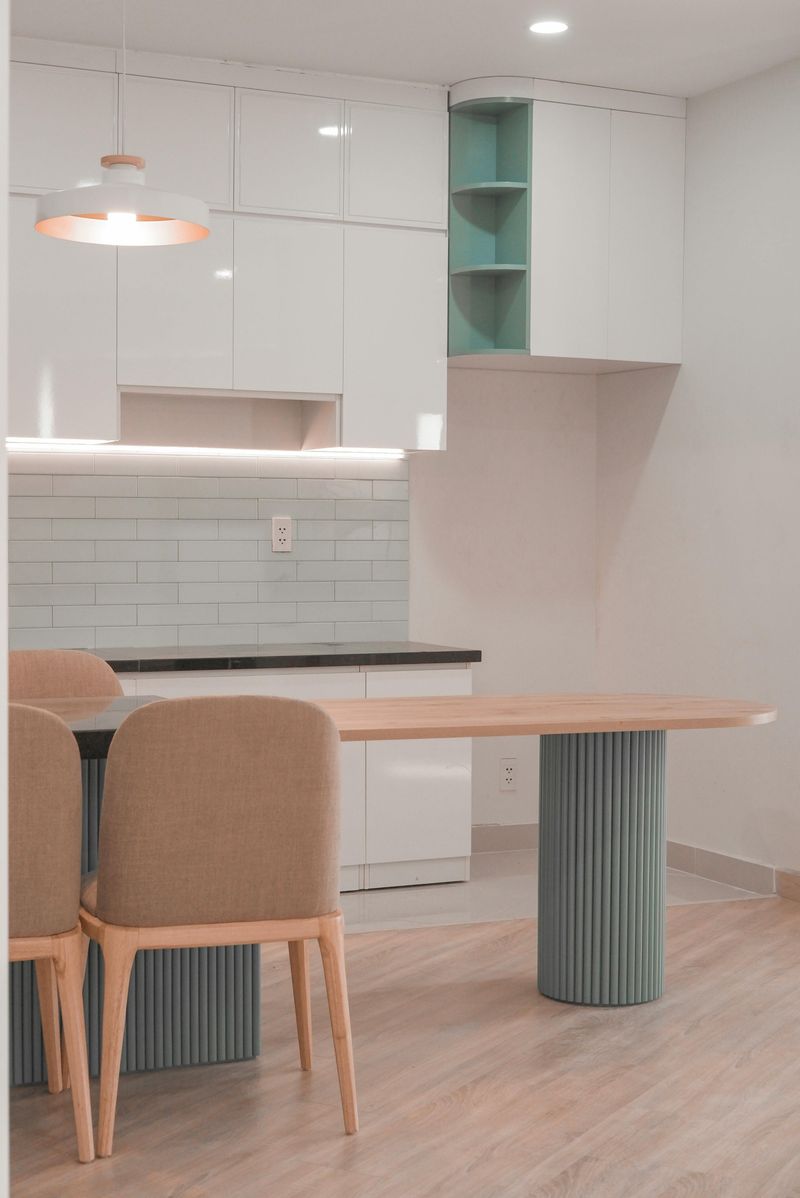
Dining rooms are softening up, and curved tables are leading the change.
Oval and racetrack shapes feel more inviting than sharp corners, especially in homes where gathering spaces need to work hard.
Designers say the silhouette improves flow, but it also gives the room a more gracious, almost effortless mood.
The best versions pair that gentleness with substantial materials like stone, dark wood, or plaster-like finishes.
That contrast keeps the piece from feeling overly sweet and makes it read as timeless instead.
If your home craves a dining update that feels equal parts functional and elegant, this is a smart place to start.