 MomSkoop
Design trends come and go faster than most homeowners realize. What feels fresh and modern today can suddenly look tired and outdated tomorrow. Interior designers are noticing certain home features that once seemed like smart investments are now losing their appeal at a surprising pace. Understanding which elements might age poorly can help you make better choices when renovating or buying a home.
1. All-White Kitchens That Are Hard to Maintain
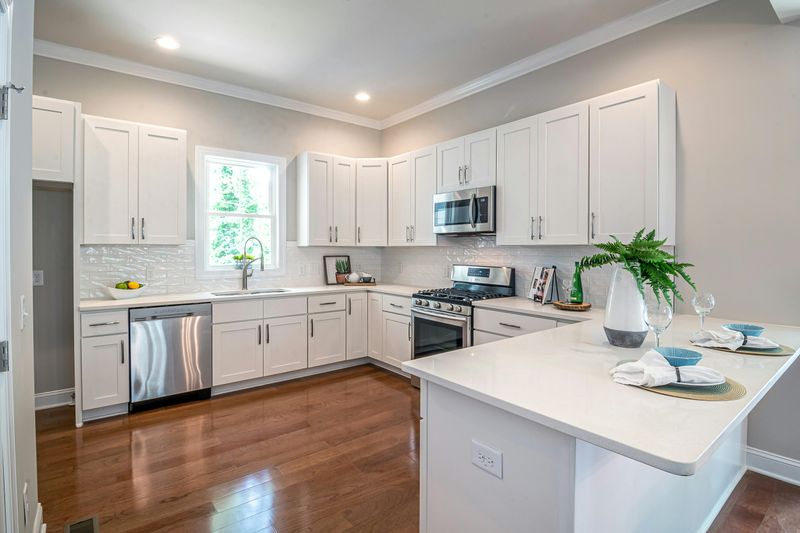
Bright white cabinets and counters looked amazing on social media, but keeping them pristine requires constant cleaning.
Every fingerprint, splash, and crumb shows up instantly on pure white surfaces.
Families with kids or busy schedules quickly discover that this trendy look demands more maintenance than they bargained for.
Designers now recommend mixing in warmer neutrals, wood tones, or subtle color to create spaces that feel lived-in rather than sterile.
These alternatives hide daily wear better while still feeling fresh and inviting.
Homeowners are shifting toward kitchens that balance style with practicality, choosing materials that age gracefully without showing every mark.
2. Open Shelving That Collects Dust Fast
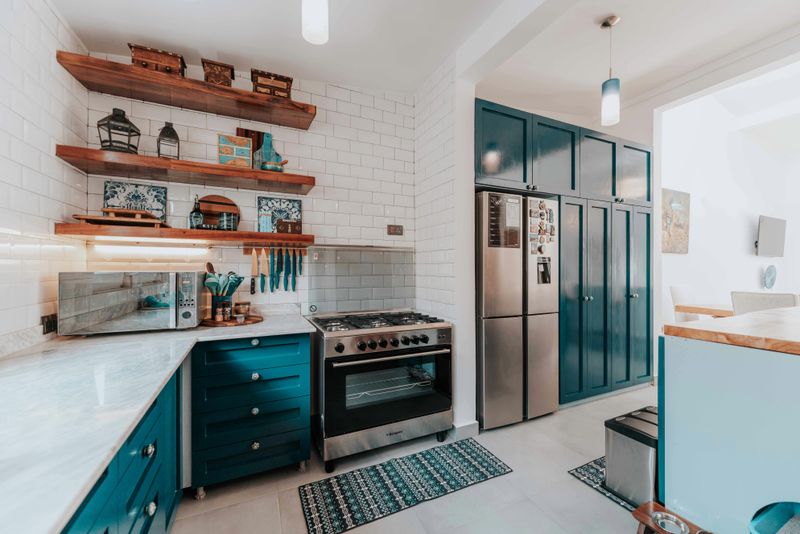
Open shelves became wildly popular for displaying beautiful dishes and glassware in Instagram-worthy arrangements.
Reality hits when you realize every item needs regular dusting, and grease from cooking settles on everything.
What started as an effortless design choice becomes a weekly chore that many homeowners come to resent.
Mixing open shelving with closed cabinets offers a better compromise.
You can showcase a few favorite pieces while keeping everyday items tucked away behind doors where they stay cleaner longer.
Designers suggest limiting open shelves to small accent areas rather than replacing entire banks of upper cabinets with exposed storage.
3. Large Media Rooms Designed Around One Screen
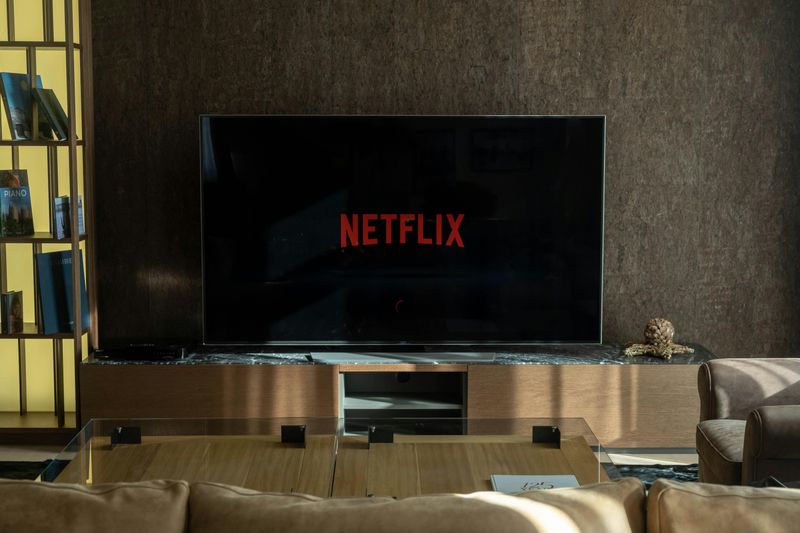
Remember when having a dedicated theater room with tiered seating felt like the ultimate luxury?
Families today rarely gather around a single television the way they used to.
Everyone watches different content on personal devices, making those elaborate media rooms feel like wasted square footage.
The rigid layout built around one massive screen doesn’t adapt well to other uses.
Converting these spaces into flexible rooms that support multiple activities makes more sense for modern lifestyles.
Designers recommend multipurpose spaces with comfortable seating, good lighting, and flexibility for gaming, reading, working, or occasionally watching something together as a family when schedules align.
4. Oversized Whirlpool Tubs You Never Use
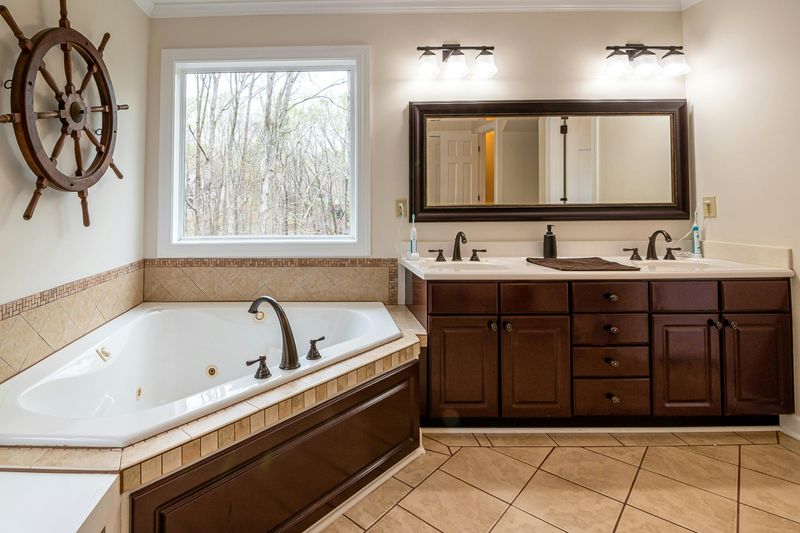
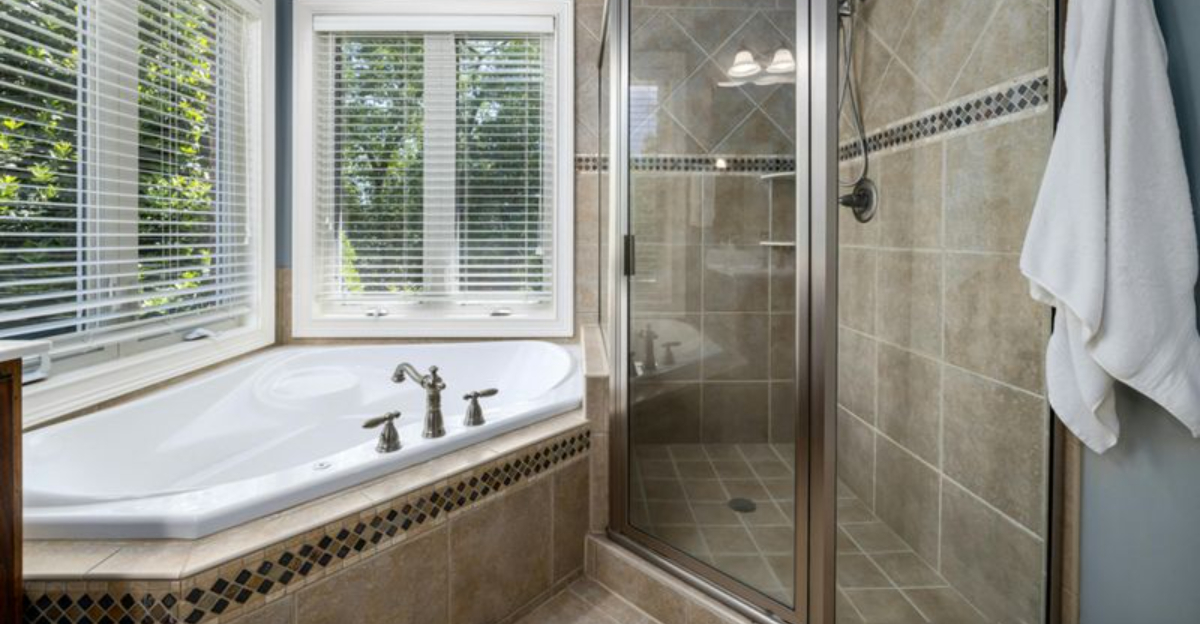
That giant jetted tub seemed like a spa-worthy indulgence when you moved in.
Most homeowners admit they use it maybe twice a year, if that.
The tubs take forever to fill, waste enormous amounts of water, and the jets require maintenance to prevent mold buildup in the plumbing lines.
Meanwhile, they eat up valuable bathroom real estate that could be used for a larger shower or more storage.
Removing these bulky fixtures often tops renovation lists because they simply don’t fit how people actually live.
Walk-in showers with multiple spray options and built-in seating provide daily enjoyment without the hassle or space demands.
5. Dedicated Home Offices With Rigid Layouts
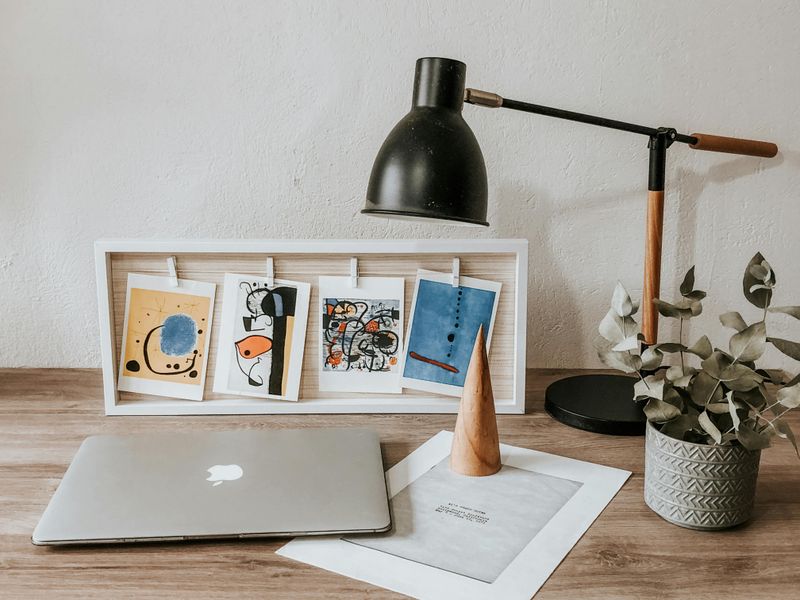
Built-in desks and floor-to-ceiling shelving looked perfect for traditional office work.
Hybrid schedules and changing technology needs make these permanent setups feel restrictive rather than helpful.
Workers need flexibility to reconfigure spaces depending on whether they’re taking video calls, focusing on solo tasks, or collaborating virtually with teams.
Fixed furniture limits your ability to adapt the room as your work style evolves.
Modular pieces that can be rearranged provide better long-term value than custom built-ins designed for one specific purpose.
Designers suggest creating adaptable workspaces that can easily transition between professional use, creative hobbies, or guest accommodations as needs change over time.
6. Formal Dining Rooms That Sit Empty
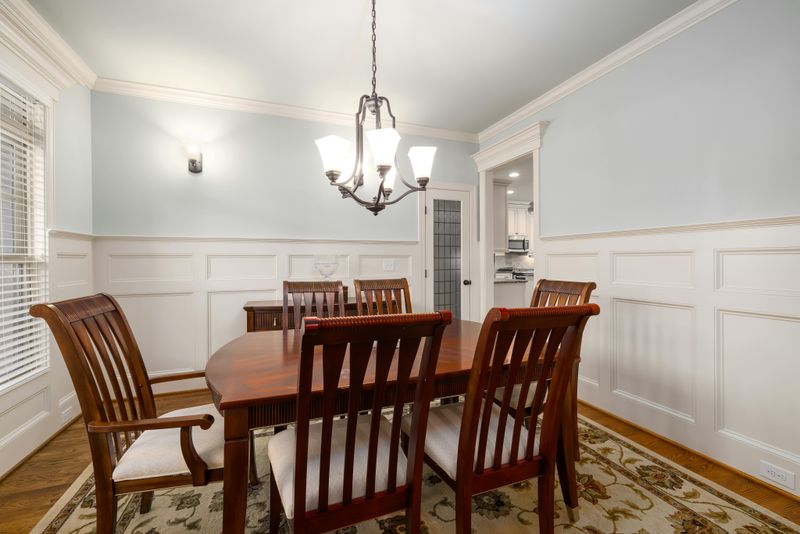
Formal dining rooms once signaled sophistication and proper entertaining.
Today’s families prefer casual meals around kitchen islands or gathering in open spaces where cooks can stay connected to conversations.
That separate dining room sits unused except maybe Thanksgiving, becoming expensive square footage that serves no daily purpose.
Many homeowners now convert these rooms into playrooms, home gyms, or extended living areas that actually get used.
Others remove walls entirely to create more functional open-concept layouts.
When designing new homes, people increasingly skip formal dining altogether in favor of larger, more versatile eat-in kitchens and great rooms that accommodate both everyday life and special occasions.
7. Wall-to-Wall Carpeting in Main Living Areas
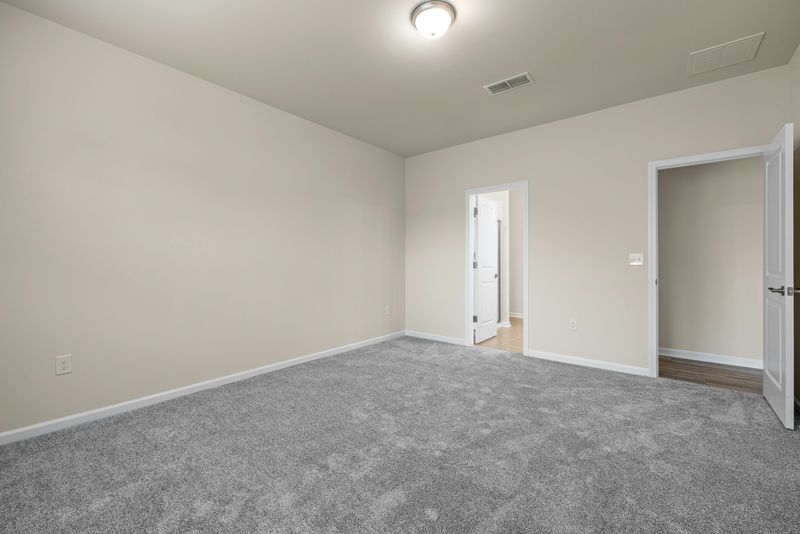
Plush carpeting throughout living spaces was standard in homes for decades.
Concerns about allergens, pet accidents, and general cleanliness have shifted preferences dramatically toward hard surfaces.
Carpet traps dust, dander, and odors no matter how often you vacuum, making it problematic for anyone with allergies or asthma.
Hardwood, tile, or luxury vinyl flooring with area rugs offers easier maintenance and better air quality.
You can wash or replace rugs as needed without tearing up permanent flooring.
Even in bedrooms where carpet once felt cozy, many homeowners now choose hard surfaces with soft rugs beside the bed instead of wall-to-wall installation that becomes worn and dingy over time.
8. Builder-Grade Light Fixtures Throughout the House
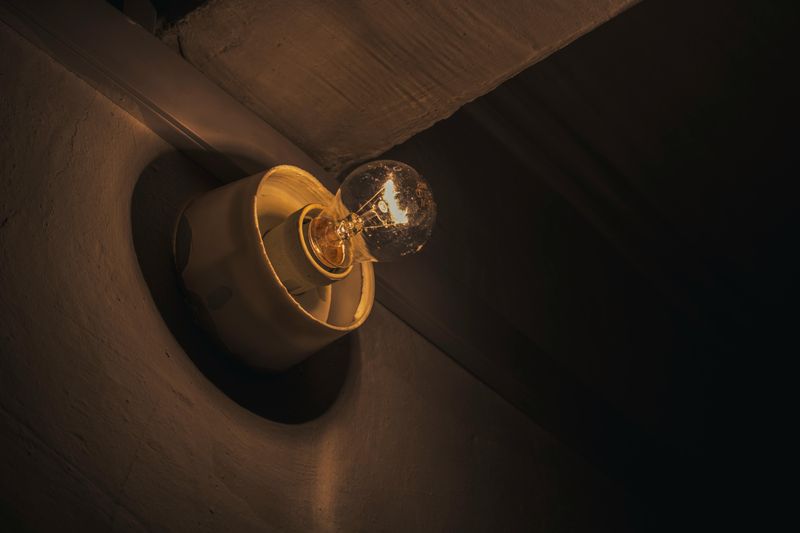
Contractors install basic, inexpensive light fixtures to keep costs down during construction.
These generic fixtures immediately date a home and make spaces feel generic and uninspired.
Simple dome lights and basic ceiling fans lack personality and often provide poor quality illumination for daily tasks.
Swapping out builder-grade lighting ranks among the easiest and most impactful upgrades you can make.
Statement fixtures add character while improving both function and ambiance in kitchens, dining areas, and bedrooms.
Designers recommend investing in quality lighting early rather than living with boring fixtures that make your entire home feel like a rental property instead of a personalized space you love.
9. Smart Home Tech That Quickly Loses Support
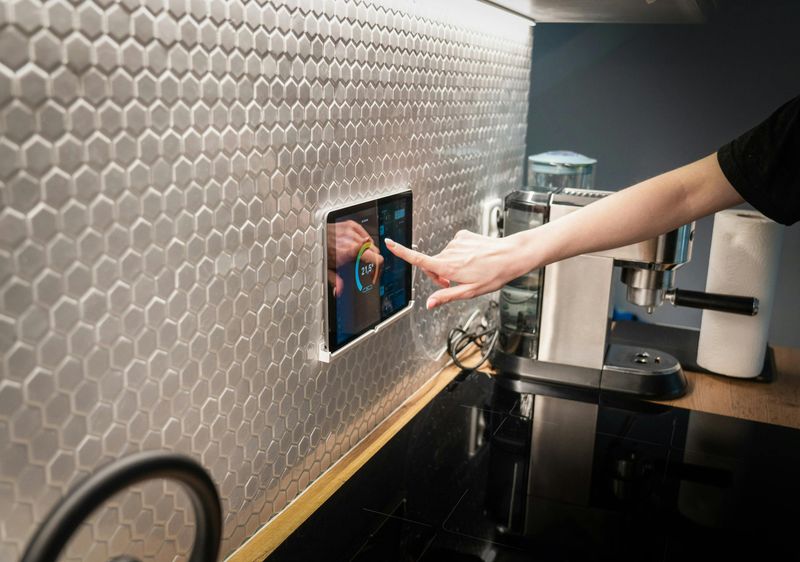
First-generation smart home devices promised to revolutionize how we control our homes.
Many early systems have already been discontinued, leaving homeowners with expensive gadgets that no longer receive updates or connect properly.
Technology evolves so rapidly that integrated systems can become obsolete within just a few years.
Hardwiring proprietary smart home technology into your house creates problems when companies go out of business or stop supporting older models.
Choosing systems with open standards and proven longevity reduces the risk of expensive obsolescence.
Designers warn against over-automating homes with trendy tech that might not stand the test of time or work with future devices and platforms.
10. Gas-Only Stoves in a Changing Energy Market
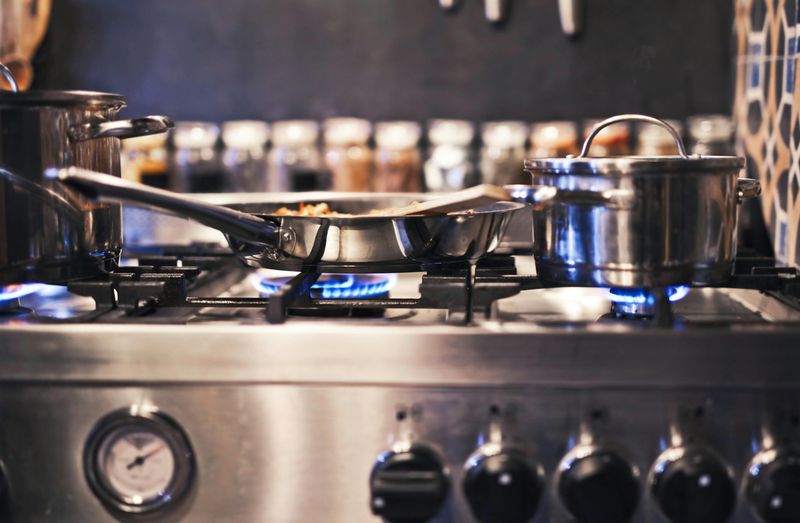
Professional chefs have long preferred gas cooking for its instant heat control.
Energy codes are shifting rapidly, with some areas already restricting or banning gas appliances in new construction.
Environmental concerns and improved induction technology are changing consumer preferences faster than most people anticipated.
Homes with only gas hookups may face challenges when appliances need replacement if regulations have changed.
Installing infrastructure that supports multiple energy options provides more flexibility for future upgrades.
Modern induction cooktops now rival gas for performance while offering safety benefits and easier cleaning, making the transition less painful than home cooks might expect when their current stove eventually needs replacing.
11. Granite Countertops That Feel Dated
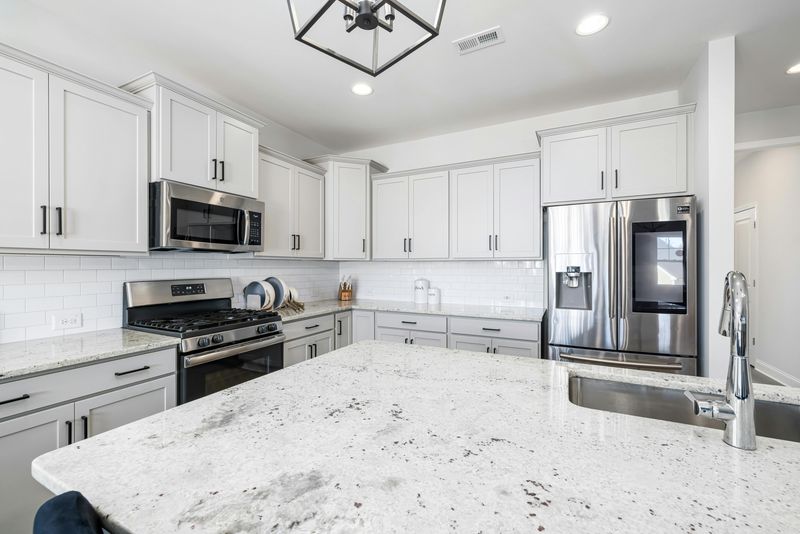
Granite was the ultimate luxury countertop material throughout the 2000s and early 2010s.
Those busy patterns with flecks of multiple colors now look distinctly tied to a specific era.
Simpler, more uniform surfaces like quartz, marble, or even concrete have taken over as preferred choices for contemporary kitchens.
Certain granite patterns, especially those with orange, gold, or busy multi-color speckling, immediately age a kitchen.
Quieter stone selections with subtle veining feel more timeless and easier to coordinate with changing decor.
While granite remains durable and functional, its aesthetic impact has shifted from impressive upgrade to potential design liability depending on the specific pattern and color selected years ago.
12. Sliding Barn Doors Used as Room Dividers
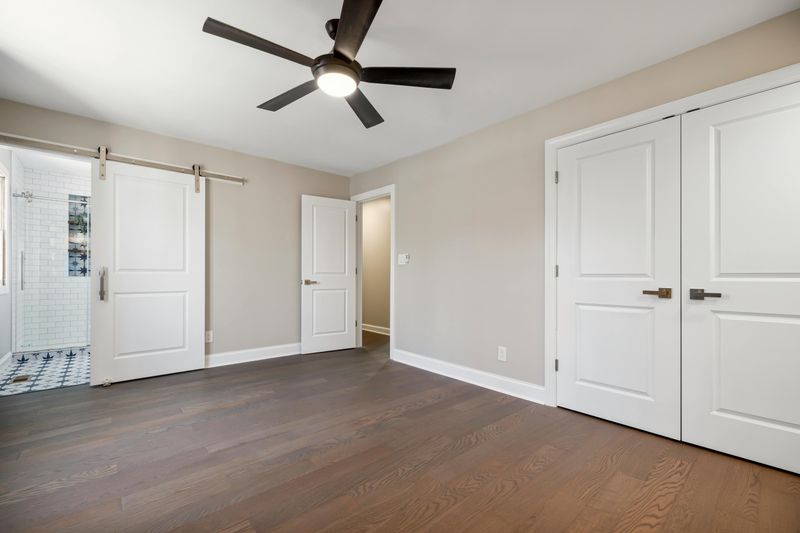
Rustic sliding barn doors exploded in popularity as a trendy alternative to traditional doors.
The farmhouse aesthetic has peaked, and these doors now scream “2015 Pinterest” rather than fresh design.
Beyond looking dated, they provide poor sound insulation and leave gaps that compromise privacy in bedrooms and bathrooms.
The exposed hardware collects dust, and the doors require significant wall space on either side to slide open.
Standard hinged doors or pocket doors work better for most applications without the visual gimmick.
Designers note that barn doors work appropriately in actual barn conversions or industrial spaces, but using them throughout suburban homes feels forced and will likely embarrass homeowners sooner rather than later.