 MomSkoop

People everywhere are rediscovering old-fashioned hobbies that once seemed outdated or forgotten. These activities offer a break from screens and social media, giving us a chance to work with our hands and learn new skills.
Many of these hobbies connect us to history, nature, and craftsmanship in ways that feel fresh and exciting today.
1. Bookbinding

Creating your own books from scratch might sound like something from centuries ago, but more people are learning this ancient craft every day.
Bookbinding lets you turn loose pages into beautiful, lasting volumes using thread, glue, and special covers.
You can make journals, sketchbooks, or even repair damaged books that mean something special to you.
The process teaches patience and attention to detail as you fold, sew, and press each section carefully.
Many beginners start with simple pamphlet stitches before moving to more complex techniques like Coptic binding or Japanese stab binding.
Online tutorials and local workshops make it easier than ever to get started with basic supplies.
Handmade books make thoughtful gifts and give you complete control over size, paper quality, and design.
2. Urban Beekeeping
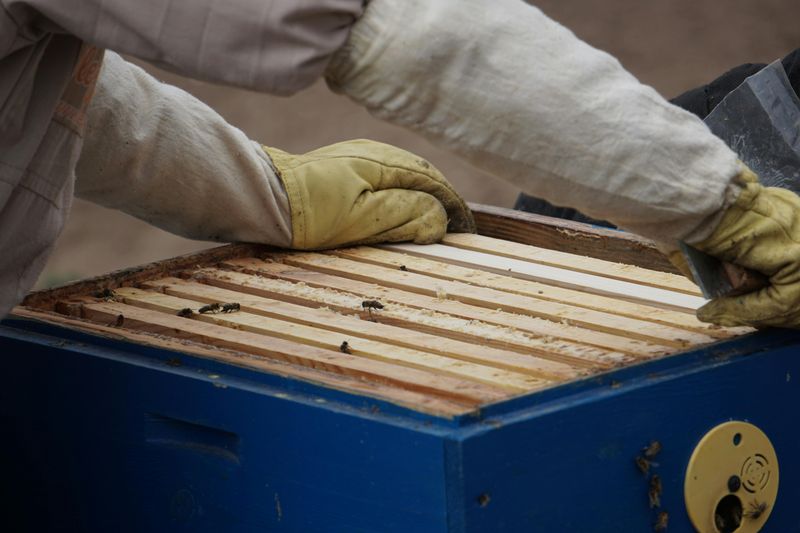
Rooftops and backyards in cities worldwide are buzzing with new life as residents install beehives to help struggling pollinator populations.
Urban beekeeping supports local ecosystems while producing delicious honey right where you live.
City bees often thrive because of the variety of flowers in parks, gardens, and window boxes throughout neighborhoods.
Getting started requires research into local regulations, proper equipment like protective suits and smokers, and understanding bee behavior through classes or mentorship programs.
Beekeepers check their hives regularly to ensure the colony stays healthy and has enough space to grow.
The hobby demands responsibility since you’re caring for thousands of living creatures that depend on your attention.
Beyond honey, you’ll gain appreciation for these incredible insects and their vital role in our food system.
3. Amateur Radio (Ham Radio)

When the internet goes down or cell towers fail, ham radio operators keep communicating across continents using nothing but radio waves and skill.
This hobby has experienced a surprising revival as people recognize the value of independent communication networks during emergencies.
Operators need to pass a licensing exam that covers basic electronics, regulations, and operating procedures.
Once licensed, you can talk to people around the world, participate in contests, or provide communication support during disasters and community events.
The equipment ranges from handheld radios for local chats to elaborate antenna systems for international contacts.
Many operators enjoy the technical challenge of building their own radios or experimenting with different frequencies and modes.
The ham radio community welcomes newcomers with clubs, online forums, and mentorship programs that make learning easier and more social.
4. Foraging
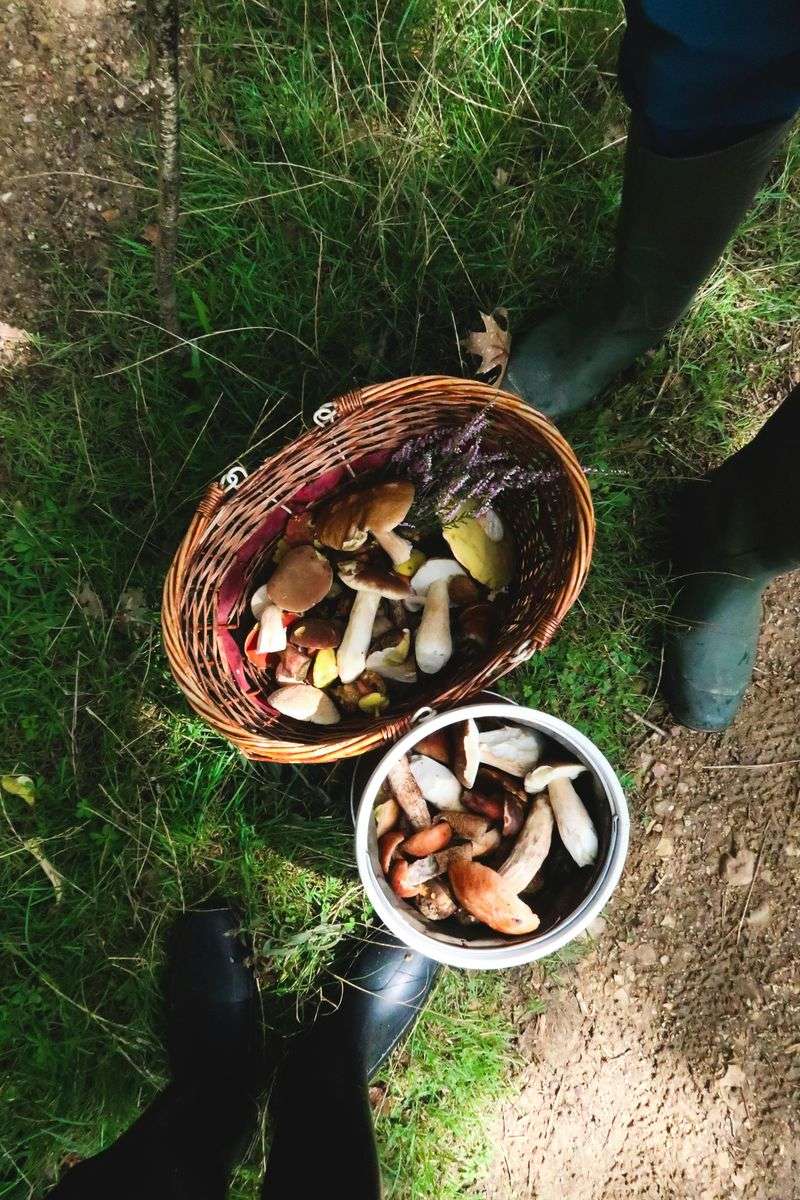
Wild edibles grow everywhere if you know where to look and what’s safe to eat.
Foraging reconnects you with nature while providing free, nutritious food that tastes unlike anything from grocery stores.
Beginners should start by learning to identify just a few common plants like dandelions, wild garlic, or blackberries before expanding their knowledge gradually.
Field guides, apps, and experienced foragers help you distinguish edible species from poisonous lookalikes that could make you seriously ill.
Always follow ethical harvesting practices by taking only what you need and leaving plenty for wildlife and regeneration.
Many cities have foraging groups that organize walks where experts teach identification skills in a safe, social setting.
The seasonal nature of foraging creates anticipation as you wait for morels in spring or acorns in fall to appear in familiar spots.
5. Calligraphy & Hand Lettering

Beautiful writing has become an art form again as people tire of digital fonts and crave something more personal and unique.
Calligraphy uses specific pens and techniques to create elegant letters with varying thick and thin strokes.
Hand lettering takes a more flexible approach, treating each word as a small illustration rather than following strict rules.
Both practices require patience as you train your hand to make consistent, controlled movements that look effortless but take considerable practice.
Starter kits with pens, ink, and practice sheets make it easy to begin experimenting with different styles from traditional Gothic script to modern brush lettering.
The skills prove useful for addressing envelopes, making signs, designing cards, or adding artistic touches to journals and planners.
Watching your handwriting transform from ordinary to extraordinary provides a satisfying sense of accomplishment.
6. Analog Photography

Film cameras are making a comeback as photographers rediscover the magic of shooting without instant previews or delete buttons.
Each frame costs money and requires thought, making you more intentional about composition, lighting, and timing.
The process slows you down in ways that feel refreshing after years of snapping hundreds of digital photos without much consideration.
Developing your own film adds another layer of hands-on creativity as you watch images appear in chemical baths under darkroom safelight.
Many photographers love the unique look of film grain, unexpected light leaks, and the anticipation of waiting to see results.
Used film cameras remain affordable, and labs still process and scan film for those not ready to develop at home.
The tactile experience and unpredictability create a connection to photography that digital shooting sometimes lacks.
7. Soap & Candle Making
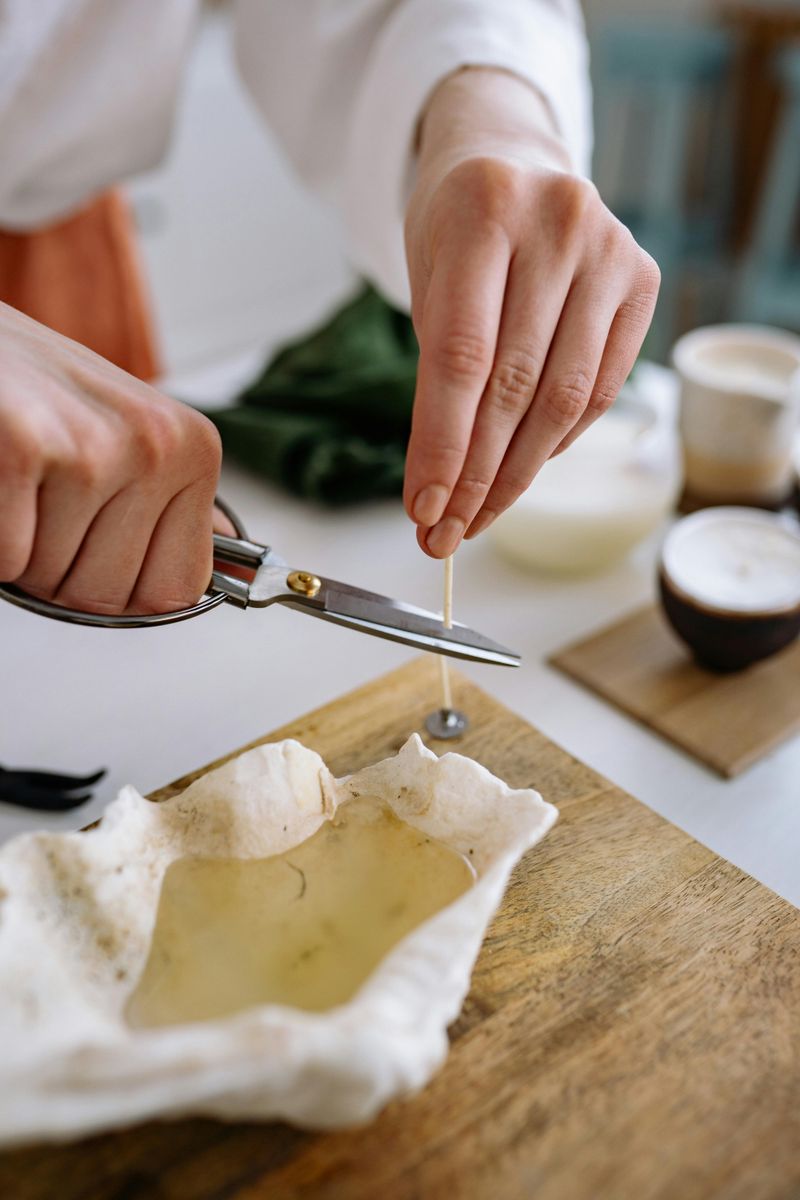
Crafting your own soap and candles lets you control exactly what ingredients touch your skin and fill your home with fragrance.
Commercial products often contain synthetic chemicals and additives that some people prefer to avoid.
Making these items yourself means choosing natural oils, butters, essential oils, and waxes that suit your preferences and skin sensitivities perfectly.
Soap making requires careful measurement and safety precautions when working with lye, but the results last longer and feel more luxurious than store-bought bars.
Candle making offers endless creativity with colors, scents, and container choices from mason jars to vintage teacups.
Both hobbies use relatively simple equipment and ingredients that become more economical as you make larger batches.
Homemade soaps and candles also make impressive gifts that friends and family genuinely appreciate and use.
8. Woodturning
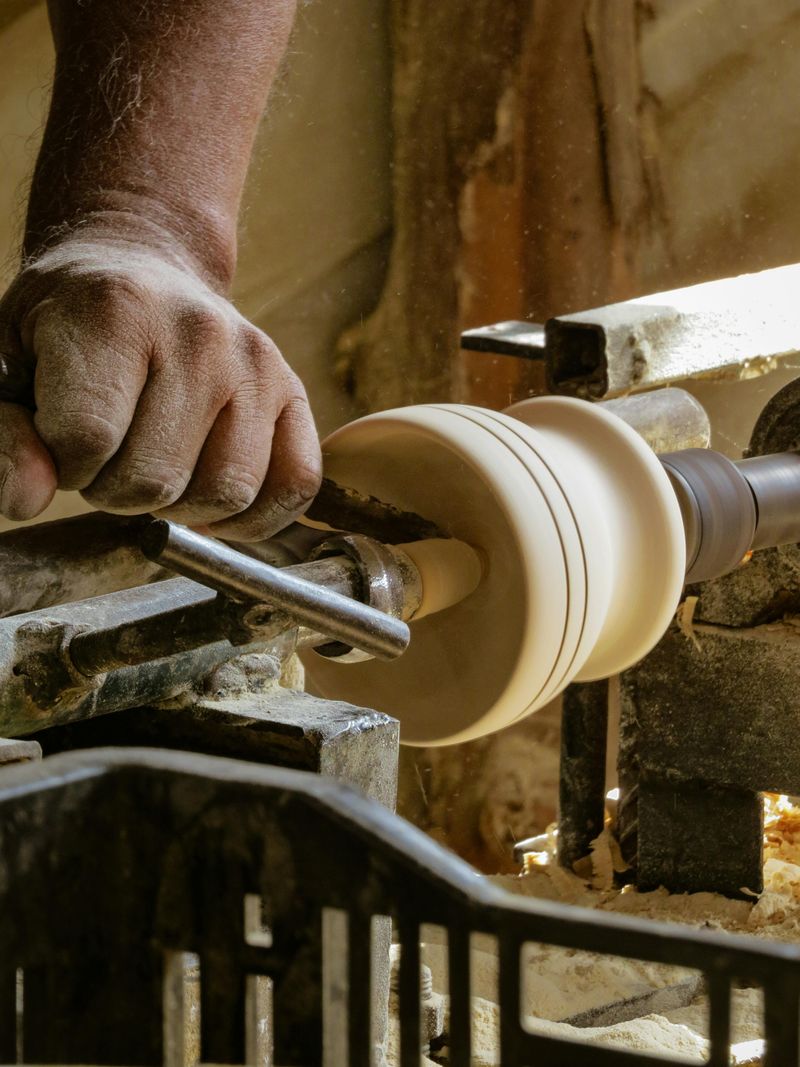
Spinning wood on a lathe transforms rough lumber into smooth bowls, pens, ornaments, and furniture legs that showcase natural grain patterns beautifully.
Woodturning combines technical skill with artistic vision as you shape pieces using various chisels and gouges.
The immediate feedback of seeing shavings curl away and forms emerge keeps many turners happily lost in their workshops for hours.
Beginners often start with small projects like bottle stoppers or wooden rings before attempting larger bowls or hollow vessels that require advanced techniques.
Safety equipment including face shields and dust collection systems protects you from flying wood chips and fine particles.
Many community colleges and woodworking clubs offer classes where you can try the craft before investing in your own lathe.
Each piece of wood presents unique challenges and surprises that make every project a learning experience.
9. Birdwatching

Armed with binoculars and identification apps, people of all ages are heading outdoors to spot and learn about feathered neighbors they never noticed before.
Birdwatching costs almost nothing to start but opens up a whole new world of wildlife observation and appreciation.
You can practice this hobby anywhere from city parks to remote wilderness areas, making it incredibly accessible regardless of where you live.
Modern apps like Merlin help identify birds by sight or sound, while online platforms let you log sightings and connect with other enthusiasts.
The hobby naturally gets you outside moving through different habitats during various seasons to find different species.
Many birders develop impressive knowledge of migration patterns, calls, and behaviors that deepen their connection to nature.
The thrill of spotting a rare visitor or finally identifying that mystery song keeps bringing people back for more adventures.
10. Model Building

Constructing miniature airplanes, ships, cars, or fantasy figures demands focus and precision that provides a meditative escape from daily stress.
Model building has evolved far beyond simple snap-together kits to include incredibly detailed replicas requiring painting, weathering, and custom modifications.
The hobby appeals to history buffs, vehicle enthusiasts, and anyone who enjoys working methodically toward a finished masterpiece.
Different skill levels exist from beginner-friendly models with fewer parts to expert kits with hundreds of tiny components that take months to complete.
Tools like hobby knives, tweezers, airbrushes, and specialized glues help achieve professional-looking results.
Online communities share techniques, offer encouragement, and inspire builders with photos of stunning completed projects.
Displaying your finished models creates conversation pieces that showcase your patience, skill, and dedication to the craft.
11. Knitting & Crochet
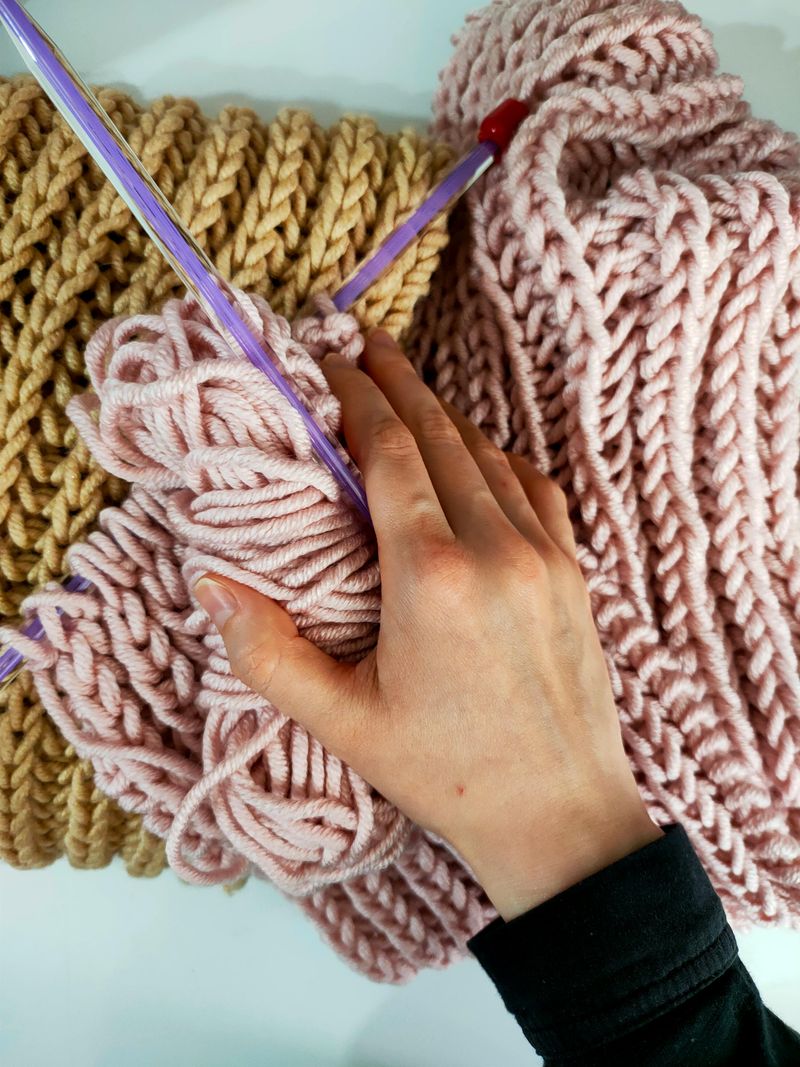
Fiber arts are experiencing a major revival as younger generations discover the satisfaction of creating wearable items and home decor from yarn.
Knitting uses two needles to create interlocking loops, while crochet employs a single hook to build fabric with different textures and patterns.
Both crafts offer portable projects you can work on anywhere from waiting rooms to coffee shops to relaxing evenings at home.
Modern patterns include trendy garments, stuffed animals, and home accessories that look nothing like your grandmother’s afghans.
Online tutorials make learning stitches and techniques easier than ever, while yarn shops and crafting groups provide community and inspiration.
The repetitive motions prove genuinely calming while keeping your hands busy and your mind focused on counting stitches and following patterns.
Finishing a handmade sweater or blanket brings pride that store-bought items simply cannot match.
12. Home Fermentation

Bubbling jars of fermenting vegetables and fizzy homemade drinks are appearing in kitchens as people rediscover ancient food preservation methods.
Fermentation uses beneficial bacteria and yeasts to transform simple ingredients into complex, flavorful, probiotic-rich foods like kimchi, sauerkraut, kombucha, and sourdough bread.
The process requires minimal equipment but rewards you with unique tastes and potential health benefits from naturally occurring good bacteria.
Getting started is surprisingly simple with just vegetables, salt, and clean jars for most ferments, though each type has specific requirements and timelines.
The living nature of ferments means each batch develops slightly different flavors depending on temperature, time, and the microbes in your environment.
Many fermenters enjoy experimenting with different vegetables, spices, and tea combinations to create signature flavors.
Sharing your creations with curious friends often converts them into fellow fermentation enthusiasts.
13. Metal Detecting

Sweeping beaches, parks, and fields with metal detectors has grown from quirky pastime to serious hobby as people uncover lost jewelry, historical coins, and fascinating artifacts.
Modern detectors use sophisticated technology to discriminate between trash and treasure, making the hunt more productive and rewarding.
Each outing combines outdoor exercise with the excitement of never knowing what might be hiding just beneath the surface.
Successful detecting requires research into local history, understanding where people gathered in the past, and learning your detector’s signals and settings.
Always check local laws about detecting in public spaces and obtain permission before searching private property.
Cleaning and identifying your finds adds another enjoyable dimension as you research dates, origins, and historical context of discovered items.
The possibility of finding something valuable or historically significant keeps detectorists eagerly returning to new locations and old favorites.