 MomSkoop

Men and women share many life experiences, but some daily moments are unique to one gender. Understanding these differences helps build empathy and better communication between everyone.
From social expectations to physical realities, men face situations that women might never encounter. Here are some everyday experiences that shape what it means to be a man in today’s world.
1. The Pressure to Be Emotionally Stoic

From childhood, many boys hear phrases like “man up” or “boys don’t cry.”
Society often expects men to hide their feelings and stay strong no matter what happens.
This creates a heavy burden where showing vulnerability feels like weakness.
Men learn to bottle up sadness, fear, and anxiety instead of talking about these emotions.
Over time, this can lead to serious mental health challenges and difficulty forming deep connections.
Many men wish they could express themselves freely without judgment.
Breaking this pattern requires courage and supportive friends who understand that emotions are human, not gendered.
2. Being Viewed as a Potential Threat

Walking down a quiet street at night, many men notice women clutching their purses tighter or crossing the road.
This automatic fear response happens even when men have no bad intentions whatsoever.
It creates an uncomfortable situation where simply existing in public space makes others nervous.
Men often feel hurt by these assumptions, even though they understand the reasons behind them.
Some deliberately change their walking speed or cross streets themselves to ease tension.
The experience of being prejudged based on gender can feel isolating and unfair.
Most men just want to go about their day without being seen as dangerous.
3. The Expectation to Always Make the First Move

Dating culture puts enormous pressure on men to initiate romantic contact.
They’re expected to ask for phone numbers, plan dates, and risk rejection repeatedly.
This traditional role can feel exhausting and create significant anxiety around dating.
Men face constant judgment on their approach—too forward seems creepy, too hesitant appears weak.
Rejection becomes a regular part of life, affecting confidence and self-worth over time.
Many men wish dating involved more equal initiative from both sides.
The fear of misreading signals or being labeled inappropriate adds another layer of stress to social interactions.
4. Dealing with Male Pattern Baldness

Noticing more hair in the shower drain can trigger panic for many men.
Hair loss often starts in the twenties or thirties, affecting confidence and self-image dramatically.
Society connects thick hair with youth and attractiveness, making baldness feel like losing part of your identity.
Men spend thousands on treatments, transplants, and products hoping to reverse the process.
Some embrace the bald look confidently, while others struggle with acceptance for years.
The emotional impact goes deeper than vanity—it represents aging and changing appearance beyond your control.
Finding peace with hair loss becomes a personal journey every affected man must navigate.
5. The Loneliness of Limited Emotional Support

Men typically have fewer close friendships where they share personal struggles.
Male friendships often revolve around activities rather than deep emotional conversations.
When problems arise, many men have nobody they feel comfortable opening up to completely.
This isolation intensifies during difficult times like breakups, job loss, or family issues.
Women generally maintain stronger support networks where vulnerability is normalized and encouraged.
Men who try reaching out sometimes face awkwardness or dismissive responses from other guys.
Building meaningful connections requires breaking through years of conditioning that discourages emotional intimacy between men.
6. Being Expected to Be the Provider

Financial success remains deeply tied to masculine identity in most cultures.
Men face judgment when they earn less than their partners or struggle financially.
This pressure starts young, with boys hearing they’ll need to “support a family” someday.
Career failures hit harder because they feel like personal failures as a man.
Even in modern relationships with equal earners, the expectation lingers in subtle ways.
Men often sacrifice personal happiness for higher-paying jobs they don’t enjoy.
The constant stress of being the financial backbone can lead to burnout and resentment over time.
7. The Assumption That They’re Not Good with Kids

Fathers at playgrounds often get suspicious looks from other parents.
Society assumes women are natural caregivers while men are just “babysitting” their own children.
This stereotype hurts men who genuinely love spending time with kids.
Some fathers avoid taking children to parks alone because of uncomfortable stares and questions.
Men in childcare professions face extra scrutiny and mistrust compared to female colleagues.
The assumption that men can’t nurture dismisses their parenting abilities unfairly.
Changing these attitudes requires recognizing that caring for children is a human skill, not a female one.
8. Constant Comparison of Physical Strength

Men regularly face situations where their strength gets tested or questioned.
Helping someone move, opening jars, or lifting heavy objects becomes a performance of masculinity.
Failure to meet strength expectations brings embarrassment and jokes about being weak.
Gyms become competitive spaces where men compare muscles and lifting abilities constantly.
This pressure pushes some toward unhealthy behaviors like steroid use or overtraining.
Not every man is naturally strong, but society expects physical power regardless.
The constant measurement against other men creates exhausting competition that never really ends.
9. The Fear of Being Called Creepy

One wrong move or misunderstood comment can earn a man the “creepy” label permanently.
This fear makes normal social interactions feel like walking through a minefield.
Men overthink compliments, eye contact, and friendly gestures worried about how they’ll be perceived.
The term “creepy” is subjective and devastating, affecting reputation and self-confidence deeply.
Some men avoid interactions altogether rather than risk being misunderstood.
Well-meaning guys sometimes get lumped together with actual predators unfairly.
Navigating social situations requires constant self-monitoring that becomes mentally exhausting over time.
10. Being Ignored in Custody Battles
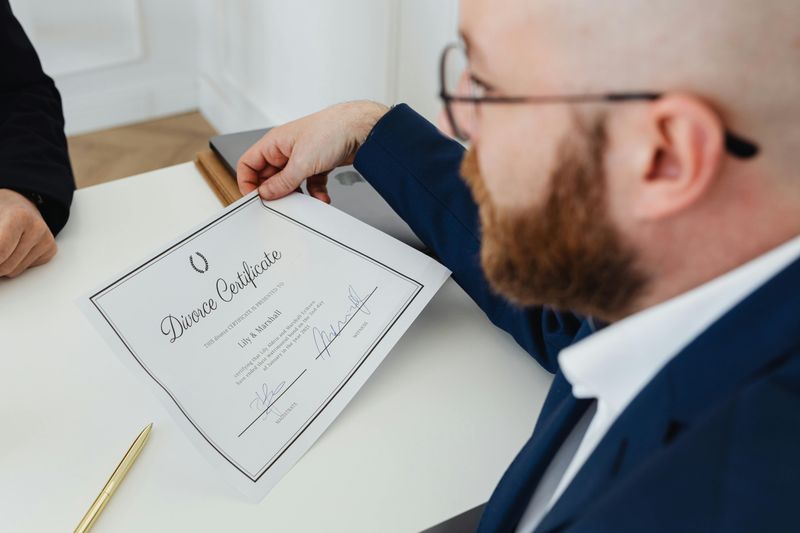
Family courts often favor mothers in custody decisions automatically.
Loving fathers fight uphill battles to get equal time with their children.
The assumption that mothers are better parents hurts families and children alike.
Men spend fortunes on lawyers trying to prove they deserve to raise their kids.
Even with evidence of being excellent parents, fathers frequently lose primary custody.
This bias stems from outdated beliefs about gender roles in parenting.
The emotional pain of being separated from children because of gender stereotypes is devastating for many men.
11. The Pressure to Appear Confident Always
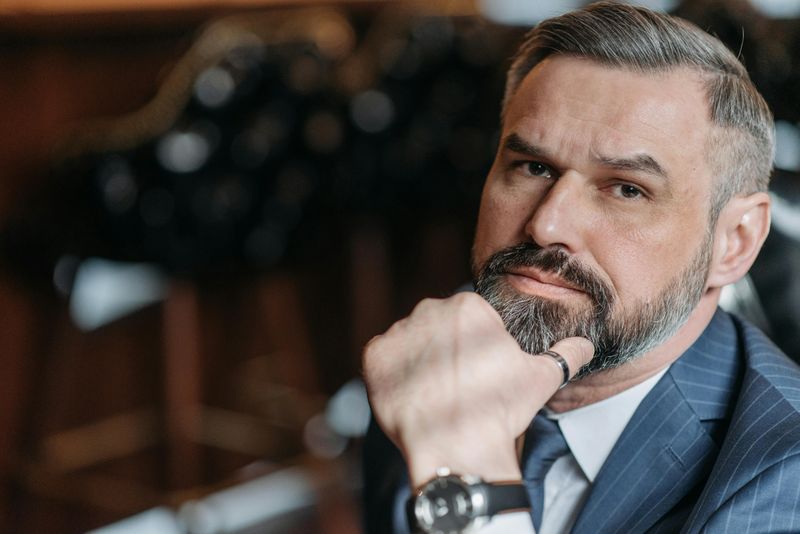
Admitting uncertainty or asking for help feels like admitting failure for many men.
Society rewards male confidence while punishing any sign of doubt or confusion.
This forces men to fake knowledge and pretend they have everything under control.
Job interviews, dates, and social situations all demand projecting unwavering self-assurance.
The exhaustion of maintaining this facade leads to stress and imposter syndrome.
Men who show vulnerability risk being seen as weak or incompetent by peers.
Learning to admit limitations and ask questions requires unlearning years of conditioning about masculine behavior.
12. The Expectation to Fix Things
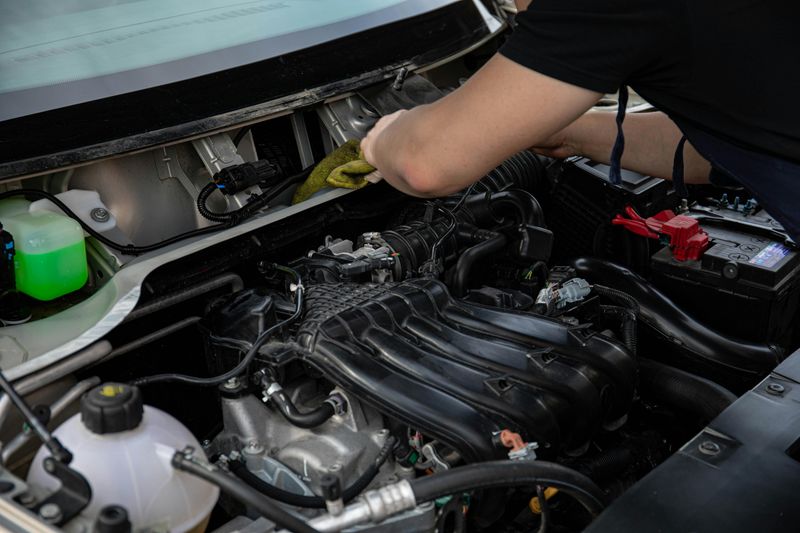
When something breaks, everyone automatically looks at the man to repair it.
Not knowing how to fix a car, computer, or appliance brings judgment and disappointment.
Men feel pressure to possess practical skills regardless of their actual interests or abilities.
Calling a professional feels like admitting incompetence as a man.
This expectation exists at work, home, and in social situations constantly.
Some men enjoy fixing things, but many don’t and resent the automatic assumption.
The pressure to be handy adds another skill requirement to the already long list of masculine expectations.
13. Being Dismissed When Discussing Appearance

Men who care about fashion, skincare, or grooming face mockery from peers.
Society tells men that caring about appearance is shallow or feminine.
This creates shame around wanting to look good or feel attractive.
Men’s insecurities about weight, skin, or style get dismissed as trivial compared to women’s concerns.
The pressure to appear naturally good without effort denies men the right to self-care.
Many men secretly worry about their looks but can’t discuss it openly.
Breaking this silence requires normalizing that everyone deserves to feel confident in their appearance.