 MomSkoop

Have you ever had that nagging feeling that someone isn’t enjoying your company?
Social interactions can be tricky, and sometimes it’s hard to tell if you’re overstaying your welcome or coming on too strong.
Reading body language and subtle cues can help you understand when someone might be feeling annoyed or uncomfortable, so you can adjust your approach and keep conversations positive.
1. Their Smile Disappears Quickly

A genuine smile lingers and reaches the eyes, creating little crinkles at the corners.
When someone flashes you a quick grin that vanishes the second they think you’re not looking, it’s often a polite mask rather than real happiness.
People naturally hold pleasant expressions when they’re truly engaged and enjoying themselves.
A smile that drops like a curtain signals they’re performing politeness rather than feeling it.
Watch for this disconnect between their initial greeting face and what happens moments later.
This fleeting expression reveals their true emotional state more accurately than their words ever could.
2. They Angle Their Body Away from You

Our bodies naturally orient toward what interests us and away from what doesn’t.
When someone’s feet point toward the door or their shoulders turn slightly away, they’re unconsciously signaling their desire to leave.
Even if they’re still facing you with their head, check where their torso and lower body aim.
These subtle shifts happen without conscious thought, making them incredibly honest indicators of comfort level.
Someone genuinely interested will square up to you, creating an open, welcoming posture.
The direction of their body tells you where their mind really wants to be, even when politeness keeps them rooted in place.
3. They Keep Scanning the Room Instead of Staying Engaged

Eye contact creates connection, and when someone’s gaze keeps drifting past your shoulder, they’re mentally checking out.
Repeated room scanning suggests they’re searching for someone more interesting or plotting their escape route.
We all glance away occasionally during normal conversation, but there’s a difference between natural breaks and constant surveillance of the surroundings.
When their eyes rarely settle on you for more than a second or two, it’s a clear sign of disengagement.
Their wandering attention broadcasts that whatever else might be happening in the room holds more appeal than your current interaction together.
4. They Respond with Tight, Minimal Facial Movement

Animated conversations bring our faces alive with changing expressions that mirror our emotional investment.
When someone’s face becomes still and mask-like, showing minimal reaction to what you’re saying, they’ve emotionally withdrawn from the exchange.
Look for a lack of natural facial responsiveness—no raised eyebrows at surprising information, no sympathetic frowns at sad stories, just blank acknowledgment.
This emotional flatness often accompanies forced politeness where they’re going through the motions without genuine feeling.
A frozen face reveals that they’re enduring the conversation rather than enjoying it, waiting for an acceptable moment to break away.
5. They Increase Physical Distance

Personal space preferences vary, but sudden increases in distance during a conversation send a clear message.
Small backward steps or leaning away creates a physical barrier that mirrors their emotional state.
We unconsciously move closer to people we like and create distance from discomfort.
If someone gradually backs up during your chat or keeps adjusting their position to maintain more space, they’re seeking relief from the interaction.
This spatial shift happens instinctively, making it a reliable indicator.
The growing gap between you represents more than just physical space—it’s an emotional buffer they’re desperately trying to establish and maintain.
6. They Use Forced Nods Without Real Involvement

Natural nodding happens in rhythm with conversation, showing understanding and agreement at appropriate moments.
Rapid, mechanical nodding that seems disconnected from what’s actually being said is a different beast entirely—it’s a social placeholder.
This autopilot nodding serves as a way to appear engaged while their mind wanders elsewhere.
The movement lacks the warmth and timing of genuine responsiveness, feeling more like they’re just waiting for you to finish talking.
It’s the physical equivalent of saying “uh-huh” without listening.
These empty gestures betray their mental absence even while they maintain the appearance of participation in your conversation.
7. Their Arms Become Closed or Defensive

Crossed arms create a literal barrier between you and the other person, often signaling emotional withdrawal or self-protection.
While this posture doesn’t always mean annoyance—sometimes people are just cold or comfortable that way—combined with other signals, it strengthens the case.
Notice if their arms were open and relaxed at first but gradually moved to a closed position as your conversation continued.
This shift suggests growing discomfort or defensiveness.
Hands tucked close to the body or gripping opposite arms show tension.
Open postures invite connection while closed ones build walls, and those walls tell you something important about their current feelings toward the interaction.
8. They Show Micro-Signs of Impatience

Restless energy manifests in small, repetitive movements that people often don’t realize they’re making.
Finger tapping on a table, bouncing a leg up and down, or constant shifting of weight all broadcast internal agitation or boredom.
These fidgety behaviors serve as pressure-release valves when someone feels trapped in an unwanted situation.
The movements might be tiny, but their persistence gives them away.
Someone genuinely comfortable and engaged typically maintains calmer, more settled physical presence.
Pay attention to these subtle motion patterns—they’re like a countdown timer showing how much patience the person has left before they need to escape your presence.
9. They Interrupt with Wrap-Up Gestures
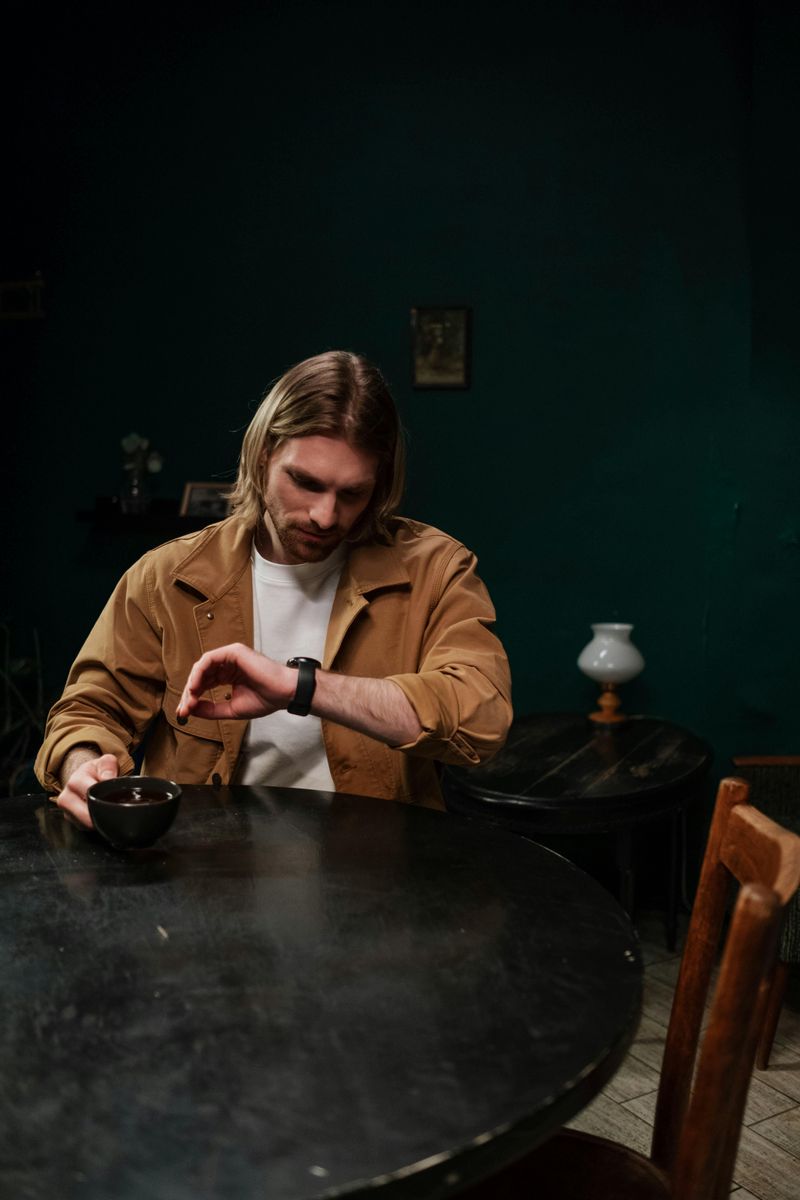
Certain actions serve as social signals that someone wants to end an interaction.
Glancing at a watch, picking up a phone to check the time, or shifting their body toward an exit all communicate the same thing: this conversation needs to conclude.
These wrap-up gestures often appear mid-sentence, interrupting the natural flow because their urgency to leave overrides politeness.
They might start gathering their belongings or making small movements that suggest departure preparation.
The timing matters—if these happen early in your chat, it’s especially telling.
These physical cues are their polite way of saying what they can’t speak aloud: they’re ready for this interaction to be over now.
10. Their Tone and Expressions Don’t Match Politeness

Words can lie, but the mismatch between verbal and nonverbal communication rarely does.
When someone says all the right things with a friendly tone, yet their face shows tension or strain, believe the face over the words.
Look for tight jaws, pressed lips, or strained smiles that don’t match their supposedly pleasant words.
This disconnect happens when social conditioning forces politeness while genuine feelings leak through physical tells.
Their voice might sound cheerful while their eyes remain cold or their forehead stays creased with tension.
This incongruence reveals the effort required to maintain their polite facade, showing you the truth hiding beneath their carefully chosen words and measured responses.
11. They Stop Mirroring You

In comfortable conversations, people naturally sync their movements and postures without realizing it—a phenomenon called mirroring that builds rapport and shows connection.
When someone stops matching your energy or body position, that unconscious bond has broken.
If you lean in and they lean back, or you gesture enthusiastically while they remain still, the mirroring has ceased.
This loss of synchronization signals emotional disconnect or irritation.
Comfortable interactions feature this subtle dance of matched movements that creates harmony.
The absence of mirroring is like conversational static, indicating that whatever connection existed has frayed and they’re no longer in sync with you emotionally or physically.