 MomSkoop
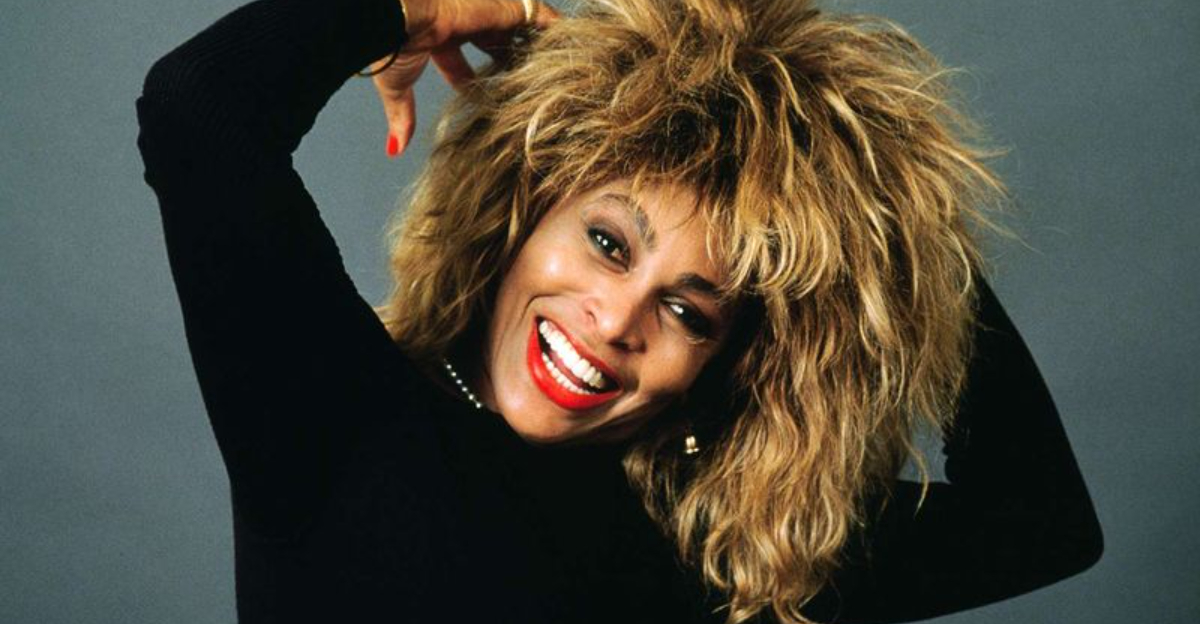
Music has the power to change the world, and some artists have shaped the sound of our generation more than others. From groundbreaking albums to unforgettable performances, these musicians have left their mark on history.
Their influence reaches far beyond the charts, inspiring millions and redefining what music can be. Here are the artists who truly transformed the modern music era.
1. The Beatles
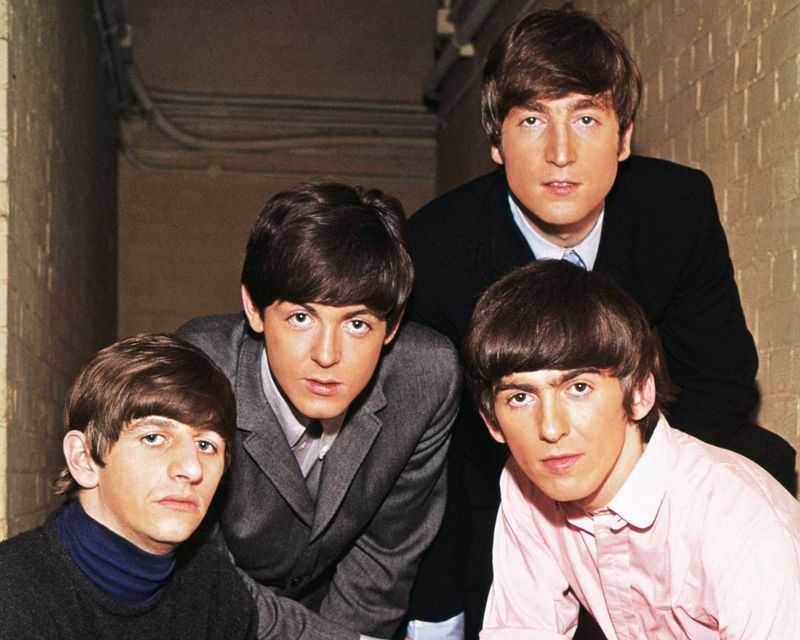
Four young men from Liverpool changed everything when they burst onto the scene in the 1960s.
Their catchy melodies and innovative recording techniques revolutionized popular music forever.
They experimented with different sounds, from rock and roll to psychedelic music, creating albums that are still studied today.
Songs like “Hey Jude” and “Let It Be” became anthems for generations.
Their influence on songwriting, studio production, and band culture cannot be overstated.
Even decades after they broke up, new fans discover their music every day.
The Beatles proved that pop music could be both commercially successful and artistically groundbreaking.
Their legacy lives on in countless artists who followed.
2. Michael Jackson
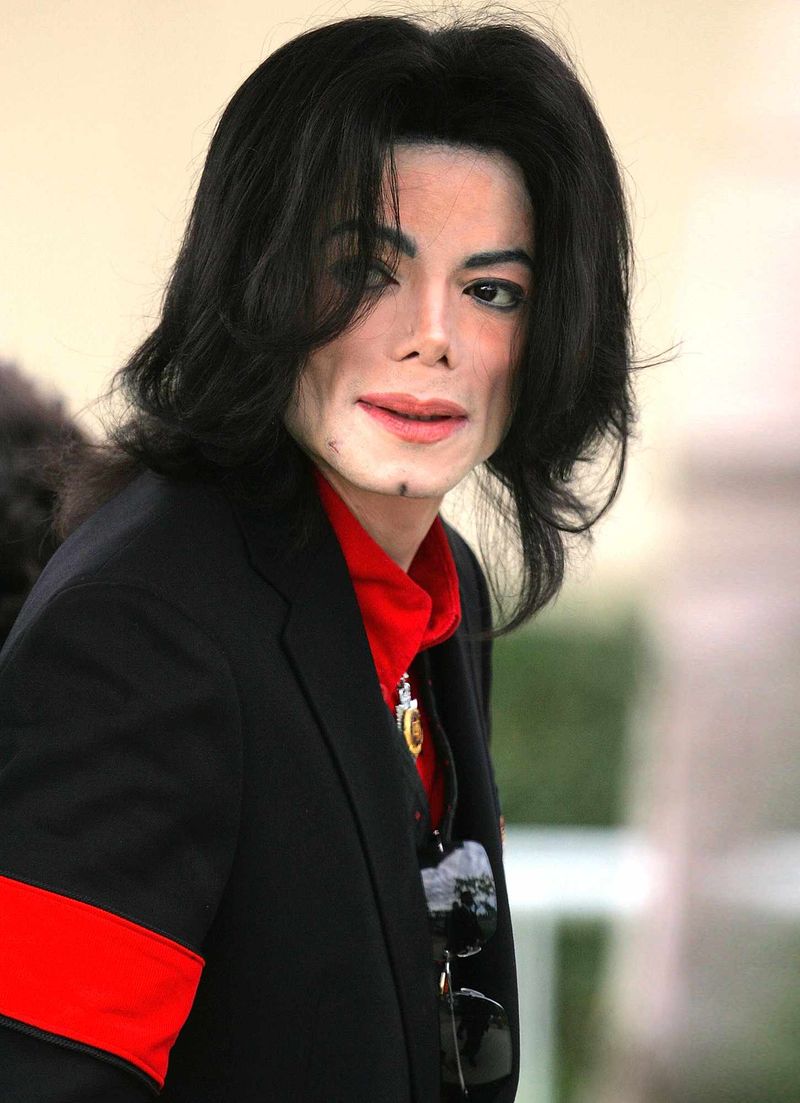
Known as the King of Pop, this performer took entertainment to levels never seen before.
His dance moves, especially the moonwalk, became instantly recognizable worldwide.
Michael Jackson’s music videos were like short films, with “Thriller” becoming the most iconic music video ever made.
He broke down racial barriers on MTV and changed how artists approached their craft.
His vocal style influenced everyone from Justin Timberlake to Bruno Mars.
Albums like “Bad” and “Dangerous” sold millions of copies across the globe.
His perfectionism in the studio set new standards for production quality.
Jackson showed that a pop star could be a complete artist, dancer, and cultural icon all at once.
3. Bob Dylan
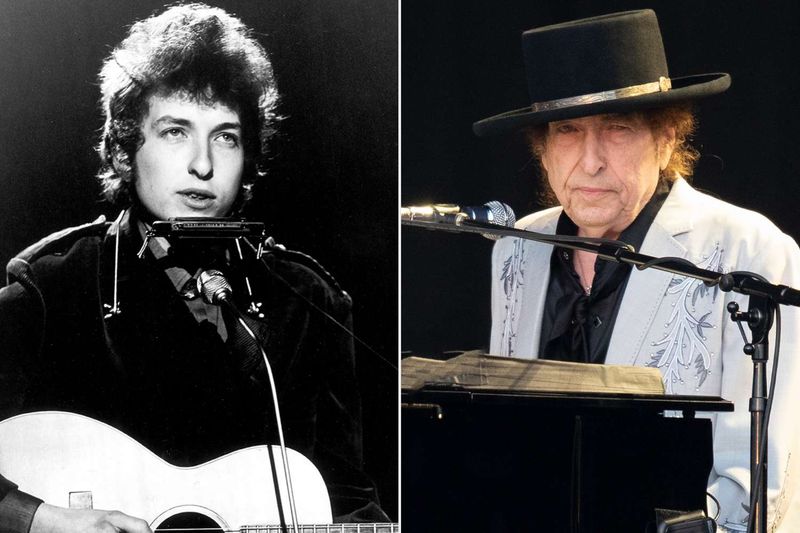
With a harmonica and a guitar, this folk singer became the voice of a generation seeking change.
Bob Dylan’s poetic lyrics addressed social issues, war, and human rights in ways that resonated deeply.
When he went electric at the Newport Folk Festival, he shocked traditionalists but expanded music’s possibilities.
Songs like “Blowin’ in the Wind” and “The Times They Are a-Changin'” became protest anthems.
His storytelling approach to songwriting influenced countless musicians across all genres.
Dylan won the Nobel Prize in Literature, proving that song lyrics could be considered high art.
His raspy voice and unconventional delivery style made him instantly recognizable.
He taught musicians that songs could be about more than just love.
4. Madonna
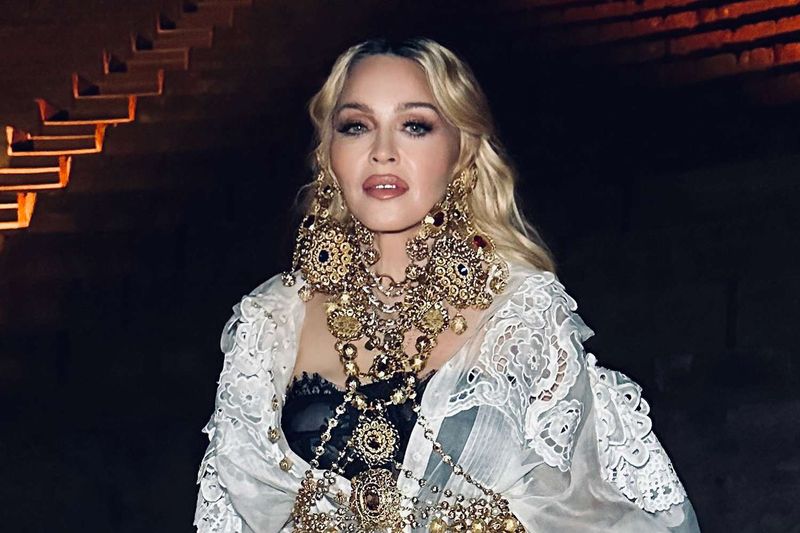
Constantly reinventing herself, the Queen of Pop showed that female artists could control their own careers and image.
Madonna pushed boundaries with provocative videos and performances that sparked conversations about sexuality and feminism.
She blended music with fashion, making each album era visually distinct and memorable.
Hits like “Like a Prayer” and “Vogue” dominated the airwaves throughout the 1980s and 1990s.
Her business savvy helped her build an empire beyond just music.
She paved the way for artists like Lady Gaga and Beyoncé to express themselves boldly.
Madonna proved that pop music could be smart, challenging, and wildly entertaining simultaneously.
Her influence on female empowerment in music remains powerful today.
5. Prince
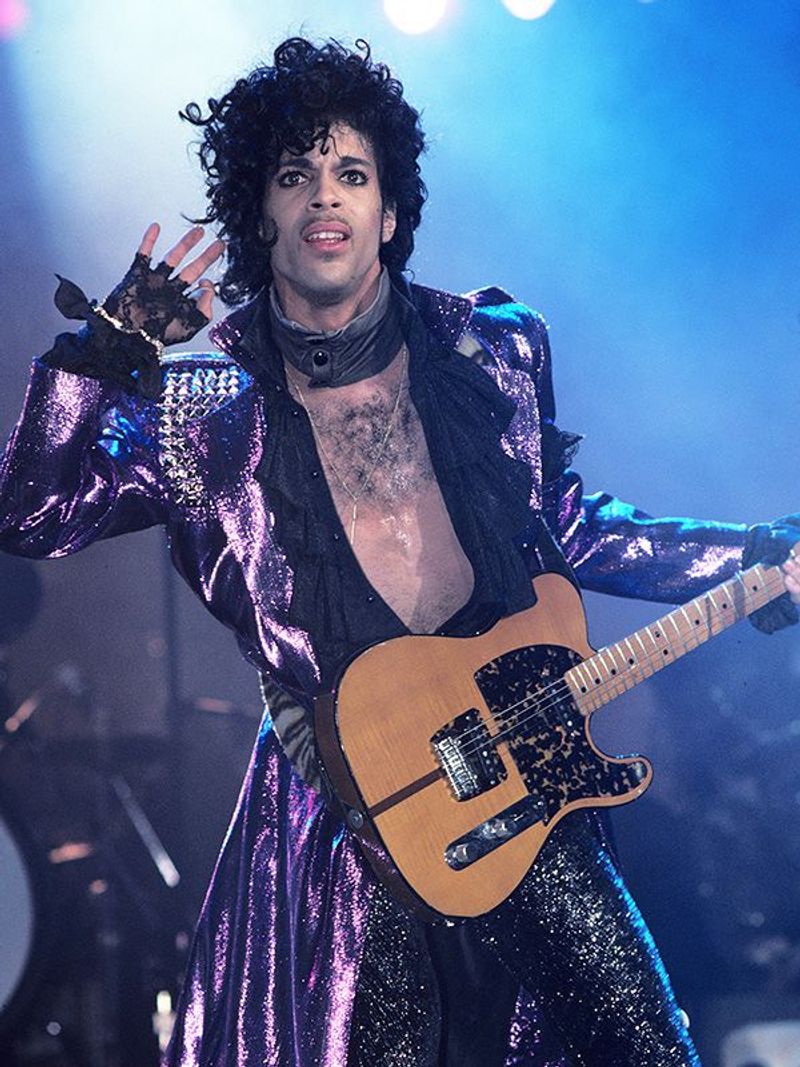
Purple was his signature color, and musical genius was his trademark.
Prince played virtually every instrument on his albums, showcasing incredible versatility and talent.
He blended rock, funk, R&B, and pop into a sound that was uniquely his own.
His guitar solos were legendary, and his falsetto voice became instantly recognizable.
Songs like “Purple Rain” and “When Doves Cry” showcased his emotional depth and technical skill.
Prince fought for artists’ rights, famously battling record labels for creative control.
His flamboyant style and androgynous fashion challenged gender norms in music.
He released an astonishing amount of music, with thousands of unreleased songs in his vault.
Prince showed that true artists answer to no one but themselves.
6. Beyoncé
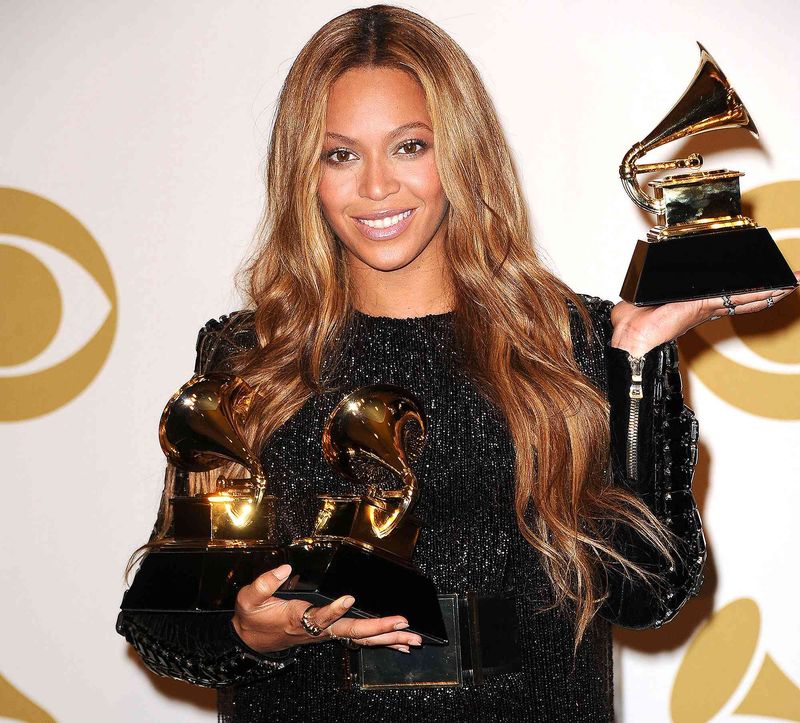
Starting as a member of Destiny’s Child, she became one of the most powerful voices in contemporary music.
Beyoncé’s vocal range and control set her apart from her peers immediately.
Her visual albums like “Lemonade” redefined how artists could tell stories through music and imagery.
She addresses themes of race, feminism, and empowerment in ways that resonate with millions.
Her live performances are meticulously choreographed spectacles that leave audiences breathless.
Songs like “Crazy in Love” and “Formation” became cultural moments, not just hits.
She built a business empire while maintaining artistic integrity and creative control.
Beyoncé’s work ethic and perfectionism inspire aspiring artists everywhere.
She represents excellence in every aspect of entertainment.
7. David Bowie
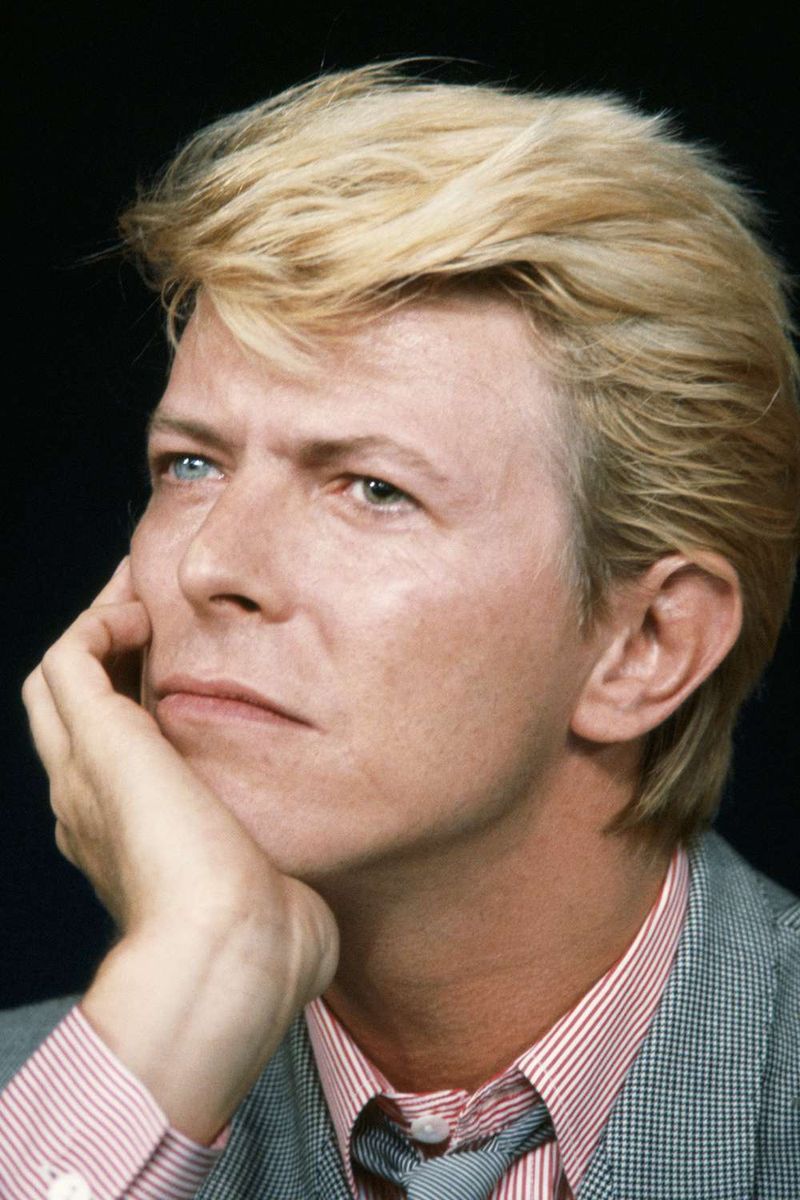
Ziggy Stardust, the Thin White Duke, and countless other personas made this artist a chameleon of rock.
David Bowie constantly evolved, never settling into one style or sound for too long.
His theatrical approach to performance art influenced generations of musicians and fashion designers.
Albums like “The Rise and Fall of Ziggy Stardust” became concept masterpieces that told complete stories.
He fearlessly experimented with electronic music, soul, and avant-garde sounds.
Bowie’s androgynous appearance challenged societal norms and inspired LGBTQ+ communities worldwide.
Songs like “Space Oddity” and “Heroes” became timeless classics.
His final album, released just before his death, showed his artistic vision remained sharp until the end.
Bowie taught musicians that reinvention keeps art alive.
8. Nirvana
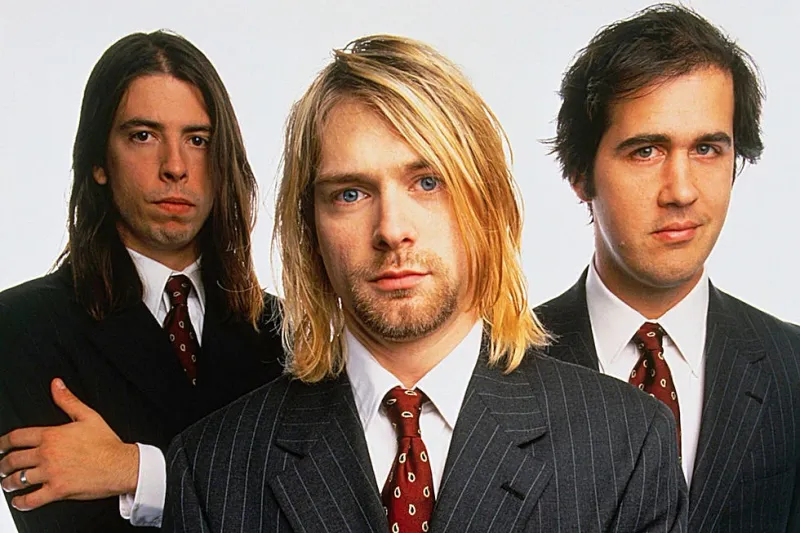
Three musicians from Seattle accidentally became the voice of disaffected youth in the early 1990s.
Nirvana’s raw, honest sound brought grunge music from underground clubs to mainstream radio.
Their album “Nevermind” knocked Michael Jackson off the top of the charts, signaling a cultural shift.
Kurt Cobain’s songwriting captured feelings of alienation and frustration that resonated with millions.
The band’s stripped-down approach rejected the flashy excess of 1980s rock.
“Smells Like Teen Spirit” became an anthem for Generation X and changed rock music forever.
Their influence can be heard in alternative rock bands that followed.
Though their time together was brief, Nirvana’s impact on music culture remains enormous.
They proved authenticity matters more than polish.
9. Tupac Shakur
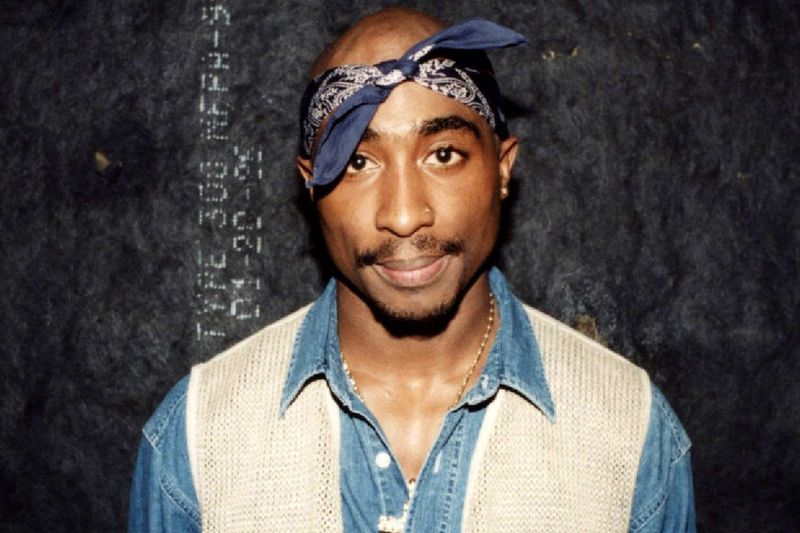
Poetry and passion poured from this rapper who became hip-hop’s most influential voice.
Tupac addressed social inequality, police brutality, and life in marginalized communities with raw honesty.
His lyrics were deeply personal yet spoke to universal struggles faced by many.
Albums like “All Eyez on Me” showcased his range, from party anthems to thoughtful social commentary.
Despite his tough image, songs like “Dear Mama” revealed his sensitive, introspective side.
His charisma and talent made him a crossover star in music and film.
Tupac’s untimely death at age 25 cut short a career that was still reaching new heights.
His influence on hip-hop culture, fashion, and activism continues decades later.
He showed rap could be both street-smart and deeply philosophical.
10. Radiohead
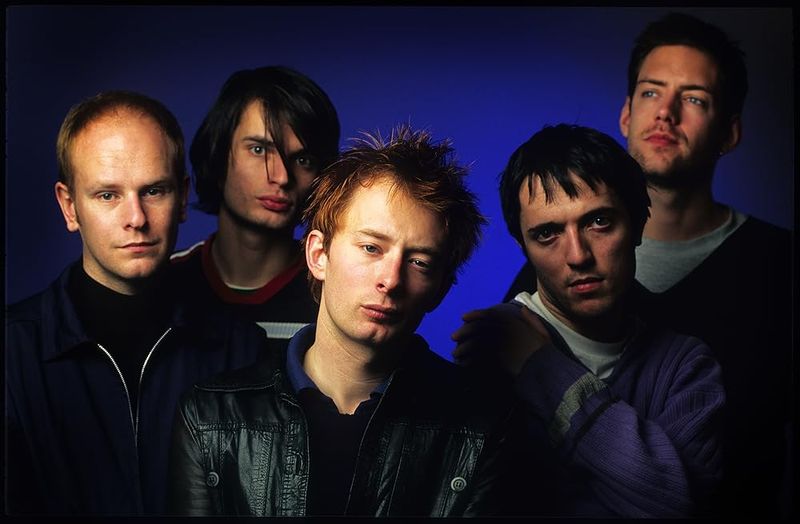
When most rock bands played it safe, these British musicians decided to explore uncharted sonic territory.
Radiohead’s album “OK Computer” predicted our technology-obsessed future with haunting accuracy.
They incorporated electronic elements, unconventional song structures, and atmospheric soundscapes into rock music.
Thom Yorke’s distinctive voice and cryptic lyrics created an air of mystery around their work.
The band rejected traditional music industry models, once releasing an album on a pay-what-you-want basis.
Their willingness to experiment influenced countless alternative and indie rock bands.
Songs like “Creep” and “Karma Police” became unexpected mainstream hits.
Radiohead proved that intelligent, challenging music could find a large audience.
They never stopped pushing boundaries, even after achieving success.
11. Jay-Z
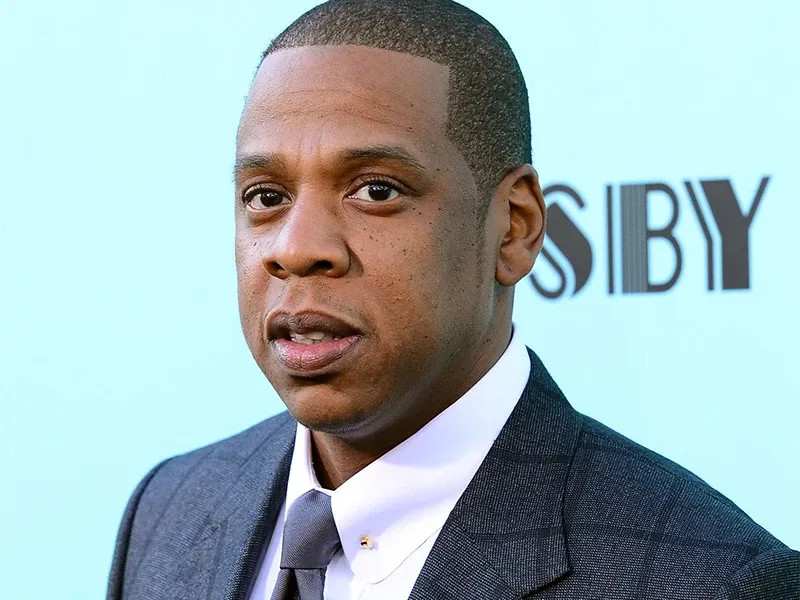
From selling CDs out of his car to becoming a billionaire, this rapper’s story embodies hip-hop’s entrepreneurial spirit.
Jay-Z’s clever wordplay and business acumen set him apart in the competitive rap world.
He founded Roc-A-Fella Records when no label would sign him, creating his own path to success.
Albums like “The Blueprint” are considered essential listening for understanding modern hip-hop.
His marriage to Beyoncé created music’s most powerful couple.
Beyond music, he built businesses in fashion, sports management, and streaming services.
Songs like “Empire State of Mind” became cultural touchstones celebrating urban life.
Jay-Z showed that rappers could be moguls, not just performers.
His influence extends far beyond the recording studio into broader business culture.
12. Led Zeppelin
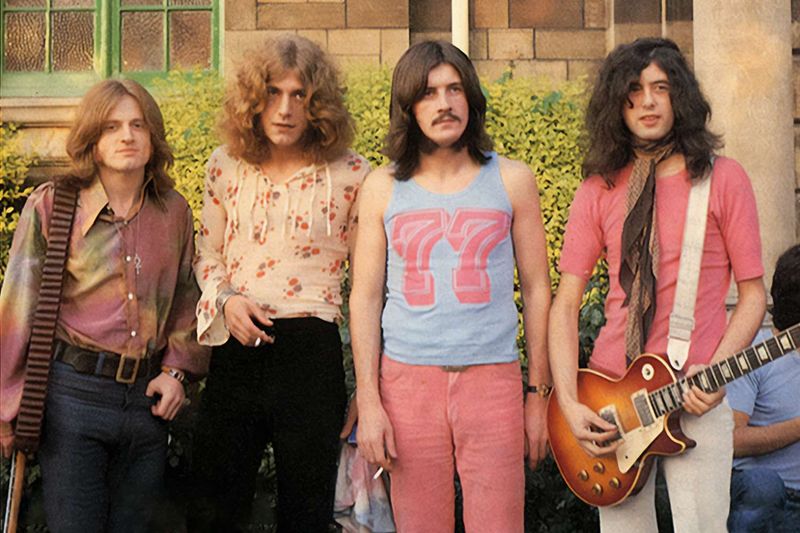
Four musicians created a thunderous sound that defined what hard rock could be.
Led Zeppelin combined blues, folk, and heavy metal into something entirely new and powerful.
Jimmy Page’s guitar riffs on songs like “Whole Lotta Love” became blueprints for rock guitarists.
Robert Plant’s soaring vocals and mystical lyrics added drama to their epic compositions.
Their untitled fourth album, featuring “Stairway to Heaven,” became one of the best-selling records ever.
John Bonham’s drumming style influenced every rock drummer who came after.
The band’s refusal to release singles made albums the focus of their artistic expression.
Their live performances were legendary, often featuring extended improvisations.
Led Zeppelin proved rock music could be both heavy and musically sophisticated simultaneously.
13. Kanye West
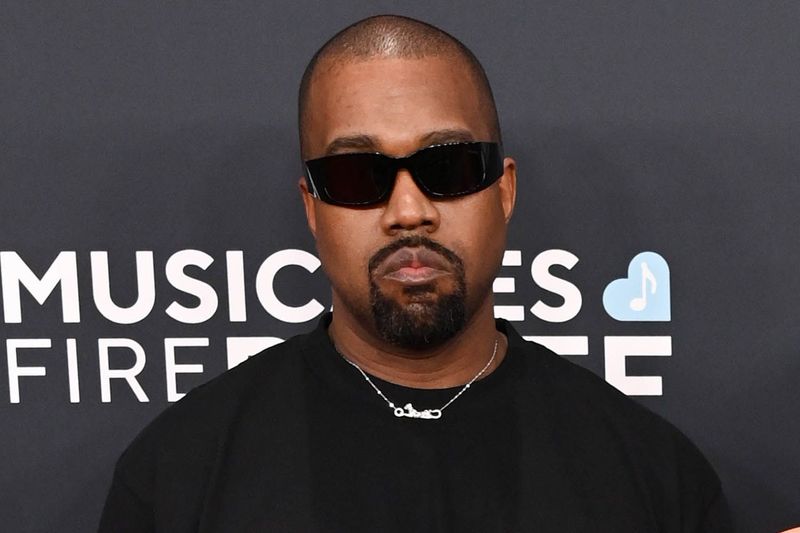
Controversy and creativity walk hand-in-hand with this producer-turned-rapper who changed hip-hop’s sound.
Kanye West started by speeding up soul samples, creating a signature sound that dominated the early 2000s.
His album “My Beautiful Dark Twisted Fantasy” is considered a modern masterpiece by critics.
He brought emotional vulnerability to rap, discussing topics like faith, family, and mental health openly.
His production work for other artists helped shape the sound of contemporary music.
Fashion became another outlet for his creative vision, launching successful clothing and shoe lines.
Songs like “Stronger” and “Gold Digger” became massive crossover hits.
Despite personal controversies, his musical influence remains undeniable.
Kanye showed that hip-hop could be experimental, orchestral, and deeply personal.
14. Aretha Franklin
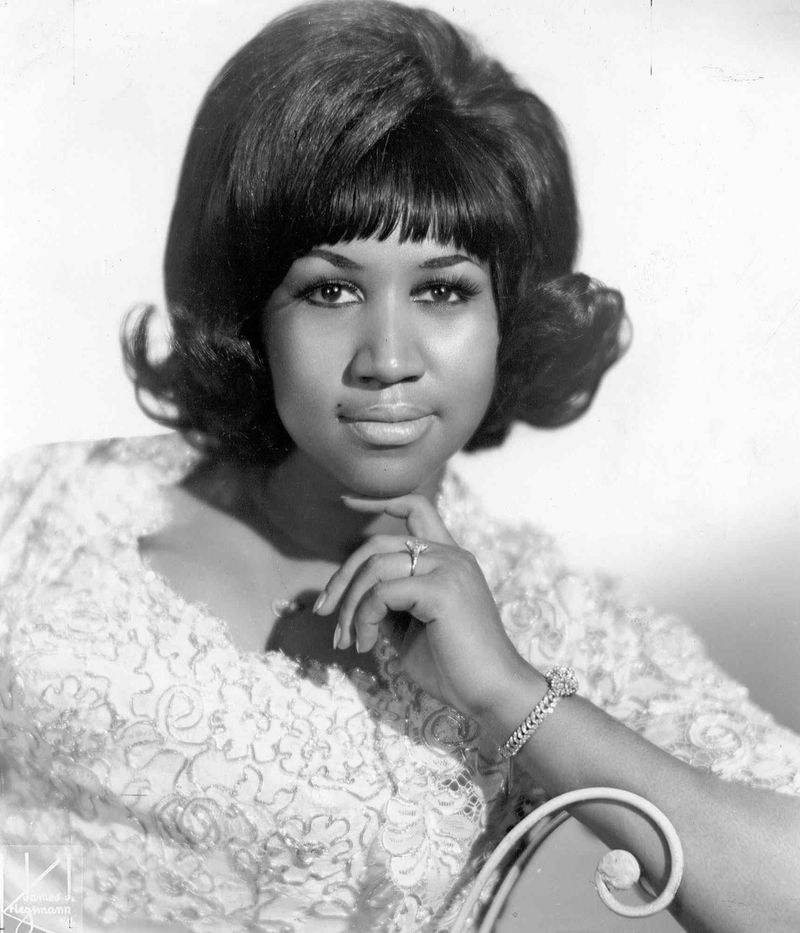
The Queen of Soul possessed a voice so powerful it could move listeners to tears.
Aretha Franklin’s rendition of “Respect” became an anthem for civil rights and women’s empowerment movements.
Her gospel-trained vocals brought depth and emotion to every song she touched.
She was the first woman inducted into the Rock and Roll Hall of Fame, breaking another barrier.
Franklin’s piano playing was often overlooked but added another dimension to her performances.
Songs like “Natural Woman” and “Think” showcased her incredible range and interpretive skills.
She performed at presidential inaugurations and historic events throughout her career.
Her influence on singers like Whitney Houston and Mariah Carey is immeasurable.
Aretha proved that soul music could be both commercially successful and artistically transcendent.
15. Taylor Swift
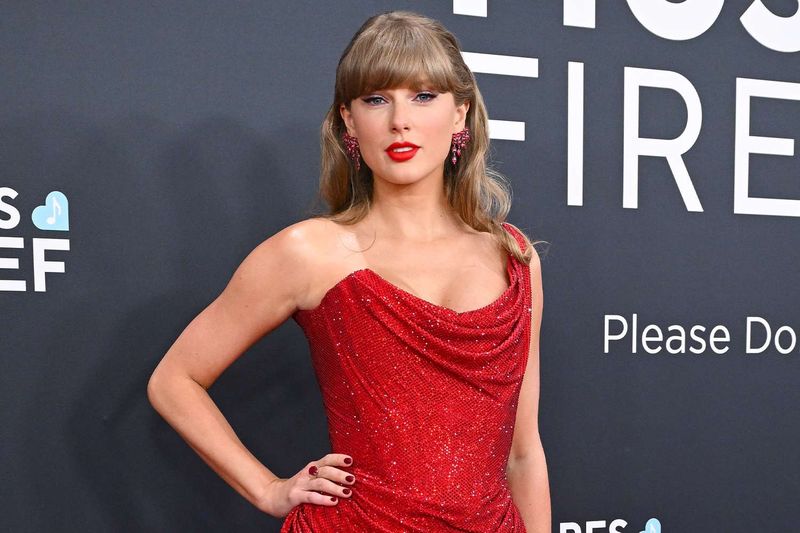
Starting as a country teenager with a guitar, she evolved into pop music’s most strategic storyteller.
Taylor Swift’s songwriting ability connects with fans through relatable lyrics about relationships and personal growth.
Her transition from country to pop demonstrated artistic versatility and business savvy.
Albums like “1989” and “Folklore” showed she could master different genres while maintaining her voice.
She fought for artists’ rights, pulling her music from streaming services until fair compensation was offered.
Her social media presence created direct connections with millions of devoted fans worldwide.
Songs like “Shake It Off” and “Blank Space” dominated charts and cultural conversations.
Swift’s re-recording of her early albums set a precedent for artist ownership.
She represents a new generation taking control of their creative work.