 MomSkoop

Getting older doesn’t mean happiness has to fade away. Yet many people unknowingly fall into patterns that quietly drain the joy from their later years.
These everyday habits can turn golden years into something far less bright, but the good news is they can be changed once you recognize them.
1. Living in the Shadow of Yesterday’s Mistakes

Regrets have a way of growing heavier with time.
When you spend your days replaying old decisions, wishing you’d chosen differently, you miss what’s happening right now.
Your mind becomes a prison of “what ifs” and “if onlys.”
The present moment holds opportunities for meaning, connection, and small joys that regret blinds you to.
Forgiveness—especially self-forgiveness—opens space for peace.
Accepting that you did your best with what you knew then allows you to focus on what you can still do today.
Shifting attention from unchangeable past to meaningful present transforms how each day feels.
Purpose lives in this moment, not in yesterday’s shadows.
2. The Trap of Constant Comparison to Better Days

“Things were so much better back then.” This phrase becomes a barrier to enjoying today.
Nostalgia feels comforting, but when every present experience gets measured against an idealized past, nothing measures up.
Change is life’s only constant, and resisting it creates suffering.
The world evolves, bodies age, and circumstances shift—fighting these truths exhausts you.
Adapting doesn’t mean forgetting cherished memories; it means making room for new ones.
Finding beauty in today’s reality, even when different from yesterday’s, preserves joy.
Each era of life offers unique gifts.
Embracing change instead of mourning it keeps your heart open to what’s still possible and wonderful now.
3. Building Walls When Connection Still Beckons

Isolation creeps in quietly.
Maybe friends moved away or passed on.
Perhaps mobility became harder or energy lower.
Slowly, social invitations get declined, phone calls go unreturned, and loneliness becomes the new normal.
Human beings need connection like they need oxygen.
Withdrawing socially, even when it feels easier, damages mental and physical health.
Staying connected requires effort, but that effort pays enormous dividends in happiness and longevity.
Community centers, religious groups, hobby clubs, and even online forums offer pathways to meaningful interaction.
Reaching out feels vulnerable, but the reward of belonging and being seen makes it worthwhile.
Connection is still possible when you choose to seek it out.
4. Counting What’s Gone Instead of What Remains
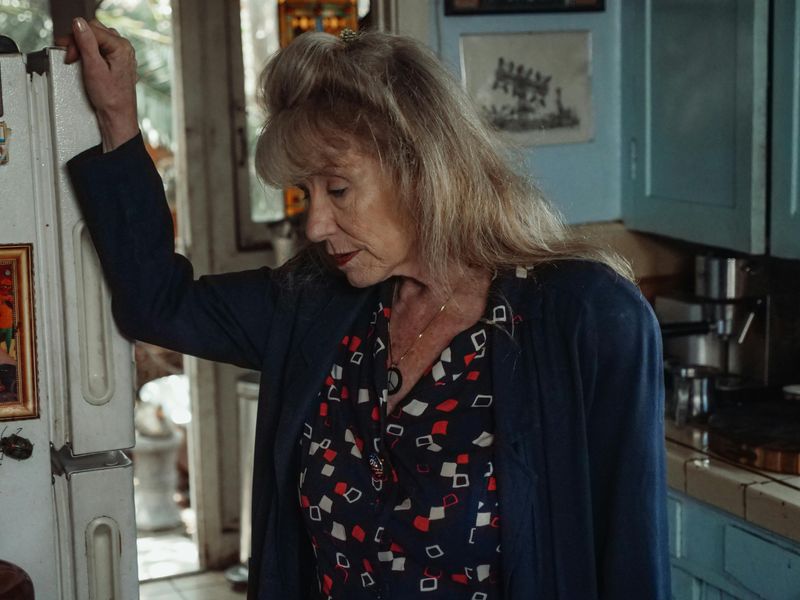
Health declines, careers end, roles shift—losses accumulate in later years.
Grief for these changes is natural and valid.
However, when your entire focus lands on what disappeared, you overlook the abilities and strengths still present.
Maybe you can’t run marathons anymore, but you can walk in nature.
Perhaps your hearing faded, but your wisdom deepened.
Shifting perspective from loss to remaining capacity changes everything.
Gratitude for what still works—your mind, your hands, your ability to laugh—creates resilience.
Focusing on abilities rather than disabilities empowers you to keep participating in life.
What remains is often more than enough to build joy upon if you choose to see it.
5. Carrying the Weight of Old Wounds and Grudges

Some hurts run deep.
Betrayals, disappointments, and injustices from years or decades ago can still sting.
Holding onto these grudges feels justified—after all, you were wronged.
But resentment is heavy, and carrying it for years drains your emotional energy.
Forgiveness doesn’t mean what happened was okay.
It means freeing yourself from the burden of bitterness.
Grudges keep you chained to painful past moments, preventing peace in the present.
Letting go creates space for lighter emotions—contentment, curiosity, affection.
Your later years deserve to be unburdened by ancient anger.
Releasing grudges is a gift you give yourself, not the person who hurt you.
Freedom tastes sweeter than revenge ever could.
6. Refusing the Unfamiliar Out of Fear

New technology, different routines, unfamiliar ideas—they can feel threatening when you’ve done things a certain way for decades.
Resistance becomes automatic. “I’m too old for this” becomes a shield against discomfort.
But growth doesn’t stop at any age unless you decide it does.
Learning something new keeps your brain healthy and your spirit engaged.
Yes, it feels awkward at first.
That awkwardness is where growth lives.
Trying a smartphone app, adjusting your daily routine, or considering a fresh perspective won’t erase who you are.
Flexibility and curiosity keep life interesting.
Comfort zones feel safe but can become cages.
Stepping beyond them, even slightly, invites unexpected joy and accomplishment into your days.
7. Filling Conversations With Complaints Instead of Gratitude

Aches, pains, disappointments, frustrations—there’s plenty to complain about as years pass.
When complaints dominate your conversations, they shape how you experience life.
What you focus on expands, and chronic negativity breeds more negativity.
Gratitude works like a muscle; the more you exercise it, the stronger it becomes.
Noticing small blessings—a warm cup of coffee, a kind word, sunshine through the window—shifts your emotional landscape.
People also enjoy being around those who can find bright spots amid challenges.
Balancing honest struggles with genuine appreciation creates richer, more uplifting interactions.
Your words shape your reality.
Choosing gratitude over complaint doesn’t ignore difficulties; it simply refuses to let them steal all the light from your days.
8. Drifting Through Days Without Purpose or Activity

Retirement can feel like endless free time, but without structure or purpose, days blur together into forgettable monotony.
Television fills hours, but it doesn’t fill the soul.
Humans thrive on meaningful activity, regardless of age.
Hobbies, volunteering, learning new skills—these pursuits give days shape and satisfaction.
Purpose doesn’t require grand achievements.
Tending a garden, teaching someone to knit, or reading to children at the library all create meaning.
Engaged minds and active hands keep depression at bay.
Contribution, creativity, and growth feed the spirit.
Even small purposeful activities bring dignity and joy.
Your days deserve intention, not just passive passing of time.
What you do matters, and so does choosing to do something.
9. Believing the Door to Growth Has Closed Forever

“I’m too old to change now.” This belief becomes a self-fulfilling prophecy.
When you assume growth, learning, and new experiences are no longer available, you stop trying.
Opportunities pass by unnoticed because you’ve decided they’re not for you.
Research shows brains remain capable of learning and adapting throughout life.
Age brings wisdom that younger people lack.
Your capacity for joy, discovery, and transformation doesn’t expire on some arbitrary birthday.
Taking a class, starting a creative project, or traveling somewhere new remains possible.
Growth looks different at seventy than at twenty, but it’s no less real or valuable.
Believing in your continued potential opens doors.
Your story isn’t finished yet.
10. Clinging to Yesterday’s Identity While Today Slips Away

“I used to be…” becomes the opening to every story.
Your identity gets frozen in past accomplishments, roles, or status.
Who you were matters, but who you are becoming matters more.
Life is dynamic, not static.
Retirement from a career doesn’t mean retirement from being interesting.
Empty nest doesn’t mean your purpose evaporated.
Defining yourself only by the past denies the person you’re still evolving into.
Each phase of life offers chances to discover new aspects of yourself.
Maybe you’re becoming a mentor, an artist, a volunteer, or simply a person who’s learned to find peace.
Your identity can expand rather than shrink.
Today’s version of you deserves recognition and celebration, not just yesterday’s achievements.