 MomSkoop

Marriage after 40 looks different than it did in your twenties or thirties, and that’s actually a good thing.
You’ve lived enough life to know what really matters, and you’re probably done trying to impress anyone but yourself and your partner.
The happiness you build now isn’t about fireworks every day—it’s about creating something steady, real, and deeply satisfying that can weather any storm together.
1. Emotional Safety Over Constant Excitement

Butterflies are wonderful, but feeling safe with your partner beats the rush of constant drama every single time.
After 40, you realize that a relationship where you can be vulnerable without fear is worth more than any roller coaster romance.
Being able to share your worries, admit your mistakes, and show up as your messy, authentic self creates the foundation for real intimacy.
Excitement fades, but trust deepens.
When you know your partner won’t judge you for your fears or use your secrets against you during arguments, you can finally relax.
That sense of security lets both of you grow individually while staying connected as a team, which is exactly what lasting happiness looks like.
2. Respect in Everyday Moments

Grand gestures are nice, but respect shows up in how your partner talks to you when they’re tired or frustrated.
It’s there when they listen to your opinion even if they disagree, or when they remember that small thing you mentioned last week.
These tiny moments add up to create the atmosphere of your entire relationship.
You’ve probably learned by now that someone can say they love you while treating you poorly in daily life.
Real respect means considering your feelings before making decisions, not mocking your interests, and speaking kindly even during disagreements.
When both partners practice this consistently, the marriage becomes a refuge instead of another source of stress in an already complicated world.
3. Clear, Honest Communication Without Mind-Reading

Expecting your spouse to read your mind is a setup for disappointment every time.
After four decades of living, most people understand that direct communication saves everyone time, energy, and unnecessary hurt feelings.
Saying what you need, want, or feel might seem less romantic than silent understanding, but it actually works.
Mind-reading games belong in your past relationships, not your current one.
When you simply tell your partner that you need some alone time, want help with something specific, or feel hurt by their comment, you give them a chance to respond.
Clear communication doesn’t mean being harsh—it means being honest and kind enough to share your truth instead of expecting them to guess it correctly.
4. Shared Effort, Not One Person Carrying Everything

A marriage where one person does all the emotional labor, household management, or relationship maintenance eventually collapses under that weight.
By 40, you’ve probably seen friends burn out from carrying their partnerships alone.
Happiness requires both people showing up, contributing, and taking responsibility for making things work.
This doesn’t mean splitting everything exactly 50-50 every single day.
Sometimes one partner carries more because life happens—illness, job stress, family emergencies.
But over time, the effort should balance out.
When both people actively participate in keeping the relationship healthy, planning your future together, and maintaining your home and life, nobody feels resentful or exhausted.
Partnership means exactly that—two people partnering together through everything.
5. Friendship and Genuinely Liking Each Other

Love is essential, but do you actually like spending time with your spouse?
Can you laugh together about random things, enjoy conversations that go nowhere important, or just hang out without needing a special occasion?
Friendship forms the backbone of marriages that last and stay happy past the honeymoon phase.
Think about your closest friends—you probably enjoy their company, respect their opinions, and want to hear about their day.
Your marriage should include those same elements.
When you genuinely like your partner as a person beyond romantic feelings, you create something resilient.
Chemistry fades and flows, but friendship keeps you connected even during the inevitable rough patches that every long-term relationship faces at some point.
6. Healthy Independence Alongside Commitment

Being married doesn’t mean losing yourself or becoming one person with your spouse.
After 40, most people realize that maintaining individual interests, friendships, and identity actually strengthens the relationship rather than threatening it.
You can be fully committed while still being your own complete person.
Healthy marriages include space for both people to pursue hobbies, spend time with friends separately, or just have alone time when needed.
This independence prevents resentment and keeps things interesting because you both continue growing and bringing new experiences into the relationship.
Codependence might feel romantic in movies, but in real life, it’s suffocating.
True commitment means choosing to be together while respecting each other’s need for personal space and individual growth.
7. Choosing Each Other Again Through Life’s Changes
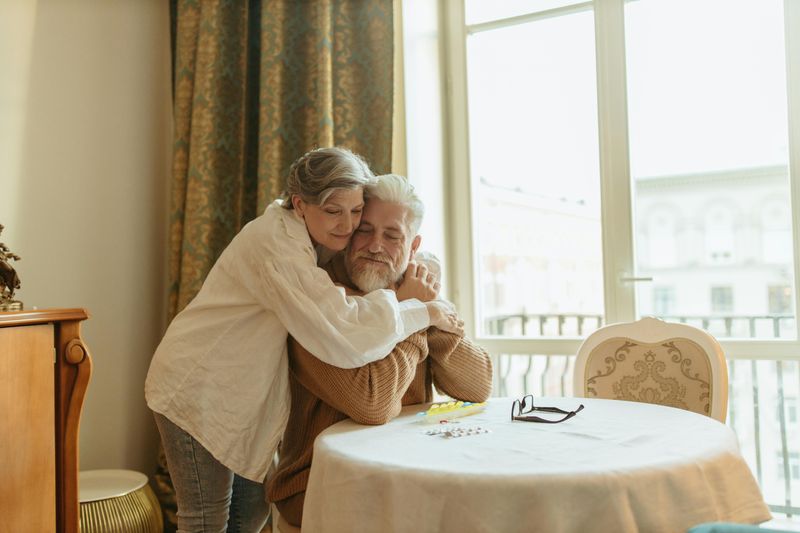
Nobody stays exactly the same person they were at 25, 35, or even last year.
Bodies change, careers shift, interests evolve, and unexpected challenges reshape who you are.
Marriage happiness after 40 requires actively choosing your partner as they grow and change, not just loving the version you married years ago.
This means getting to know your spouse continuously rather than assuming you already know everything about them.
It means supporting their new dreams even if they’re different from old ones.
When both people commit to choosing each other repeatedly through job losses, health scares, family drama, and personal transformations, the relationship deepens in ways young love never could.
That ongoing choice is what transforms marriage from a one-time decision into a living, breathing partnership.