 MomSkoop
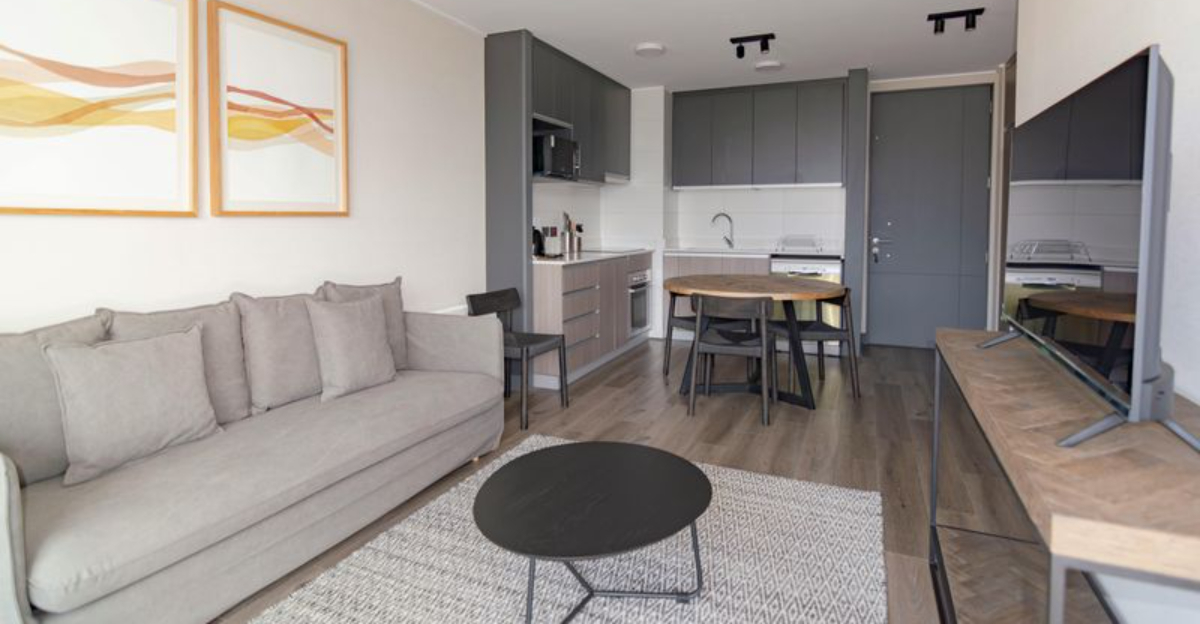
Living in a compact space doesn’t mean you have to sacrifice style or comfort. Small living rooms can feel cramped and cluttered, but with the right design tricks, you can transform even the tiniest space into a cozy, welcoming retreat.
The secret lies in making smart choices about color, furniture placement, and décor that trick the eye into seeing more space than actually exists. Ready to make your small living room feel bigger and brighter?
1. Shoot for Light Ceilings and Floors
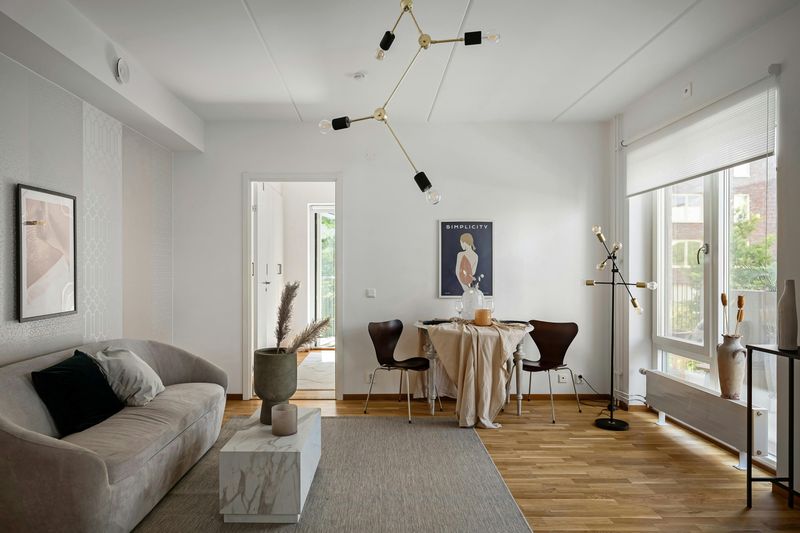
Painting your ceiling white or a pale shade creates an optical illusion that makes walls appear taller than they really are.
Light-colored floors work the same magic, reflecting natural light around the room and making everything feel more open.
Dark surfaces absorb light and make spaces feel closed in, which is exactly what you want to avoid in a small room.
Think cream, beige, pale gray, or even light blonde wood for your flooring options.
When both ceiling and floor are light, your eye travels freely from top to bottom without any visual interruptions.
This continuous flow tricks your brain into perceiving more square footage.
2. Select Subtle Patterns
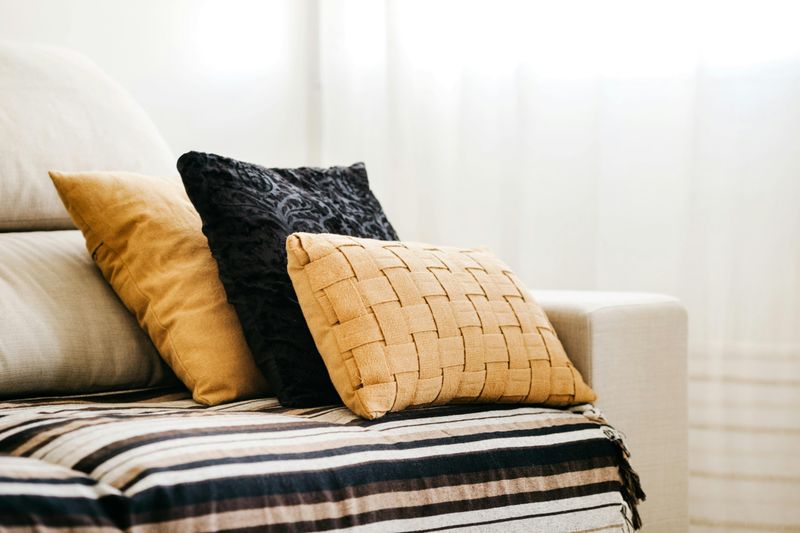
Bold, busy patterns can overwhelm a small space and make it feel even more cramped.
Subtle patterns, on the other hand, add visual interest without creating chaos.
Consider tiny prints, delicate stripes, or soft geometric designs in your pillows, rugs, or curtains.
The key is choosing patterns that blend rather than shout.
Small-scale patterns work best because they don’t compete for attention or break up the room into smaller visual chunks.
When patterns are understated, they add texture and depth while maintaining that sense of openness you’re after.
Your room gains personality without losing precious visual space.
3. Embrace Neutral Décor
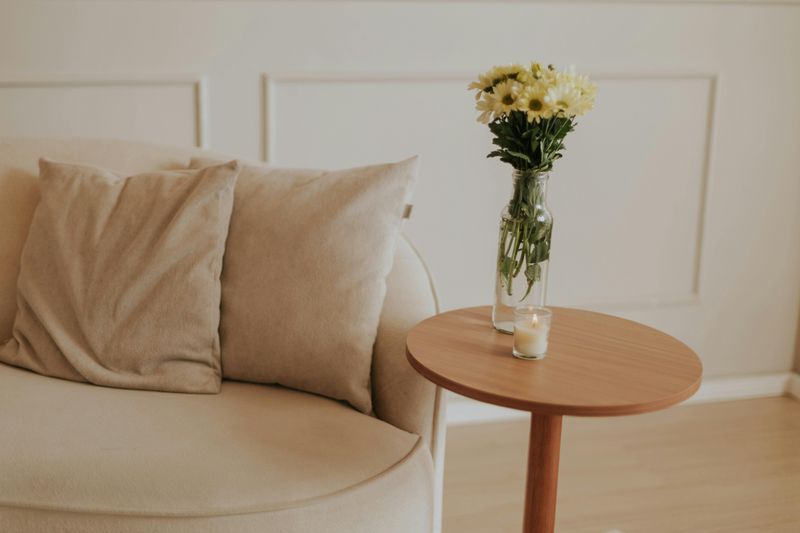
Neutral colors create a calm, cohesive look that makes small spaces feel larger and more put-together.
Whites, beiges, grays, and tans work beautifully together without creating visual clutter.
When everything flows in similar tones, your eye isn’t constantly stopping at different color blocks.
This smooth visual journey makes the room feel more spacious.
Neutrals also reflect light better than darker colors, brightening up even the dimmest corners.
You can layer different shades of neutrals to add depth without overwhelming the space.
Add warmth through textures like linen, wool, or natural wood rather than bold colors.
4. Opt for Light Colored Walls
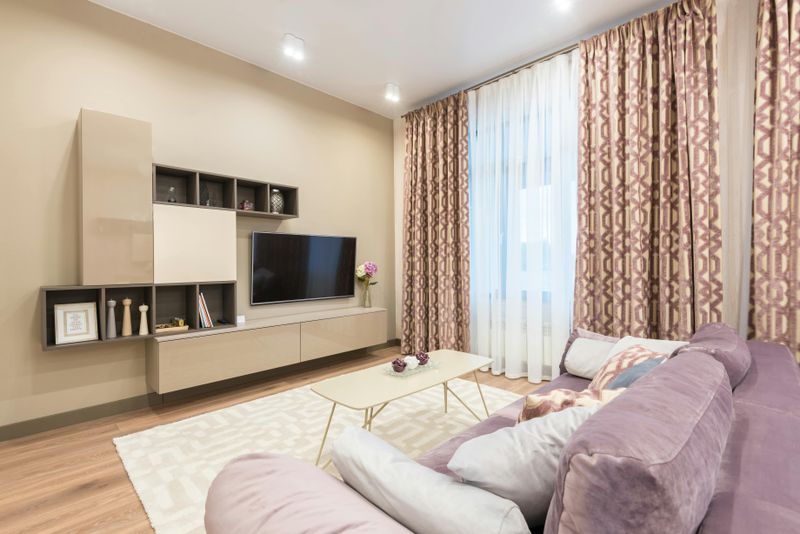
Wall color has probably the biggest impact on how large or small your living room feels.
Light colors bounce light around the room, making everything feel brighter and more open.
Soft whites, pale grays, light blues, or gentle creams work wonders in compact spaces.
Dark walls absorb light and can make a small room feel like a cave.
If pure white feels too stark, try warm off-whites or light greiges that add warmth without closing in the space.
Paint all walls the same light color to avoid breaking up the room visually.
This creates a seamless flow that tricks the eye into seeing more space.
5. Always Choose Proportionate Furniture
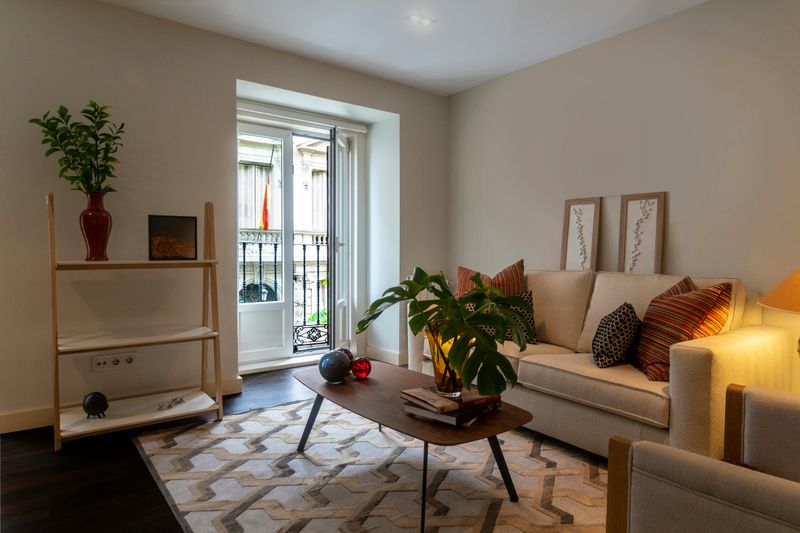
Oversized furniture in a small room is like wearing clothes three sizes too big—it just doesn’t work.
Choosing pieces that fit the scale of your space is absolutely essential.
A massive sectional might be comfortable, but it will swallow up your entire room and make movement difficult.
Look for apartment-sized sofas, slim-profile chairs, and compact tables designed specifically for smaller spaces.
Furniture with exposed legs creates a lighter feel than pieces that sit directly on the floor.
Those visible legs allow light and sight lines to flow underneath, making furniture appear less bulky.
Measure twice, buy once—always know your dimensions before shopping.
6. Use Large Mirrors to Your Advantage
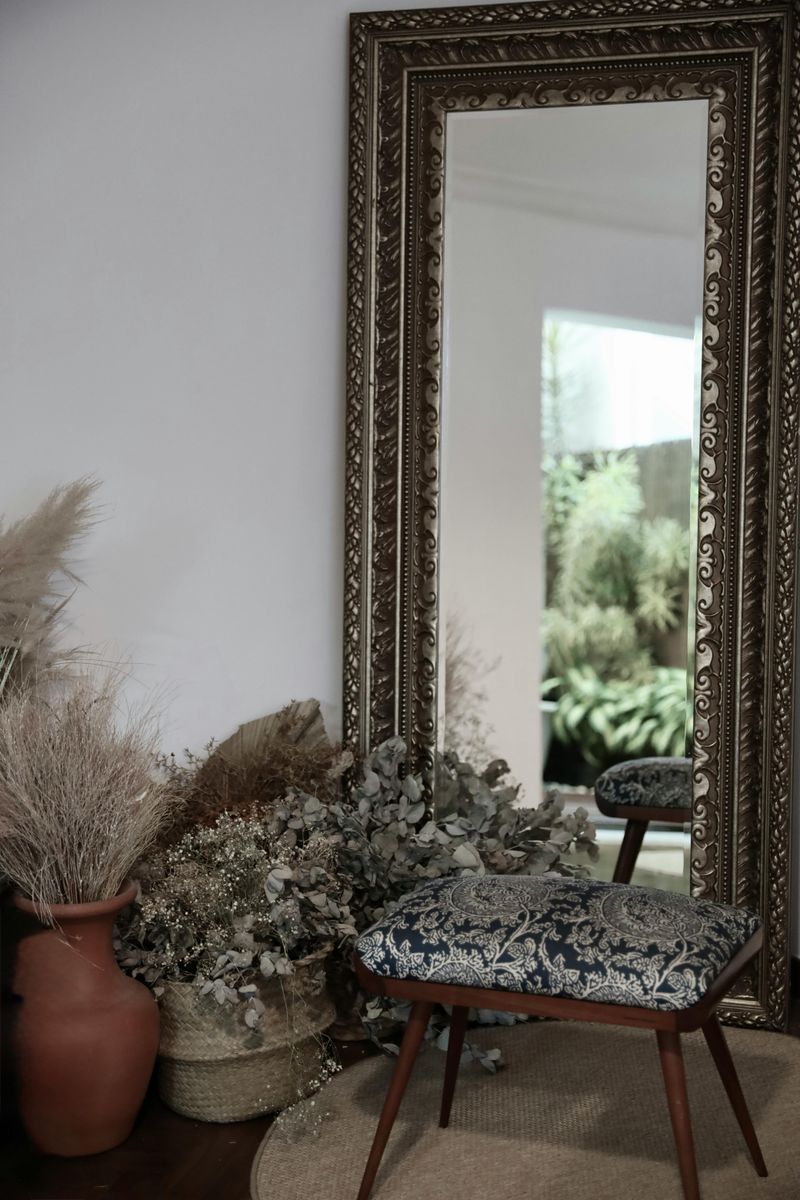
Mirrors are the ultimate space-expanding tool in small room design.
A large mirror reflects light and views, essentially doubling what you see and making the room feel twice as big.
Position your mirror opposite a window to bounce natural light throughout the space.
This simple trick brightens dark corners and makes everything feel more open and airy.
Choose one large statement mirror rather than several small ones for maximum impact.
Small mirrors can make a space feel cluttered and busy.
A floor-to-ceiling mirror or a large horizontal mirror above a sofa works particularly well in compact living rooms.
7. If You Like Color, Think Warm
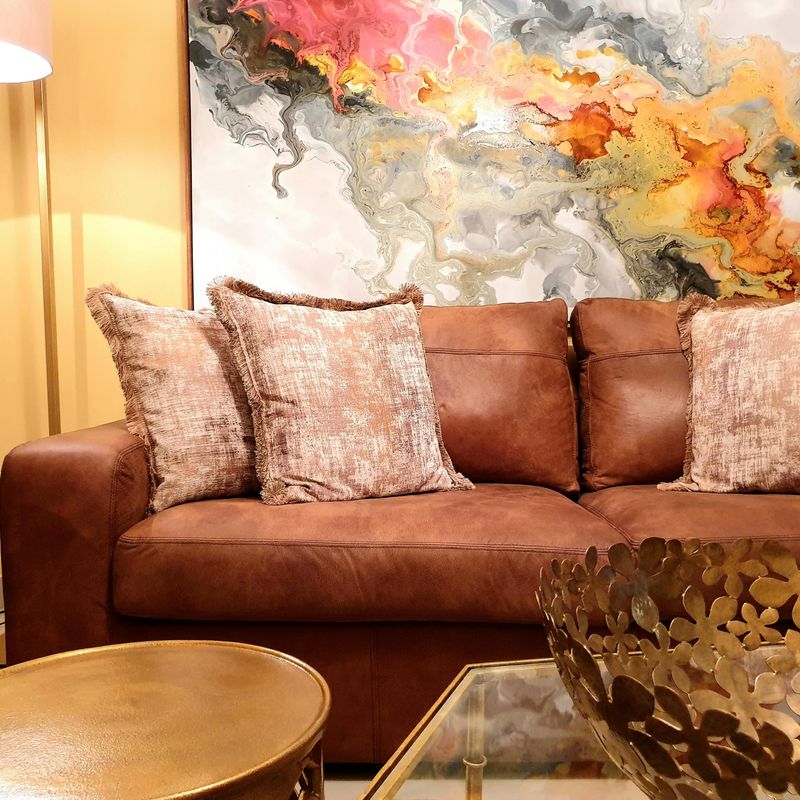
Who says small rooms have to be boring and colorless?
If you crave color, warm tones like terracotta, soft coral, warm yellows, or peachy hues work beautifully in compact spaces.
Warm colors advance visually but create a cozy, inviting atmosphere that makes small rooms feel intentionally intimate rather than accidentally cramped.
Cool colors recede and can make a small room feel cold and uninviting.
Warm tones wrap the space in comfort while still keeping things light and cheerful.
Use warm colors as accents rather than painting every surface to maintain balance.
Your small living room can have personality without sacrificing that sense of openness.
8. Make a Pathway
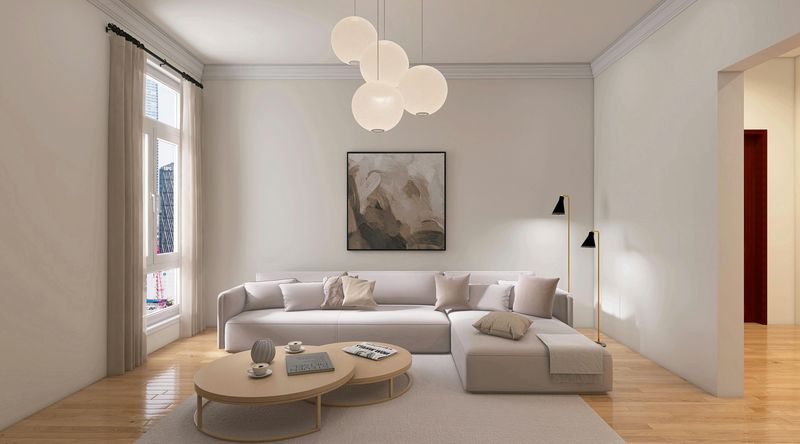
Nothing makes a small room feel smaller than having to navigate an obstacle course just to sit down.
Creating a clear pathway through your living room is essential for both function and visual flow.
Arrange furniture so there’s an obvious route from the entrance to seating areas without squeezing between pieces.
This pathway should be at least two to three feet wide for comfortable movement.
When furniture blocks natural traffic patterns, the room feels cluttered and cramped even if it’s technically spacious enough.
A clear path also helps the eye travel smoothly through the space, making it feel larger and more organized.
9. Choose Light Curtains
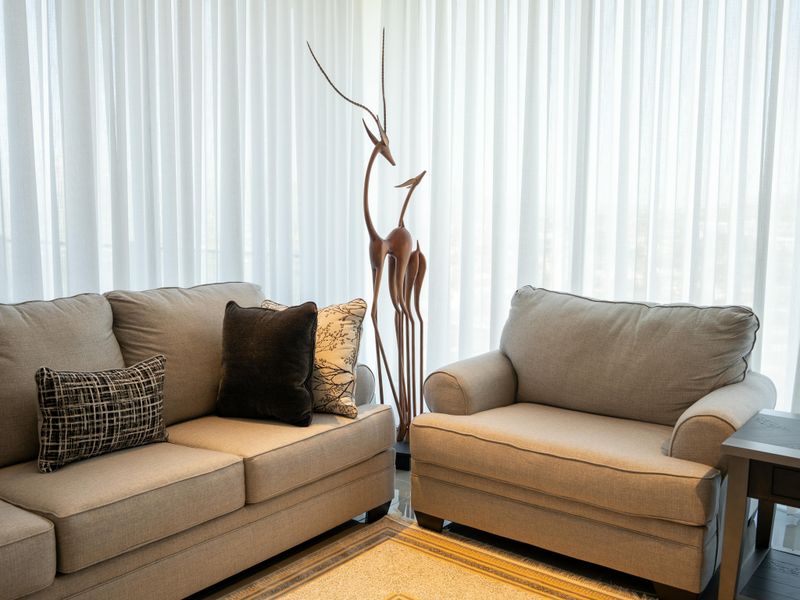
Heavy, dark curtains block precious natural light and visually weigh down a small space.
Light, sheer curtains allow sunshine to filter through while still providing privacy.
White, cream, or pale linen curtains keep things bright and airy without sacrificing style.
If you need more privacy, consider layering sheer curtains with light-colored blinds or shades you can close when needed.
The sheers maintain that light, open feeling during the day.
Avoid heavy fabrics, dark colors, or busy patterns that draw too much attention to the windows.
Your curtains should blend into the background rather than becoming a focal point that breaks up the space.
10. Pull Furniture Away from the Walls
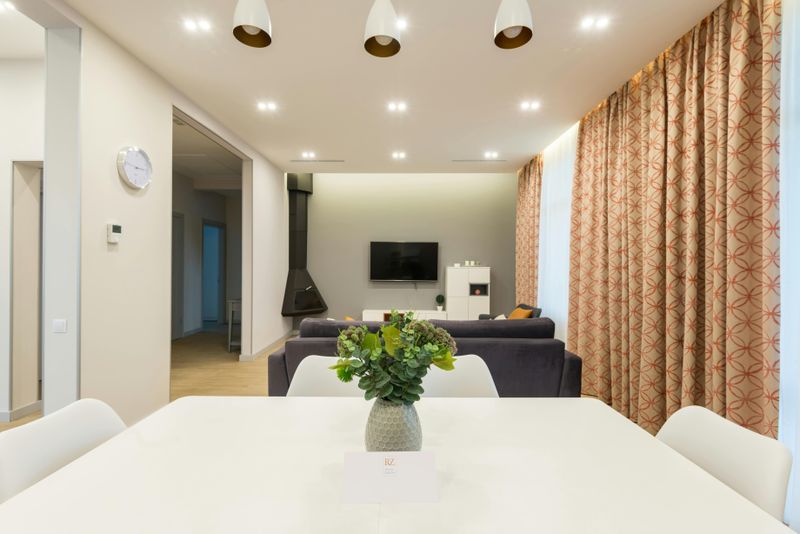
It seems counterintuitive, but pushing all your furniture against the walls actually makes a small room feel smaller.
Pulling pieces slightly away from walls creates depth and makes the space feel more intentional and designed.
Even just six inches of space between furniture and walls can make a huge difference.
This technique creates layers in the room, giving the eye more to explore.
It also allows you to create cozy conversation areas rather than having furniture lined up like a waiting room.
Floating your furniture makes the room feel larger because you’re defining the space rather than letting the walls do all the work.
11. Aim for Similar Color Palettes
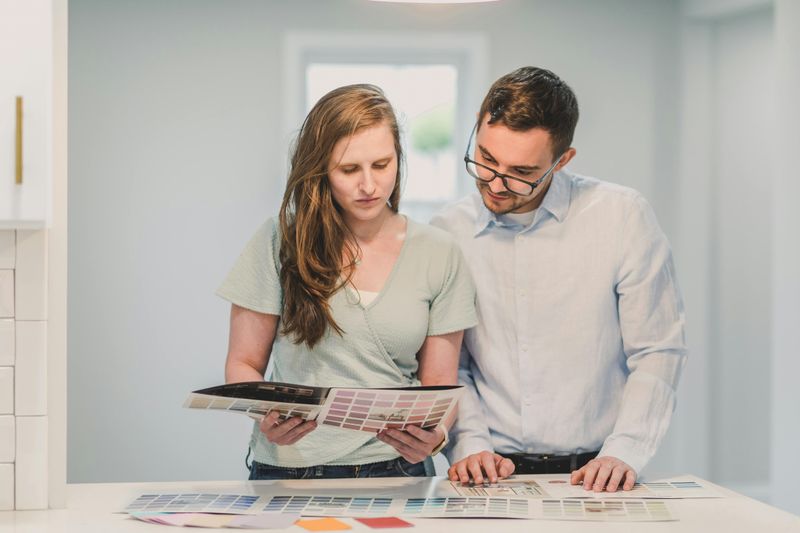
When every piece of furniture is a different color, your small living room starts to look like a chaotic patchwork quilt.
Sticking to a cohesive color palette creates visual harmony that makes the space feel larger and more sophisticated.
This doesn’t mean everything has to match perfectly, but pieces should relate to each other.
Choose two or three main colors and stick with them throughout the room.
Varying shades of the same color family works beautifully in small spaces.
When colors flow together, your eye moves smoothly around the room without jarring stops.
This continuous visual journey tricks your brain into perceiving more space than actually exists.
12. Remove the Door if Possible
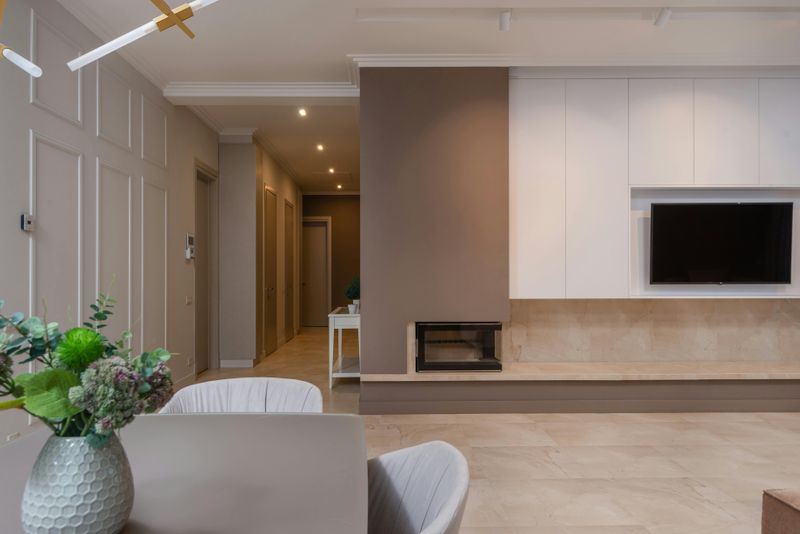
Doors take up valuable space when they swing open and create visual barriers that chop up your home.
If your living room door isn’t necessary for privacy or noise control, consider removing it entirely.
An open doorway creates better flow between rooms and makes both spaces feel larger.
Without a door frame breaking up the sight line, your eye travels freely from one area to another.
This continuous view tricks your brain into perceiving more square footage.
If you need some separation occasionally, consider a curtain or folding screen you can move aside when not needed.
Removing unnecessary doors is a simple change that makes a surprisingly big impact.
13. Keep Furniture Close Together
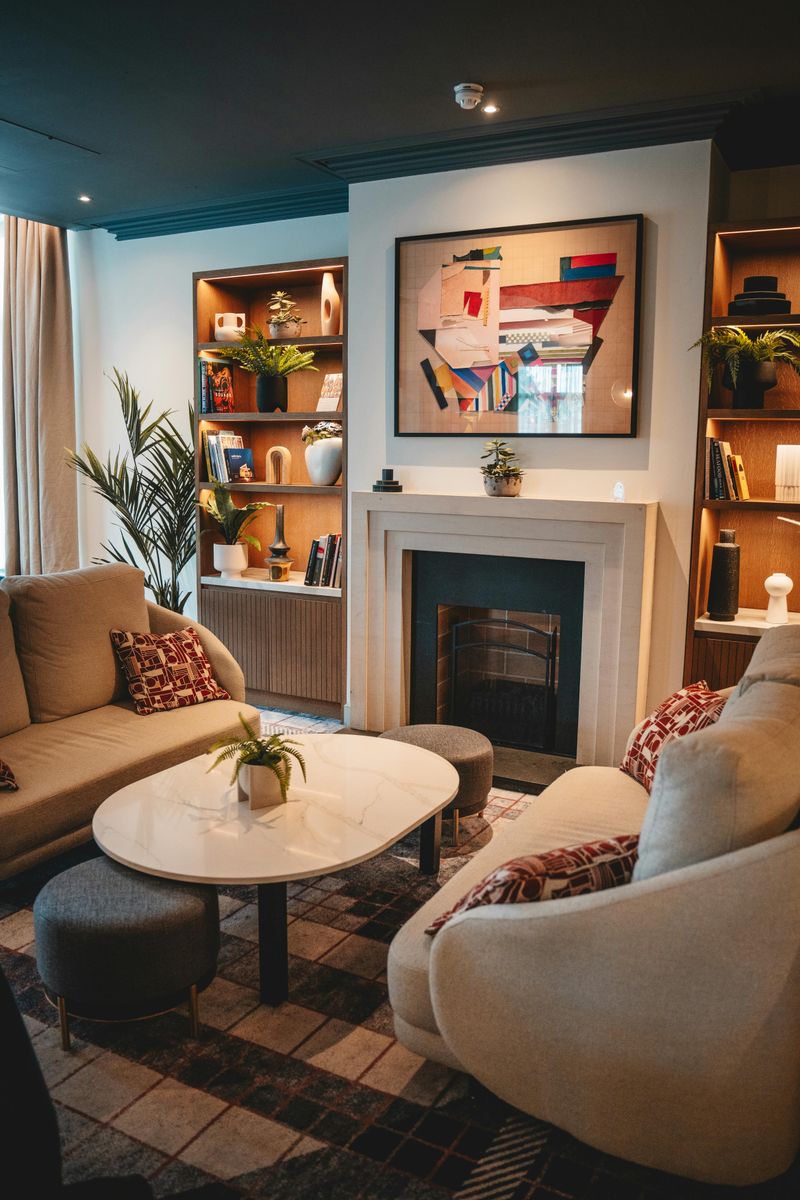
Spreading furniture far apart in a small room doesn’t make it look bigger—it just makes it awkward and dysfunctional.
Grouping furniture closer together creates an intentional, cozy conversation area that actually makes the room feel more spacious.
When seating is close enough for comfortable conversation, you’re using space efficiently.
This also leaves more open floor space around the perimeter of the room.
That empty floor area is what actually makes a small room feel larger.
Keep your coffee table within easy reach of seating—about 18 inches away is perfect.
Tight furniture groupings look purposeful and designed rather than haphazard and cramped.
14. Choose Long Curtains
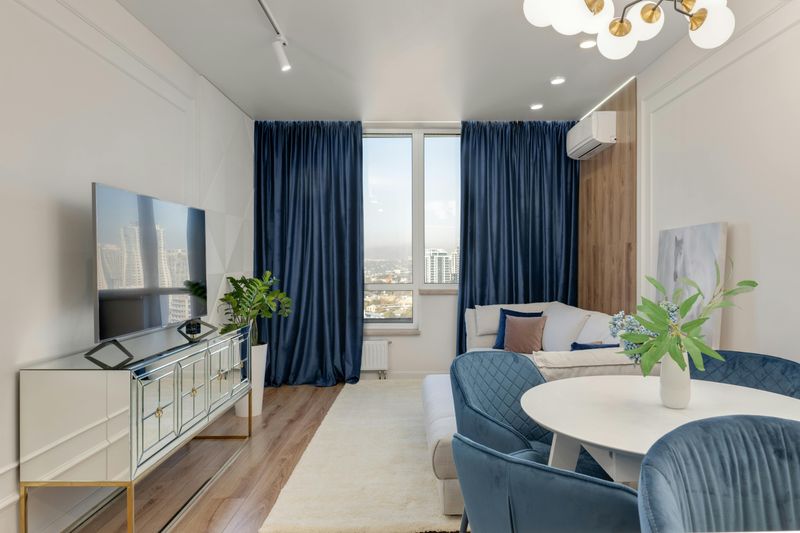
Short curtains that stop at the windowsill make your ceilings look lower and your room feel smaller.
Floor-length curtains create vertical lines that draw the eye upward, making ceilings appear higher.
Hang your curtain rod as close to the ceiling as possible rather than right above the window frame.
This simple trick adds several visual inches to your wall height.
Let curtains puddle slightly on the floor or just barely kiss it for maximum elegance.
The continuous fabric from ceiling to floor creates an unbroken vertical line that elongates the entire space.
This is one of the easiest and most affordable ways to make a small room feel significantly larger.
15. Seek Out Multi-Purpose Furniture
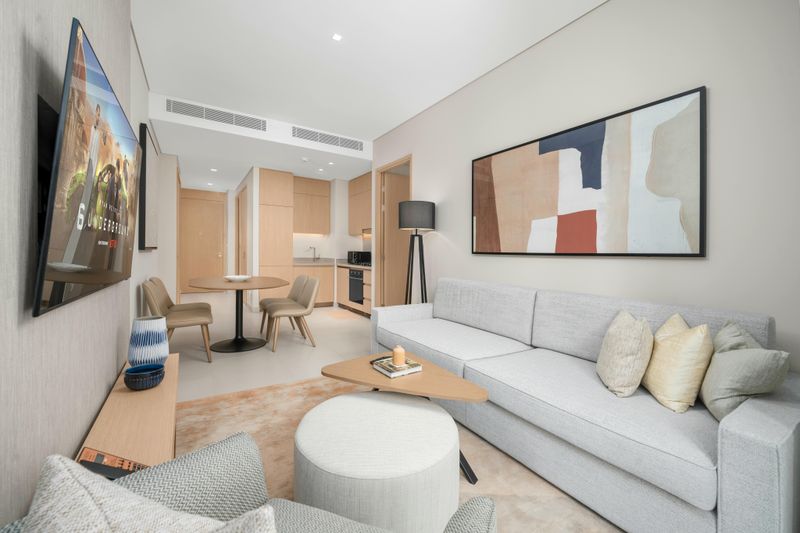
When space is limited, every piece of furniture needs to earn its place by serving multiple functions.
An ottoman that opens for storage, a coffee table with shelves underneath, or a sofa that converts to a guest bed maximizes your square footage.
Multi-purpose furniture reduces clutter by providing hidden storage while still looking stylish.
Nesting tables can be pulled out when you need extra surface area and tucked away when you don’t.
A storage bench provides seating, storage, and can even serve as a coffee table with a tray on top.
Investing in clever, multi-functional pieces means you don’t have to sacrifice comfort or style in your small living room.