 MomSkoop
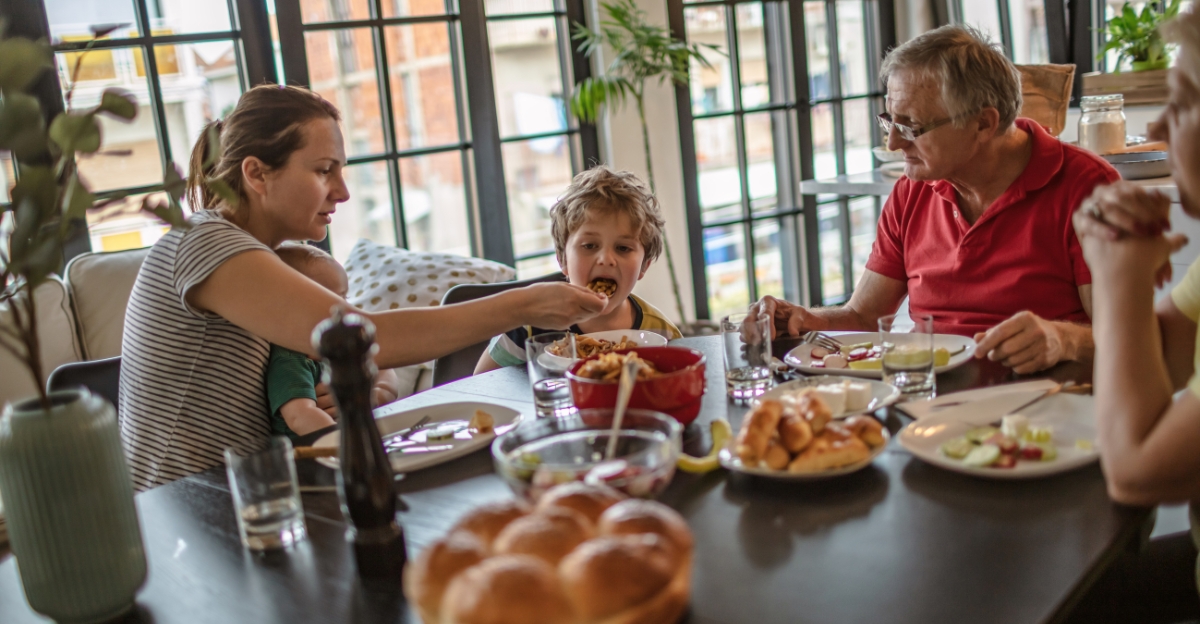
Remember when kids automatically stood up when adults walked into the room?
Or when thank-you notes were handwritten, not texted?
Many traditional manners that once seemed essential have quietly disappeared from modern parenting.
While times have changed, these courtesies still hold value in teaching respect, consideration, and social grace that can benefit children throughout their lives.
1. Opening Doors for Others
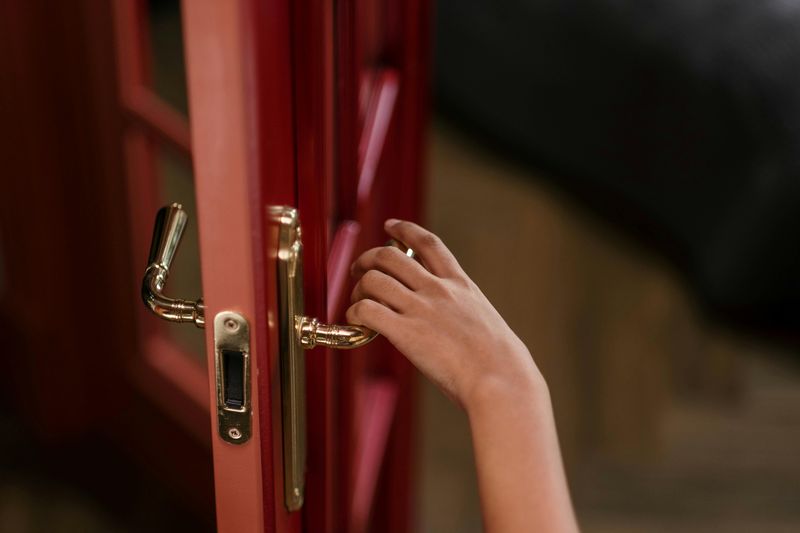
Holding the door open used to be automatic behavior kids learned by watching their parents.
Today, many children walk through doorways without a second thought about who might be right behind them.
This simple gesture shows awareness of others and builds consideration into everyday actions.
Teaching this habit helps kids develop spatial awareness and empathy.
They learn to pause, look around, and think about how their actions affect others.
It becomes second nature with practice.
Parents can model this by consistently holding doors themselves and gently reminding children when opportunities arise.
The habit strengthens over time and becomes a natural reflex that carries into adulthood.
2. Standing When Adults Enter
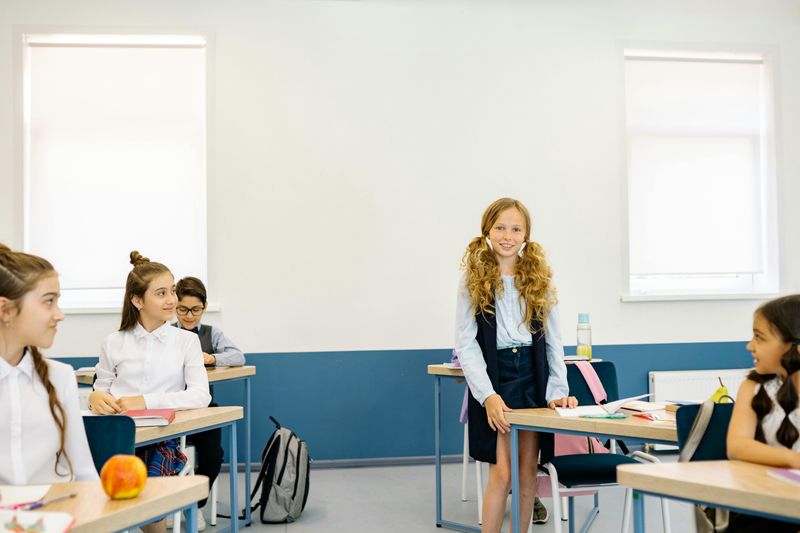
Generations ago, children automatically rose to their feet when adults entered the room.
This gesture communicated respect and acknowledgment in a powerful, wordless way.
Modern homes rarely see this practice anymore, as casual interactions have replaced formal courtesies.
The tradition taught kids to be present and aware of their surroundings.
Standing showed they valued the adult’s presence and were ready to engage respectfully.
It created natural moments of recognition and connection.
While it might seem old-fashioned, the underlying principle remains valuable.
Teaching children to acknowledge arrivals, even without standing, helps them develop attentiveness and respect for others in shared spaces.
3. Using Formal Greetings
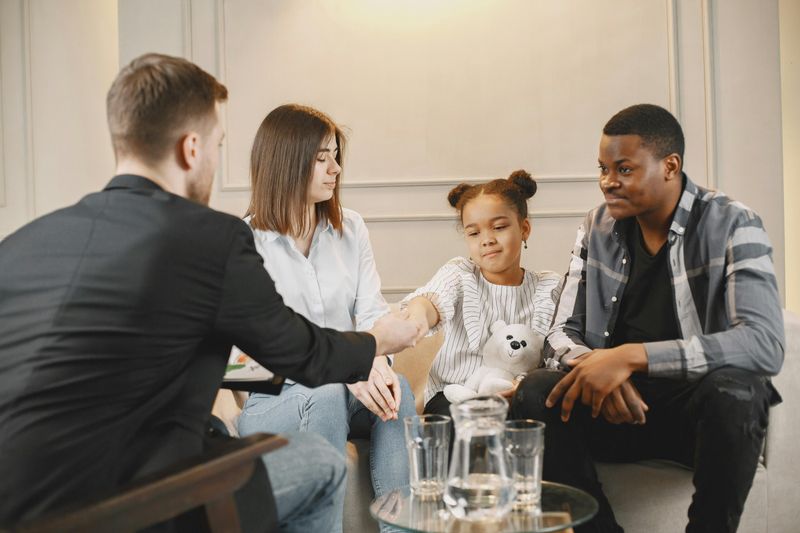
“Nice to meet you, Mrs. Smith” sounds almost quaint now.
Most kids today use first names with adults or skip formal introductions entirely.
Previous generations learned specific phrases for meeting new people, creating predictable and respectful social exchanges.
Formal greetings gave children a script for potentially awkward situations.
Knowing exactly what to say reduced anxiety and helped them feel confident in adult company.
The structure provided comfort and clarity.
These introductions also reinforced social hierarchy and respect for elders.
While modern parenting emphasizes equality, teaching children appropriate greetings for different situations remains important for their social development and future professional success.
4. Handwritten Thank-You Notes
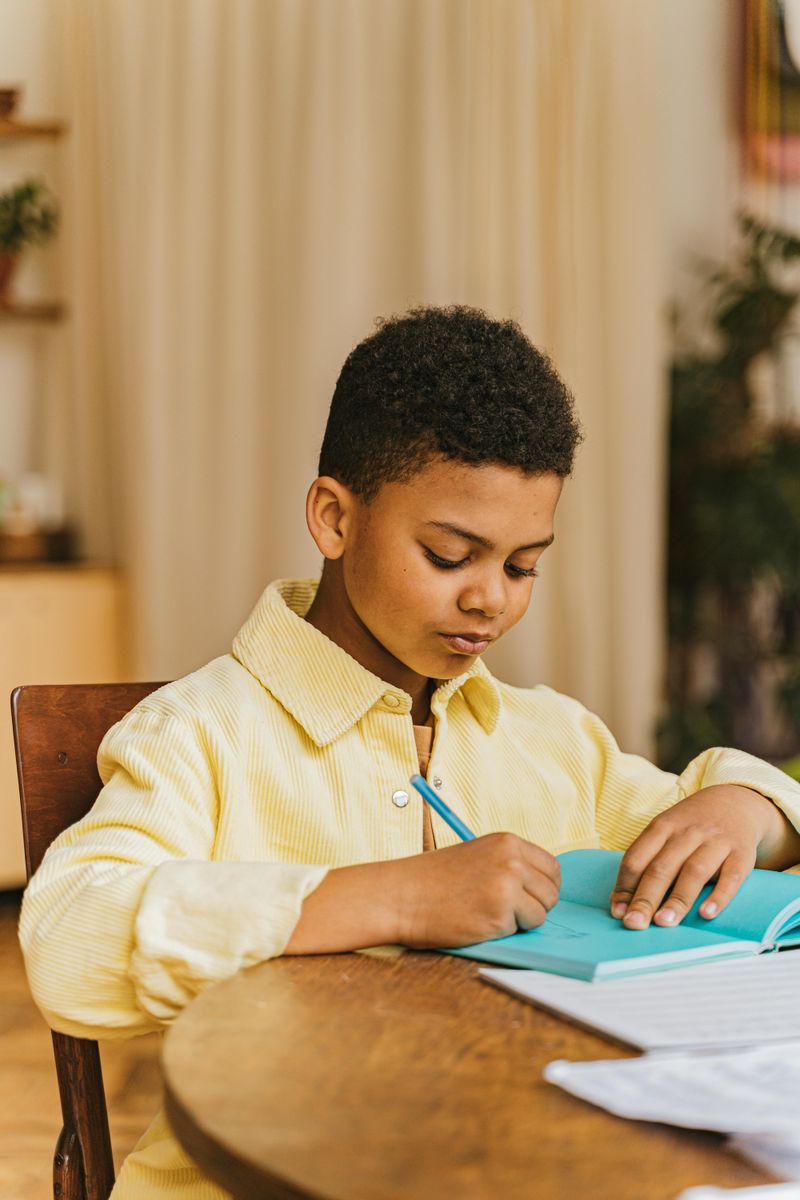
Grandma sends a birthday gift, and a quick text seems sufficient now.
But handwritten thank-you notes used to be non-negotiable after receiving gifts or hospitality.
The physical act of writing showed genuine appreciation and effort that electronic messages can’t quite capture.
Creating these notes taught children patience and thoughtfulness.
They had to reflect on the gift, consider the giver’s kindness, and express gratitude in complete sentences.
The process itself built character and communication skills.
Beyond politeness, handwritten notes created tangible keepsakes that recipients often treasured.
They demonstrated that someone took time from their busy life to acknowledge kindness properly, a lesson in valuing relationships over convenience.
5. Proper Table Manners
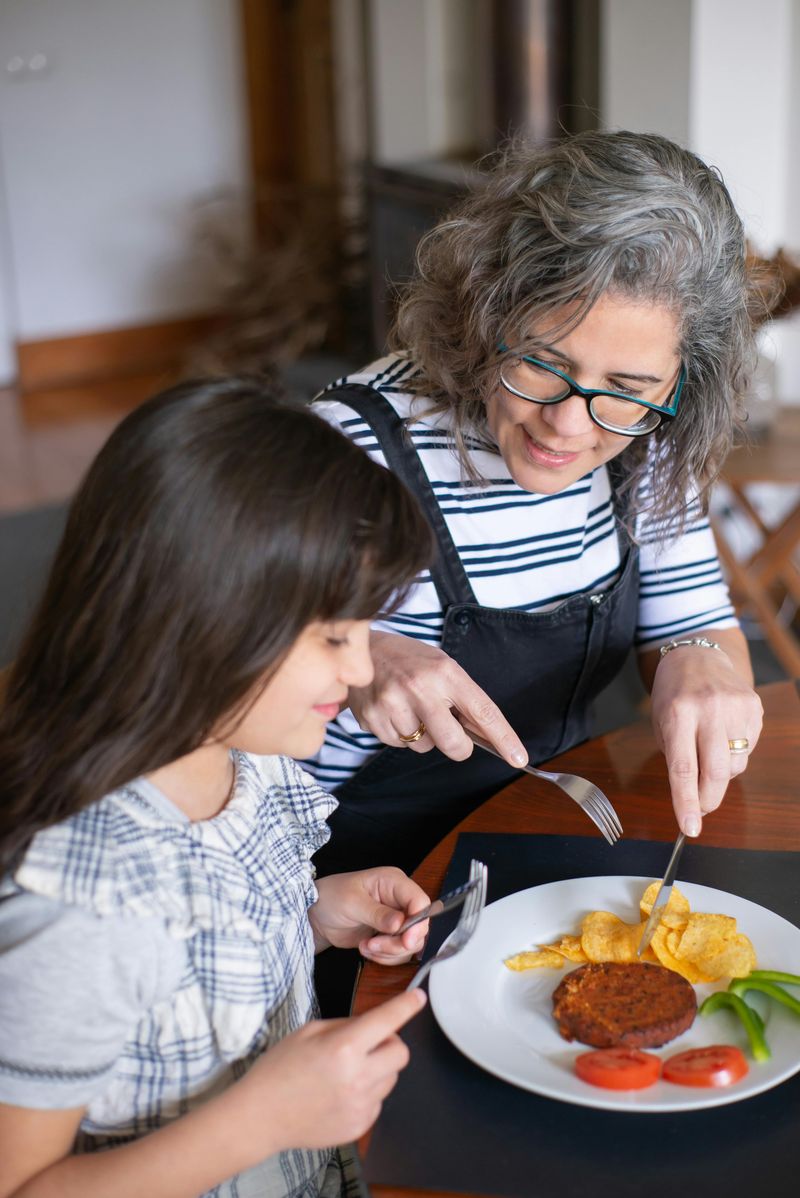
Chewing with your mouth closed sounds basic, but watch kids at any restaurant and you’ll see it’s far from universal.
Proper posture, closed-mouth chewing, and keeping elbows off the table were once drilled into every child at mealtimes.
These habits went beyond looking polite.
They showed self-control and consideration for others who had to watch you eat.
Table manners created a more pleasant dining experience for everyone sharing the meal.
Modern families often eat separately or on-the-go, reducing opportunities to practice.
When formal meals do happen, kids may feel uncomfortable or unsure.
Regular practice at home, even during casual dinners, builds confidence for special occasions and future professional settings.
6. Waiting Until Everyone Is Served
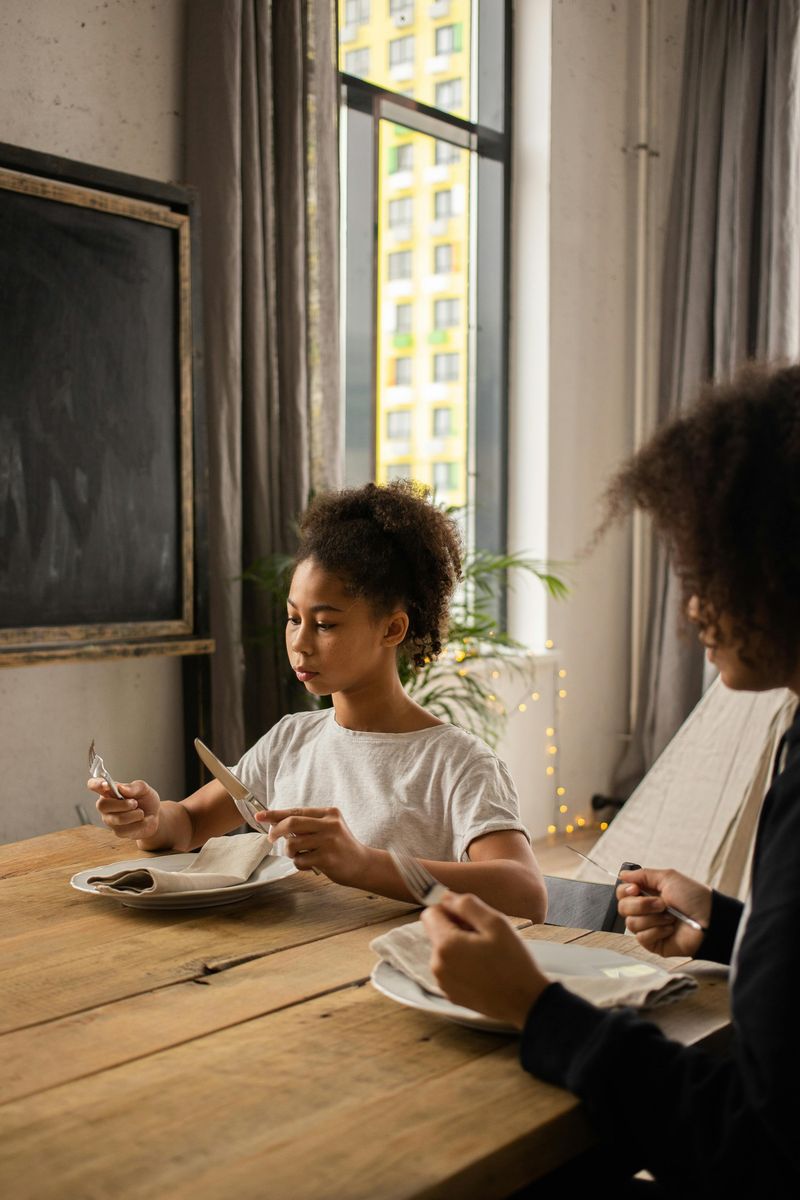
Grabbing your fork the moment your plate arrives feels natural when you’re hungry.
But traditional etiquette required everyone to wait until all diners were served before anyone started eating.
This practice emphasized community over individual desires.
Waiting taught delayed gratification and group consideration.
Children learned that shared experiences mattered more than immediate satisfaction.
The pause created a moment of togetherness before the meal began.
In today’s fast-paced world, this courtesy has nearly vanished.
Food arrives at different times, people eat separately, and individual preferences dominate.
Yet teaching children to wait, even occasionally, reinforces patience and respect for shared experiences that strengthen family bonds.
7. Giving Up Seats to Others

Buses and waiting rooms used to see young people automatically offering seats to elders or pregnant women.
This unspoken rule demonstrated respect for those who needed rest more urgently.
Today, many kids remain seated, often absorbed in devices, unaware of who’s standing nearby.
The gesture wasn’t just about physical comfort.
It communicated values about caring for vulnerable community members and putting others’ needs first.
Children who practiced this learned to notice people beyond themselves.
Teaching kids to scan their surroundings and offer seats builds awareness and compassion.
It transforms public spaces into communities where people look out for each other, not just coexist as strangers.
8. Using Adult Honorifics
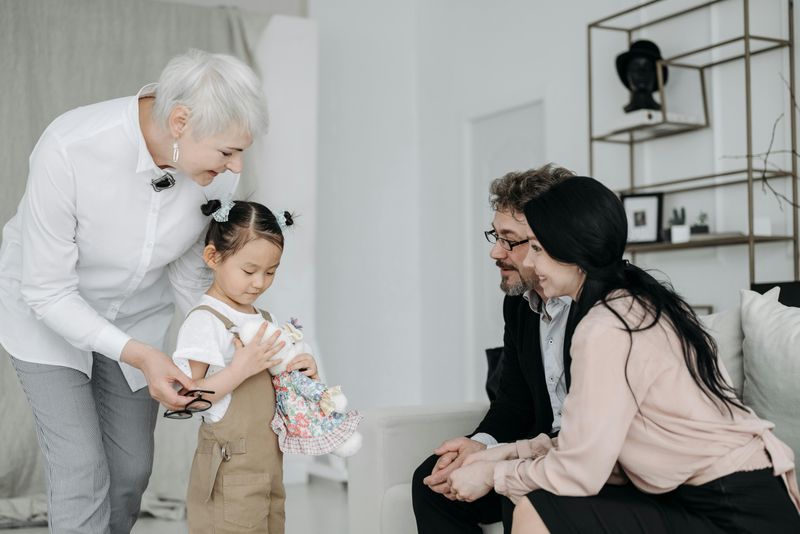
“Call me by my first name” has become the default invitation from many adults to children.
But previous generations strictly used Mr., Mrs., or Miss until explicitly told otherwise.
This formality created clear boundaries and reinforced respect for authority figures.
Honorifics taught children that different relationships required different levels of formality.
Teachers, neighbors, and parents’ friends occupied a distinct social category from peers.
The titles acknowledged this difference and helped kids navigate social hierarchies.
While modern culture values casualness, knowing when to use formal address remains important.
Children who learn this flexibility can adapt to various social settings, from casual playgrounds to formal school environments and future workplaces.
9. Excusing Yourself Before Leaving
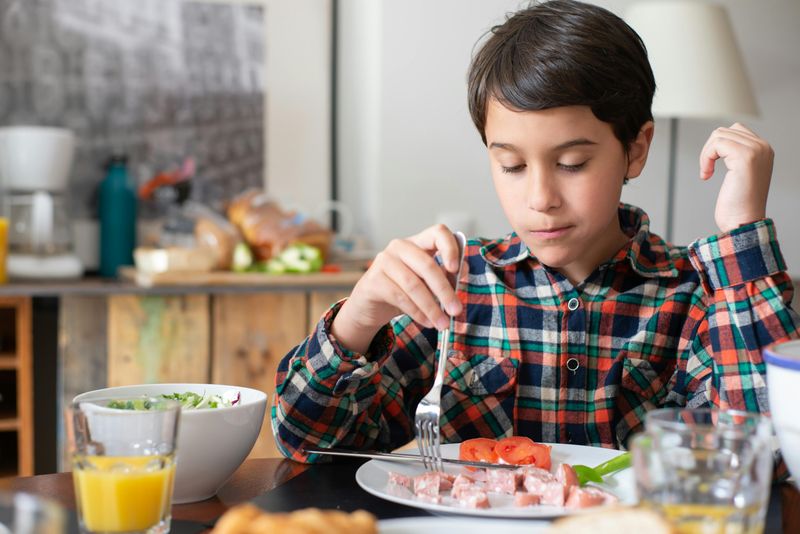
Walking away mid-conversation or leaving the table without a word happens constantly now.
Traditional manners required children to say “Excuse me” or “May I be excused?” before departing any group or shared space.
This acknowledgment showed respect for others’ time and presence.
The practice taught children that their actions affected group dynamics.
Abrupt departures felt rude because they disrupted the social flow.
A brief announcement allowed smooth transitions and maintained connection.
Parents who enforce this courtesy help children develop social awareness and consideration.
Even a quick “I’ll be right back” acknowledges that you’re part of a shared experience, not just moving through space independently.
10. Timely RSVP Responses
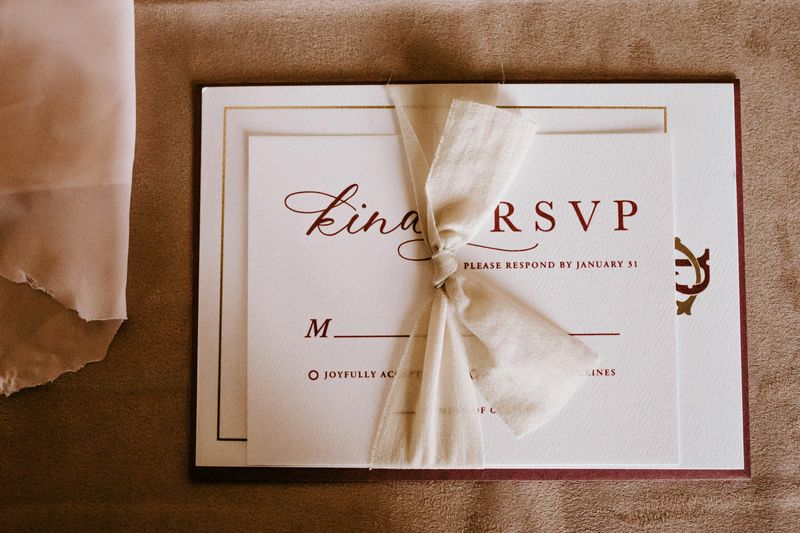
Party invitations used to receive prompt responses because hosts needed headcounts for planning.
Now, many families ignore RSVPs entirely or respond at the last minute, leaving hosts frustrated and uncertain.
This courtesy has eroded significantly in the age of casual communication.
Teaching children to respond to invitations builds responsibility and empathy.
They learn that someone is planning an event and needs information to do it well.
Their response directly helps another person succeed.
The habit extends beyond parties.
Professional life constantly requires timely responses to meetings, deadlines, and requests.
Children who learn this early develop reliability that serves them throughout life, distinguishing them as considerate and organized individuals.
11. Automatic Polite Phrases
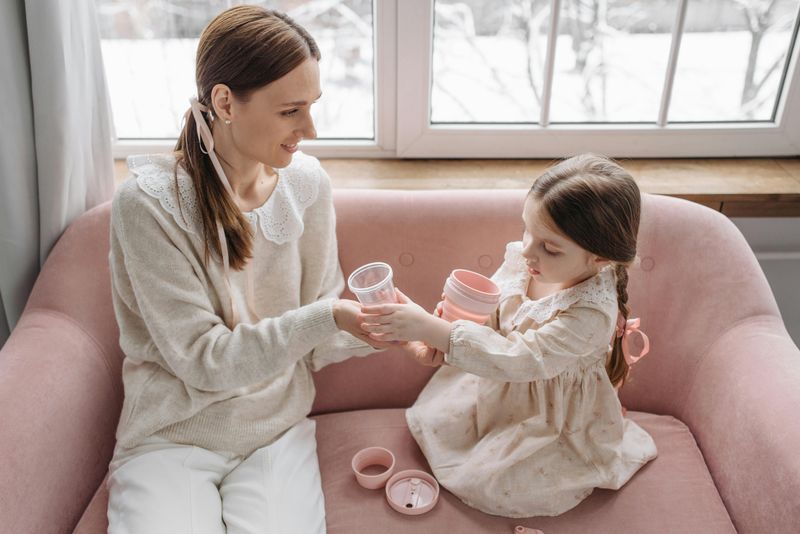
“What do you say?” used to be a constant parental prompt, but the goal was making “please,” “thank you,” and “you’re welcome” automatic.
These magic words once flowed naturally from children without reminders.
Modern kids often need repeated prompting or skip them entirely.
These simple phrases oil the gears of social interaction.
They acknowledge others’ efforts and express appreciation for kindness.
Without them, exchanges feel transactional rather than human.
Consistent modeling and gentle correction help these words become habitual.
When children use courteous language without thinking, they create positive interactions everywhere they go, building better relationships and smoother social experiences throughout their lives.
12. Eye Contact During Conversations
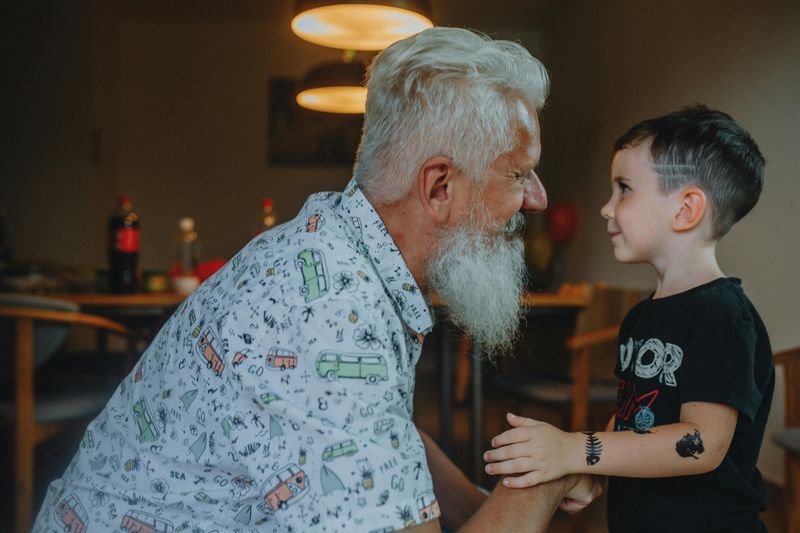
Phones down, eyes up used to be the only way to have a conversation.
Children learned to look at people when speaking or listening, showing engagement and respect.
Today’s kids often keep scrolling, glancing up occasionally, dividing attention between screens and people.
Eye contact communicates presence and value.
It tells the speaker that their words matter enough to command full attention.
This simple act builds deeper connections and better understanding between people.
Breaking the phone habit requires consistent boundaries and modeling.
Parents who put their own devices away during conversations teach children that face-to-face interactions deserve undivided attention, a skill that strengthens relationships and communication throughout life.