 MomSkoop
Baby Boomers have watched society change in countless ways over the decades. While many innovations have improved daily life, some recent trends left this generation scratching their heads. From confusing technology habits to questionable fashion choices, certain modern fads are finally losing steam, and many Boomers couldn’t be happier about it.
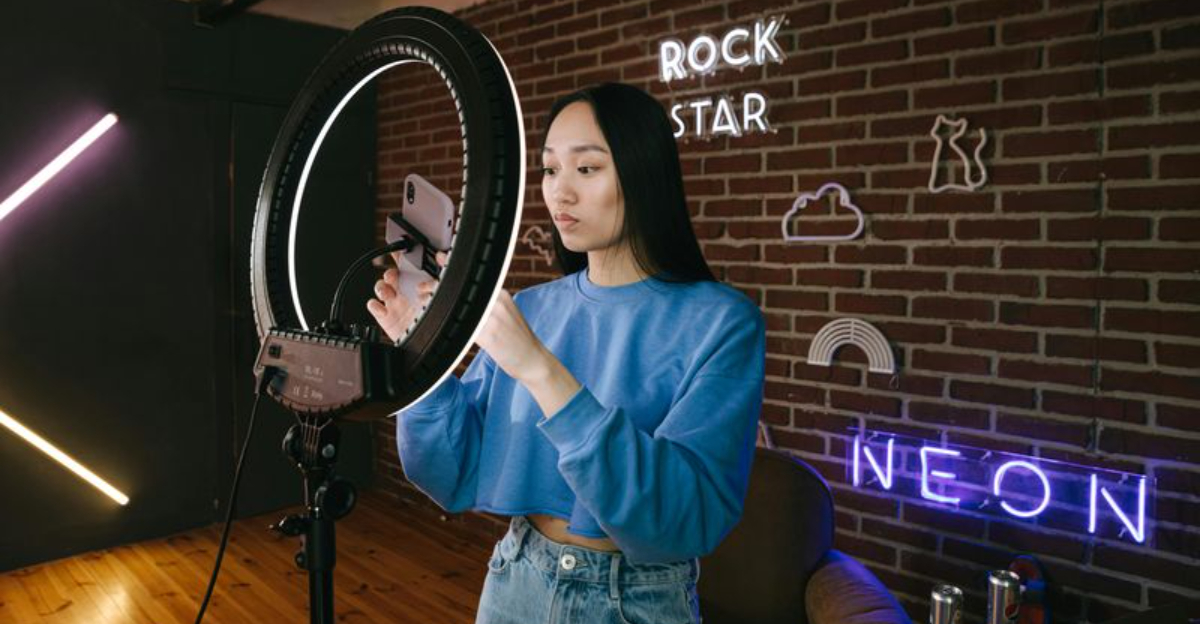
1. Overuse of Social Media for Every Moment

Constantly documenting every meal, vacation, and daily activity online has exhausted many people.
Boomers watched as younger generations became glued to their phones, sharing every waking moment.
Privacy felt like a forgotten concept when personal details flooded public feeds.
Now that more people recognize the mental health toll of endless scrolling and posting, a shift toward real-world connections is emerging.
Families are having actual conversations at dinner instead of filming their food.
Friends meet up without feeling pressured to broadcast the experience.
This return to genuine human interaction brings relief to those who never understood the appeal of living life through a screen.
2. Athleisure Worn Everywhere

Yoga pants and hoodies became the unofficial uniform for grocery stores, restaurants, and even offices.
While comfort matters, Boomers grew up believing certain occasions called for proper attire.
Watching people wear workout clothes to weddings or job interviews felt disrespectful to many.
The pendulum is swinging back as dress codes return and people rediscover the confidence that comes from dressing well.
Looking polished doesn’t mean suffering in uncomfortable clothes.
It simply shows respect for yourself and others.
As athleisure retreats to its rightful place at the gym, Boomers appreciate seeing people take pride in their appearance again.
3. Extreme Political Polarization Online

Social media turned every issue into a battleground where nuance disappeared.
Boomers remember when neighbors with different political views could still be friends.
Online platforms amplified anger and division, making productive conversations nearly impossible.
People unfriended relatives and attacked strangers over disagreements that once would have sparked healthy debate.
Fortunately, exhaustion with constant outrage is setting in.
More folks are stepping away from toxic comment sections and choosing face-to-face discussions instead.
Communities are rebuilding connections based on shared humanity rather than political labels.
This trend toward civil discourse and mutual respect echoes values Boomers have long championed in their own communities.
4. Influencer Culture and Fake Lifestyles
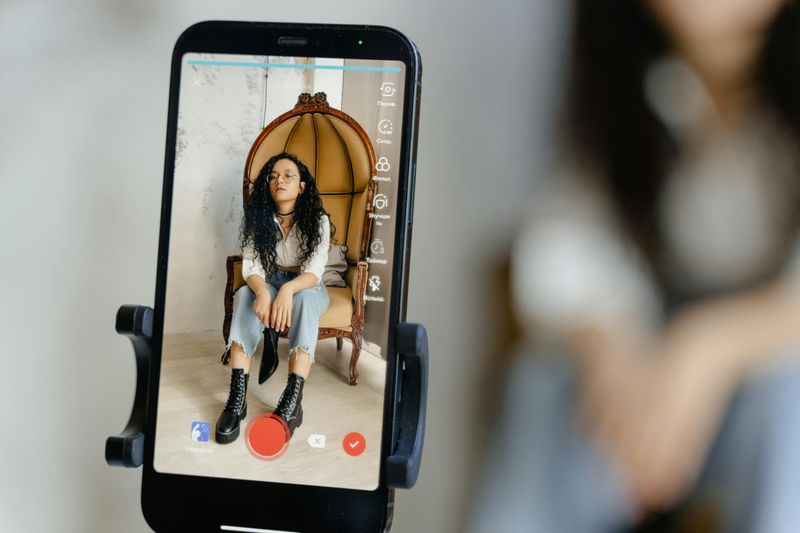
Watching strangers sell products while pretending to live perfect lives struck many Boomers as dishonest.
Influencers promoted unrealistic beauty standards and materialistic values to impressionable followers.
Young people compared their real lives to these carefully curated fantasies and felt inadequate.
The whole phenomenon seemed to prioritize appearance over substance.
Recently, audiences have grown skeptical of paid promotions disguised as authentic recommendations.
Scandals revealed how heavily edited and staged influencer content really was.
People are seeking genuine voices and honest reviews instead of polished advertisements.
This shift toward authenticity aligns with Boomer values of integrity and keeping it real without pretense or deception.
5. Open Office Floor Plans
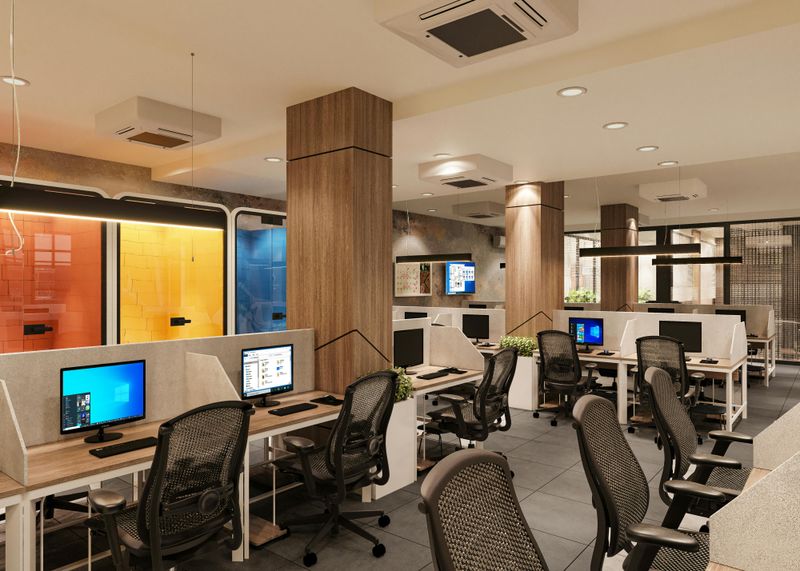
Cramming dozens of workers into one noisy room without walls was supposed to boost collaboration.
Instead, it created constant distractions and zero privacy for phone calls or focused work.
Boomers who remembered having their own offices watched productivity plummet in these chaotic environments.
Employees couldn’t concentrate with conversations happening everywhere simultaneously.
Companies are finally admitting this experiment failed.
Hybrid work models and the return of private spaces show businesses learned their lesson.
Quiet areas for concentration and separate rooms for meetings make logical sense.
Boomers feel vindicated watching organizations abandon this misguided trend in favor of workspaces that actually support getting things done efficiently.
6. Fast Fashion and Disposable Clothing

Buying cheap clothes designed to fall apart after a few washes never made sense to Boomers.
They invested in quality pieces that lasted for years, even decades.
Fast fashion created mountains of textile waste while exploiting workers overseas.
Trends changed so quickly that perfectly good items ended up in landfills.
Environmental awareness is finally catching up with this wasteful practice.
Consumers are choosing durable, timeless pieces over throwaway trends.
Thrift shopping and clothing repair have become popular again.
This return to valuing craftsmanship and longevity reflects the practical mindset Boomers have always maintained about purchases that should serve you well for the long haul.
7. Participation Trophies for Everything

Rewarding children simply for showing up seemed to undermine the value of actual achievement.
Boomers believed kids needed to learn that effort and excellence deserved recognition, not mere attendance.
When everyone gets a trophy, the award becomes meaningless.
This approach failed to prepare young people for real-world competition and disappointment.
Parents and educators are recognizing that resilience comes from experiencing both success and failure.
Sports programs and schools are scaling back automatic rewards.
Children benefit more from learning to handle setbacks than from false praise.
Boomers appreciate this course correction that teaches kids valuable lessons about earning accomplishments through dedication and hard work.
8. Everything Requiring an App
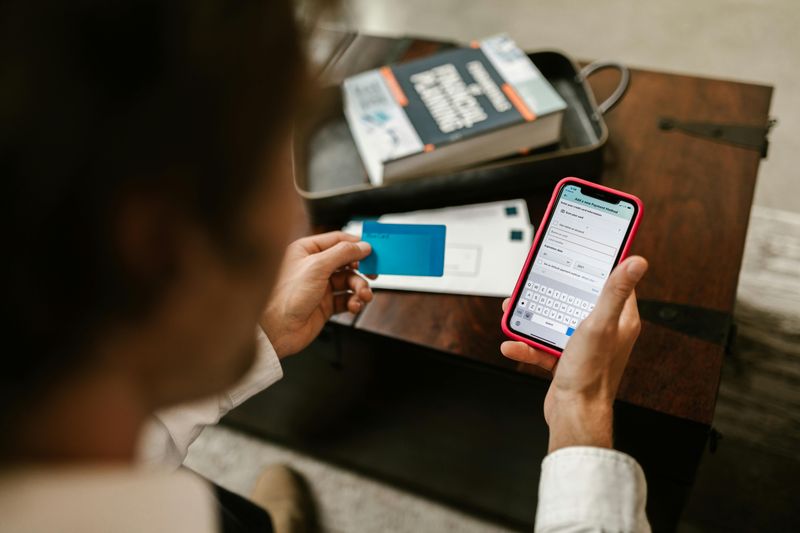
Needing to download an application just to order food or pay for parking became incredibly frustrating.
Boomers questioned why simple transactions required surrendering personal data and phone storage space.
Not everyone wants their device cluttered with dozens of single-purpose apps.
Many of these programs were poorly designed and constantly demanded updates.
Businesses are rediscovering that websites and traditional methods work just fine.
Customers appreciate having choices beyond mandatory app downloads.
QR codes that open browsers instead of forcing installations offer middle ground.
This trend toward flexibility respects that technology should serve people, not complicate their lives with unnecessary digital hoops to jump through for basic services.
9. Oversharing Personal Problems Online

Broadcasting relationship troubles, medical issues, and family drama to hundreds of strangers seemed bizarre to Boomers.
They valued privacy and handled personal matters with discretion.
Watching people air their dirty laundry for likes and comments felt uncomfortable.
Some problems deserve professional help or trusted confidants, not public forums.
A cultural shift toward protecting personal boundaries is emerging.
People realize that oversharing can damage relationships and future opportunities.
Employers and potential partners can access these permanent digital records.
Keeping certain matters private shows maturity and wisdom.
Boomers welcome this return to discretion and understanding that not everything needs an audience or belongs on the internet.
10. Ghosting Instead of Direct Communication
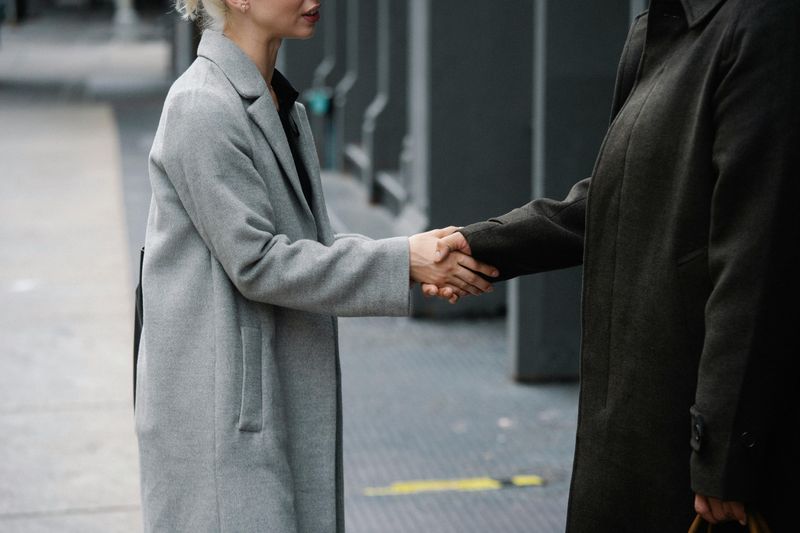
Disappearing without explanation after dates, job interviews, or friendships struck Boomers as incredibly rude.
They were raised to communicate clearly, even when conversations felt uncomfortable.
Ghosting became normalized as people avoided confrontation by simply vanishing.
This behavior left others confused and disrespected.
Younger generations are recognizing that basic courtesy matters.
Brief, honest messages show respect for someone’s time and feelings.
Difficult conversations build character and communication skills.
As ghosting loses its acceptability, Boomers appreciate seeing manners and directness make a comeback.
Treating people with dignity costs nothing but means everything in maintaining healthy relationships and professional reputations.