 MomSkoop
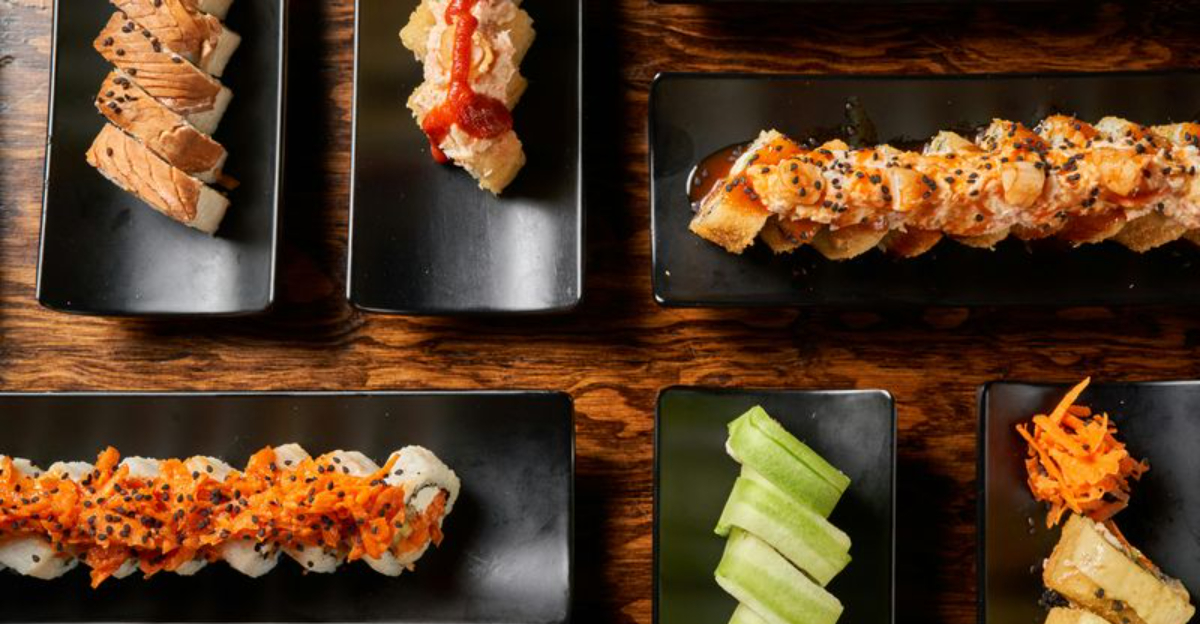
Remember when certain foods felt like a special occasion? Maybe you only saw them at fancy restaurants or heard about them on cooking shows.
Over the past few decades, ingredients that once seemed exotic or luxurious have quietly become part of our everyday meals, showing up in school lunches, gas station grab-and-go sections, and weekly grocery hauls.
1. Avocados
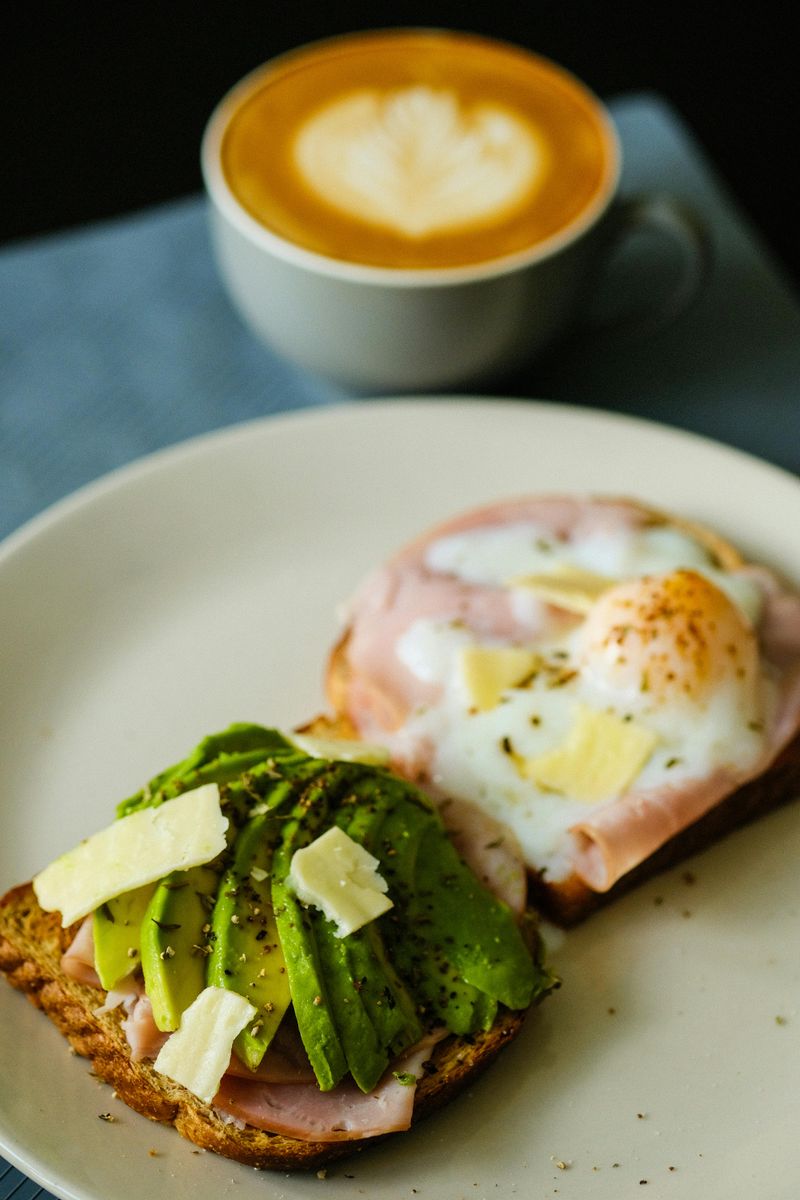
Back in the 1980s and early 1990s, avocados were mysterious green fruits that most Americans had never tried.
They showed up occasionally at Mexican restaurants, usually mashed into guacamole for an extra charge.
Fast forward to today, and you’ll find them everywhere from breakfast menus to sandwich shops.
The rise of avocado toast turned this creamy fruit into a cultural phenomenon.
Suddenly, paying five dollars for smashed avocado on bread became completely acceptable.
Grocery stores now dedicate entire displays to avocados at different ripeness levels.
Health trends helped boost their popularity too.
People discovered avocados contain healthy fats that actually benefit your body.
Now they’re tossed into smoothies, salads, and even brownies without anyone batting an eye.
2. Sushi
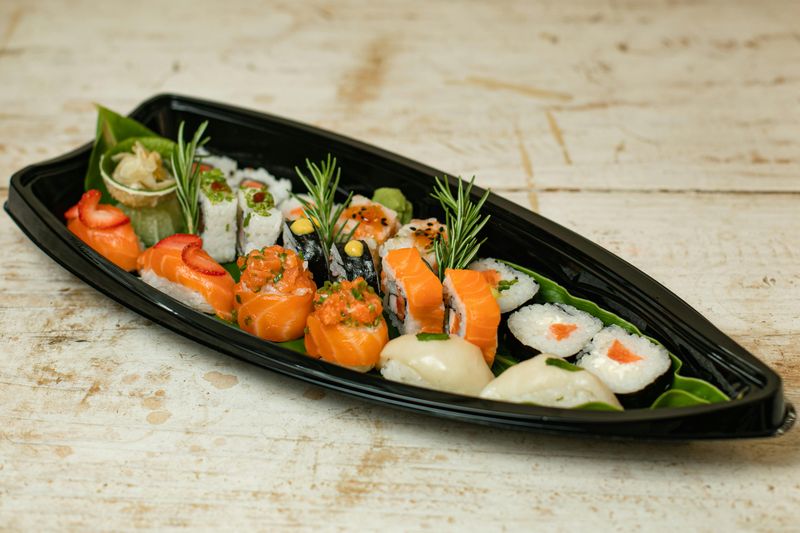
Thirty years ago, the idea of eating raw fish made most Americans squeamish.
Sushi restaurants existed mainly in big cities, catering to adventurous eaters or people familiar with Japanese cuisine.
The concept seemed too foreign, too risky, and definitely too fancy for regular dining.
Then something shifted in the late 1990s and early 2000s.
Sushi bars started popping up in shopping malls and suburbs.
Grocery stores began selling pre-made California rolls in their deli sections.
Even gas stations jumped on board with refrigerated sushi packs.
Today, grabbing sushi for lunch feels as normal as picking up a sandwich.
Kids grow up eating it without hesitation.
The once-exotic delicacy has become so mainstream that you can find it almost anywhere.
3. Brie Cheese
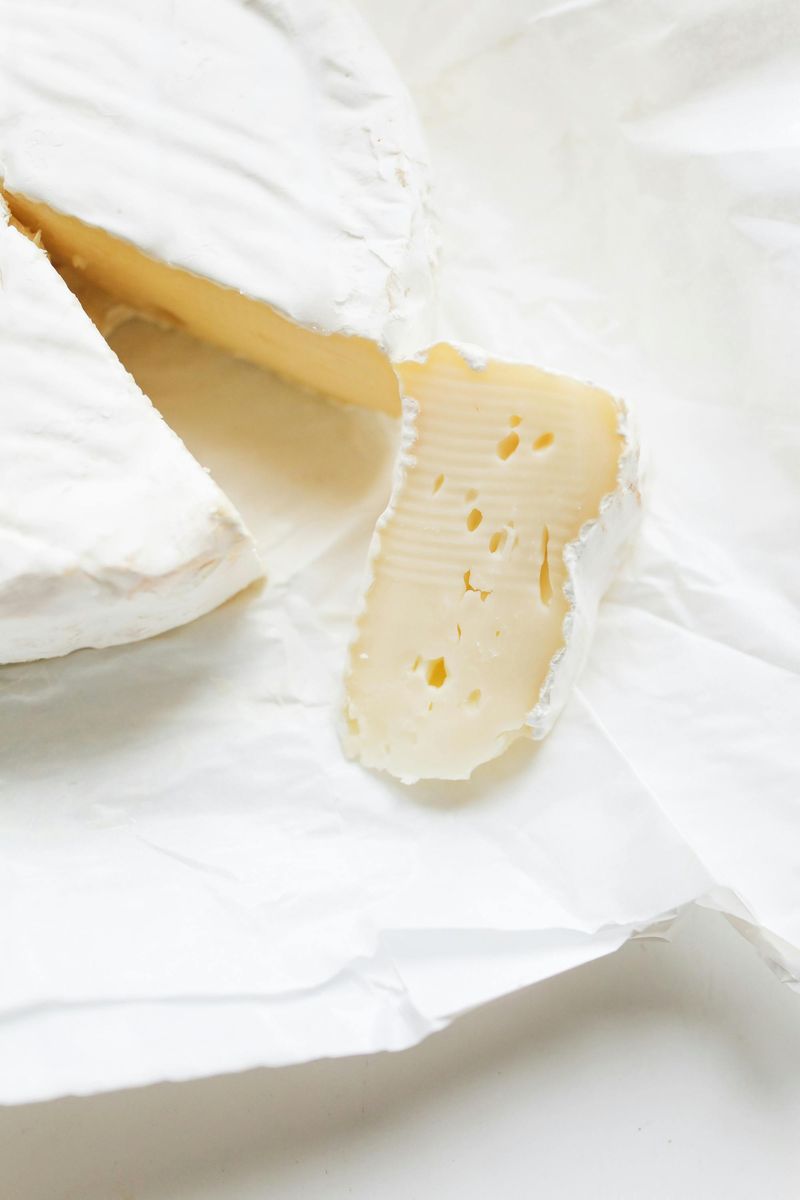
Soft French cheeses like brie once lived exclusively in upscale cheese shops and fancy cocktail parties.
Most people stuck with cheddar, Swiss, or American cheese for their everyday needs.
Brie seemed intimidating with its white rind and gooey center, reserved for people who knew about wine pairings and cheese courses.
The transformation happened gradually through the 1990s and 2000s.
Supermarkets started stocking small wheels of brie in their regular cheese sections.
Party planning guides began featuring brie as an easy, impressive appetizer that anyone could serve.
Now brie shows up at casual gatherings without fanfare.
People bake it with jam, spread it on sandwiches, or melt it on burgers.
The cheese that once signaled sophistication has become a party-platter default.
4. Olive Oil
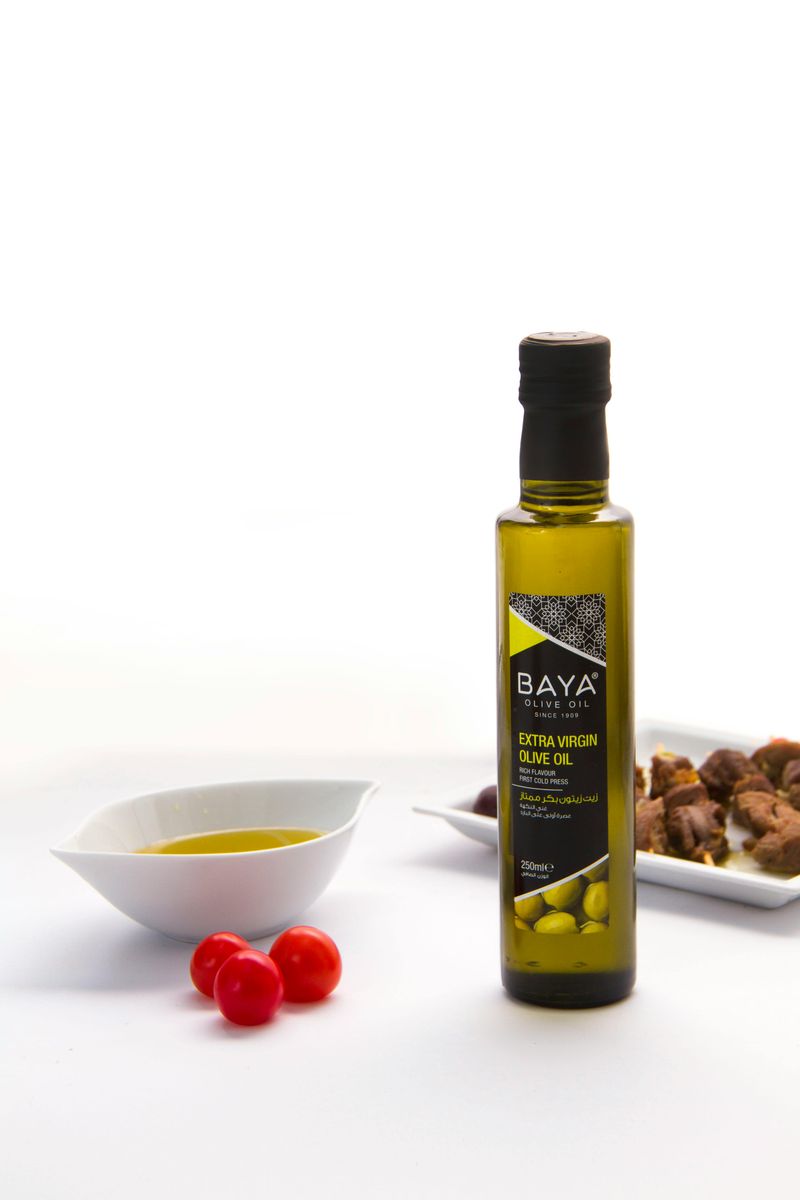
Growing up in the 1970s and 1980s, most American kitchens relied on vegetable oil or corn oil for cooking.
Olive oil existed mainly in tiny bottles at specialty stores, marketed as an exotic European ingredient.
It seemed expensive and unnecessary when cheaper oils worked just fine.
Health research changed everything during the Mediterranean diet craze of the 1990s.
Studies showed olive oil’s benefits for heart health and overall wellness.
Suddenly, this “gourmet” product became a must-have kitchen staple recommended by doctors and nutritionists.
Today, massive bottles of olive oil sit in nearly every pantry.
People drizzle it on salads, use it for sautéing vegetables, and even dip bread in it casually.
What once felt fancy and European now ranks as a basic cooking essential.
5. Pasta Varieties Beyond Spaghetti
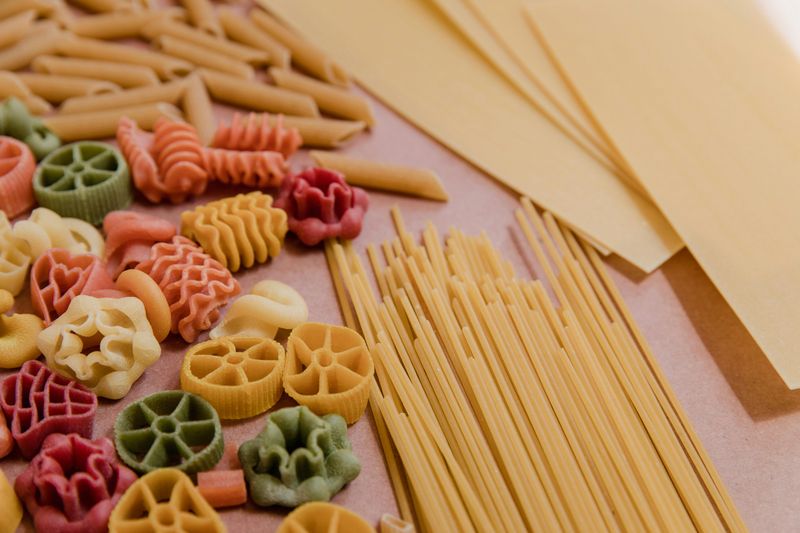
For decades, pasta meant spaghetti with red sauce in most American homes.
Other shapes existed but seemed complicated or unnecessarily fancy.
Restaurants might serve linguine or fettuccine, but home cooks stuck with familiar spaghetti boxes from the grocery store.
The pasta aisle transformation began slowly in the 1980s and accelerated through the 1990s.
Grocery stores expanded their selections to include dozens of shapes and sizes.
Cooking shows demonstrated how different pasta shapes work better with specific sauces.
Nowadays, choosing penne for baked dishes or farfalle for pasta salad feels completely normal.
Kids recognize rigatoni and rotini without thinking twice.
The variety that once seemed exclusively Italian and upscale has become standard weeknight dinner territory for families everywhere.
6. Greek Yogurt
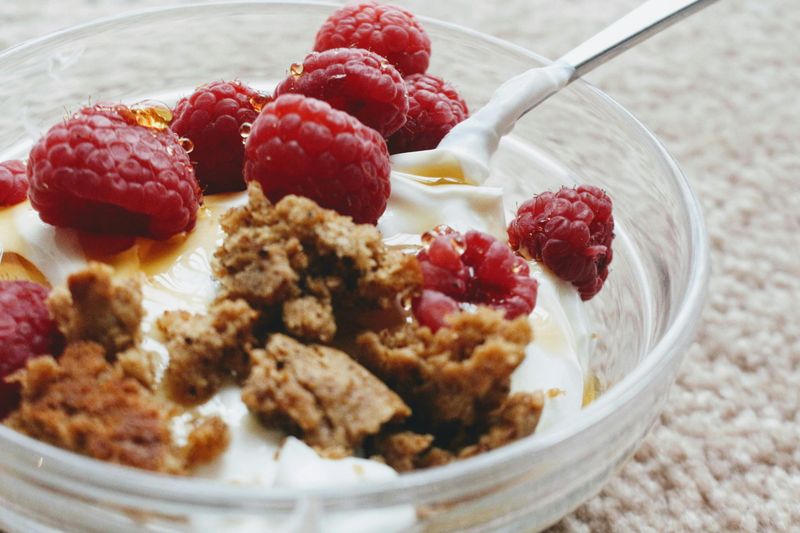
Plain yogurt dominated American refrigerators for years, usually the sweet, fruit-flavored kind in small cups.
Greek yogurt existed in specialty health food stores, marketed toward fitness enthusiasts and people following specific diets.
Its thick texture and tangy taste seemed too different from regular yogurt.
Everything changed around 2007 when major brands started heavily marketing Greek yogurt.
They emphasized its high protein content and versatility for both sweet and savory dishes.
The health benefits caught on quickly with mainstream consumers.
Walk into any grocery store today and Greek yogurt takes up half the dairy aisle.
People use it in smoothies, as a sour cream substitute, and mixed with granola for breakfast.
This former specialty item has become so common that regular yogurt almost seems old-fashioned.
7. Sun-Dried Tomatoes
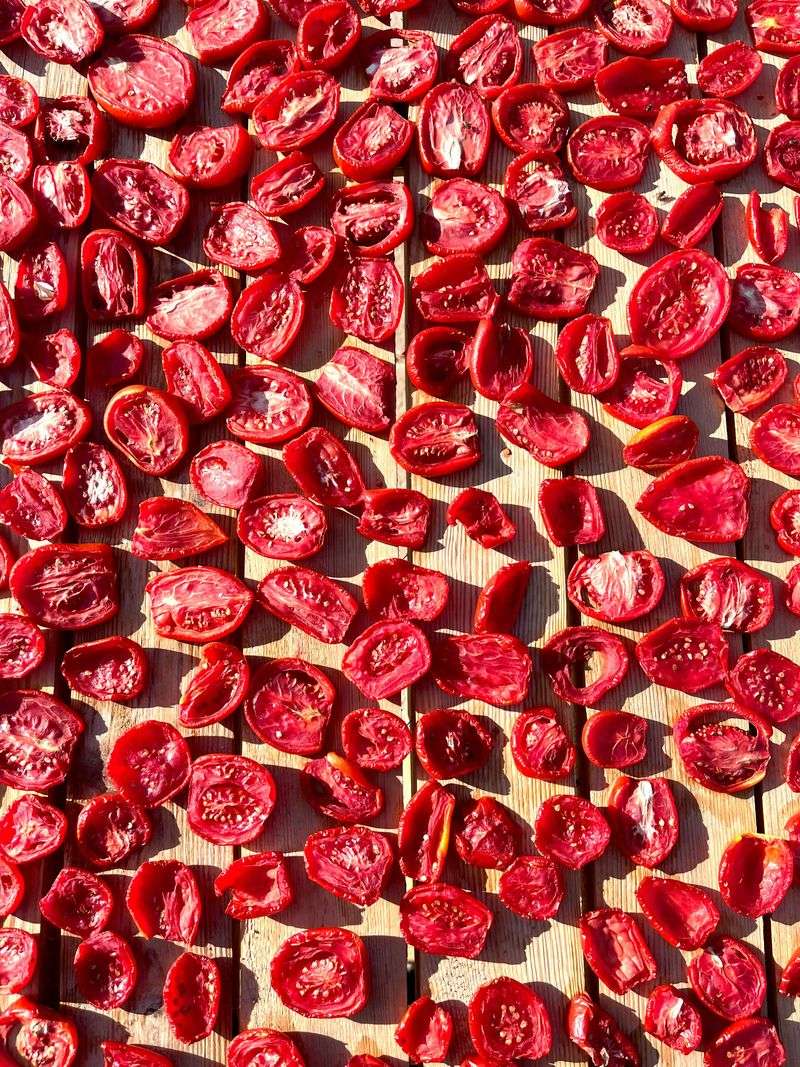
During the 1990s, sun-dried tomatoes symbolized upscale dining and gourmet cooking.
Fancy restaurants added them to pasta dishes and salads to justify higher prices.
Home cooks rarely used them, viewing these wrinkled red pieces as too expensive and too complicated for everyday meals.
The ingredient gradually moved from restaurant menus into supermarket aisles.
Jarred versions packed in oil made them easier to use and store.
Recipes in magazines started featuring sun-dried tomatoes as a simple way to add flavor to ordinary dishes.
Today, they’re just another pantry staple alongside canned beans and pasta sauce.
People toss them into sandwiches, mix them with cream cheese, or blend them into dips without considering it fancy.
The 1990s restaurant darling has quietly become a normal cooking ingredient.
8. Quinoa
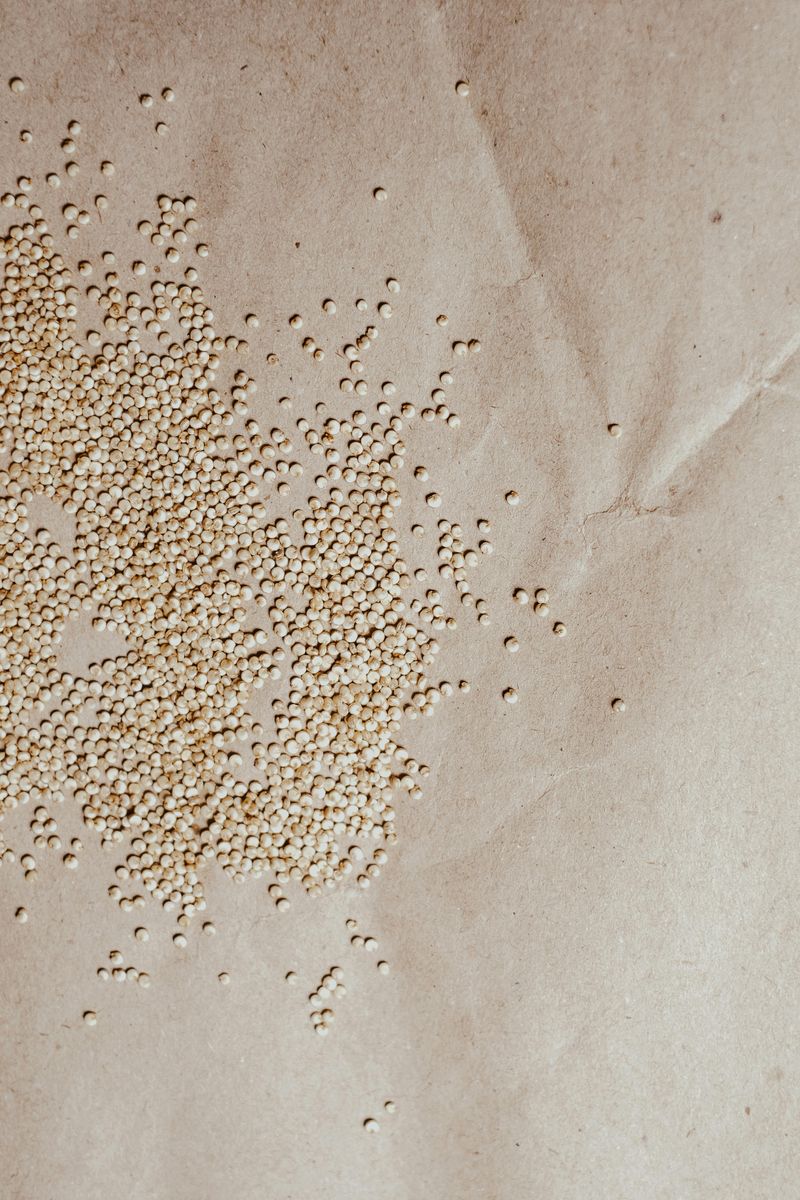
Most Americans had never heard of quinoa before the 2000s.
This ancient grain from South America appeared only in health food stores and vegetarian restaurants.
Pronouncing it correctly (KEEN-wah) posed a challenge, and finding it in regular grocery stores seemed impossible.
The superfood movement of the 2010s launched quinoa into mainstream consciousness.
Nutritionists praised its complete protein profile and versatility.
Food bloggers created countless recipes showing how to use it as a rice substitute or salad base.
Now quinoa sits on regular grocery shelves next to rice and pasta.
School cafeterias serve it in lunch bowls.
Restaurants offer it as a standard side dish option.
The once-obscure grain that seemed impossibly exotic has become a common choice for anyone seeking healthier alternatives.
9. Balsamic Vinegar
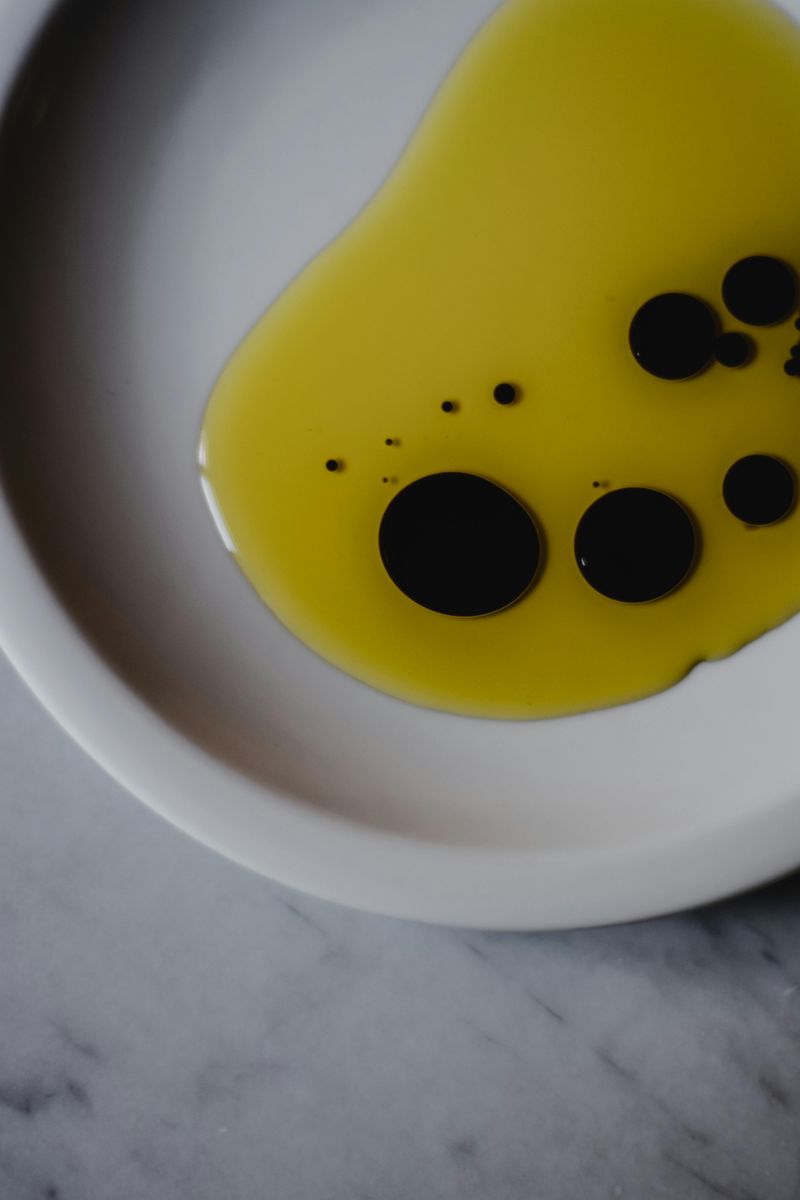
Before the 1990s, most American homes had two vinegars: white for cleaning and cider for occasional cooking.
Balsamic vinegar seemed like an obscure Italian specialty reserved for expensive restaurants and gourmet cooking.
Its dark color and sweet-tart flavor profile felt too sophisticated for everyday use.
Cooking shows and Italian restaurants introduced balsamic vinegar to wider audiences during the 1990s.
Chefs drizzled it over salads and reduced it into glazes.
Gradually, bottles started appearing in regular grocery stores alongside other vinegars.
Today, balsamic vinegar ranks as a kitchen basic.
People use it for simple salad dressings, roasted vegetables, and even strawberries.
The vinegar that once signaled upscale Italian cooking now sits in most pantries, used as casually as ketchup.
10. Prosciutto
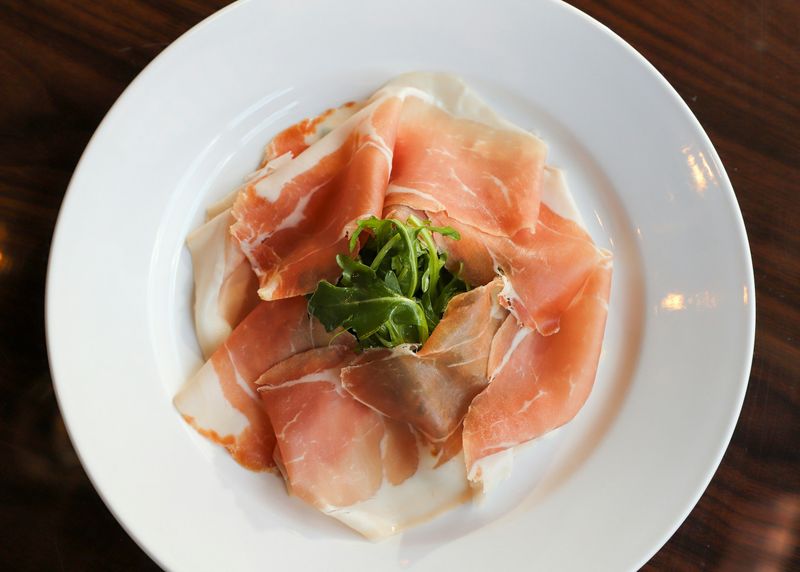
Italian cured meats like prosciutto existed in American delis for decades but seemed luxurious and expensive.
Most people stuck with regular ham or turkey for their sandwiches.
Ordering prosciutto felt like splurging on something special, reserved for fancy appetizer platters or Italian restaurants.
The charcuterie board trend of the 2010s changed everything.
Instagram photos featured beautiful meat and cheese arrangements at casual gatherings.
Grocery stores responded by making prosciutto more accessible and affordable in their deli sections.
Now you can find pre-sliced prosciutto packages in most supermarkets.
People wrap it around melon for easy appetizers or add it to pizzas and sandwiches without thinking twice.
The cured meat that once seemed impossibly elegant has become widely available and completely normal.