 MomSkoop

Korean dramas have taken over the world, capturing hearts from Seoul to São Paulo. Behind this incredible wave of popularity stand talented actors who brought unforgettable characters to life on screen.
These stars didn’t just entertain—they built bridges between cultures, sparked global conversations, and turned Korean television into a worldwide phenomenon that continues to grow stronger every year.
1. Lee Min-ho
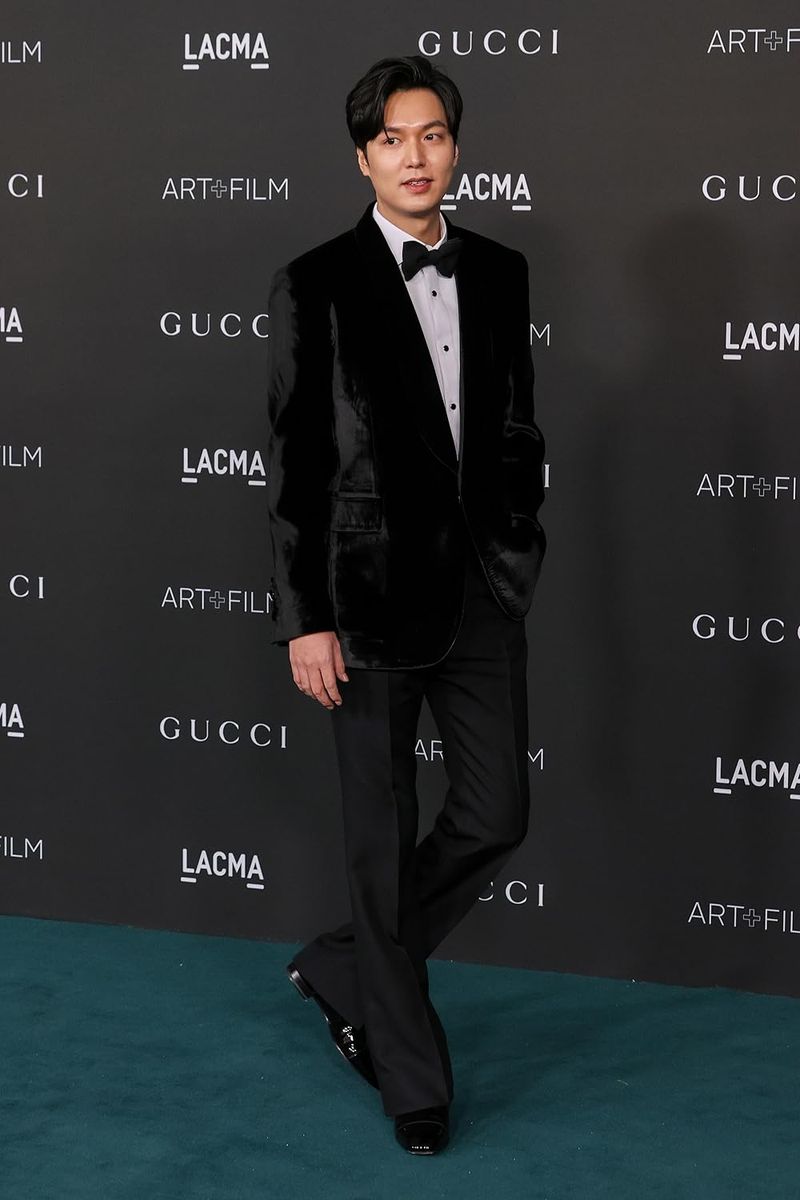
When Boys Over Flowers aired, Lee Min-ho transformed from a promising actor into a household name across continents.
His portrayal of the wealthy, complicated Gu Jun-pyo captured millions of hearts and set the standard for male leads in romantic K-dramas.
The Heirs cemented his status as a global icon, with fans from Mexico to Malaysia following his every move.
His tall frame, expressive eyes, and natural charm made him the face of the Hallyu Wave for years.
Beyond acting, Lee Min-ho’s consistent engagement with international fans through social media and fan meetings kept the momentum alive.
He proved that K-drama stars could maintain relevance across borders and generations, paving the way for others to follow his footsteps into global stardom.
2. Song Hye-kyo

Descendants of the Sun didn’t just break records—it shattered them, and Song Hye-kyo stood at the center of this cultural earthquake.
Her portrayal of Dr. Kang Mo-yeon showcased vulnerability wrapped in strength, resonating with viewers who saw themselves in her struggles and triumphs.
Already famous from earlier works like Full House, Song Hye-kyo’s return to television proved she had staying power.
Her chemistry with co-stars felt authentic, drawing audiences deeper into every emotional moment.
What sets her apart is her ability to convey complex feelings with subtle expressions.
A single tear or slight smile from Song Hye-kyo carries more weight than pages of dialogue, making her performances unforgettable across cultural boundaries.
3. Hyun Bin

Crash Landing on You became more than just a drama—it became a global obsession, and Hyun Bin’s Captain Ri Jeong-hyeok stole hearts worldwide.
His ability to balance stoic military discipline with tender vulnerability created a character that felt both aspirational and deeply human.
The cross-border romance storyline resonated particularly strongly because Hyun Bin made viewers believe in impossible love.
His chemistry with co-star Son Ye-jin felt so genuine that fans celebrated when they married in real life.
Before this mega-hit, Hyun Bin had already proven his range in Secret Garden and other projects.
However, Crash Landing on You elevated him to unprecedented international fame, introducing K-dramas to countless new viewers who couldn’t resist his compelling performance.
4. Jun Ji-hyun (Gianna Jun)
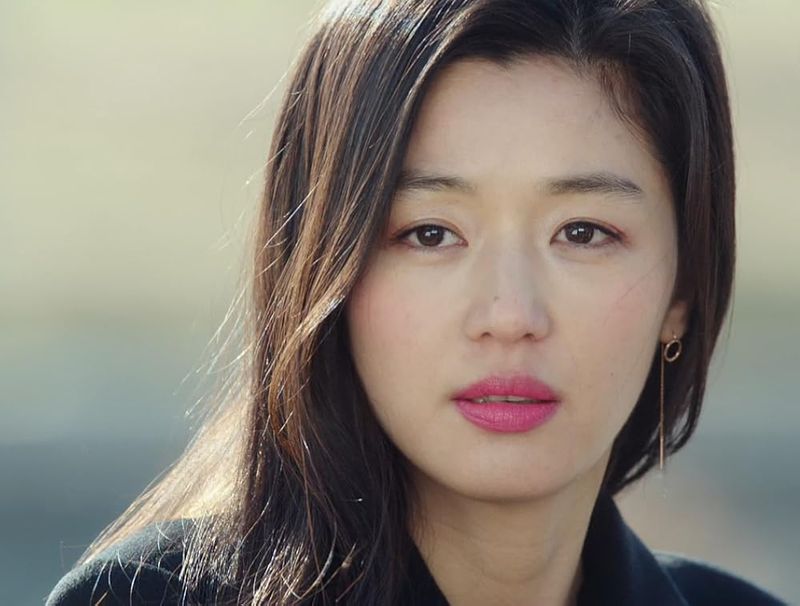
My Love from the Star arrived like a comet, and Jun Ji-hyun shone as its brightest light.
Her portrayal of the vain yet endearing actress Cheon Song-yi mixed comedy and drama so seamlessly that viewers laughed and cried within the same scene.
What made her performance extraordinary was the perfect balance between glamorous celebrity and relatable human being.
Jun Ji-hyun showed that top stars could be funny, messy, and real without losing their appeal.
The drama sparked trends across Asia, from fashion choices to fried chicken and beer pairings.
Jun Ji-hyun’s influence extended beyond the screen, proving that K-drama stars could shape popular culture internationally and create lasting impact on lifestyle choices worldwide.
5. Gong Yoo
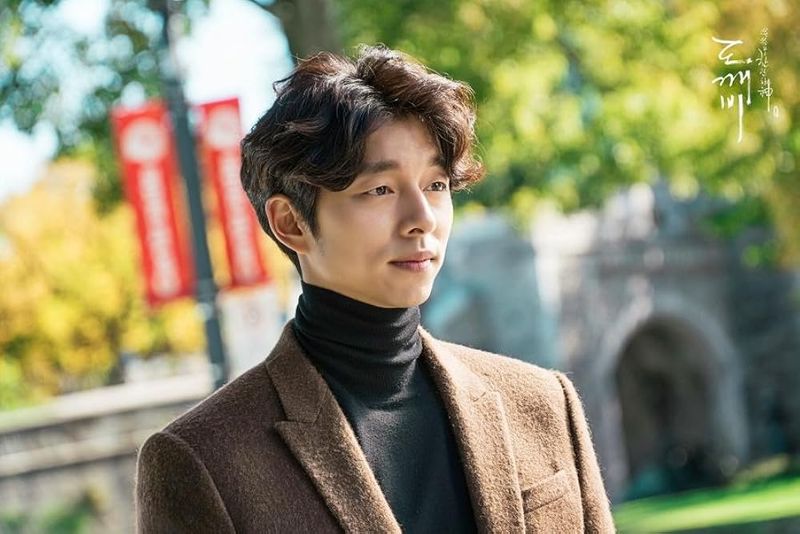
Coffee Prince introduced many international viewers to their first K-drama crush, and Gong Yoo’s Choi Han-kyul remains unforgettable.
His natural acting style made romantic moments feel genuine rather than scripted, drawing audiences into the unconventional love story.
Years later, Goblin showcased his range with a centuries-old immortal seeking peace.
Gong Yoo brought depth and melancholy to a fantasy role, proving K-dramas could tackle philosophical themes while maintaining mass appeal.
Train to Busan and his appearance in Squid Game expanded his reach beyond drama fans.
Gong Yoo represents the complete package: talent, versatility, and charisma that translates across genres and borders, making him a true ambassador of Korean entertainment.
6. Park Seo-joon

What’s Wrong with Secretary Kim turned workplace romance into an art form, with Park Seo-joon leading the charge.
His portrayal of the narcissistic yet lovable Lee Young-joon showed that male leads could be funny without being foolish, confident without being cruel.
Itaewon Class revealed his serious side, playing an underdog fighting against corporate corruption.
Park Seo-joon’s ability to switch between rom-com charm and dramatic intensity made him a favorite among younger international audiences seeking relatable heroes.
His modern interpretation of Korean masculinity—sensitive yet strong, fashionable yet down-to-earth—resonated globally.
Park Seo-joon represents a new generation of K-drama stars who connect with viewers through authenticity rather than untouchable perfection, making his characters feel like friends.
7. Kim Soo-hyun
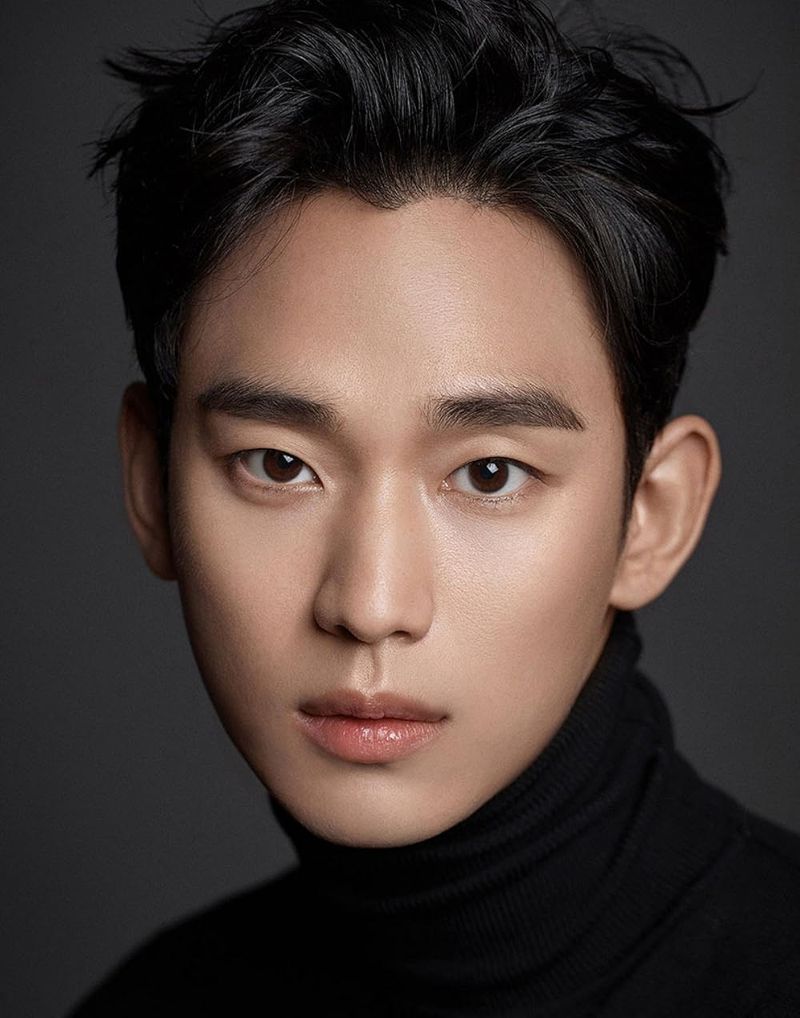
Kim Soo-hyun’s alien character in My Love from the Star could have been ridiculous, but instead became iconic.
His ability to portray centuries of experience while discovering modern emotions created layers that kept viewers endlessly fascinated throughout the drama’s run.
It’s Okay to Not Be Okay tackled mental health with sensitivity and style.
Kim Soo-hyun’s portrayal of a caregiver with emotional scars showed international audiences that K-dramas weren’t afraid to address difficult topics with nuance and respect.
His performances helped redefine what K-drama storytelling could achieve internationally.
Rather than following formulas, Kim Soo-hyun chose projects that challenged conventions and expanded the genre’s boundaries, earning critical acclaim alongside commercial success worldwide.
8. IU (Lee Ji-eun)
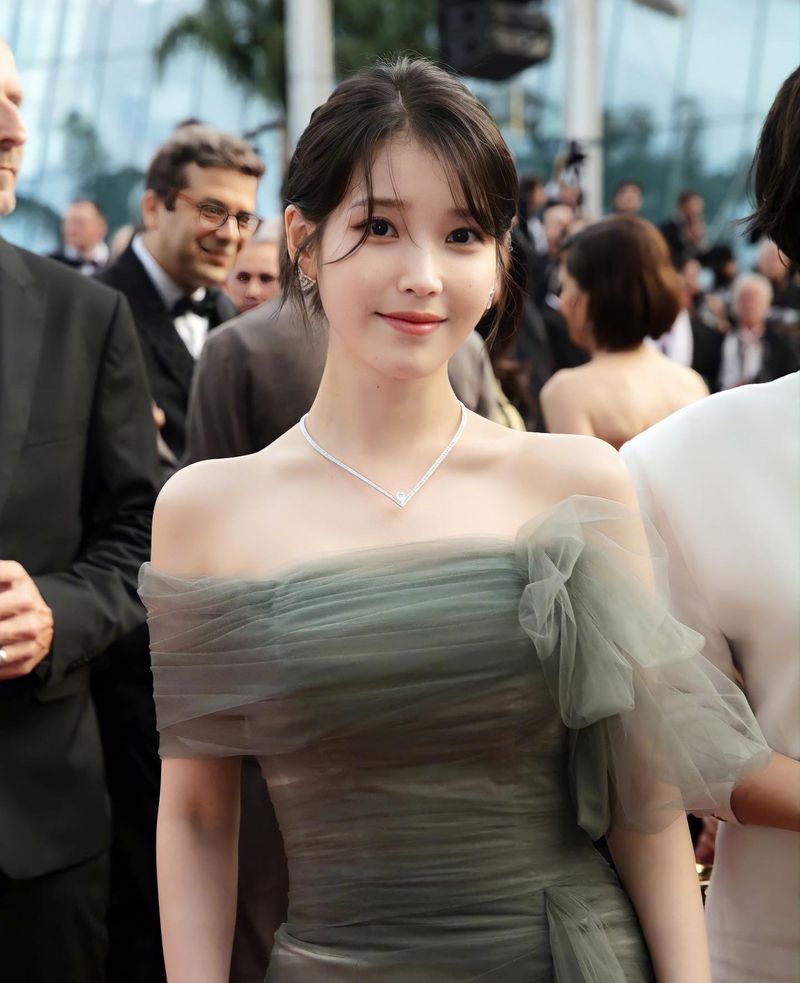
Hotel Del Luna sparkled with fantasy and fashion, but IU’s emotional depth gave it soul.
Already a beloved singer, she proved that idol-actors could deliver performances as powerful as any traditional actor, breaking down barriers between K-pop and K-drama worlds.
My Mister showcased her fearless approach to challenging roles.
Playing a young woman struggling with poverty and despair, IU stripped away her idol image to deliver raw, heartbreaking authenticity that earned critical praise globally.
Her dual career as musician and actress attracted diverse audiences who might never have discovered K-dramas otherwise.
IU’s emotional honesty in every role creates connections that transcend language barriers, making her a bridge between Korean entertainment’s different facets.
9. Song Joong-ki
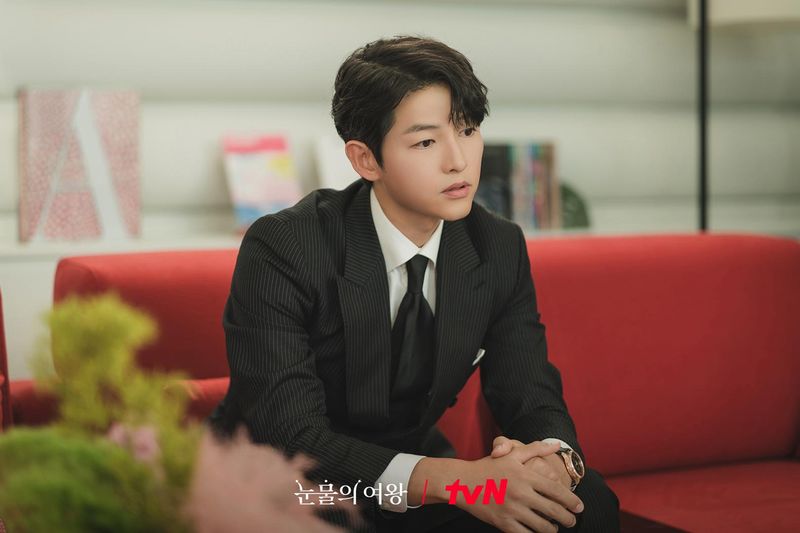
Descendants of the Sun made Song Joong-ki a symbol of K-drama’s explosive global growth.
His Captain Yoo Si-jin combined heroism with humor, creating a character that felt both aspirational and approachable, perfect for international audiences discovering Korean television.
The drama’s success across Asia and Western streaming platforms happened partly because Song Joong-ki’s performance transcended cultural specifics.
His expressions and emotions needed no translation, speaking directly to hearts worldwide regardless of background or language.
His continued popularity after the drama proved he wasn’t a one-hit wonder.
Song Joong-ki’s subsequent projects maintained his international profile, cementing his status as one of the faces most associated with K-drama’s global boom and continued expansion.
10. Park Shin-hye

Long before the current K-drama explosion, Park Shin-hye was building international fanbases one romantic comedy at a time.
The Heirs introduced her to millions as the relatable scholarship student navigating wealthy society, a role that showcased her girl-next-door appeal.
Pinocchio demonstrated her range beyond pure romance, tackling journalism ethics and family trauma.
Park Shin-hye’s ability to make viewers care deeply about her characters’ journeys kept international fans returning for every new project she released.
Often called the queen of rom-coms, she helped establish the genre conventions that later K-dramas would follow or subvert.
Park Shin-hye’s early international success proved that female leads could drive global K-drama popularity just as powerfully as their male counterparts.
11. Ji Chang-wook

Ji Chang-wook’s portrayal of the mysterious night courier combined physical prowess with emotional vulnerability, showing international audiences that K-dramas could deliver thrilling action alongside compelling romance.
K2 continued this trend, with Ji Chang-wook performing stunts that left viewers breathless.
His dedication to action roles attracted fans who might have dismissed K-dramas as purely romantic, expanding the genre’s international appeal significantly.
Beyond physical abilities, Ji Chang-wook brings intensity to every scene.
His eyes convey determination, pain, and longing without words, creating moments that resonate across language barriers and cultural differences, making him a favorite among diverse international audiences worldwide.
12. Bae Suzy

While You Were Sleeping marked Bae Suzy’s successful transition from idol to respected actress.
Her portrayal of a woman with prophetic dreams showcased acting chops that silenced critics who doubted idol-actors could deliver serious performances worthy of attention.
Start-Up brought her back to screens with a character torn between first love and new possibilities.
Suzy’s ability to convey inner conflict made viewers genuinely invested in her choices, proving that her acting had matured significantly over the years.
Her journey helped global audiences embrace idol-led K-dramas without prejudice.
Suzy demonstrated that musical talent and acting ability weren’t mutually exclusive, opening doors for other idol-actors to receive fair consideration for dramatic roles in future productions.
13. Lee Jung-jae
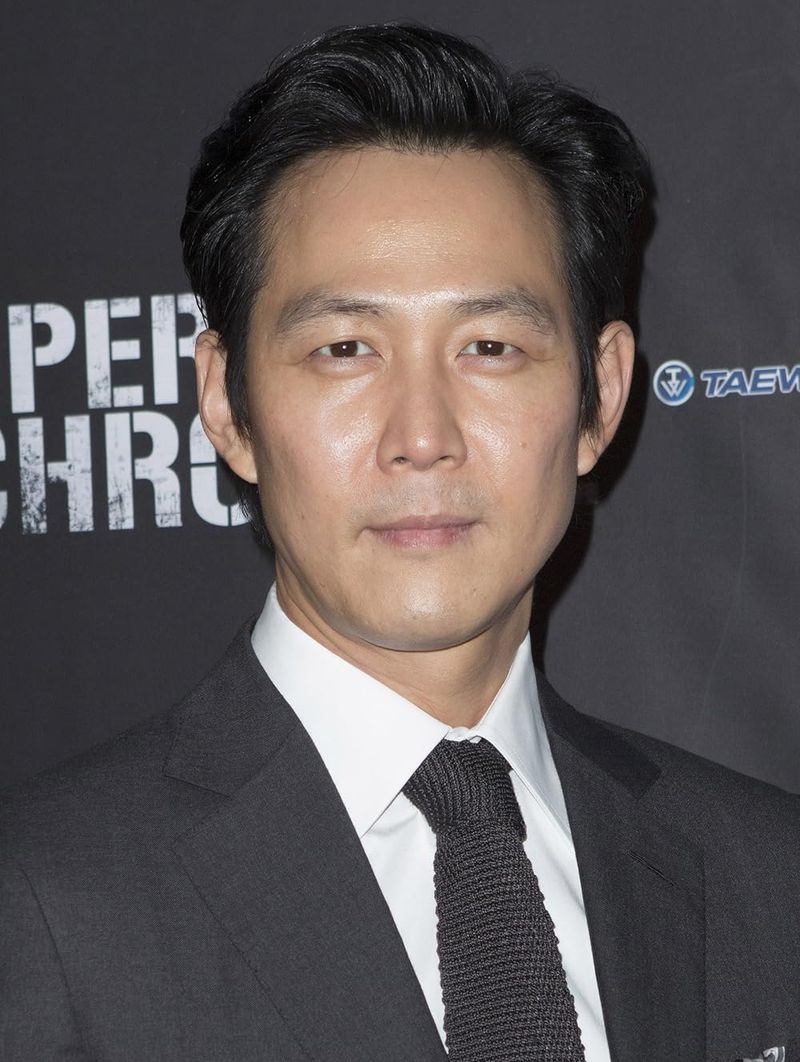
Squid Game exploded across the globe like nothing before it, and Lee Jung-jae stood at the center of this unprecedented phenomenon.
His portrayal of the desperate Seong Gi-hun felt so authentic that viewers worldwide recognized their own struggles reflected in his character’s choices.
Already a respected actor in Korea, Lee Jung-jae’s international recognition came suddenly and overwhelmingly.
His Emmy win marked a historic moment, proving that Korean television had reached the absolute pinnacle of global entertainment recognition and respect.
He became a symbol of K-drama’s crossover into mainstream pop culture everywhere.
Lee Jung-jae’s face appeared on international magazine covers and talk shows, introducing Korean television to audiences who had never considered watching foreign-language content before.
14. Kim Tae-ri
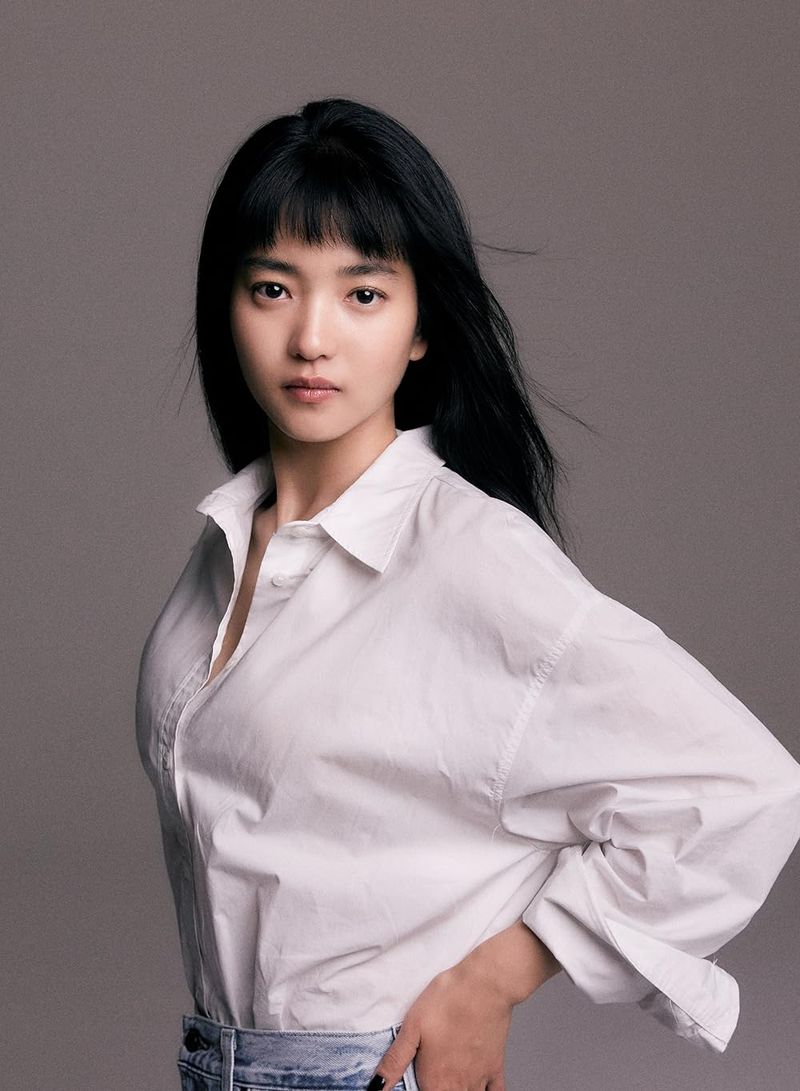
Mr. Sunshine showcased historical K-drama at its finest, with Kim Tae-ri delivering a performance of remarkable depth and nuance.
Her portrayal of a noblewoman turned resistance fighter demonstrated that K-dramas could tackle complex historical periods with sophistication that appealed to international audiences.
Twenty-Five Twenty-One captured hearts with its nostalgic coming-of-age story.
Kim Tae-ri’s ability to portray youthful determination and heartbreak made viewers relive their own formative experiences, creating emotional connections that transcended cultural boundaries completely.
Her commitment to artistic integrity over commercial appeal sets her apart.
Kim Tae-ri chooses projects that challenge her abilities and push K-drama storytelling forward, earning critical acclaim that elevates the genre’s reputation internationally among discerning viewers.
15. Nam Joo-hyuk

Weightlifting Fairy Kim Bok-joo charmed international viewers with its refreshing take on young love and ambition.
Nam Joo-hyuk’s portrayal of the supportive swimmer showed that male leads didn’t need to be domineering to be attractive, offering a gentler masculinity that resonated globally.
Start-Up positioned him as the second lead who stole hearts despite not getting the girl.
Nam Joo-hyuk’s ability to make viewers root for his character demonstrated his growing skills and appeal among international audiences seeking relatable romantic heroes.
His youthful, relatable storytelling approach appeals particularly to younger global viewers.
Nam Joo-hyuk represents a new generation of K-drama stars who prioritize authenticity over perfection, making his characters feel like people you might actually know and befriend.
16. Han So-hee

The World of the Married introduced Han So-hee as the controversial other woman, but her performance transcended the villainous role.
She brought complexity to a character that could have been one-dimensional, showing international audiences that K-drama antagonists deserved understanding too.
My Name revealed her action star potential, with Han So-hee performing intense fight scenes that rivaled any action hero.
Her physical transformation and emotional intensity demonstrated K-drama’s evolution toward darker, more complex narratives that challenged traditional genre expectations.
As a rising global star, Han So-hee represents K-drama’s future direction.
Her willingness to take on challenging, morally ambiguous roles shows that the industry continues evolving, attracting international viewers seeking sophisticated storytelling beyond conventional romance and comedy formulas.