 MomSkoop
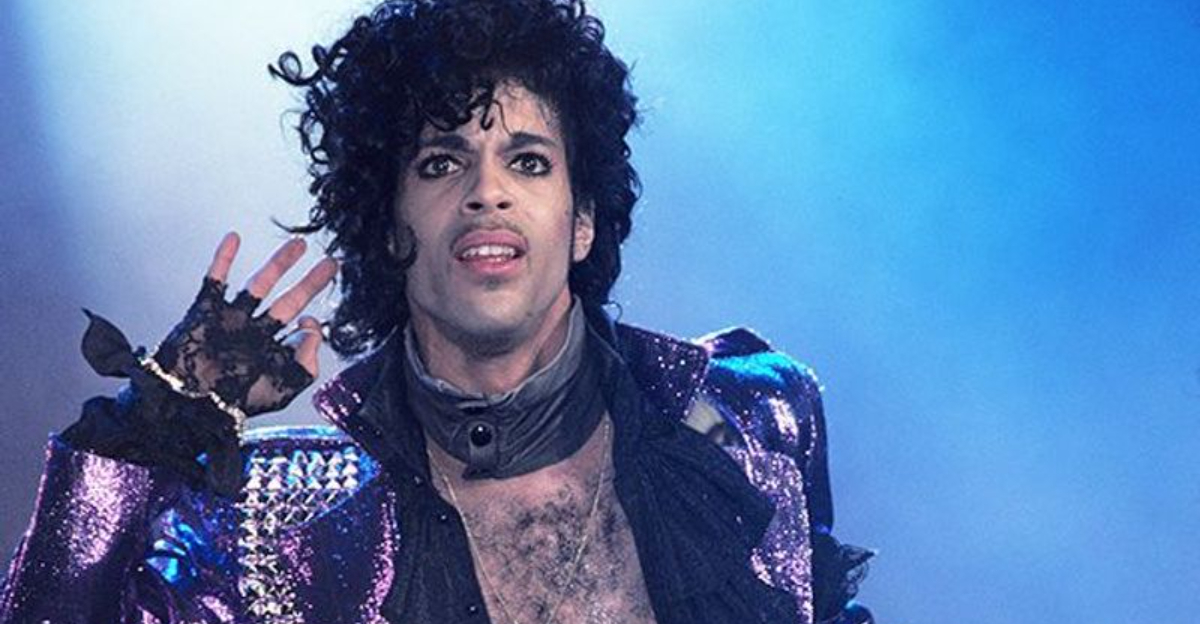
Music history is full of bold artists who refused to stay in one lane. They mixed styles, experimented with sounds, and created something completely new. These musicians didn’t just follow trends—they made their own rules and changed how we think about music forever.
1. Bob Dylan
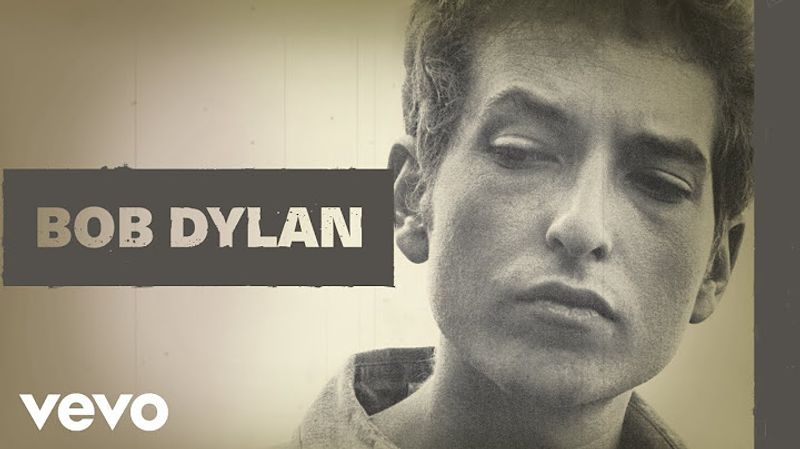
When Bob Dylan plugged in an electric guitar at the 1965 Newport Folk Festival, folk music purists felt betrayed.
They booed and shouted, but Dylan didn’t care.
He was tired of being labeled just a folk singer and wanted to explore rock and roll.
His electric albums like “Highway 61 Revisited” combined poetic lyrics with driving rock rhythms.
This fusion created a whole new genre called folk-rock.
Dylan showed that acoustic and electric music could work together beautifully.
His willingness to risk his fanbase for artistic growth inspired generations of musicians to follow their creative instincts instead of audience expectations.
2. David Bowie
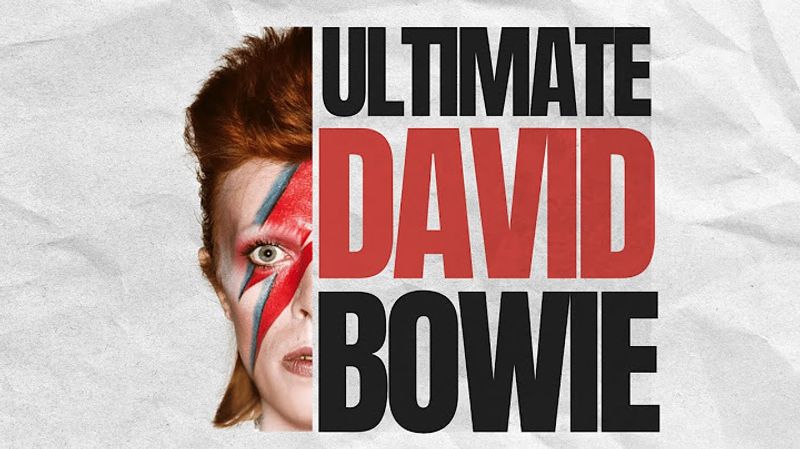
Imagine creating a fictional alien rock star and becoming that character on stage.
That’s exactly what David Bowie did with Ziggy Stardust in 1972.
Bowie blended rock, theater, and science fiction into something the world had never seen.
He didn’t stop there—he explored soul music on “Young Americans,” then electronic music on his Berlin trilogy.
Each album era brought a completely different sound and look.
Bowie taught artists that reinvention keeps creativity alive.
He proved you could be a chameleon, constantly changing while staying true to your artistic vision.
His fearless genre-hopping made it okay for others to experiment wildly.
3. Radiohead
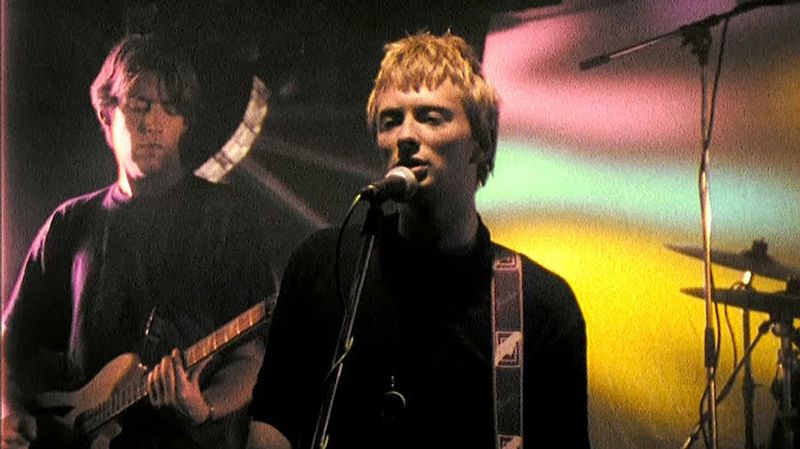
After becoming famous for guitar-driven alternative rock, Radiohead did something surprising.
Their 2000 album “Kid A” abandoned traditional rock instruments for synthesizers, drum machines, and ambient sounds.
Fans who loved their earlier hits felt confused and even angry.
The band mixed electronic music, jazz influences, and experimental sounds that seemed to break every rock rule.
Critics initially didn’t know what to make of it.
Today, “Kid A” is considered a masterpiece that showed rock bands they didn’t need guitars to make meaningful music.
Radiohead’s courage to alienate some fans while pursuing their vision changed alternative music forever.
4. Kanye West
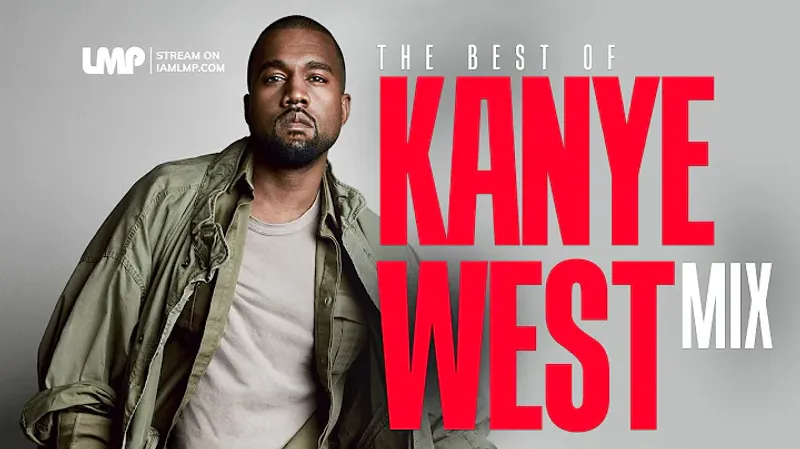
Hip-hop in the early 2000s was dominated by gangster rap and tough-guy images.
Then Kanye West showed up wearing preppy clothes and rapping about his feelings.
He sampled soul music and used pitched-up vocals that sounded nothing like mainstream rap.
His album “808s & Heartbreak” went even further, using auto-tune and singing about heartbreak and vulnerability.
Many hip-hop fans called it weak and not real rap.
But that album influenced an entire generation of artists who mix singing and rapping.
West proved that hip-hop could be emotional, experimental, and still be authentic.
His production style changed what rap music could sound like.
5. Bjork
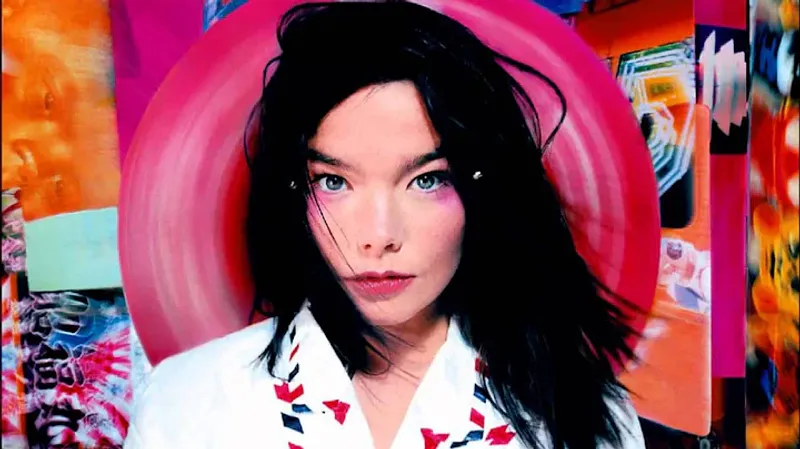
Born in Iceland, Bjork started in punk rock before becoming one of music’s most fearless experimenters.
She combines electronic beats with orchestral strings, tribal rhythms, and sounds from nature.
Her voice moves from whispers to powerful shouts, breaking all the rules about how singers should sound.
Albums like “Homogenic” and “Vespertine” mix technology with human emotion in ways nobody had tried before.
Bjork also creates wild music videos and wears outrageous outfits, making art from every aspect of her work.
She showed that pop music could be weird, challenging, and beautiful all at once.
Her genre-less approach inspired artists to stop worrying about categories.
6. Johnny Cash
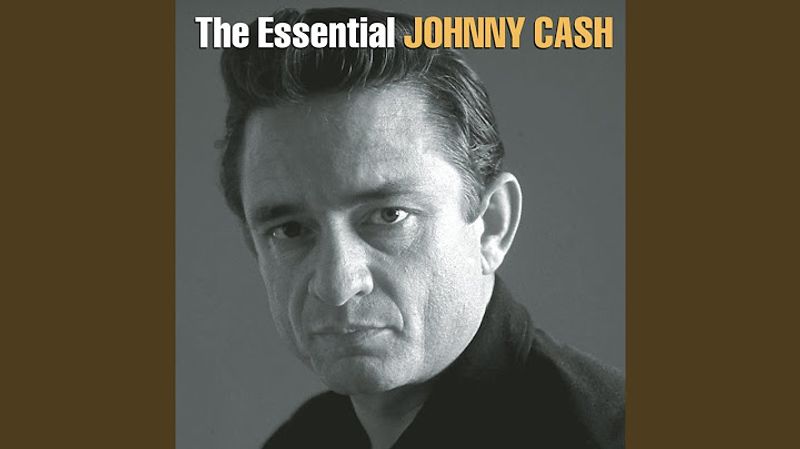
Most people knew Johnny Cash as a country legend, but late in his career he did something unexpected.
Producer Rick Rubin convinced him to record stripped-down albums covering songs by Nine Inch Nails, Soundgarden, and other alternative rock bands.
These “American Recordings” albums mixed country, folk, gospel, and rock in a raw, honest way.
Cash’s deep, aged voice gave modern songs new meaning and introduced him to younger audiences.
He proved that great songs transcend genre labels.
At an age when most artists rest on their legacy, Cash took risks and stayed relevant.
His late-career reinvention showed that it’s never too late to break your own rules.
7. Miles Davis
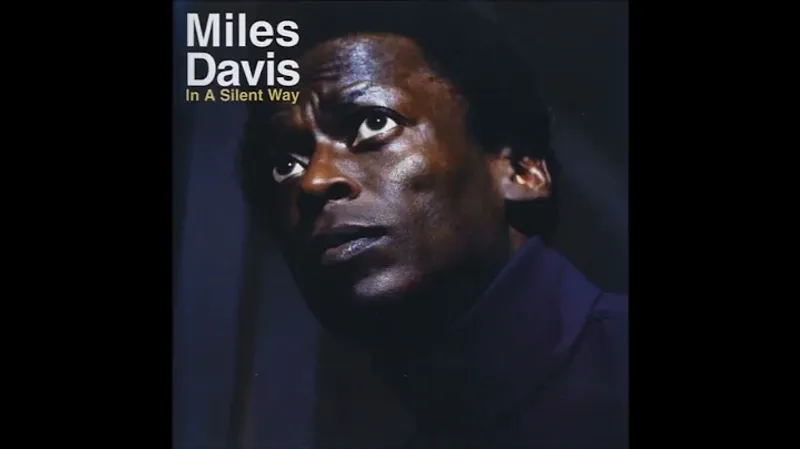
Miles Davis wasn’t satisfied mastering just one type of jazz.
He kept reinventing himself throughout his entire career, shocking fans each time.
In the 1950s, he pioneered cool jazz with its smooth, relaxed sound.
Then he jumped into modal jazz, giving musicians more freedom to improvise.
But his biggest surprise came in 1970 with “Bitches Brew,” where he fused jazz with rock and funk.
Traditionalists were horrified, calling it a betrayal of real jazz.
Davis ignored the criticism and created jazz fusion, opening doors for generations of experimental musicians who weren’t afraid to blend genres together.
8. Madonna

Madonna built her career on constant reinvention, refusing to be pinned down by any single musical style.
She started as a dance-pop princess in the early 1980s but quickly grew restless.
Each album brought a new sound and image.
She mixed electronic music, rock, Latin rhythms, and even classical elements into her pop songs.
Critics called her a chameleon, but that was exactly the point.
Her willingness to experiment with controversial themes and push boundaries made her more than just a singer.
Madonna proved that pop music could be smart, provocative, and constantly evolving without losing commercial appeal.