 MomSkoop

When you love someone who carries emotional scars, it’s natural to want to make everything better.
You might believe your care, patience, and devotion can erase their painful memories or undo what hurt them before you came along.
But the truth is more complicated than that, and understanding why can actually strengthen your relationship instead of straining it.
1. You Didn’t Cause Their Past, So You Can’t Undo It

Their experiences happened long before you entered the picture.
No amount of love today can rewrite what already occurred in their history.
Those moments are fixed in time, shaped by people and circumstances you never controlled.
Accepting this reality isn’t giving up on them.
It’s recognizing that healing doesn’t work backward through time.
Your role isn’t to become a time traveler who erases old wounds.
Instead, focus on creating new, positive experiences together now.
Build memories that exist alongside their past rather than trying to replace it.
This approach respects their journey while supporting their present growth.
2. Healing Is an Inside Job

Real recovery happens within a person’s own mind and heart.
They must process their emotions, confront their memories, and make sense of what happened to them.
Nobody else can do this internal work, no matter how much they care.
Think of it like digesting food.
You can’t eat for someone else and have it nourish their body.
Similarly, emotional processing requires their active participation.
They need to examine their feelings, understand their reactions, and choose how to move forward.
Supporting them means being present while they do their own work.
Offer encouragement without taking over their journey.
3. Trying to Heal Them Creates Pressure

When you make their healing your mission, they might feel obligated to recover on your timeline.
This adds stress to what should be a safe relationship space.
They may start performing happiness to please you rather than genuinely working through their pain.
Pressure to “get better” can actually slow down real healing.
People need permission to feel their feelings without judgment or urgency.
Rushing recovery often backfires, creating resentment or forcing emotions underground where they fester.
Instead of pushing for progress, create space where they can be honest about where they are today.
4. Love Doesn’t Automatically Resolve Trauma

Your affection matters deeply, but it isn’t a cure for deep psychological wounds.
Trauma changes how the brain processes safety, trust, and connection.
These changes require specific healing approaches that go beyond romantic support.
Being loved helps create conditions where healing becomes possible.
However, the actual repair work involves confronting difficult memories, processing complex emotions, and sometimes retraining nervous system responses.
These tasks need more than devotion.
Therapy, time, and personal commitment to growth all play essential roles.
Your love is one ingredient in their recovery, not the entire recipe for their wellness.
5. You Can’t Replace What Was Missing Back Then

Maybe they lacked nurturing parents, stable friendships, or safe environments during crucial developmental years.
Your care today, while valuable, cannot retroactively fill those specific gaps from their formative period.
Early experiences shape brain development and attachment patterns in ways that current relationships can’t completely reverse.
You’re building something new with them now, not reconstructing their childhood or adolescence.
This doesn’t mean your relationship lacks power to help them grow.
It simply means you’re working in the present, creating forward momentum rather than backward repair of what they never received.
6. The Savior Role Becomes Unhealthy

When one partner constantly rescues while the other remains the victim needing saving, the relationship loses its balance.
This dynamic prevents both people from showing up as equals.
The rescuer becomes exhausted while the rescued person may feel infantilized or incapable.
Healthy partnerships involve mutual support where both people contribute strength at different times.
Nobody should permanently occupy the helper or helpless position.
Setting this pattern early makes it hard to break later.
You both deserve a relationship where you can be vulnerable sometimes and strong at others, sharing responsibility for the relationship’s wellbeing.
7. Their Triggers Aren’t a Reflection of Your Effort

Past pain can surface unexpectedly, even when you’ve done everything right.
A smell, phrase, or situation might activate old memories that have nothing to do with your current behavior.
These reactions stem from their history, not your failures.
Understanding this distinction protects you from taking their struggles personally.
When they react strongly to something seemingly minor, it’s usually about what that moment represents from their past.
Your job isn’t to prevent all triggers or feel guilty when they happen.
Instead, learn to recognize them together and respond with patience rather than defensiveness or self-blame.
8. Over-Focusing on Their Past Stalls the Present

Relationships grow through shared experiences, future planning, and building joy together now.
Constantly analyzing and discussing old wounds can trap you both in yesterday rather than allowing forward movement.
While acknowledging their history matters, making it the central focus of your relationship prevents new patterns from forming.
You need space for laughter, adventure, and creating positive memories that aren’t connected to their trauma.
Balance is key.
Support their healing journey while also nurturing the present-day connection you’re building.
Make room for fun, spontaneity, and experiences that define your relationship beyond their past pain.
9. Healing Requires Professional Tools Sometimes

Some wounds need specialized treatment that romantic partners aren’t trained to provide.
Therapists understand trauma responses, cognitive patterns, and evidence-based healing methods that help rewire deeply ingrained reactions.
Suggesting professional help isn’t admitting defeat.
It’s recognizing that certain problems require expert guidance.
Just as you’d see a doctor for a broken bone, mental health professionals treat psychological injuries with specific skills.
Encouraging therapy shows you care enough to want them to receive the best possible support.
You can be their partner while someone else serves as their trained healing guide.
10. You Can Support Without Carrying It
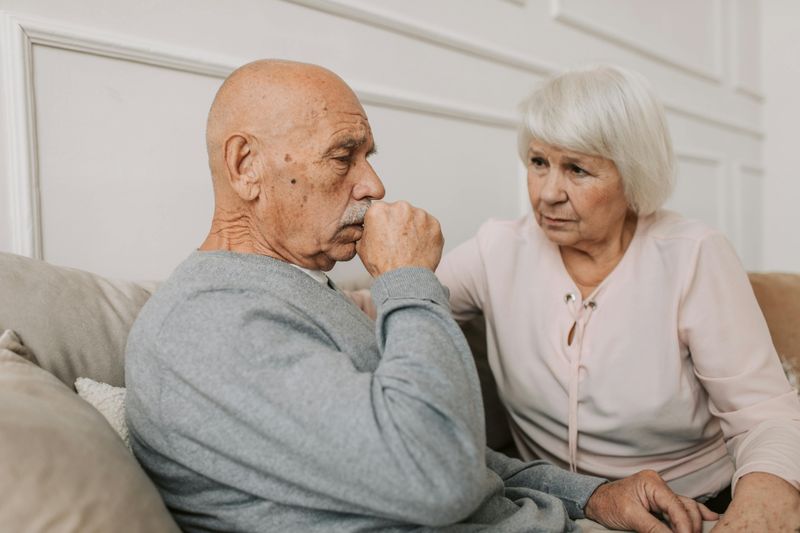
Empathy means understanding their pain without absorbing it as your own.
You can listen, validate, and offer comfort while maintaining emotional boundaries that protect your wellbeing.
Taking responsibility for their pain leads to burnout and resentment.
Supporting someone differs from carrying their emotional weight.
They need to hold their own feelings while you walk beside them, not behind them carrying their backpack.
Healthy support looks like being available without becoming overwhelmed.
It means knowing when to step back and care for yourself so you can show up consistently rather than collapsing under borrowed pain.
11. The Goal Isn’t Erasing the Past

Growth comes from learning to live with what happened, not pretending it never occurred.
Their past shaped who they are today, including strengths they developed through adversity.
Trying to erase history means erasing parts of their identity.
Integration involves acknowledging painful experiences while not letting them control the present.
They can remember without being defined solely by those memories.
This journey belongs entirely to them.
Your relationship succeeds when you both accept their complete story.
Love them as they are now, including the ways their past influenced their development, rather than wishing for a different version without history.