 MomSkoop

After divorce, many women choose to stay single—not because they have to, but because they want to. This choice often surprises friends and family who expect them to jump back into dating.
The truth is, divorce changes how women see relationships, themselves, and what they’re willing to accept. These ten realities explain why so many divorced women find contentment in staying single, even when society expects otherwise.
1. Peace Feels Non-Negotiable Now

After enduring years of arguments, tension, or walking on eggshells, many divorced women discover something precious: genuine peace.
The silence isn’t lonely anymore—it’s healing.
They wake up without anxiety about someone else’s mood or needs.
This newfound calm becomes something they guard fiercely.
Potential partners are measured against this standard immediately.
If someone brings drama, unpredictability, or stress, they’re simply not worth the cost.
The idea of trading quiet mornings and calm evenings for “potential” feels foolish now.
Peace isn’t just preferred—it’s protected.
Many women would rather be alone than return to chaos, no matter how well-disguised it appears at first.
2. They’ve Learned What Love Should Not Cost

Divorce teaches brutal but valuable lessons about boundaries.
Women learn exactly what they’ll never tolerate again.
Love shouldn’t require you to shrink, stay silent, or constantly compromise your values.
When you’ve experienced what unhealthy love looks like, you recognize the warning signs instantly.
The charming excuses, the subtle manipulations, the requests to “just be more understanding”—they don’t work anymore.
These women have paid the tuition for this education.
If a relationship demands self-abandonment as the price of admission, it’s immediately disqualified.
They’re no longer willing to lose themselves to keep someone else comfortable.
This clarity eliminates most potential partners before things even begin.
3. Emotional Labor Exhaustion Is Real

For years, many women carried the entire emotional weight of their marriage.
They managed feelings, anticipated needs, initiated difficult conversations, and did all the relationship maintenance work.
The mental load was crushing, though often invisible.
The thought of doing that again—explaining basic emotions, teaching empathy, managing another adult’s feelings—feels utterly exhausting.
It’s not romantic anymore.
It’s a job they’ve already quit.
Being single means nobody needs them to be a therapist, mother, or emotional manager.
They can focus on their own feelings for once.
Until they meet someone who does their own emotional work, many women prefer the simplicity of solitude over the exhaustion of caretaking.
4. Loneliness Is Easier Than Disappointment
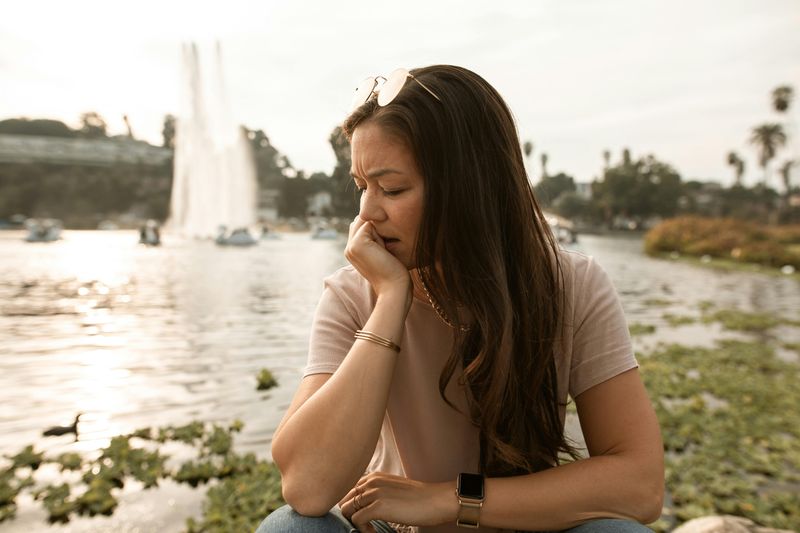
There’s a specific kind of pain that comes from repeated disappointment.
Promises broken, needs ignored, expectations unmet—over and over.
Eventually, that pain becomes worse than being alone ever could be.
Loneliness has moments of ache, sure.
But it’s predictable and manageable.
Disappointment ambushes you when you’ve dared to hope again.
It cuts deeper because you let yourself be vulnerable.
Many divorced women make a practical calculation: the occasional loneliness of Saturday nights alone hurts less than the constant disappointment of being with someone who doesn’t show up emotionally.
Solitude becomes the safer bet, the choice that protects their heart from further damage.
5. Healing Takes Longer Than People Admit

Everyone expects divorced women to “move on” quickly.
Friends set up dates.
Family asks about new relationships.
But healing from divorce isn’t linear or quick, even when life looks fine from the outside.
Trust doesn’t rebuild overnight.
The ability to feel safe with someone takes time to restore.
Desire itself might need space to return after years of disconnection or hurt.
Jumping into dating before genuine healing happens often reopens wounds that were just starting to close.
Many women recognize they’re still processing, still rebuilding their sense of self.
They choose to honor that timeline rather than rush into something new just to prove they’re “over it.” Real healing can’t be hurried.
6. Standards Didn’t Get Higher—They Got Clearer
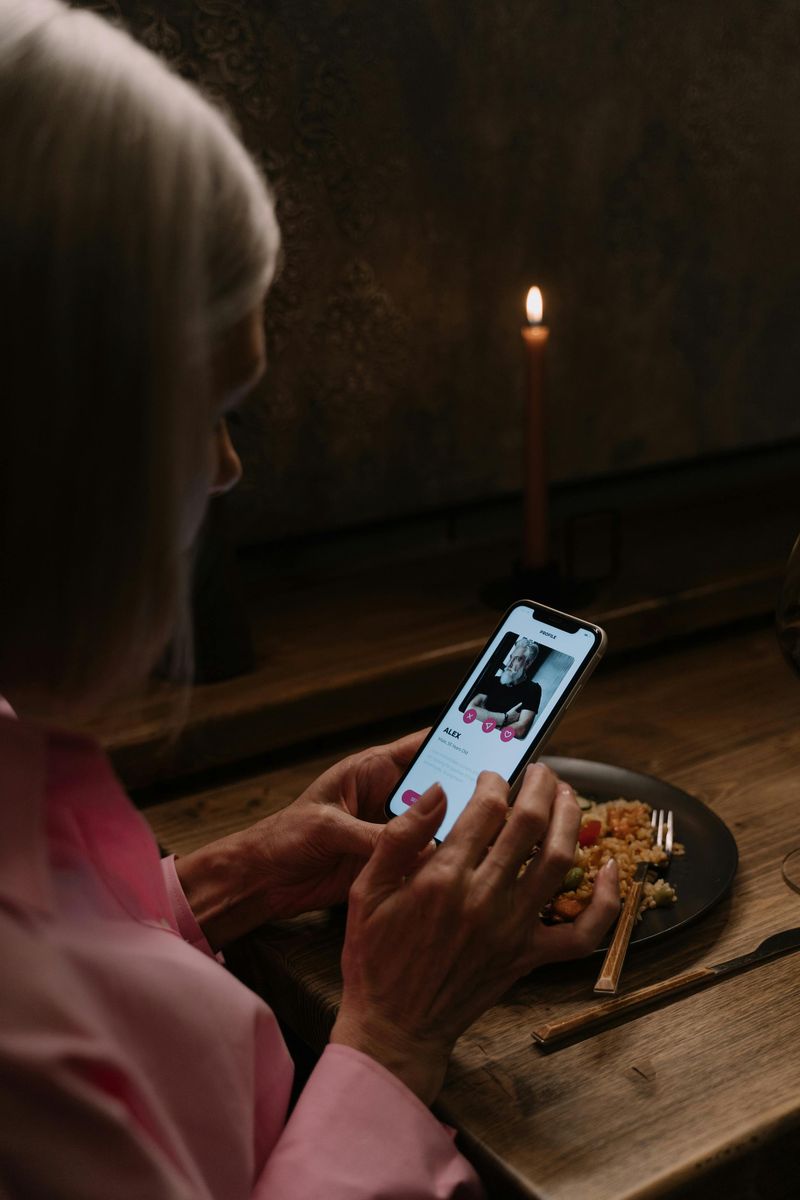
People often accuse divorced women of having impossible standards. “You’re too picky,” they hear constantly.
But that’s not accurate—their standards aren’t higher, just clearer.
They know exactly what matters now.
Emotional maturity.
Consistent behavior.
Genuine respect.
These aren’t unreasonable demands—they’re basics.
But fewer people meet them than you’d expect, especially when you’re no longer willing to overlook red flags.
Experience taught them the difference between charm and character, between promises and follow-through.
They’re not looking for perfection; they’re looking for someone who does the work of being a healthy partner.
When most potential partners don’t qualify, staying single becomes the logical choice.
7. Independence Feels Empowering, Not Sad

After divorce, many women discover capabilities they didn’t know they had.
They handle finances, make decisions, fix things, and build lives entirely on their own terms.
This independence becomes intoxicating.
There’s profound satisfaction in answering to nobody, compromising with nobody, and designing your days exactly as you want them.
You eat what you want, travel where you choose, spend money how you decide.
Society frames single women as lonely and sad, but many feel the opposite—liberated and powerful.
The idea of giving up that autonomy, of folding someone else’s needs and preferences back into their lives, feels like a downgrade.
Independence isn’t something they’re enduring; it’s something they’re celebrating and protecting.
8. They’re Done Explaining Their Needs

“I need you to listen.” “I need help with household tasks.” “I need emotional support.” After years of articulating basic needs that went ignored, many women reach a breaking point.
They’re exhausted from explaining what should be obvious.
In their next relationship—if there is one—they refuse to beg for basic consideration.
They won’t write manuals on how to be a decent partner.
They won’t repeatedly justify reasonable expectations.
If someone doesn’t naturally understand that partnership requires effort, communication, and reciprocity, these women aren’t interested in teaching them.
They’d rather stay single than become an unpaid relationship coach again.
Their energy is too valuable to waste on grown adults who need constant instruction.
9. They’re No Longer Afraid of Being Alone

Before divorce, the fear of being alone often kept women in unhappy marriages.
That fear felt enormous, almost paralyzing.
But divorce forced them to face it head-on—and they survived.
Once you’ve walked through your biggest fear and come out the other side, it loses its power over you.
Being alone stops feeling like a threat and starts feeling like just another way to live.
This shift changes everything.
When you’re not afraid of being single, you stop settling.
You stop tolerating mediocre relationships just to avoid an empty house.
Many divorced women discover that facing their fear was the most liberating thing they ever did.
Now, staying single feels like a choice, not a sentence.
10. They’re Waiting for Alignment, Not Rescue

Fairy tales taught women to wait for someone to complete them, save them, or fix their lives.
But divorce shatters that narrative completely.
These women have already saved themselves.
They’re not looking for rescue anymore.
They’re whole, capable, and building meaningful lives independently.
If a partner enters the picture, it won’t be to fill a void—it’ll be because that person genuinely adds value.
The standard is alignment: shared values, mutual growth, and genuine peace.
If a relationship doesn’t enhance their life in meaningful ways, staying single remains the better option.
They’re not desperate, not incomplete, and not willing to compromise on what truly matters.
They’re simply waiting for something real—or staying happily content alone.