 MomSkoop

Every generation has its quirks, and when it comes to life at home, Millennials and Gen Z couldn’t be more different. From the way they watch TV to how they organize their fridges, these two groups have developed habits that often clash.
What feels normal to one generation can seem completely outdated or just plain weird to the other, creating hilarious misunderstandings and debates about the right way to do everyday things.
1. Watching Cable TV on Purpose
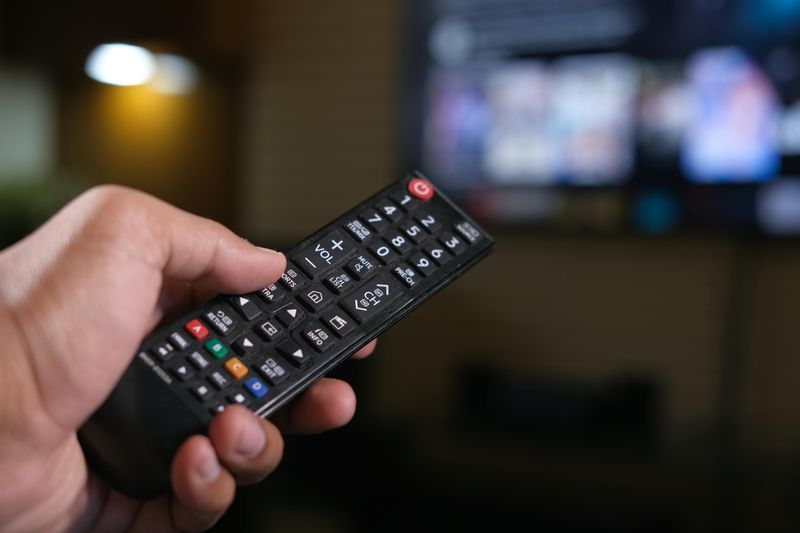
Cable television still holds a special place in many Millennial hearts, even though streaming dominates the entertainment landscape.
They actually enjoy scrolling through channels, discovering shows by accident, and catching reruns of favorites.
There’s something comforting about having scheduled programming instead of endless decision-making.
Gen Z finds this habit completely baffling since they’ve grown up with on-demand everything.
Why would anyone sit through commercials or watch shows at specific times?
The idea of not being able to pause live TV or skip ahead seems like torture to them.
For Millennials, though, channel surfing is part of the experience.
It brings back memories of childhood evenings and feels less overwhelming than scrolling through thousands of streaming options.
Sometimes limitations actually make choosing easier and more enjoyable than infinite possibilities.
2. Answering Phone Calls Instead of Letting Them Go to Voicemail
When a phone rings, many Millennials still feel that instinct to pick up immediately.
They treat phone calls as the default form of urgent communication and believe answering shows respect and responsibility.
Even unknown numbers sometimes get answered, just in case it’s something important.
Gen Z approaches this completely differently and considers most calls intrusive.
They prefer texts, DMs, or voice notes that can be answered on their own schedule.
A phone call without warning feels aggressive, and they’ll often text back asking what’s up instead of calling.
This creates awkward situations when Millennials call Gen Z friends or family members.
The phone rings endlessly while Gen Z stares at it, wondering why this person didn’t just text first.
For them, calls should be reserved for emergencies or pre-scheduled conversations only.
3. Printing Things Just in Case
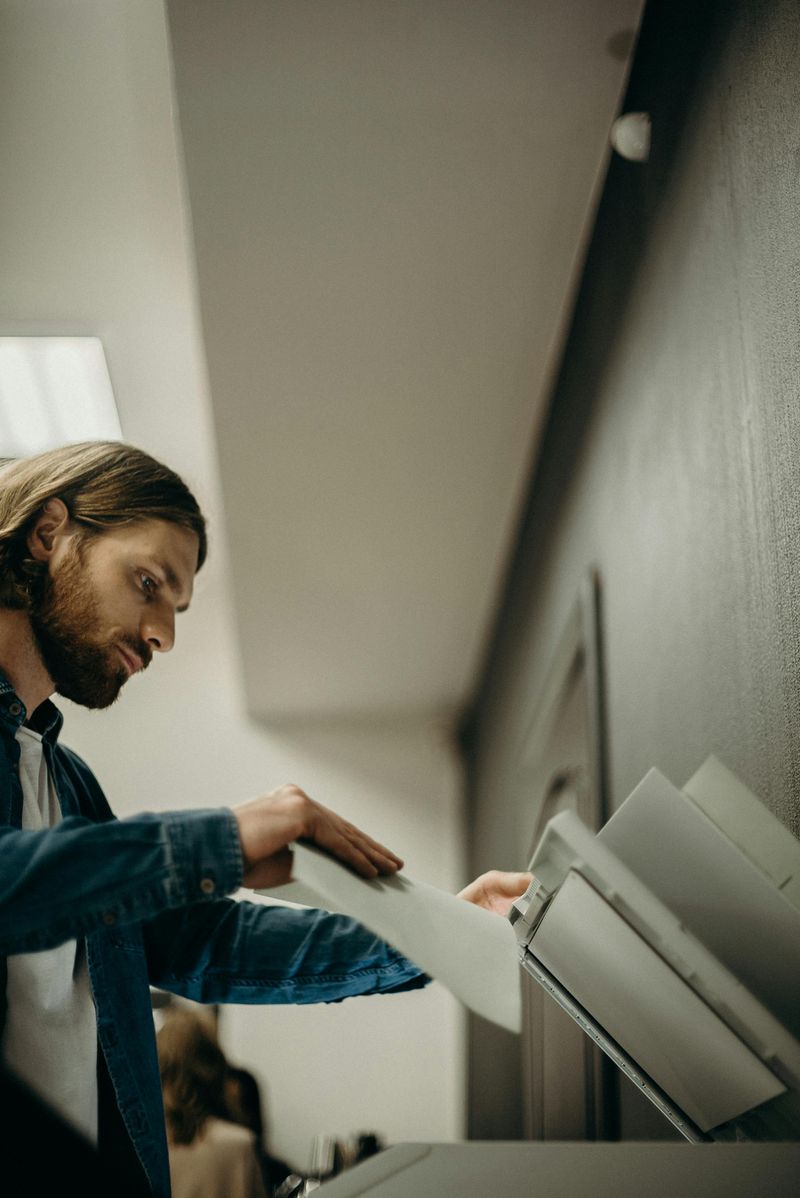
Millennials grew up during the transition from analog to digital, so they trust paper backups.
Concert tickets, boarding passes, driving directions, and important receipts all get printed and carefully stored.
What if your phone dies?
What if you lose internet connection?
Physical copies provide peace of mind.
Gen Z thinks this is wasteful and unnecessary in our digital age.
Everything lives in their phone, accessible through screenshots, apps, or cloud storage.
They’ve never experienced being stranded without information because their phone died, so they don’t share that anxiety about digital-only documentation.
The generational divide shows up at airports and events constantly.
Millennials clutch their printed confirmations while Gen Z breezes through with QR codes on bright phone screens.
Both methods work, but the philosophical difference about trusting technology versus having tangible backups remains stark.
4. Using Facebook as a Primary Social App
Facebook remains the social media home base for many Millennials who built their online identities there.
They share life updates, post photo albums, and engage in long comment threads with friends and family.
The platform feels familiar and comfortable, connecting them to people from different life chapters all in one place.
Gen Z views Facebook as ancient history, a place where parents and grandparents hang out.
Posting personal updates where relatives can see and comment feels uncomfortable and restrictive.
They prefer platforms like TikTok, Instagram, or Snapchat where they control their audience more carefully and content disappears or stays more private.
The thought of broadcasting major life events to everyone you’ve ever met seems bizarre to Gen Z.
They curate different personas for different platforms, keeping family separate from friends and acquaintances.
Facebook’s everyone-sees-everything approach feels invasive rather than connected.
5. Owning Multiple Decorative Throw Pillows
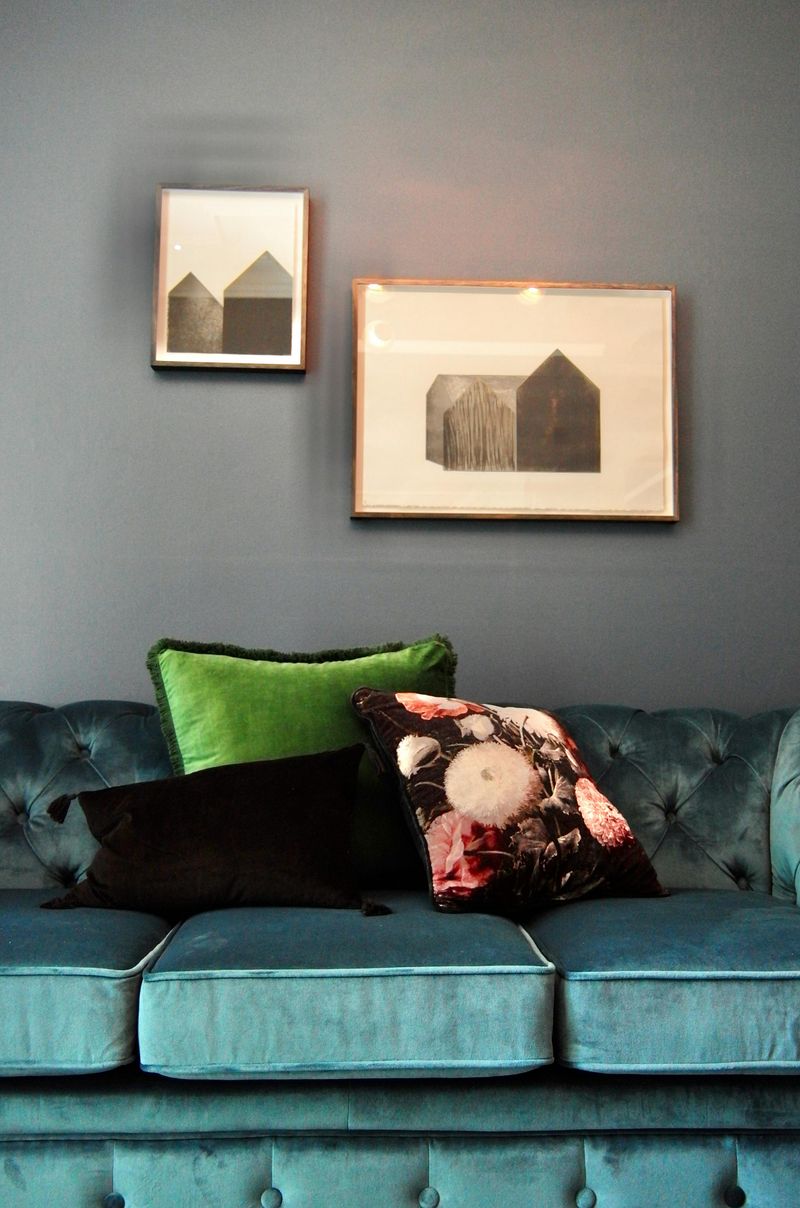
Walk into a Millennial home and you’ll likely find couches buried under mountains of decorative pillows.
These come in coordinating colors, patterns, and textures, carefully arranged to create that magazine-ready look.
Sure, they all need to be moved before anyone can sit down, but they make the space feel polished and intentional.
Gen Z finds this practice completely impractical and kind of ridiculous.
Why own pillows that serve no functional purpose except looking pretty?
The daily ritual of removing and replacing them seems like unnecessary work.
They prefer minimalist spaces with only the essentials that actually get used.
The throw pillow debate represents different priorities in home design.
Millennials came of age during peak HGTV and Pinterest influence, where styled spaces mattered.
Gen Z values function and simplicity, rejecting anything that creates extra maintenance without clear benefits to their actual daily comfort.
6. Following a Strict Morning Routine

Many Millennials have embraced elaborate morning routines as part of their self-care and productivity culture.
They wake up early for scheduled workouts, follow specific coffee rituals, journal, meditate, and check multiple productivity apps before 8 a.m.
These routines get documented, optimized, and treated as essential to success.
Gen Z looks at these rigid morning schedules with confusion and exhaustion.
Why would anyone voluntarily wake up extra early to do more work before work?
They prefer sleeping as long as possible and rolling out of bed with minimal fuss.
Morning routines feel performative rather than genuinely beneficial.
The difference reflects broader attitudes about hustle culture and optimization.
Millennials absorbed messages about grinding and maximizing every moment.
Gen Z pushes back against constant productivity pressure, prioritizing rest and mental health over appearing busy or accomplished before breakfast even happens.
7. Using Email for Personal Communication

Email remains a legitimate communication tool for personal matters in the Millennial world.
They’ll send lengthy email threads to friends, use it to plan events, or write thoughtful messages that feel too substantial for texts.
Email provides space for complete thoughts and permanent records of important conversations.
Gen Z considers email purely professional or academic, never personal.
Using email to chat with friends feels incredibly formal and outdated, like writing a business letter to your bestie.
They communicate through DMs, texts, voice notes, or video messages that feel immediate and casual rather than composed and archived.
When Millennials email Gen Z friends, the response might come through text instead, creating format confusion.
Gen Z doesn’t check personal email regularly and might miss messages entirely.
The platforms each generation considers appropriate for different relationship types rarely align, causing communication gaps.
8. Keeping Physical Media Collections
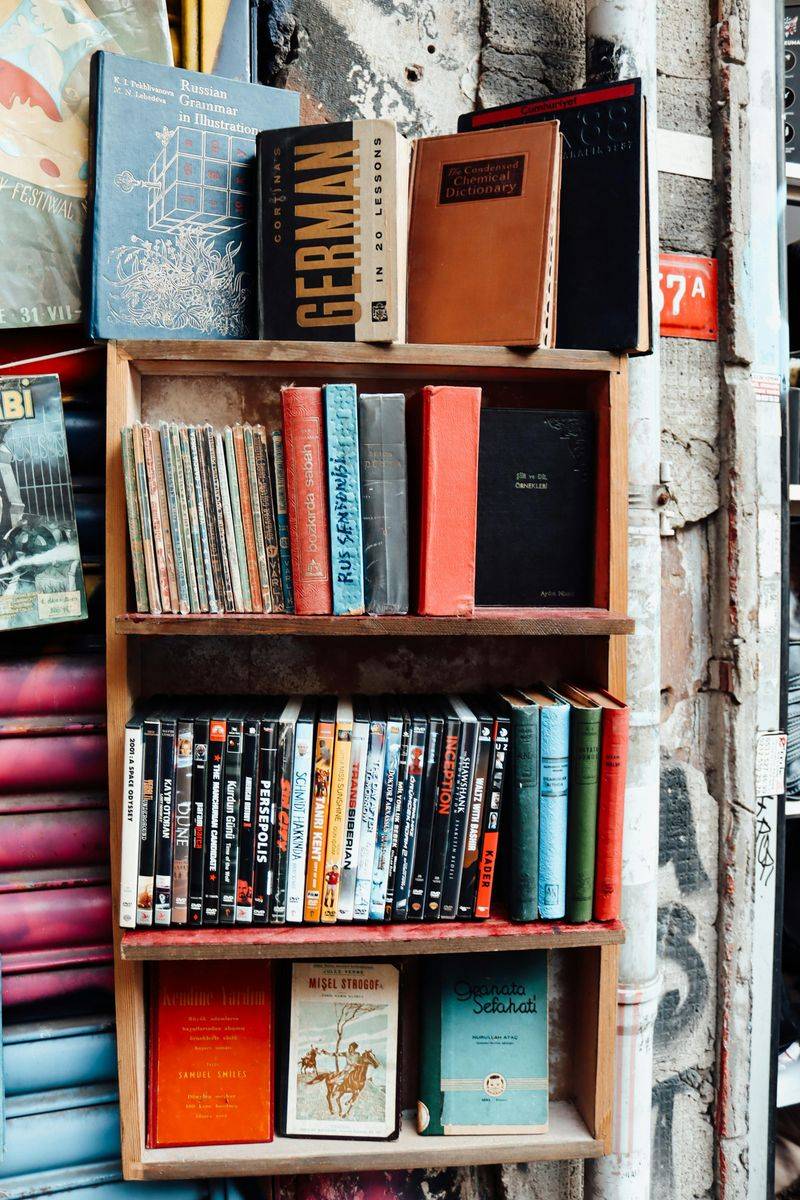
Despite streaming services, many Millennials maintain impressive collections of physical media.
DVDs, Blu-rays, books, vinyl records, and even CDs line their shelves as both entertainment sources and décor.
They value actually owning content rather than renting access, plus there’s nostalgia in browsing physical collections.
Gen Z has grown up entirely digital and sees these collections as clutter.
Why dedicate precious space to things that could live in the cloud or on streaming platforms?
Physical media feels obsolete when everything is accessible instantly on devices.
The idea of getting up to change a disc seems comically inconvenient.
Millennials argue that streaming services remove content unpredictably, while owned media stays forever.
They enjoy the ritual of selecting something physical and appreciate better quality.
Gen Z counters that convenience trumps ownership, and they’d rather have unlimited access than limited collections taking up room.
9. Labeling Food in the Fridge

Open a Millennial fridge and you’ll find everything labeled with dates, names, and contents.
Meal prep containers are neatly marked for each day of the week.
Leftovers have sticky notes indicating when they were cooked.
This organizational system prevents waste and keeps everyone in shared living situations accountable.
Gen Z thinks this level of food organization is excessive and kind of controlling.
They operate on a more casual system of remembering what’s theirs or just asking.
Writing names on food feels passive-aggressive, like you don’t trust your roommates.
The date-tracking seems unnecessarily anxious about food safety.
The labeling habit reflects Millennial tendencies toward optimization and systems.
They read articles about reducing food waste and bought into meal-prep culture.
Gen Z prefers spontaneous eating decisions and finds the rigid planning stressful rather than helpful for their lifestyle and preferences.
10. Letting Apps Send Constant Notifications
Many Millennials have phones that buzz, ding, and light up constantly throughout the day.
They allow notifications from dozens of apps, keeping them connected to everything happening in real time.
Email alerts, social media updates, news headlines, and app reminders all compete for attention simultaneously.
Gen Z aggressively manages their notification settings, turning most of them completely off.
They decide when to check apps rather than letting apps interrupt them constantly.
The idea of allowing every platform to demand attention seems chaotic and anxiety-inducing.
Silence and control matter more than instant awareness.
This represents different relationships with technology and boundaries.
Millennials adopted smartphones when constant connectivity felt exciting and important.
Gen Z grew up with devices and learned early that unlimited access to you creates stress.
They protect their attention more carefully than older generations who still feel obligated to respond immediately.
11. Decorating with Live Laugh Love Style Quotes
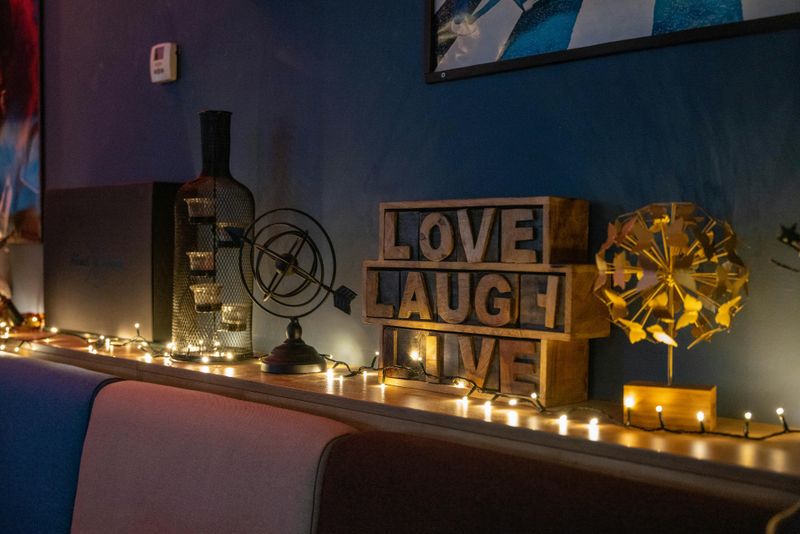
Inspirational word art dominates many Millennial homes, with phrases like “Live Laugh Love,” “Gather,” or “Blessed” displayed prominently on walls.
These decorative signs came from the farmhouse chic and Pinterest era, meant to create warm, uplifting spaces.
They represent values and set the emotional tone for rooms.
Gen Z finds this décor style incredibly dated and even mocks it online.
Word art feels cheesy and insincere, like trying too hard to prove your home is happy.
They prefer minimalist aesthetics, ironic humor, or unique art pieces over mass-produced motivational phrases.
Sincerity in décor makes them uncomfortable.
The rejection of inspirational quotes reflects Gen Z’s different communication style overall.
They express themselves through memes, sarcasm, and self-aware humor rather than earnest declarations.
Decorating with genuine sentiment feels vulnerable and uncool compared to keeping things detached, funny, or intentionally weird and unexpected.
12. Calling It a Night Early on Purpose

Many Millennials have embraced going to bed at 10 p.m. as an intentional self-care practice.
Early bedtimes aren’t about being boring or old; they’re about prioritizing sleep health, morning productivity, and overall wellness.
They track their sleep with apps and take nighttime routines seriously as part of adult responsibility.
Gen Z stays up much later and views early bedtimes as giving up on fun.
The night is when they connect with friends online, create content, or finally have time for themselves.
Going to bed at 10 feels like something parents do, not young people enjoying their freedom and youth.
This divide shows different attitudes about health trends and social life.
Millennials read about sleep hygiene and optimized recovery.
Gen Z values spontaneity and nighttime as prime social hours.
Neither is wrong, but the 10 p.m. bedtime has become a humorous symbol of Millennial aging that Gen Z can’t imagine adopting yet.