 MomSkoop

For generations, home cooks have passed down kitchen wisdom that sounds perfectly reasonable but turns out to be completely wrong.
These cooking myths have become so common that many people follow them without question, potentially wasting time or even ruining perfectly good meals. Understanding what’s actually true can make you a better, more confident cook and help you get tastier results every time you step into the kitchen.
1. Searing Meat Locks in Juices
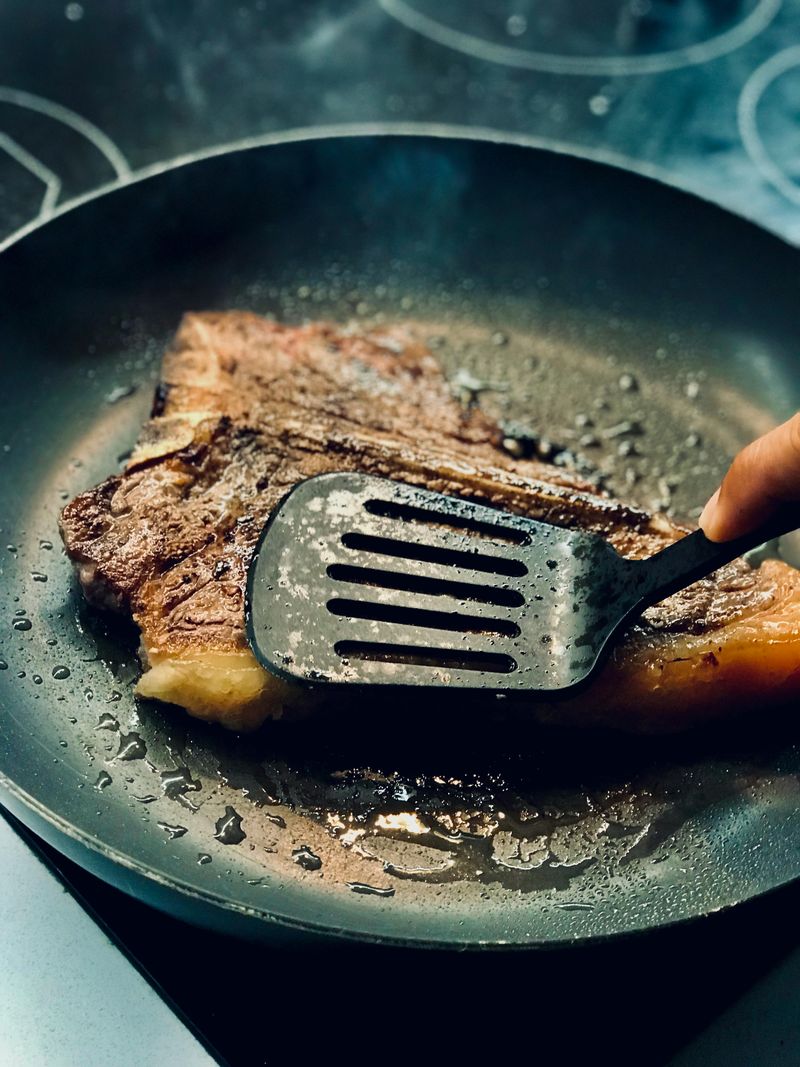
Many cooks believe that searing meat at high temperatures creates a seal that traps moisture inside.
This sounds logical, but science tells a different story entirely.
When you sear meat, you’re actually creating delicious browning through a chemical reaction called the Maillard effect, which develops incredible flavor and aroma.
Moisture still escapes through the surface no matter how well you sear it.
What searing really does is add a flavorful crust that makes your meat taste amazing.
The juiciness of cooked meat depends more on internal temperature and resting time than any imaginary seal.
Next time you cook a steak, sear it for flavor, not moisture retention.
Understanding this helps you focus on what truly matters for tender, juicy results.
2. You Should Only Flip Steak Once
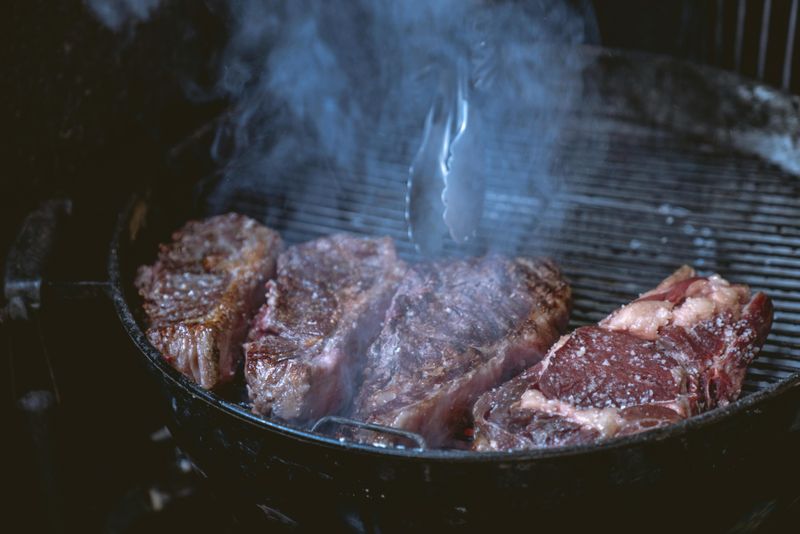
Grilling experts often insist that flipping your steak just once produces the best results.
This rule sounds professional and authoritative, making beginners afraid to touch their meat more than necessary.
However, research shows that flipping multiple times actually cooks steak more evenly throughout.
When you flip frequently, both sides spend equal time near the heat source, preventing one side from overcooking while the other stays raw.
The temperature rises more gradually and uniformly through the entire piece of meat.
This technique can even reduce total cooking time slightly.
Professional chefs in busy restaurants flip steaks constantly to manage dozens of orders simultaneously.
Feel free to flip as often as you need to check doneness and achieve perfect results.
3. Salt Makes Meat Dry
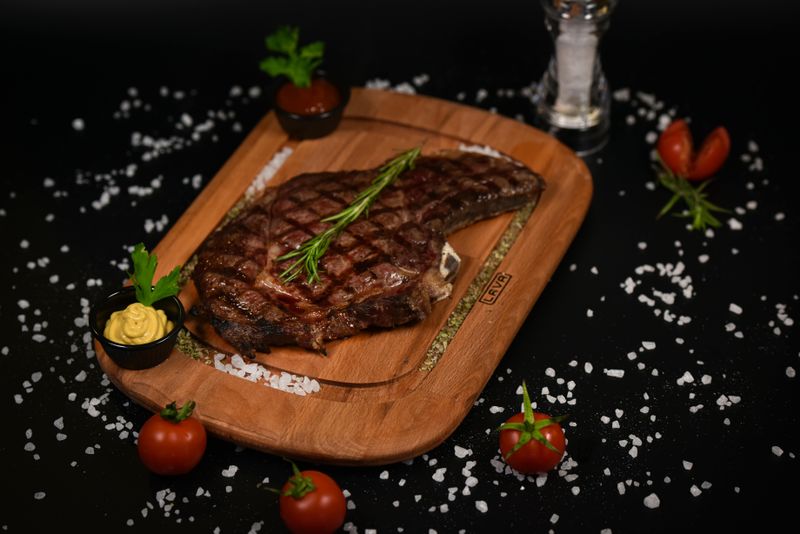
People worry that salting meat before cooking will draw out moisture and leave it dry and tough.
This concern seems reasonable since salt does pull liquid to the surface initially.
But given enough time, something magical happens that actually improves your final dish considerably.
When salt sits on meat for at least 40 minutes, the drawn-out moisture dissolves the salt and gets reabsorbed, carrying seasoning deep into the muscle fibers.
This process, called dry brining, helps meat retain more moisture during cooking while enhancing flavor throughout.
The salt also breaks down proteins slightly, making the texture more tender.
Season your meat generously and early for the best results.
Waiting until right before cooking is actually worse than salting well in advance.
4. Oil Prevents Pasta from Sticking
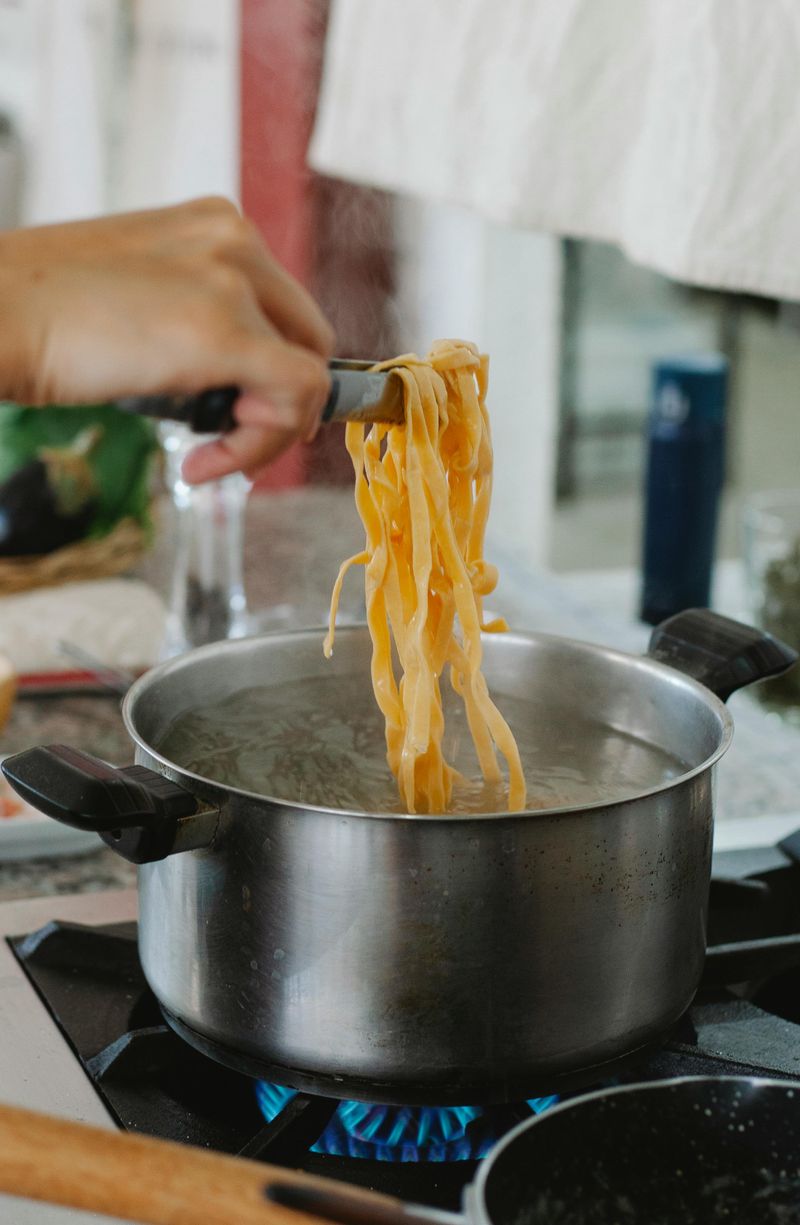
Adding oil to pasta water is one of the most common kitchen practices that does absolutely nothing useful.
Oil floats on top of water because of density differences, so it never actually coats the pasta while it cooks.
Your noodles spend their entire cooking time submerged below the oil layer.
What really prevents sticking is using plenty of water and stirring occasionally during the first few minutes of cooking.
The starch released from pasta is what causes clumping, and diluting it with sufficient water solves the problem.
Stirring separates the noodles during the crucial early stage when they’re most vulnerable.
Save your olive oil for tossing with the cooked, drained pasta instead.
That’s where it actually makes a difference you can taste.
5. You Must Rinse Mushrooms Before Cooking
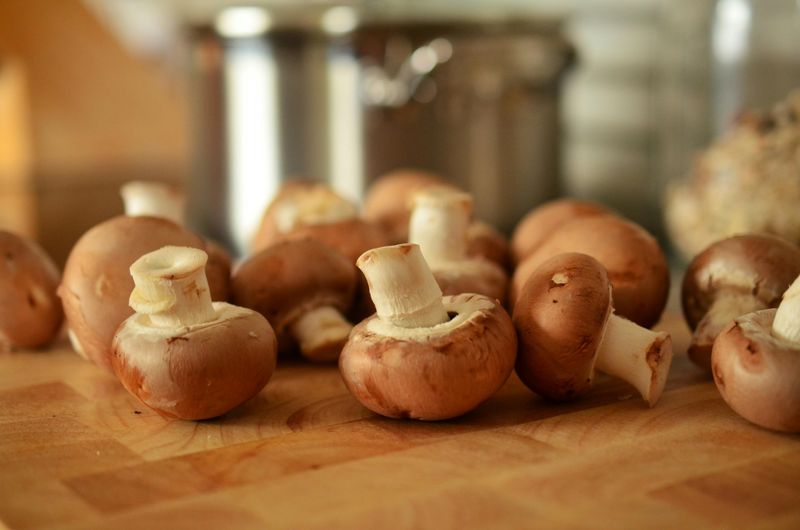
Cooks have long avoided washing mushrooms because they supposedly absorb water like sponges and become soggy.
This myth has caused people to painstakingly brush dirt off each mushroom individually, wasting valuable time.
Scientific testing has shown that mushrooms absorb very little water even when fully submerged.
Their dense cellular structure prevents significant water absorption during a quick rinse.
If you’re worried about excess moisture, simply pat them dry with a towel afterward.
The time you save by rinsing instead of brushing makes meal preparation much faster and easier.
Dirty mushrooms can carry grit that ruins the texture of your finished dish.
A quick rinse under cold water removes debris effectively without compromising quality, so don’t hesitate to wash them properly before cooking.
6. Fresh Is Always Better Than Frozen
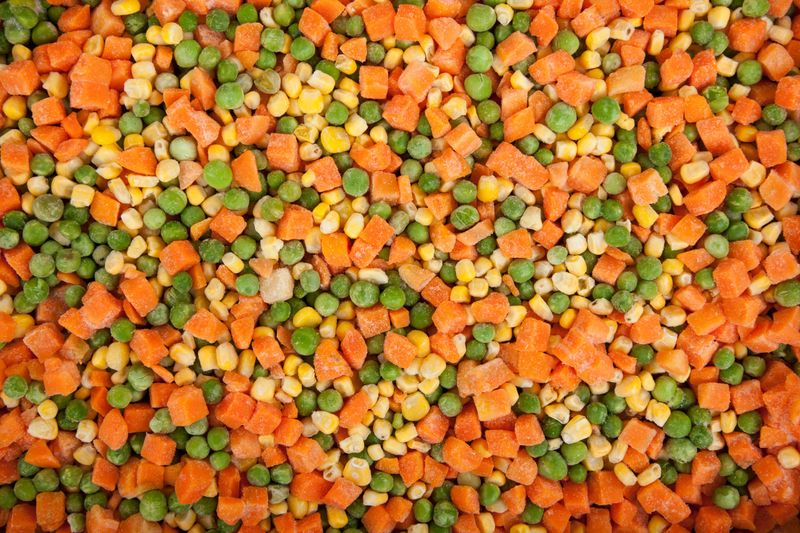
The assumption that fresh produce is automatically more nutritious than frozen versions is deeply ingrained in our food culture.
Reality is more complicated and often surprising.
Frozen fruits and vegetables are typically picked at peak ripeness when their nutrient content is highest, then flash-frozen within hours to preserve quality.
Fresh produce, meanwhile, may travel for days or weeks before reaching your kitchen, losing vitamins during transportation and storage.
Studies show that frozen options often contain equal or even higher levels of certain nutrients compared to their fresh counterparts.
The convenience and longer shelf life also reduce food waste significantly.
Choose frozen produce without guilt, especially for out-of-season items.
Your body gets the same nutritional benefits while your wallet and schedule thank you for the practical choice.
7. Alcohol Fully Cooks Out of Food
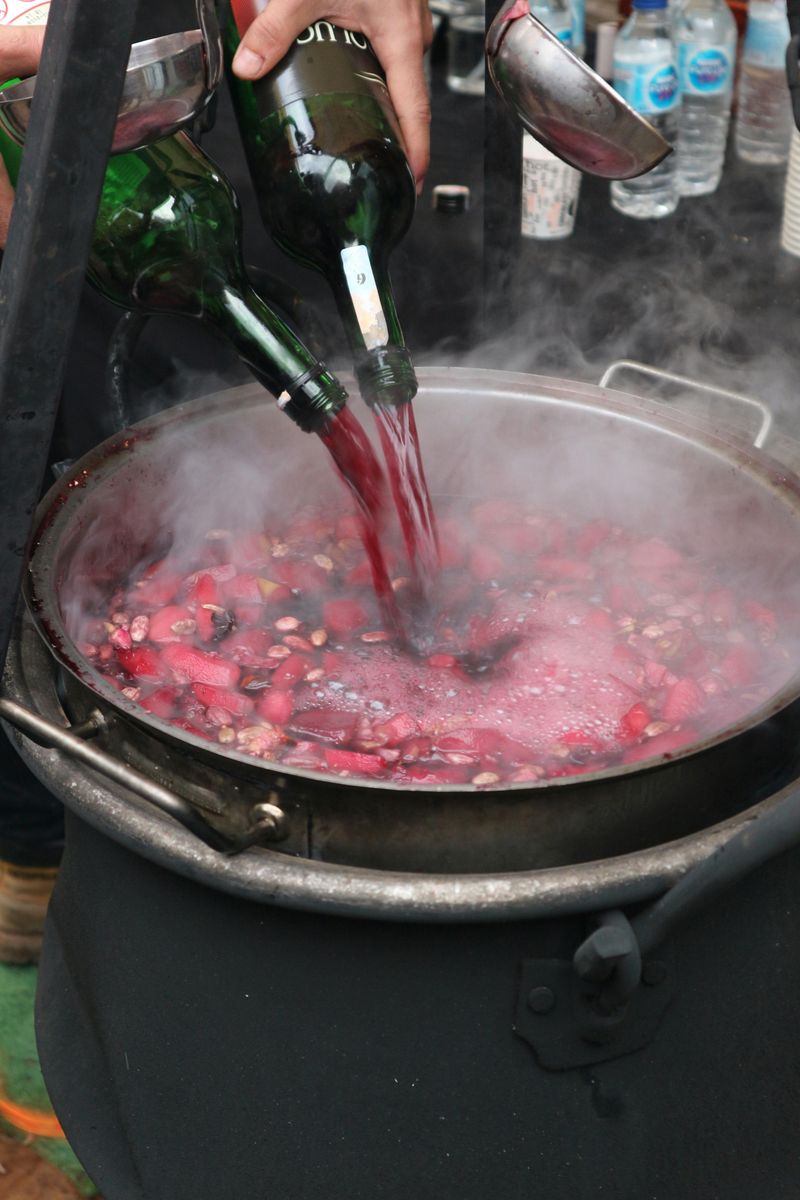
Many believe that cooking with wine or spirits leaves behind only flavor while the alcohol completely evaporates.
Parents serve these dishes to children thinking they’re alcohol-free.
Unfortunately, research demonstrates that significant amounts of alcohol remain even after extended cooking times.
A dish simmered for 30 minutes retains about 35 percent of its original alcohol content, while even two and a half hours of cooking leaves roughly 5 percent behind.
The alcohol content decreases over time but never disappears entirely.
Quick cooking methods like flambéing retain even more, sometimes up to 75 percent.
If serving children or people avoiding alcohol, skip the wine entirely or use alcohol-free substitutes.
The flavor difference is minimal, but the peace of mind is substantial when you know exactly what you’re serving.
8. You Should Never Wash Chicken
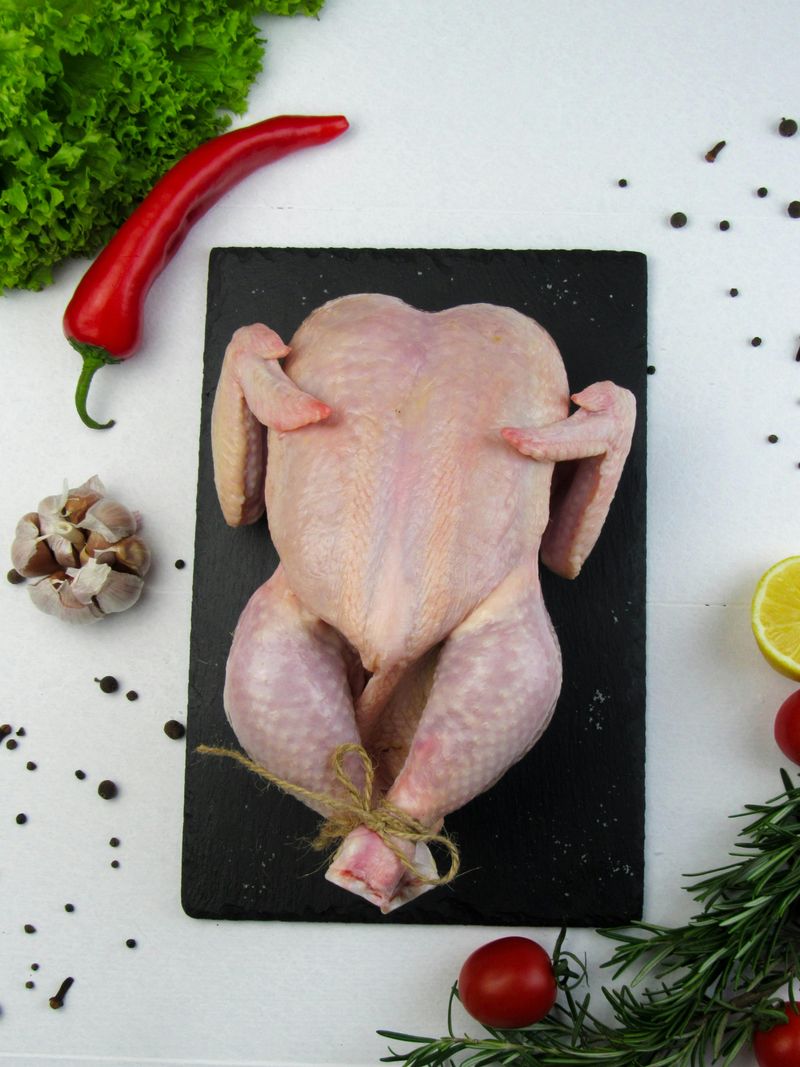
This statement correctly identifies washing chicken as problematic, though many home cooks still do it out of habit.
Rinsing raw poultry under running water sends bacteria-laden droplets splashing across your sink, countertops, and anything nearby.
These contaminated water droplets can spread harmful pathogens like salmonella throughout your kitchen.
Cooking chicken to the proper internal temperature of 165 degrees Fahrenheit kills bacteria effectively without any washing required.
The heat does the sanitizing work that water cannot accomplish.
Washing creates more problems than it solves by spreading contamination to surfaces that won’t be heated.
Pat chicken dry with paper towels if needed, then immediately wash your hands thoroughly.
Clean any surfaces the raw meat touched with hot, soapy water to maintain a safe cooking environment for everyone.
9. High Heat Is Always Best for Steak
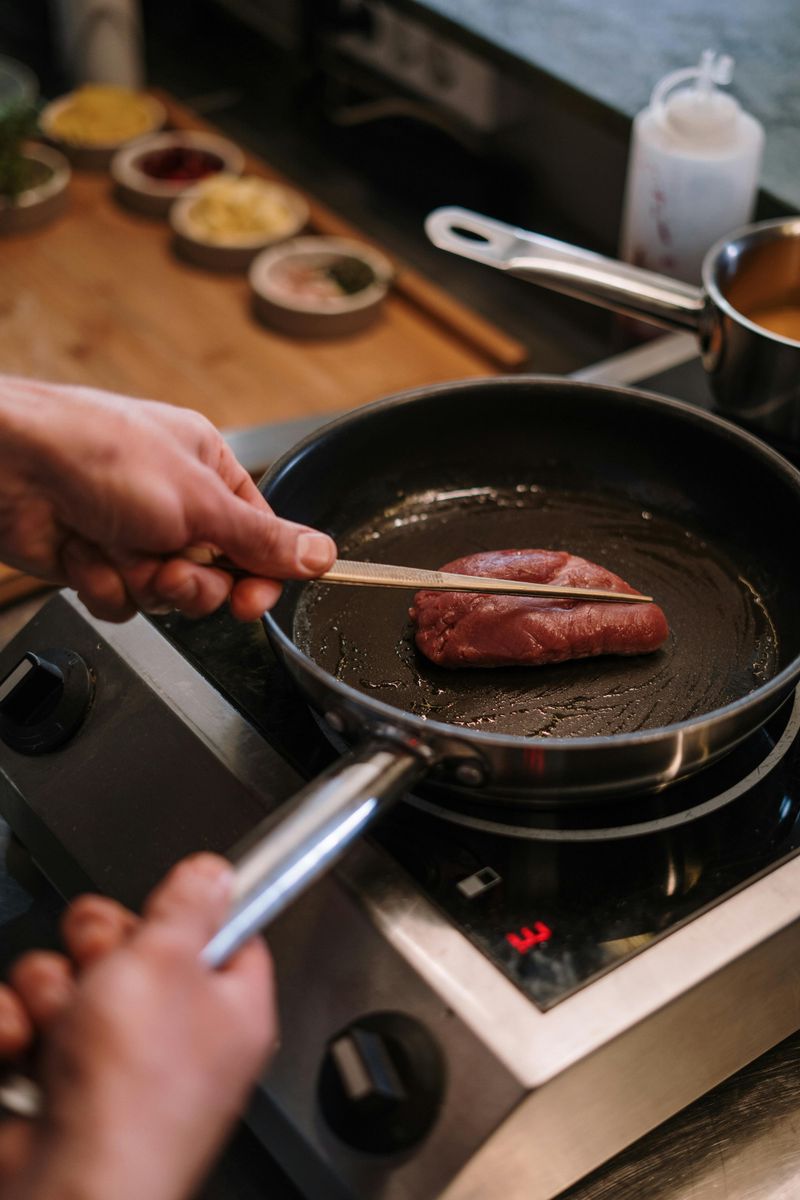
Blasting your steak with maximum heat from start to finish seems like the fast track to a perfect crust.
While high heat excels at creating that initial sear, keeping the temperature cranked up throughout cooking often leads to disappointing results.
The outside burns before the inside reaches your desired doneness.
Professional techniques like reverse searing start with low heat to gently raise internal temperature, then finish with high heat for the crust.
This approach gives you much better control over the final result.
Another method sears first at high heat, then moves the steak to a cooler zone to finish cooking gradually.
Experiment with temperature control to discover which method works best for your equipment and preferences.
The goal is a beautifully browned exterior with a perfectly cooked interior throughout.
10. Brown Eggs Are Healthier Than White Eggs
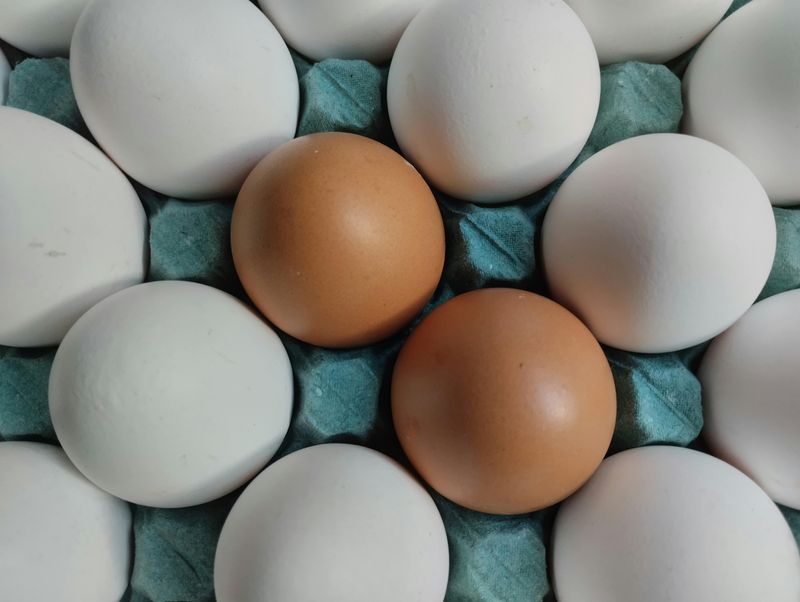
Walk through any grocery store and you’ll notice brown eggs typically cost more than white ones, suggesting they’re somehow superior.
This pricing trick makes people assume brown shells indicate better nutrition or more natural farming practices.
The truth is wonderfully simple: shell color depends entirely on the breed of chicken that laid the egg.
Hens with white feathers and white earlobes lay white eggs, while breeds with red feathers and red earlobes produce brown eggs.
The nutritional content inside remains virtually identical regardless of shell color.
What actually affects nutrition is the chicken’s diet and living conditions, not its genetics for shell pigmentation.
Buy eggs based on farming practices you support or price that fits your budget.
Shell color is purely cosmetic and tells you nothing about what’s inside the egg itself.
11. Microwaves Destroy Nutrients
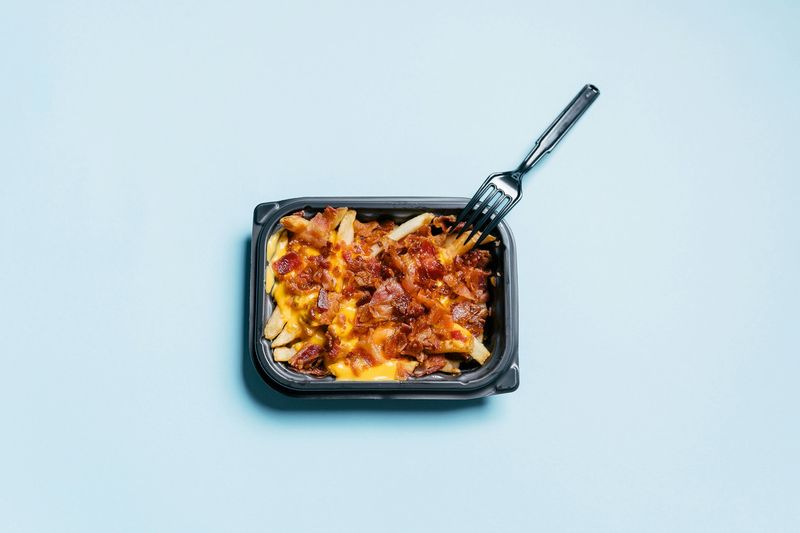
Fear of microwave radiation has convinced many people that this convenient appliance zaps the nutrition right out of food.
This worry stems from misunderstanding how microwaves actually work.
They heat food by causing water molecules to vibrate rapidly, generating heat from within the food itself rather than applying external heat.
All cooking methods cause some nutrient loss, primarily heat-sensitive vitamins like vitamin C and some B vitamins.
Microwaving often preserves nutrients better than other methods because cooking time is shorter and less water is used.
Boiling vegetables in lots of water leaches nutrients into the cooking liquid that usually gets discarded.
Use your microwave confidently for reheating and cooking appropriate foods.
The speed and convenience actually help maintain nutritional value compared to longer, more traditional cooking methods that expose food to heat for extended periods.
12. You Must Let Bread Dough Rise Exactly Twice
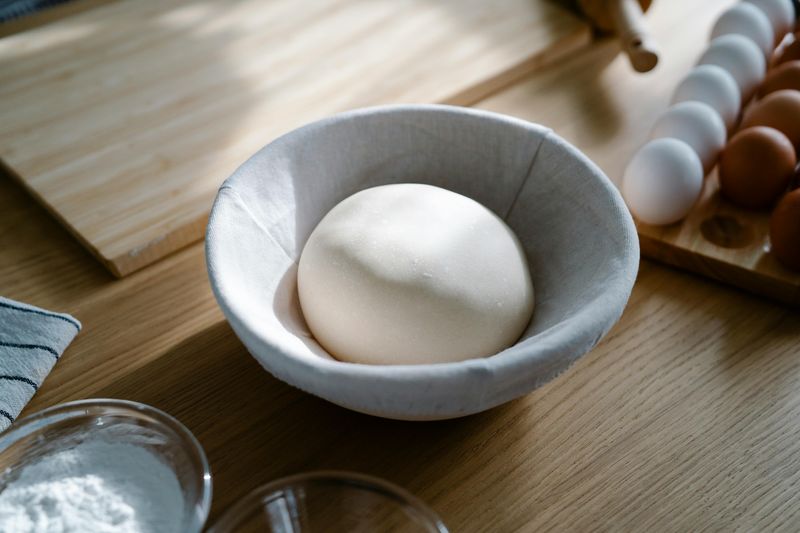
Bread recipes commonly instruct you to let dough rise twice, making this seem like an unbreakable rule.
Bakers worry that deviating from this instruction will result in failure.
However, dough readiness depends on yeast activity, temperature, and time rather than a specific number of rises.
Some recipes benefit from three rises for improved flavor and texture, while others work perfectly with just one.
Professional bakers assess dough by appearance and feel, watching for proper volume increase and structural development.
Cold environments slow yeast activity, requiring longer rise times, while warm kitchens speed everything up considerably.
Learn to recognize when your dough has doubled in size and developed the right texture.
The number of rises matters less than understanding what properly developed dough looks and feels like at each stage of the process.
13. Spicy Food Causes Stomach Ulcers
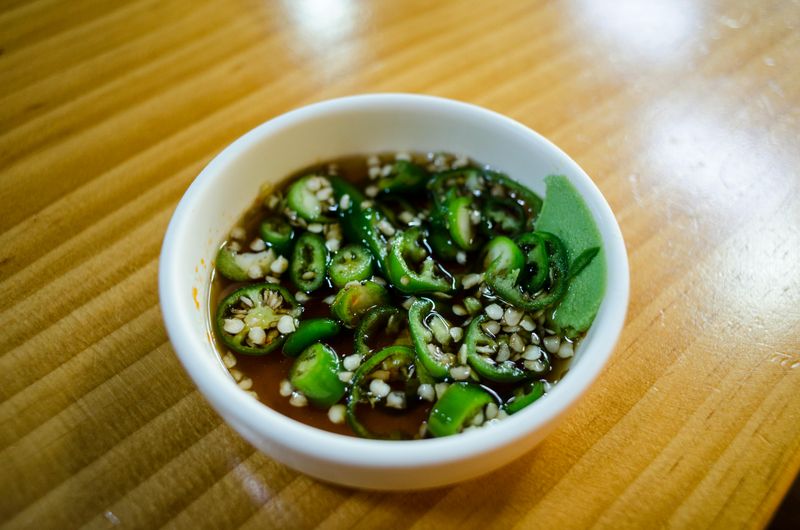
For decades, doctors advised ulcer patients to avoid spicy foods, believing peppers and hot sauce directly damaged stomach lining.
This misconception caused people to unnecessarily eliminate delicious foods from their diets.
Modern medical research has completely overturned this outdated advice with solid scientific evidence.
Stomach ulcers are actually caused by Helicobacter pylori bacteria or long-term use of certain pain medications like ibuprofen and aspirin.
Spicy foods don’t create ulcers, though they might temporarily irritate existing ones in some people.
Capsaicin, the compound that makes peppers hot, may even have protective effects on stomach lining according to recent studies.
Enjoy your favorite spicy dishes without worry if your stomach tolerates them well.
If you have an existing ulcer, work with your doctor on proper treatment rather than blaming the hot sauce you love.