 MomSkoop
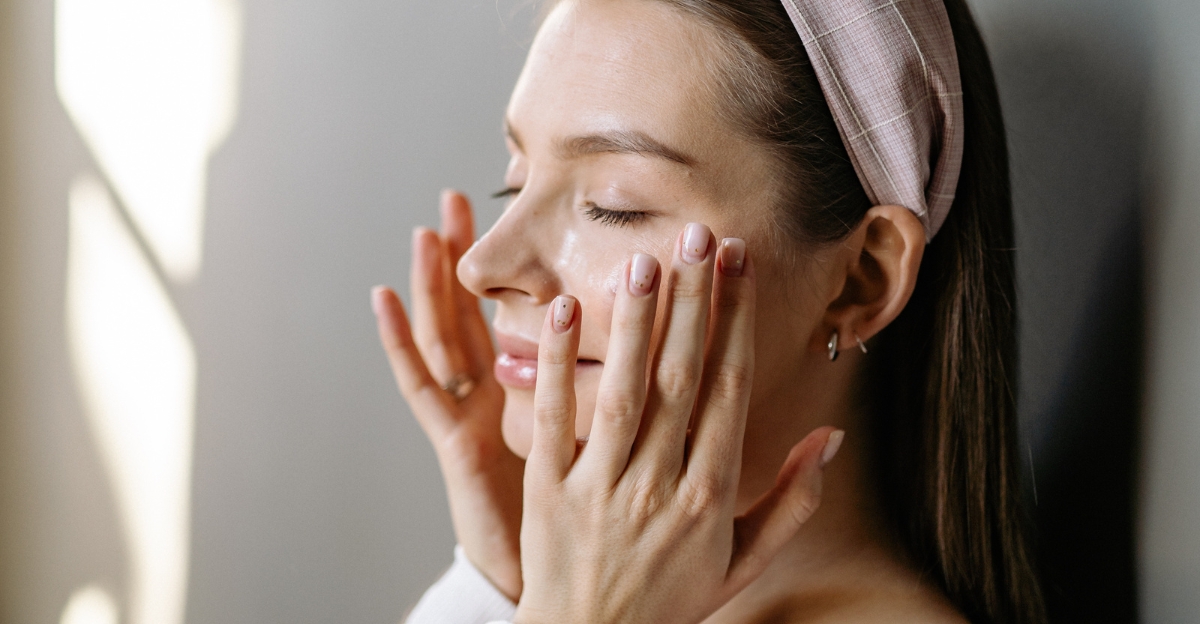
Getting clear skin doesn’t have to mean buying expensive products or following complicated routines.
Small, simple changes in your daily habits can make a real difference in how your skin looks and feels.
Whether you struggle with breakouts, dryness, or just want that healthy glow, these easy habits can help you get there without stress or confusion.
1. Cleanse Gently, Not Aggressively
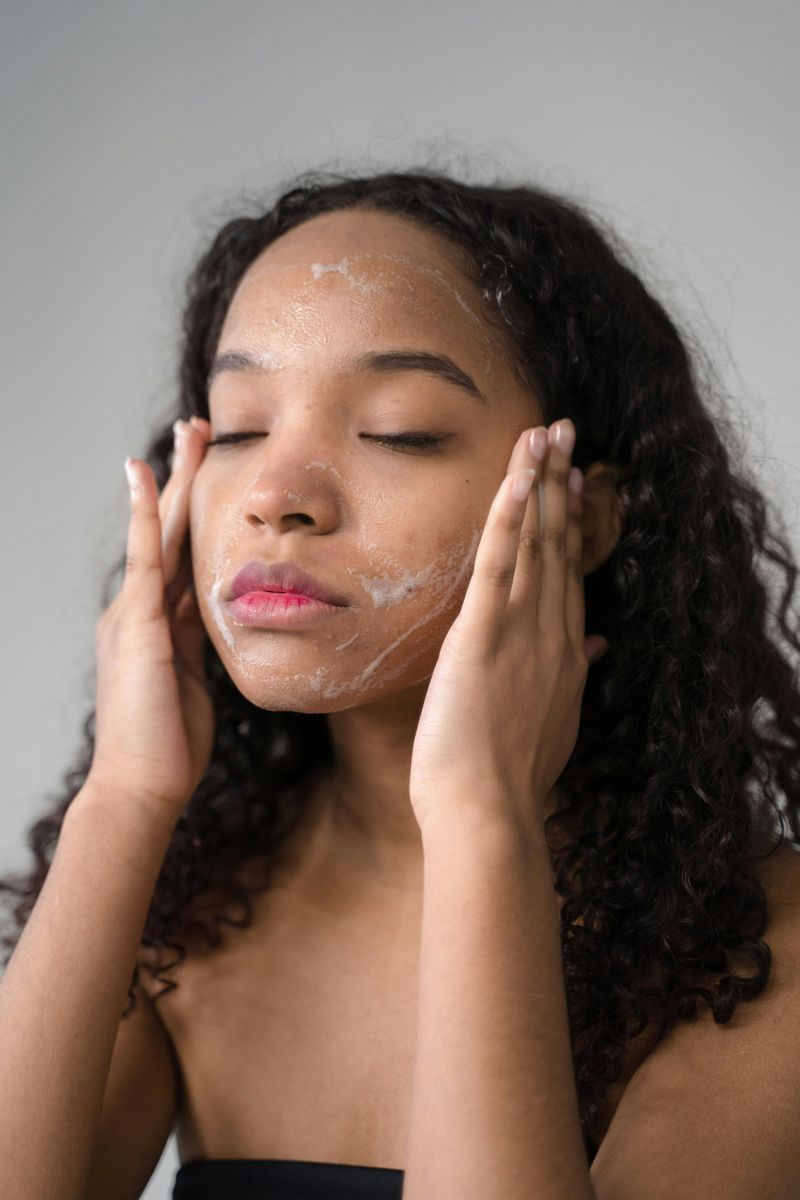
Your skin doesn’t need harsh scrubbing to get clean.
In fact, aggressive washing can strip away natural oils and cause irritation, redness, and even more breakouts.
Using a mild cleanser twice a day removes dirt and oil without damaging your skin’s protective barrier.
Choose a cleanser labeled gentle or for sensitive skin.
Use lukewarm water and your fingertips to massage it in soft circles for about 30 seconds.
Pat your face dry with a clean towel instead of rubbing.
This simple switch helps your skin stay balanced and calm.
Over time, you’ll notice fewer irritations and a smoother texture that looks naturally healthy.
2. Wear Sunscreen Every Single Day
UV damage is the biggest cause of dullness, dark spots, and early aging.
Even on cloudy days, harmful rays can reach your skin and cause long-term damage.
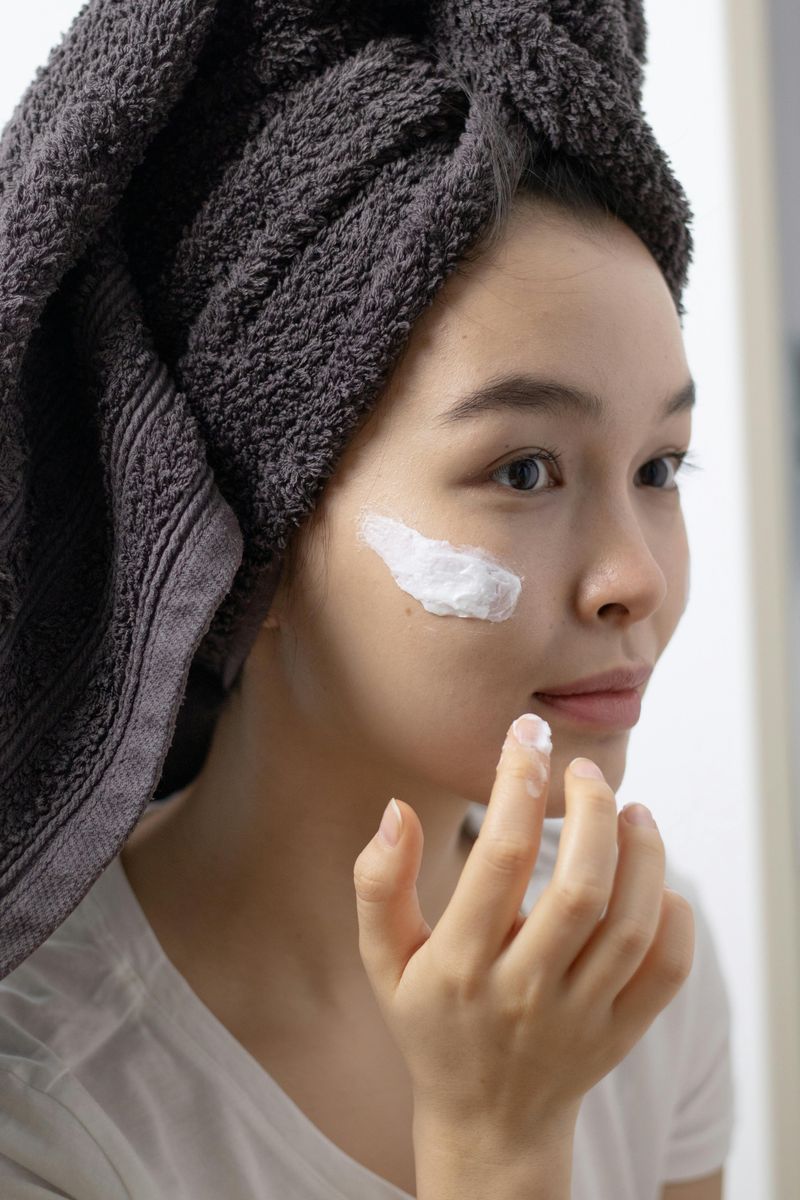
Wearing sunscreen with SPF 30 or higher protects your skin and keeps it looking bright and even.
Apply sunscreen every morning as the last step in your routine.
Don’t forget your neck and ears.
Reapply every two hours if you’re outside for a long time.
Think of sunscreen as your skin’s daily shield.
It prevents damage you can’t see right away but will thank you for years down the road.
3. Moisturize Even If Your Skin Is Oily
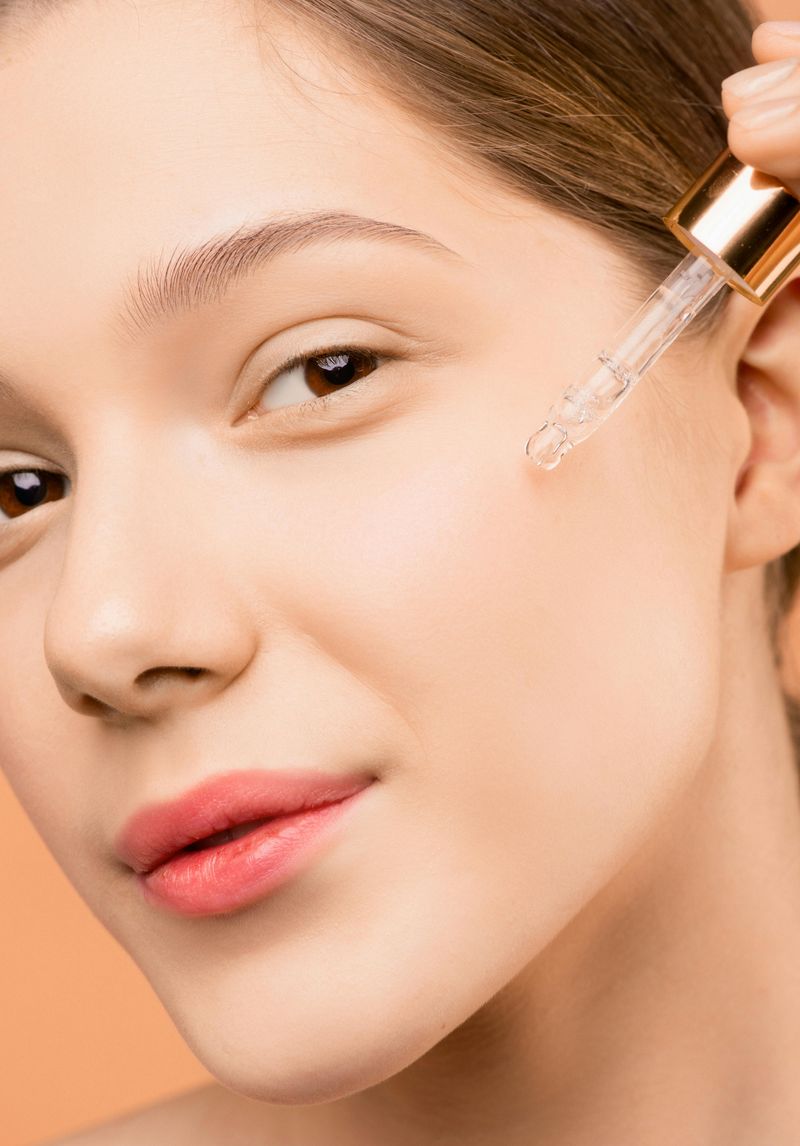
Many people with oily skin skip moisturizer, thinking it will make them greasier.
Actually, skipping it can make your skin produce even more oil to compensate for dryness.
Hydrated skin looks smoother, feels softer, and produces less irritation overall.
Pick a lightweight, oil-free moisturizer labeled non-comedogenic, which means it won’t clog pores.
Use it morning and night after cleansing.
Your skin needs hydration no matter your type.
When it’s properly moisturized, it stays balanced and healthy instead of overproducing oil or flaking in dry patches.
4. Don’t Sleep in Makeup or Sunscreen
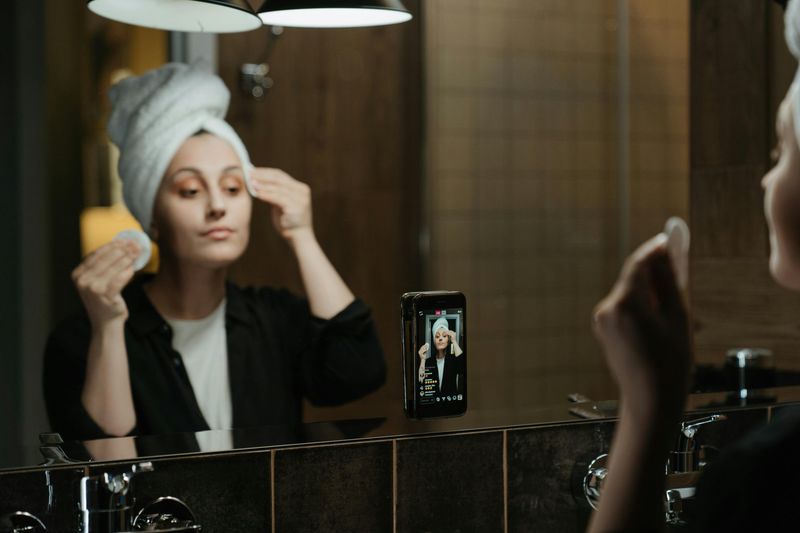
Leaving makeup or sunscreen on overnight traps dirt, oil, and bacteria against your skin.
This clogs pores and increases the chance of breakouts, blackheads, and dullness.
Your skin repairs itself while you sleep, and it can’t do that properly under layers of product.
Always cleanse before bed, even if you’re tired.
Keep makeup remover wipes by your bed for those really exhausted nights.
Clean skin at night means you wake up with a fresher, clearer complexion.
It’s one of the easiest ways to prevent acne and keep your skin looking its best.
5. Use One Active Ingredient at a Time
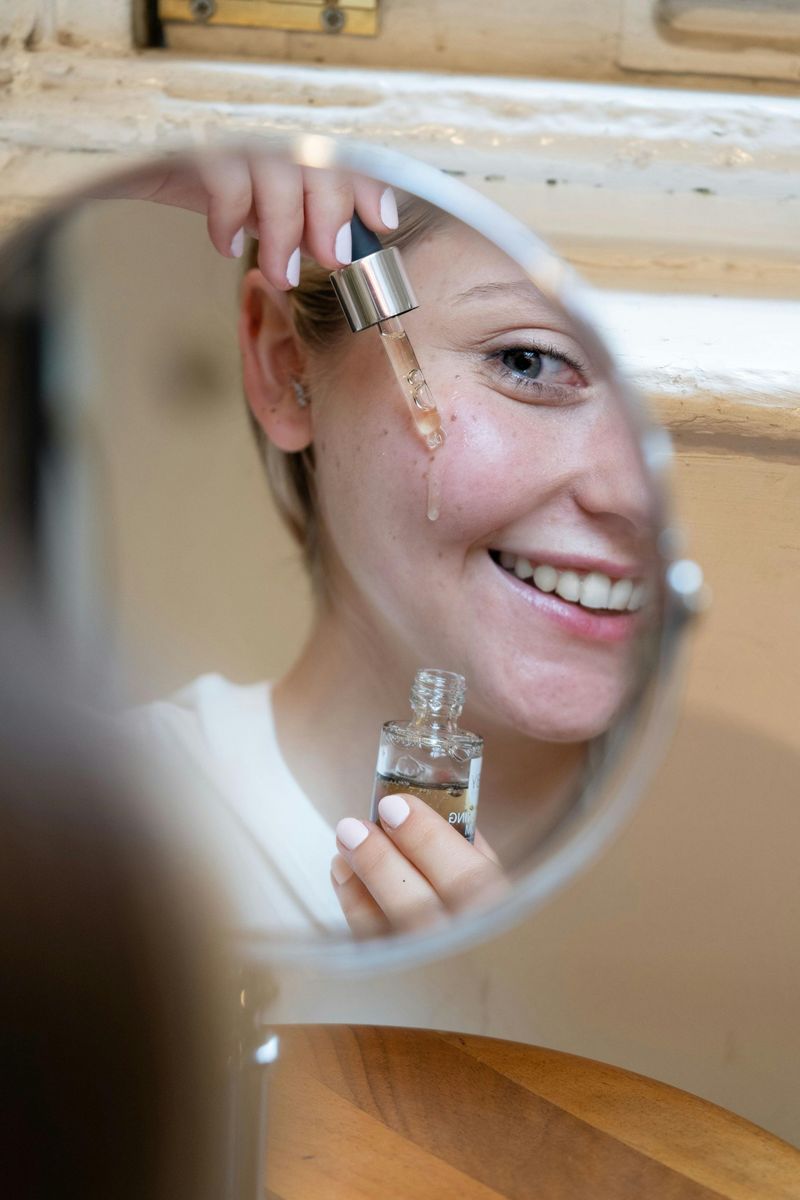
It’s tempting to layer lots of powerful ingredients like acids, retinoids, and vitamin C all at once.
But over-layering can damage your skin barrier, causing redness, peeling, and sensitivity.
Your skin needs time to adjust to each active ingredient before adding another.
Start with one product and use it for several weeks.
Once your skin tolerates it well, you can slowly introduce another if needed.
Patience pays off.
Using fewer products correctly works better than piling on too many and overwhelming your skin with irritation.
6. Exfoliate Lightly, Not Daily
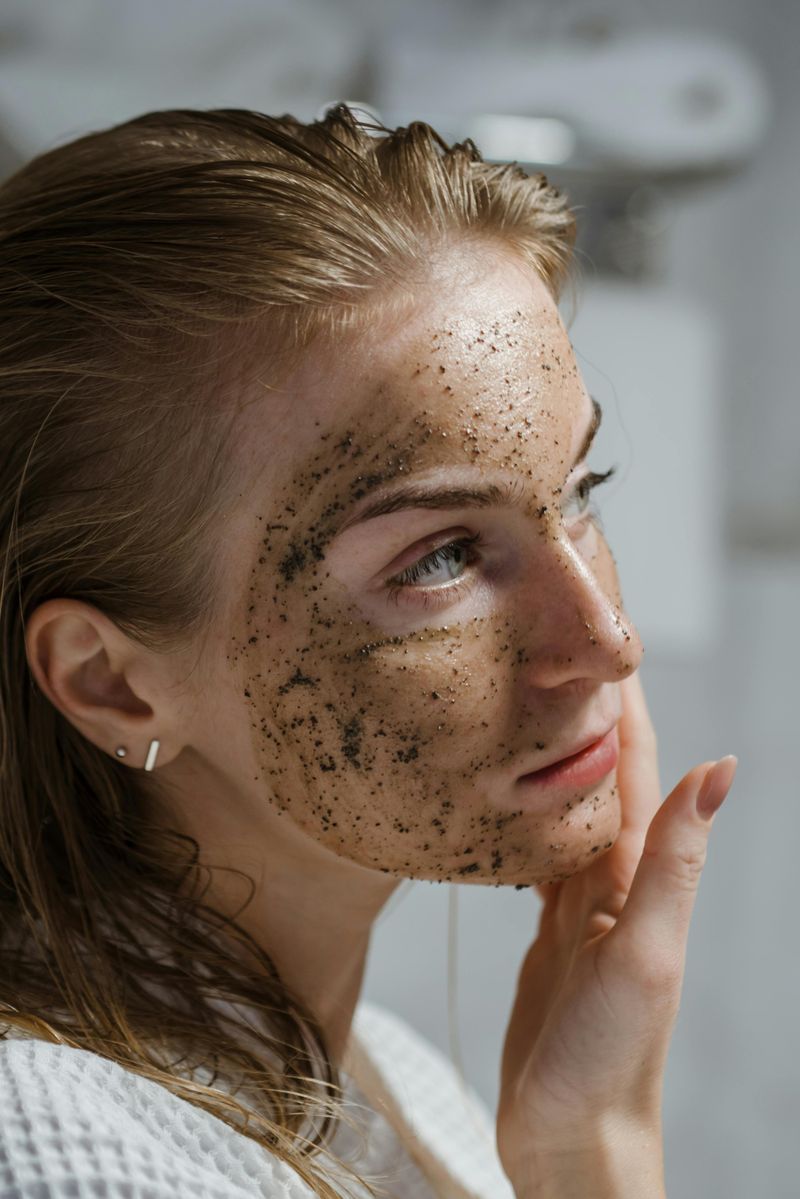
Exfoliation removes dead skin cells and brightens your complexion, but doing it every day can strip your skin and cause irritation.
Most people only need to exfoliate one to three times per week for healthy, glowing skin.
Choose a gentle chemical exfoliant or a mild scrub.
Use it sparingly and always follow up with moisturizer to keep your skin balanced.
Less is more when it comes to exfoliation.
Overdoing it can damage your skin barrier and make problems worse, so stick to a gentle schedule that works for your skin type.
7. Prioritize a Healthy Skin Barrier

Your skin barrier is like a protective wall that keeps moisture in and irritants out.
If your skin stings, flakes, or feels tight, your barrier is damaged.
Focus on hydration and repair first before adding any strong treatments or actives.
Use simple, fragrance-free products with ingredients like ceramides and hyaluronic acid.
Avoid harsh scrubs and hot water.
A strong barrier means resilient, calm skin that can handle treatments better.
When you repair it first, everything else works more effectively and your skin stays comfortable and clear.
8. Stop Touching or Picking at Your Face

Every time you touch your face, you transfer bacteria, dirt, and oil from your hands to your skin.
Picking at pimples or blemishes spreads bacteria, increases inflammation, and can cause scarring that lasts for months or even years.
Keep your hands busy with a fidget toy or stress ball.
If you have a pimple, resist the urge and let it heal naturally or use a spot treatment.
Breaking this habit takes practice, but it’s worth it.
Your skin will heal faster and look clearer when you leave it alone.
9. Change Pillowcases Regularly

Your pillowcase collects oil, sweat, product buildup, and dead skin cells every night.
Sleeping on the same one for too long can transfer all that gunk back onto your face, worsening acne and irritation.
Aim to change your pillowcase at least once a week.
If you have very oily skin or frequent breakouts, switch it every few nights.
This simple laundry habit can make a surprising difference.
Fresh pillowcases mean cleaner skin and fewer chances for bacteria to cause problems while you sleep.
10. Stay Consistent for Weeks, Not Days
Most skincare results take six to twelve weeks to show up, not overnight.
Your skin needs time to adjust to new products and complete its natural renewal cycle.
Switching products too often or giving up too soon means you never give anything a real chance to work.
Stick with a simple routine for at least two months before deciding if it’s helping.
Take photos to track progress since changes happen gradually.
Patience and consistency beat constantly trying new things.
Trust the process and your skin will reward you with lasting improvements.
11. Hydrate and Eat Skin-Supportive Foods

What you eat and drink affects your skin just as much as what you put on it.
Protein, healthy fats, fruits, and vegetables provide vitamins and nutrients that support skin repair and glow.
Drinking enough water keeps your skin hydrated from the inside out.
Skip trendy detoxes and focus on balanced meals.
Add foods like salmon, avocados, berries, and leafy greens to your diet.
Good nutrition shows up on your face.
When you fuel your body right, your skin looks brighter, clearer, and healthier without needing a ton of extra products.
12. Get Enough Sleep and Manage Stress

Stress hormones like cortisol can trigger breakouts, dullness, and inflammation.
When you don’t get enough sleep, your body doesn’t have time to repair skin damage or regulate oil production.
Both stress and poor sleep show up on your face fast.
Aim for seven to nine hours of sleep each night.
Try relaxation techniques like deep breathing or journaling to manage stress.
Rest and calm matter more than you think.
When your mind and body are balanced, your skin naturally looks fresher, clearer, and more radiant.
13. See a Dermatologist for Persistent Issues
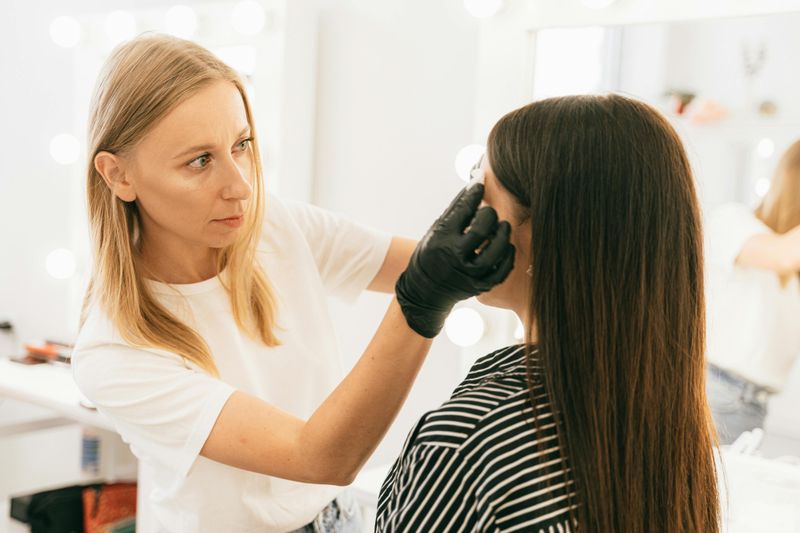
Some skin issues need targeted treatment, not more products.
If you have persistent acne, severe irritation, or conditions like eczema or rosacea, a dermatologist can diagnose the problem and prescribe the right solution.
Over-the-counter products can only do so much.
Don’t wait months struggling with the same problems.
A professional can save you time, money, and frustration with a personalized treatment plan.
There’s no shame in asking for help.
Dermatologists are trained to handle tough skin challenges that daily habits alone can’t fix.