 MomSkoop

What counts as success is changing fast. Older generations often chase symbols that once meant you’d made it—fancy cars, corner offices, designer labels.
But Gen Z sees things differently. They’re rejecting the pressure to look successful in favor of actually feeling good about their choices. From work culture to what they wear, younger people are rewriting the rules about what really matters.
1. Luxury Cars as Identity

Dropping serious cash on a BMW or Mercedes used to scream success.
But Gen Z isn’t impressed by car payments that eat half your paycheck.
They’d rather use rideshares, bikes, or reliable used cars that don’t drain their bank accounts.
The real issue?
Luxury cars often come with hidden costs—insurance, premium gas, pricey repairs.
Older generations see these vehicles as proof you’ve arrived.
Younger folks see debt on wheels.
Gen Z values experiences and financial freedom over parking lot flexes.
They’d choose traveling, saving, or investing over being car-poor.
Sustainability matters too—big gas guzzlers feel outdated when climate change is personal.
Practicality wins over prestige every time.
2. Big Job Titles

Being named Vice President sounds impressive at family dinners.
But what’s the point if you’re miserable, overworked, and stuck in endless meetings?
Gen Z cares way more about what their day actually looks like than what’s printed on business cards.
They want flexibility—working remotely, setting their own hours, choosing projects that matter.
A fancy title means nothing if the job crushes your soul.
Autonomy and purpose beat corporate hierarchy.
Older workers climbed ladders for titles and bragging rights.
Younger ones ask harder questions: Does this align with my values?
Can I live the life I want?
Impressive-sounding roles without real fulfillment feel empty and outdated.
3. Homeownership at Any Cost

Buying a house was the ultimate American Dream for decades.
But Gen Z watched their parents struggle through foreclosures and economic crashes.
Now they’re questioning whether owning property is worth the sacrifice.
Being house-poor—owning a home but having no money left for anything else—doesn’t sound like winning.
Add in maintenance costs, property taxes, and being stuck in one location, and homeownership loses its shine.
Younger people value mobility and experiences.
They’d rather rent affordably and save money for travel, hobbies, or building businesses.
Real estate as a status symbol?
That pressure feels outdated when flexibility and financial breathing room matter more than keeping up appearances.
4. Designer Logos

Giant logos plastered across clothing used to signal wealth and taste.
Now?
Gen Z thinks loud branding looks desperate and try-hard.
They’ve embraced thrifting, vintage finds, and understated style that doesn’t scream for attention.
The resale market is booming because younger shoppers care more about unique pieces than brand names.
They’d rather build a personal style than wear walking advertisements.
Sustainability plays a role too—fast fashion and luxury waste feel irresponsible.
Millennials and Boomers still drop thousands on recognizable designer pieces.
But Gen Z finds more cultural capital in creativity, individuality, and smart shopping.
Looking good without going broke or harming the planet?
That’s the real flex now.
5. Working Long Hours

Bragging about 80-hour work weeks used to earn respect.
Hustle culture made burnout seem noble—like suffering proved your dedication.
Gen Z sees this completely differently.
They think working yourself to exhaustion is just bad life management.
Mental health matters more than impressing bosses with endless availability.
Younger workers set boundaries, log off on time, and refuse to glorify being perpetually exhausted.
Balance isn’t lazy; it’s smart.
Older generations wore exhaustion like a badge of honor.
Gen Z wears their out-of-office replies proudly instead.
They’ve watched burnout destroy health, relationships, and happiness.
Why sacrifice everything for a job that would replace you instantly?
Living well beats looking busy every single time.
6. Traditional Career Ladders

Spending 30 years at one company, slowly climbing to the top, used to be the goal.
Gold watches at retirement parties symbolized loyalty and success.
Gen Z finds this path boring, risky, and financially limiting.
Why put all your eggs in one corporate basket when layoffs happen constantly?
Younger workers prefer portfolio careers—freelancing, side hustles, multiple income streams.
They value variety, learning different skills, and controlling their own earning potential.
Traditional ladders feel like traps now.
One company can’t guarantee security or growth anymore.
Gen Z would rather build diverse experience and options than hope one employer rewards decades of loyalty.
Flexibility and entrepreneurial thinking win over corporate devotion.
7. Formal Education Prestige Alone

Having a degree from Harvard or Yale used to open every door.
But Gen Z questions whether crushing student debt for a prestigious name is worth it.
They’ve seen talented people succeed through online learning, bootcamps, and self-teaching.
Skills and real-world results matter more than where you went to school.
The creator economy proves you can build careers without traditional credentials.
Adaptability, hustle, and actual abilities outweigh fancy diplomas.
Older generations still drop Ivy League names at parties.
Younger people care more about what you can actually do.
With education costs skyrocketing and alternative paths thriving, formal prestige alone doesn’t guarantee success.
Practical skills and outcomes beat expensive pedigree.
8. Corner Offices and Corporate Perks

Corner offices with city views once represented peak achievement.
Add company cars, executive dining rooms, and reserved parking—these perks supposedly proved you’d made it.
Gen Z would rather work from anywhere than commute to a fancy office.
Remote work, flexible schedules, and mental health support matter infinitely more than physical workspace status.
Who cares about a nice desk if you’re stuck there 60 hours weekly?
The pandemic proved most office perks are unnecessary.
Younger workers prioritize freedom, autonomy, and work-life integration over impressive-looking corporate benefits.
They’d choose working from a coffee shop in pajamas over a mahogany desk any day.
Location independence beats corner office views.
9. Keeping Up Appearances of Success
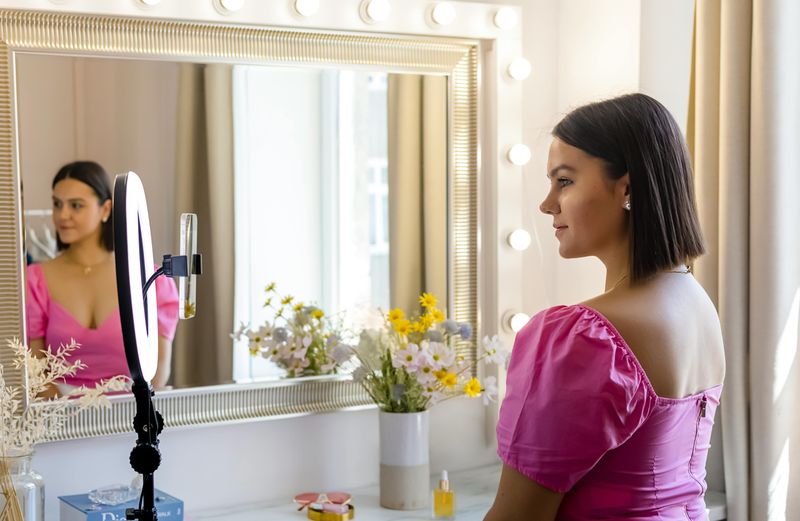
Big weddings, luxury vacations posted on Instagram, designer everything—older generations invest heavily in looking successful.
They measure worth by what others see.
Gen Z finds this exhausting and fake.
Social comparison culture creates anxiety and debt.
Spending money you don’t have to impress people you don’t like makes no sense.
Younger people value authenticity over appearances.
They’d rather be genuinely happy than look successful.
Freedom matters more than perception.
Gen Z would choose financial security, meaningful relationships, and personal fulfillment over performative success.
They’re rejecting the pressure to maintain expensive lifestyles for social approval.
Being real beats looking perfect every single time.