 MomSkoop
Your body makes collagen every single day, but it needs the right building blocks to do the job well.
This protein keeps your skin firm, your joints flexible, and your bones strong.
The good news is that you can support your natural collagen production simply by choosing the right foods at mealtime.
1. Bone Broth

Simmering animal bones and connective tissue for hours creates a liquid gold mine of collagen amino acids.
When you drink bone broth, you’re getting the exact building blocks your body uses to make its own collagen.
The long cooking time breaks down the collagen in bones into gelatin, which your digestive system can easily absorb.
Making bone broth at home is surprisingly simple.
Throw chicken, beef, or fish bones into a pot with water, add some vegetables and vinegar, then let it simmer for 12 to 24 hours.
The vinegar helps pull minerals and collagen from the bones.
You’ll know it’s ready when it forms a jiggly gel in the fridge.
2. Fish with Skin

Leaving the skin on your salmon or other fish gives you access to marine collagen and important amino acids.
Fish skin contains type I collagen, which is the same kind found in human skin, making it especially useful for your body.
Plus, when you crisp up that skin in a pan, it becomes deliciously crunchy and flavorful.
Marine collagen is known for being easier to absorb than collagen from land animals.
The smaller particle size means your digestive system can break it down more efficiently.
Salmon, mackerel, and sardines are particularly rich sources.
Try pan-searing your fish skin-side down first for the best texture and nutrition.
3. Shellfish
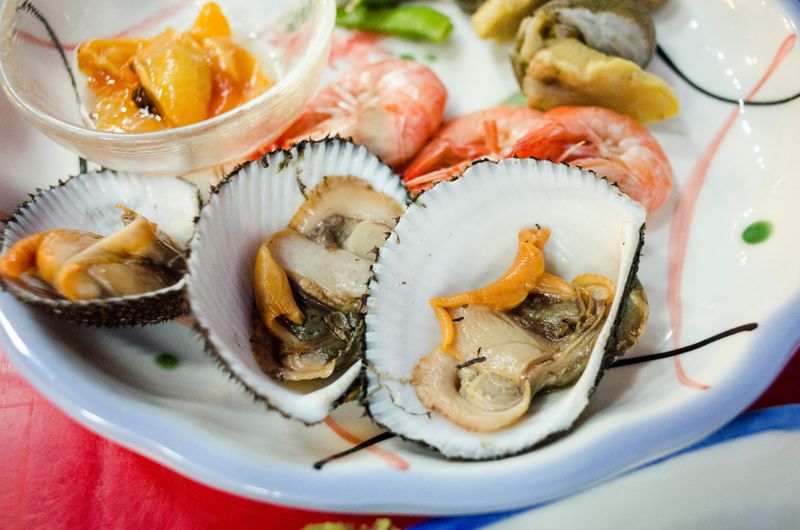
Oysters and clams pack a powerful punch of zinc and amino acids that your body needs for collagen synthesis.
Zinc acts like a helper molecule, activating the enzymes responsible for building new collagen strands.
Without enough zinc, your collagen production slows down significantly, no matter how much protein you eat.
Shellfish also provide copper, another mineral essential for cross-linking collagen fibers.
This cross-linking makes collagen strong and stable in your tissues.
Just six medium oysters can give you more than your entire daily zinc requirement.
Steam them, bake them, or enjoy them raw for maximum nutritional benefit.
4. Skin-On Poultry

Chicken skin and cartilage are loaded with collagen and the building blocks your body craves.
Many people toss the skin aside, thinking it’s unhealthy, but they’re missing out on valuable collagen sources.
The connective tissue around joints and bones contains especially high amounts of this protein.
Roasting a whole chicken with the skin on keeps the meat juicy while giving you access to collagen-rich parts.
The cartilage at the ends of bones is particularly beneficial.
You can even make a simple broth from leftover chicken carcasses to extract even more collagen.
Don’t skip the drumsticks and wings, where cartilage is most abundant and easy to eat.
5. Eggs
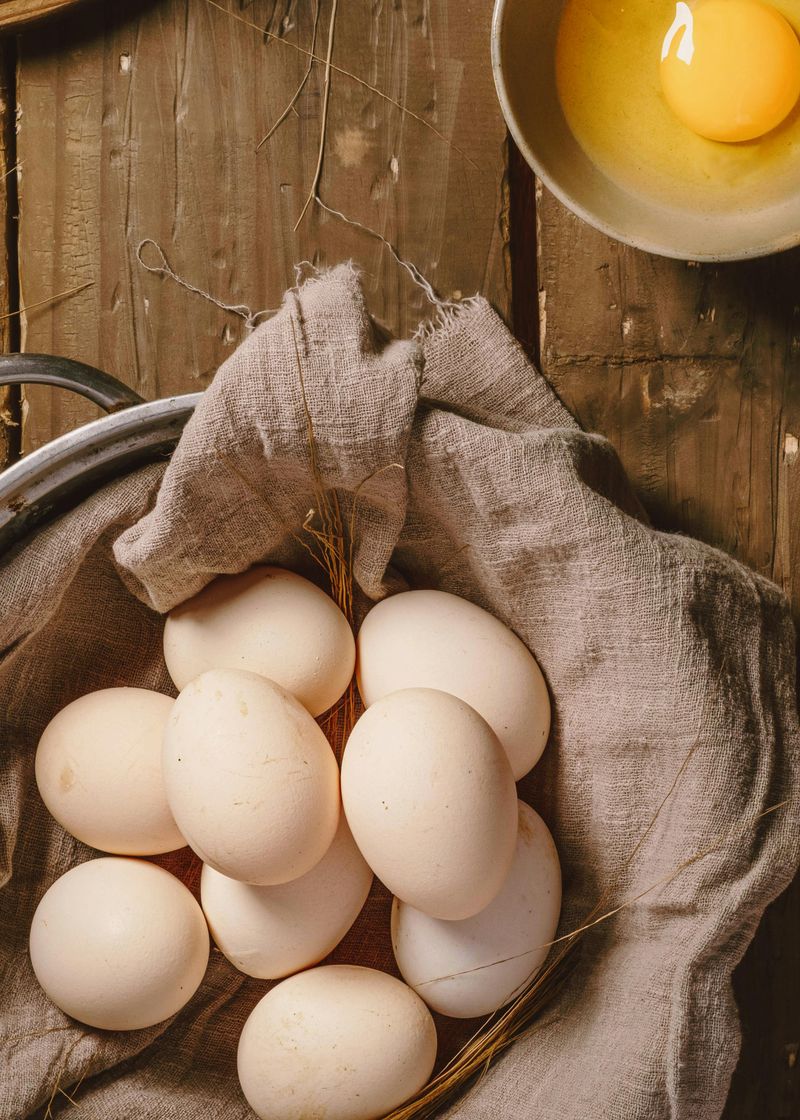
Egg whites are surprisingly rich in proline and other amino acids that form the backbone of collagen molecules.
While egg yolks get most of the attention for vitamins, the whites contain proteins that directly support your body’s collagen-building efforts.
Proline is one of the three main amino acids in collagen’s structure.
Your body can make some proline on its own, but getting it from food helps ensure you have enough for optimal collagen production.
Eggs also contain glycine, another crucial collagen amino acid.
Eating eggs regularly provides steady support for your skin, joints, and connective tissues.
Scramble them, boil them, or whip up an omelet for versatile collagen support.
6. Citrus Fruits

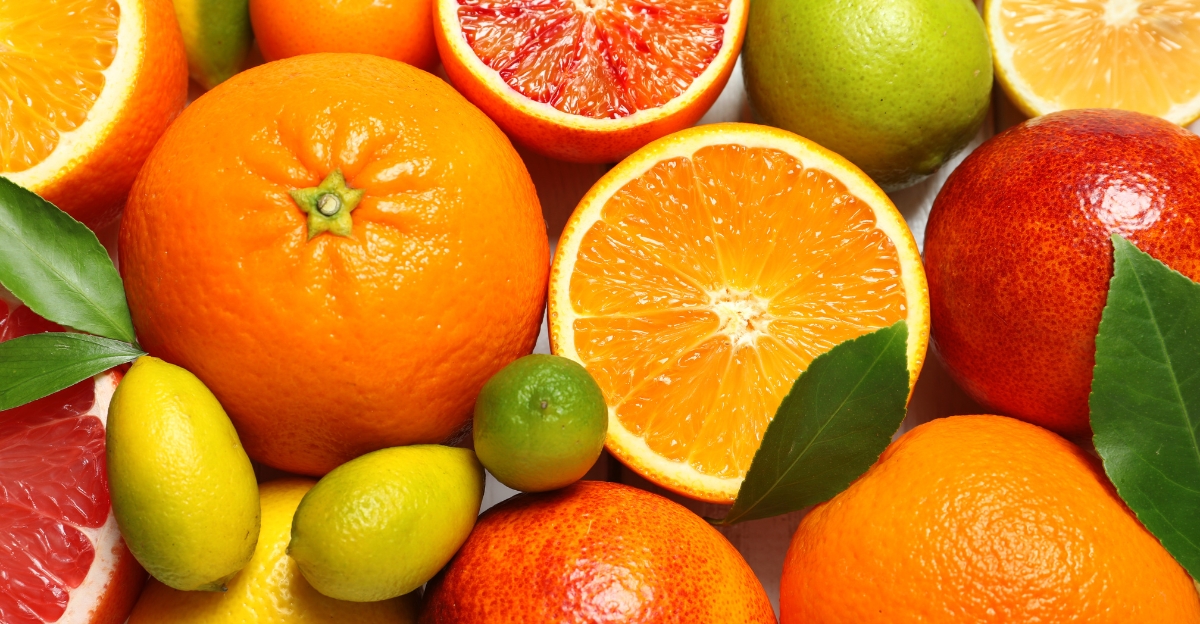
Oranges, lemons, and grapefruit burst with vitamin C, which plays a starring role in collagen production.
Without vitamin C, your body literally cannot make collagen at all.
This vitamin helps link amino acids together into the triple-helix structure that makes collagen so strong and flexible.
Sailors centuries ago discovered this connection when they developed scurvy from vitamin C deficiency.
Their gums bled and wounds wouldn’t heal because their bodies stopped producing collagen.
Just one medium orange provides more than your entire daily vitamin C needs.
Squeeze fresh lemon into water, snack on orange segments, or add grapefruit to your breakfast routine for tasty collagen support.
7. Bell Peppers

Crunchy bell peppers deliver even more vitamin C than oranges, making them collagen synthesis superstars.
A single red bell pepper contains nearly three times the vitamin C of an orange.
The bright colors indicate high levels of antioxidants that protect existing collagen from damage while you build new supplies.
Red peppers have the highest vitamin C content, followed by yellow and orange varieties.
Green peppers are simply unripe versions and contain less.
Raw peppers retain more vitamin C than cooked ones, though both offer benefits.
Slice them for dipping, add them to salads, or roast them for a sweet, smoky flavor that supports your collagen goals.
8. Berries
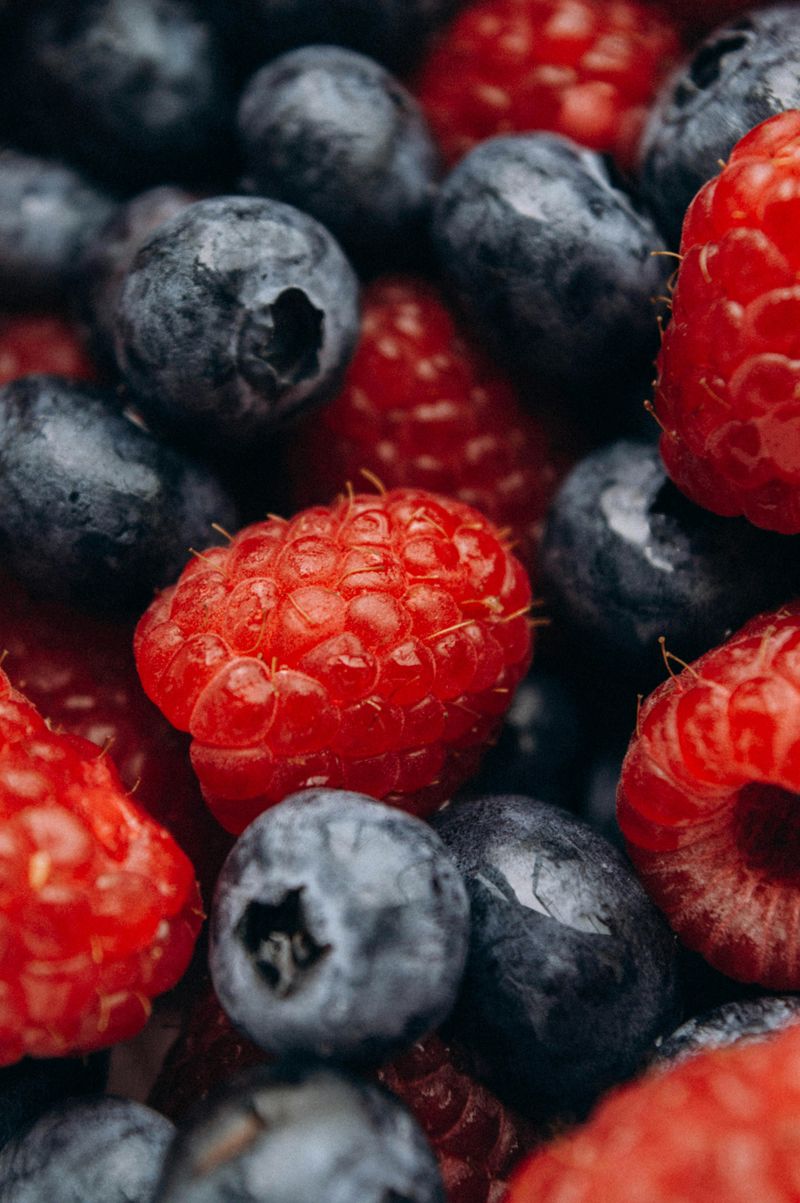
Strawberries, blueberries, and raspberries combine vitamin C with powerful antioxidants that protect your collagen from breaking down.
While vitamin C helps build new collagen, antioxidants act like bodyguards, defending it from free radicals that cause damage.
This double action makes berries incredibly valuable for maintaining healthy skin and joints.
Blueberries contain anthocyanins, special antioxidants that strengthen collagen networks throughout your body.
Strawberries pack so much vitamin C that eight medium berries meet your daily requirement.
Raspberries add ellagic acid, which prevents collagen breakdown from sun exposure.
Toss them in smoothies, top your yogurt, or eat them by the handful for delicious collagen protection.
9. Beans and Legumes
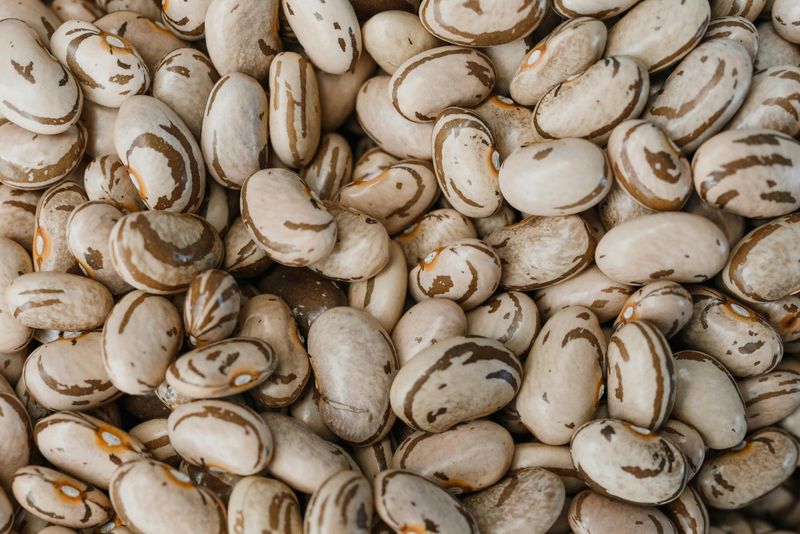
Beans pack protein and minerals that enable your body to form strong collagen structures.
Chickpeas, lentils, and black beans provide amino acids plus zinc, copper, and other minerals that activate collagen-building enzymes.
The protein in beans gives your body raw materials, while minerals act as construction workers putting everything together.
Legumes also contain hyaluronic acid, which helps skin retain moisture and stay plump.
This compound works alongside collagen to keep skin smooth.
A cup of cooked lentils delivers about 18 grams of protein plus significant amounts of copper and zinc.
Add them to soups, make hummus, or create hearty bean salads for plant-based collagen support that’s budget-friendly too.
10. Leafy Greens

Spinach and kale bring vitamin C plus special phytonutrients that support your body’s collagen-making machinery.
Dark leafy greens contain chlorophyll, which research suggests may increase the precursor to collagen in skin.
The vitamin C content helps turn that precursor into actual usable collagen.
Kale also provides vitamin A, which helps repair damaged collagen and keeps skin cells turning over properly.
Spinach offers iron, necessary for carrying oxygen to cells that produce collagen.
Both greens are incredibly versatile in the kitchen.
Blend them into smoothies where you won’t taste them, sauté with garlic, or massage raw kale with lemon for tender salads that boost collagen naturally.
11. Potatoes and Sweet Potatoes

Both regular and sweet potatoes surprise people with their vitamin C content and antioxidant support for collagen.
One medium baked potato provides about 30% of your daily vitamin C needs.
Sweet potatoes add beta-carotene, which your body converts to vitamin A for collagen repair and skin health.
The vitamin C in potatoes remains fairly stable during cooking, unlike in some other vegetables.
Sweet potatoes also contain anthocyanins (in purple varieties) that protect collagen from oxidative damage.
These starchy vegetables provide energy your cells need for the work of building collagen.
Bake them whole, mash them with herbs, or roast them until crispy for a satisfying side that secretly supports your collagen production.
12. Nuts and Seeds
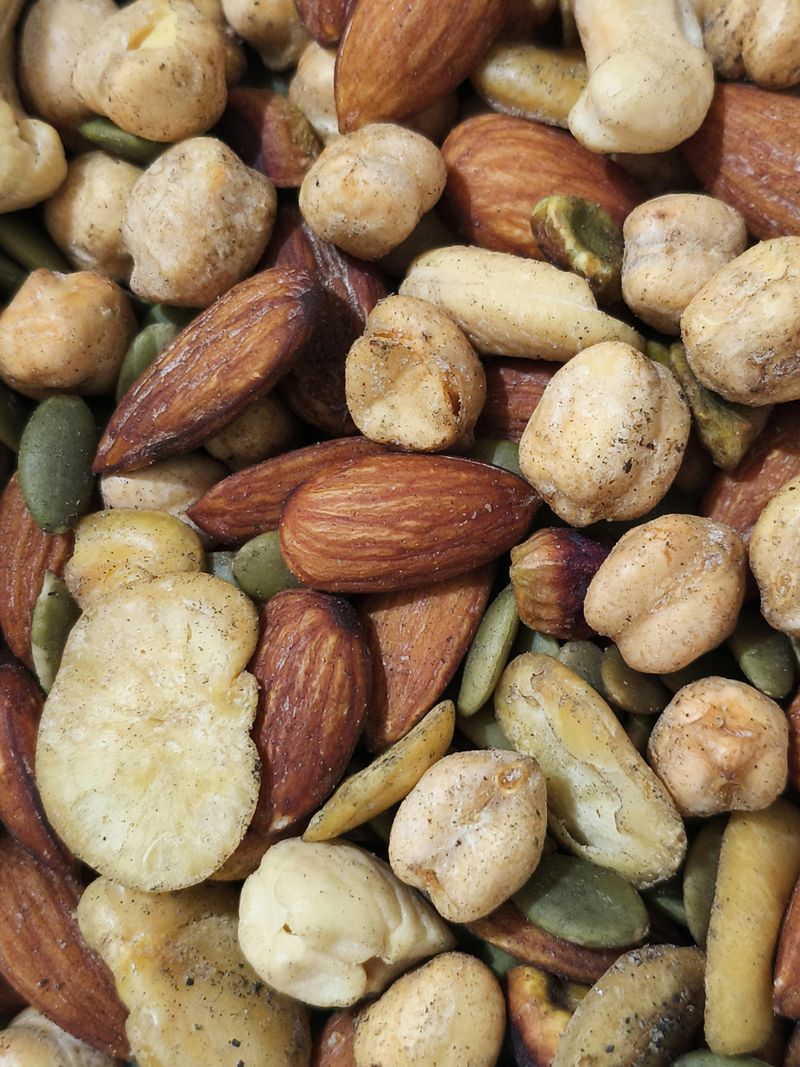
Cashews and zinc-rich seeds like pumpkin seeds provide minerals essential for collagen production pathways.
Zinc activates proteins that build collagen, while copper helps link collagen fibers together for strength.
Seeds also offer vitamin E, an antioxidant that protects collagen from damage caused by sun exposure and pollution.
Pumpkin seeds are particularly high in zinc, with just one ounce providing about 20% of your daily needs.
Cashews add copper and magnesium.
Sunflower seeds contribute vitamin E and selenium for comprehensive collagen support.
Sprinkle them on salads, blend into nut butter, or grab a handful for snacking to give your body the mineral tools it needs for strong collagen.
13. Tomatoes
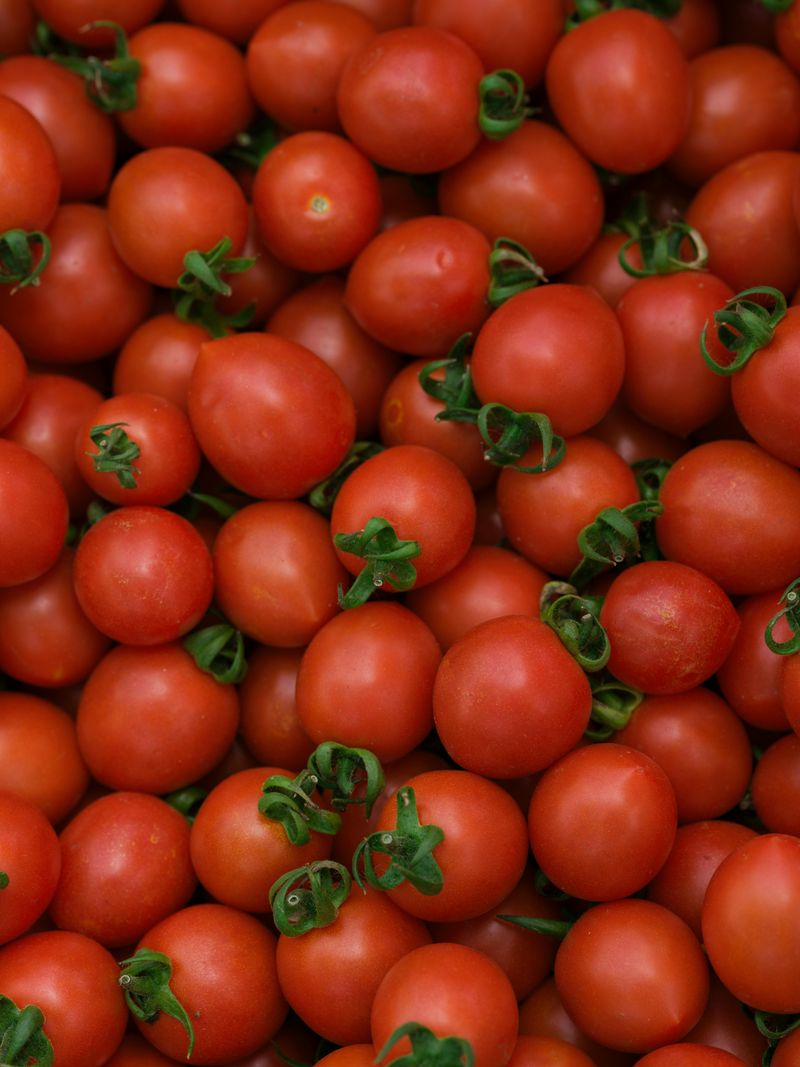
Juicy tomatoes contain lycopene and other antioxidants that help protect and support collagen integrity in your skin.
Lycopene is especially famous for defending collagen against damage from UV rays.
When you eat tomatoes regularly, lycopene accumulates in your skin, creating a natural defense system against sun-related collagen breakdown.
Cooked tomatoes actually provide more available lycopene than raw ones.
Heat breaks down cell walls, making this antioxidant easier for your body to absorb.
Tomatoes also offer vitamin C for direct collagen production support.
Enjoy them in marinara sauce, roast them with olive oil, or slice them fresh for salads to protect your hard-earned collagen from environmental damage.