 MomSkoop
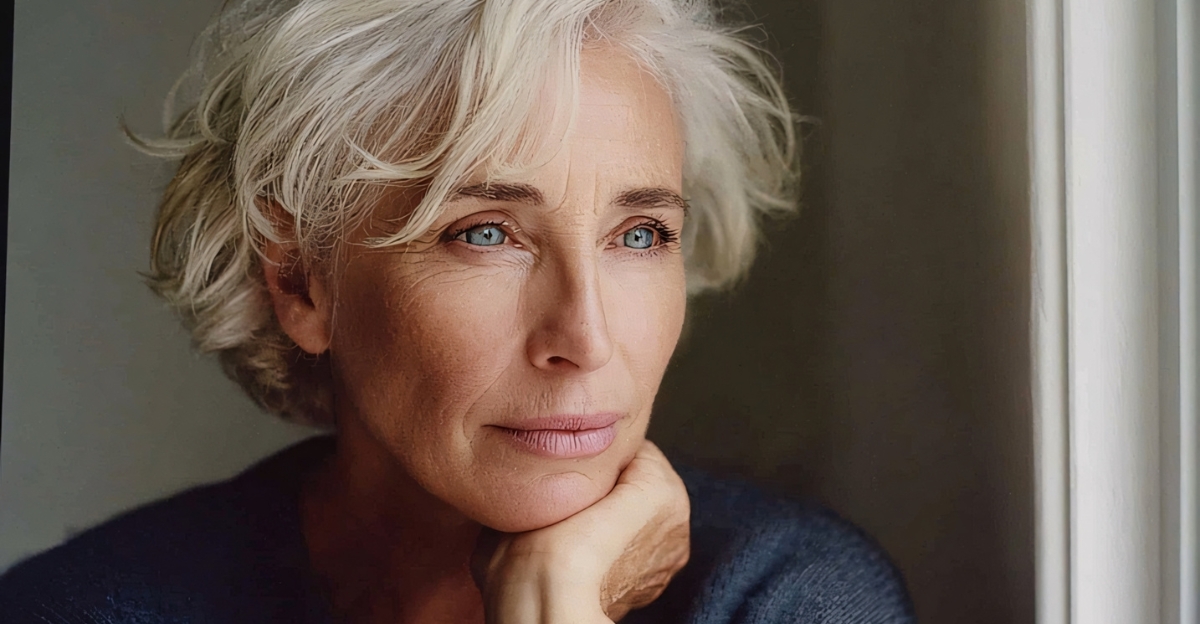
Dating after 50 can feel like stepping onto uncertain ground.
Many women find themselves hesitant to open their hearts again, weighing risks they never considered in their younger years.
Between past heartbreaks, financial concerns, and hard-won independence, falling in love now carries stakes that feel surprisingly high.
1. Emotional Baggage from Past Relationships Makes Dating Feel Heavier
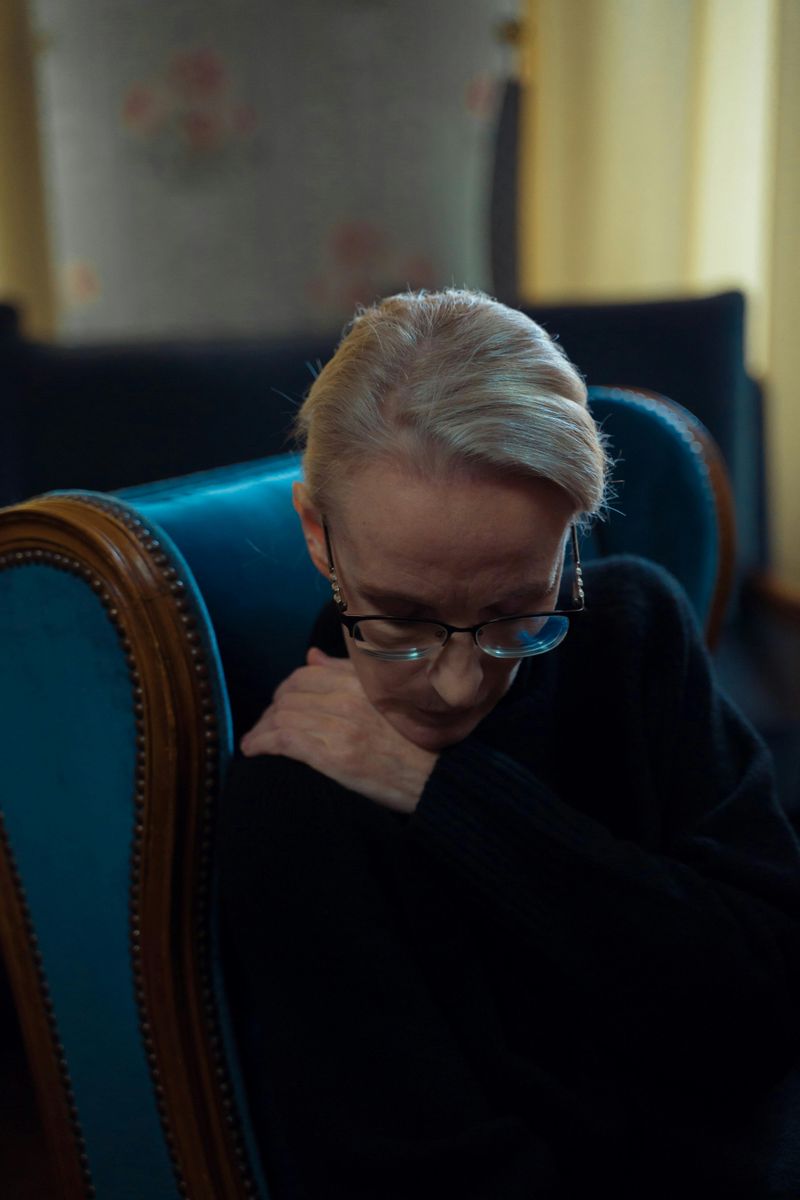
Carrying the weight of previous relationships into new ones creates an emotional burden that younger daters rarely face.
Unresolved pain from divorces, betrayals, or long-term disappointments doesn’t just disappear with time.
Instead, these experiences shape how women approach new connections, making every potential partner feel like a test of whether history will repeat itself.
Past hurts can make simple dating moments feel loaded with significance.
A casual comment might trigger old wounds, or a kind gesture might feel suspicious rather than sweet.
This hyperawareness makes relaxing into romance genuinely difficult.
The challenge becomes distinguishing between healthy caution and letting old ghosts sabotage new possibilities.
Healing takes time, but so does building trust again.
2. Fear of Being Used Financially or as a Caregiver
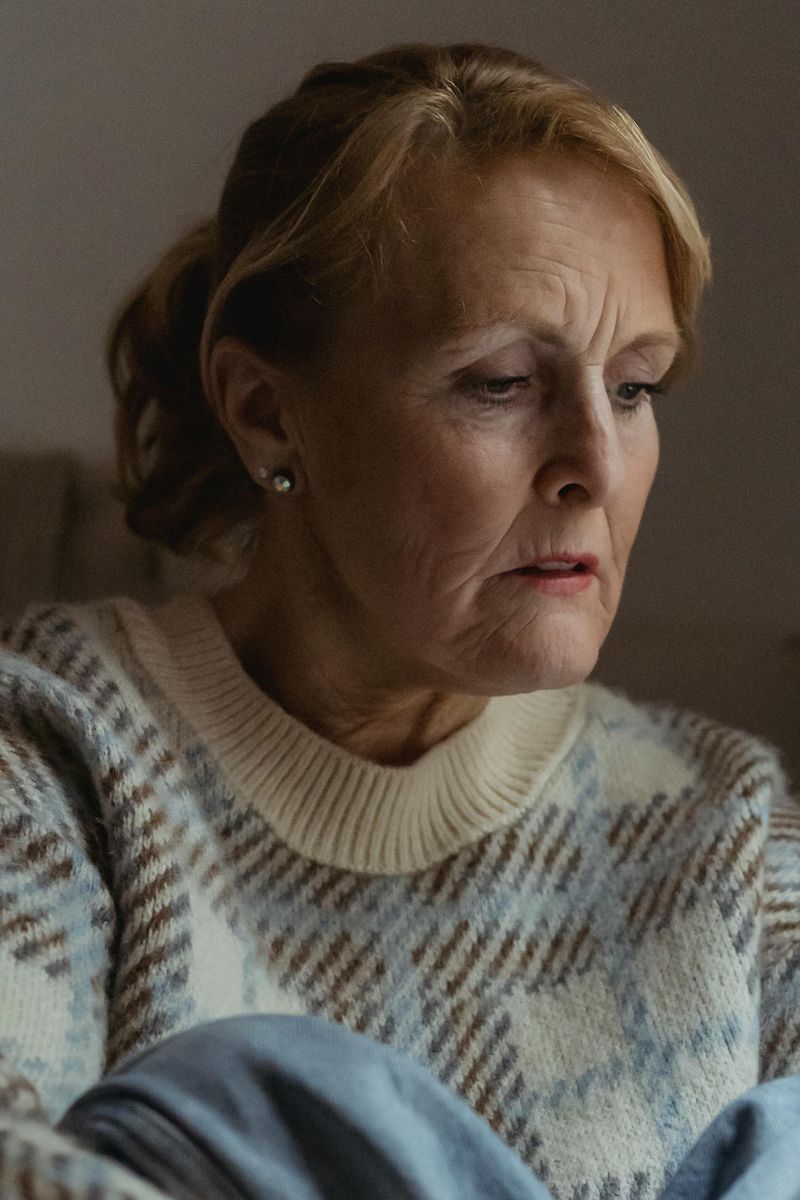
Financial security becomes a serious concern when considering new relationships later in life.
Women who’ve worked hard to build retirement savings or receive pensions worry about partners who might view them as financial safety nets.
The fear of being taken advantage of financially makes every dinner date feel like a potential audit of intentions.
Equally troubling is the prospect of becoming an unpaid caregiver.
Health issues become more common with age, and some women fear attracting partners seeking nursing rather than romance.
This isn’t cynicism but realistic awareness of patterns they’ve witnessed among friends.
These concerns make vetting potential partners feel exhausting.
Every question about finances or health history feels both necessary and uncomfortable.
3. Smaller Dating Pool and Fewer Compatible Partners
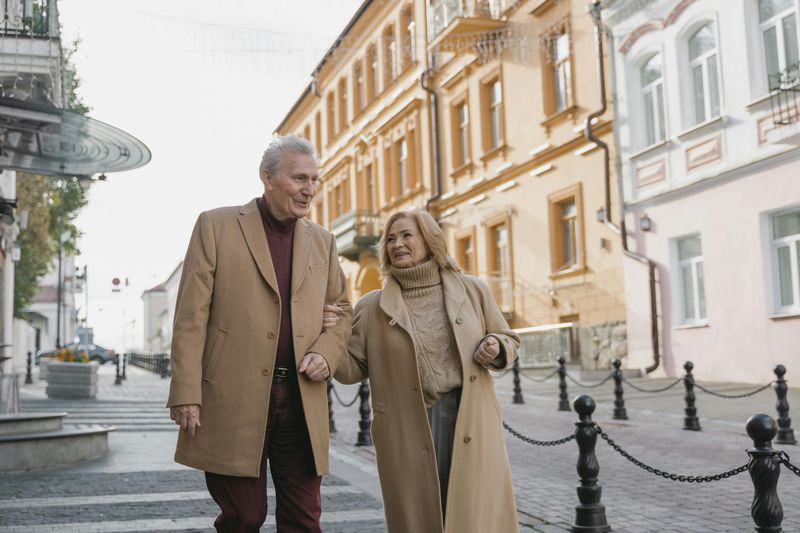
The numbers game becomes brutally clear after 50.
Many men in this age range seek younger partners, while others remain married or partnered.
Those who are available often live with circumstances that complicate relationships: adult children at home, ongoing divorces, or geographic limitations that make meeting difficult.
Finding someone who shares similar values, life goals, and interests narrows the field even further.
While younger daters can afford to be selective knowing plenty of options exist, women over 50 face genuine scarcity.
Each incompatible match feels like a missed opportunity.
This reality transforms dating from an adventure into a calculated risk.
Investing time and emotion when options feel limited raises the stakes considerably.
4. Ageism and Societal Stigma About Older Women Dating
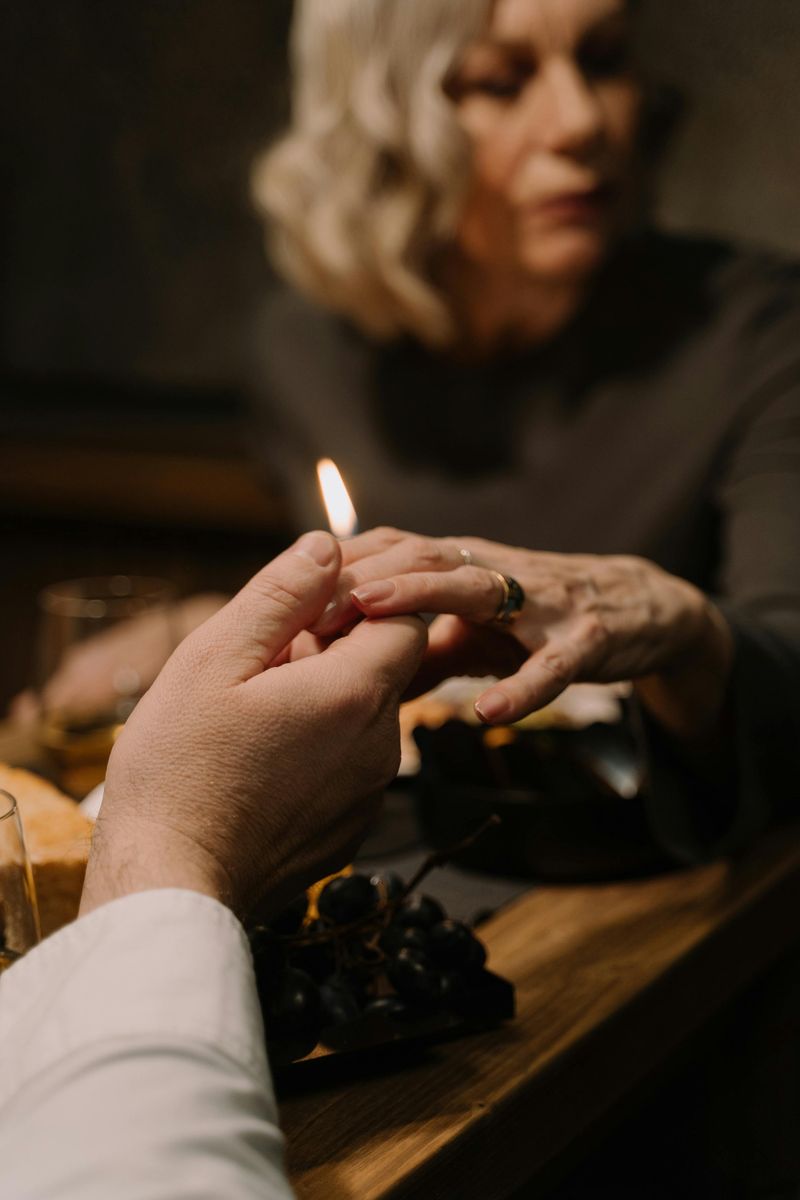
Society sends clear messages that older women seeking romance should feel grateful for any attention.
Media celebrates older men with younger partners while portraying women over 50 as desperate or invisible.
This double standard chips away at confidence, making women question whether they deserve genuine love or should settle for less.
Comments from family, friends, or strangers about being “too picky” or “running out of time” add pressure.
Even well-meaning advice often implies that standards should lower with age.
These messages create internal conflict between self-worth and external expectations.
Fighting against these narratives while trying to stay open to love requires tremendous emotional energy.
The gamble feels risky when society suggests the odds are already stacked against you.
5. Stronger Boundaries and Clarity on What They Won’t Tolerate
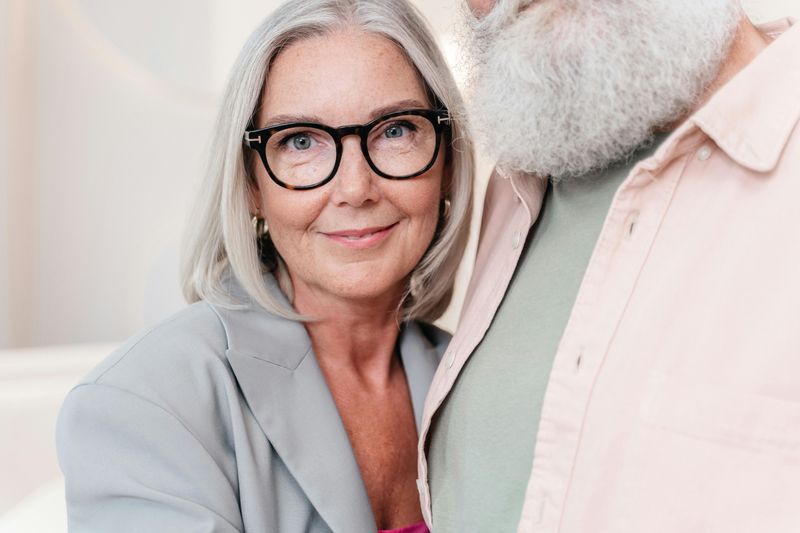
Life experience teaches valuable lessons about what absolutely won’t work in relationships.
Women over 50 typically know themselves well enough to identify dealbreakers immediately: dishonesty, disrespect, controlling behavior, or incompatible life visions.
This clarity feels empowering but also narrows the field dramatically.
Refusing to compromise on core values means potentially staying single longer or permanently.
Younger women might bend on important issues hoping things will improve, but experience proves otherwise.
Standing firm on boundaries protects well-being but increases the risk of never finding someone who meets those standards.
This creates a genuine dilemma.
Maintaining self-respect feels non-negotiable, yet watching potential relationships end over boundary violations makes love feel like a high-stakes wager.
6. Dating Technology Feels Unfamiliar or Intimidating
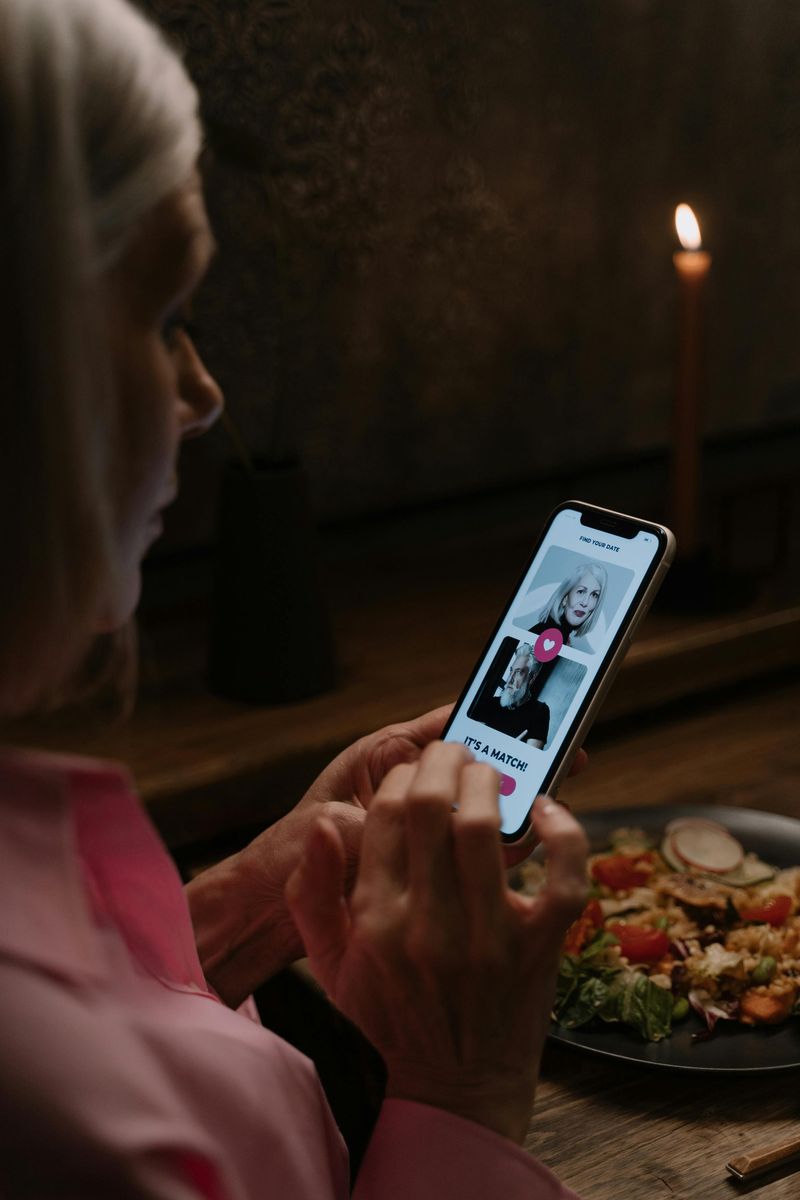
Dating apps dominate modern romance, but many women over 50 find this technology bewildering.
Creating profiles, choosing flattering photos, and navigating endless swipes feels exhausting rather than exciting.
The impersonal nature of screening potential partners based on brief profiles contradicts how they previously met romantic interests through social circles or shared activities.
Online communication brings its own challenges.
Interpreting texts without tone or context, recognizing scammers, and managing inappropriate messages require skills that weren’t necessary in traditional dating.
Technical glitches or confusing interfaces add frustration.
The learning curve makes dating feel like work rather than pleasure.
Investing time mastering unfamiliar platforms while competing with tech-savvy younger users increases the sense that romance requires risking dignity and comfort.
7. Concern About Losing Independence or Freedom
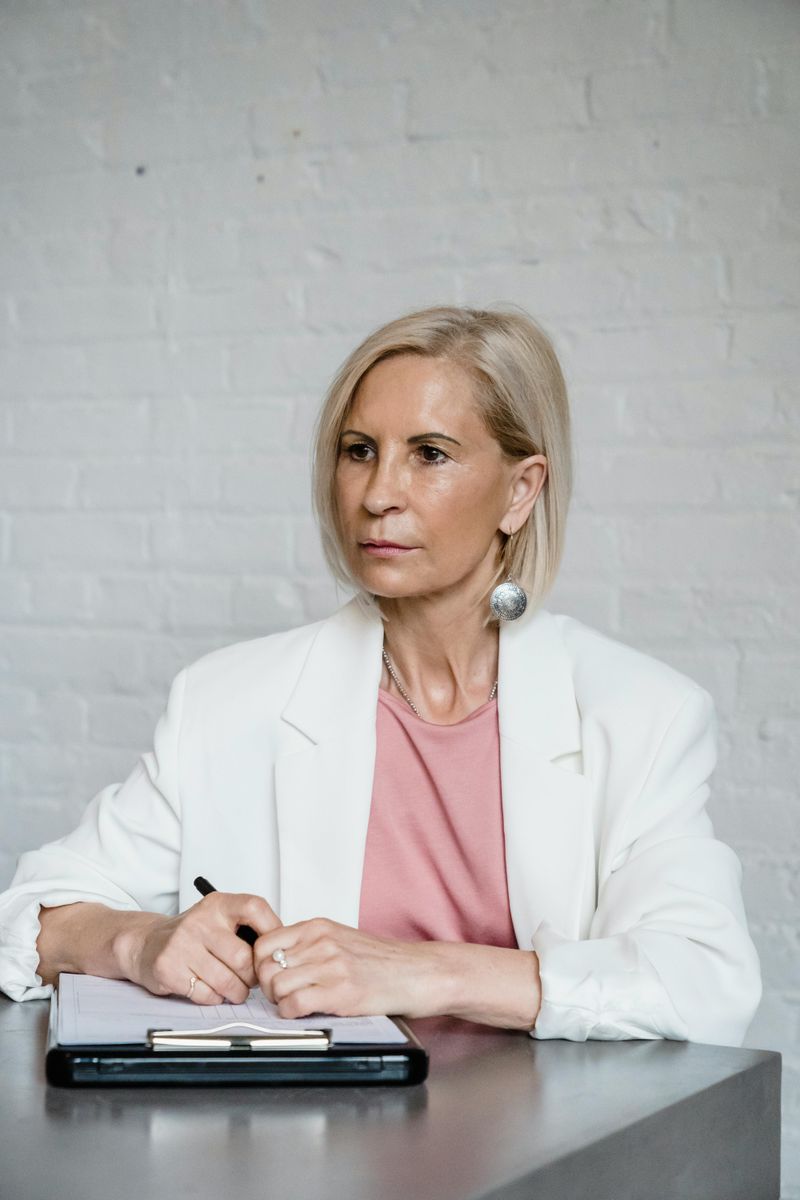
Many women over 50 have fought hard to build lives on their own terms.
Whether through divorce, widowhood, or remaining single, they’ve created routines, friendships, and lifestyles that bring genuine satisfaction.
The thought of compromising this hard-won autonomy for a relationship feels like gambling with something precious.
Serious relationships inevitably require adjustments: coordinating schedules, considering another person’s preferences, and potentially merging households.
After years of answering only to themselves, these compromises can feel suffocating rather than romantic.
The freedom to travel spontaneously, decorate without consultation, or spend money without discussion becomes too valuable to risk.
Balancing the desire for companionship against the cost of independence creates real tension.
Choosing love might mean losing yourself.
8. Fear of Repeating Past Mistakes
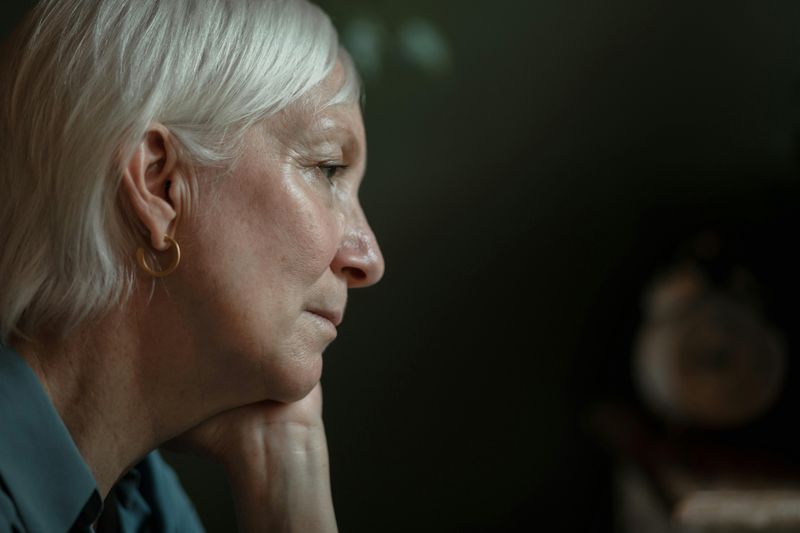
Experience sharpens the ability to spot warning signs early.
Women over 50 recognize red flags they might have ignored decades earlier: love bombing, inconsistent behavior, or subtle controlling tendencies.
This awareness feels protective but also paralyzing, as every new person gets scrutinized for similarities to past mistakes.
The anxiety of choosing poorly again looms large.
Previous relationship failures, especially painful divorces or betrayals, create legitimate fear about judgment and decision-making abilities.
What if the same patterns that led to heartbreak before still influence choices now?
This hypervigilance makes dating feel exhausting.
Constantly analyzing behavior for danger signs prevents relaxing into connection.
The gamble becomes whether to trust instincts or whether those instincts might betray you again.
9. Loss and Life Transitions Make Vulnerability Feel Costly
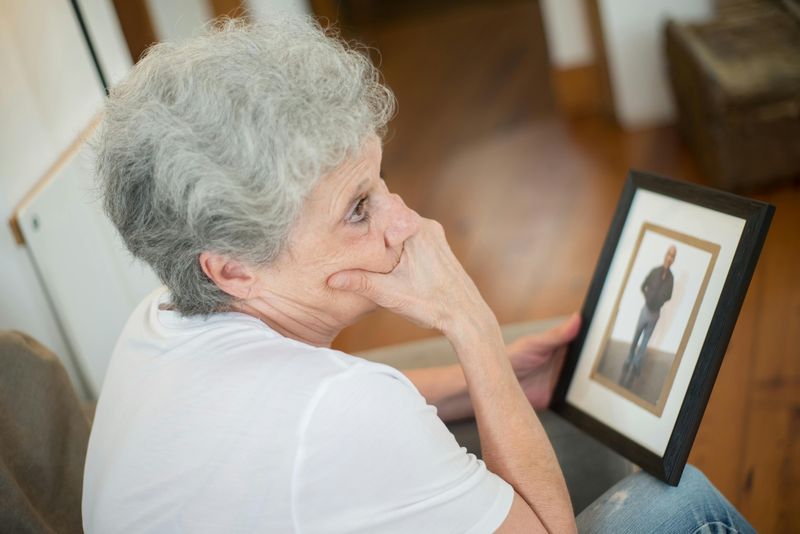
Divorce and widowhood leave deep scars that affect how women approach new love.
These major losses teach that relationships can end devastatingly, making vulnerability feel genuinely dangerous.
Opening your heart after watching a marriage crumble or losing a beloved spouse requires courage that feels increasingly difficult to summon.
The grief process doesn’t follow neat timelines.
Even years later, unexpected moments trigger sadness or anger about what was lost.
Potential partners might not understand this ongoing healing, or women themselves might question whether they’re truly ready for something new.
Each step toward intimacy feels like risking another catastrophic loss.
The emotional cost of loving and potentially losing again seems almost too high to pay, making romance feel like the ultimate gamble.
10. Greater Awareness of Time Left and Shrinking Opportunities
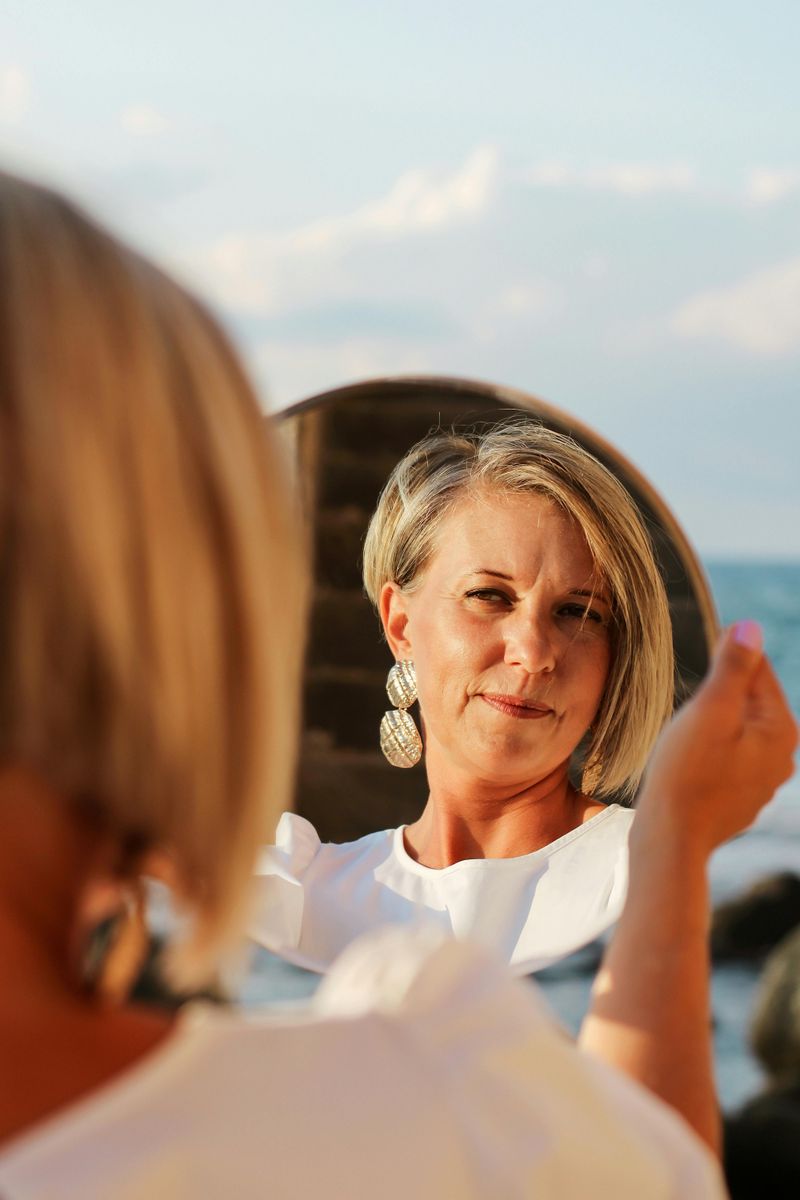
Mortality becomes impossible to ignore after 50.
With potentially fewer decades ahead than behind, women calculate relationship investments differently.
Spending years building something with the wrong person carries opportunity costs that younger daters don’t face.
Time feels too precious to waste on incompatible matches or toxic dynamics.
This awareness creates urgency and caution simultaneously.
The desire to find companionship before it’s too late conflicts with the knowledge that rushing leads to poor choices.
Every date represents time that could be spent differently, making each decision feel weighted with consequence.
The shrinking timeline transforms dating from casual exploration into serious business.
Picking the wrong person doesn’t just mean heartbreak—it means potentially spending your remaining good years unhappily or alone afterward.
That’s a gamble with very high stakes.