 MomSkoop
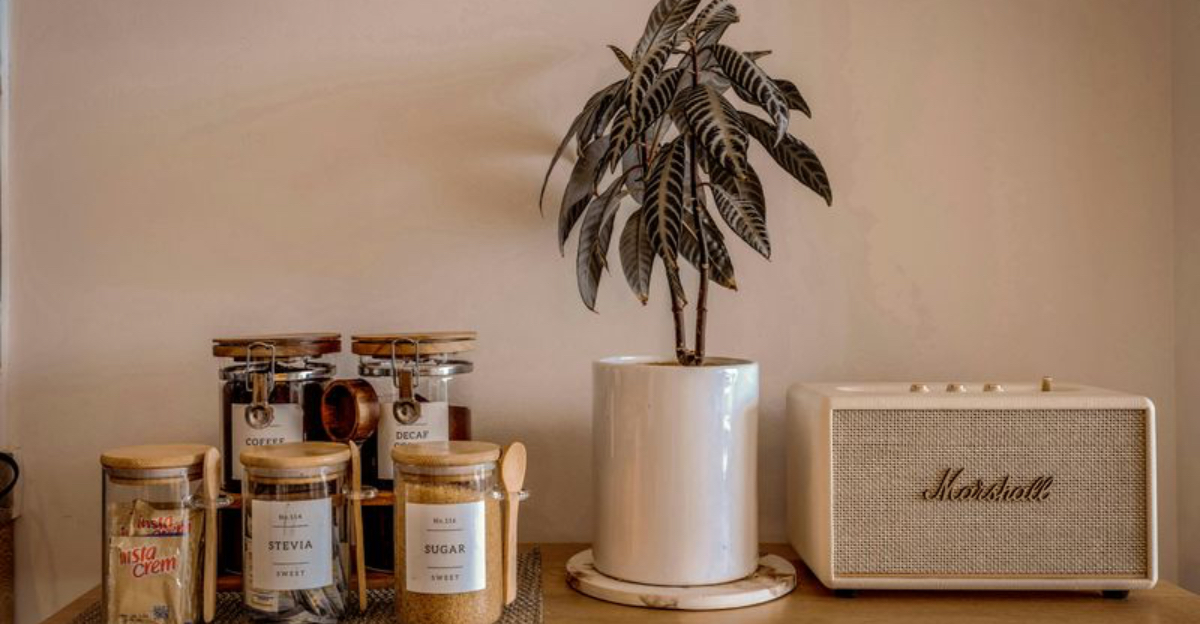
Walking into a truly organized home feels different. The space breathes, everything has its place, and there’s a calm energy that makes you want to stay awhile.
But getting there isn’t about buying more bins or following every trend—it’s about avoiding the common pitfalls that create clutter and chaos in the first place.
1. Keeping Items ‘Just in Case’ That Don’t Fit Your Life Anymore
That bread maker from 2015 sits in your cabinet, untouched.
You haven’t baked bread in years, but what if someday you want to?
Organized people recognize this trap immediately.
Holding onto things for imaginary future scenarios fills your home with stuff that doesn’t serve your actual life.
Every item you keep “just in case” takes up valuable real estate.
It creates visual noise and makes finding what you actually use much harder.
The reality?
If you haven’t used something in a year, you probably won’t.
Organized folks donate or sell these items confidently.
They trust themselves to borrow, rent, or buy again if that unlikely day ever comes.
This mindset keeps their spaces functional and stress-free.
2. Decorating Every Surface Without Leaving Visual Breathing Room
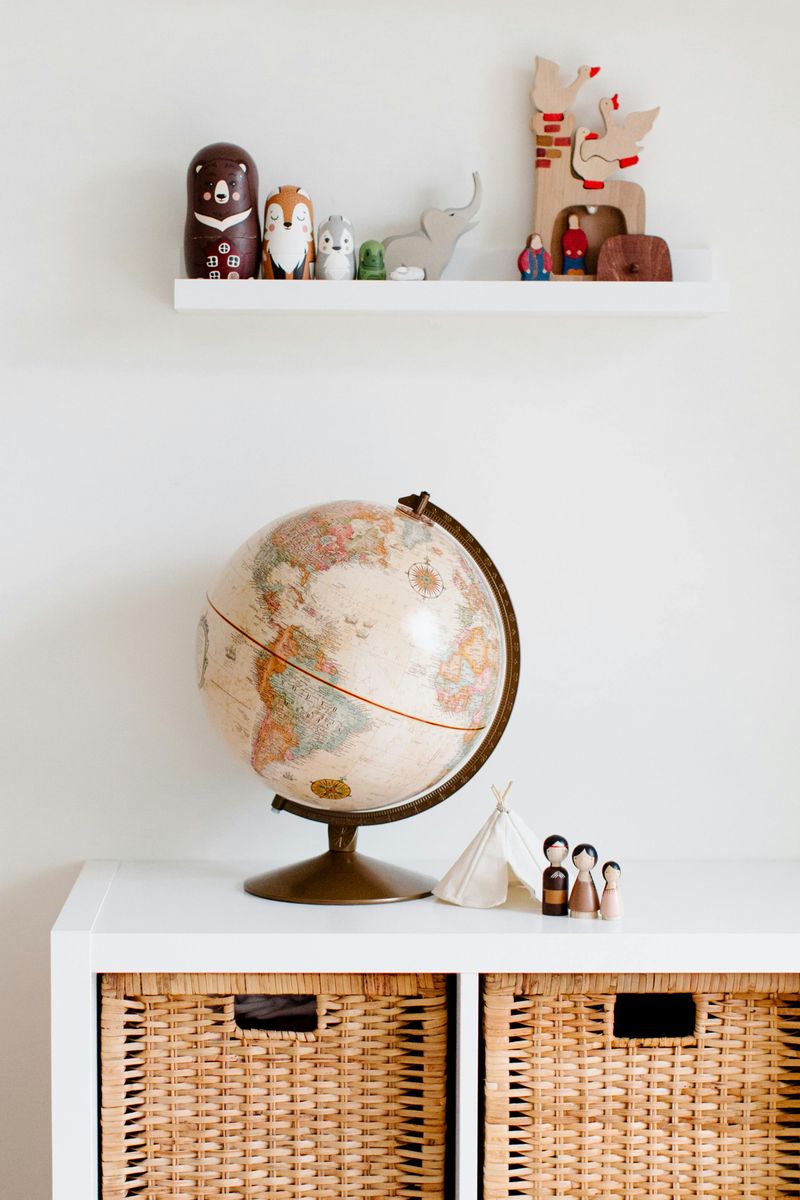
Picture a coffee table covered with candles, coasters, magazines, a decorative bowl, and three picture frames.
Where do you actually set down your coffee?
Organized people understand that empty space isn’t wasted space—it’s essential.
When every surface hosts a collection of decorative items, your home feels cluttered even when it’s clean.
Your eyes have nowhere to rest.
The constant visual stimulation creates underlying stress you might not even recognize.
Smart decorators follow the rule of three or use negative space intentionally.
They choose a few meaningful pieces rather than filling every inch.
This approach makes their homes feel curated, peaceful, and actually easier to clean.
Dust has fewer places to settle, and the items they do display get noticed and appreciated.
3. Buying Storage Solutions Before Decluttering What You Own
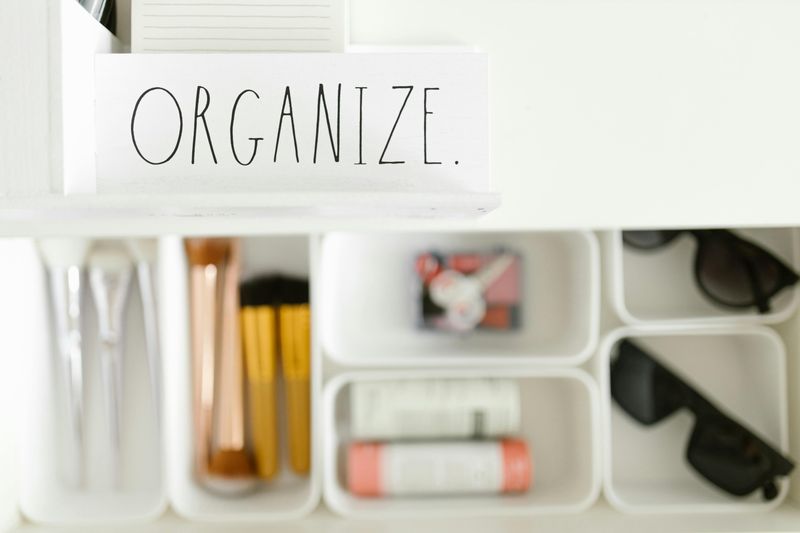
The Container Store calls your name.
Those beautiful matching bins promise to solve everything!
But organized people know better than to shop first and sort later.
Purchasing storage before decluttering is like buying a bigger suitcase instead of packing lighter.
You’re just making it easier to keep stuff you don’t need.
First, you must honestly assess what deserves space in your home.
Get rid of duplicates, broken items, and things you simply don’t use anymore.
Only after this ruthless editing should you measure and shop for storage.
You’ll need far less than you thought, saving money and space.
Your storage solutions will fit your actual belongings perfectly.
This order of operations is what separates truly organized homes from those that just hide clutter better.
4. Using Decor That Serves Neither Function Nor Joy
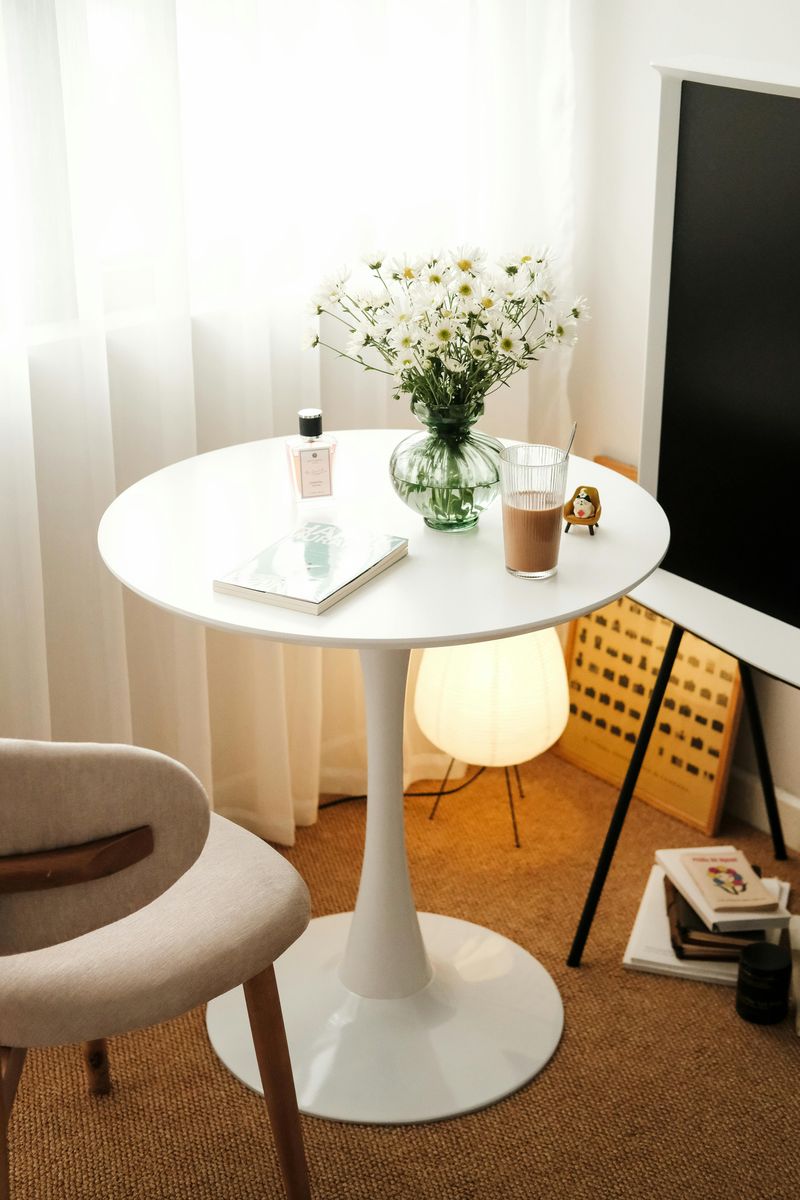
That decorative bowl on your entryway table—when did you last look at it, really look at it?
Does it make you smile, or is it just there because tables need “something” on them?
Organized people apply a simple test to every item: does it serve a purpose or bring genuine happiness?
If the answer is neither, it goes.
They’re not interested in decorating for decoration’s sake.
Every object either works hard or sparks real joy when they see it.
This philosophy comes straight from intentional living principles.
When you remove items that fail this test, your home becomes more meaningful.
The things that remain are either useful tools or treasured pieces that reflect your personality.
Your space tells your story instead of looking like a furniture showroom.
5. Ignoring Hidden Clutter in Drawers, Closets, and Cabinets
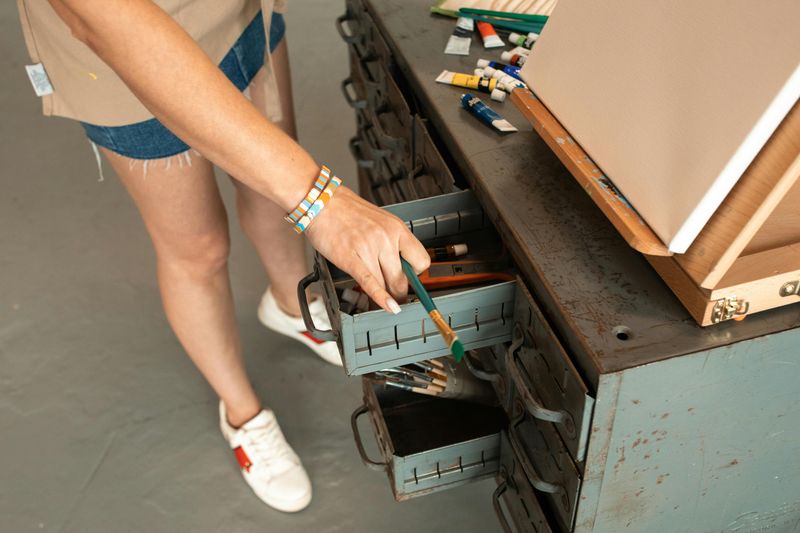
Your counters are clear and your living room looks magazine-ready.
But open the hall closet?
Avalanche warning.
Organized people know that hidden chaos is still chaos, and it affects you more than you realize.
When drawers and cabinets overflow with jumbled messes, daily tasks become frustrating.
You waste time searching for items.
You buy duplicates because you can’t find what you already own.
That underlying stress builds even when guests can’t see these spaces.
Truly organized homes are organized everywhere, including behind closed doors.
These folks tackle one drawer or cabinet at a time, sorting and purging regularly.
They use simple organizers to keep categories separate.
The result?
Opening any door feels calm rather than overwhelming, and everything they need is easy to locate.
6. Mixing Too Many Decor Styles and Creating Visual Chaos
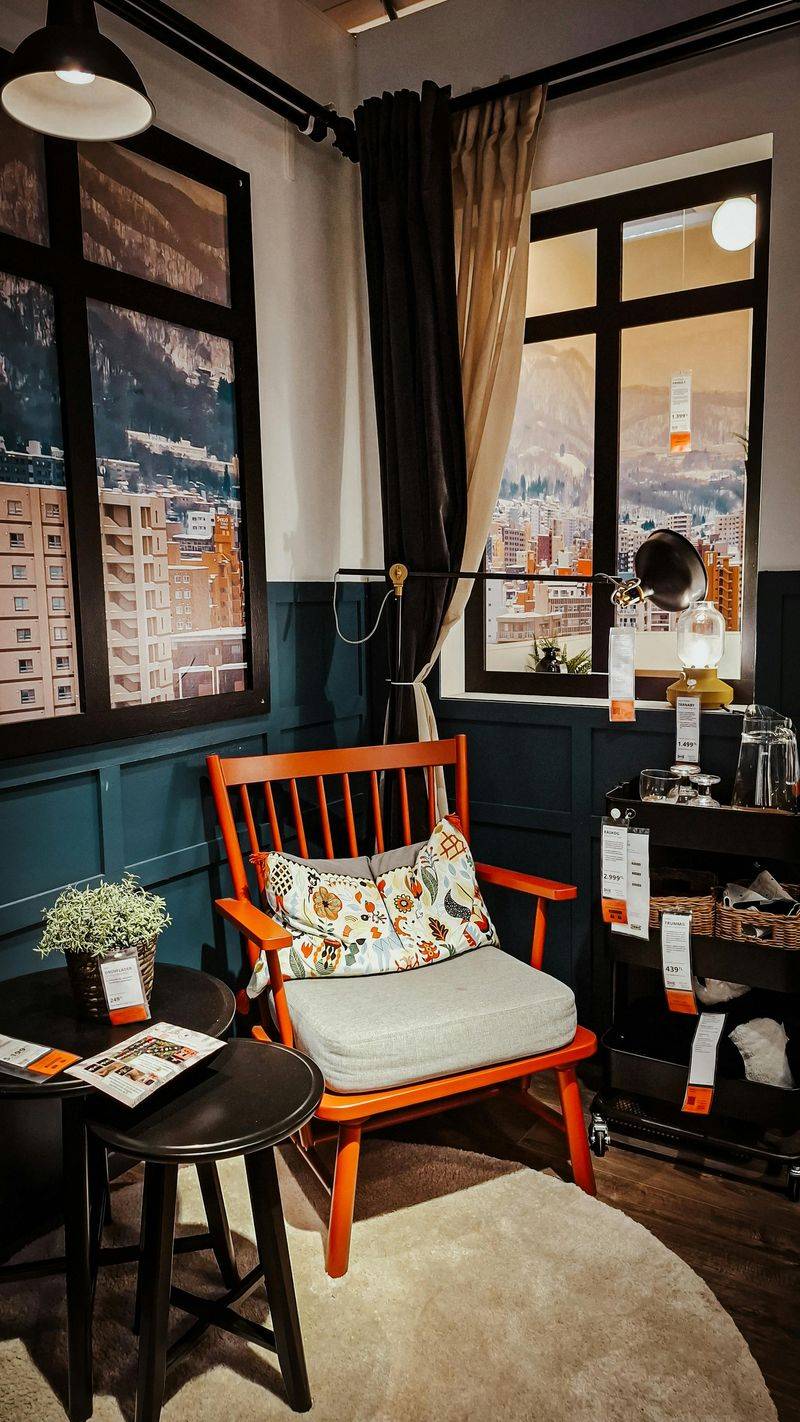
Farmhouse signs next to modern geometric art beside bohemian macrame—your Pinterest boards are colliding in real life.
Each piece might be beautiful individually, but together they create confusion rather than cohesion.
Organized people choose a primary style and stick with it, maybe adding one complementary accent style.
This doesn’t mean everything matches perfectly or looks boring.
It means there’s a visual thread connecting the pieces.
Colors coordinate, materials complement each other, and the overall vibe feels intentional.
When you commit to a cohesive aesthetic, decorating becomes easier.
You stop impulse-buying cute items that don’t fit your home’s personality.
Shopping gets faster because you know what works and what doesn’t.
Your space feels pulled together, like someone actually designed it with purpose and care.
7. Holding Onto Broken, Outdated, or Unused Items

Three remotes that control nothing, a phone charger for a device you replaced five years ago, and a blender missing its lid.
Why are these still in your home?
Organized people ask themselves this question regularly and act on the answer.
Broken items you’ll never fix and outdated technology you’ll never use again serve only one purpose: taking up space.
They create mental clutter alongside physical clutter.
Every time you see them, your brain registers an incomplete task, adding to your stress load.
The solution is simple but requires honest self-assessment.
If something’s been broken for more than a month and you haven’t fixed it, you won’t.
Recycle old electronics properly, trash what’s truly garbage, and donate items in working condition.
Your future self will thank you for the clarity and space.
8. Not Assigning a Designated Home for Every Item
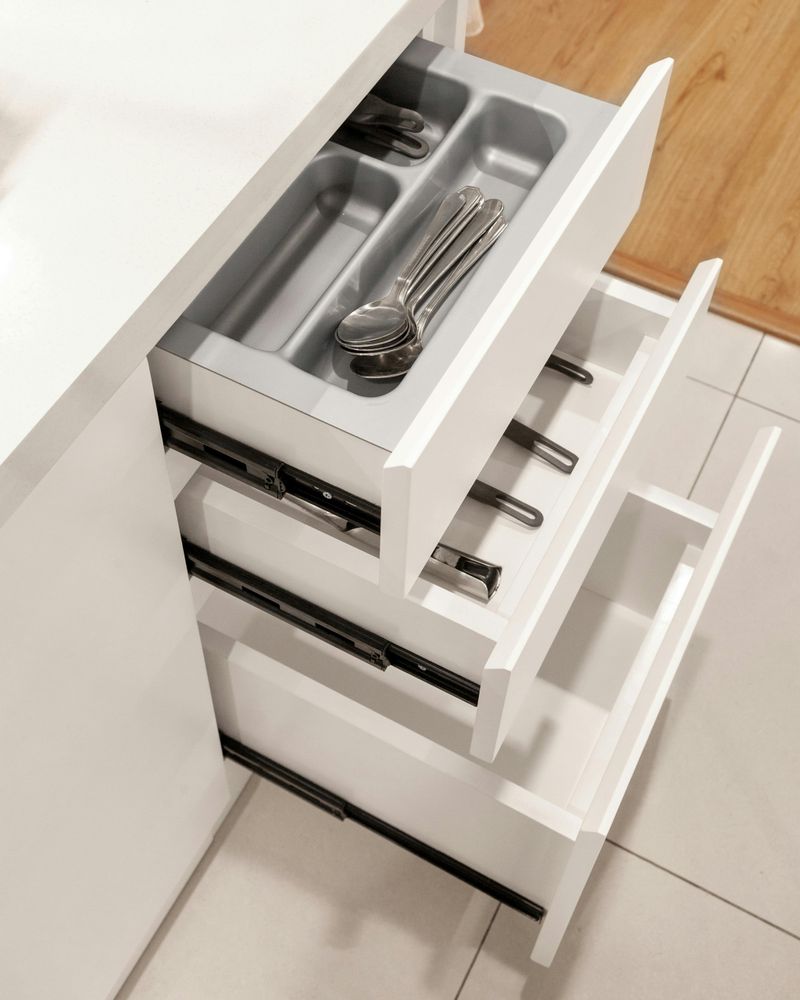
Your keys could be anywhere—the counter, your coat pocket, the bathroom sink.
This daily scavenger hunt steals minutes you’ll never get back.
Organized people eliminate this problem entirely with one simple rule: everything needs a home.
When items lack designated spots, they become nomads wandering your house.
They land wherever you last used them, creating random piles and visual clutter.
You waste time and mental energy tracking them down repeatedly.
The fix requires upfront effort but pays daily dividends.
Assign each item a specific, logical location based on where you use it.
Keys go in a bowl by the door.
Scissors live in the kitchen drawer.
Mail gets sorted at the desk.
Once these homes are established, the habit of returning items becomes automatic.
Your space stays tidy with minimal effort.
9. Overfilling Shelves and Closets Instead of Editing Regularly
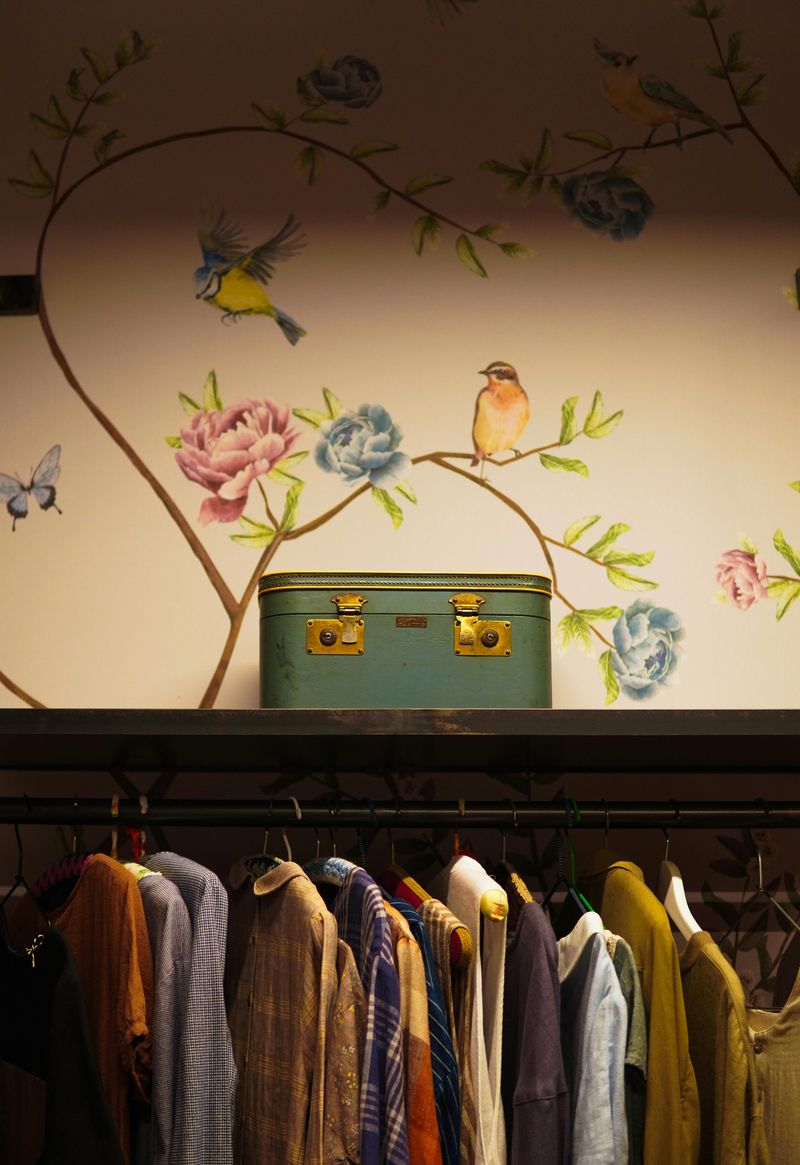
Your closet rod bows under the weight of clothes crammed shoulder-to-shoulder.
Finding anything requires an archaeological dig.
Organized people know that fuller isn’t better—curated is better.
When you stuff shelves and closets to capacity, you can’t see what you own.
Items get damaged, wrinkled, or forgotten completely.
The abundance becomes overwhelming rather than useful.
You end up wearing the same few pieces because they’re easiest to access.
Smart organizers leave breathing room everywhere.
They edit their belongings seasonally, removing items that no longer fit, flatter, or suit their lifestyle.
This regular maintenance keeps quantity manageable.
They can see everything they own at a glance, making getting dressed or finding supplies quick and stress-free.
Less really does become more when thoughtfully curated.
10. Shopping for Trends Instead of Choosing Timeless, Intentional Pieces
Last year’s trendy throw pillows already look dated.
That “must-have” accent color now feels tired.
Chasing every design trend keeps you shopping constantly and never feeling satisfied with your space.
Organized people invest in quality, timeless pieces that transcend temporary fads.
They choose neutral foundations and classic silhouettes that won’t feel embarrassing in three years.
When they do add trendy elements, it’s through small, inexpensive accessories that are easy to swap out.
This approach saves money and reduces decision fatigue.
Their homes develop a signature style that evolves slowly rather than requiring constant overhauls.
They’re not trying to recreate magazine spreads or Instagram feeds.
Instead, they build spaces that genuinely reflect their needs and aesthetic preferences, creating homes that feel authentically theirs for years to come.