 MomSkoop

For decades, many women over 50 have carried silent frustrations that they felt they couldn’t share openly.
Society often expected them to be calm, patient, and always understanding, no matter what they faced.
Now, more women are breaking that silence and speaking honestly about the emotions they’ve kept bottled up for years, and it’s creating powerful conversations that help others feel less alone.
1. Hormonal Storms That Nobody Warned You About

Hot flashes arrive without warning, turning a normal day into an unpredictable challenge.
Your mood can shift from calm to irritable in moments, and you might not even understand why it’s happening.
Brain fog makes you forget words mid-sentence, which feels embarrassing when you’re trying to have a simple conversation.
Perimenopause and menopause bring hormonal changes that affect your emotions in ways nobody prepared you for.
Sleep becomes difficult, energy drops, and suddenly you’re dealing with feelings that seem to come from nowhere.
Many women feel angry that these symptoms weren’t discussed more openly before they started experiencing them.
Recognizing that hormones play a real role in your emotions can help you be kinder to yourself during this transition.
2. Years of Swallowed Words Coming Back Up

Putting everyone else first seemed like the right thing to do for so many years.
You said yes when you wanted to say no, smiled when you felt hurt, and kept quiet to avoid conflict.
Those moments added up, creating a weight you carried without realizing how heavy it had become.
Now, all that suppressed frustration is bubbling to the surface.
You might find yourself suddenly angry about things that happened years ago, or feeling resentful toward people you love.
This isn’t about being ungrateful or difficult—it’s about finally acknowledging feelings you pushed down for too long.
Learning to express your needs now, even if it feels uncomfortable, can help release some of that built-up resentment and create healthier relationships moving forward.
3. The Invisible Woman Syndrome

Walking into a room and feeling like nobody sees you anymore creates a unique kind of pain.
Your contributions at work get overlooked, your opinions in family discussions are brushed aside, and sometimes people literally interrupt you as if you weren’t speaking.
The emotional labor you’ve invested for years goes unnoticed and unappreciated.
Whether it’s organizing family gatherings, remembering everyone’s birthdays, or keeping projects running smoothly at work, your efforts often become invisible.
People assume these things just happen magically, without recognizing the time and thought you put in.
This lack of acknowledgment builds frustration that’s hard to name.
Speaking up about your contributions and setting boundaries around your time can help others recognize your value and effort.
4. Caregiver Exhaustion That Never Ends

Caring for aging parents while still supporting adult children creates a sandwich of responsibilities that drains you completely.
Doctor appointments, medication management, emotional support, and daily assistance pile up without breaks.
You love the people you’re caring for, but the constant demands leave you feeling depleted and sometimes resentful.
Nobody tells you how lonely caregiving can be, even when you’re surrounded by people needing your help.
Your own health needs get pushed aside, friendships fade because you have no time, and hobbies become distant memories.
The stress accumulates in your body, affecting your sleep, mood, and physical health.
Finding respite care, joining support groups, and asking family members to share responsibilities can provide relief and prevent complete burnout.
5. Dreams Deferred and Promises Broken

Remember when you planned to travel after the kids grew up, or finally pursue that career change you’d been thinking about?
Life had other plans, and somehow those dreams kept getting postponed.
Sacrifices you made expecting reciprocation didn’t always pay off, and goals you set aside for family or work never got picked back up.
Looking back at unfulfilled aspirations creates a particular kind of anger mixed with sadness.
You wonder what might have been if you’d put yourself first occasionally.
Careers stalled because you took time off for family, creative pursuits abandoned, and personal growth delayed indefinitely.
Starting small steps toward old dreams now, even modified versions, can help ease regret and create new excitement about your future possibilities.
6. When Your Body Stops Cooperating

Your body used to bounce back quickly from late nights or stressful weeks, but now recovery takes longer and feels harder.
Energy levels drop unexpectedly, sleep becomes elusive despite exhaustion, and brain fog makes simple tasks frustrating.
Physical changes you didn’t expect or want appear seemingly overnight, and your previous resilience seems to have vanished.
Chronic fatigue, mysterious aches, and reduced stamina make you feel betrayed by your own body.
You might look fine to others, but internally you’re struggling with symptoms that affect daily life.
Weight gain happens despite eating the same way, and exercise doesn’t deliver the same results it once did.
Working with healthcare providers to address specific symptoms and adjusting expectations about physical capabilities can reduce frustration and improve quality of life.
7. Ageism That Cuts Deep

Being passed over for promotions in favor of younger, less experienced colleagues stings in ways that are hard to describe.
Comments about technology skills or being “set in your ways” dismiss decades of valuable experience and adaptability.
Workplace culture increasingly caters to younger employees, making you feel like your contributions matter less simply because of your age.
Job hunting becomes discouraging when you sense interviewers writing you off before you finish speaking.
Social situations include thoughtless remarks about aging that people wouldn’t dare make about other characteristics.
Media representation rarely shows women your age as vibrant, capable, and relevant, reinforcing feelings of invisibility.
Connecting with age-positive communities and advocating for yourself professionally can help combat internalized ageism and external discrimination you face.
8. Grief That Arrives in Waves

Losing parents, friends, or even beloved pets creates holes in your life that change everything.
Empty nest syndrome hits harder than expected when kids move out and your daily purpose shifts dramatically.
Identity changes that come with retirement or children becoming independent leave you wondering who you are now without those familiar roles.
These losses trigger complex emotions beyond simple sadness, including anger at the unfairness of time passing and relationships changing.
Grief doesn’t follow a neat timeline or process, often returning unexpectedly when triggered by memories or milestones.
People around you might not understand why you’re still struggling with losses that happened months or years ago.
Allowing yourself to grieve fully, seeking counseling when needed, and gradually building new purposes can help navigate these difficult transitions with more ease.
9. The Weight of Constant Worry

Financial concerns about retirement, healthcare costs, and supporting family members create constant background stress that never fully goes away.
Juggling schedules, managing household responsibilities, and dealing with health issues pile up into overwhelming daily pressure.
Social expectations about how you should look, act, and feel add another layer of strain that exhausts your emotional reserves.
Each individual stressor might seem manageable, but together they create cumulative strain that affects your mental and physical health.
You feel like you’re always running to catch up, never quite reaching a place of calm or security.
Sleep suffers because your mind races through tomorrow’s to-do list and next month’s budget concerns.
Breaking down problems into smaller pieces, delegating when possible, and seeking professional help for financial planning can reduce the overwhelming feeling of constant pressure.
10. Anger at the Silence Itself
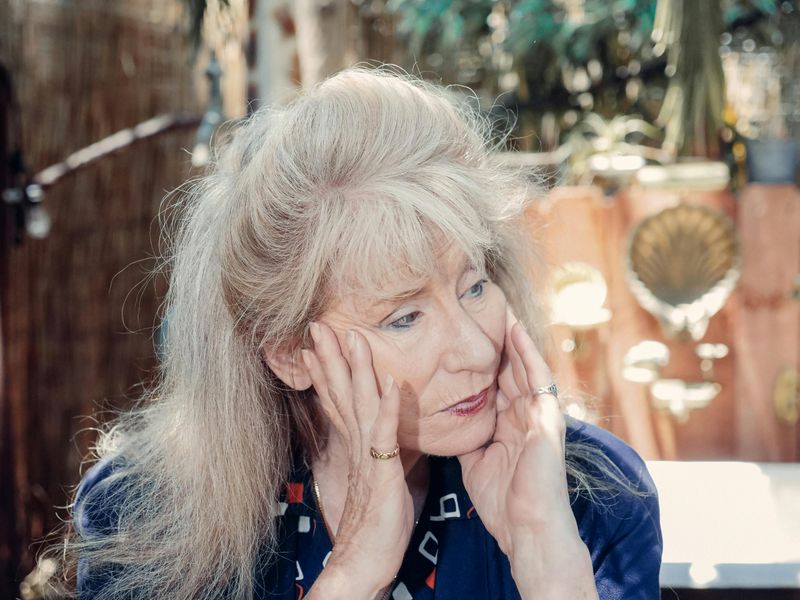
Perhaps the deepest frustration comes from realizing nobody prepared you for these challenges or validated your struggles along the way.
Older women who came before you stayed silent about their own difficulties, leaving you to navigate everything alone without guidance or warning.
When you tried to express frustration, people dismissed your feelings as complaining or being negative rather than offering genuine support.
This silence created isolation that made every challenge feel like a personal failure rather than a common experience.
You wonder why women weren’t more honest about perimenopause, caregiving stress, or age discrimination before you faced them yourself.
The lack of open conversation meant you had no framework for understanding or coping with these issues.
Breaking the silence by sharing your experiences honestly with other women creates the support network that was missing and helps younger women prepare better.