 MomSkoop
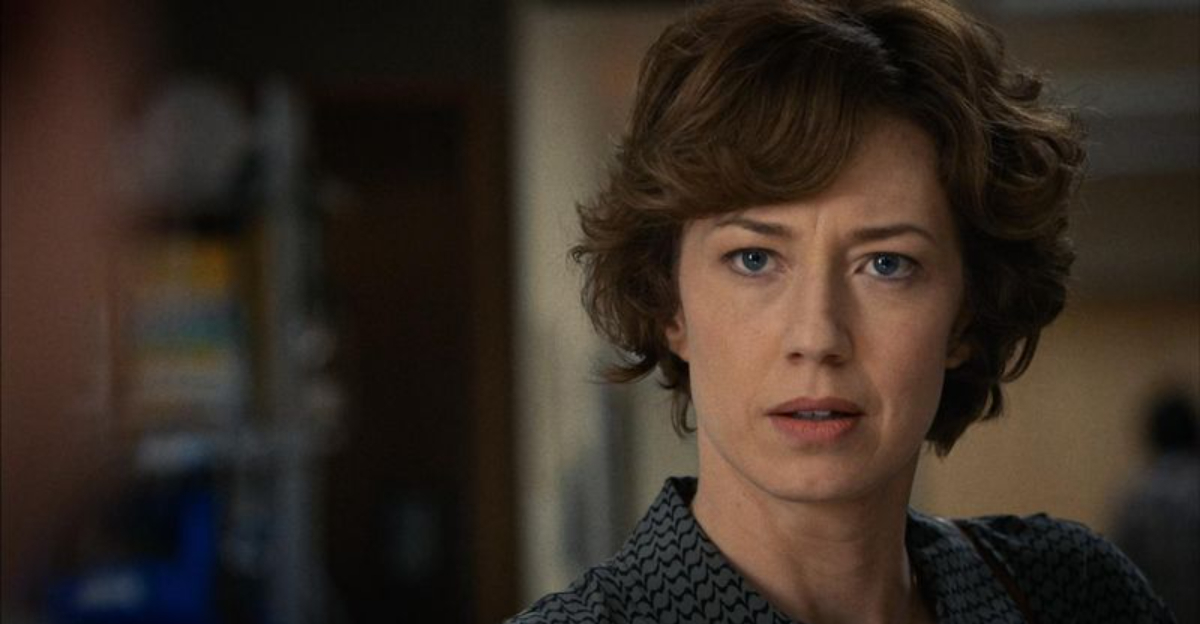
Some roles feel so perfectly cast that it’s impossible to imagine anyone else playing them. Through unforgettable performances, these actors brought their characters to life in ways that became instantly iconic.
From beloved heroes to legendary villains, their talent turned great roles into movie history. Here are 18 performances that simply wouldn’t have worked with anyone else.
1. Bryan Cranston — Walter White (Breaking Bad)
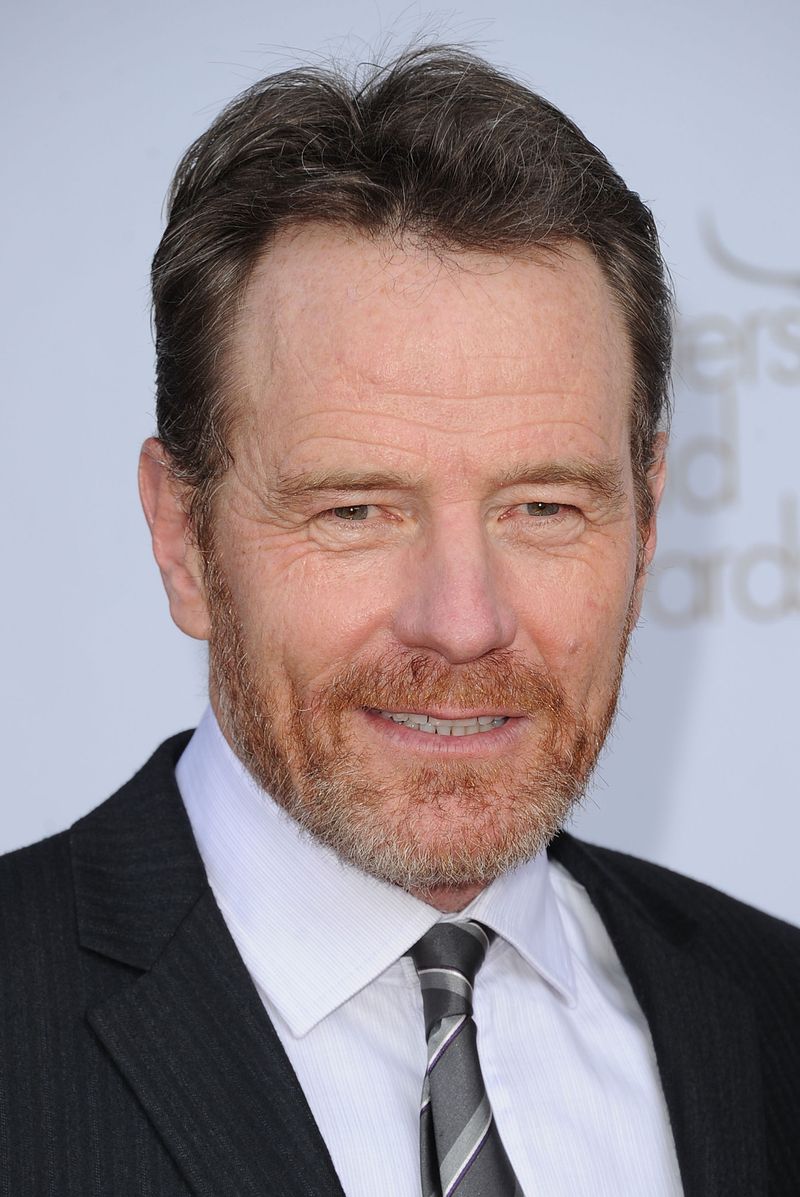
Walter White started as a mild-mannered chemistry teacher, but Bryan Cranston transformed him into one of television’s most complex antiheroes.
His ability to shift from vulnerable family man to ruthless drug kingpin within seconds showed incredible range.
Every twitch of his face told a story about Walter’s descent into darkness.
Cranston brought a humanity to Walter that made viewers sympathize with someone doing terrible things.
He made you understand the character’s motivations even when you disagreed with his choices.
The role earned him four Emmy Awards and cemented his place in television history.
Without Cranston’s nuanced performance, Breaking Bad wouldn’t have achieved its legendary status in pop culture today.
2. Frances McDormand — Mildred Hayes (Three Billboards Outside Ebbing, Missouri)
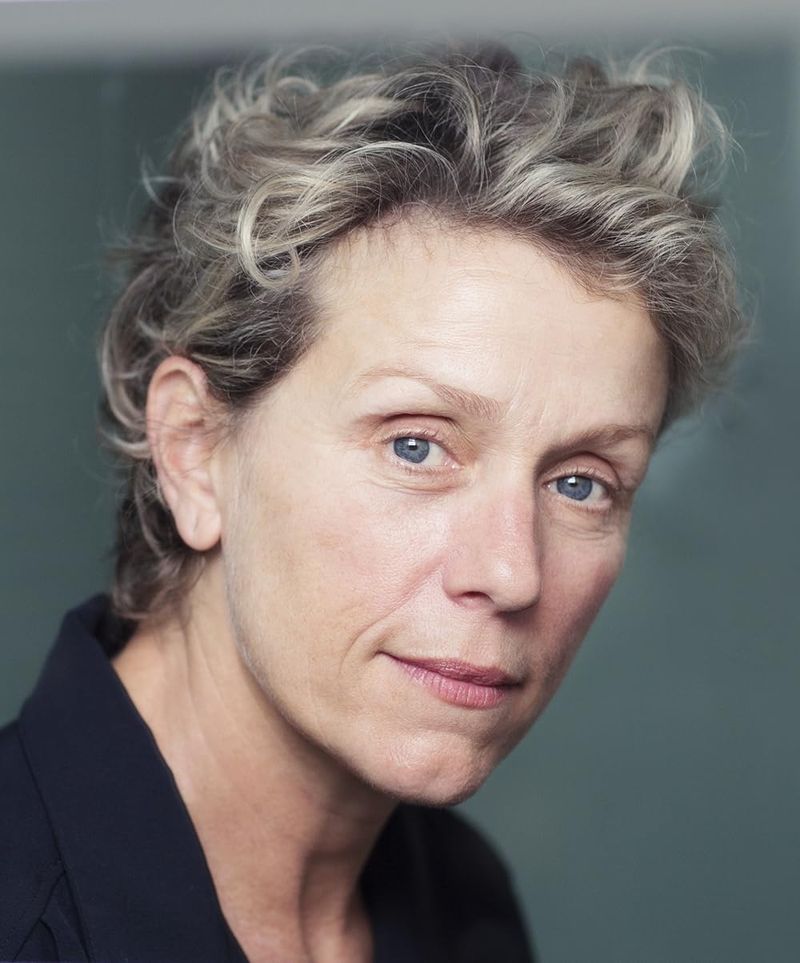
Mildred Hayes is a grieving mother on a mission for justice, and Frances McDormand plays her with raw, unfiltered emotion.
Her performance captures the anger, pain, and stubbornness of someone who refuses to let the world forget her daughter.
McDormand doesn’t soften the character’s rough edges—she leans into them completely.
The actress brings a fierce authenticity that makes Mildred feel like a real person you might meet in any small town.
She balances moments of dark humor with heartbreaking vulnerability.
Her confrontations crackle with intensity that keeps audiences glued to the screen.
McDormand’s Oscar-winning work proves that some roles require an actor willing to be completely fearless in their choices.
3. Heath Ledger — The Joker (The Dark Knight)
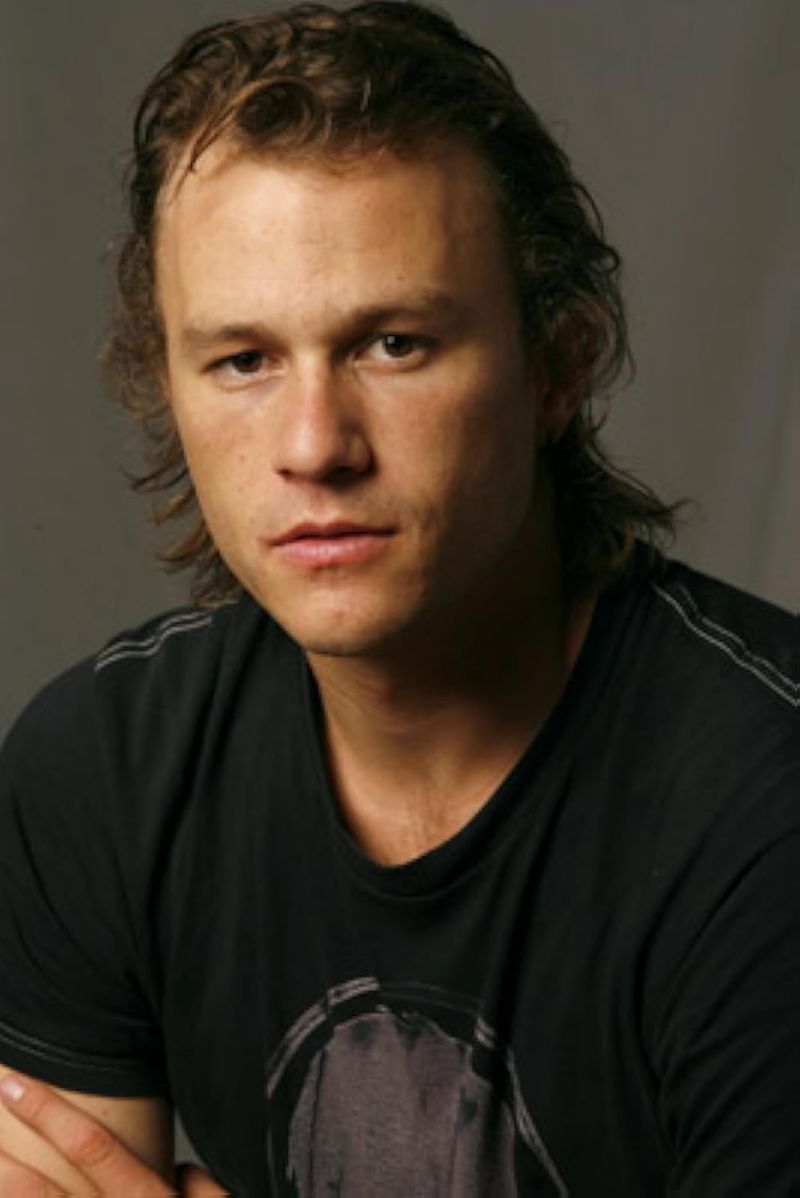
Heath Ledger’s Joker redefined what a comic book villain could be on screen.
He created a version of the character that was genuinely terrifying, unpredictable, and disturbingly captivating.
Every movement, every line delivery felt dangerous and unhinged in the most compelling way possible.
Ledger disappeared completely into the role, creating mannerisms and a voice that became instantly iconic.
His performance elevated The Dark Knight from superhero movie to serious crime drama.
The actor’s commitment was so total that it changed how Hollywood approached villain characters forever.
Winning a posthumous Oscar, Ledger’s Joker remains the gold standard for bringing darkness and chaos to life on film.
4. Mahershala Ali — Juan (Moonlight)
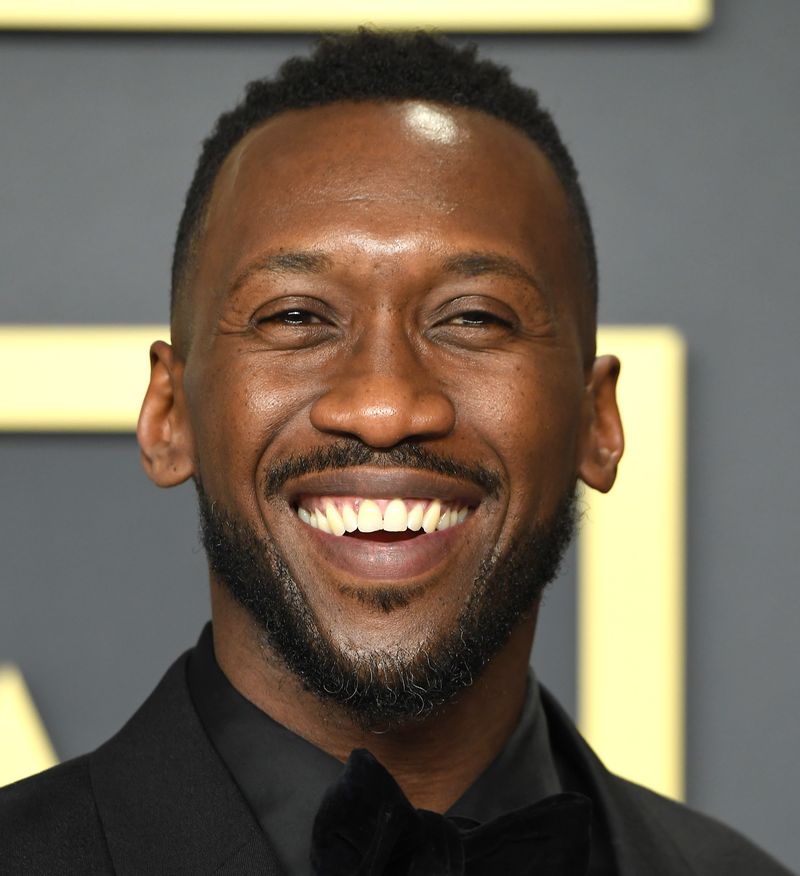
Juan could have been just another drug dealer stereotype, but Mahershala Ali transforms him into something much more profound.
He plays Juan as a father figure with genuine compassion and wisdom, despite his complicated life choices.
Ali’s gentle presence creates a safe space for young Chiron to begin discovering himself.
The actor brings incredible warmth and dignity to every scene, making Juan’s mentorship feel authentic and deeply moving.
His performance shows that people can’t be reduced to simple labels of good or bad.
Ali makes you believe in Juan’s love for this child he’s chosen to protect.
This Oscar-winning role proved that even limited screen time can create a lasting emotional impact when performed with such grace.
5. Toni Collette — Annie Graham (Hereditary)
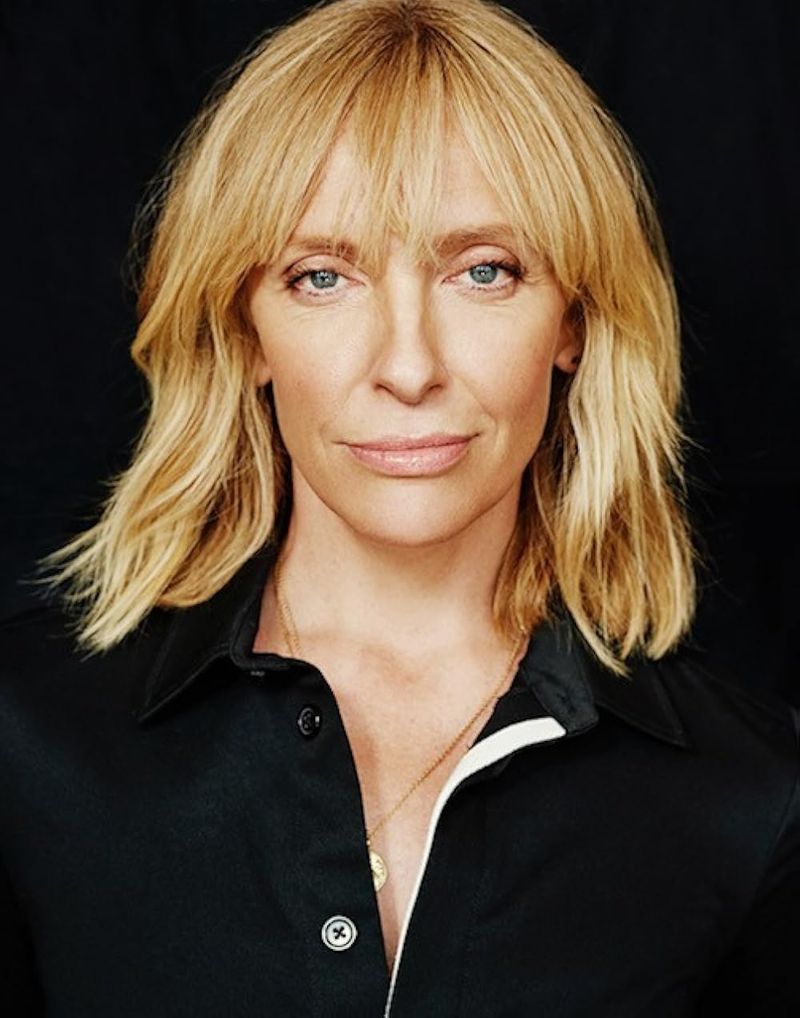
Annie Graham’s unraveling requires an actor capable of portraying extreme psychological horror, and Toni Collette delivers with devastating power.
She takes viewers through every stage of grief, trauma, and supernatural terror with unflinching commitment.
Her infamous dinner table scene alone showcases acting that borders on possessed.
Collette makes Annie’s descent feel painfully real rather than just scary movie theatrics.
She grounds the supernatural elements in genuine human emotion and maternal desperation.
Her physical performance—the way she moves, screams, and contorts—creates images that haunt viewers long after the credits roll.
Many critics argued she deserved an Oscar nomination for this tour de force that redefined what horror performances could achieve.
6. Christoph Waltz — Hans Landa (Inglourious Basterds)
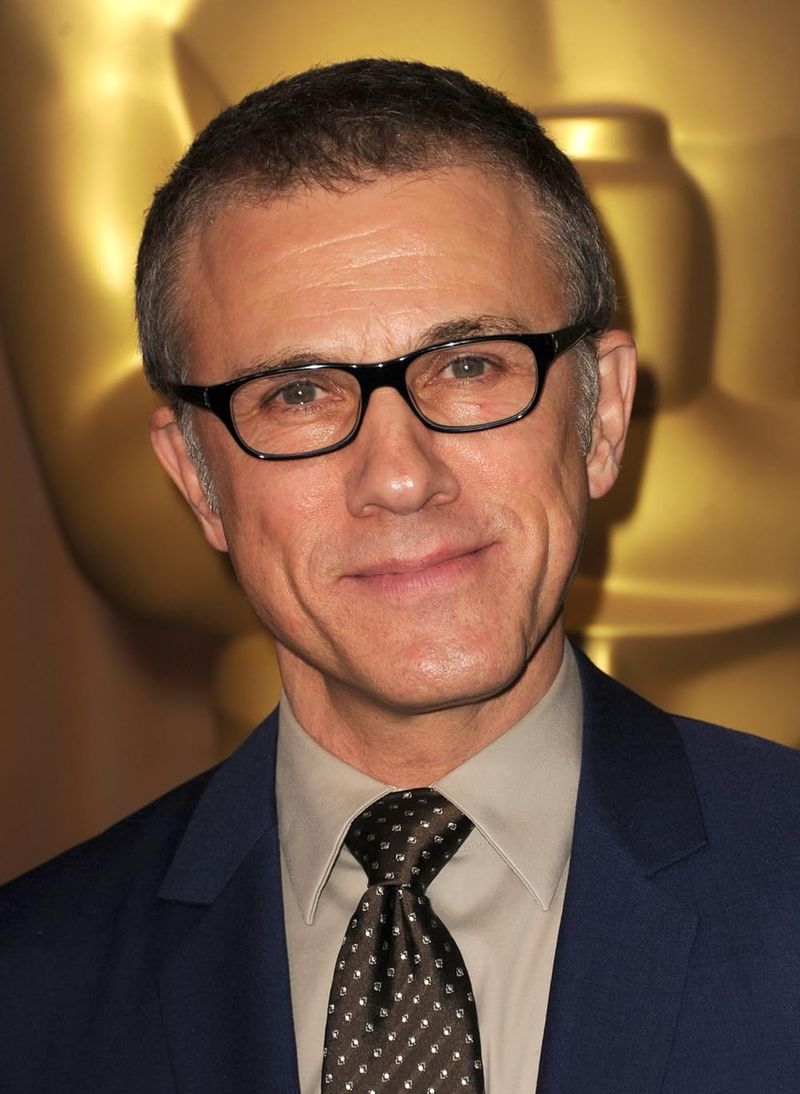
Hans Landa is terrifying precisely because Christoph Waltz makes him so charming and intelligent.
He plays the Nazi colonel with a playful menace that makes every scene feel like a deadly game.
Waltz switches between languages effortlessly, using each one as another weapon in his psychological arsenal.
The actor’s ability to be simultaneously polite and threatening creates unbearable tension in his scenes.
His famous opening interrogation demonstrates masterful control of pacing, tone, and audience manipulation.
Waltz makes Landa feel like the smartest person in every room, which makes him all the more dangerous.
This breakout performance earned Waltz his first Oscar and introduced the world to one of cinema’s most unforgettable villains.
7. Carrie Coon — Nora Durst (The Leftovers)
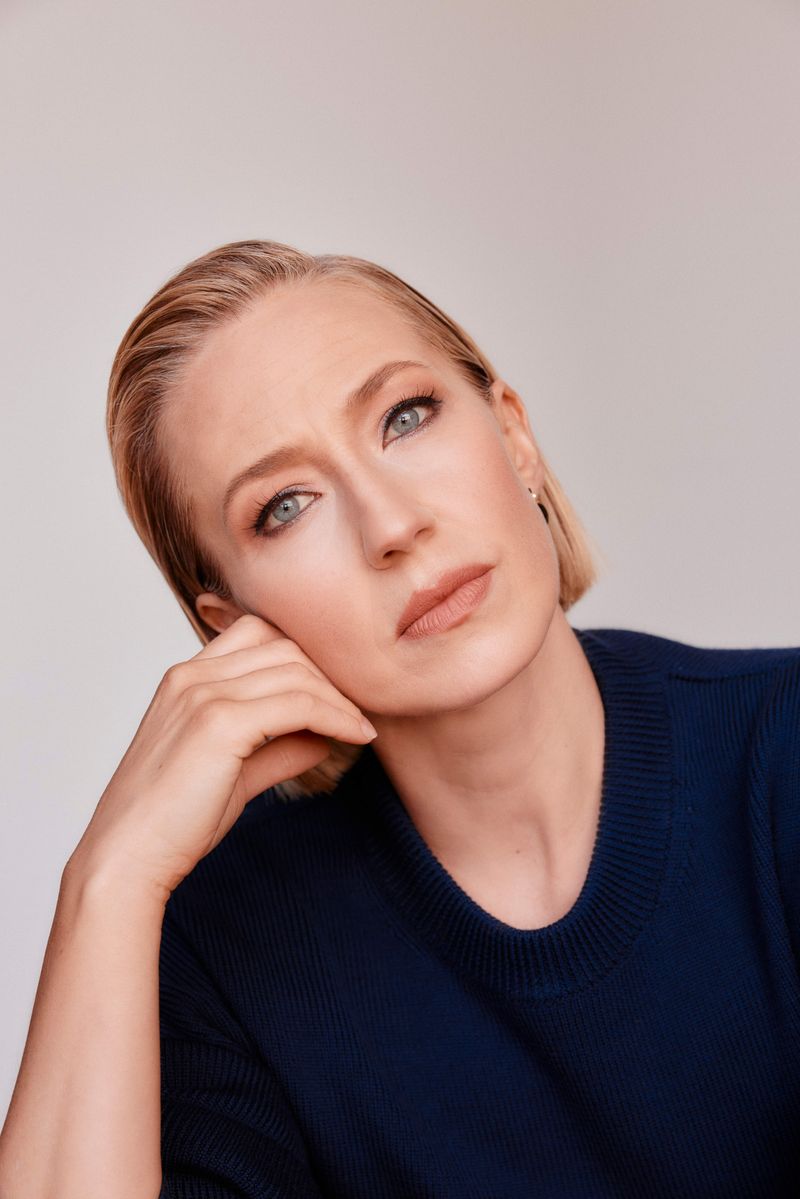
Nora Durst carries the weight of unimaginable loss, and Carrie Coon portrays this burden with stunning emotional precision.
She shows how someone tries to function normally after losing everything in an instant.
Coon’s performance captures both Nora’s armor and the cracks that constantly threaten to break through.
The actress brings fierce intelligence and dark humor to a character who could easily become one-note sadness.
She makes Nora’s anger feel justified and her rare moments of happiness heartbreakingly fragile.
Coon’s work in the series finale alone deserves to be studied in acting classes.
Her portrayal elevated The Leftovers into something transcendent, proving that prestige television can showcase truly extraordinary dramatic performances.
8. J.K. Simmons — Terence Fletcher (Whiplash)
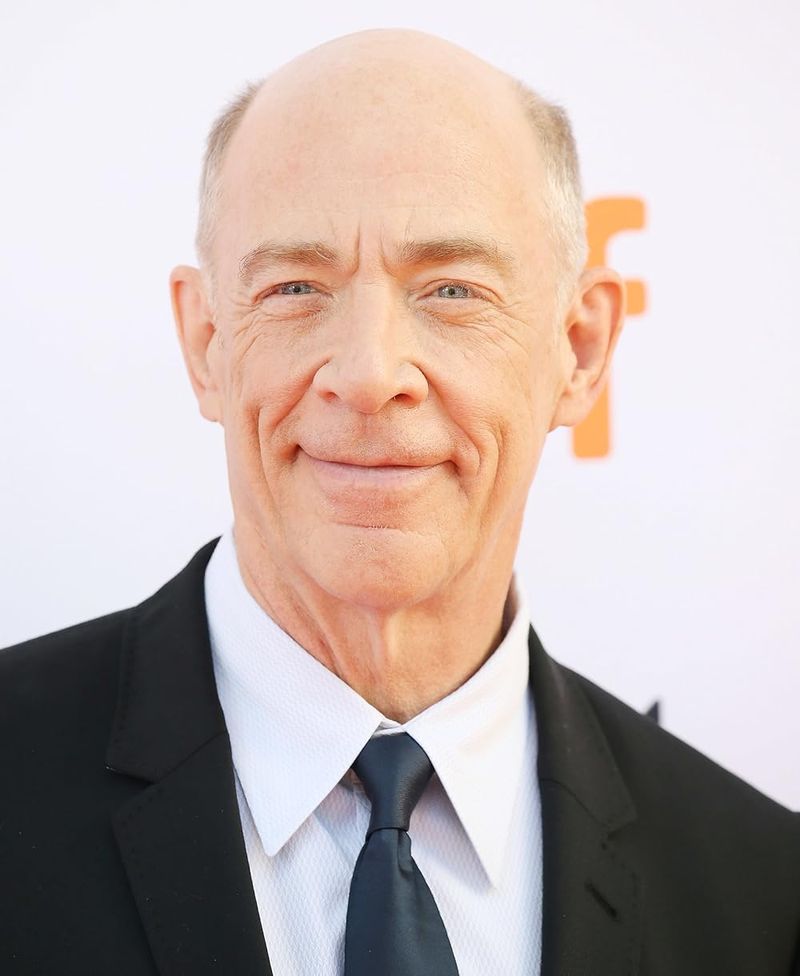
Terence Fletcher is a music teacher who pushes his students beyond reasonable limits, and J.K.
Simmons makes him absolutely terrifying.
His explosive rage feels volcanic and unpredictable, keeping both the student drummer and the audience constantly on edge.
Simmons brings a military drill sergeant intensity to a jazz music conservatory.
The actor makes you question whether Fletcher’s abusive methods might somehow be justified by his pursuit of greatness.
His quieter moments are somehow even more unsettling than his screaming fits.
Simmons creates a villain you can’t look away from, even when you desperately want to.
This Oscar-winning performance transformed Simmons from character actor to household name with one of cinema’s most intense roles.
9. Saoirse Ronan — Christine “Lady Bird” McPherson (Lady Bird)
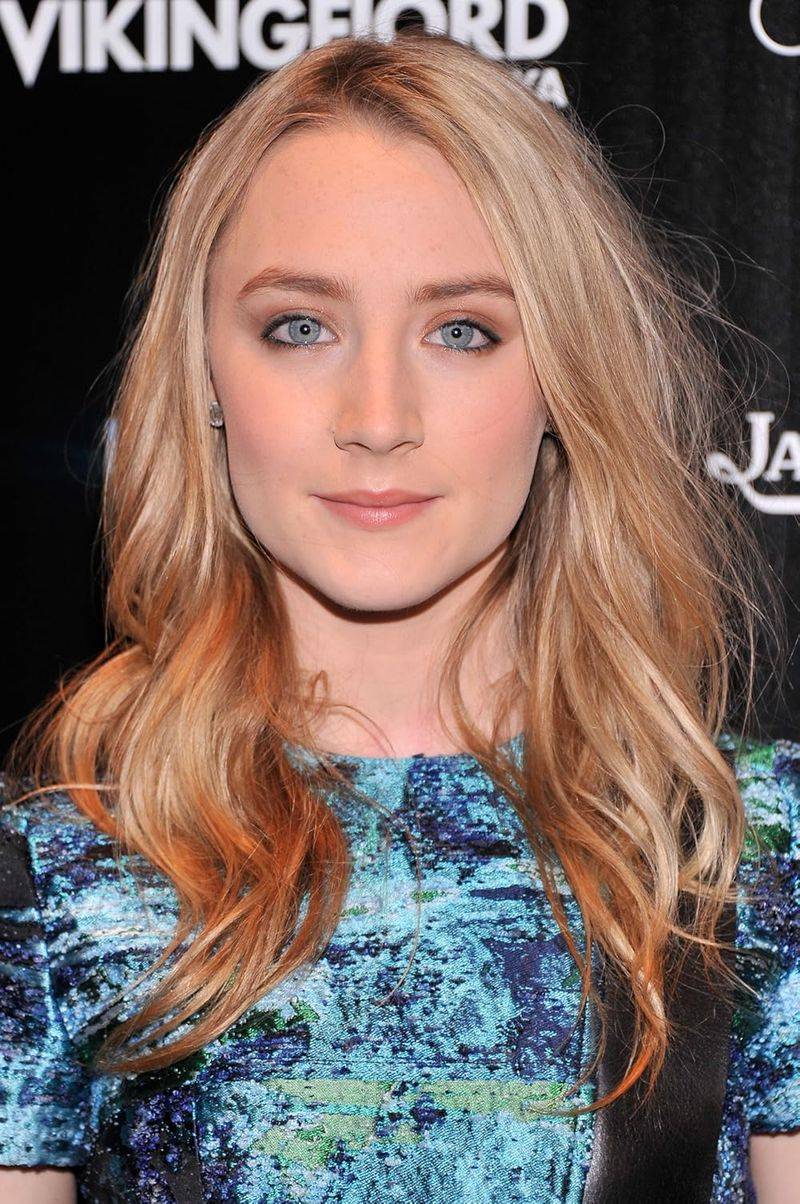
Christine “Lady Bird” McPherson feels like someone you actually knew in high school, thanks to Saoirse Ronan’s authentic portrayal.
She captures the specific awkwardness of being seventeen—too young to be taken seriously, too old to be dismissed.
Ronan makes Lady Bird’s pretensions and insecurities equally endearing and cringe-worthy.
The actress brings perfect comedic timing to moments of teenage drama while keeping the emotional core genuine.
Her chemistry with Laurie Metcalf creates one of cinema’s most realistic mother-daughter relationships.
Ronan shows how coming-of-age means constantly contradicting yourself while figuring out who you are.
Her Oscar-nominated performance proves that “small” stories about ordinary teenagers can be just as powerful as epic adventures.
10. Pedro Pascal — Joel Miller (The Last of Us)
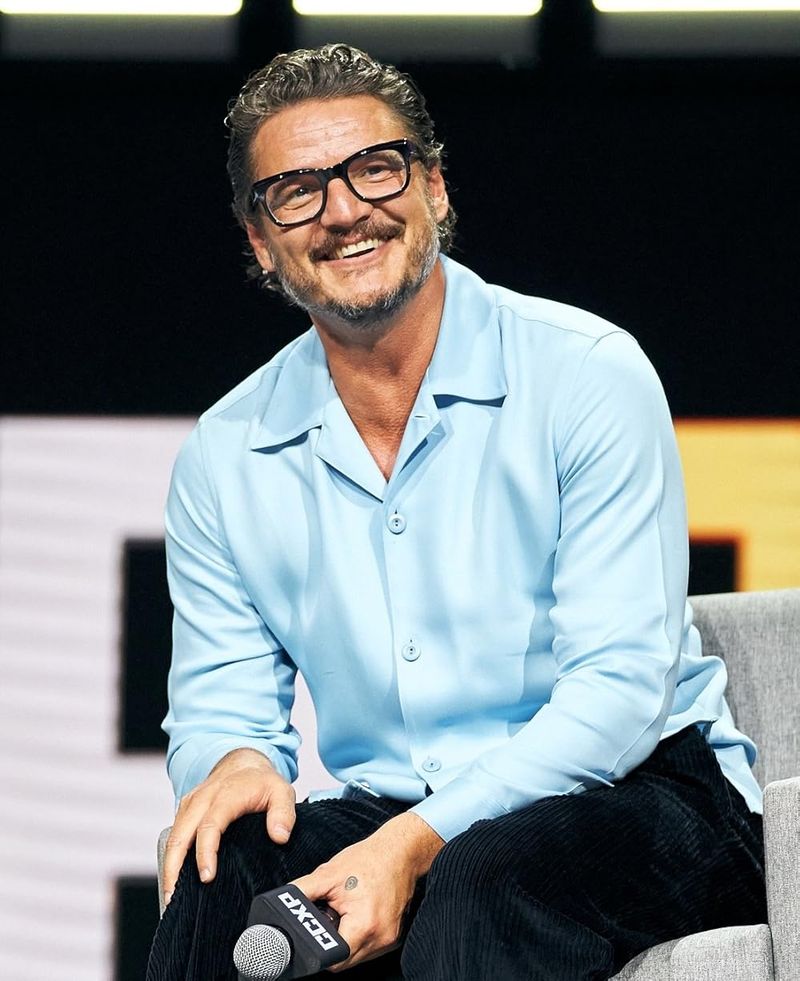
Joel Miller is a hardened survivor in a zombie apocalypse, but Pedro Pascal finds the broken father underneath the tough exterior.
He shows how Joel has shut down emotionally to survive his trauma, then slowly begins to open up again.
Pascal’s subtle facial expressions convey years of pain and guilt without saying a word.
The actor builds incredible chemistry with his young co-star, making their surrogate father-daughter bond feel completely earned.
He balances Joel’s capacity for violence with his desperate need to protect and love again.
Pascal makes you understand why Joel makes his controversial choices, even if you don’t agree.
His performance helped the video game adaptation become one of the most acclaimed shows in recent television history.
11. Olivia Colman — Queen Anne (The Favourite)
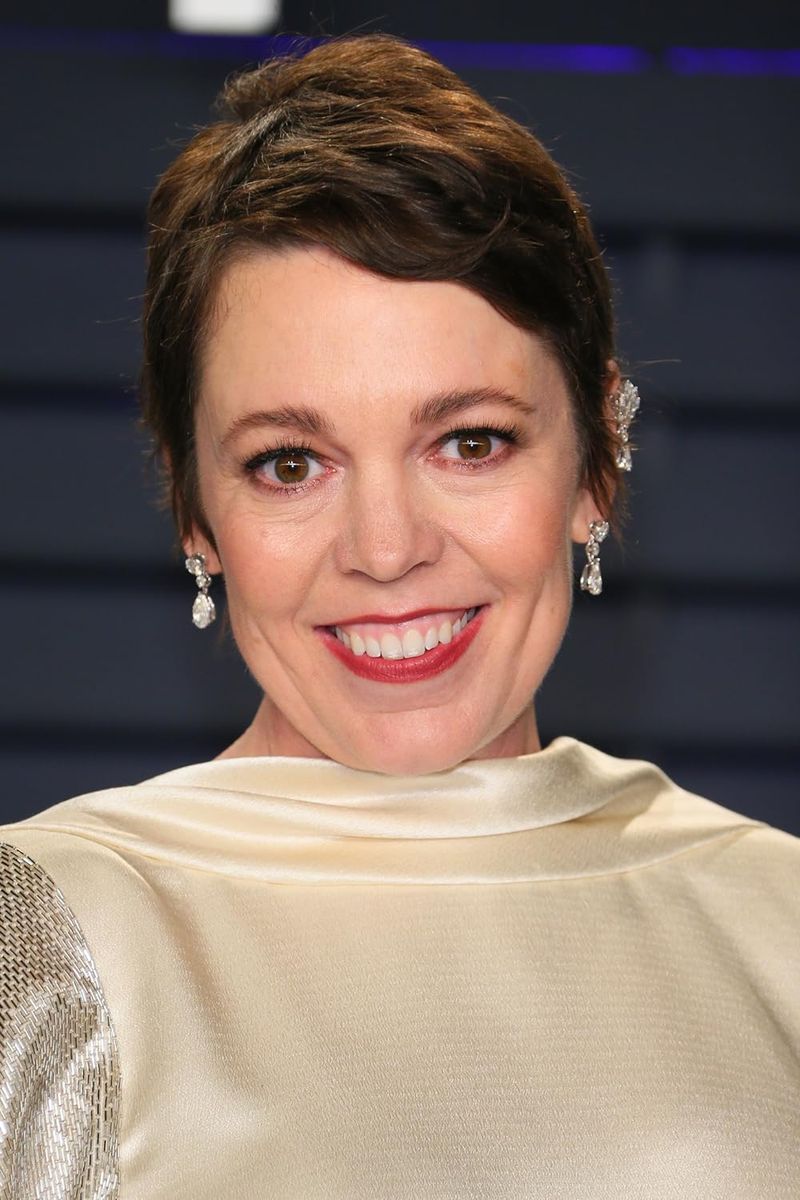
Queen Anne could have been played as a simple villain or fool, but Olivia Colman makes her heartbreakingly human.
She portrays the queen as childish, manipulative, vulnerable, and desperate for genuine affection all at once.
Colman finds dark comedy in Anne’s tantrums while never losing sight of her profound loneliness and pain.
The actress physically transforms herself, adopting an ungainly walk and speaking in a voice that shifts between commanding and whining.
She makes Anne’s neediness both funny and tragic, often in the same scene.
Colman shows how absolute power can’t fill the emptiness left by loss and isolation.
This Oscar-winning performance reminded everyone that historical figures were complicated real people, not just names in textbooks.
12. Adam Driver — Kylo Ren (Star Wars sequel trilogy)
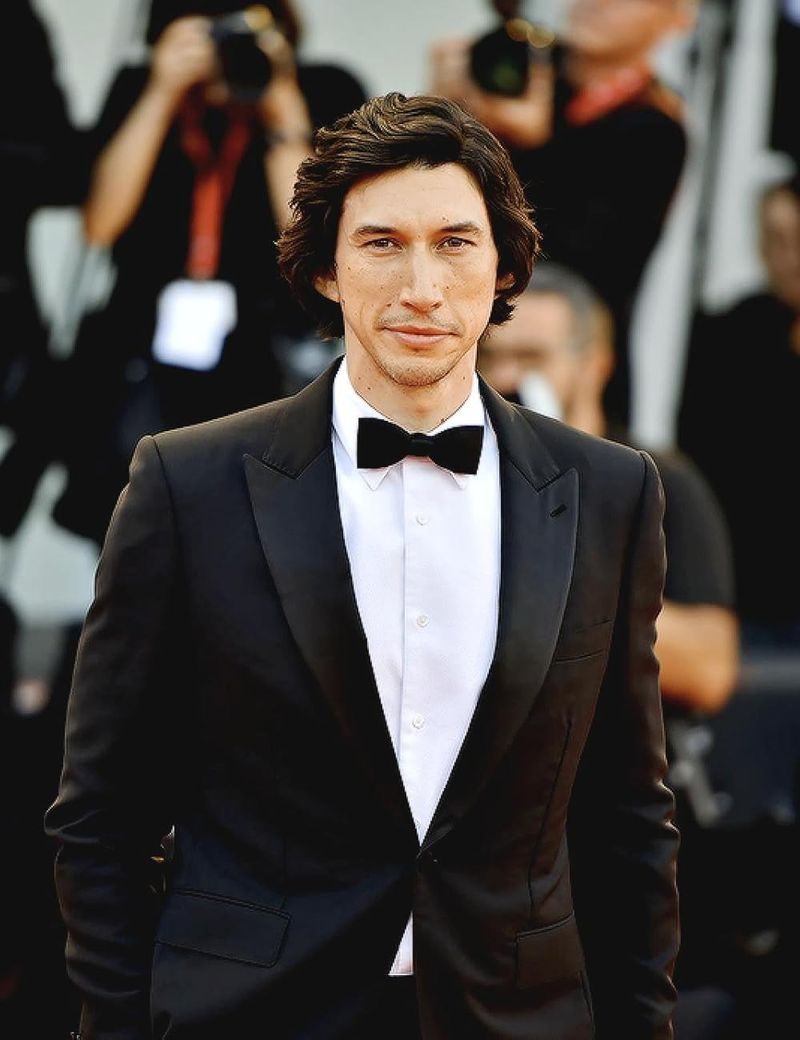
Kylo Ren needed an actor who could make a conflicted villain compelling across three films, and Adam Driver delivered completely.
He plays Kylo as someone genuinely torn between light and dark, making his internal struggle feel real rather than manufactured.
Driver brings surprising vulnerability to a character wearing an intimidating mask and throwing destructive tantrums.
The actor uses his physical presence—his height, his intensity, his expressive face—to create a villain who feels dangerous and pitiable simultaneously.
His scenes crackle with barely contained rage and confusion about his own identity.
Driver makes you believe in Kylo’s obsession with legacy and his desperate need for belonging.
His performance gave the sequel trilogy its emotional center and most interesting character throughout the controversial films.
13. Viola Davis — Rose Maxson (Fences)
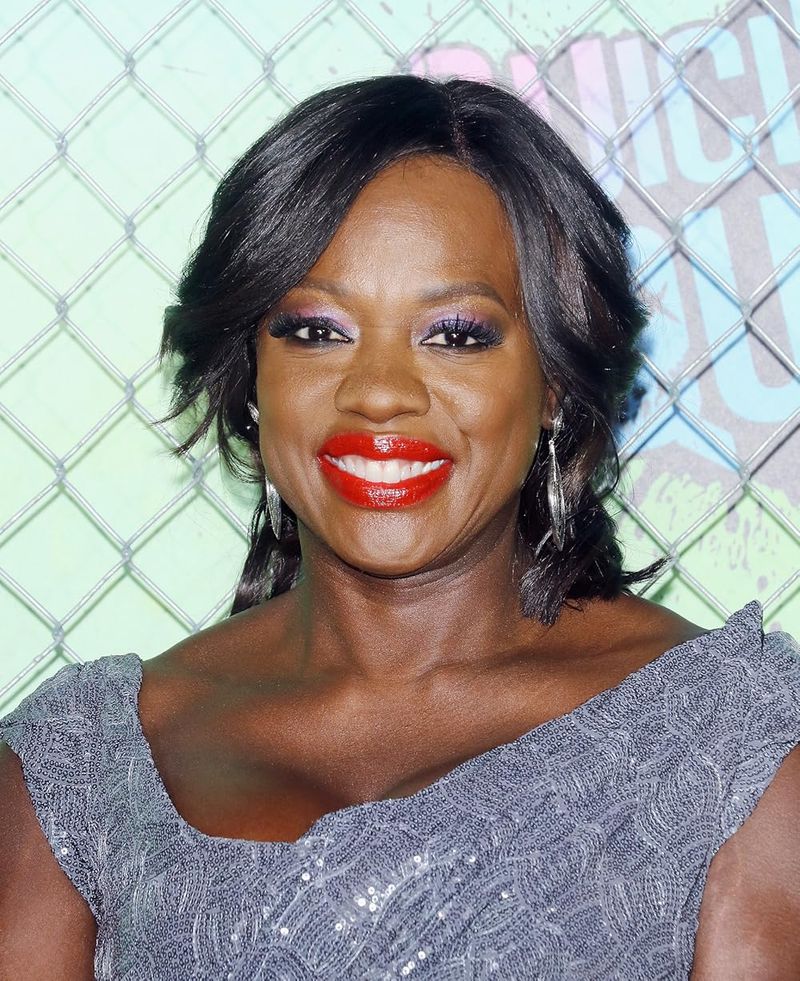
Rose Maxson is a woman holding her family together through sheer will, and Viola Davis embodies her strength with stunning power.
She shows how Rose sacrifices her own dreams to support her husband’s ego and raise their family.
Davis makes every moment count, building toward an emotional explosion that leaves audiences breathless.
The actress brings incredible dignity to a role that could have been thankless or one-dimensional in lesser hands.
Her famous monologue about giving eighteen years of her life stands as one of the greatest pieces of screen acting ever captured.
Davis makes Rose’s pain, anger, and resilience all feel utterly authentic and deeply moving.
Her Oscar-winning performance proves that adapting stage plays can showcase acting at its absolute highest level.
14. Ke Huy Quan — Waymond Wang (Everything Everywhere All at Once)
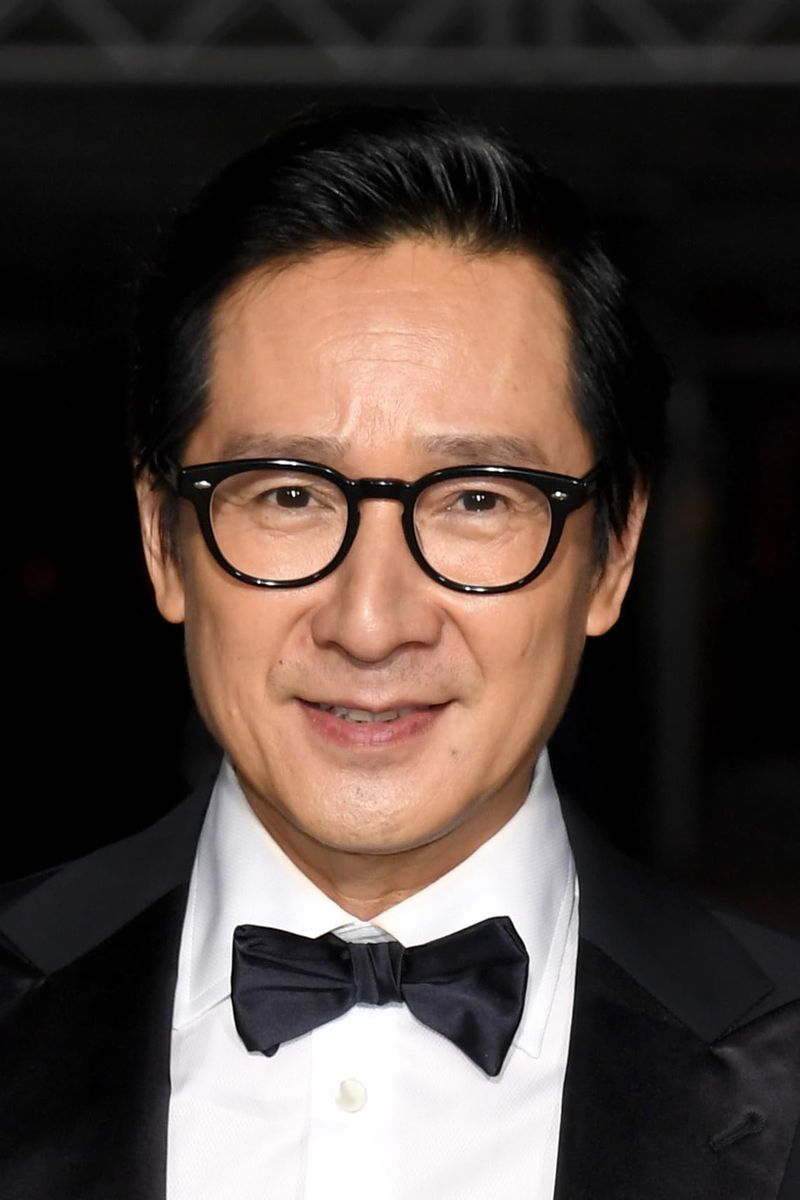
Waymond Wang appears to be a simple, optimistic husband, but Ke Huy Quan reveals unexpected depths in this multiverse-spanning role.
He plays multiple versions of the character, from meek laundromat owner to confident action hero, making each feel distinct yet connected.
Quan brings genuine warmth and humor to every scene, creating the emotional heart of a chaotic film.
The actor’s return to Hollywood after decades away adds real-life emotion to his performance about second chances and hidden potential.
He makes Waymond’s philosophy of kindness feel powerful rather than weak in a cynical world.
Quan delivers both spectacular martial arts sequences and tender romantic moments with equal skill.
His Oscar-winning comeback story became as inspiring as the character he played so beautifully.
15. Bob Odenkirk — Saul Goodman (Better Call Saul)
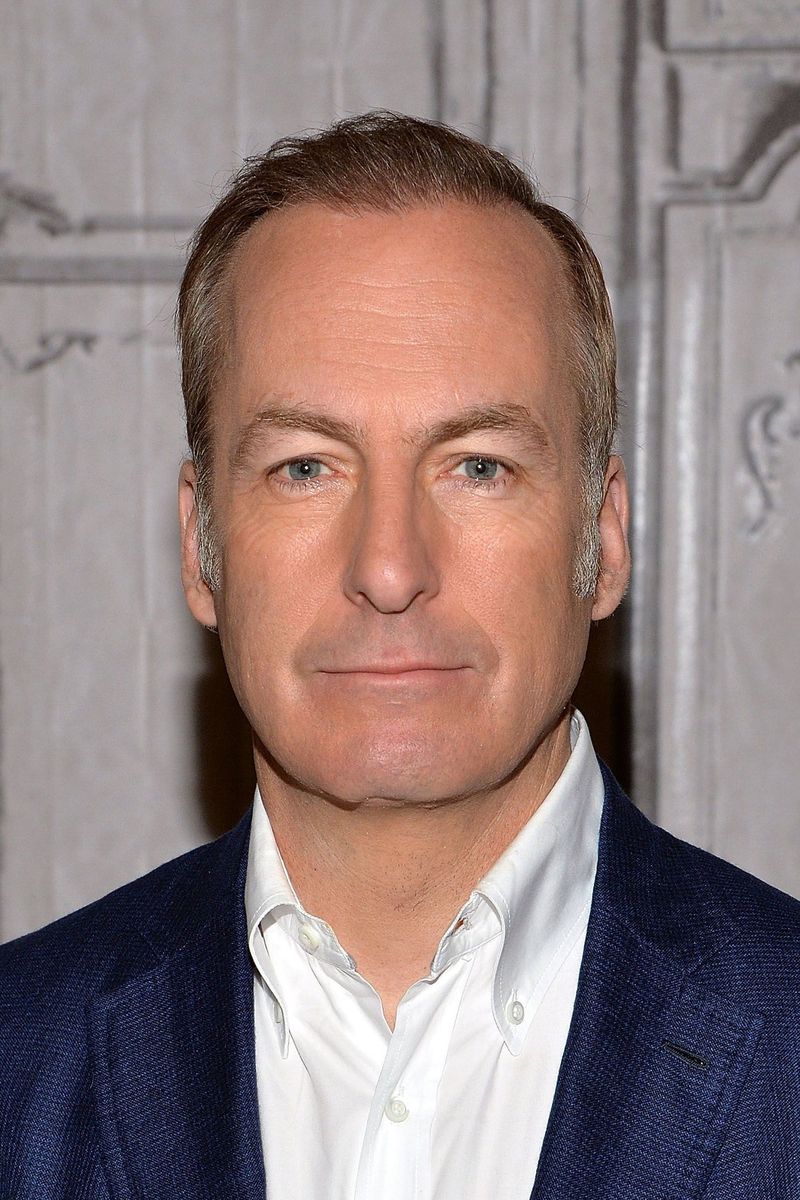
Jimmy McGill’s transformation into Saul Goodman required an actor who could balance comedy and tragedy perfectly, and Bob Odenkirk proved he was that actor.
He takes a character introduced as comic relief in Breaking Bad and gives him a complete, heartbreaking backstory.
Odenkirk makes you understand exactly how a good person with good intentions can make terrible choices that change them forever.
The actor brings incredible depth to Jimmy’s relationship with his brother and his love interest, making their conflicts genuinely painful.
He shows how Jimmy uses humor as both a weapon and a shield against a world that constantly rejects him.
Odenkirk’s performance across six seasons created one of television’s most complex character studies.
His work elevated Better Call Saul into something that matched and perhaps even surpassed its legendary predecessor.
16. Robert Downey Jr. – Tony Stark (Iron Man)
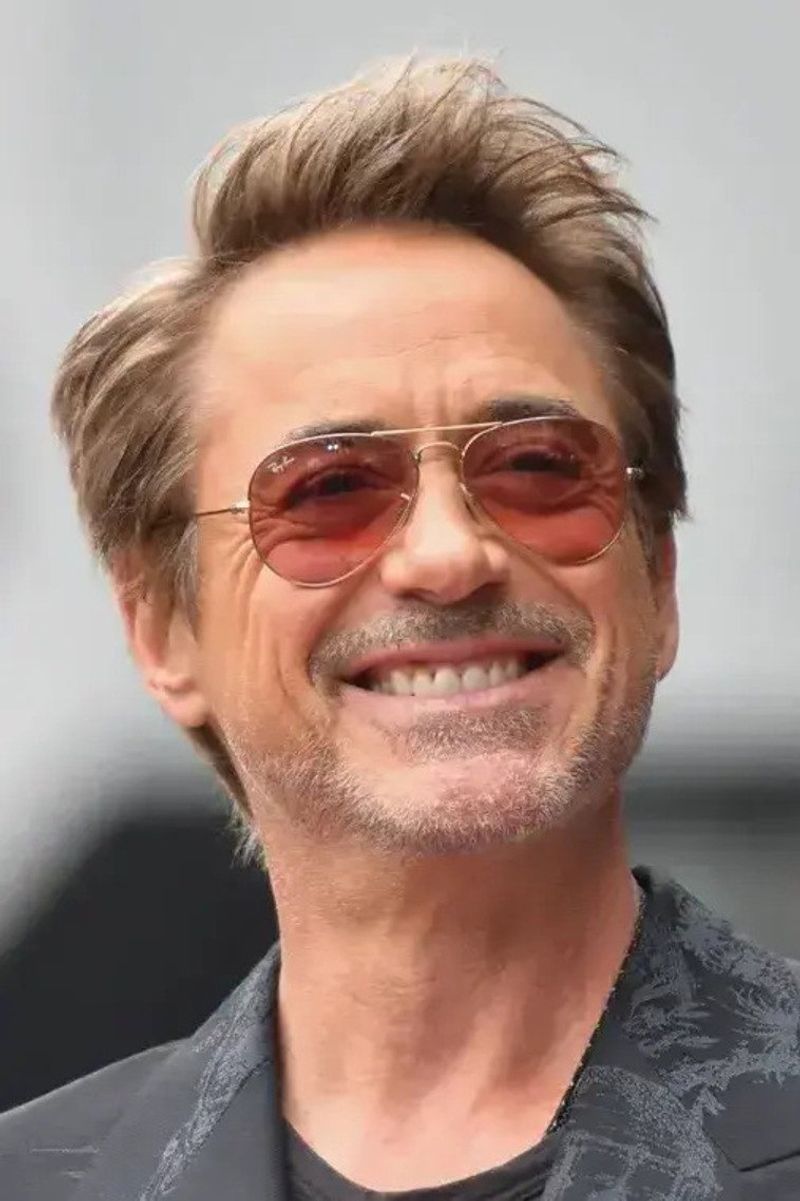
Tony Stark could have been just another billionaire superhero, but Robert Downey Jr. made him unforgettable.
His wit, charm, and perfect comedic timing gave the character a depth that went beyond the suit.
The vulnerability beneath all that bravado felt genuine.
Downey Jr. brought his own comeback story to the role, making Stark’s redemption arc even more powerful.
His improvised dialogue became legendary, with many of his best lines never appearing in the script.
The entire Marvel Cinematic Universe was built on the foundation of his charismatic performance, proving that casting the right actor can change everything.
17. Daniel Day-Lewis – Daniel Plainview (There Will Be Blood)
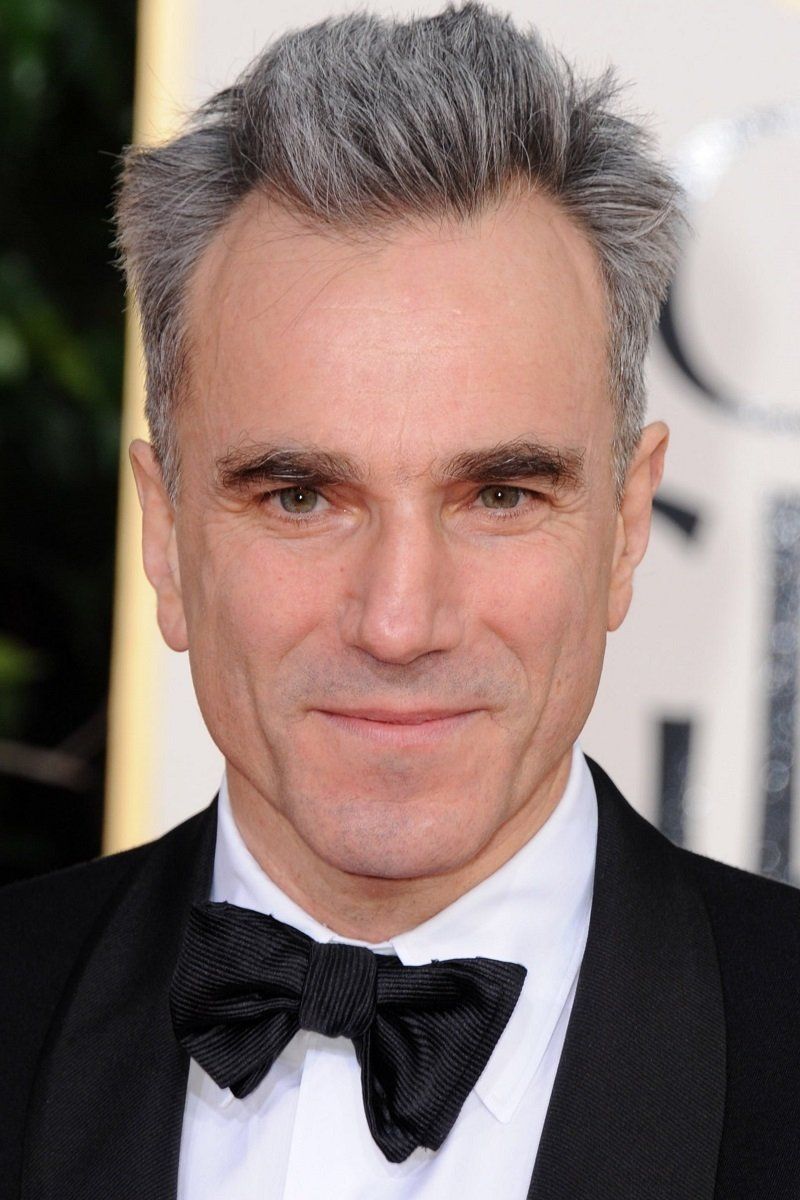
Daniel Plainview is a monster wrapped in ambition, and Daniel Day-Lewis embodied every terrifying moment.
His commitment to the role was absolute, staying in character throughout the entire production.
The intensity he brought made viewers both fascinated and repelled by the oil tycoon.
Day-Lewis crafted a unique voice and physical presence that felt pulled from another era.
His explosive rage scenes remain some of cinema’s most memorable moments.
The famous milkshake speech became iconic because of his chilling delivery, turning what could have been ridiculous into something genuinely frightening and unforgettable.
18. Lupita Nyong’o – Adelaide Wilson (Us)
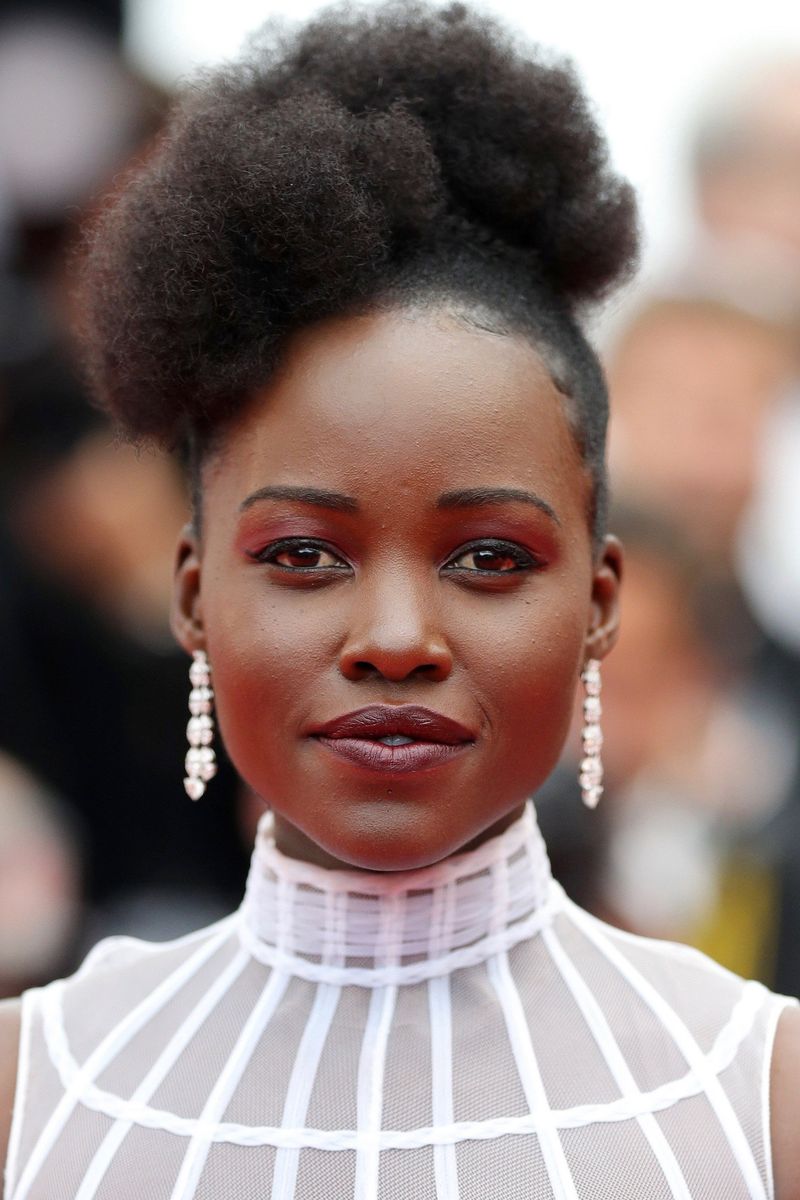
Adelaide Wilson required an actress who could play two completely different versions of the same person, and Lupita Nyong’o delivered masterfully.
Her performance as both the suburban mother and her terrifying tethered double showcased incredible range.
The voice she created for Red alone deserves its own award.
Nyong’o made audiences believe these were two distinct people with different mannerisms and motivations.
Her physicality changed completely between roles, from Adelaide’s nervous energy to Red’s predatory movements.
The emotional depth she brought to both characters elevated the entire film, making a horror premise feel deeply human and heartbreaking.