 MomSkoop
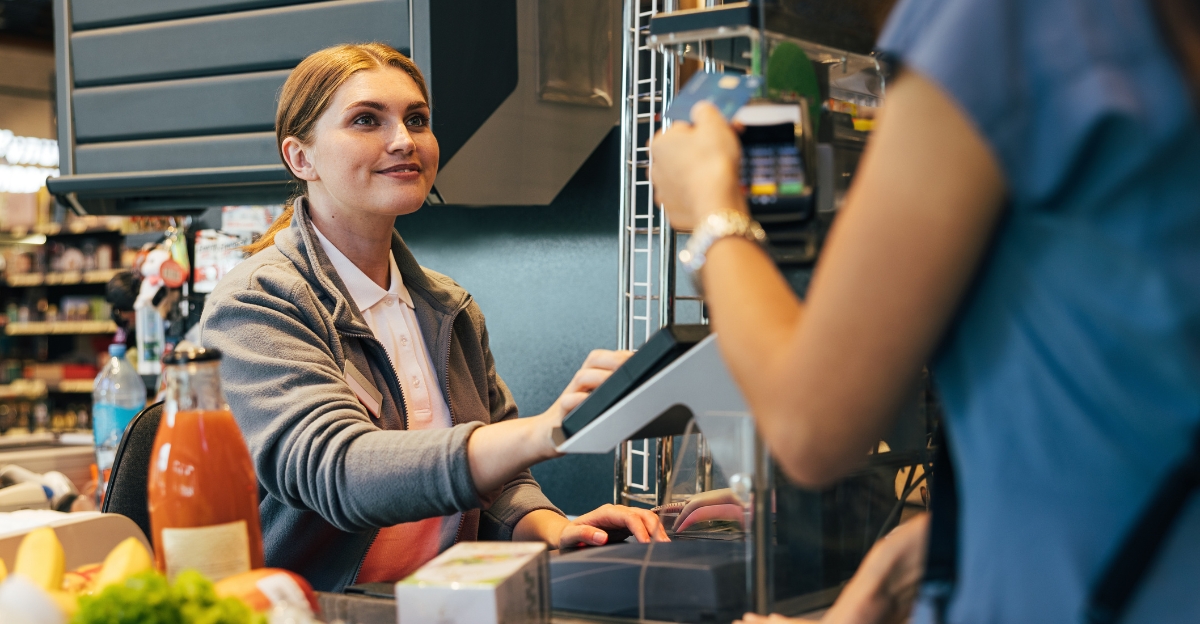
Self-checkout lanes have become a common sight in grocery stores and retail shops across the country.
Some shoppers love the speed and independence these machines offer, while others walk right past them to wait in the traditional checkout line.
The people who avoid self-checkout aren’t just being difficult or old-fashioned.
Their choice often reflects deeper personality traits that shape how they interact with the world around them.
1. They Thrive on Human Connection
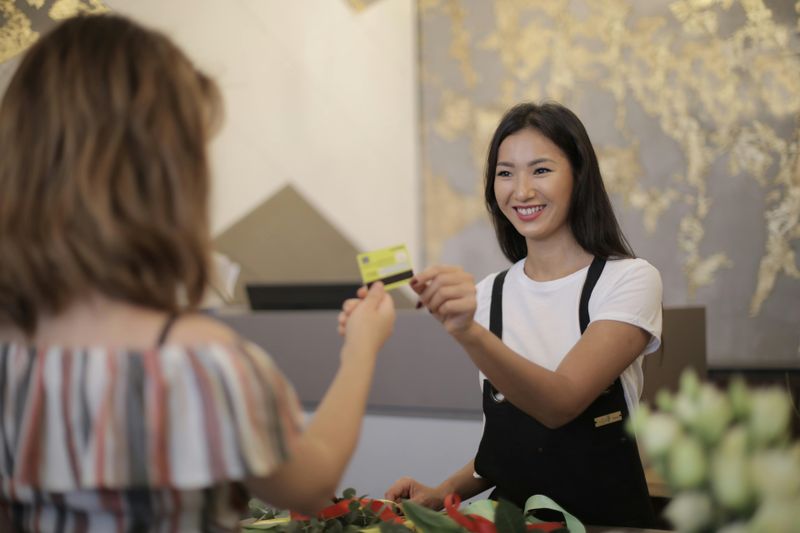
Some folks genuinely light up when they get to chat with another person during their shopping trip.
For them, that brief exchange with the cashier isn’t just a transaction.
It’s a moment of human warmth in an otherwise busy day.
These socially energized individuals see the checkout line as an opportunity rather than an obstacle.
They might ask the cashier how their day is going or share a quick story about what they’re cooking for dinner.
That personal touch matters more to them than saving a few minutes.
Technology can’t replace the feeling of being seen and acknowledged by another person.
For extroverts, those small interactions add up to create a sense of community and belonging in their everyday routines.
2. Their Values Guide Their Choices
Making decisions based on personal principles rather than pure convenience defines certain shoppers.
They choose the cashier line because it aligns with what they believe is right, even if it takes longer.
Their shopping habits reflect a bigger picture of how they want to live.
These value-driven individuals often think about the broader impact of their choices.
Supporting jobs for real people matters more than shaving minutes off their errand.
They vote with their wallets every time they shop.
Convenience isn’t their top priority when it conflicts with their beliefs.
They’d rather stand in line knowing they’re contributing to someone’s employment than zip through a machine that might eventually replace workers.
3. Details and Security Matter Deeply
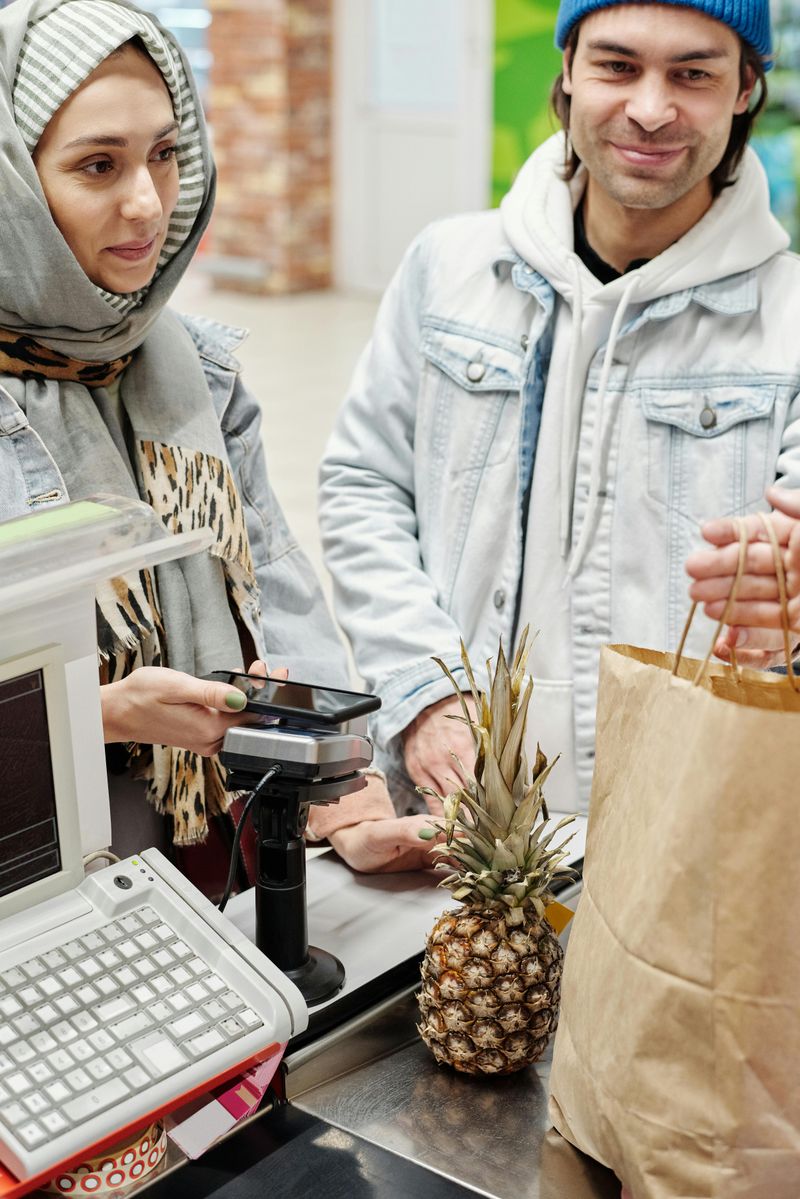
Organized minds often worry about the security risks that come with scanning their own items.
What happens to their purchase data?
How secure is that payment terminal?
These aren’t silly concerns for people who pay attention to the fine print.
Detail-oriented shoppers notice when items don’t scan correctly or when prices seem off.
They prefer having a trained professional handle the transaction because mistakes can be caught and corrected immediately.
Their conscientiousness extends to protecting their personal information from potential data breaches.
Privacy matters in an age where everything gets tracked and recorded.
Having a human cashier creates a buffer between them and the digital systems collecting their shopping habits and payment details.
4. Familiar Patterns Bring Comfort
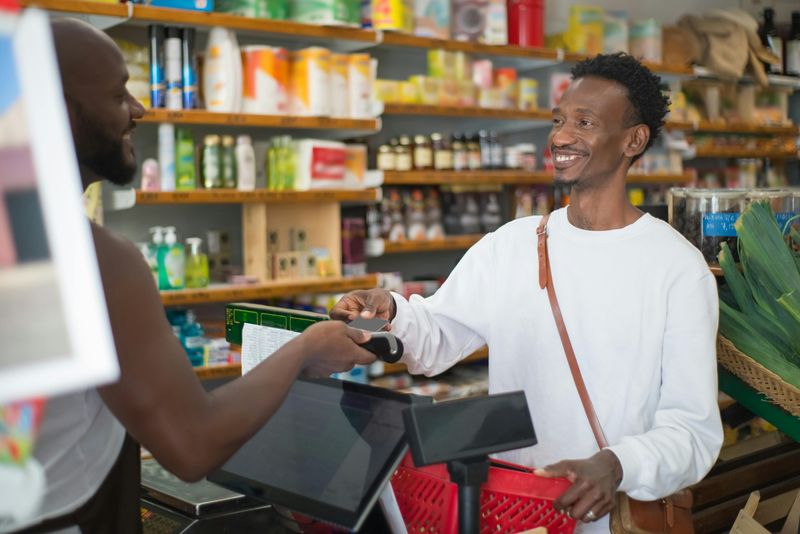
Habits create structure in our lives, and some people find real comfort in following the same shopping routine they’ve used for years.
Walking up to a cashier, unloading items onto the belt, and making small talk feels natural and right.
Why fix what isn’t broken?
Routine-loving shoppers know exactly what to expect from the traditional checkout experience.
There’s no learning curve, no confusing interface, and no unexpected error messages.
Everything flows in a predictable rhythm that feels safe and manageable.
Breaking established patterns requires mental energy that not everyone wants to spend on grocery shopping.
Sticking with the familiar method means one less thing to think about during an already busy day.
5. Change Doesn’t Come Easy
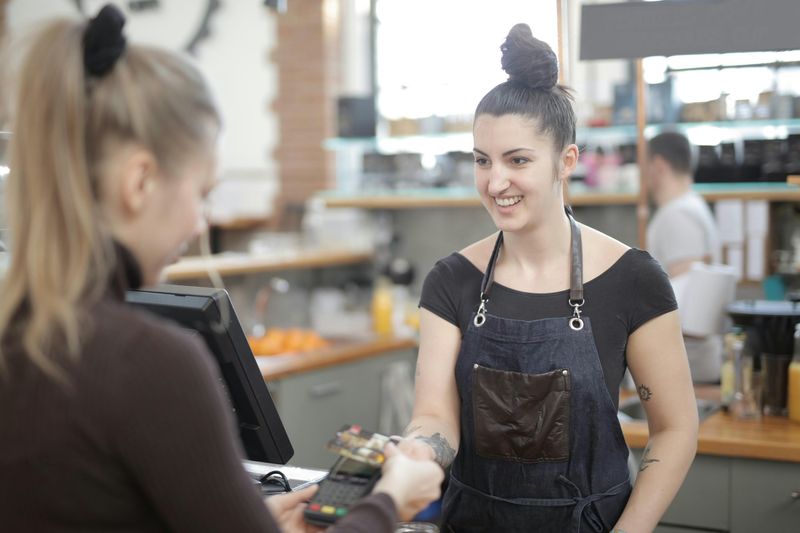
Stubbornness gets a bad reputation, but sometimes it’s just about knowing what works for you.
People who resist new technology aren’t necessarily afraid of it.
They’ve simply decided that the old way suits them just fine, thank you very much.
These individuals don’t jump on every new trend that comes along.
They watched self-checkout machines arrive and thought, “I’m good with what I’ve got.” Their resistance isn’t about inability but about choice and personal preference.
Adopting new habits takes effort, and not everyone sees the payoff as worth it.
When the traditional method still works perfectly well, why invest time and energy learning something different just because it’s newer?
6. Technology Feels Overwhelming
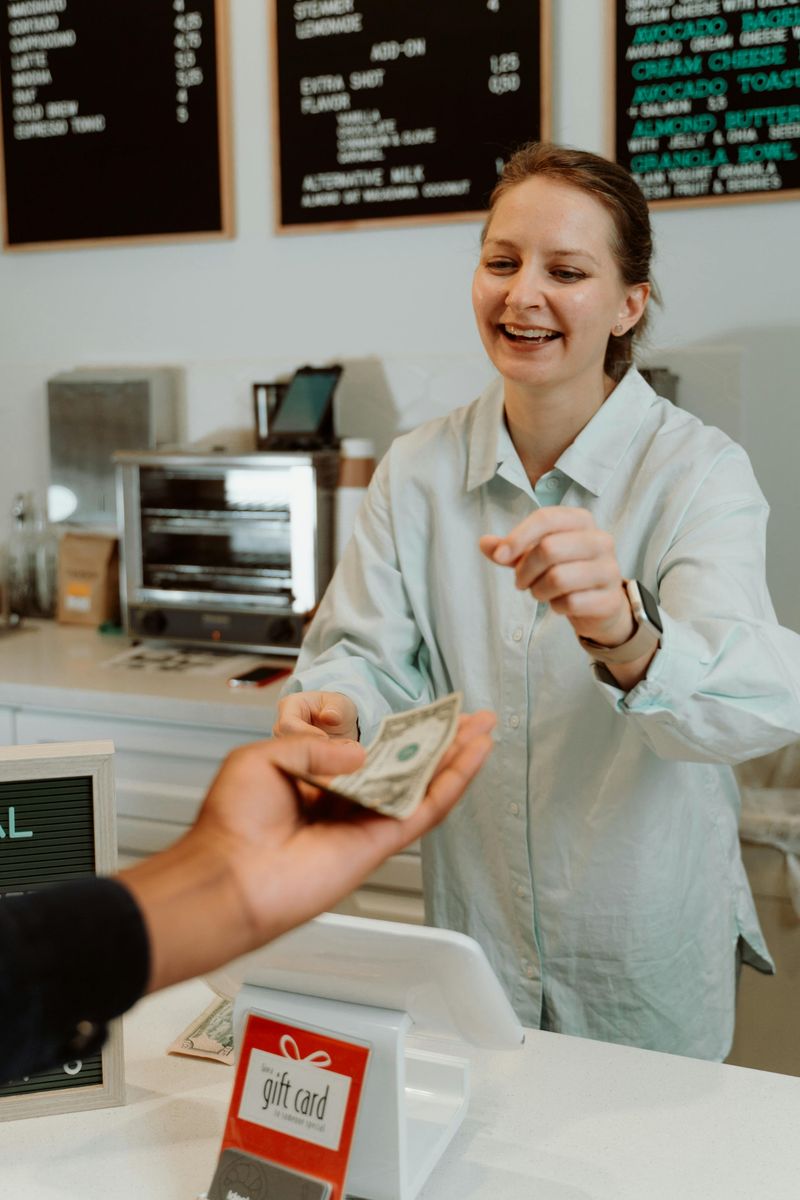
Touch screens, barcode scanners, weight sensors, and payment options can create genuine anxiety for some shoppers.
When the machine beeps angrily because you didn’t place an item in the bagging area correctly, stress levels spike.
Why deal with that when a cashier can handle everything smoothly?
These folks aren’t technologically incompetent.
They simply find the self-checkout interface confusing or the error messages frustrating.
Each trip to the store shouldn’t require troubleshooting a temperamental machine.
Stress affects our health and wellbeing in real ways.
Choosing the checkout method that keeps blood pressure low and frustration minimal is actually a smart act of self-care, not a character flaw.
7. They Notice the People Around Them

Empathy shows up in unexpected places, including the grocery store.
Some shoppers genuinely enjoy the opportunity to brighten a cashier’s day with a smile or kind word.
They see the person behind the register as someone deserving of acknowledgment and respect.
These socially mindful individuals understand that cashiers deal with difficult customers all day.
Being friendly and patient becomes their small contribution to making someone else’s work shift a little better.
Connection matters to them.
A simple “thank you” or “have a great day” carries more meaning than we often realize.
For people who value human interaction, choosing the cashier line is about treating others with dignity and kindness.
8. Job Loss Concerns Run Deep
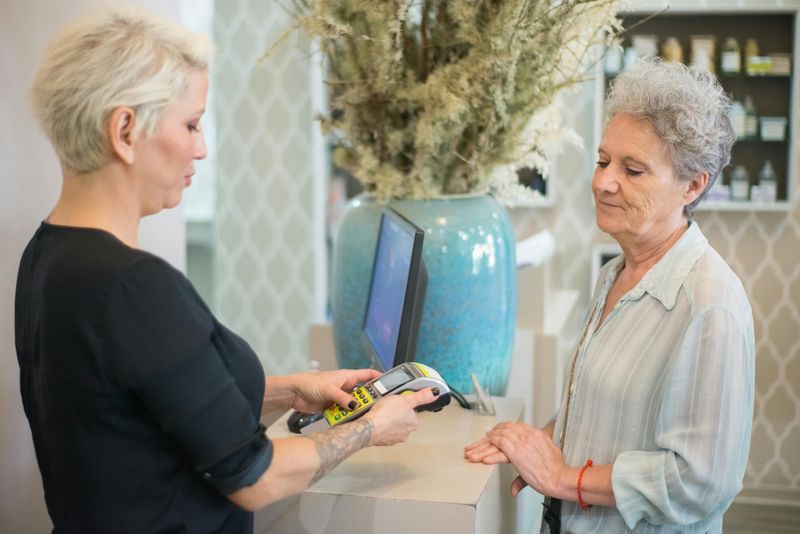
Automation anxiety isn’t just paranoia.
It’s a legitimate concern about what happens to workers when machines replace human jobs.
Some shoppers actively choose cashier lines as a form of quiet protest against the steady march of job-eliminating technology.
These activist-minded individuals think about economic consequences beyond their own convenience.
Every self-checkout lane represents potential job losses in their community.
They’d rather support employment, even if it means waiting a bit longer.
Voting with your purchasing decisions extends to how you check out.
Supporting human workers sends a message to retailers about what customers value.
Small choices can add up to meaningful impact over time.
9. Speed Isn’t Everything
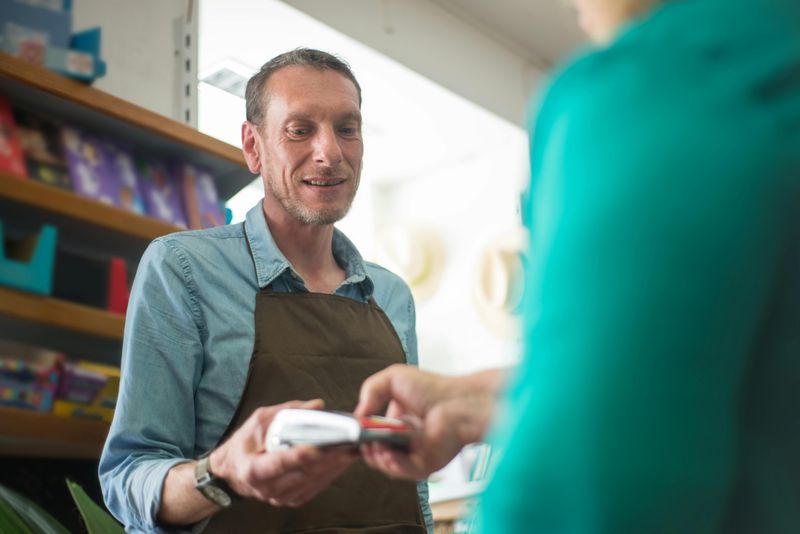
Modern life pushes us to rush constantly, but some people intentionally resist that pressure.
They don’t measure a successful shopping trip by how quickly they got in and out.
The journey matters as much as the destination.
Slow-paced shoppers actually enjoy taking their time at the store.
They browse, they think, they don’t race against an invisible clock.
Waiting in the cashier line gives them a moment to breathe and observe their surroundings without feeling rushed.
Efficiency culture tells us faster is always better, but that’s not true for everyone.
Some folks have learned that slowing down improves their quality of life and reduces stress in meaningful ways.
10. Data Collection Raises Red Flags

Every scan, every purchase, every loyalty card swipe creates data about your habits and preferences.
Privacy-focused shoppers understand that self-checkout machines often collect even more information than traditional registers.
That tracking makes them uncomfortable.
These individuals wonder what happens to all that data.
Who sees it?
How is it used?
What gets sold to third parties?
Having a cashier provides at least some human buffer in the data collection process.
In a world where privacy keeps shrinking, choosing the checkout method that feels less invasive makes sense.
Not everyone wants their shopping patterns analyzed and monetized by algorithms and marketing companies.
11. Professional Expertise Has Value
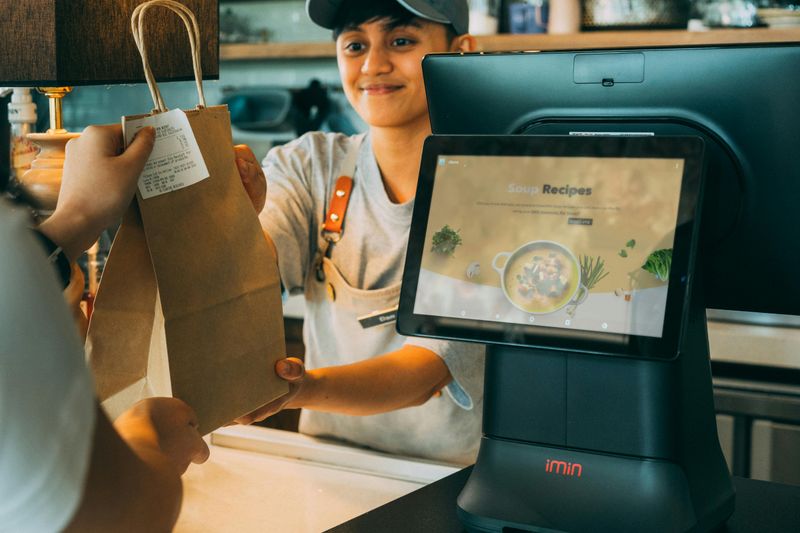
Trained cashiers know how to handle the weird situations that inevitably pop up during checkout.
When the system can’t find a price, or a coupon won’t scan, or something needs a manager override, expertise matters.
Self-checkout machines just flash error codes.
People who appreciate professional skills recognize that cashiers bring knowledge and problem-solving abilities to their work.
They can spot pricing errors, know store policies, and fix issues quickly.
That competence deserves recognition and support.
Trusting an expert to handle your transaction properly isn’t laziness.
It’s acknowledging that some jobs require training and experience that machines simply can’t replicate, no matter how sophisticated the programming gets.
12. Convenience Technology Seems Overrated
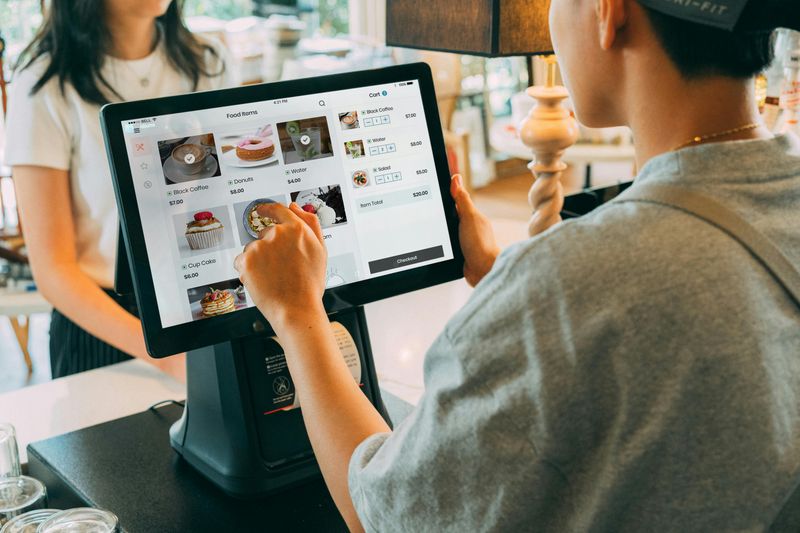
Not everyone buys into the hype around automation making life better.
Skeptics look at self-checkout and see machines that frequently malfunction, require employee intervention anyway, and don’t actually save much time.
Where’s the real benefit?
These questioning individuals notice when “convenient” technology creates more hassle than it solves.
They’ve watched people struggle with self-checkout machines while cashier lines move steadily.
The promise doesn’t match reality in their experience.
Healthy skepticism protects us from adopting every new gadget or system just because companies market it as progress.
Sometimes the traditional method actually works better, and recognizing that takes clear-eyed observation rather than blind faith in innovation.