 MomSkoop
Dealing with constipation can be uncomfortable and frustrating, but the solution might be sitting in your refrigerator right now.
Certain vegetables pack powerful fiber and nutrients that help your digestive system work smoothly and keep things moving naturally.
Adding these seven dietitian-approved veggies to your meals can make a real difference in how you feel every day.
1. Green Peas
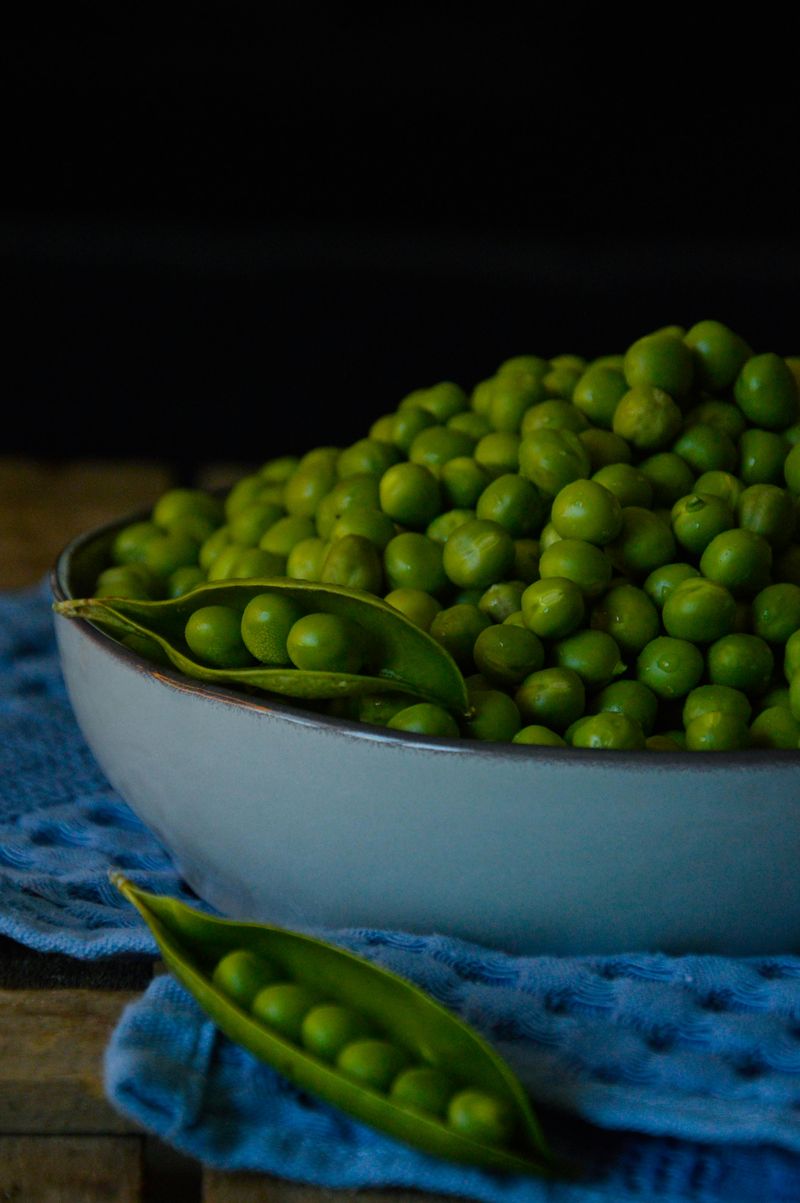
A half-cup serving of green peas delivers about 4 grams of fiber, which is impressive for such a small portion.
What makes peas special is they contain both soluble and insoluble fiber, giving your digestive system a double boost.
Soluble fiber dissolves in water and forms a gel-like substance that softens stool.
Insoluble fiber adds bulk and helps food move through your intestines faster.
Together, they create the perfect combination for relieving constipation naturally.
Try adding peas to pasta dishes, soups, or rice bowls for an easy fiber upgrade.
You can use fresh or frozen peas since they both offer similar nutritional benefits and work equally well.
2. Artichokes
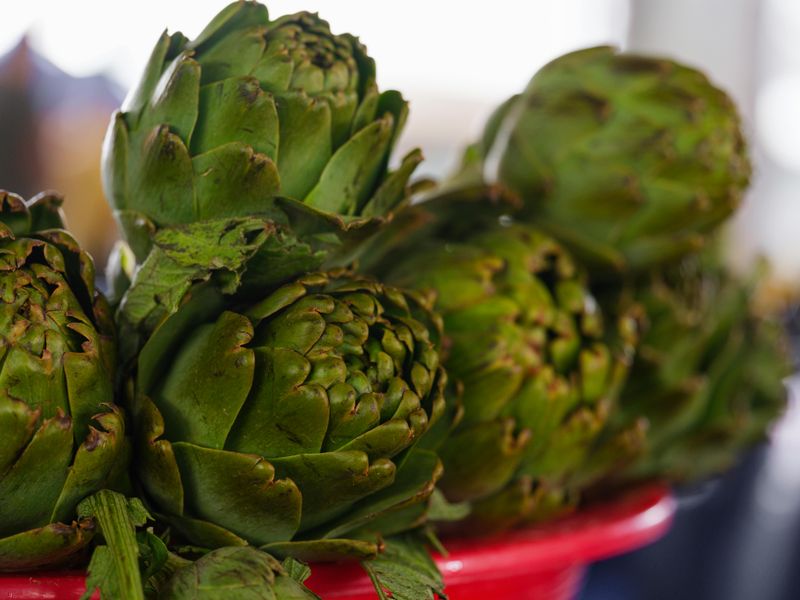
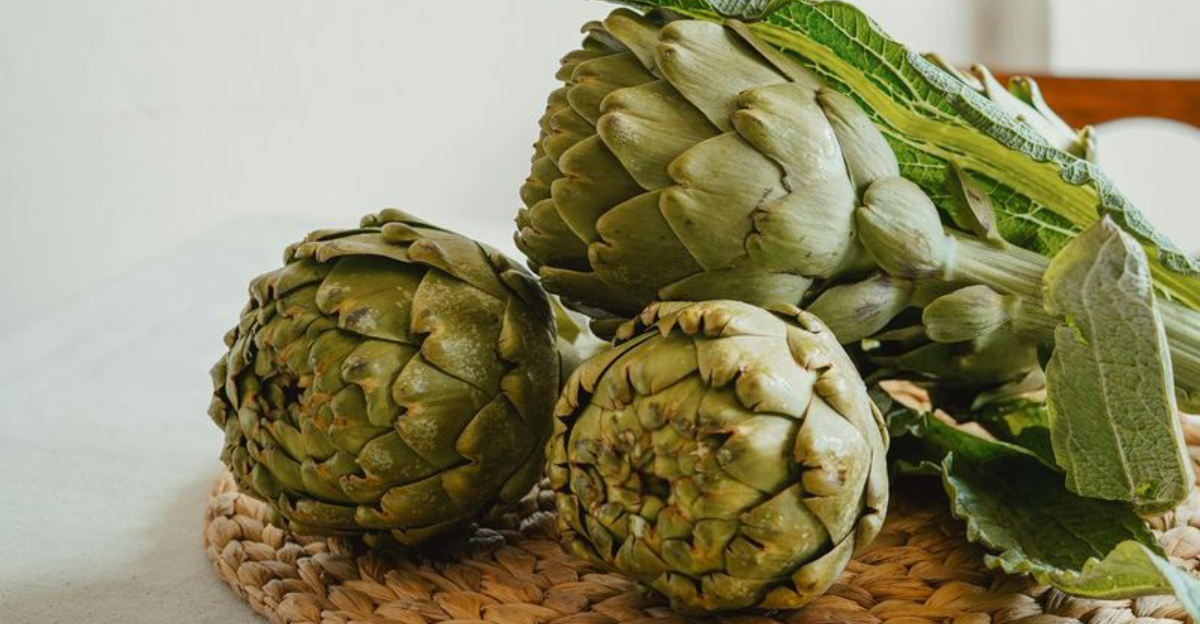
One medium artichoke contains nearly 7 grams of fiber, making it one of the highest-fiber vegetables you can eat.
Beyond the impressive fiber content, artichokes are loaded with inulin, a special type of prebiotic fiber that feeds the good bacteria in your gut.
These beneficial bacteria help your digestive system function properly and support regular bowel movements.
Inulin also helps your body absorb important minerals like calcium and magnesium more effectively.
Steam artichokes whole and dip the leaves in lemon butter, or use canned artichoke hearts in salads and pizzas.
The fiber stays intact whether you choose fresh or canned varieties.
3. Broccoli
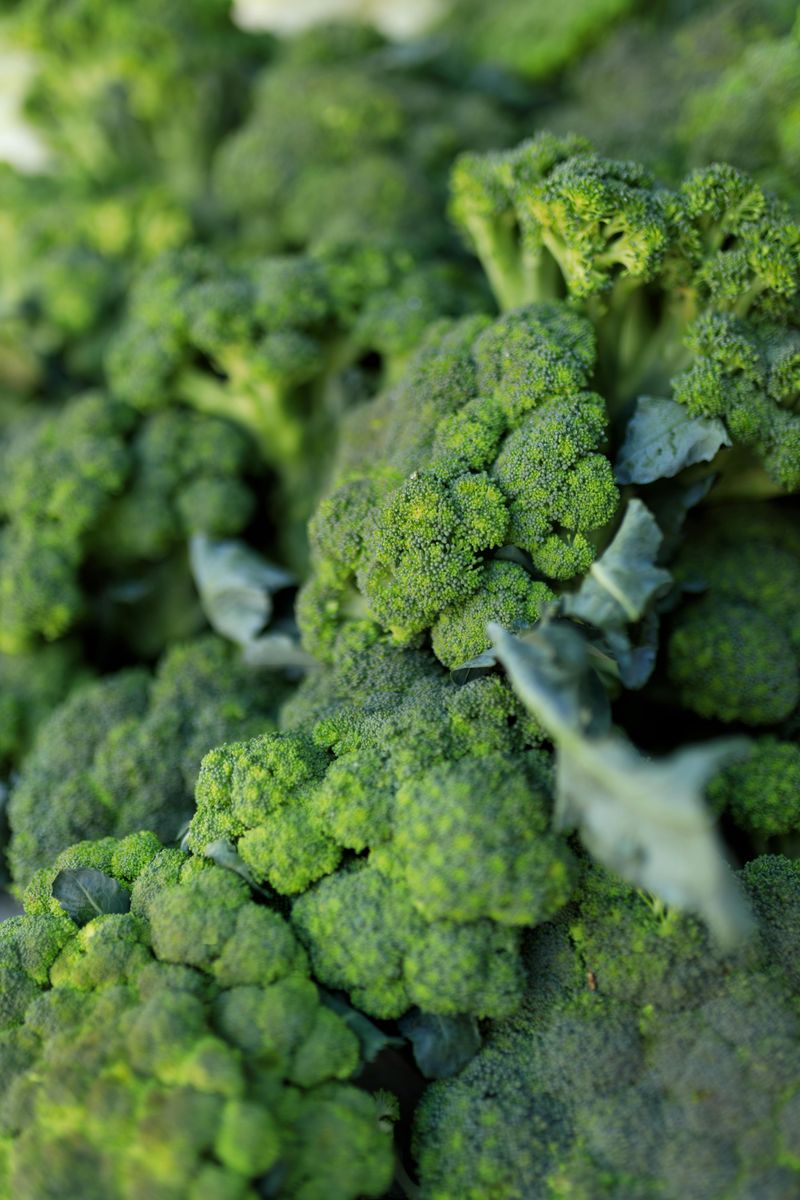
Your mom was right about eating your broccoli, especially if you struggle with constipation.
This cruciferous vegetable provides about 2 grams of fiber per cup while being incredibly low in calories.
Broccoli also contains a compound called sulforaphane, which research suggests may protect your gut lining and improve digestive health overall.
The combination of fiber and these protective compounds makes broccoli a powerhouse for keeping your system regular.
Roast broccoli with olive oil and garlic for a tasty side dish, or toss raw florets into salads for extra crunch.
Eating it raw actually preserves more of its beneficial compounds, though cooked broccoli is easier to digest.
4. Collard Greens
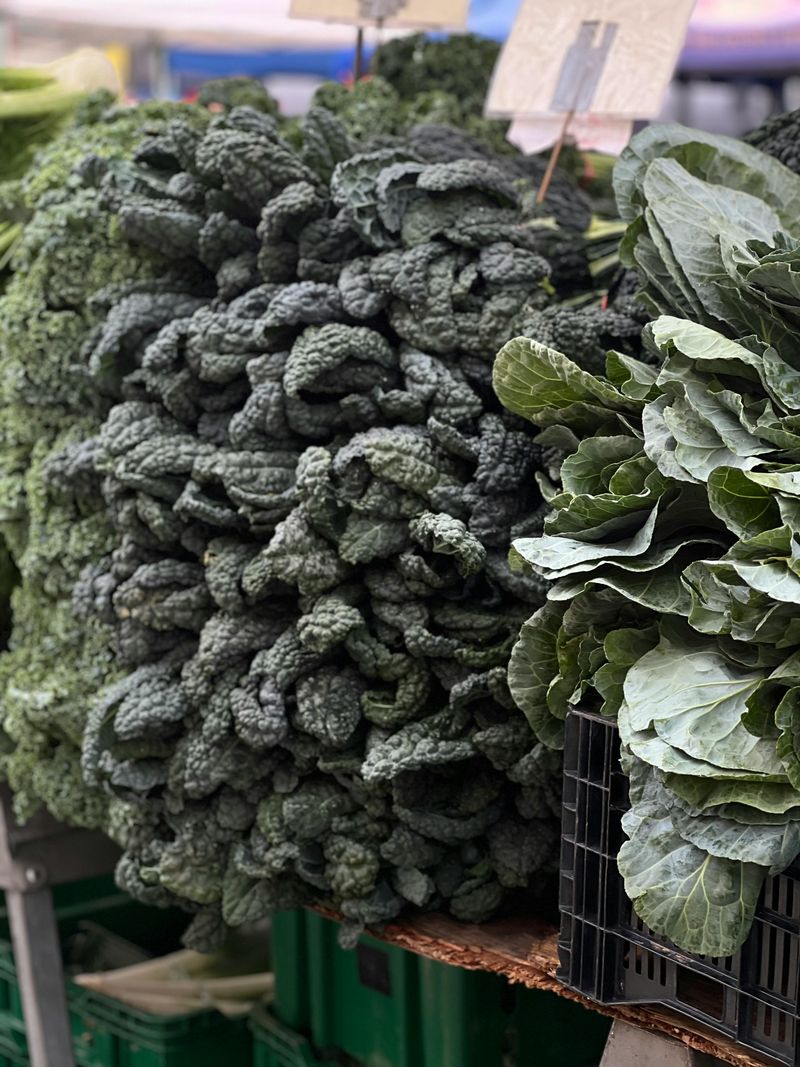
Often overlooked outside of Southern cooking, collard greens deserve a spot on everyone’s plate.
One cup of cooked collards provides about 5 grams of fiber, which is roughly 20 percent of your daily needs.
These hearty leafy greens also contain plenty of water, which works together with fiber to soften stool and make bathroom visits easier.
The magnesium in collards helps relax the muscles in your intestinal walls, promoting smooth movement through your digestive tract.
Sauté collards with onions and a splash of vinegar for traditional flavor, or add them to smoothies where their mild taste disappears.
Remove the tough stems before cooking to make them more tender and enjoyable.
5. Brussels Sprouts
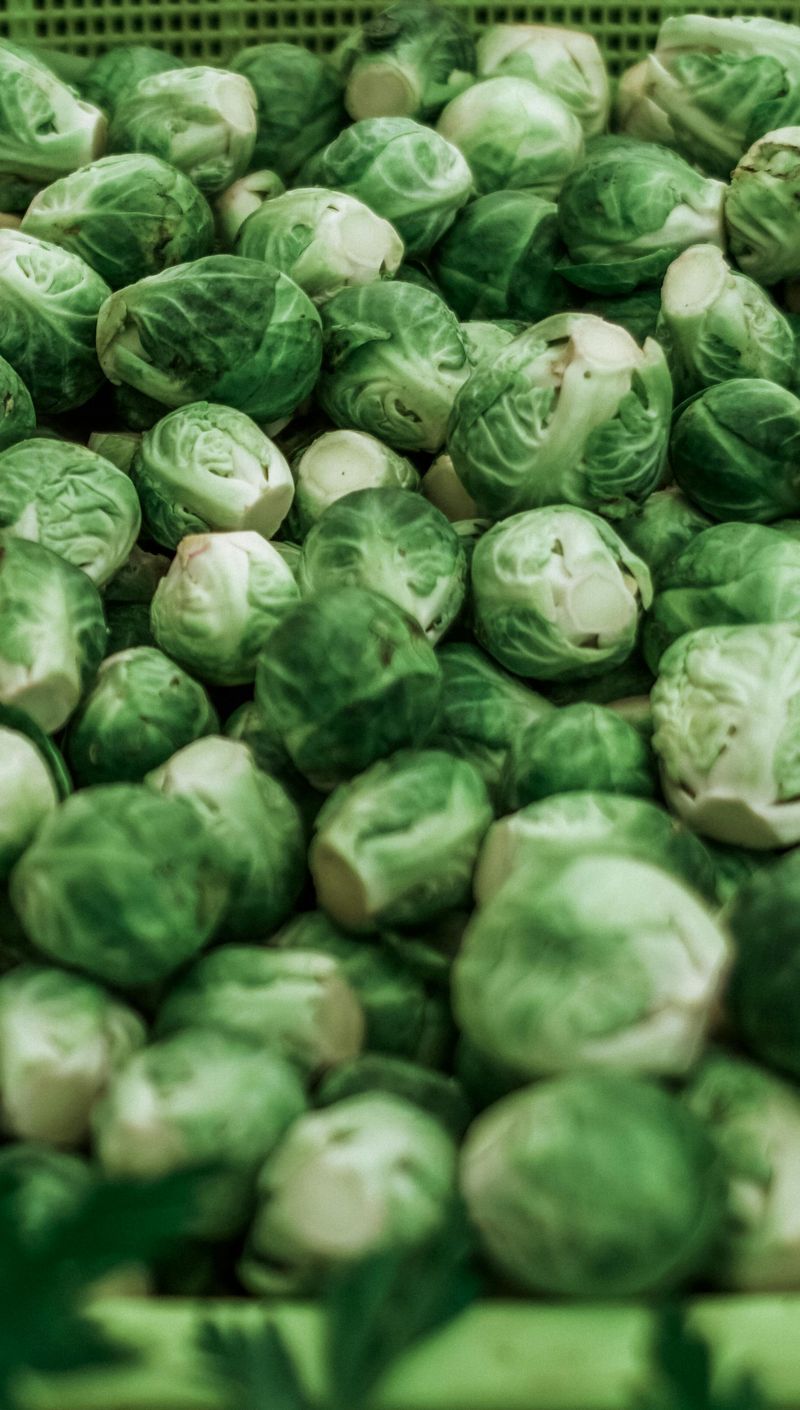
Don’t let childhood memories scare you away from Brussels sprouts, because these mini cabbages are constipation-fighting champions.
A cup of cooked Brussels sprouts delivers 4 grams of fiber while adding satisfying bulk to your meals.
The fiber in Brussels sprouts absorbs water as it moves through your intestines, making stool softer and easier to pass.
They’re also packed with vitamins C and K, which support overall health while you’re improving your digestion.
Roasting Brussels sprouts brings out their natural sweetness and eliminates any bitterness that comes from boiling them.
Cut them in half, toss with olive oil and salt, then roast at 400 degrees until crispy.
6. Spinach
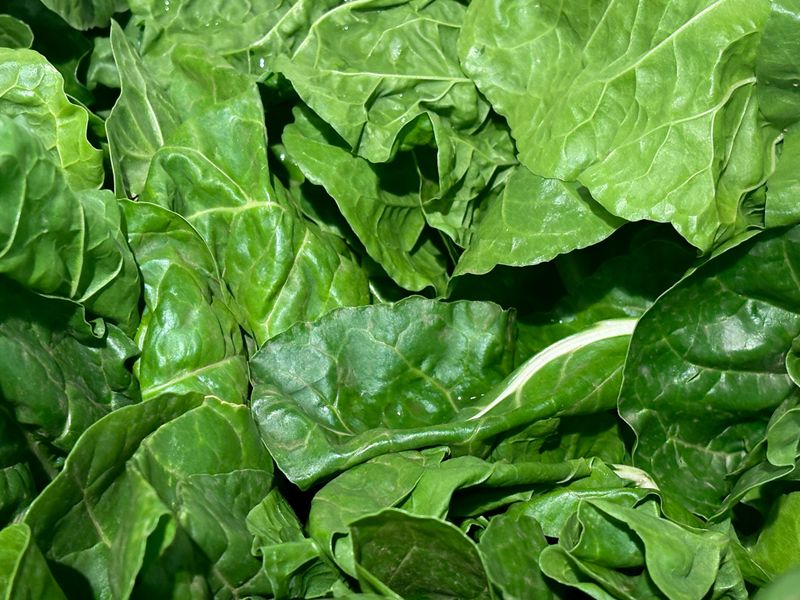
Popeye knew what he was doing when he reached for spinach, though he probably didn’t realize it would help his digestion too.
This versatile leafy green provides about 4 grams of fiber per cooked cup along with a healthy dose of magnesium.
Magnesium acts as a natural muscle relaxer, helping your intestinal muscles contract and move waste through your system more efficiently.
Spinach also has high water content, which combines with fiber to prevent hard, difficult-to-pass stools.
Toss raw spinach into smoothies, salads, and sandwiches, or wilt it into pasta dishes and omelets.
Cooking spinach actually makes some of its nutrients more available to your body, so don’t worry about eating it both ways.
7. Sweet Potatoes
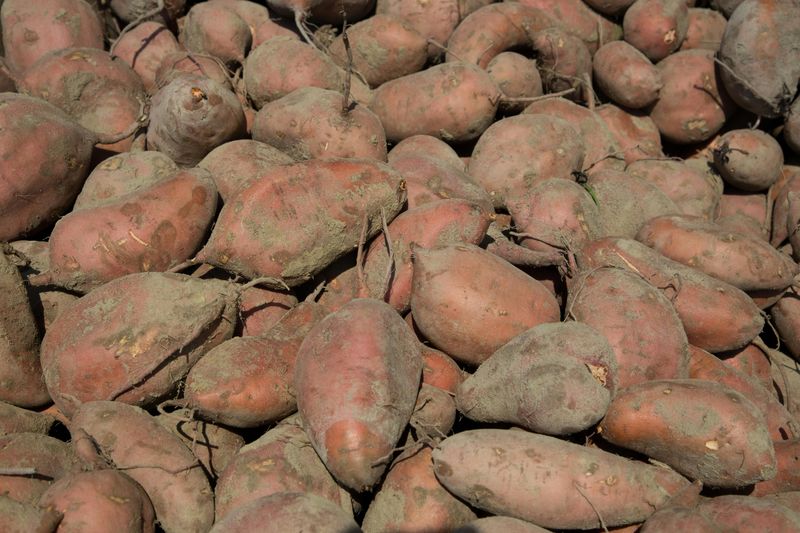
Sweet potatoes bring a naturally sweet flavor while delivering serious constipation relief.
One medium sweet potato with skin contains about 4 grams of fiber, with much of it concentrated in that nutritious skin.
The fiber in sweet potatoes helps soften stool and speeds up how quickly food moves through your digestive tract.
They’re also rich in resistant starch, which ferments in your colon and feeds beneficial bacteria that support healthy digestion.
Bake sweet potatoes whole with the skin on to get maximum fiber benefits, or cube them for roasting.
Leave the skin on whenever possible since that’s where much of the fiber lives, plus it adds nice texture to your dish.