 MomSkoop

Finding a great partner isn’t just about luck. Women who end up with exceptional husbands often share certain qualities that help them build strong, lasting relationships.
These characteristics aren’t about being perfect, but about having the emotional skills and self-awareness that make healthy partnerships possible.
1. Secure Attachment Style

Building healthy relationships starts with feeling comfortable being close to someone while also maintaining your own identity.
Women with secure attachment don’t panic when their partner needs space, and they don’t push people away when things get serious.
This balance makes relationships feel safer and more stable.
Instead of playing games or testing their partner’s commitment, they communicate what they need directly.
Their partners know where they stand, which builds trust over time.
Research shows that secure attachment patterns lead to stronger pair bonding.
When you’re not constantly worried about being abandoned or feeling trapped, you can focus on actually enjoying your relationship and building something meaningful together.
2. High Emotional Intelligence

Reading the room isn’t just a social skill—it’s relationship gold.
Women who understand their own emotions and can pick up on their partner’s feelings create deeper connections.
They notice when something’s off before it becomes a big problem.
Managing emotions effectively means not exploding over small things or bottling everything up until it bursts.
These women can talk about feelings without making their partner feel attacked.
They validate emotions while still addressing issues that need fixing.
Partners appreciate being understood without having to spell everything out.
When both people feel heard and seen, satisfaction in the relationship naturally increases.
Emotional attunement creates a foundation where both partners feel safe being vulnerable.
3. Strong Self-Worth

Knowing your value changes everything about how you date.
Women with healthy self-esteem don’t settle for crumbs of attention or make excuses for bad behavior.
They believe they deserve respect, kindness, and effort—and they won’t accept less.
This confidence isn’t arrogance; it’s simply understanding that you’re worthy of good treatment.
When you don’t need a relationship to feel complete, you make better choices about who you let into your life.
You’re choosing a partner, not desperately grabbing onto anyone who shows interest.
Strong self-worth acts like a filter.
People who treat others poorly tend to move on when they realize their tactics won’t work.
Meanwhile, secure partners are attracted to confidence and self-respect, creating a positive cycle.
4. Clear Standards and Boundaries
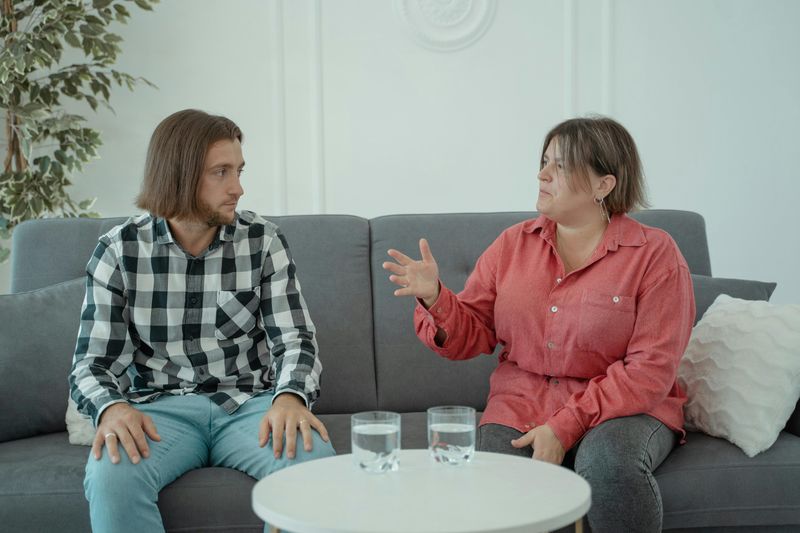
Successful women know exactly what they want in a relationship and what crosses the line.
They’ve thought about their deal-breakers and non-negotiables before emotions get involved.
This clarity helps them make decisions with their head, not just their heart.
Setting boundaries isn’t about being difficult or demanding.
It’s about mutual respect and making sure both people’s needs matter.
When you clearly communicate your limits, the right partner will respect them.
The wrong one will push back or ignore them completely.
Research confirms that people who maintain healthy boundaries end up in more respectful partnerships.
Your standards teach others how to treat you.
When you enforce them consistently, you attract people who naturally align with your values.
5. Effective Communication Skills

Great communicators don’t just talk—they actually listen.
Women who end up in strong marriages know how to express what they need without attacking their partner.
They use “I feel” statements instead of accusations, which keeps conversations productive rather than defensive.
Conflict is inevitable, but how you handle it makes all the difference.
These women don’t give the silent treatment or bring up every past mistake during arguments.
They stick to the current issue and work toward solutions together.
Active listening means fully focusing on what your partner says, not just waiting for your turn to talk.
Couples who collaborate during disagreements instead of competing to win report much higher satisfaction.
Communication skills can be learned and improved over time.
6. Accountability and Personal Responsibility
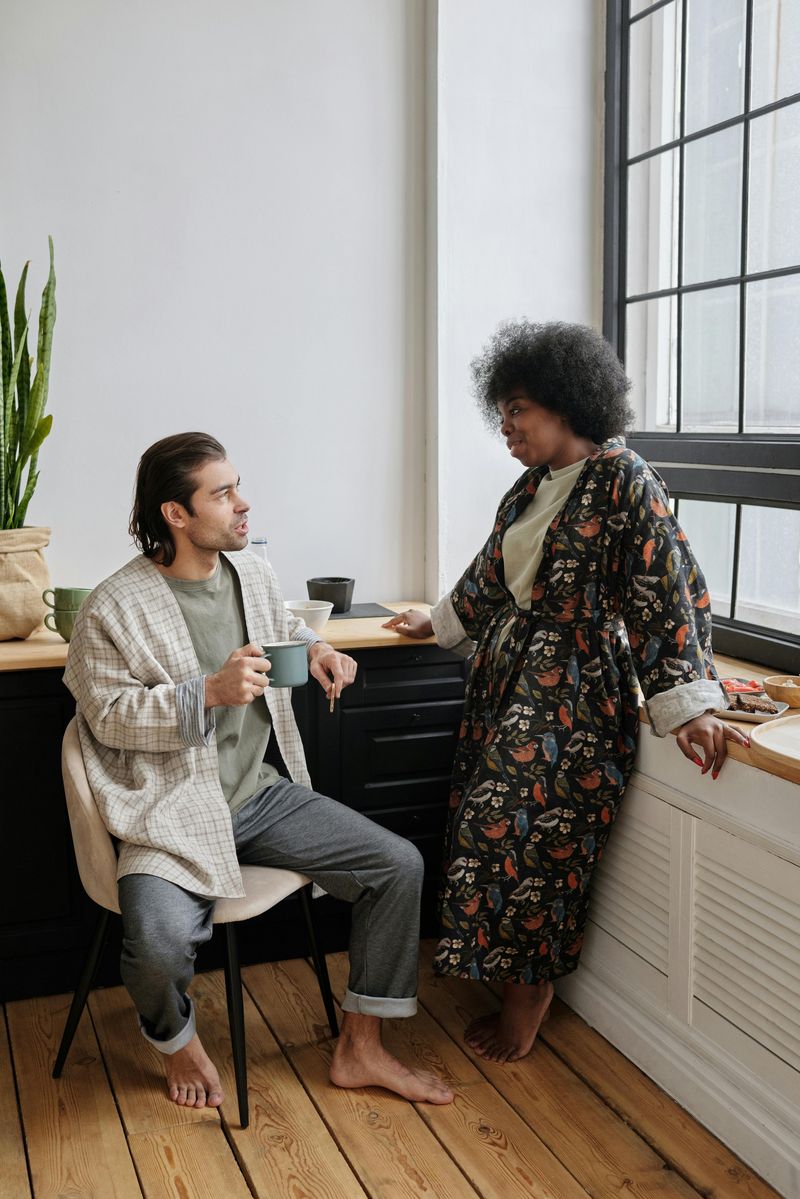
Nobody’s perfect, but owning your mistakes is rare and valuable.
Women who take responsibility when they mess up create safer relationships.
Their partners don’t have to walk on eggshells or worry about everything being turned around on them.
Saying “I was wrong” or “I’m sorry” without making excuses builds incredible trust.
It shows maturity and genuine care for the relationship.
Defensiveness kills intimacy, while accountability strengthens it.
When both partners can admit fault, problems get resolved faster and resentment doesn’t build up.
Taking ownership of your actions shows your partner that you value the relationship more than being right.
This simple practice transforms how couples handle challenges together.
7. Growth-Oriented Mindset

Exceptional relationships involve two people who want to keep becoming better versions of themselves.
Women with a growth mindset see challenges as opportunities to learn rather than reasons to give up.
They read books, go to therapy, and actively work on their weaknesses.
This attitude is contagious in relationships.
When you prioritize personal development, you naturally attract partners who do the same.
You both push each other to grow instead of staying stuck in comfort zones.
Shared commitment to growth predicts long-term compatibility better than almost anything else.
As you both evolve, you can evolve together rather than growing apart.
Partners who support each other’s goals and celebrate improvements build something that lasts decades.
8. Emotional Stability

Consistent emotional responses create relationship security.
Women who maintain stability aren’t ruled by impulses or dramatic mood swings.
Their partners can predict how they’ll react, which builds trust and reduces anxiety.
This doesn’t mean suppressing emotions or never getting upset.
It means managing reactions so they match the situation.
Small annoyances don’t trigger huge fights, and normal stress doesn’t lead to relationship-ending ultimatums.
Studies consistently link emotional stability with relationship durability and partner satisfaction.
When drama is low, connection is high.
Both people can relax and enjoy being together instead of constantly managing emotional crises.
Stability creates the foundation for everything else to flourish.
9. Independence and Purpose

Having your own life outside the relationship keeps things healthy and interesting.
Women who maintain friendships, hobbies, and personal goals bring more to their partnerships.
They don’t expect their husband to be their entire world, which relieves enormous pressure.
Independence means you’re choosing to be together, not needing to be together out of desperation.
You have your own identity beyond “someone’s wife.” This makes you more attractive and keeps the relationship dynamic fresh.
Interdependence—where both people support each other while maintaining separate identities—creates the healthiest marriages.
Codependence suffocates relationships, while complete independence leaves no room for connection.
Finding that balance means you both have space to breathe and grow while building something together.
10. Kindness and Prosocial Behavior

Simple kindness might be the most underrated relationship skill.
Women who consistently show warmth, generosity, and goodwill create partnerships that feel good every single day.
Small acts of thoughtfulness add up to massive relationship satisfaction over time.
Prosocial behavior means thinking about your partner’s needs and doing things that make their life easier.
It’s bringing them coffee, supporting their stressful day, or doing the dishes without being asked.
These gestures communicate love more powerfully than grand romantic gestures.
Research identifies kindness as one of the strongest predictors of long-term marital success.
When both partners prioritize being good to each other, relationships thrive naturally.
Kindness creates a positive cycle where both people feel appreciated and motivated to keep giving.