 MomSkoop

If your closet feels chaotic, a few thoughtful details can instantly elevate your wardrobe and your daily routine. I want to show you the small habits that tell the difference between someone who collects clothes and someone who curates them.
These are practical, repeatable practices you can start today to make getting dressed effortless and stylish. Read on to see the closet truths that separate fashion lovers from the rest.
1. Everything Hangs By Category And Color
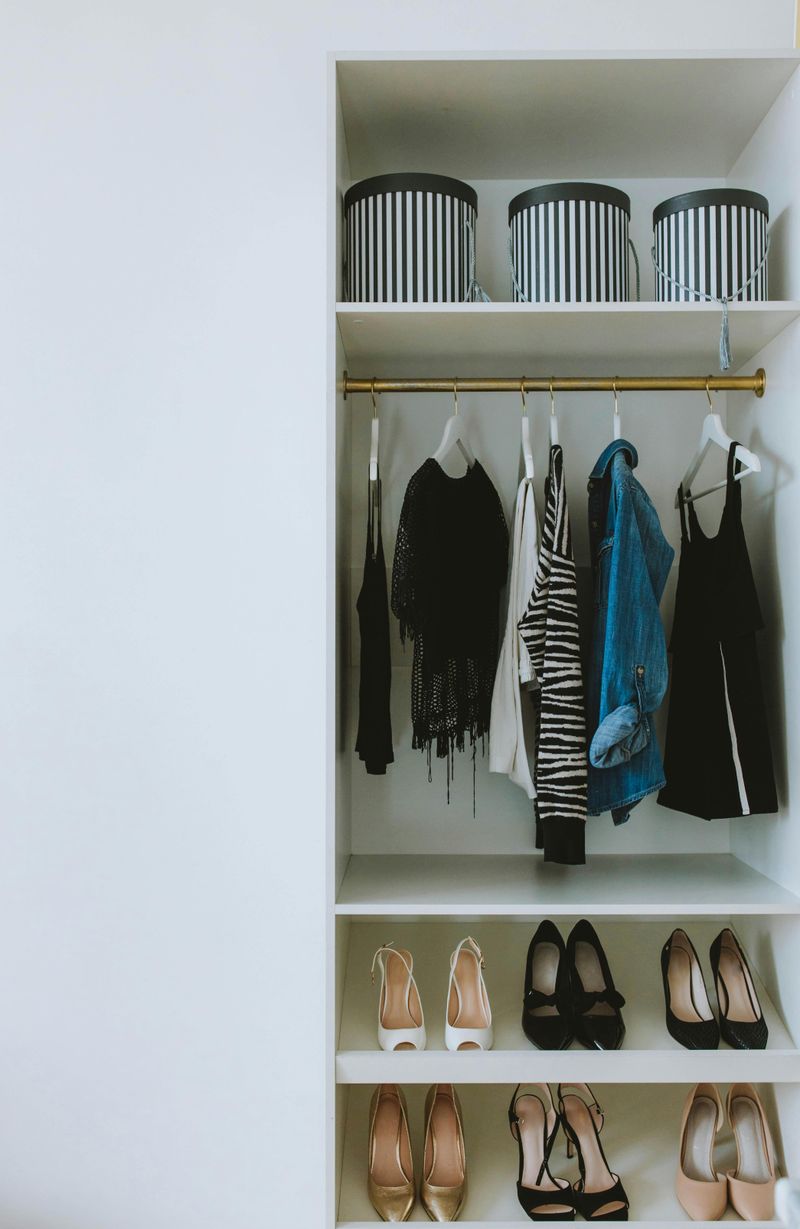
I sort everything by category and then by color so each piece is visible and easy to select; this system saves time and prevents impulse buys that clutter the closet.
Separating jackets, blouses, pants, and skirts makes outfits obvious and helps maintain balance when planning looks for the week.
Color-ordering creates a visual rhythm so coordinating items becomes intuitive and satisfying every time.
When seasonal transitions happen the system makes it clear what to swap out and what to keep on display; the result is a curated wardrobe that feels edited and intentional.
Guests often comment on the calm, gallery-like feeling this simple approach creates.
2. You Buy Multiples Of What Works

I buy multiples of what works because it eliminates decision fatigue and guarantees reliable outfits for busy days; having the same flattering tee or proven blazer in several colors is a deliberate shortcut.
It isn’t about playing it safe but about investing in silhouettes that flatter and fabrics that last.
This approach streamlines mornings and supports a cohesive personal style without constant experimentation.
When closet space is planned around reliable pieces, it’s easier to notice when something new will genuinely improve the rotation.
Multiples act as a backbone while statement items add personality, so shopping becomes smarter and less impulsive.
3. Seasonal items get properly stored
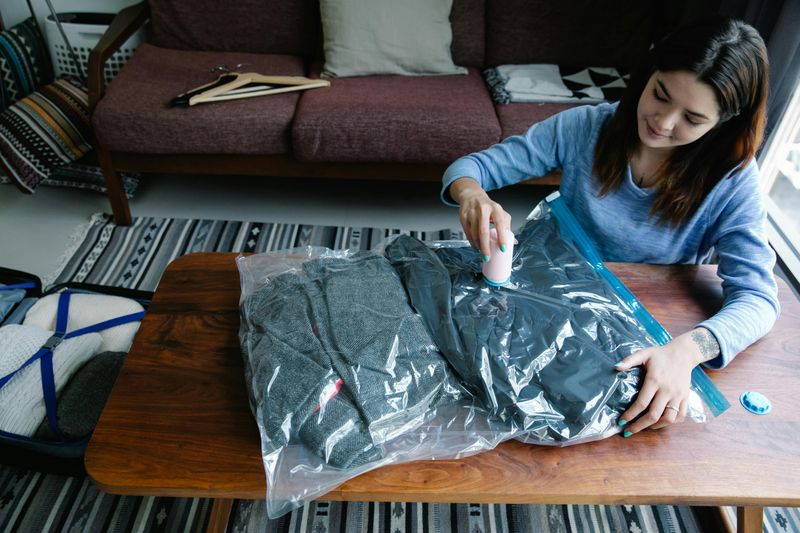
I store seasonal items properly to protect investment pieces and free daily space for current-weather dressing; folded knits, scarves, and coats get breathable boxes or vacuum-sealed bags, plus cedar or lavender sachets for scent and pest control.
Labeling boxes clearly makes swaps simple and keeps the rotation efficient so discovering last year’s favorite is a small joy rather than a scavenger hunt.
Out-of-season shoes go separately in dust bags or boxes to prevent damage, while delicate items get acid-free tissue.
Proper storage extends garment life and keeps the active closet focused on what truly belongs in this season’s rotation.
4. Your Hangers Match The Garments
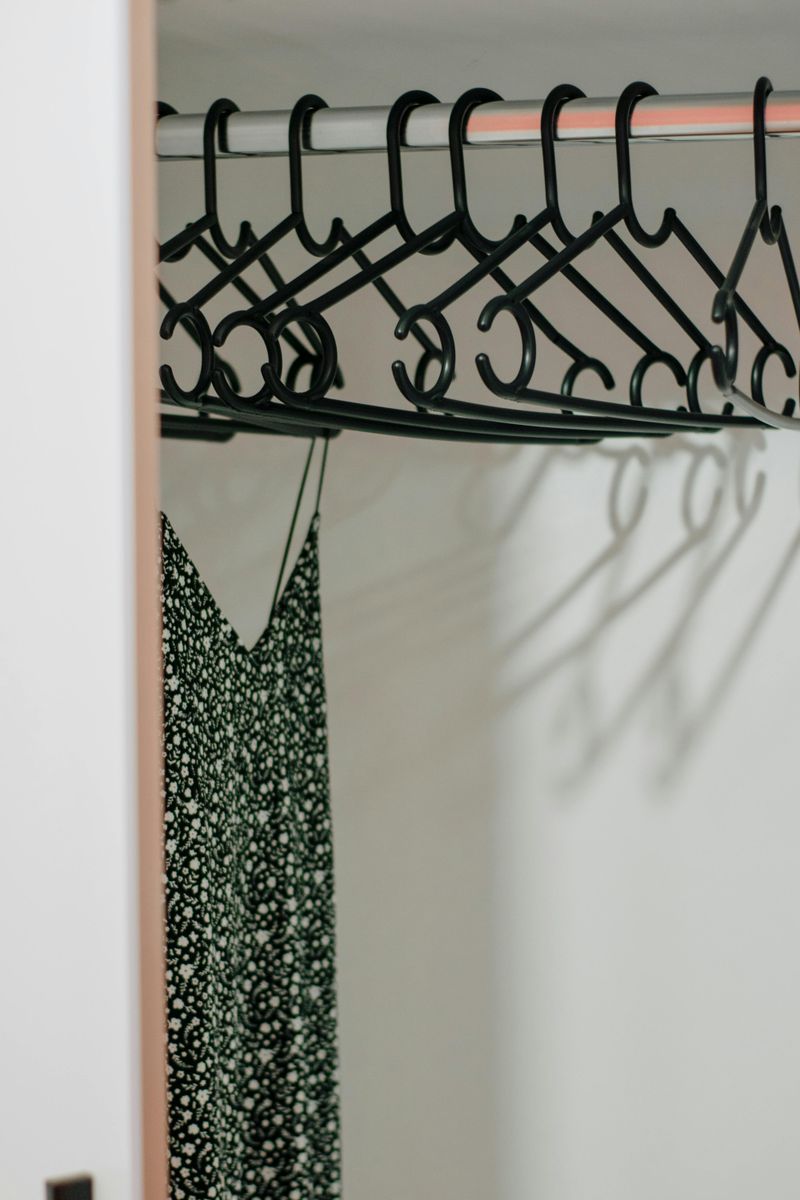
I match hangers to garments because the right hanger preserves shape and creates an elevated, cohesive look; heavy coats need sturdy wooden hangers, blouses sit best on slim velvet ones, and delicate dresses deserve padded hangers.
Matching hangers instantly tidy the visual field and prevent misshaping or stretching, which helps clothes maintain a near-new fit longer.
The uniformity looks intentional and feels like a boutique, which subtly influences how you treat and select pieces.
Investing in quality hangers is a small cost with big returns in garment longevity and daily ease of choosing outfits.
5. Shoes live in their original boxes
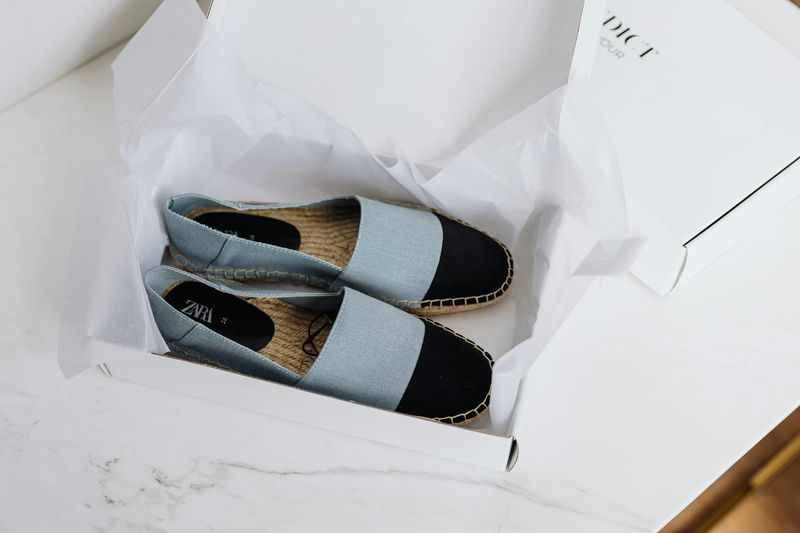
I keep shoes in their original boxes when space allows because boxes protect shape, hide scuffs, and double as easy labeling for quick retrieval.
Clear labeling on boxes or keeping lids facing out saves time and preserves delicate materials like suede and leather from dust or accidental damage.
If boxes aren’t available, dust bags and individual shelving serve the same protective function.
Shoe boxes also stack neatly, allowing seasonal rotations and reducing clutter on the floor.
This method keeps favorite pairs ready to wear and prolongs the life of high-quality footwear investments without constant maintenance.
6. Your Oldest Pieces Still Earn Regular Wear
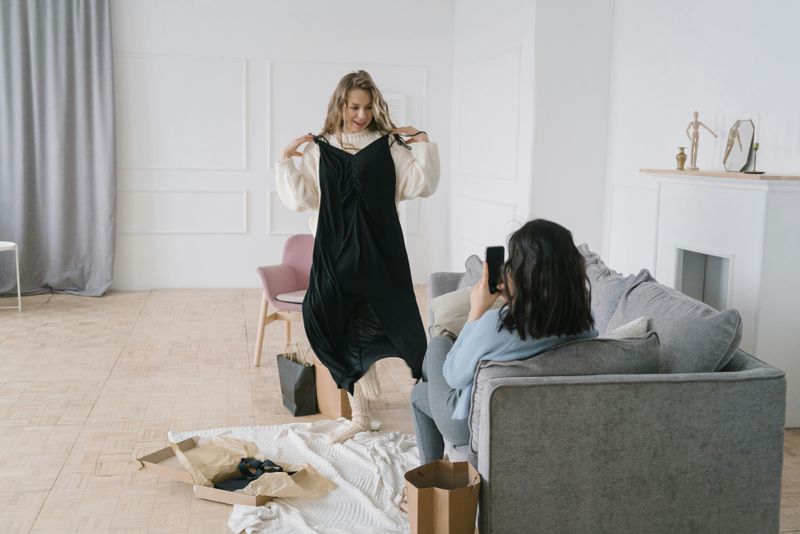
I make sure the oldest pieces still earn regular wear instead of hiding at the back of the rack because well-loved items often have the character and fit that new buys can’t replicate.
Mixing vintage or sentimental pieces into current outfits keeps them relevant and honors their lifespan.
Rotating these items back into everyday looks prevents wardrobe stagnation and encourages creative styling to bridge eras.
Regular wear also reveals which older items deserve repair or alteration, which preserves their place in the closet.
This practice keeps the wardrobe soulful and sustainably curated rather than purely trend-driven.
7. Making Deliberate Investments
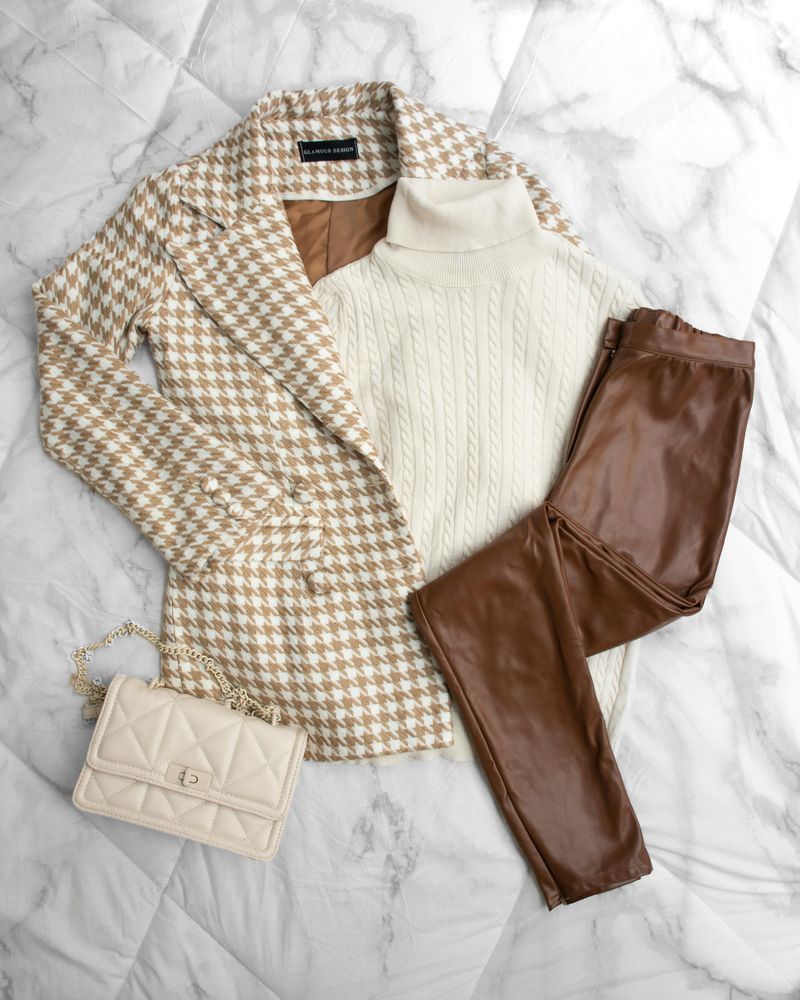
I make deliberate investments in timeless pieces that earn every wear by anchoring outfits with quality coats, tailored blazers, and enduring shoes.
These purchases are researched, often from trusted makers, and selected for fit and material rather than fast-fashion trends.
Investing sensibly allows me to buy fewer yet better items that perform season after season and enhance overall outfit quality.
When the core of the wardrobe is reliable, trend pieces can be chosen more confidently and worn without cognitive overload.
The result is a closet that feels curated, cost-effective over time, and aligned with personal style values.
8. Accessories Get Proper Storage
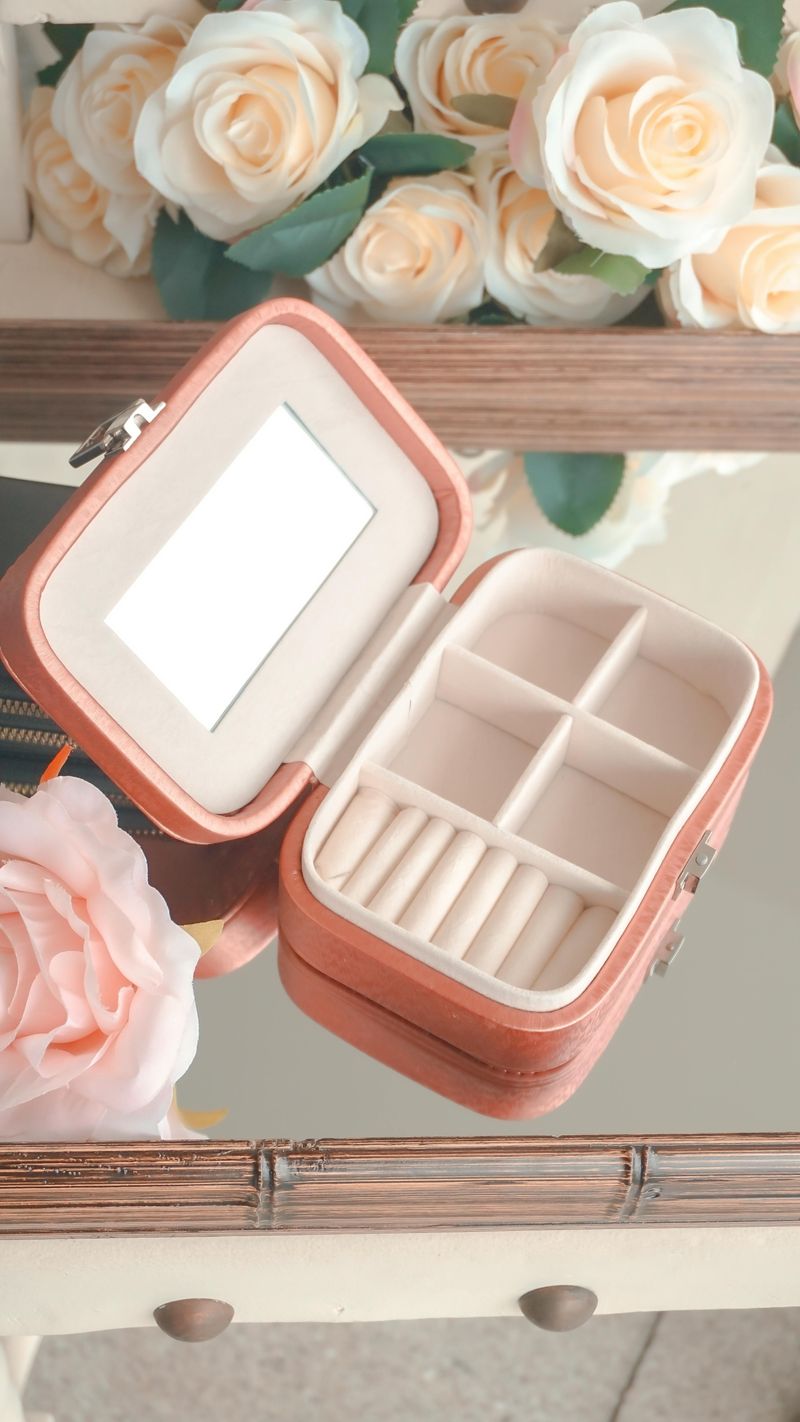
I store accessories properly so they stay untangled, visible, and ready to complete an outfit – necklaces in lined trays, belts on racks, and scarves folded in slim drawers.
Proper organization prevents damage and makes styling choices effortless because each item is accessible and neatly presented.
Little details like individual slots for rings or labeled boxes for seasonal hats reduce morning decision time and keep delicate finishes from scratching.
When accessories are displayed intentionally, they become part of the wardrobe’s conversation rather than an afterthought.
This approach elevates finishing touches and encourages playful, well-considered combinations.
9. Vintage Mixes Seamlessly With Contemporary
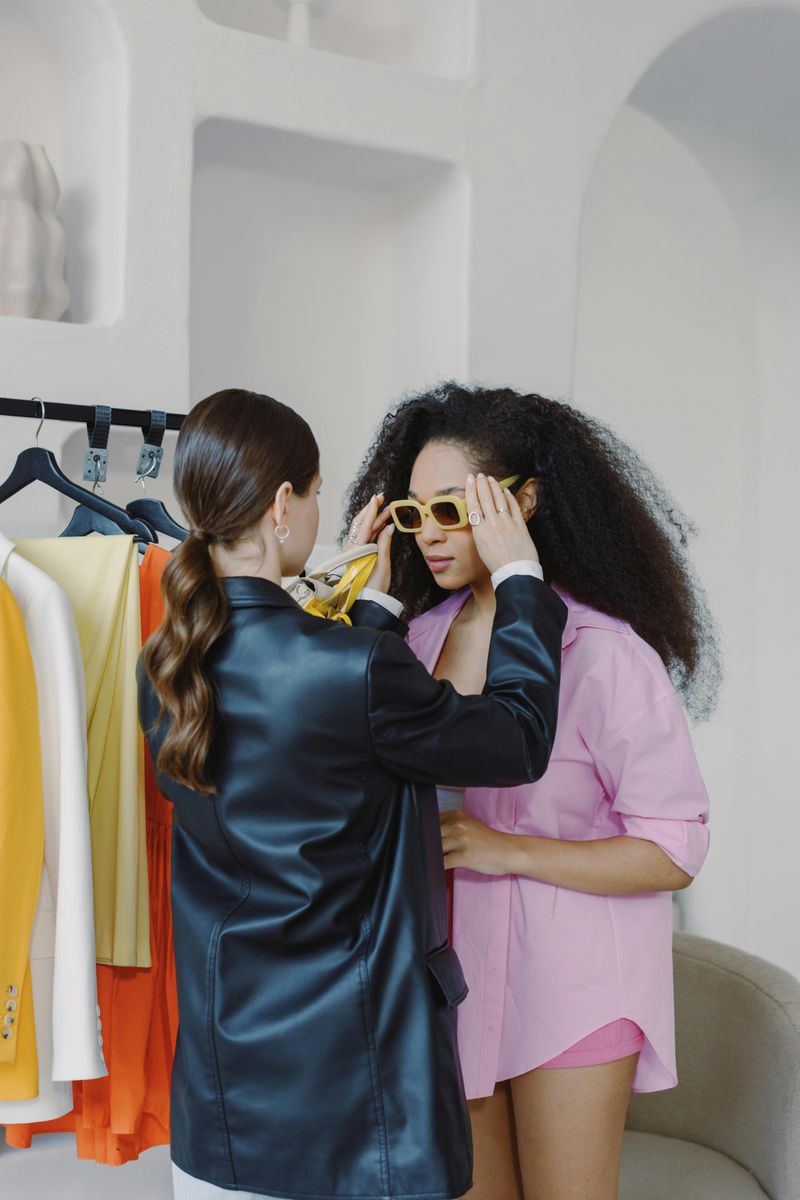
I blend vintage pieces with contemporary clothing to create looks that feel personal and unexpected rather than costume-like; pairing a vintage blouse with modern jeans or a retro jacket with current footwear builds depth and uniqueness.
Seamless mixing requires honest edits – only pieces with good condition and flattering proportion get rotated into outfits.
This creates a dialogue between eras that showcases taste and imagination without forcing trends.
Keeping vintage items accessible rather than tucked away invites regular experimentation.
The interplay between old and new keeps the wardrobe lively and unmistakably individual.
10. Knits Are Folded
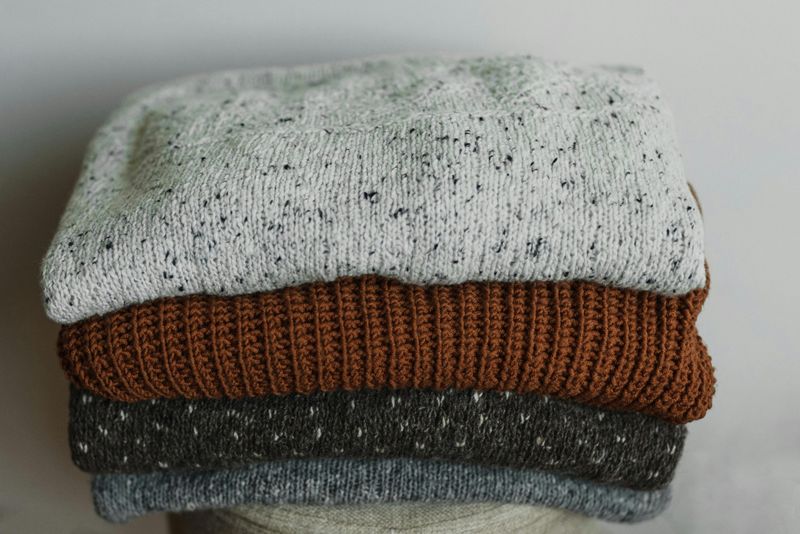
I always fold knits instead of hanging them because folding prevents stretching and preserves silhouette and neckline integrity; heavy sweaters on hangers distort shoulders and cause unwanted sagging.
Folded knits stack neatly on shelves or in drawers with separators to keep order and prevent a toppling mess.
This method also makes it easy to see colors and textures at a glance when building layered outfits.
For delicate cashmere, I use tissue paper between layers to reduce friction and pilling.
The folding approach extends the life of knits and keeps the closet looking tidy and intentional.
11. Stain removal supplies live within reach
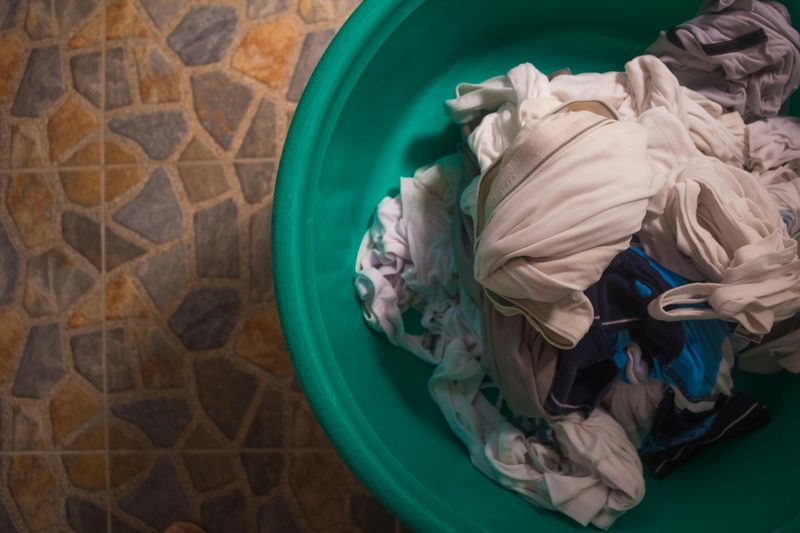
I keep stain removal supplies within reach because quick treatment prevents permanent damage and reduces laundry stress; a small kit with a pre-treatment spray, stain pen, and gentle brush sits on the shelf for immediate access.
Acting fast often means the difference between salvageable and ruined pieces, so I treat spills the moment they happen.
For delicate fabrics, I follow specific care instructions and use appropriate gentle formulas to avoid harm.
Having supplies visible encourages prompt care and protects investment items from neglect.
This habit saves both money and emotional attachment to beloved garments.
12. You Own Pieces From Departed Design Eras

I keep pieces from departed design eras because they tell a personal story and enrich the wardrobe with context and variety; these items are conversation starters and often surprisingly wearable when paired right.
Owning garments that reference past decades adds depth and avoids a homogenized, trend-chasing closet.
I rotate era-specific pieces into modern outfits to refresh both the old and the new without feeling contrived.
Curating era pieces involves selective edits to ensure fit and condition.
The result is a closet that feels historical, eclectic, and distinctly yours rather than a catalog of the current season.
13. Natural Moth Repellents
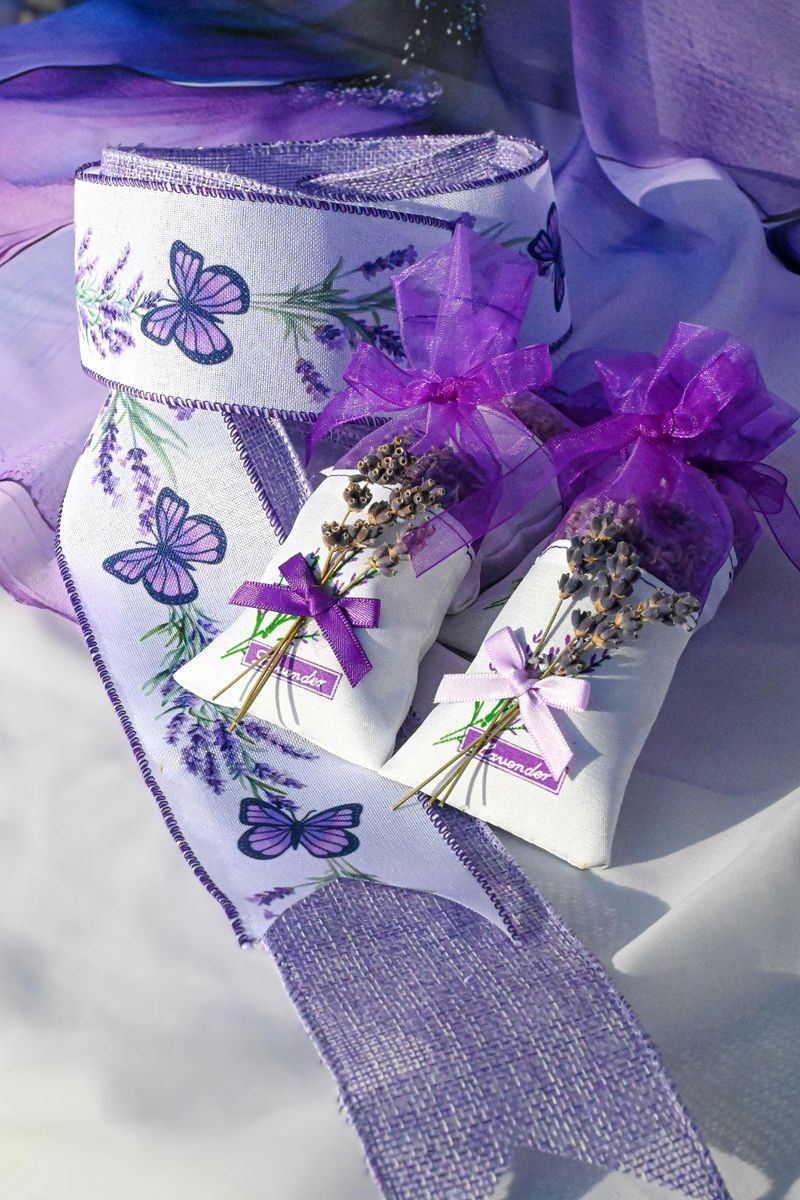
I use natural moth repellents like cedar blocks and lavender sachets to protect wool and delicate garments without harsh chemicals; these gentle options scent the closet pleasantly while deterring pests.
Cedar can be refreshed by a light sand to revive aroma, and sachets can be replaced seasonally to maintain effectiveness.
The natural approach feels safer for skin-contact fabrics and keeps the closet environment healthier overall.
Storing repellents strategically in drawers, boxes, and between fold stacks helps ensure even protection.
This small ritual preserves garments and adds a thoughtful sensory detail to the wardrobe experience.
14. Regular Purging
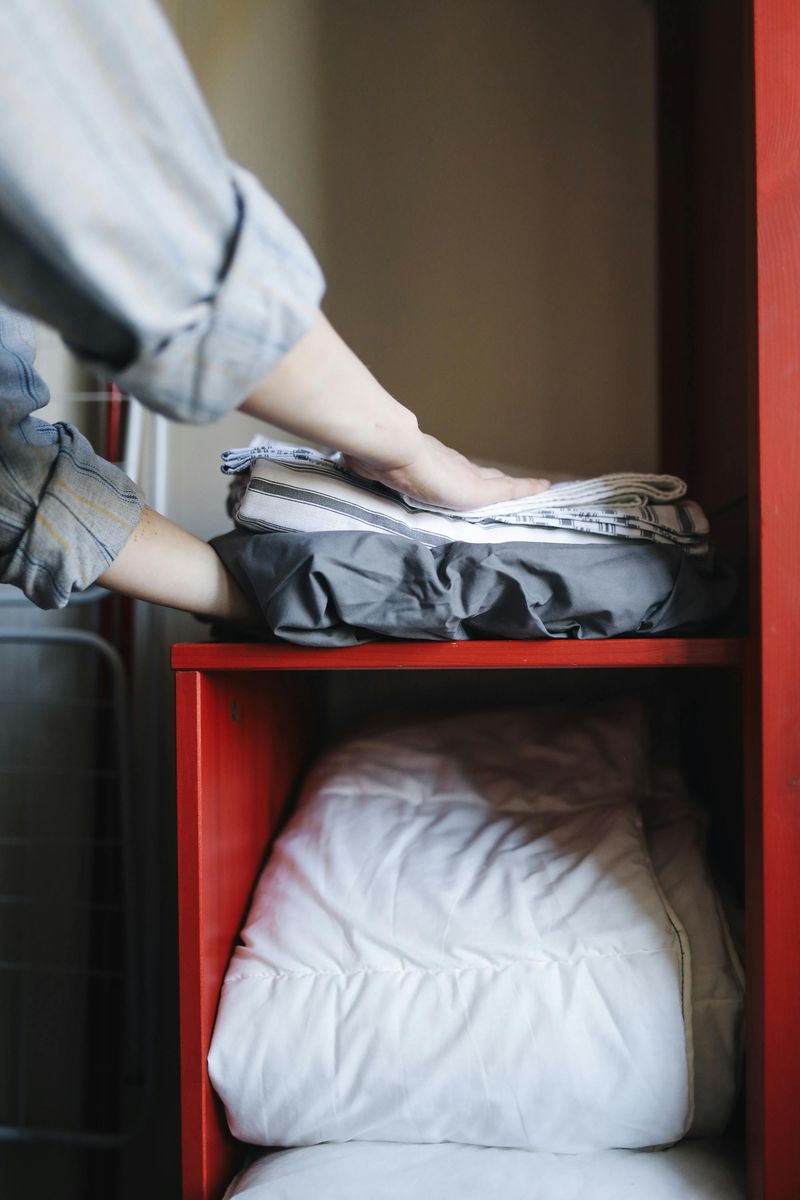
I purge the closet regularly to keep only what fits current tastes and life needs, and this practice prevents accumulation of unwanted items.
Purging is intentional – items are assessed for fit, condition, and emotional value before deciding.
The process frees space, clarifies personal style, and makes dressing a more joyful routine rather than a chore of searching.
I donate or repair rather than hoard, which reduces waste and refreshes the wardrobe with purpose.
Regular editing keeps the closet aligned with who I am now instead of a timeline of past impulses.