 MomSkoop

Growing up in the 1990s meant experiencing technology and pop culture in ways that seem almost ancient now.
Before smartphones ruled our lives, we relied on clunky gadgets, physical media, and a whole lot of patience to stay connected and entertained.
These memories shaped an entire generation, creating shared experiences that still bring smiles and maybe a few tears when we look back.
1. Dial-Up Internet and That Unforgettable Modem Screech

Before high-speed internet became the norm, getting online meant plugging a phone cord into your computer and listening to a symphony of screeches, beeps, and static.
That distinctive sound was your modem handshaking with the internet service provider, and it could take a full minute or more.
Nobody could use the phone while you were online, which led to countless family arguments.
If someone picked up the receiver downstairs, your connection would drop instantly, ruining whatever you were doing.
The wait felt eternal, but once connected, you had access to a whole new world.
Downloading a single song could take twenty minutes, and streaming video was basically impossible.
2. AIM and MSN Messenger Away Messages
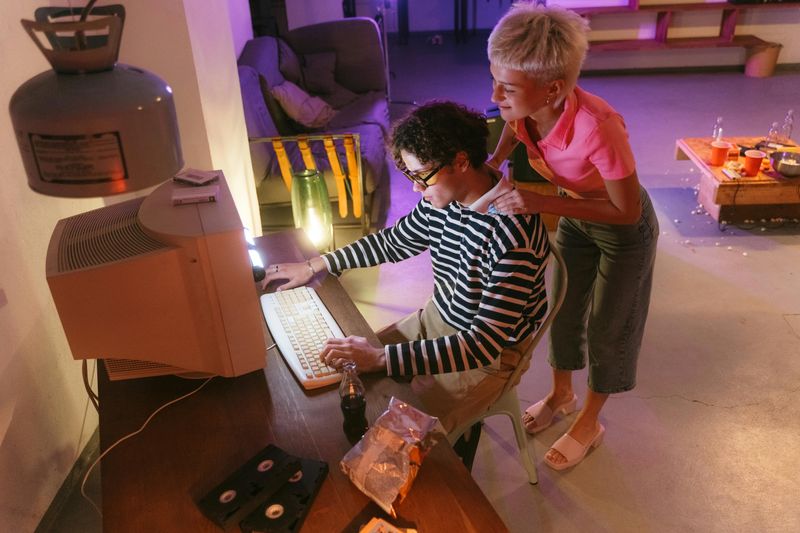
Your away message was basically your Facebook status before social media existed.
Crafting the perfect message took serious thought because everyone on your buddy list would see it and judge you accordingly.
Song lyrics were the most popular choice, especially angsty ones that hinted at your emotional state without being too obvious.
Some people changed their away messages five times a day to keep friends updated on their every move.
The sound of a door opening when someone signed on still echoes in many minds.
You could tell who was ignoring you based on their away message, and passive-aggressive subtweets were born in these digital spaces.
3. MySpace Profile Customization With HTML and Autoplay Songs

MySpace let you become a web designer overnight, even if you had zero coding experience.
Copy-pasting HTML snippets to change backgrounds, fonts, and colors made your profile uniquely yours, though some combinations were absolute eyesores.
Choosing your profile song was a major decision that defined your entire personality.
The song would autoplay whenever someone visited your page, whether they wanted to hear it or not.
Your Top 8 friends list caused more drama than any other social media feature ever created.
Ranking your closest friends publicly led to hurt feelings, arguments, and strategic repositioning that rivaled political campaigns.
4. Burning Custom CDs and Carrying a Zippered CD Binder
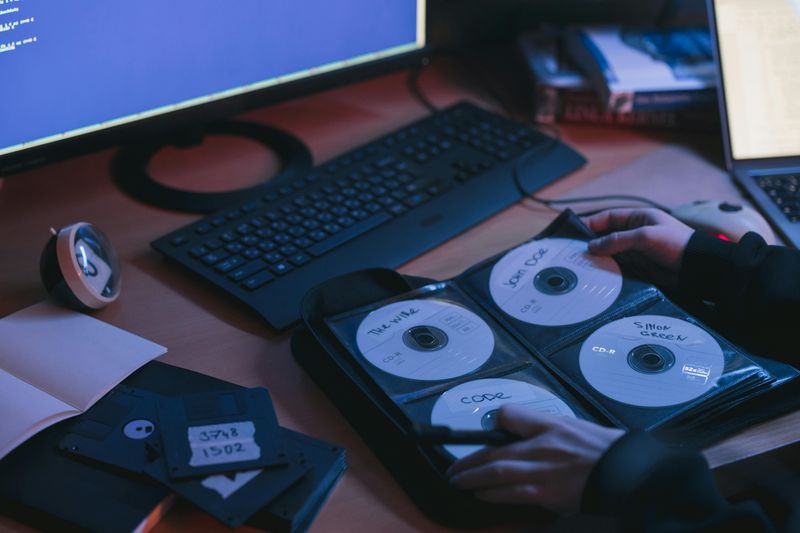
Creating the perfect mixtape evolved into burning custom CDs, which felt incredibly high-tech at the time.
You could fit about 80 minutes of music on a disc, and choosing which songs made the cut required serious deliberation.
Everyone had a fat CD binder that held anywhere from 24 to 200 discs.
These binders were precious cargo, containing your entire music collection in one portable package that you guarded with your life.
Labeling your burned CDs with a Sharpie was an art form.
Some people drew elaborate designs, while others just scribbled the date and a vague description they would forget within weeks.
5. Portable CD Players With Anti-Skip Protection

Portable CD players promised music on the go, but any sudden movement could make your music skip or stop entirely.
Walking too fast, going over bumps, or even breathing wrong would interrupt your favorite song at the worst possible moment.
Anti-skip protection was advertised as revolutionary technology that gave you precious extra seconds of buffer time.
The feature worked sometimes, but not always, so you still had to move carefully to avoid disruptions.
These players ate through AA batteries faster than you could believe.
Carrying extras was essential, and rechargeable batteries were a game-changer that saved allowance money for actual CDs instead of endless battery packs.
6. Rewinding VHS Tapes Before Returning Them to Blockbuster
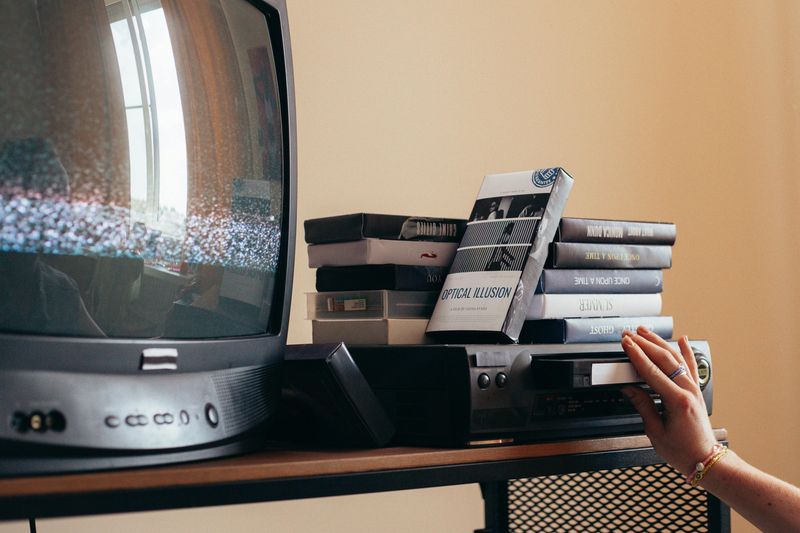
Renting movies meant physically driving to Blockbuster and hoping they had the new release you wanted in stock.
The store had a special smell, a mix of popcorn, plastic cases, and carpet that every 90s kid remembers vividly.
Signs everywhere reminded customers to rewind tapes before returning them, but plenty of people ignored this courtesy.
Getting a tape that someone forgot to rewind was frustrating because you had to wait several minutes before watching.
Some families owned separate rewinding machines that were faster than VCRs.
These gadgets seemed futuristic and saved wear on your video player, though buying a single-purpose device just for rewinding seems absurd now.
7. Late Fees From Video Rental Stores
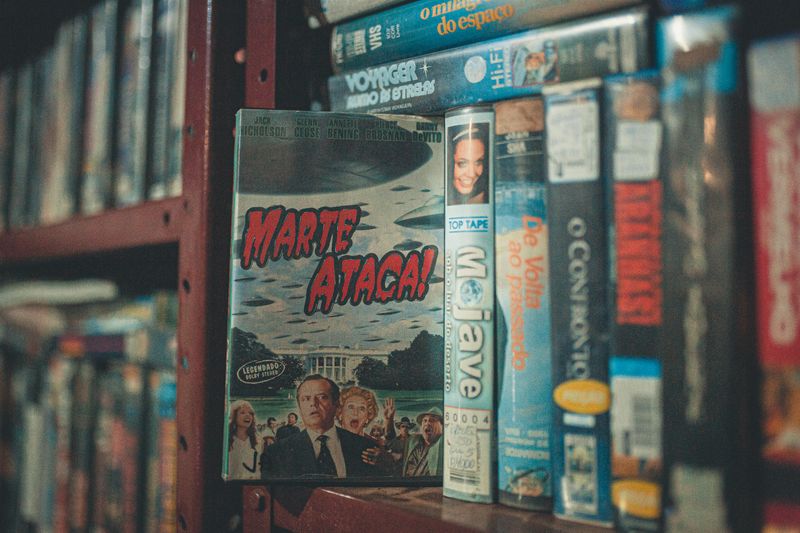
Forgetting to return a rental on time could cost you serious money.
Late fees accumulated daily, and a three-dollar rental could balloon into a twenty-dollar mistake if you left the tape in your car for a week.
Parents got genuinely angry about late fees because they felt like throwing money away.
Some families were banned from renting until they paid off outstanding balances that had grown out of control.
The walk of shame when returning an overdue movie was real.
You had to face the employees who knew exactly how irresponsible you had been, and they had no sympathy for your excuses about busy schedules.
8. T9 Predictive Texting on Flip Phones
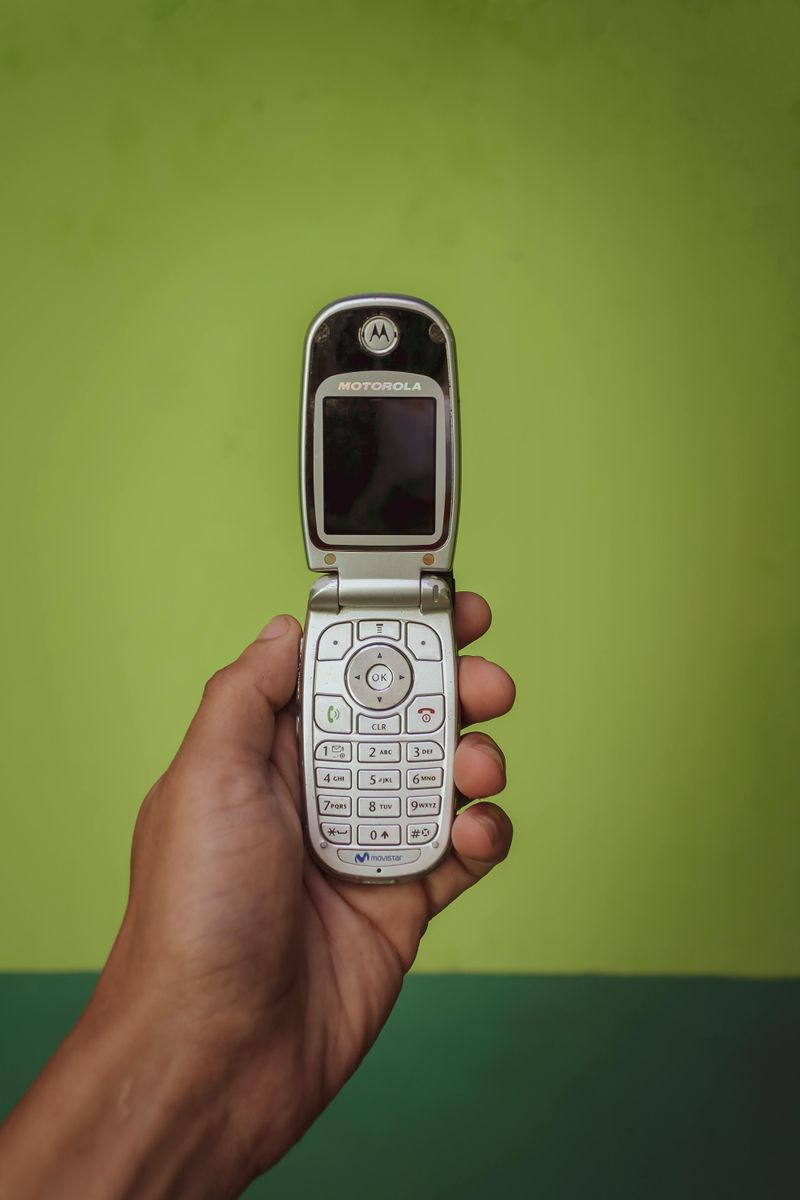
Before touchscreen keyboards, texting meant pressing number keys multiple times to get the letter you wanted.
Pressing 2 once gave you A, twice gave you B, and three times gave you C, making every message a finger workout.
T9 predictive text changed everything by guessing which word you wanted based on the number sequence.
Sometimes it guessed correctly, but other times it suggested bizarre words that made no sense in context.
Everyone developed lightning-fast texting skills without even looking at their phone.
You could compose entire messages in your pocket during class, though autocorrect fails happened constantly when T9 picked the wrong word from its dictionary.
9. Payphones and Memorizing Friends’ Phone Numbers
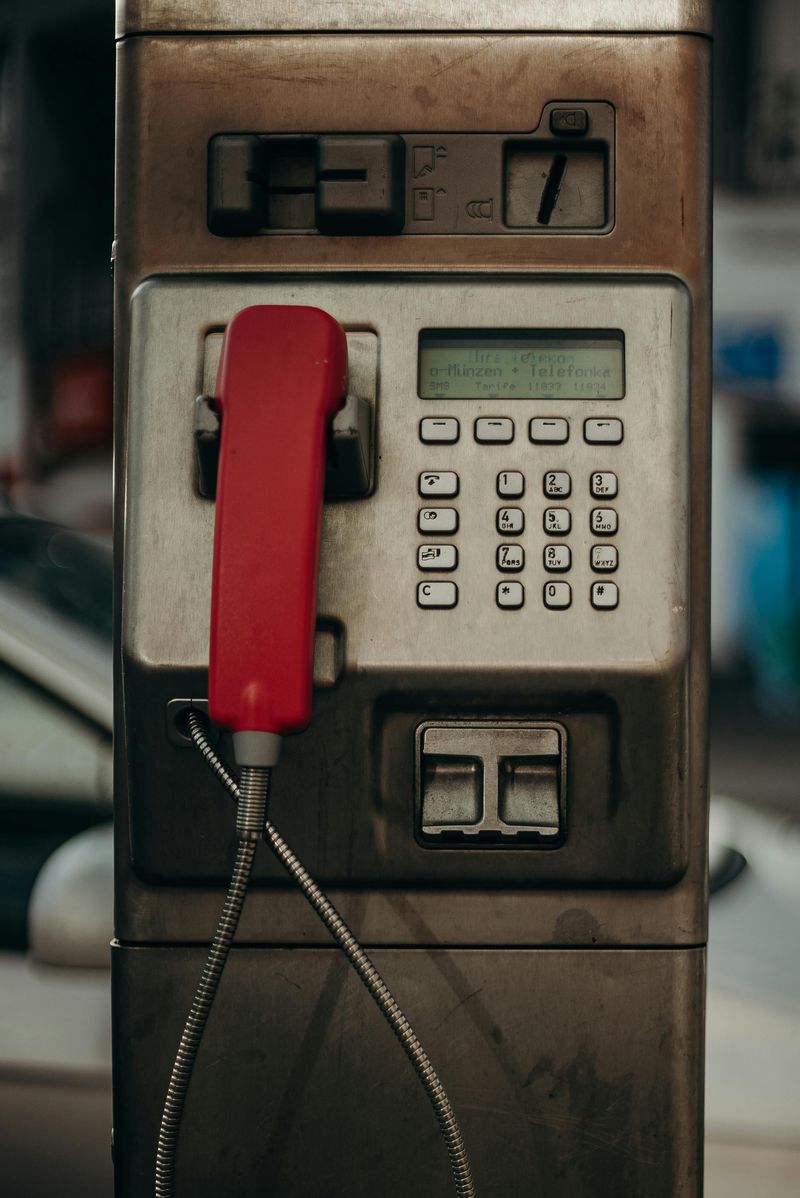
Payphones stood on practically every street corner, offering a lifeline when you needed to call someone from outside your house.
Using one required quarters, and the buttons were often sticky or broken from years of use.
Everyone memorized important phone numbers because there was no other option.
Your brain held dozens of ten-digit sequences for family, friends, and emergency contacts that you could recite instantly.
Calling collect was a sneaky way to communicate without money.
You would say your name really fast during the recording, cramming in a short message so the person knew where to pick you up without accepting charges.
10. Printing MapQuest Directions Before a Road Trip
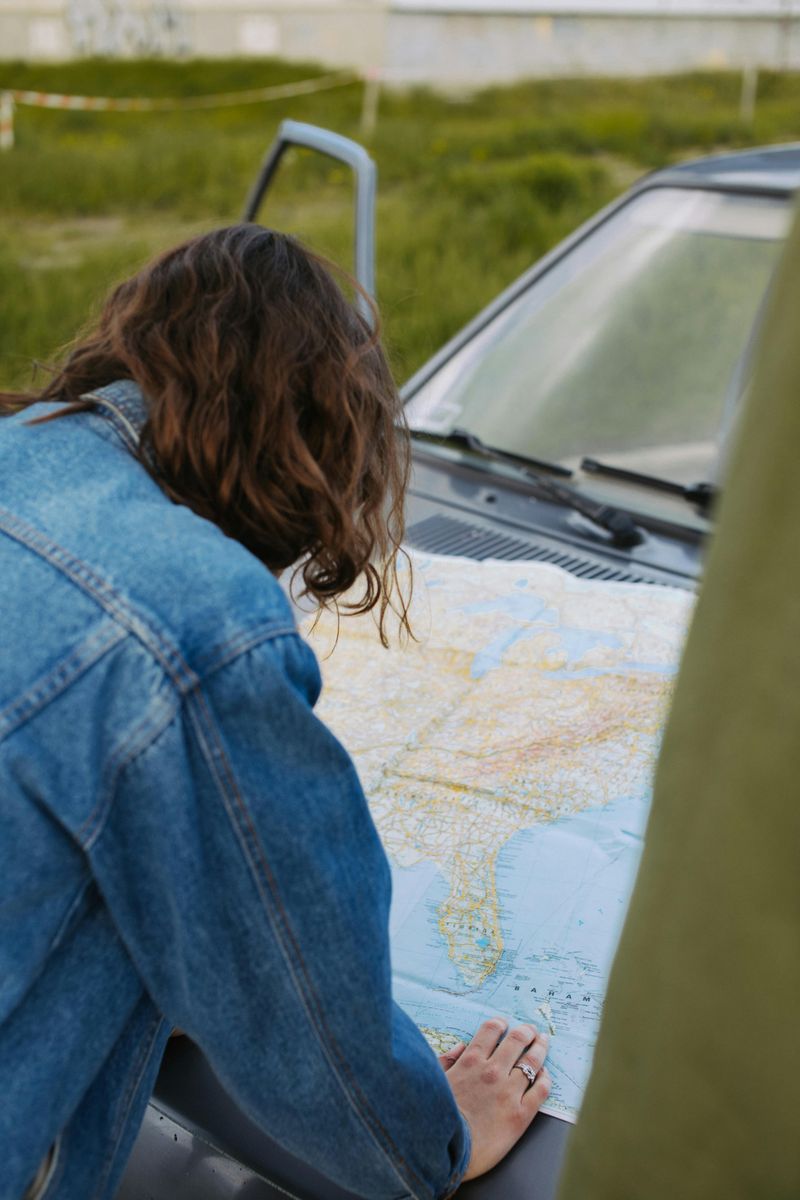
Planning any trip meant going online, typing in your destination, and printing out page after page of turn-by-turn directions.
You had to print them before leaving because there was no GPS in your pocket to guide you.
Reading directions while driving was a two-person job.
The passenger became the navigator, calling out upcoming turns while the driver focused on the road and hoped the directions were accurate.
Missing a turn meant pulling over and figuring out how to get back on track without any digital assistance.
Sometimes you drove in circles for twenty minutes, and asking for directions at gas stations was the only solution.
11. Tamagotchis That Died If You Forgot to Feed Them
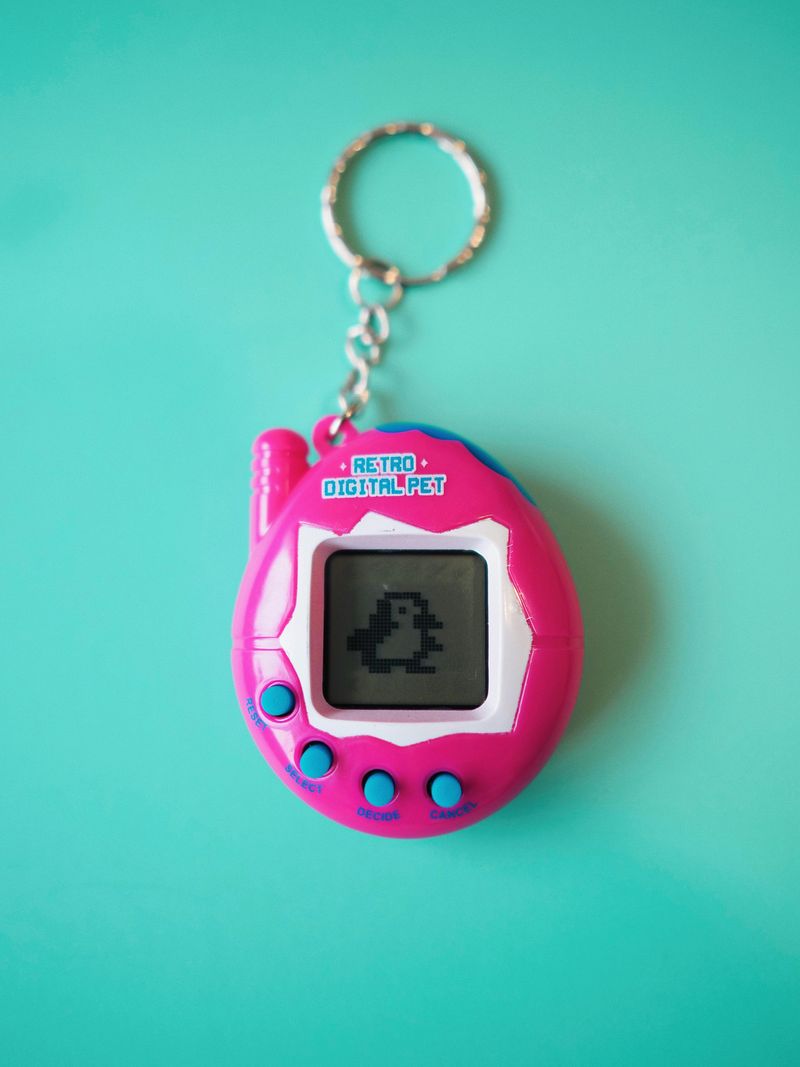
These tiny digital pets attached to your keychain and demanded constant attention throughout the day.
You had to feed them, clean up their messes, play games with them, and turn off the lights when they slept.
Teachers hated Tamagotchis because they beeped during class, disrupting lessons with needy digital chirps.
Many schools banned them entirely, forcing kids to sneak care sessions between classes or risk returning to a dead pet.
The guilt when your Tamagotchi died was surprisingly real.
You had failed a virtual creature that depended on you, and starting over with a new egg never quite felt the same as raising your first one.
12. Saturday Morning Cartoons as a Scheduled Event
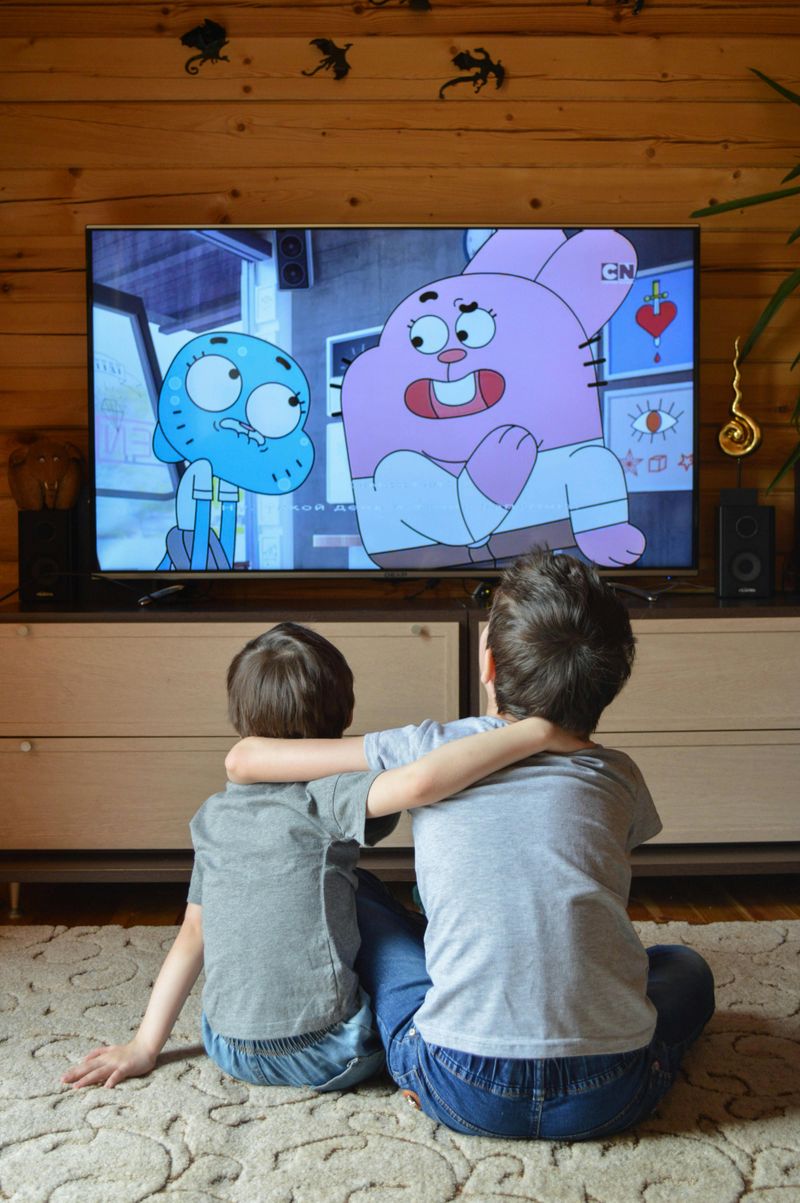
Waking up early on Saturday was worth it because that was the only time certain cartoons aired.
You had to catch your favorite shows live or miss them entirely, creating a weekly ritual that felt special and exciting.
The lineup was sacred, and you knew exactly what aired at what time.
From 7 AM to noon, networks stacked back-to-back animated shows that kept kids glued to the screen with cereal bowls in their laps.
Missing an episode meant waiting a whole week for the next one, with no streaming or on-demand options.
Friends discussed what happened at school on Monday, and being absent on Saturday morning meant being left out of conversations.
13. Buying Individual Ringtones for Your Phone

Customizing your phone meant spending real money on ringtones, which were low-quality clips of popular songs.
Each ringtone cost anywhere from two to three dollars, and building a collection could drain your allowance quickly.
Having the latest hit song as your ringtone was a status symbol.
When your phone rang in public, people would turn and look, silently judging your music taste based on those tinny 15-second loops.
Some services charged monthly subscriptions for access to ringtone libraries.
You could also try composing your own using the phone’s built-in composer, though they always sounded terrible compared to the purchased versions.
14. iPods With Click Wheels and Manual iTunes Syncing
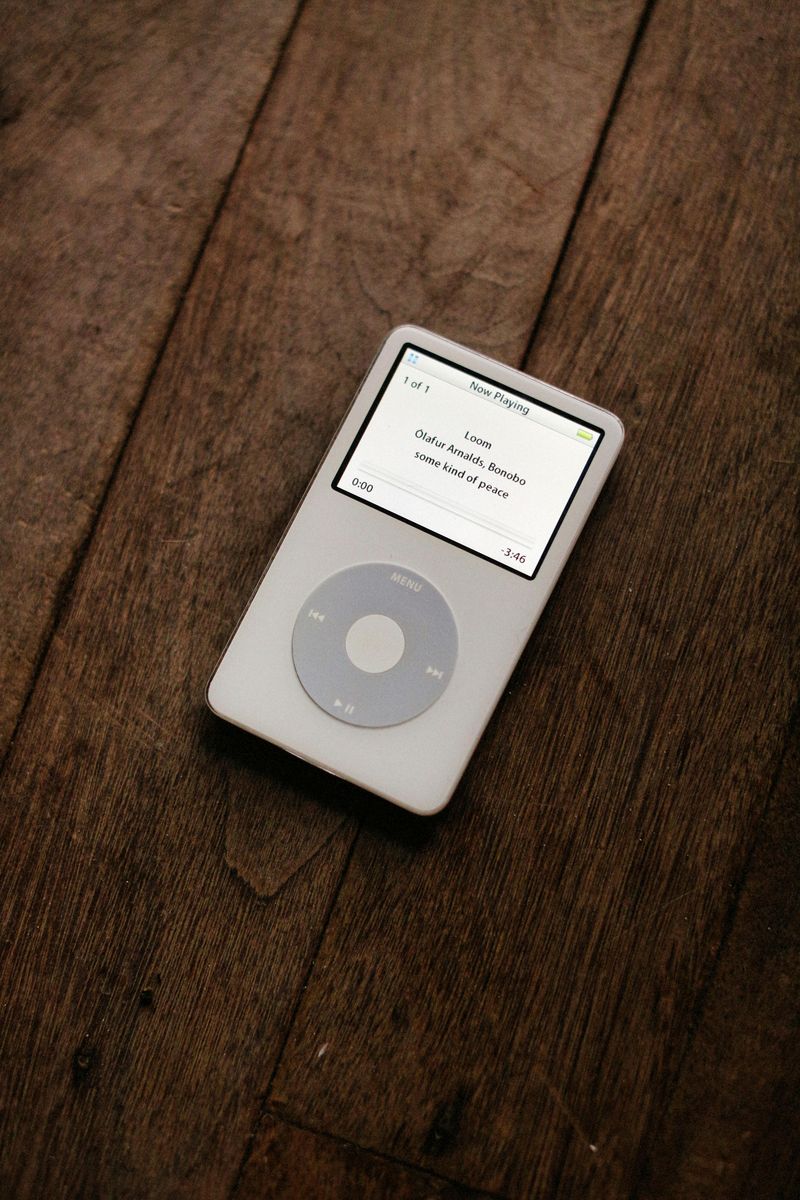
The original iPod revolutionized portable music by storing thousands of songs in a device smaller than a deck of cards.
The click wheel was oddly satisfying to use, letting you scroll through massive libraries with just your thumb.
Syncing music required plugging your iPod into a computer and waiting while iTunes transferred files.
You had to manually manage playlists and carefully organize your library, making every addition a deliberate choice.
Those white earbuds became instantly recognizable symbols of iPod ownership.
Everyone knew you had one when they saw the distinctive cords, though the earbuds themselves were uncomfortable and fell out constantly during any physical activity.
15. Microsoft Encarta on CD-ROM as Your Digital Encyclopedia
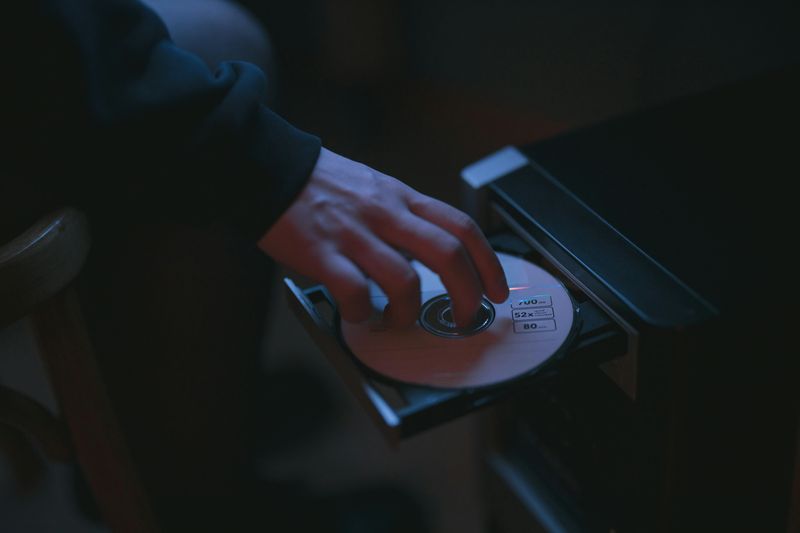
Before Wikipedia, Encarta was the coolest way to research school projects.
This digital encyclopedia came on CD-ROMs and featured articles, photos, videos, and interactive elements that made learning feel futuristic and fun.
Searching for information was faster than flipping through physical encyclopedias, though you were still limited to what was on the disc.
Annual updates came out each year, and having the latest version meant access to the most current information available.
The multimedia features were mind-blowing for their time.
You could watch video clips, listen to audio pronunciations, and explore virtual tours that made homework assignments actually interesting instead of purely tedious.