 MomSkoop

Society loves to claim we’ve reached equality, but the truth is more complicated.
Every day, men and women face different expectations for the exact same behaviors, from how they express emotions to what they wear at work.
These unspoken rules shape our lives in ways we often don’t even notice until someone breaks them.
1. Men Keeping Their Last Name After Marriage
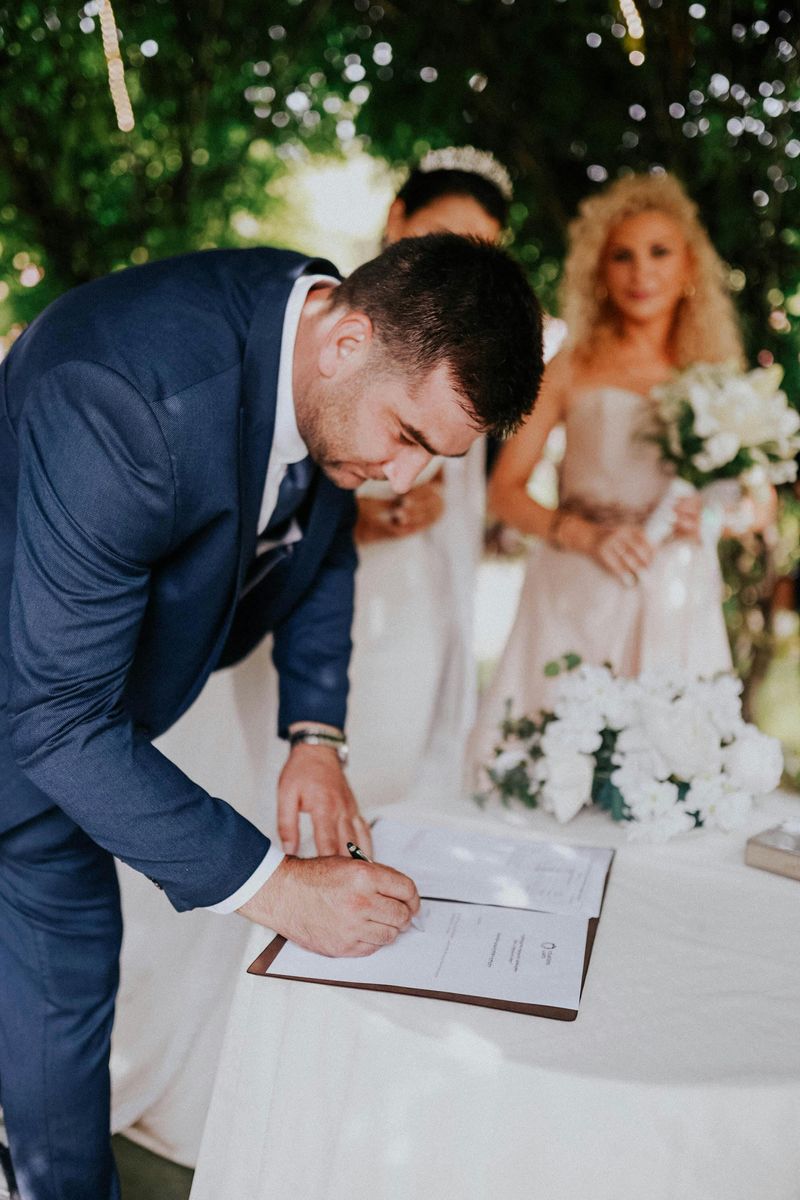
Nobody bats an eye when a groom keeps his surname after saying “I do.” It’s just what happens, right?
For centuries, this tradition has been so automatic that most people never question it.
Women keeping their names, though, still sparks conversations at family dinners.
Some relatives ask if it means the marriage isn’t serious.
Others wonder if future kids will be confused about their identity.
The assumption runs deep that a man’s name represents family continuity.
Breaking this pattern requires explanation, while following it needs none.
That’s the definition of a double standard hiding in plain sight.
2. Women Changing Their Last Name After Marriage
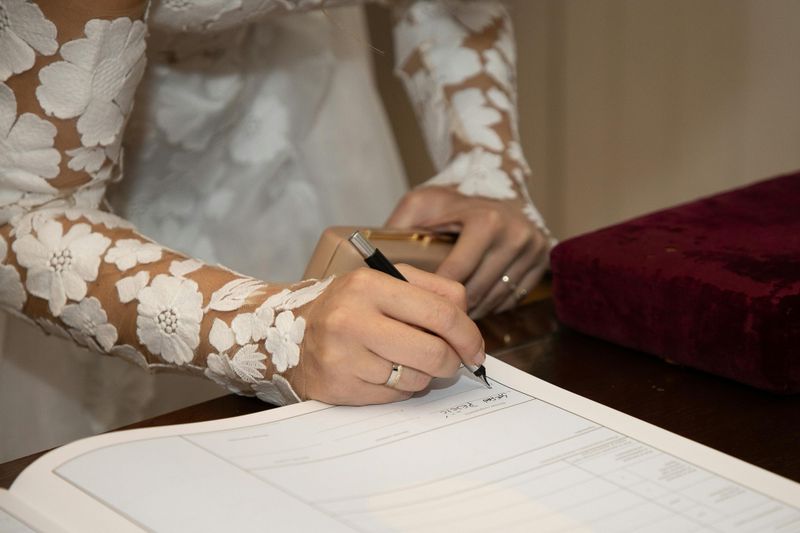
Changing your surname after marriage remains the expected path for most brides.
Friends and family often assume it’ll happen automatically, like it’s part of the wedding package.
The tradition feels natural because we’ve seen it repeated countless times.
But flip the script, and suddenly it becomes newsworthy.
A man who takes his wife’s name faces endless questions about his reasoning.
People treat it like a political statement rather than a personal choice.
The difference reveals how deeply gendered our expectations remain.
One direction flows smoothly while the other swims upstream against cultural currents that haven’t fully shifted yet.
3. Age Gaps When Men Are Older
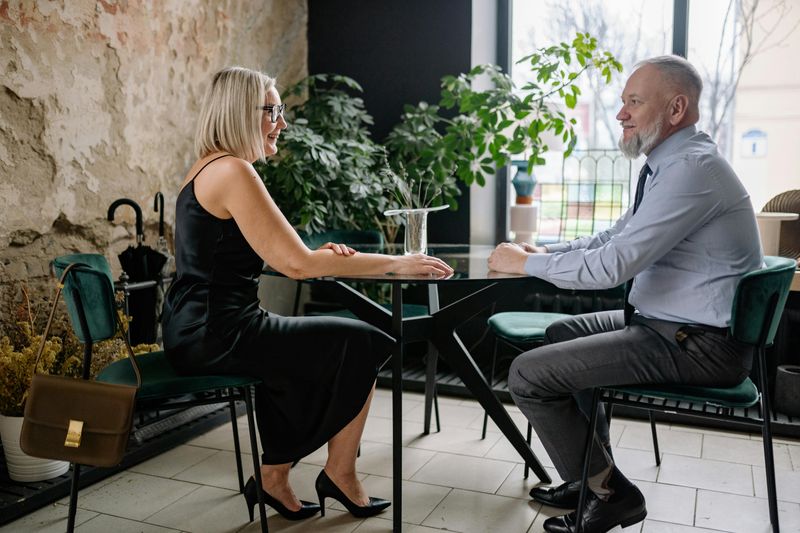
Hollywood has made this pairing feel completely ordinary.
Leading men in their fifties regularly romance actresses half their age onscreen, and nobody writes think pieces about it.
The pattern extends beyond movies into everyday relationships that barely raise eyebrows.
Reverse those ages, though, and watch how fast the commentary starts.
An older woman dating a younger man gets labeled with terms that suggest something unusual is happening.
Friends might joke about “cougars” or question the relationship’s authenticity.
Society reads these pairings through completely different lenses based solely on which partner has more birthdays behind them.
Same age difference, opposite reactions.
4. Women Showing Vulnerability in Public
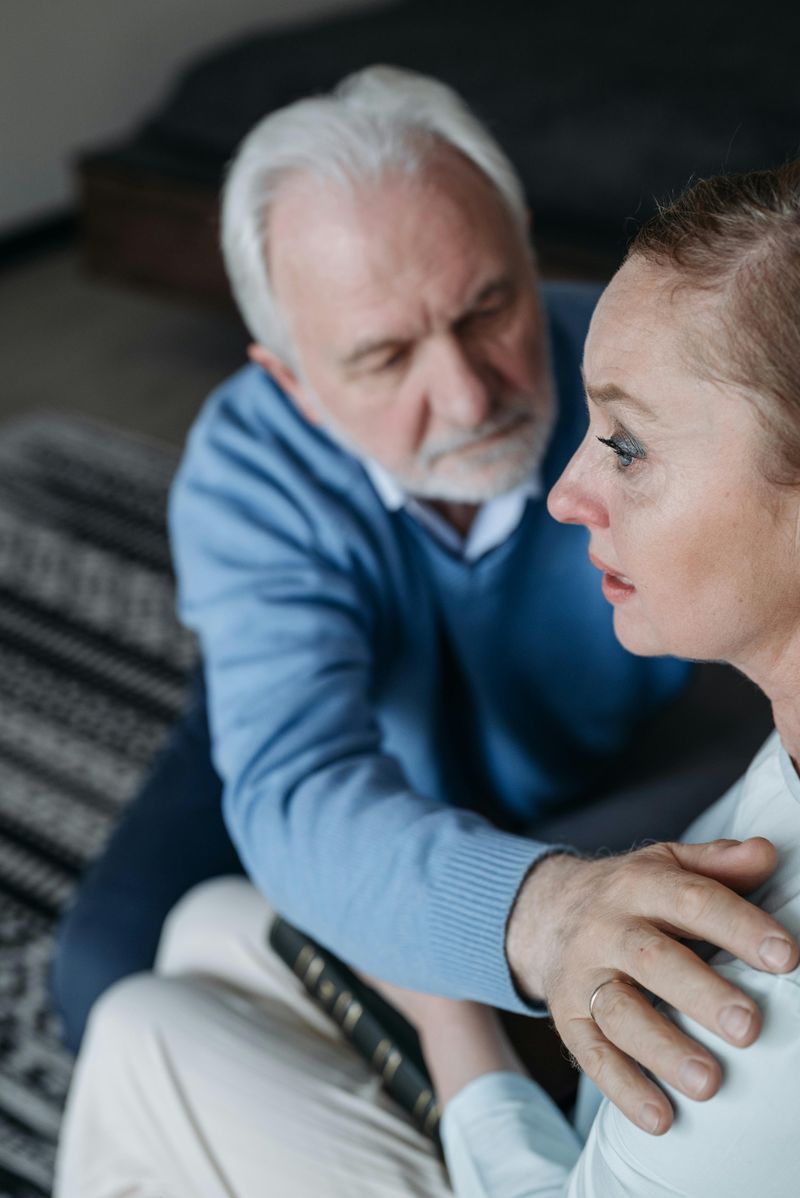
Tears at a funeral or after bad news don’t surprise anyone when they come from women.
Our culture has created space for female emotional expression that feels natural and accepted.
Crying during sad movies or stressful moments passes without judgment.
Men showing that same vulnerability face a tougher audience.
Even in 2025, tears from guys can trigger discomfort in others.
Phrases like “man up” or “stay strong” still get tossed around, suggesting emotions should stay locked away.
The message comes through clearly: feelings have a gender.
One half of humanity gets permission to be human while the other receives pressure to perform toughness regardless of circumstances.
5. Men Expressing Anger at Work

A male executive pounding the conference table during a tough negotiation often gets described as passionate or decisive.
His raised voice signals that he cares deeply about results.
Colleagues might even admire his intensity as proof of strong leadership qualities.
Switch the gender, and those same actions transform into career liabilities.
Women displaying identical anger risk labels like “emotional” or “difficult to work with.” Performance reviews suddenly mention concerns about temperament and team dynamics.
The workplace reads identical behaviors through completely different filters.
Assertiveness in one person becomes aggression in another, all because of assumptions about how each gender should communicate under pressure.
6. Makeup Expectations in Professional Settings
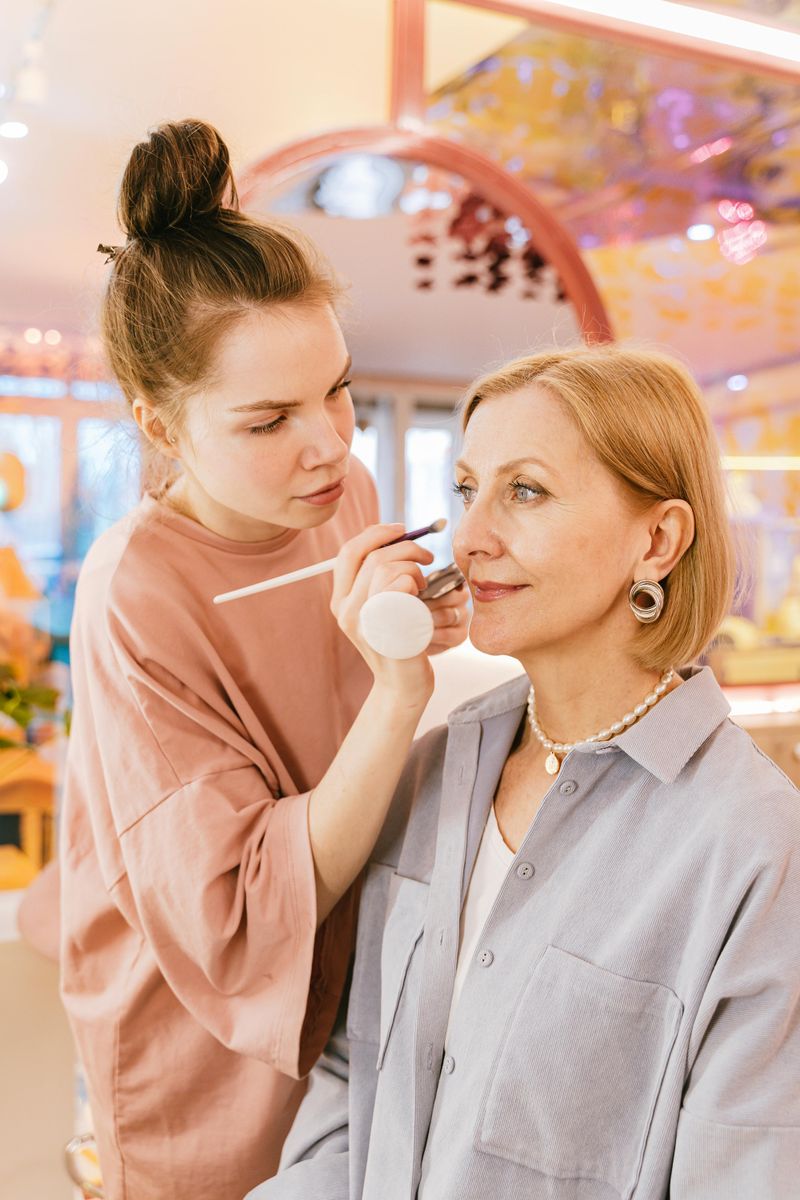
Walk into most corporate offices and you’ll notice something interesting about appearance standards.
Women arrive wearing foundation, mascara, and lipstick without anyone commenting because it’s considered part of looking “polished” and “professional.” Some workplaces subtly require it through unwritten dress codes.
Men wearing visible makeup to those same offices would face completely different reactions.
Colleagues might stare or whisper, treating cosmetics on masculine faces as unusual or attention-seeking.
The corporate world hasn’t made room for that choice yet.
Beauty standards operate on separate tracks depending on gender.
One group faces pressure to enhance their appearance while the other faces pressure to avoid it entirely.
7. Body Hair Choices
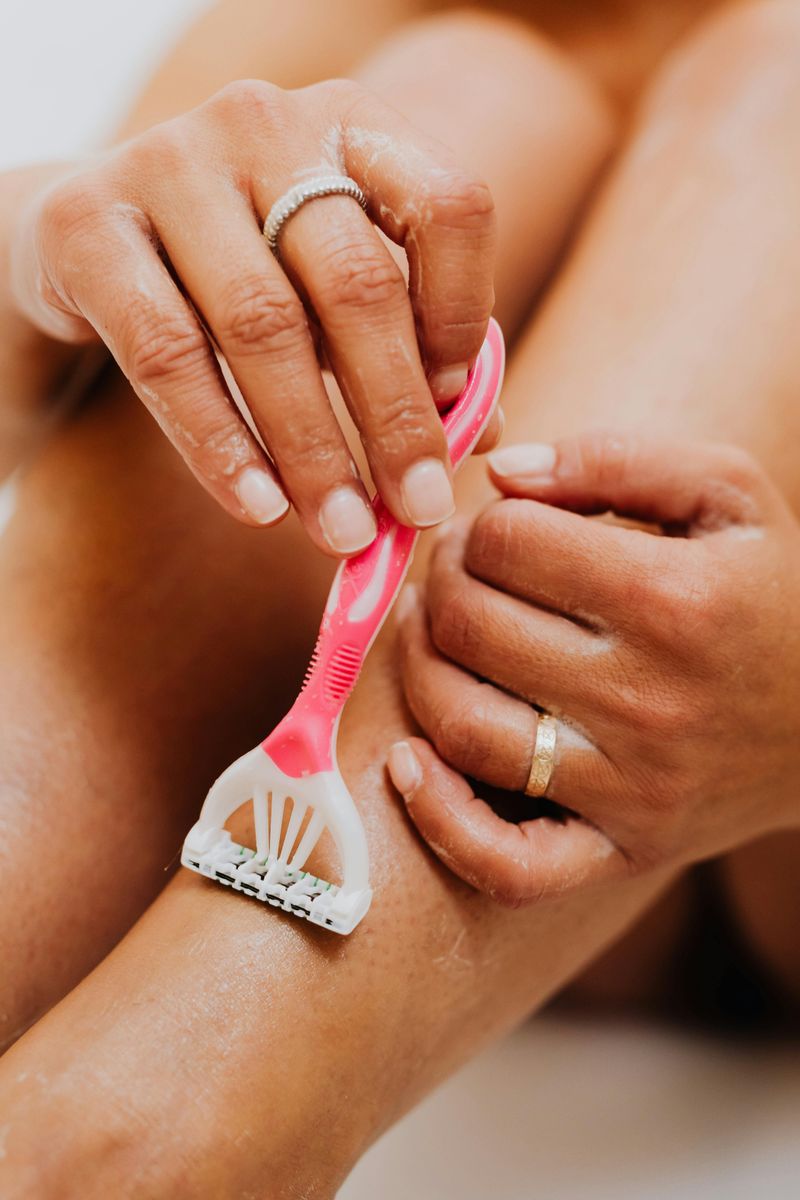
Summer arrives and men head to the beach without giving their leg hair a second thought.
Nobody expects them to own razors or spend time grooming body hair.
Natural growth is just part of being a guy, completely unremarkable and fully accepted.
Women skipping the razor, though, still encounter surprised looks and occasional comments.
Unshaven legs or armpits on feminine bodies become statements rather than simple choices.
Social media posts about body hair acceptance spark heated debates that reveal lingering discomfort.
The difference shows how appearance rules remain stubbornly gendered.
Bodies grow hair naturally, but only some people get to keep it without facing social consequences or having to justify their decisions.
8. Complimenting Appearance Between Friends

“I love your dress!” rings out between female friends constantly, creating bonds through appearance-based compliments.
Women build entire conversations around hair, makeup, and outfit choices.
This social pattern feels warm and supportive, strengthening friendships through positive attention to looks.
Men complimenting each other’s appearance tread more carefully.
Depending on tone and context, the same words can land differently.
Casual settings allow more freedom, but formal environments might make these exchanges feel awkward or be misinterpreted.
Friendship expressions follow invisible gender scripts.
The same kind words carry different social weight based on who’s speaking, revealing how masculinity and femininity shape even simple interactions between friends.
9. Marriage Proposal Traditions

Picture a proposal and you probably imagine a man on one knee, right?
This image dominates our cultural imagination so completely that it feels like the only way engagements happen.
Guys plan elaborate surprises, choose rings, and pop the question while their partners wait to be asked.
Women proposing flips the script in ways that still feel unconventional.
Friends might celebrate it as progressive or modern, but the very fact it needs those labels proves it’s not standard.
Media coverage treats female proposers as newsworthy exceptions rather than normal occurrences.
Romance follows a gendered roadmap where initiative belongs primarily to men.
Breaking that pattern requires courage because tradition’s gravity pulls so strongly toward established roles.
10. Primary Caregiving and Staying Home
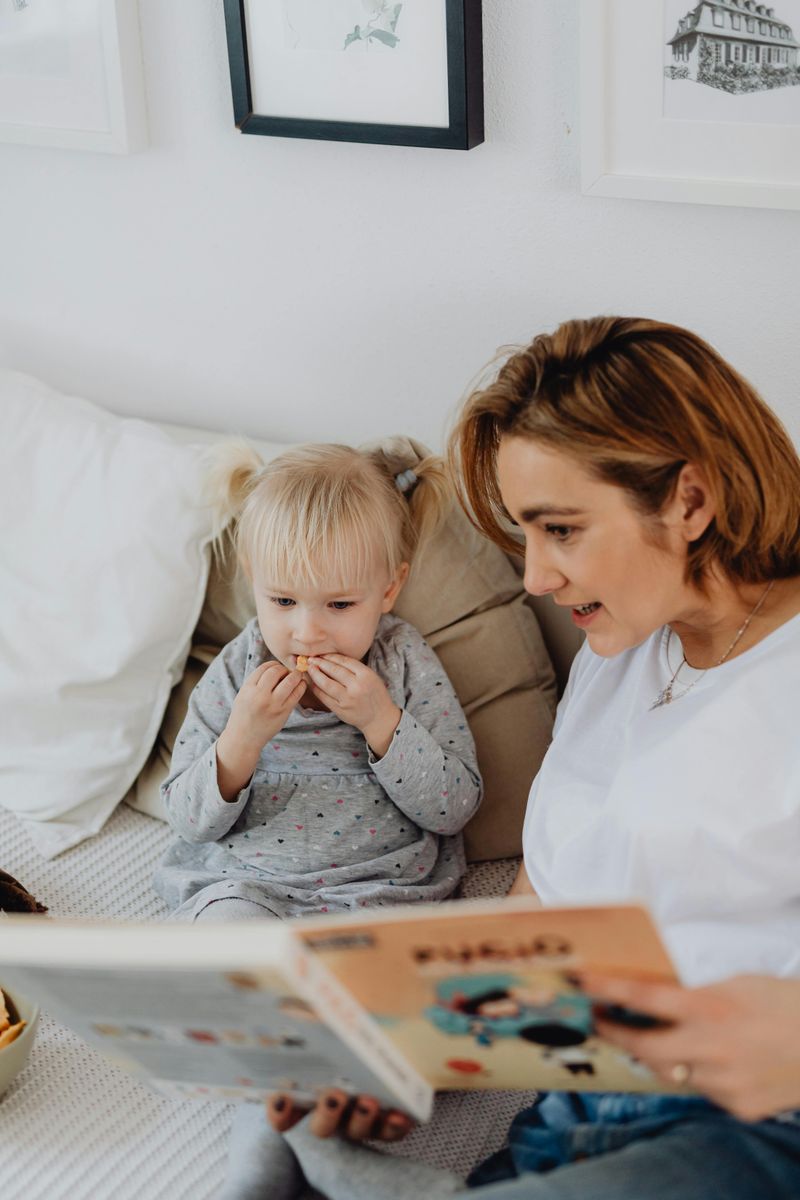
“So you’re a stay-at-home mom?” gets answered with nods of understanding.
Society has created comfortable space for mothers who choose full-time caregiving.
Family and strangers alike view this decision as natural, even admirable, requiring no further explanation or justification.
Stay-at-home fathers encounter more complicated responses.
People ask about job searches or assume unemployment rather than intentional choice.
Some folks treat male caregivers as temporary situations until “real work” resumes, dismissing domestic labor as less legitimate.
Caregiving carries different social value depending on the parent’s gender.
The exact same role receives respect in one case and subtle questioning in another, exposing assumptions about who belongs where.
11. Childcare Competence Assumptions
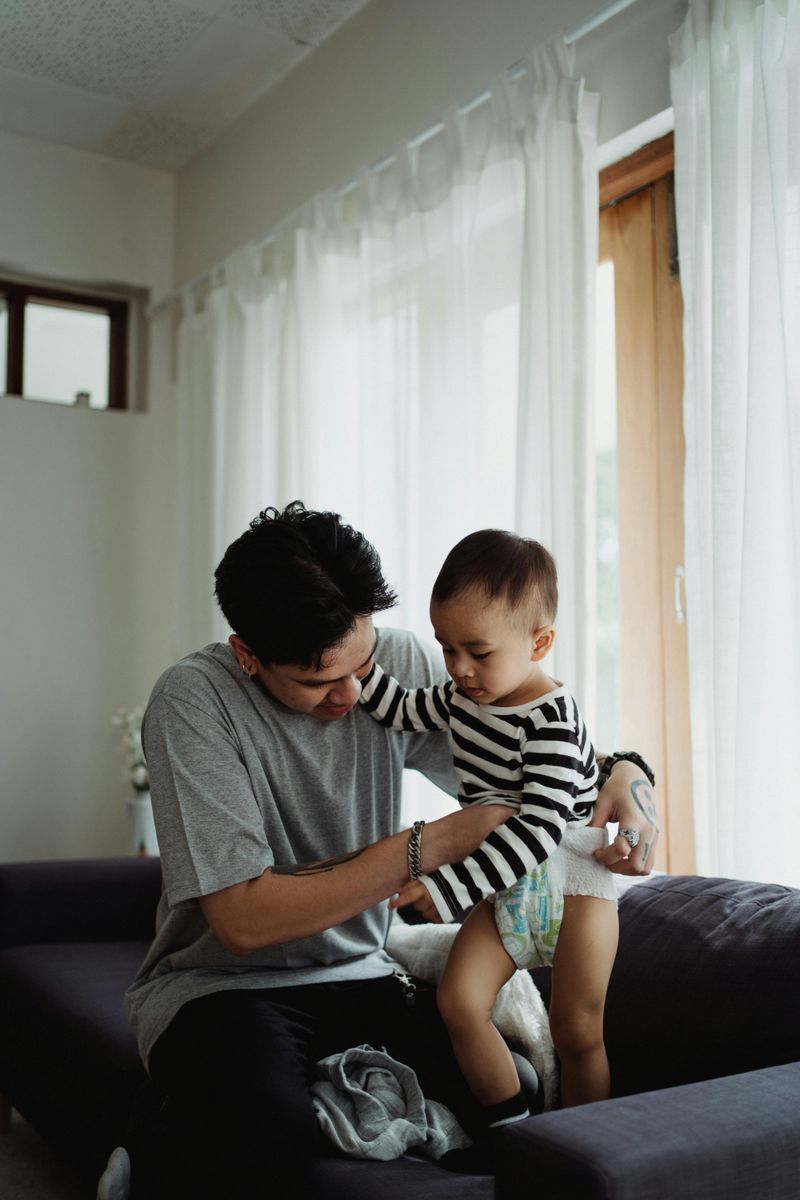
Watch a father fumble with a diaper in public and notice how quickly people offer help or make jokes about dads “babysitting” their own kids.
Men get graded on a curve when it comes to childcare skills.
Minimal effort earns praise while mistakes get excused as expected incompetence.
Mothers handling the exact same tasks face completely different standards.
Nobody congratulates them for basic parenting or laughs off errors as cute attempts.
Instead, competence is simply assumed, and any struggles might prompt judgment about parenting abilities.
The bar sits at different heights based on gender.
One parent gets bonus points for showing up while the other must demonstrate expertise just to meet baseline expectations.
12. Personal Safety Discussions

Women swapping safety tips about walking alone after dark sparks no controversy.
Friends share locations with each other, carry pepper spray, and discuss which streets to avoid.
These conversations happen openly because everyone understands the legitimate concerns behind them.
Men expressing similar fears about nighttime safety often face dismissal or mockery.
Admitting vulnerability to street crime can get brushed aside with suggestions to “toughen up” or implications that real men don’t worry.
The concerns get minimized even when statistics show men face plenty of violence too.
Fear gets gendered treatment where one group’s caution seems reasonable while another’s seems excessive.
Reality affects everyone, but only some people receive validation for acknowledging it.
13. Going Shirtless in Public

Summer heat arrives and male joggers peel off their shirts without hesitation.
Parks and beaches fill with bare-chested men whose bodies draw zero official attention.
This freedom feels so normal that most guys never consider it a privilege worth examining.
Women going topless in those same spaces face legal restrictions in many places.
Even where technically allowed, social pressure and potential harassment make the choice far more complicated.
The same body part carries completely different rules depending on gender.
Public space access gets divided by anatomy in ways that reveal deep discomfort with female bodies.
Identical skin receives opposite treatment, with one version normalized and the other regulated, restricted, or scandalized by law and custom.