 MomSkoop

School taught you algebra and history, but did it teach you how to negotiate your salary or manage a panic attack at 2 a.m.?
Probably not.
The truth is, many of the most essential skills for navigating adulthood were left out of the curriculum entirely.
This list covers the real-world abilities that can make or break your success, happiness, and peace of mind as you step into life beyond the classroom.
1. Managing Your Personal Finances

Nobody handed you a manual on how to balance a checkbook, build an emergency fund, or understand compound interest.
Yet these are the things that determine whether you thrive or struggle financially.
Learning to budget means knowing where every dollar goes.
Investing helps your money grow over time instead of sitting idle.
Taxes, credit scores, and debt management all play huge roles in your financial health.
Start small: track your spending for a month, open a savings account, and educate yourself on basic investment options.
Financial literacy is not just for accountants; it is for anyone who wants freedom and security in their future.
2. Emotional Regulation and Stress Management

Feeling overwhelmed is part of being human.
But school rarely taught us how to handle big emotions or chronic stress in healthy ways.
Emotional regulation means recognizing your feelings without letting them control you.
Stress management involves tools like deep breathing, journaling, exercise, or talking to someone you trust.
These skills prevent burnout and improve your relationships.
When life gets intense, knowing how to pause and reset is a superpower.
You can learn to respond instead of react.
Practice self-compassion, set aside time to decompress, and remember that asking for help is a sign of strength, not weakness.
3. Clear, Assertive Communication

Ever struggled to say no, or felt unheard in a conversation?
That is because assertive communication is a learned skill, not something most of us picked up in school.
Being assertive means expressing your needs and boundaries without being aggressive or passive.
It is about respect—for yourself and others.
Whether you are asking for a raise, declining an invitation, or addressing a conflict, clear communication makes all the difference.
Practice using “I” statements like “I feel” or “I need.” Avoid blaming language.
Stay calm and direct.
Over time, this builds confidence and healthier relationships in every area of your life.
4. Critical Thinking and Spotting Misinformation

The internet is flooded with information, but not all of it is true.
School taught you to memorize facts, but not always how to question them.
Critical thinking means analyzing sources, checking for bias, and asking “Who benefits from this message?” Misinformation spreads fast, especially on social media.
Learning to pause before sharing, verify facts, and think independently protects you from manipulation.
Look for credible sources.
Cross-check claims.
Be skeptical of headlines designed to provoke strong emotions.
In a world full of noise, your ability to think clearly and critically is one of your greatest assets.
5. Digital Literacy and Online Privacy Protection

You grew up online, but did anyone teach you how to protect your digital footprint?
Probably not in any meaningful way.
Digital literacy goes beyond knowing how to use apps.
It includes understanding privacy settings, recognizing phishing scams, using strong passwords, and knowing what data companies collect about you.
Your online presence has real-world consequences for your career, relationships, and safety.
Use two-factor authentication.
Be mindful of what you post publicly.
Review app permissions regularly.
Think before you click.
Protecting your privacy online is not paranoia—it is smart self-care in the digital age.
6. AI Literacy and Effective Collaboration with AI Tools

Artificial intelligence is everywhere now, from chatbots to recommendation algorithms.
But understanding how to use it wisely?
That was not part of the syllabus.
AI literacy means knowing what AI can and cannot do, questioning its outputs, and using it as a tool rather than a crutch.
It involves understanding bias in algorithms and recognizing when human judgment is still essential.
Learn to prompt AI effectively.
Verify its answers.
Use it to brainstorm, draft, or organize—but always apply your own critical thinking.
The future belongs to people who can collaborate with technology while staying grounded in ethics and accuracy.
7. Negotiation Skills for Salary, Contracts, and Purchases

Most people leave thousands of dollars on the table because they never learned how to negotiate.
Whether it is a job offer, a car purchase, or a freelance contract, negotiation is a life skill that pays off.
Start by doing your research.
Know your worth and the market rate.
Practice stating your case calmly and confidently.
Be willing to walk away if the terms are not right.
Negotiation is not about being pushy—it is about advocating for yourself.
The more you practice, the easier it gets.
Even small wins build momentum and confidence over time.
8. Building and Maintaining Professional Relationships

Your network is your net worth, as the saying goes.
But building genuine professional relationships is about more than collecting business cards or LinkedIn connections.
Networking done right means showing up, being helpful, and staying in touch over time.
It is about mutual respect and offering value, not just taking.
Strong relationships open doors to opportunities, mentorship, and collaboration.
Attend events, follow up with people you meet, and nurture connections even when you do not need anything.
Be authentic.
People remember how you made them feel, and that matters more than any elevator pitch.
9. Personal Branding and Reputation Management

Your reputation is built every day, online and offline.
Yet most people do not think about personal branding until it is too late.
Personal branding is how others perceive you—your skills, values, and personality.
It shows up in your social media presence, how you dress, how you communicate, and the work you deliver.
Managing it means being intentional about the image you project.
Keep your online profiles updated and professional.
Be consistent in your messaging.
Show up as someone reliable and authentic.
Your brand is not about being perfect—it is about being memorable for the right reasons.
10. Basic Legal Literacy

Contracts, leases, terms of service—they are everywhere, and most of us just scroll to the bottom and click “I agree.” That is risky.
Basic legal literacy means understanding your rights and responsibilities in common situations.
It includes knowing what makes a contract binding, what to look for in rental agreements, and when to consult a lawyer.
You do not need a law degree, but you should know enough to protect yourself.
Read before you sign.
Ask questions.
If something feels off, get a second opinion.
Ignorance of the law is not a defense, so educate yourself before problems arise.
11. Health Literacy and Preventive Care
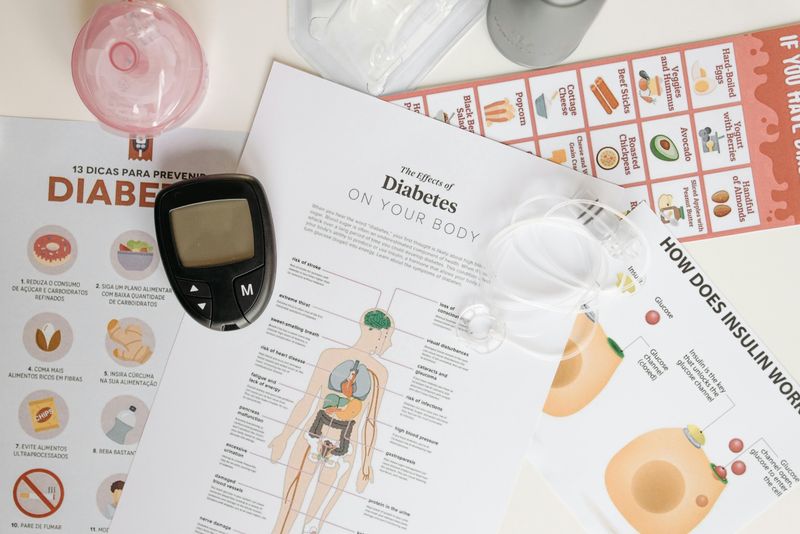
Understanding your body and how to care for it is not optional—it is essential.
Yet health education in school often skipped the most practical parts.
Health literacy means knowing how to read nutrition labels, understand medical advice, prioritize sleep, and recognize signs of mental health struggles.
Preventive care, like regular checkups and screenings, can catch problems before they become serious.
Take charge of your well-being.
Ask your doctor questions.
Educate yourself on topics like stress, diet, and exercise.
Your health is your foundation—everything else builds on it.
12. Time and Energy Management

Productivity hacks are everywhere, but true time and energy management is about working with your natural rhythms, not against them.
It means knowing when you are most focused and protecting that time.
It involves saying no to low-value tasks and yes to what truly matters.
Energy management recognizes that willpower is finite and rest is productive.
Prioritize tasks by impact, not urgency.
Build in breaks.
Protect your sleep and downtime.
You cannot pour from an empty cup, so manage your energy as carefully as your schedule.
Sustainable success is a marathon, not a sprint.
13. Conflict Resolution and Difficult Conversations

Conflict is inevitable.
How you handle it determines the quality of your relationships and your peace of mind.
Conflict resolution is not about winning arguments—it is about finding solutions that respect everyone involved.
Difficult conversations require preparation, empathy, and the courage to stay calm under pressure.
Listen more than you speak.
Acknowledge the other person’s perspective.
Focus on the issue, not personal attacks.
Practice staying present even when emotions run high.
These skills transform conflict from destructive to constructive, strengthening trust instead of breaking it.
14. Risk Assessment and Decision-Making Under Uncertainty

Life is full of decisions with no clear right answer.
School taught you formulas, but not how to navigate uncertainty.
Risk assessment means weighing potential outcomes, understanding probabilities, and making informed choices even when you do not have all the facts.
It involves recognizing cognitive biases and trusting your judgment while staying flexible.
Ask yourself: What is the worst that could happen?
What is the best?
What is most likely?
Gather information, but do not get paralyzed by it.
Sometimes the biggest risk is not taking one at all.
Learn to move forward with confidence, even in the fog.
15. Adaptability and Continuous Learning

The world changes fast.
The skills you have today might be outdated tomorrow.
Adaptability is the skill that keeps you relevant.
Continuous learning means staying curious, embracing change, and being willing to start over when needed.
It is about growth mindset—believing you can improve through effort and experience.
Take courses, read widely, ask questions, and stay open to feedback.
Do not cling to what worked in the past if it no longer serves you.
The most successful people are not the ones who know the most—they are the ones who keep learning and evolving no matter what.