 MomSkoop
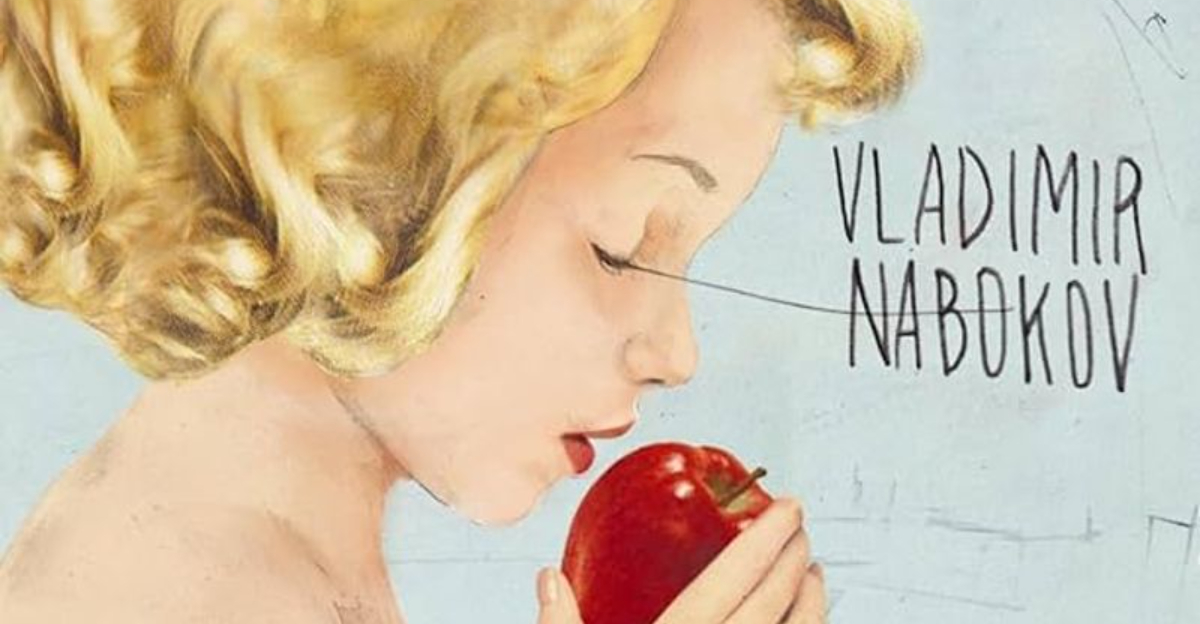
Books have the power to challenge our thinking and push boundaries in ways that make people uncomfortable. Throughout history, certain novels have sparked heated debates, faced bans, and changed the way society views important issues.
Whether tackling racism, government control, or human nature itself, these controversial works continue to shape conversations and test the limits of free expression.
1. Brave New World by Aldous Huxley
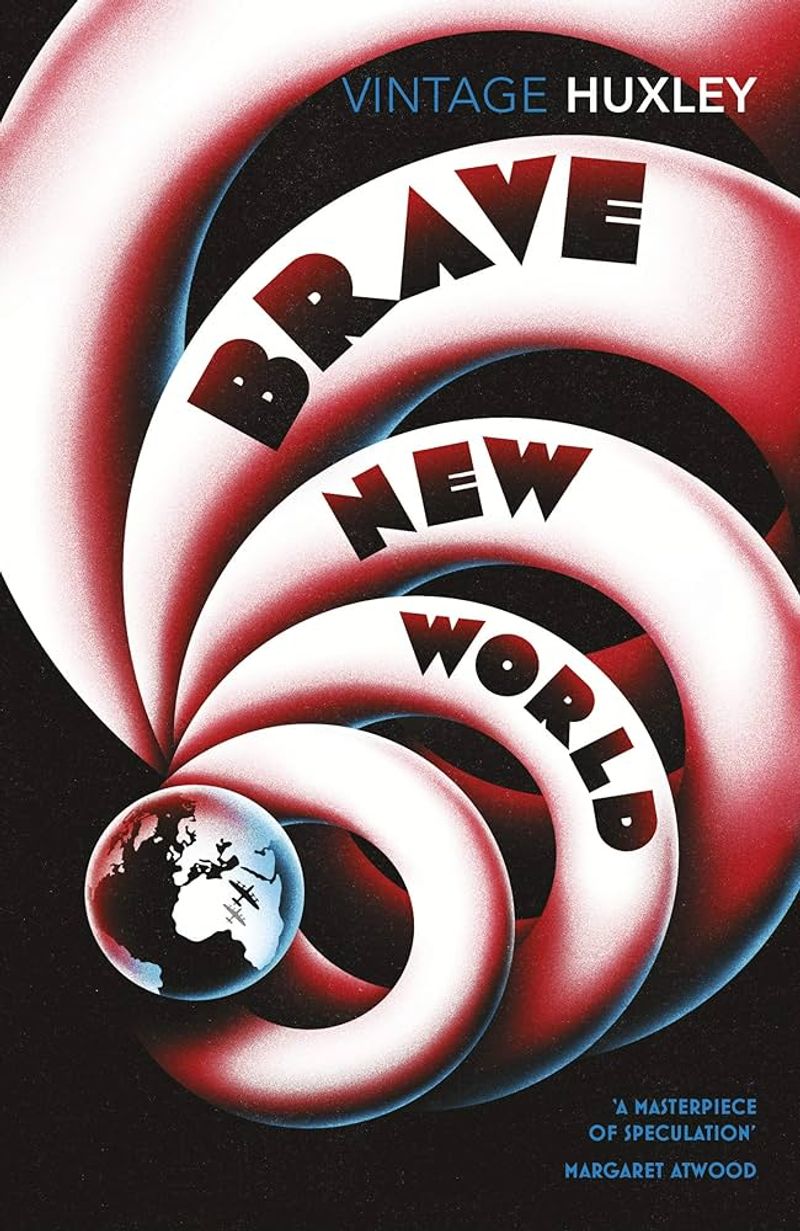
Imagine a world where everyone is happy all the time, but nobody is truly free.
Huxley created a future society that controls people from birth through science and drugs.
Published in 1932, this novel shocked readers by suggesting that too much comfort and pleasure could destroy humanity.
The book faces criticism for its depictions of casual relationships and drug use to maintain social order.
Schools have banned it for discussing topics some consider inappropriate for young readers.
Yet the story raises important questions about what we sacrifice when we choose safety over freedom.
The government in this world eliminates pain, but also removes choice, creativity, and genuine emotion.
Readers discover that a perfect society might actually be a nightmare in disguise.
2. The Catcher in the Rye by J.D. Salinger
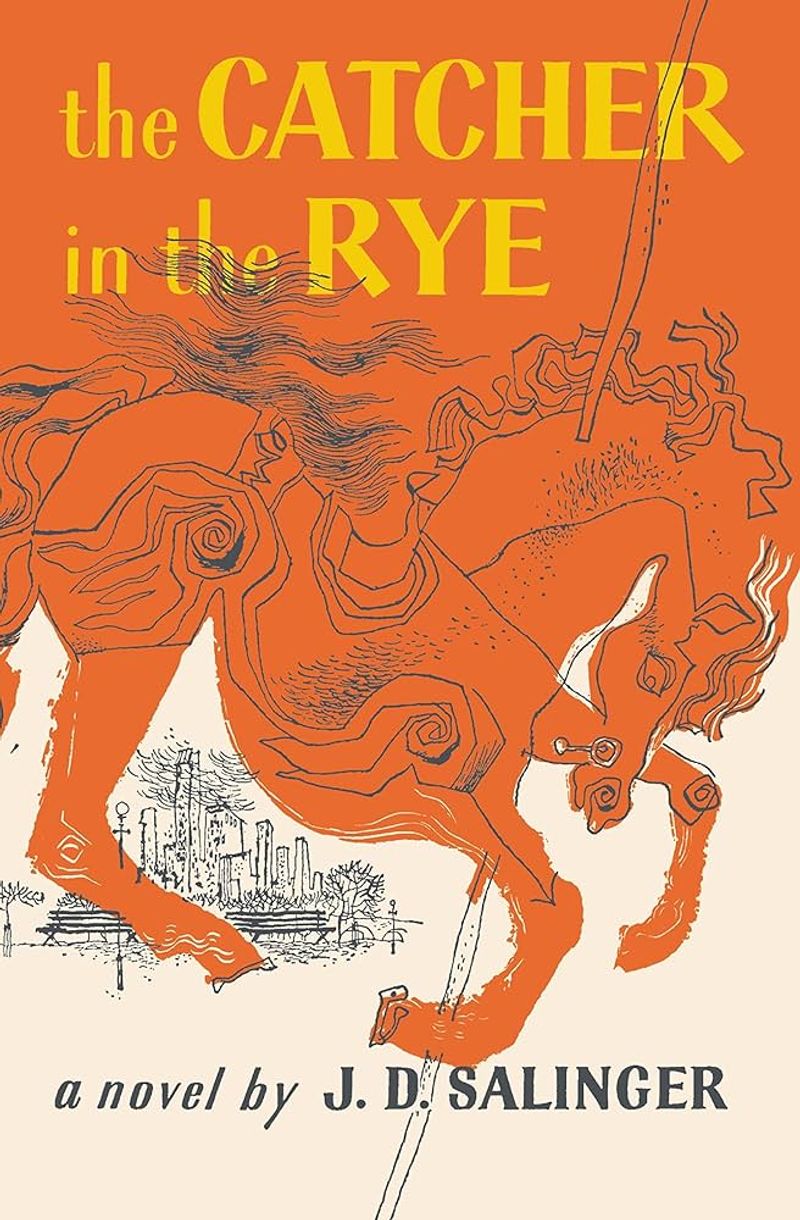
Holden Caulfield became one of literature’s most famous teenage rebels when this book appeared in 1951.
His story follows a few days wandering New York City after getting kicked out of boarding school.
The controversy stems from Holden’s constant swearing, his cynical view of adults, and his struggles with depression.
Parents and school boards have challenged this book more than almost any other American novel.
Critics argue that the language is too rough and the themes too mature for classroom reading.
Supporters counter that teenagers connect with Holden’s honest feelings about growing up and feeling lost.
The book captures the confusion of adolescence in a way that still resonates decades later.
Many readers see themselves in Holden’s search for authenticity in a world full of phonies.
3. 1984 by George Orwell
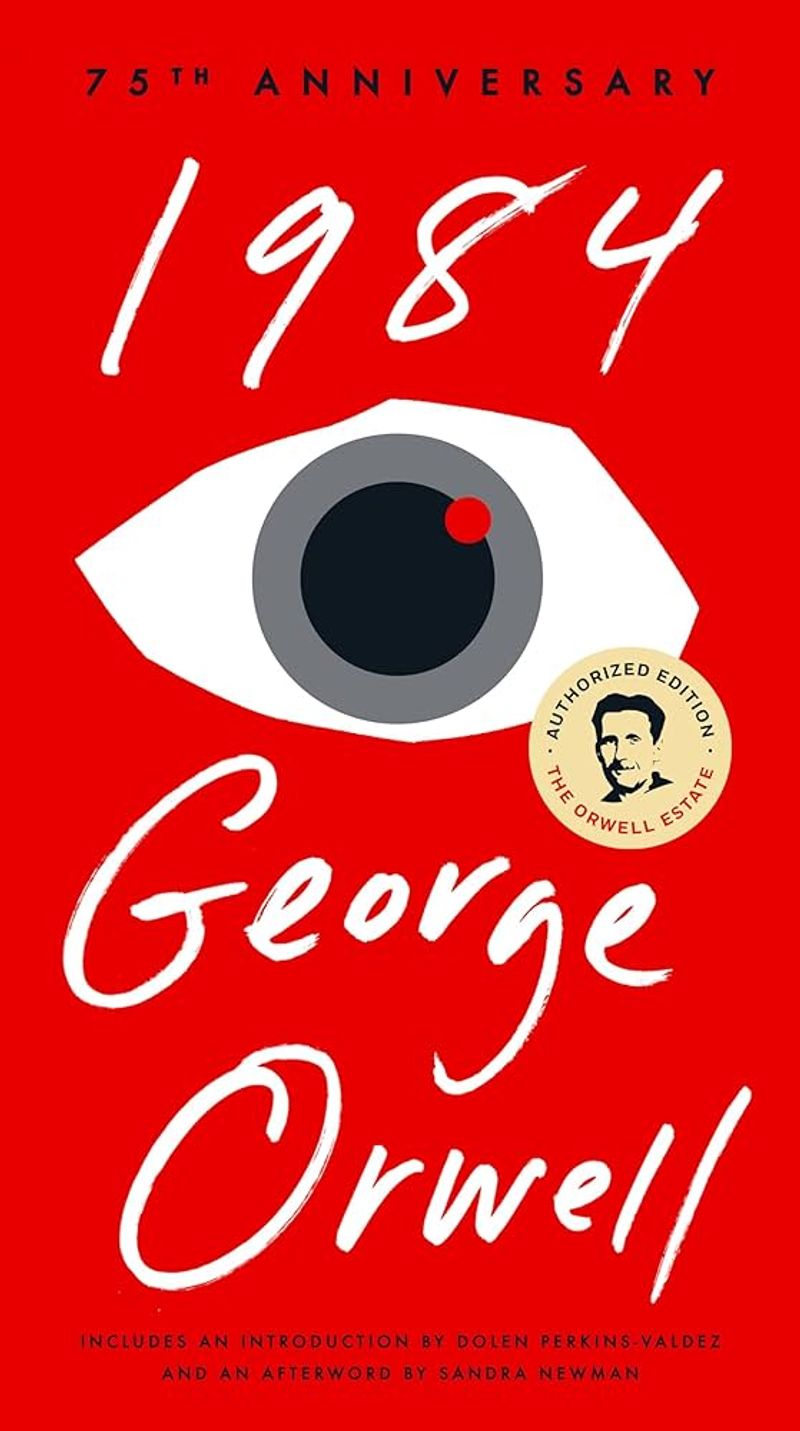
Big Brother is watching, and in Orwell’s terrifying vision, he never blinks.
This 1949 novel introduced concepts like thoughtcrime, doublespeak, and constant surveillance that feel eerily relevant today.
The story follows Winston Smith as he tries to rebel against a totalitarian government that controls every aspect of life.
Controversial elements include graphic torture scenes and the government’s manipulation of truth itself.
Some countries banned the book for criticizing authoritarian regimes too directly.
The Party in the novel rewrites history, eliminates words, and punishes people for their private thoughts.
Orwell wanted to warn readers about the dangers of giving governments too much power.
The phrase “Orwellian” now describes any society that resembles this nightmare world of control and deception.
4. To Kill a Mockingbird by Harper Lee
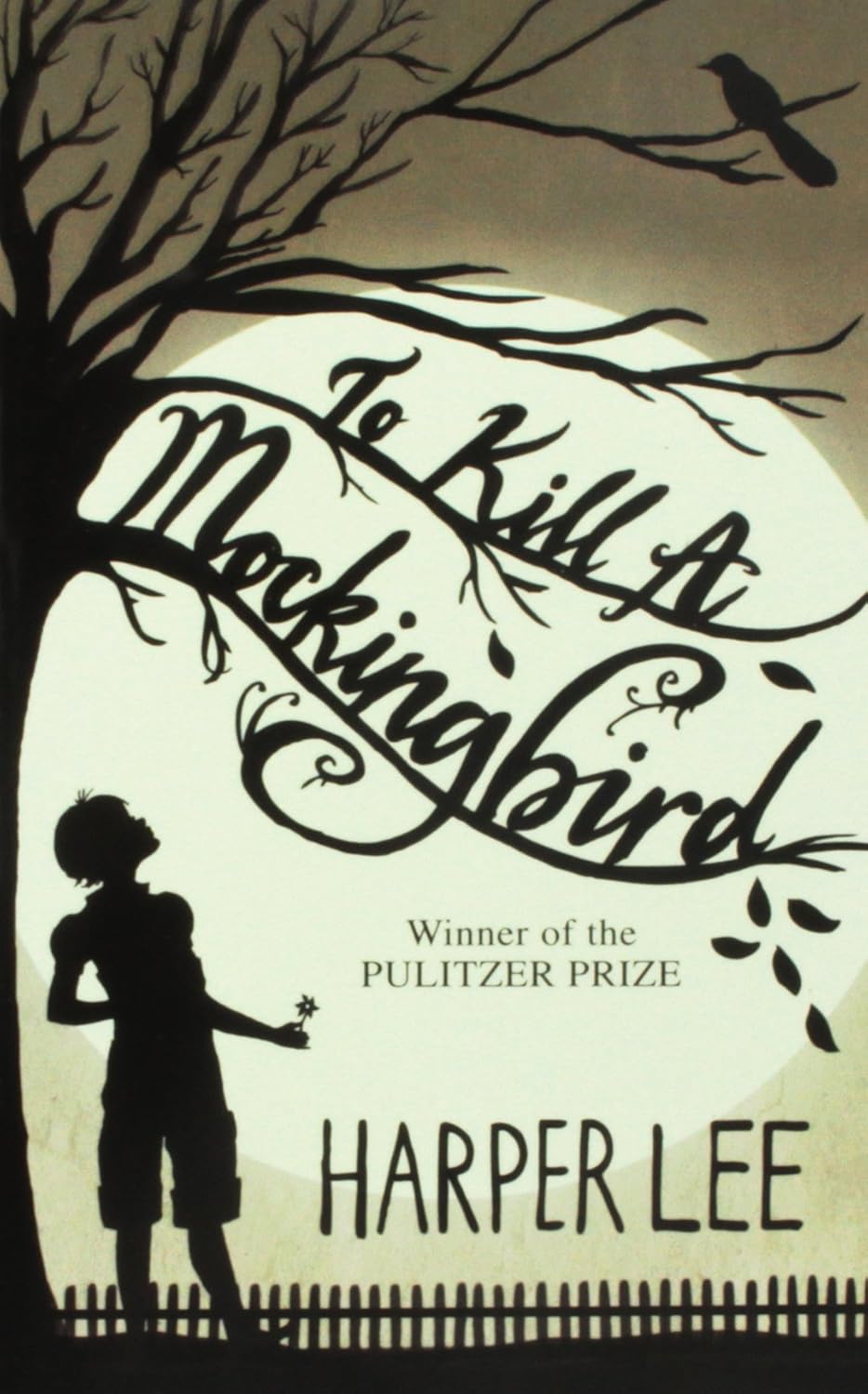
Scout Finch learns about injustice when her father defends a Black man falsely accused of assault in 1930s Alabama.
Harper Lee’s 1960 masterpiece confronts racism head-on through the innocent eyes of children.
The book uses racial slurs common to that time period, which has led to challenges in schools across America.
Some argue that removing the book protects students, while others believe it provides essential historical context.
Atticus Finch became a symbol of moral courage for standing up against prejudice despite community pressure.
The trial at the story’s center exposes how the justice system failed Black Americans.
Lee showed that teaching children to see others with empathy can break cycles of hatred.
This remains required reading in many schools specifically because it tackles uncomfortable truths about American history.
5. Beloved by Toni Morrison
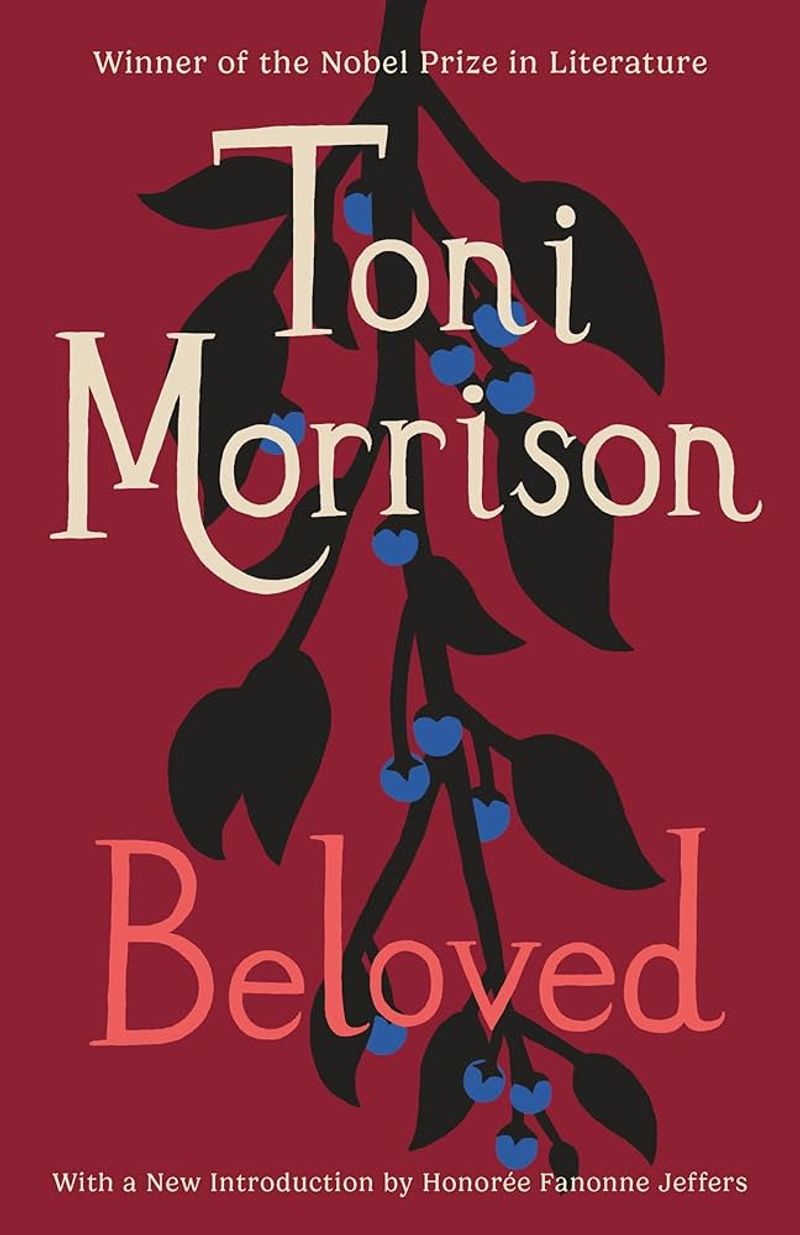
A ghost haunts the pages of this powerful novel about slavery’s lasting wounds.
Morrison tells the story of Sethe, a formerly enslaved woman whose past literally comes back to haunt her Ohio home.
Published in 1987, the book won the Pulitzer Prize but faced immediate controversy for its disturbing content.
The novel includes a scene where a mother makes an unthinkable choice to save her child from slavery.
Schools have challenged it for violence, sexual content, and its unflinching portrayal of slavery’s horrors.
Morrison refused to soften the brutal realities that enslaved people endured.
The supernatural elements serve as metaphors for trauma that refuses to stay buried.
Readers must confront uncomfortable truths about American history and the psychological scars that persist across generations.
6. Animal Farm by George Orwell
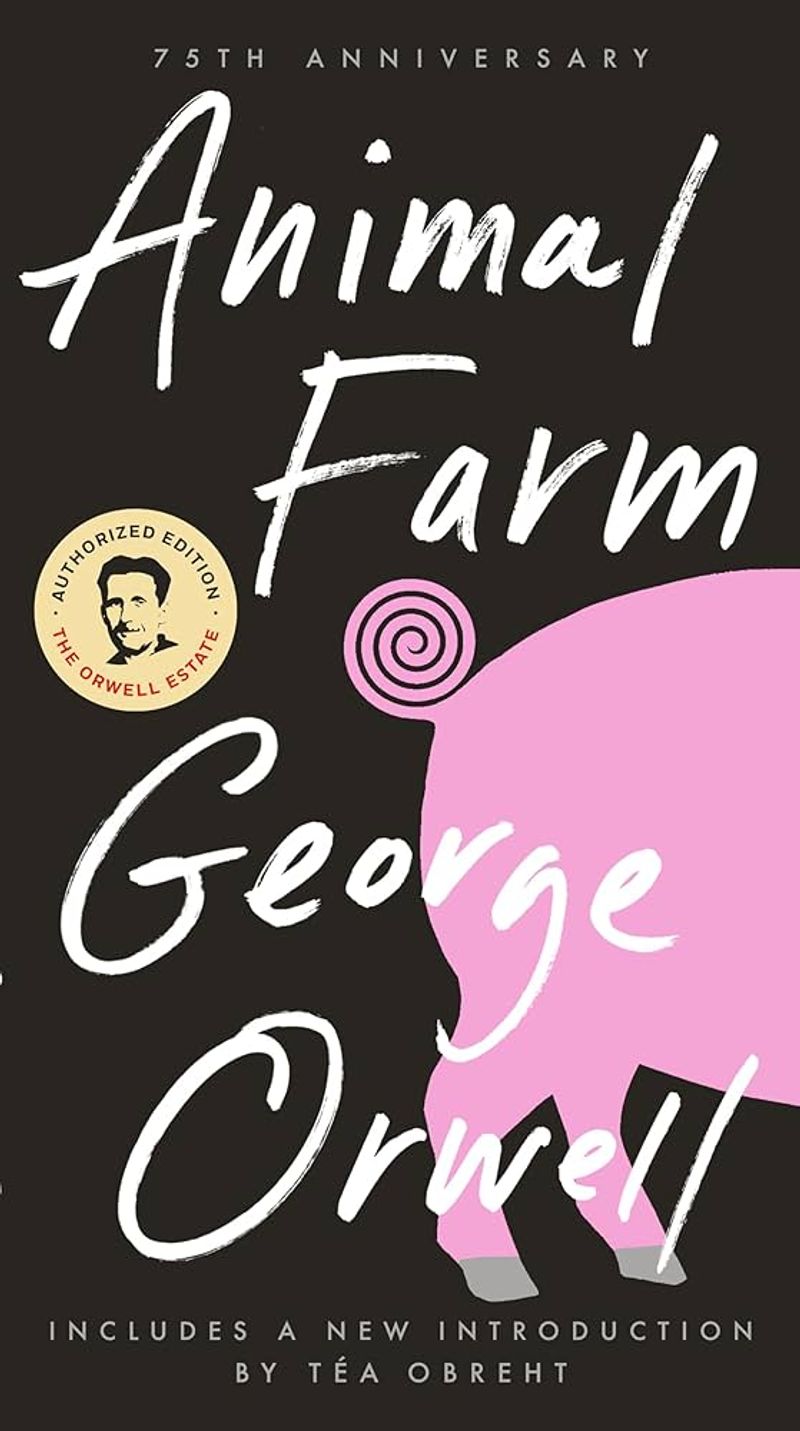
What starts as a revolution for equality ends in tyranny when farm animals overthrow their human owner.
Orwell published this allegory in 1945 as a criticism of the Soviet Union under Stalin.
The pigs who lead the rebellion gradually become as oppressive as the humans they replaced.
The famous line “All animals are equal, but some animals are more equal than others” captures how power corrupts.
Communist countries banned the book for obvious reasons, while some Western schools worried it promoted anti-government sentiment.
The slim novel packs enormous political punch by showing how revolutionary ideals can twist into dictatorship.
Each animal represents different groups in society and how they respond to propaganda and control.
Young readers learn that questioning authority and protecting freedom requires constant vigilance.
7. The Adventures of Huckleberry Finn by Mark Twain
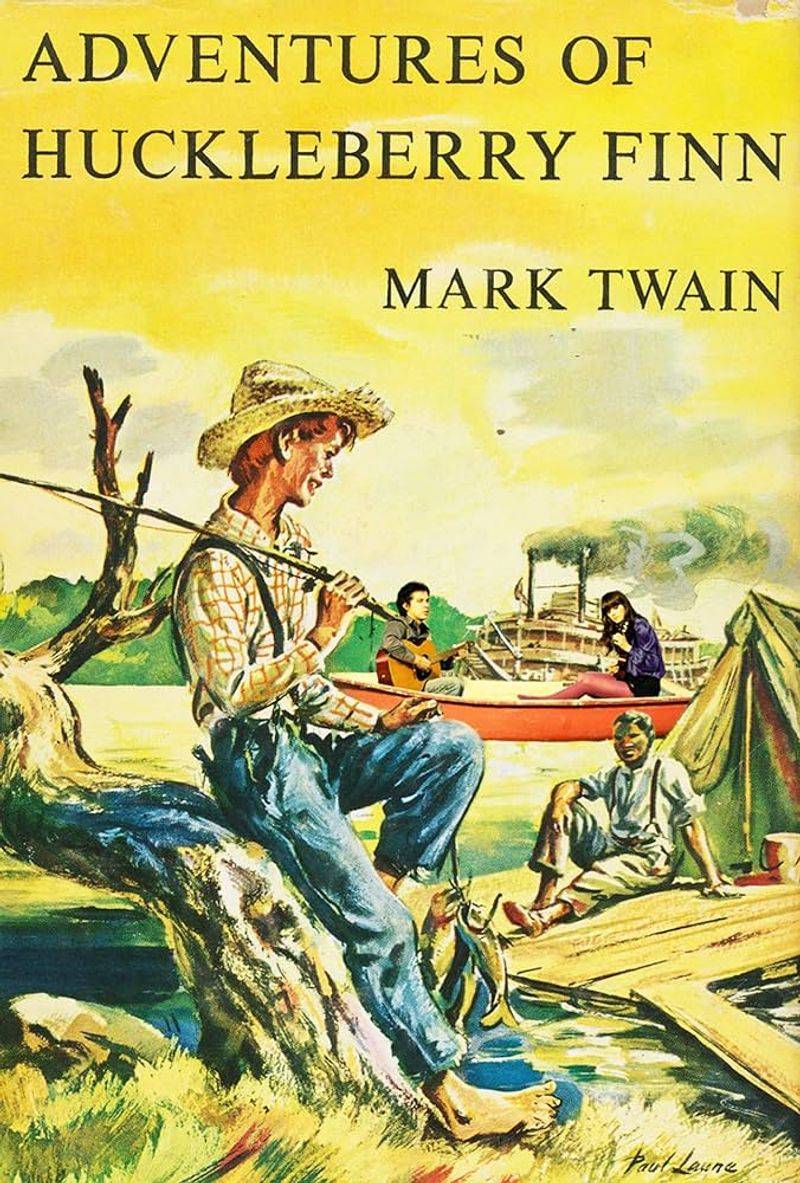
Huck Finn rafts down the Mississippi River with Jim, an escaped slave, in this 1884 American classic.
The friendship between the two travelers challenged racist attitudes of the time.
Twain wrote in the dialect of pre-Civil War Missouri, including racial language that reflects historical reality.
This authentic language has made the book one of the most frequently banned in American schools.
Defenders argue that Twain was actually criticizing racism by showing Huck’s growing respect for Jim’s humanity.
The novel exposes the hypocrisy of a society that claimed to be civilized while accepting slavery.
Huck’s moral growth centers on recognizing that friendship and human decency matter more than unjust laws.
Scholars continue debating whether schools should teach the book with historical context or remove it entirely.
8. The Color Purple by Alice Walker
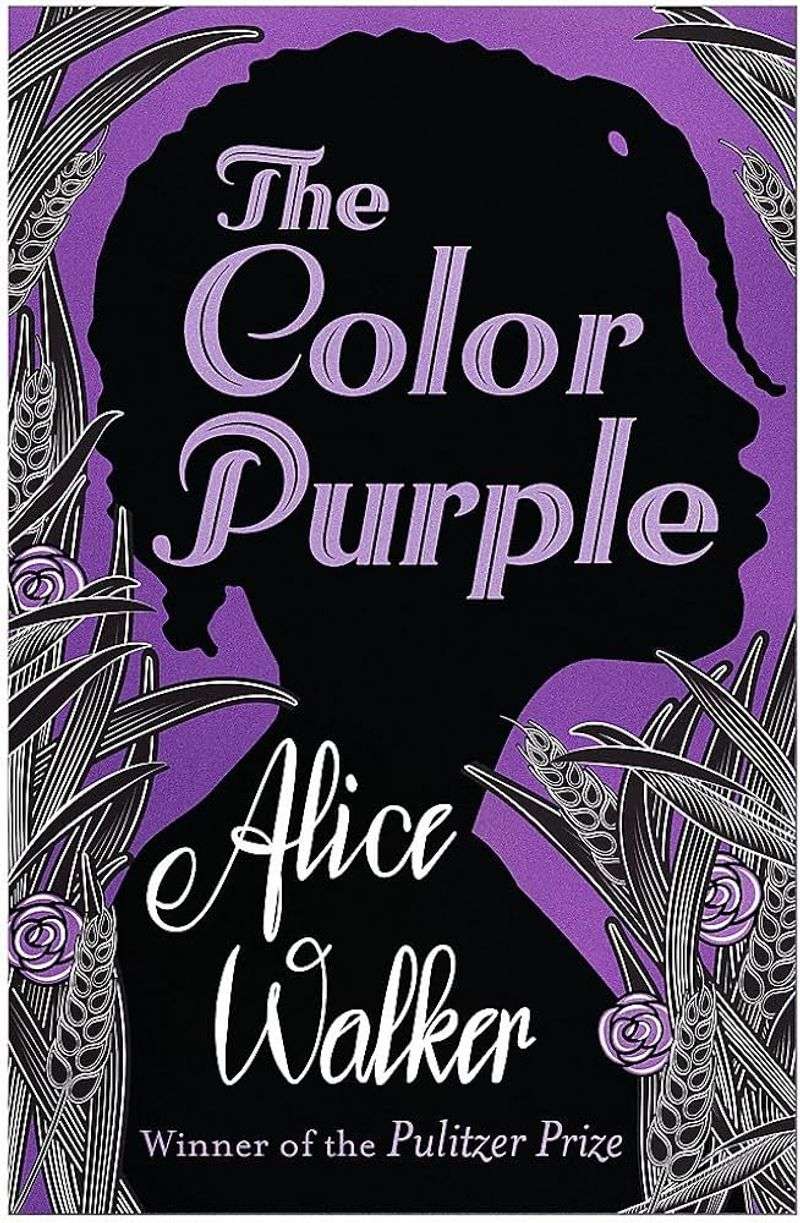
Celie writes letters to God describing her difficult life in rural Georgia during the early 1900s.
Walker’s 1982 novel follows a Black woman’s journey from abuse and oppression to self-discovery and strength.
The book sparked controversy for its depictions of domestic violence, incest, and same-gender relationships.
Written in African American vernacular English, the authentic voice troubled some readers uncomfortable with non-standard grammar.
Critics also objected to the negative portrayal of some male characters.
Walker defended her work as truthfully representing experiences many women endured in silence.
The story celebrates female friendship and resilience while confronting painful realities of sexism and racism.
Celie’s transformation from victim to confident woman inspired readers while making others uncomfortable with its raw honesty about abuse and sexuality.
9. Fahrenheit 451 by Ray Bradbury
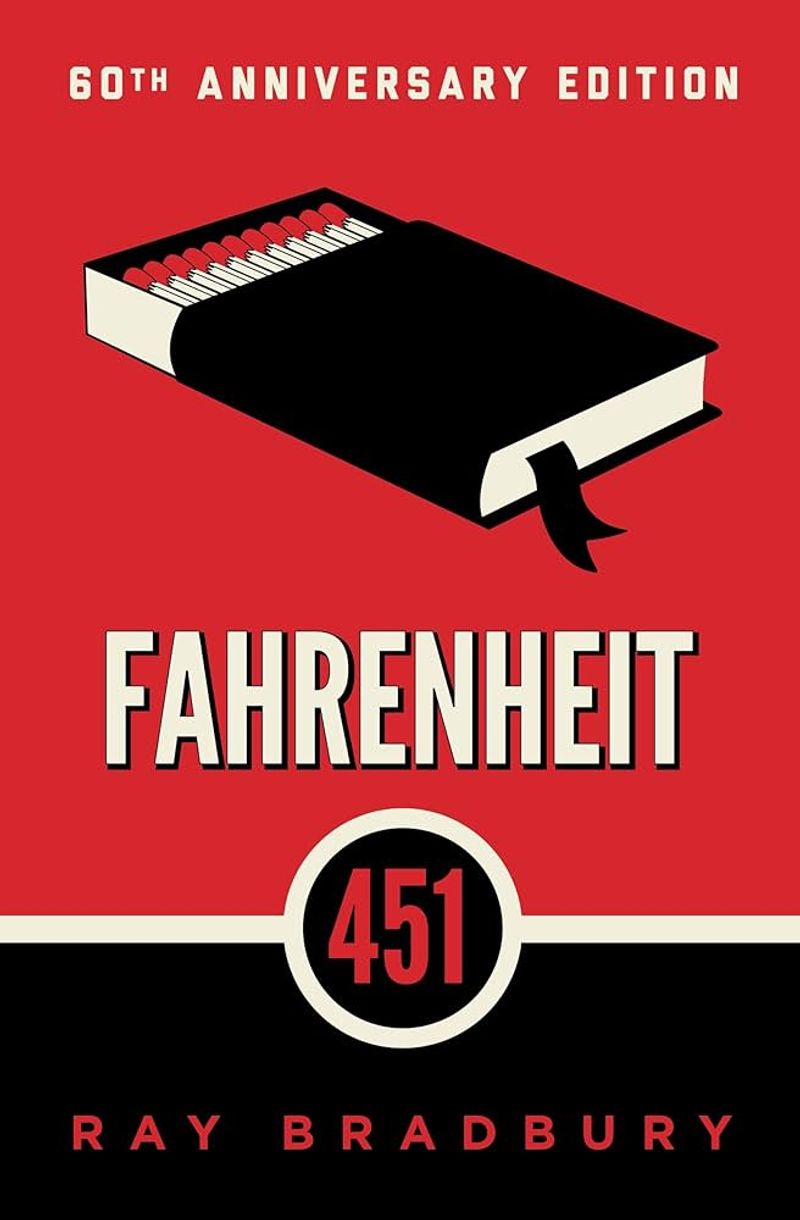
Firefighters burn books instead of putting out fires in Bradbury’s frightening future America.
Guy Montag starts questioning his job when he meets a teenage girl who loves reading and thinking.
The 1953 novel warns about a society that chooses entertainment and conformity over knowledge and independent thought.
Ironically, this book about censorship has itself been censored for profanity and criticizing religion.
Bradbury witnessed book burnings in Nazi Germany and feared America might follow a similar path.
The government in the story keeps people distracted with wall-sized televisions and seashell radio earbuds.
Sound familiar in our smartphone age?
The title refers to the temperature at which book paper catches fire, symbolizing the destruction of ideas and history.
10. The Grapes of Wrath by John Steinbeck
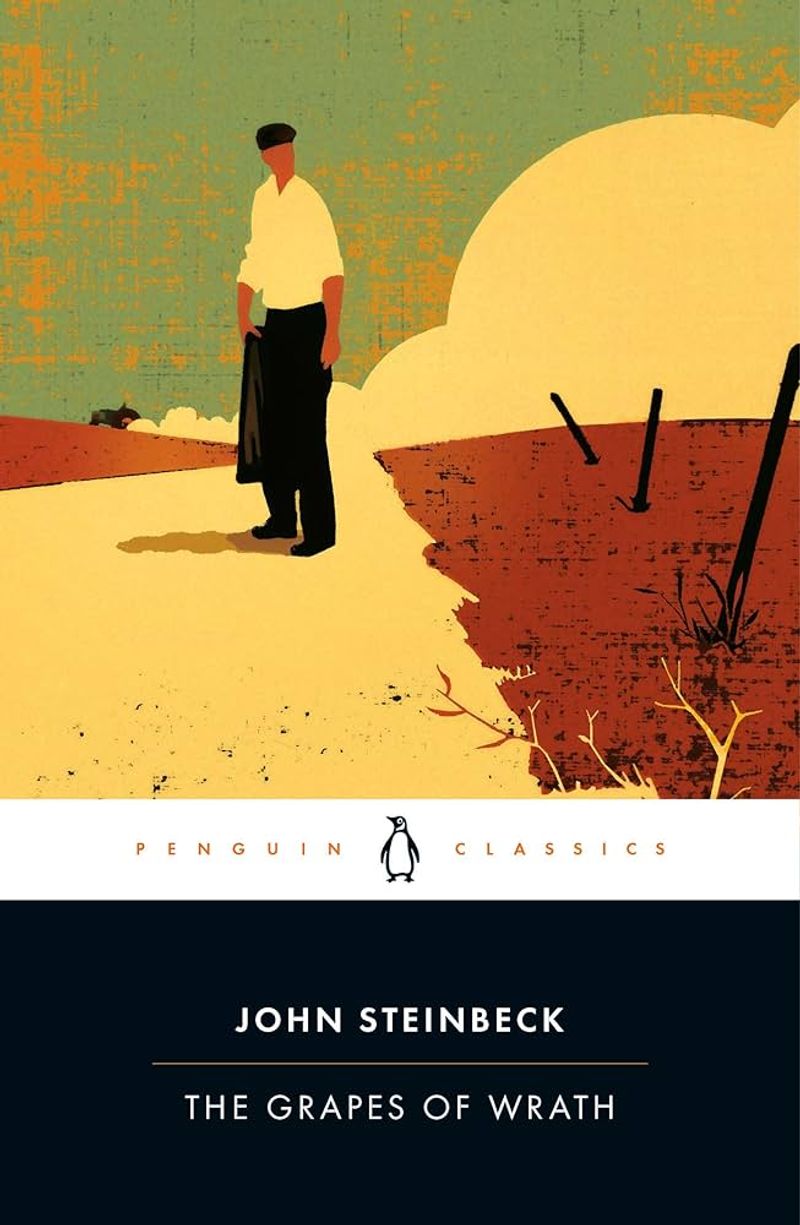
The Joad family loses their Oklahoma farm during the Great Depression and travels west seeking a better life.
Steinbeck’s 1939 epic exposed the harsh treatment of migrant workers in California.
Wealthy landowners in California tried to ban the book, calling it communist propaganda and exaggerated lies.
The novel includes profanity, a controversial breastfeeding scene, and criticism of capitalism and organized religion.
Steinbeck showed that the American Dream was impossible for many hardworking families facing exploitation.
The detailed suffering of the Joads made comfortable readers squirm.
Libraries and schools banned it for being too depressing and politically radical.
Yet the book won the Pulitzer Prize and helped change labor laws by forcing Americans to acknowledge poverty and injustice in their own country.
11. The Handmaid’s Tale by Margaret Atwood
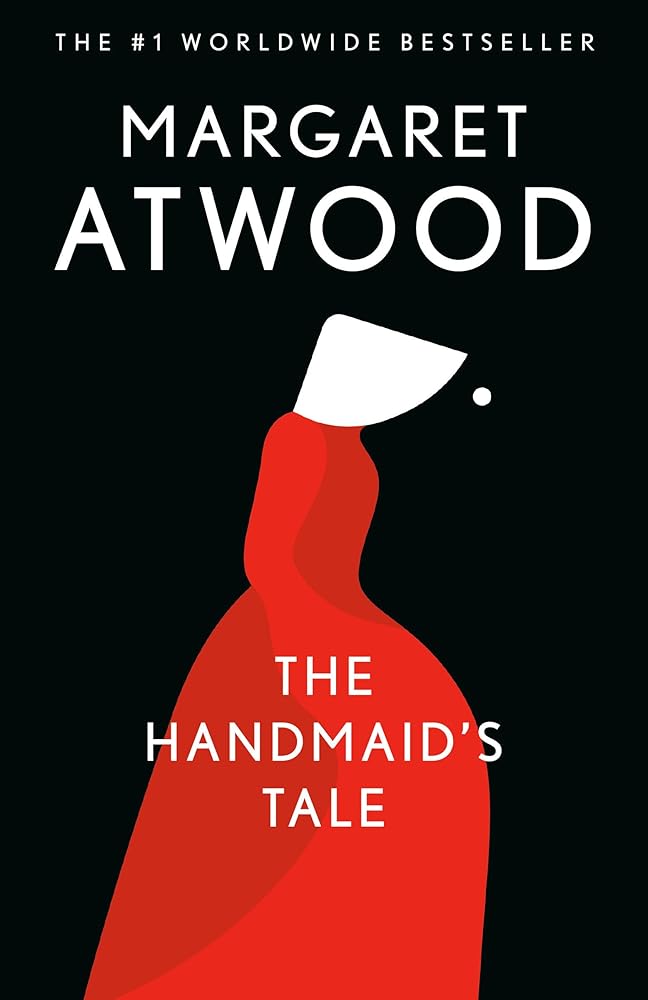
Women lose all rights when a religious dictatorship takes over America in Atwood’s chilling 1985 dystopia.
Offred serves as a Handmaid, forced to bear children for powerful men whose wives cannot conceive.
The Republic of Gilead strips women of jobs, money, reading abilities, and control over their own bodies.
Schools challenge the book for sexual content, profanity, and its critique of religious extremism.
Atwood based every oppressive element on real historical events from various cultures.
The red robes and white bonnets symbolize how the regime reduces women to their reproductive function.
Recent political events have sparked renewed interest as readers see unsettling parallels to current debates about women’s rights.
The story serves as a warning about what can happen when religious fundamentalism gains political power.
12. Lord of the Flies by William Golding
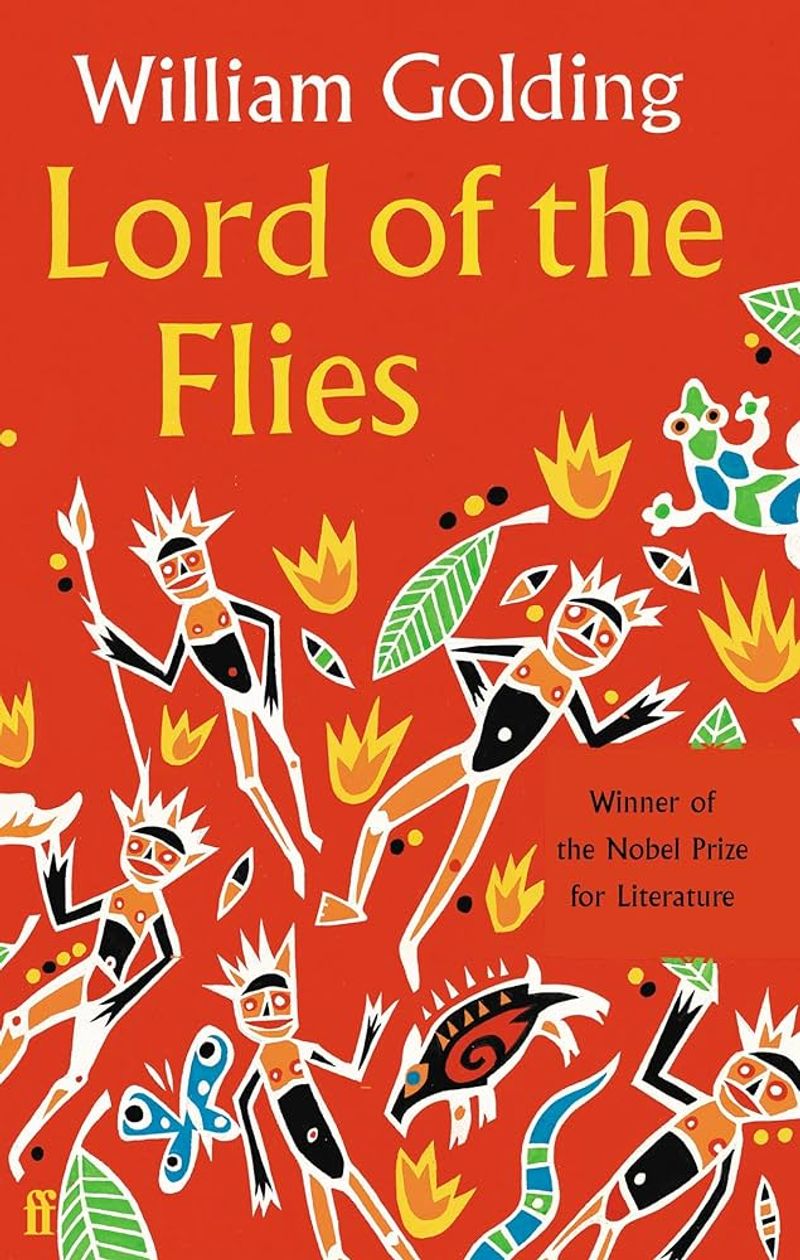
British schoolboys stranded on an island descend into violence and savagery without adult supervision.
Golding published this dark tale in 1954, challenging the idea that children are naturally innocent.
Ralph tries to maintain order and civilization while Jack embraces hunting and tribal warfare.
The novel faces challenges for violence, including the murder of two boys by their peers.
Some object to the book’s pessimistic view of human nature and its lack of female characters.
Golding served in World War II and witnessed how quickly people abandon morality during conflict.
The symbolic pig’s head, called the Lord of the Flies, represents the evil lurking inside everyone.
Schools continue teaching it because it raises important questions about civilization, leadership, and what keeps humans from destroying each other.
13. Slaughterhouse-Five by Kurt Vonnegut
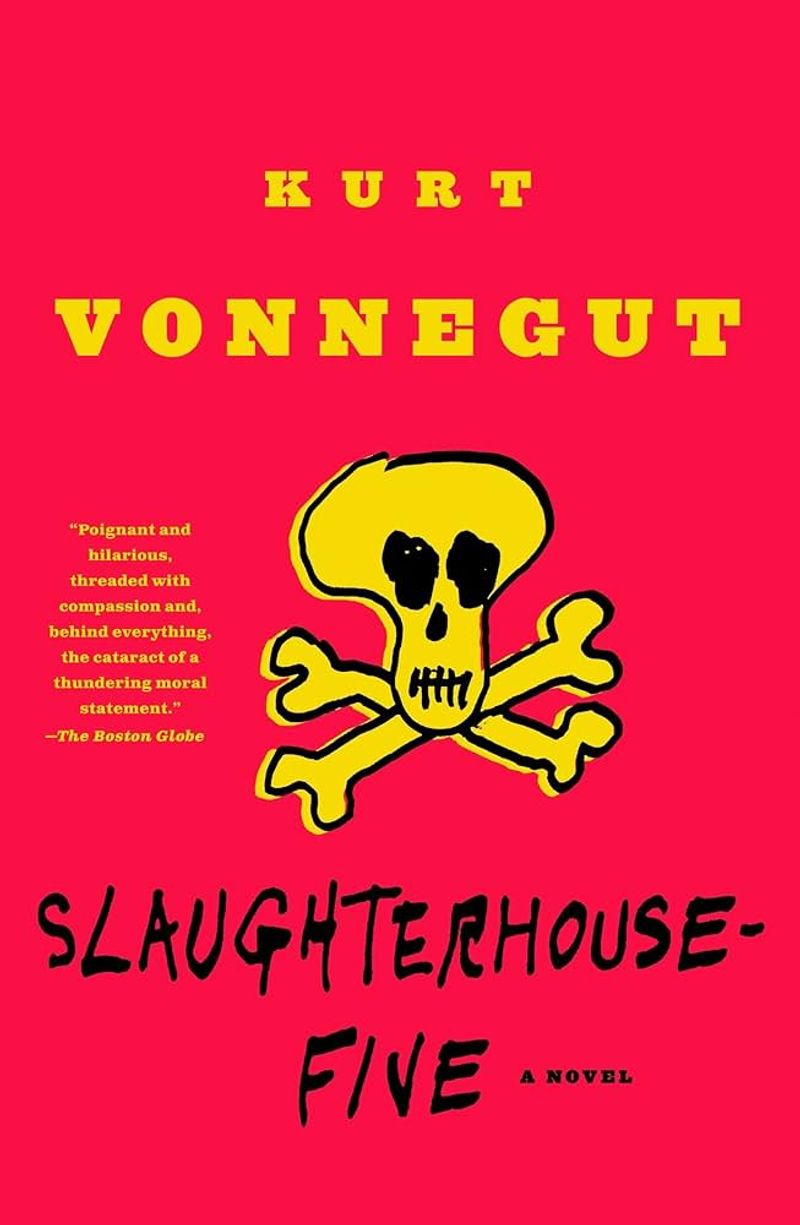
Billy Pilgrim becomes unstuck in time, experiencing moments from his life in random order.
Vonnegut drew from his real experience surviving the firebombing of Dresden, Germany during World War II.
The 1969 novel mixes science fiction with brutal war memories in a fragmented, non-linear style.
Critics object to profanity, sexual content, and the book’s anti-war message that questions American military actions.
The phrase “So it goes” appears after every death, highlighting how war makes people numb to violence.
Vonnegut’s dark humor and experimental structure challenged traditional ideas about how to write about war.
Schools ban it for being unpatriotic, though veterans often praise its honest portrayal of combat trauma.
The alien Tralfamadorians who abduct Billy represent a perspective beyond human understanding of time and mortality.