 MomSkoop
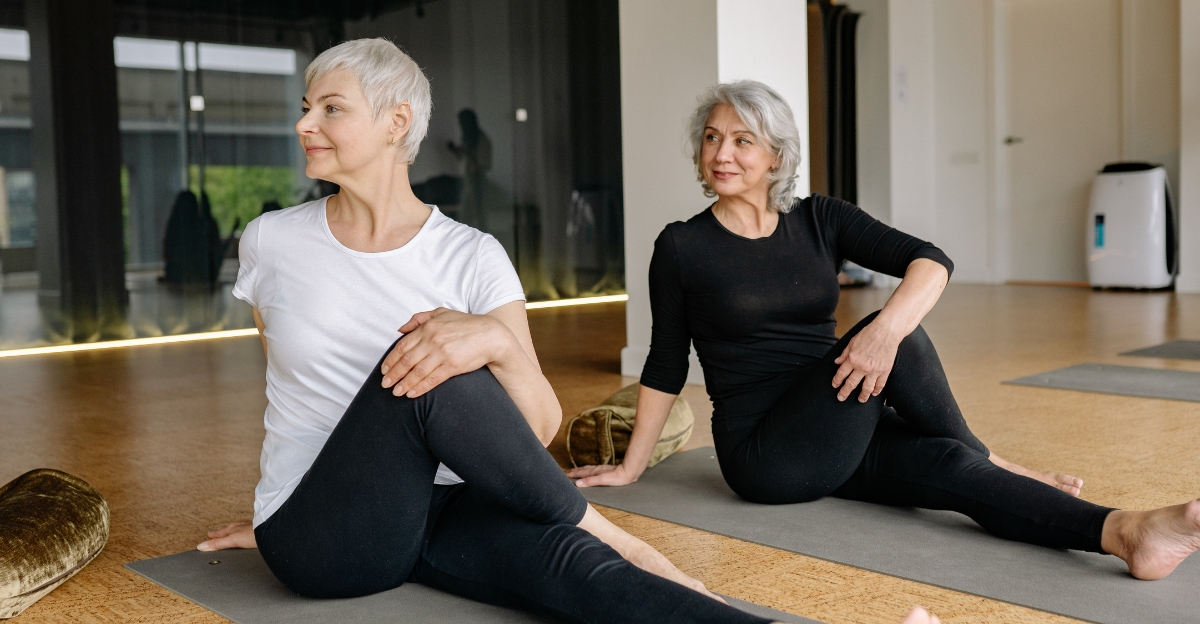
Turning 60 isn’t about slowing down—it’s about shifting into a smarter, more intentional way of caring for yourself.
Your body and mind have earned upgrades that honor what they need now, not what worked in your 30s or 40s.
Small, thoughtful changes can protect your independence, boost your energy, and help you feel more connected to yourself and the people you love.
1. A Strength-Focused Movement Practice
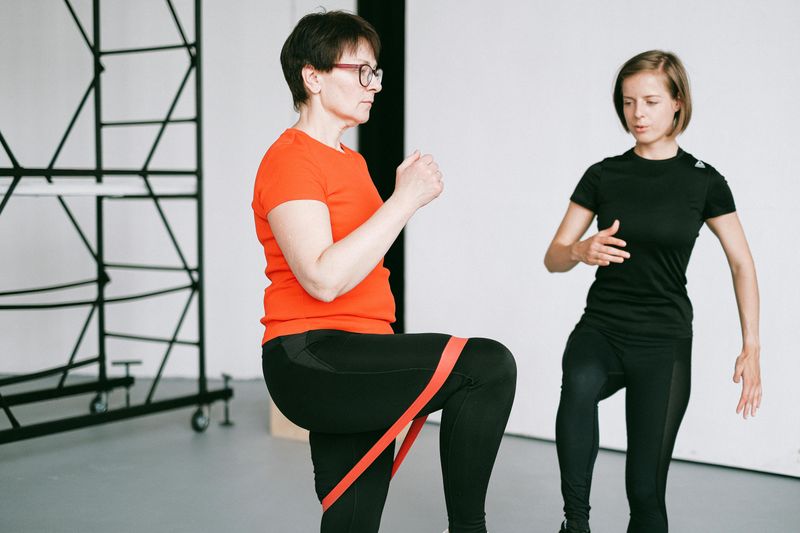
Muscle mass starts disappearing after 30, and by 60, you’re losing it faster than ever—unless you fight back.
Resistance training isn’t about becoming a bodybuilder; it’s about keeping your bones dense, your balance steady, and your body capable of doing what you want it to do.
Pilates, free weights, resistance bands, or even bodyweight exercises twice a week can make a massive difference.
You’ll notice stairs feel easier, grocery bags feel lighter, and your posture improves.
Strength training also protects against falls, which become more dangerous as we age.
Start small and build slowly—your future self will thank you for every rep.
2. Morning Sunlight & Gentle Mobility
Your circadian rhythm—the internal clock that controls sleep, mood, and energy—weakens with age.
Morning sunlight is one of the simplest ways to reset it.
Just 10 to 15 minutes outside, ideally before 10 a.m., signals your brain that it’s daytime and helps regulate melatonin production at night.
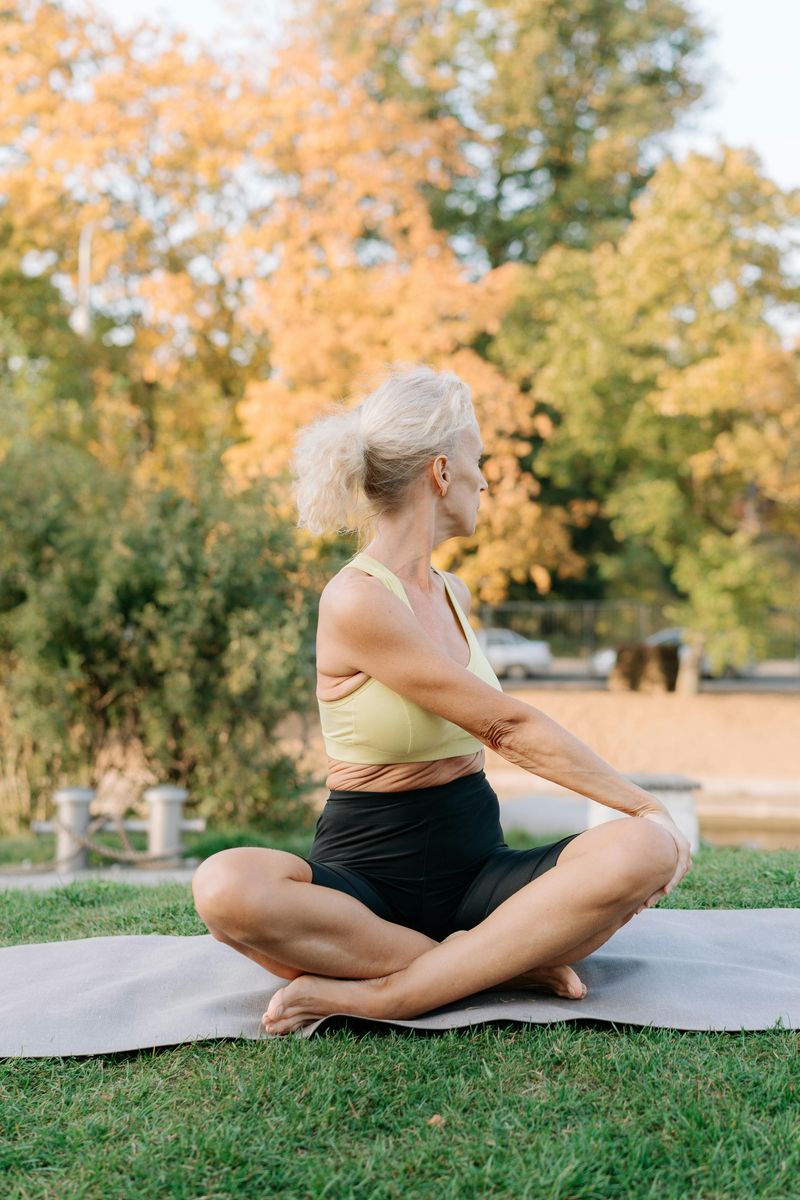
Pair it with gentle stretching or a short walk to wake up stiff joints and improve circulation.
This combo supports better sleep, steadier moods, and less morning stiffness.
No fancy equipment needed—just step outside, breathe deeply, and move your body in ways that feel good.
3. Quarterly Health Check-Ins (Not Just Annuals)

Waiting a full year between doctor visits means small issues can snowball into bigger ones.
Quarterly check-ins—even if they’re brief—let you stay ahead of changes in blood pressure, cholesterol, bone density, or medication side effects.
These shorter visits are also the perfect time to discuss hormone shifts, heart health, and cognitive wellness.
Many doctors welcome proactive patients who want to monitor trends, not just react to problems.
Think of it like maintaining a car: regular tune-ups prevent breakdowns.
Your body deserves the same attention, and staying engaged with your health keeps you in the driver’s seat.
4. A Brain-Building Habit

Your brain craves novelty, and after decades of routines, it’s easy to coast on autopilot.
Learning something new—whether it’s a language app, a musical instrument, creative writing, or even chess—builds cognitive resilience and keeps neural pathways flexible.
Studies show that challenging your brain regularly can delay cognitive decline and improve memory.
The key is consistency, not perfection.
Even 15 minutes a day adds up over time.
Pick something that genuinely interests you, not what you think you should do.
Curiosity is the best motivator, and the process itself is the reward.
5. A Digital Boundary Ritual

Endless scrolling doesn’t just steal time—it drains mental energy and disrupts sleep.
Setting clear tech boundaries, like no screens after 8 p.m. or keeping your phone out of the bedroom, protects your mind from overstimulation and anxiety.
Social media algorithms are designed to keep you hooked, often feeding you content that triggers stress or comparison.
Taking control of your digital habits is an act of self-respect.
Try replacing evening screen time with reading, journaling, or a calming hobby.
You’ll sleep better, think clearer, and reclaim hours you didn’t know you had.
6. Protein-Rich, Anti-Inflammatory Nourishment

After 60, your body needs more protein to maintain muscle, not less.
Aim for 25 to 30 grams per meal—think eggs, Greek yogurt, fish, chicken, or plant-based options like lentils and tofu.
Pair it with fiber-rich vegetables, omega-3s from salmon or walnuts, and plenty of water.
Anti-inflammatory foods like berries, leafy greens, and olive oil support heart health and reduce joint pain.
Processed foods and excess sugar, on the other hand, fuel inflammation and fatigue.
Eating well isn’t about restriction—it’s about fueling your body so it can keep up with your life.
7. A Skincare & Self-Touch Moment
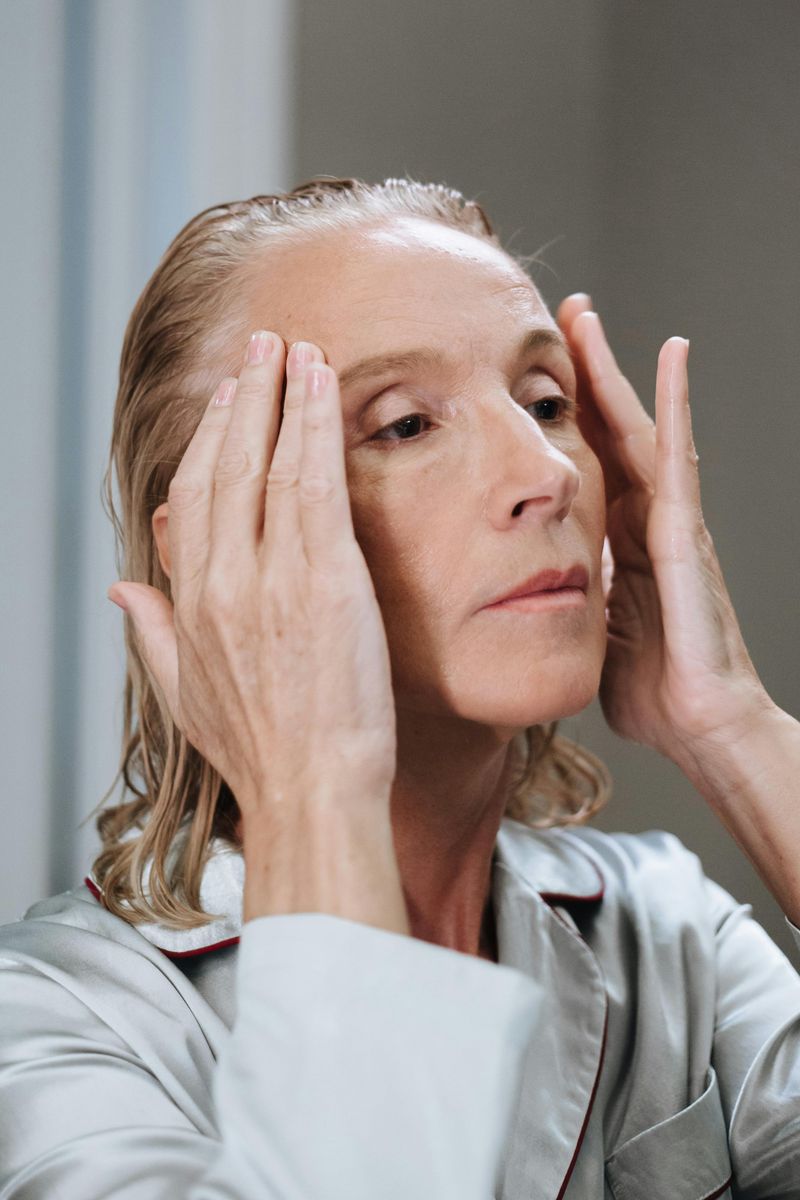
Skincare isn’t about chasing youth—it’s about circulation, lymphatic drainage, and reconnecting with your body.
A few minutes of gentle facial massage with oil, dry brushing before a shower, or simply moisturizing with intention can feel grounding and restorative.
Touch stimulates blood flow, reduces puffiness, and helps you tune into how your body feels.
It’s a quiet act of self-compassion that many women skip because they think it’s vain or unnecessary.
This isn’t vanity; it’s body literacy.
Taking time to care for your skin is taking time to care for yourself.
8. A Community Anchor

Loneliness is as dangerous to your health as smoking 15 cigarettes a day.
A standing lunch date, walking group, book club, or volunteer commitment gives you something to look forward to and keeps you socially engaged.
Social connection protects cognitive function, boosts mood, and even strengthens your immune system.
It doesn’t have to be a huge group—just one or two meaningful relationships can make a big difference.
Prioritizing community isn’t selfish; it’s survival.
Schedule it like you would a doctor’s appointment, because it’s just as important.
9. Financial & Future Peace Ritual

Money stress doesn’t disappear with age—it just changes shape.
An annual review of your finances, estate planning, beneficiaries, and end-of-life wishes brings clarity and reduces anxiety for both you and your loved ones.
Knowing where you stand financially and having a plan in place protects your autonomy and ensures your wishes are honored.
It also prevents last-minute scrambles that can burden family members.
This isn’t morbid; it’s empowering.
Taking control of your future gives you peace of mind and lets you focus on living fully today.
10. Permission to Rest Without Earning It

Somewhere along the way, you learned that rest had to be earned.
That naps were lazy.
That downtime was wasted time.
But rest isn’t a reward—it’s a biological need, and your body requires it more now than ever.
Naps, quiet reading, creative time, or simply doing nothing recharge your nervous system and improve focus, mood, and immune function.
Chronic exhaustion isn’t a badge of honor; it’s a warning sign.
Give yourself permission to rest guilt-free.
Your worth isn’t measured by productivity, and your body will thank you for listening.