 MomSkoop
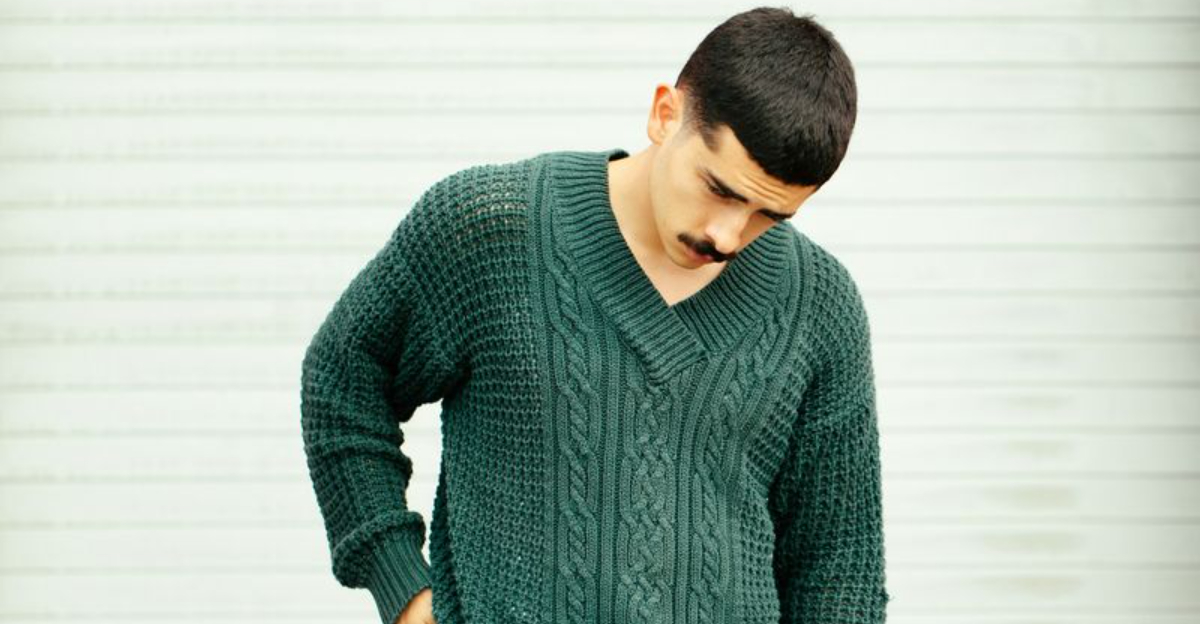
Every guy wants to look sharp, but certain wardrobe choices can work against you without you even realizing it. From fit issues to grooming oversights, these common mistakes can make even expensive clothes fall flat.
Learning what to avoid is just as important as knowing what to wear, and the good news is that most of these fixes are surprisingly simple once you know what to look for.
1. Wearing Ill-Fitting Clothes
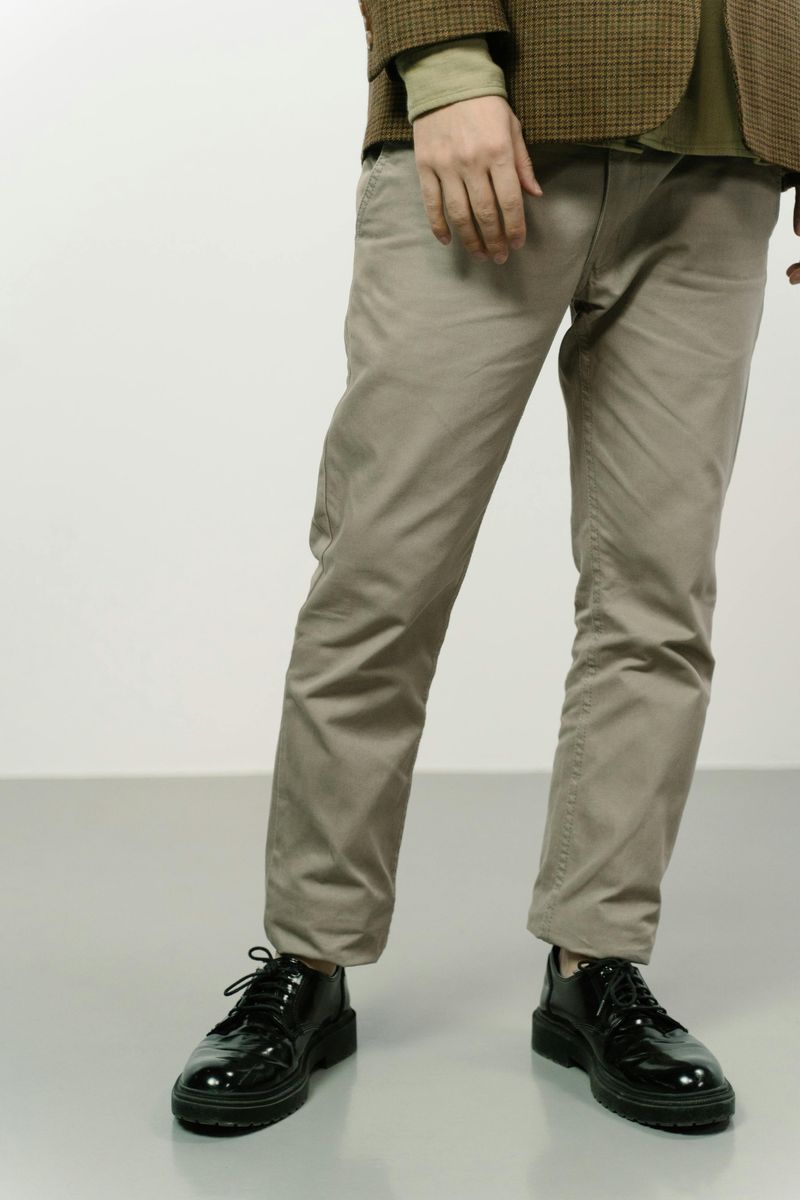
Nothing tanks an outfit faster than clothes that don’t fit your body properly.
When your shirt pulls at the buttons or your jacket bunches at the shoulders, it doesn’t matter how much you spent—it just looks wrong.
Baggy pants make you appear shorter and heavier, while overly tight clothes create unflattering tension lines.
The sweet spot is clothing that follows your natural shape without clinging or drowning your frame.
Tailoring doesn’t have to be expensive, and even budget pieces look premium when they fit correctly.
Clean lines through the shoulders, chest, and legs create that polished appearance that separates well-dressed men from the rest.
Fit truly is the foundation of every great outfit.
2. Ignoring Proper Trouser Length
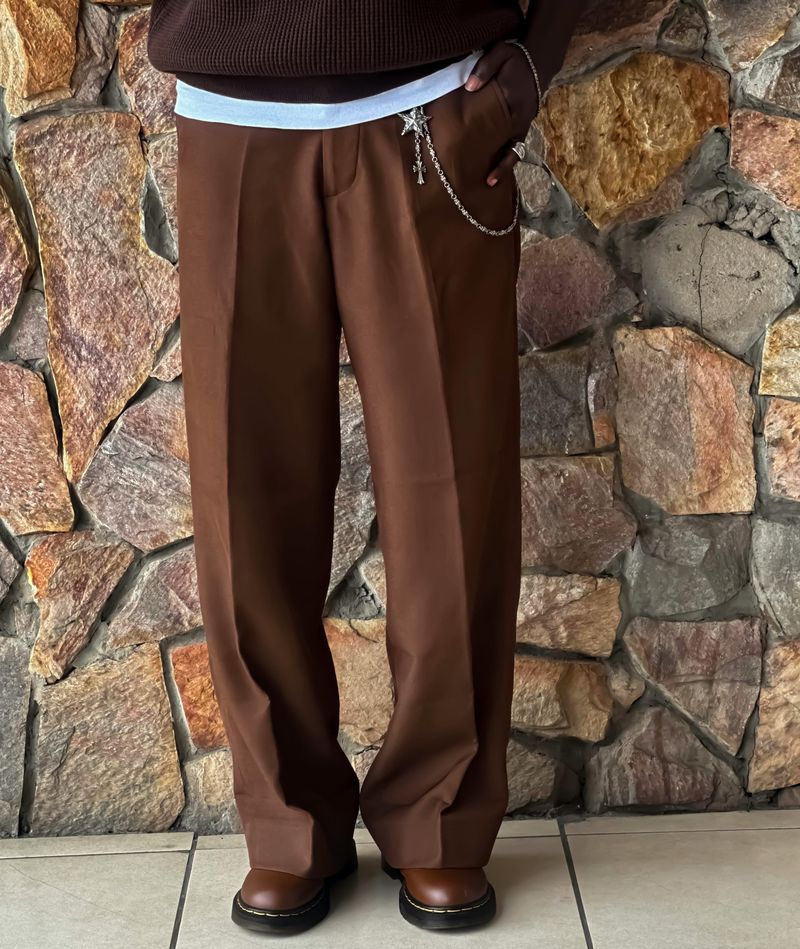
Your pants should end at just the right spot on your shoes, but so many guys get this detail wrong.
Trousers that pile up around your ankles create messy fabric puddles that look sloppy and outdated.
On the flip side, pants hemmed too short expose too much sock and ankle, throwing off your proportions entirely.
The modern standard is a slight break or no break at all, where the fabric just grazes the top of your shoe.
This small adjustment makes your legs look longer and your entire silhouette more intentional.
Next time you buy pants, take them to a tailor for a proper hem—it costs about ten dollars and makes a world of difference in how polished you appear.
3. Overloading on Trends

Chasing every fashion trend that pops up on social media creates a closet full of clothes that don’t work together.
What looks cool on influencers often feels forced in real life, especially when you’re wearing five different micro-trends at once.
Stylish men understand that timeless staples form the backbone of a great wardrobe.
A well-fitted white shirt, quality denim, and classic outerwear never go out of style, while that neon windbreaker might feel dated in six months.
Trends are fine in small doses—maybe one statement piece per outfit.
Building around classic pieces and adding selective modern touches creates a wardrobe that feels current without screaming “trying too hard.” Quality over quantity always wins the long game.
4. Neglecting Footwear
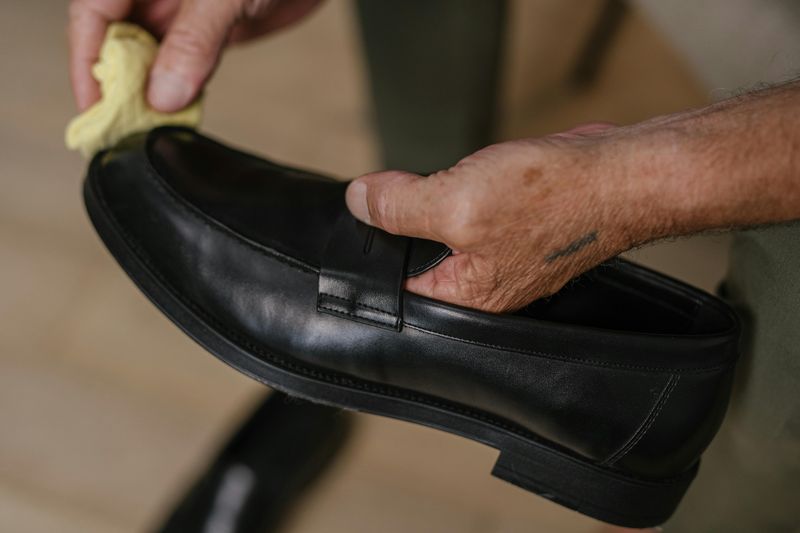
Your shoes make or break your entire look, yet they’re often the most overlooked part of an outfit.
Scuffed leather, worn-down heels, and dirty sneakers send a message of carelessness that undermines everything else you’re wearing.
Pairing bulky athletic shoes with tailored pants creates a jarring disconnect that confuses your style message.
Similarly, beat-up dress shoes with a sharp suit is like hanging a beautiful painting in a damaged frame—it just doesn’t work.
Invest in quality footwear and maintain it properly with regular cleaning and occasional resoling.
Keep dress shoes polished, sneakers clean, and retire anything that looks tired.
Shoes anchor your outfit from the ground up, so they deserve attention and care equal to the rest of your wardrobe.
5. Wearing Loud Logos
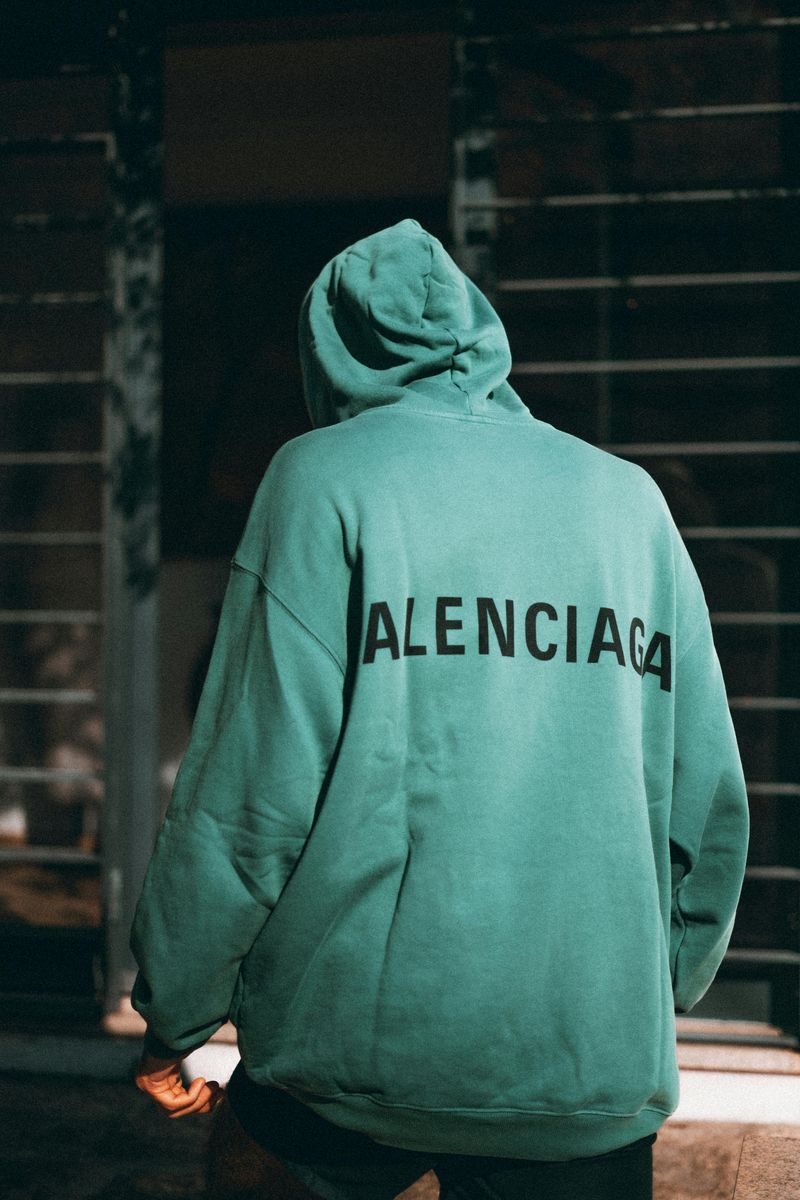
Giant logos plastered across your chest might have felt cool in middle school, but they rarely read as sophisticated in adulthood.
Flashy branding often looks juvenile rather than refined, like you’re trying to prove something through labels.
Confident style speaks through quality, fit, and coordination—not through advertising someone else’s brand.
When your clothes do the talking through massive logos, it overshadows your personal style and reduces you to a walking billboard.
Subtle branding or no branding at all signals quiet confidence and refined taste.
A small emblem is fine, but when the logo becomes the focal point, you’ve crossed into try-hard territory.
True style is about how you wear clothes, not which brand name is loudest.
6. Buttoning a Suit Jacket Incorrectly
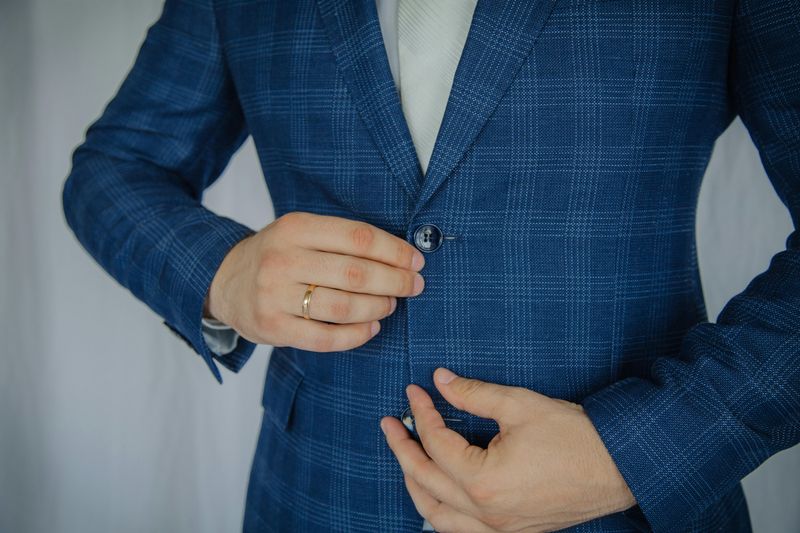
Here’s a rule that separates guys who know suits from those who don’t: sometimes, always, never.
On a three-button jacket, you sometimes button the top, always button the middle, and never button the bottom.
For two-button jackets, button only the top one.
Always unbutton when you sit down to avoid pulling and bunching fabric across your midsection.
Keeping all buttons fastened makes you look stiff and uncomfortable, plus it strains the jacket’s structure.
The bottom button should literally never be fastened—this tradition dates back over a century and remains the standard today.
These small details signal that you understand proper tailoring and formal dress codes.
Getting it right takes zero effort once you know the rules.
7. Wearing Wrinkled or Faded Clothing
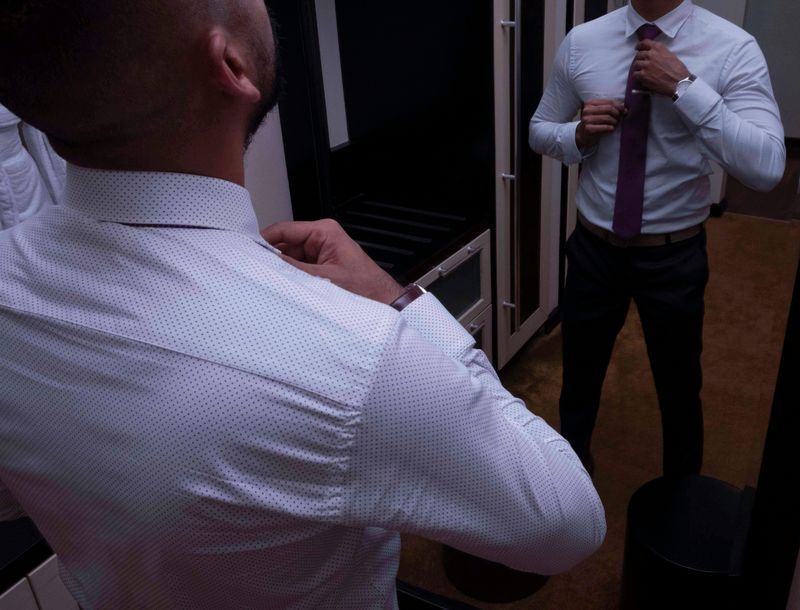
Even the most expensive shirt looks cheap when it’s covered in wrinkles or faded from too many washes.
Creased fabric and stretched-out collars broadcast that you either don’t care or don’t know better—neither is a good look.
Colors that have gone dull and gray suggest your clothes are past their prime and need replacing.
A quick pass with an iron or steamer takes five minutes but makes your outfit look exponentially more put-together and intentional.
Presentation matters enormously in how people perceive your overall style and professionalism.
Taking care of your clothes through proper washing, folding, and occasional pressing shows respect for yourself and those around you.
Fresh, crisp clothing simply looks better and makes you feel more confident throughout your day.
8. Mismatching Belt and Shoes
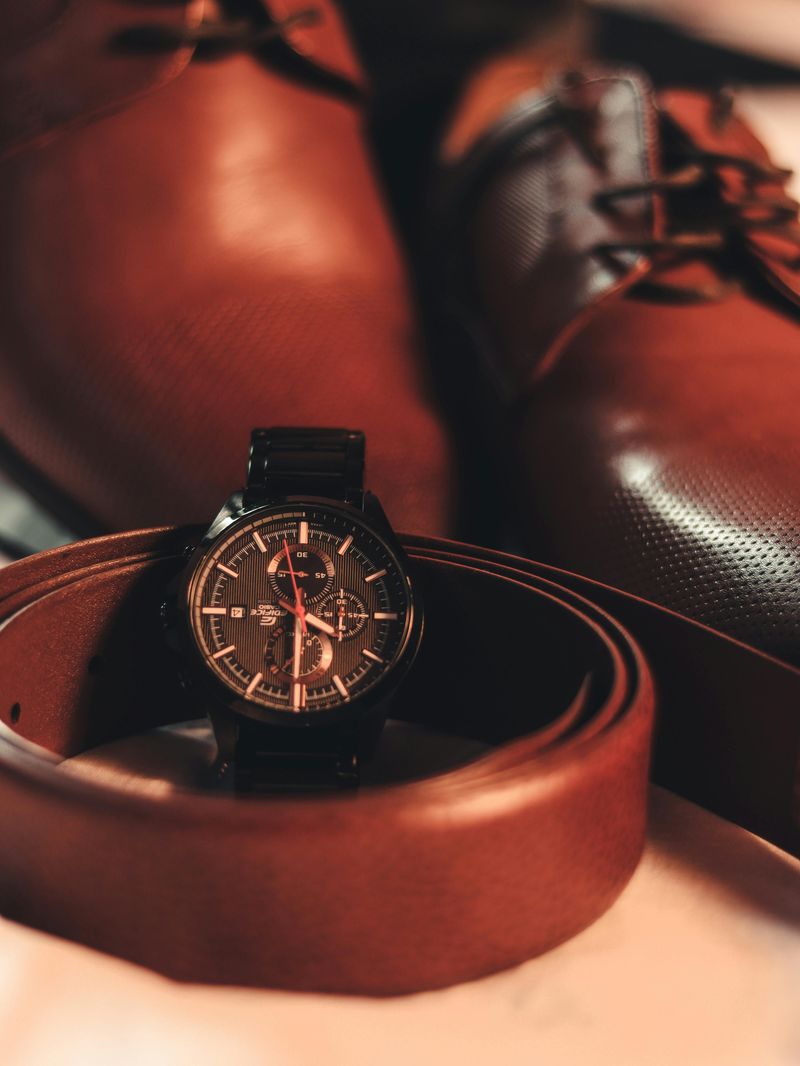
Leather coordination might seem like a minor detail, but mixing brown belts with black shoes (or vice versa) in formal contexts creates visual discord.
This mismatch signals that you either got dressed in the dark or don’t understand basic style rules.
The principle is straightforward: match your leather tones.
Black shoes need a black belt, brown shoes pair with brown belts, and so on.
This creates cohesion and shows attention to detail that elevates your overall appearance.
In casual settings, you have more flexibility, but formal and business dress demands this coordination.
Keeping a black belt and brown belt in your wardrobe covers most situations.
This simple matching rule demonstrates polish and intentionality, proving you’ve thought through your outfit from head to toe rather than just throwing things together.
9. Overaccessorizing
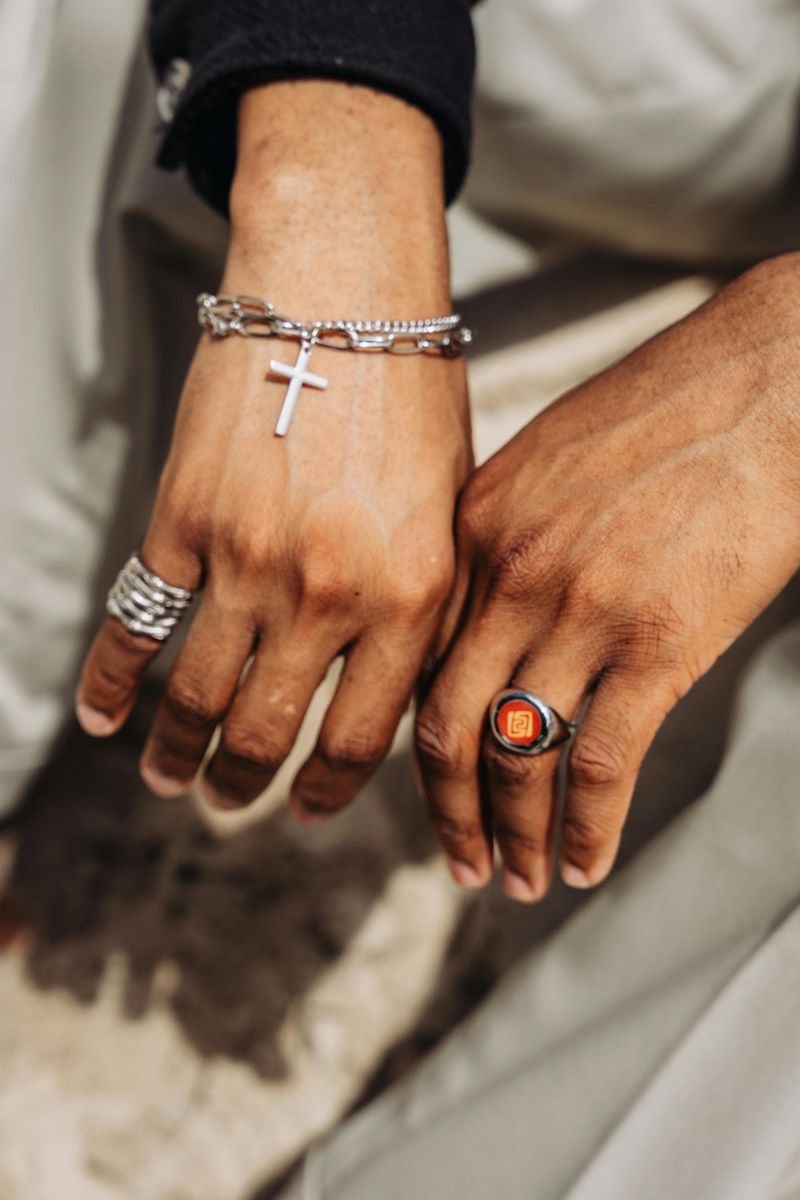
Piling on accessories rarely makes you look more stylish—it usually just looks cluttered and desperate for attention.
Multiple bracelets, oversized watches, layered chains, and rings on every finger create visual noise that distracts from your actual outfit.
Restraint carries more power than excess when it comes to accessories.
One quality watch or a simple chain makes a statement without overwhelming your look.
Each additional piece dilutes the impact of the others.
The best-dressed men understand that accessories should complement, not compete with, their clothing.
Choose one or two meaningful pieces and leave it at that.
Less truly is more here—a single well-chosen accessory shows confidence, while overdoing it suggests insecurity about your style.
Let your clothes be the foundation and accessories the subtle finishing touches.
10. Ignoring Grooming
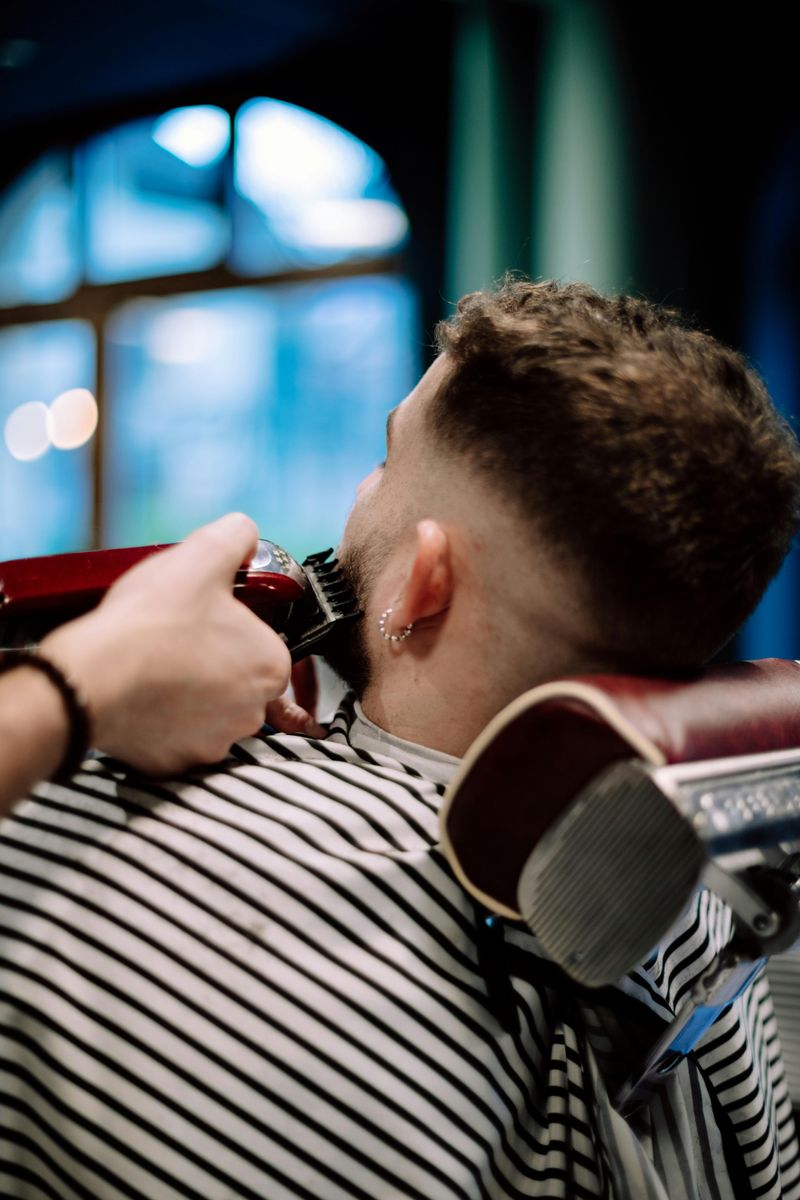
No amount of designer clothing can overcome poor grooming—the two work together as a complete package.
Messy hair, an untrimmed beard, and neglected skin undermine even the sharpest outfit because people notice your face before your clothes.
Style isn’t just about what you wear; it’s about how you present yourself as a whole.
Regular haircuts, basic skincare, and general hygiene form the foundation that makes everything else work.
A well-groomed man in a simple outfit looks better than a poorly groomed man in expensive clothes.
Establishing a simple grooming routine takes minimal time but delivers maximum impact.
Keep your hair shaped, facial hair intentional, and skin clean and moisturized.
These habits show self-respect and attention to detail that extends far beyond fashion alone.