 MomSkoop

Everyone says they don’t care what others wear, but let’s be honest—we all notice certain things. From wrinkled shirts to shoes that don’t quite match the outfit, these fashion choices catch our eye even when we try to ignore them.
This article reveals thirteen clothing decisions that people silently judge, even while claiming they’re totally fine with whatever anyone wears.
1. Dirty Sneakers with Otherwise Polished Outfits
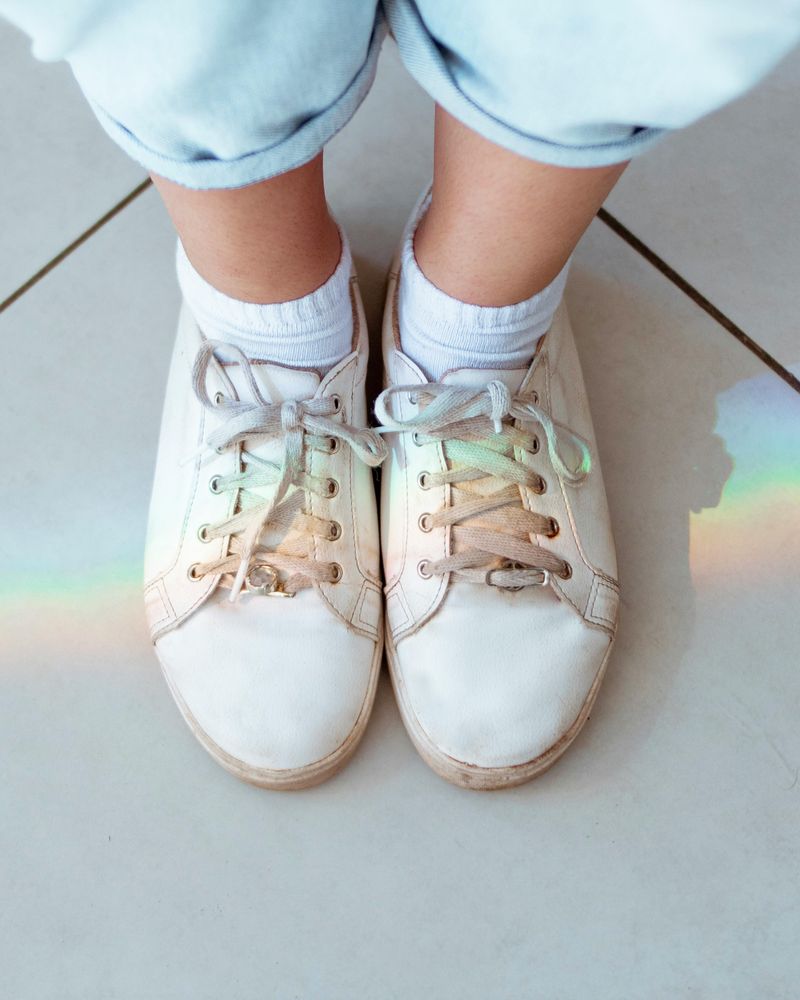
Your outfit looks sharp from the waist up—crisp shirt, nice pants, maybe even a blazer.
Then people glance down and see sneakers that look like they’ve trudged through a mud pit.
The contrast is jarring.
Clean shoes signal that you care about details.
When everything else is polished but your sneakers are filthy, it creates a disconnect that people absolutely notice.
They might not mention it, but they’re definitely thinking about it.
A quick wipe-down takes two minutes.
Keeping a spare pair for nicer occasions makes sense too.
Your shoes are often the first thing people see when you’re sitting or walking, so they matter more than you might think.
2. Shirts That Look Like They Were Slept In
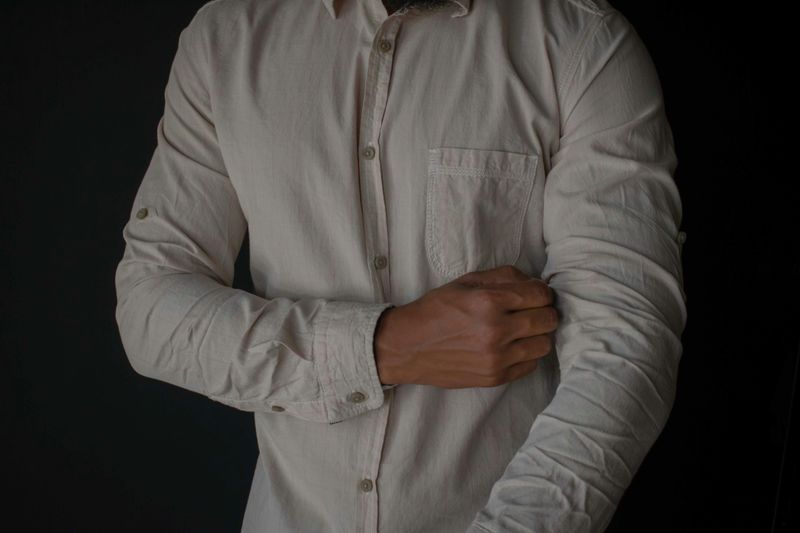
Wrinkles happen, sure.
But when your shirt looks like it spent the night crumpled on the floor, people wonder about your morning routine.
Even casual button-downs benefit from at least a quick steaming.
The thing is, wrinkled clothes send an unintended message.
Whether fair or not, people associate them with being rushed, disorganized, or simply not caring.
That perception sticks, especially in professional settings where first impressions count.
Hanging shirts properly helps prevent this.
A travel steamer costs twenty bucks and takes thirty seconds to use.
If ironing feels like too much work, wrinkle-resistant fabrics exist specifically for people who hate dealing with this issue.
3. Jeans Dragging on the Ground with Frayed Hems

Walking around with pant legs that drag behind you leaves a trail of frayed denim.
The backs of those hems get shredded, collecting dirt and looking progressively worse with each wear.
People clock this immediately.
Hemming pants costs about ten dollars at most tailors.
The difference between properly fitted jeans and ones that puddle around your ankles is night and day.
It’s one of those small adjustments that elevates your entire appearance.
Some folks intentionally buy longer pants thinking they’ll shrink, then never get around to adjusting them.
Others just don’t realize how much better the right length looks.
Either way, dragging hems get noticed and silently judged by almost everyone who sees them.
4. Visible Underwear Lines Through Pants
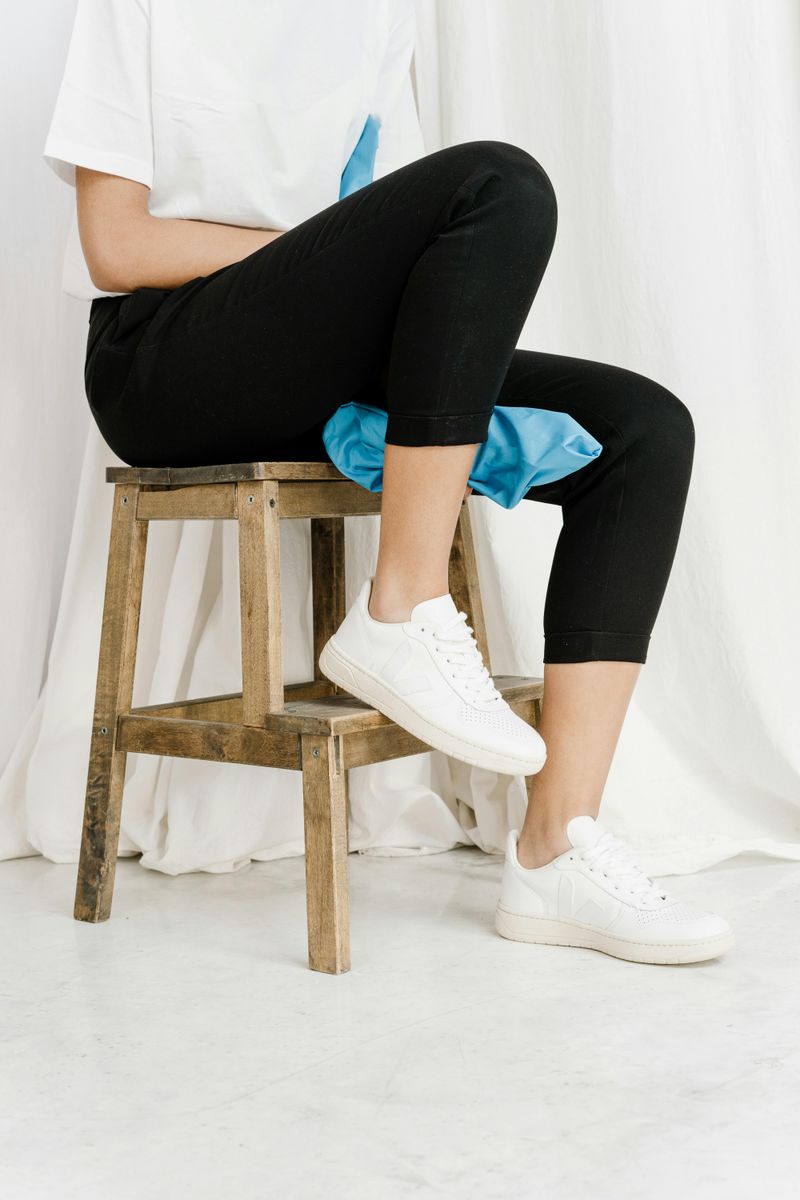
Nobody wants to talk about this one, but everyone sees it.
Visible lines or bunched-up boxer briefs create obvious lines through pants, especially lighter-colored or thinner fabrics.
People insist they don’t care, yet their eyes definitely register it.
Seamless underwear exists for exactly this reason.
Different cuts work better under different pants—thongs, boyshorts, or properly fitted boxers all have their place.
The goal is smooth lines that don’t create distracting patterns.
This becomes particularly noticeable with dress pants, leggings, or anything form-fitting.
While some genuinely don’t mind, most people prefer avoiding the awkwardness altogether.
It’s a fixable issue that requires minimal effort but makes a noticeable difference in how polished you appear.
5. Jeans That Constantly Need Adjusting
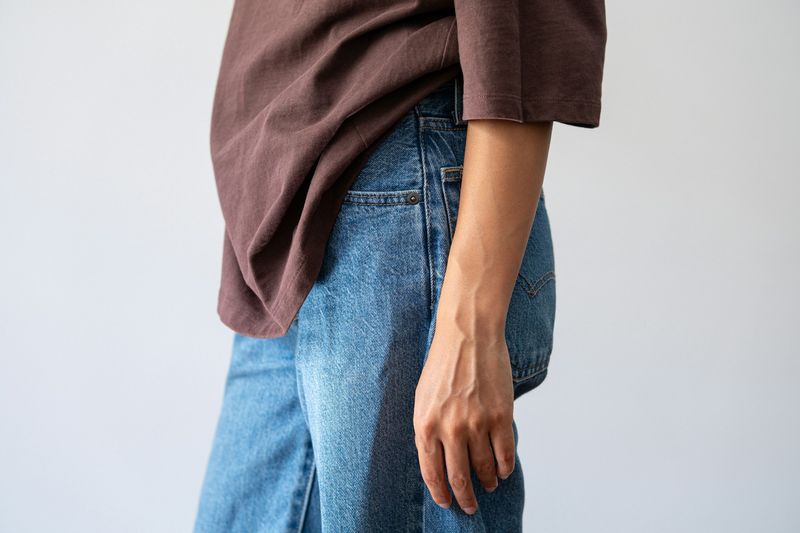
Constantly hiking up your jeans or dealing with a gaping waistband screams “wrong size.” When pants sag in the back or you’re perpetually tugging them higher, everyone around you notices.
It looks uncomfortable because it probably is.
Proper fit matters more than the number on the tag.
Jeans should sit comfortably at your natural waist without requiring a belt to hold them up.
If they’re sliding down or creating weird gaps, they’re simply not the right cut for your body.
Different brands fit differently, and body shapes vary tremendously.
Finding jeans that actually fit eliminates this entire problem.
Yes, it might take trying on multiple pairs, but the payoff is worth it—no more awkward adjusting in public.
6. Head-to-Toe Designer Logo Displays
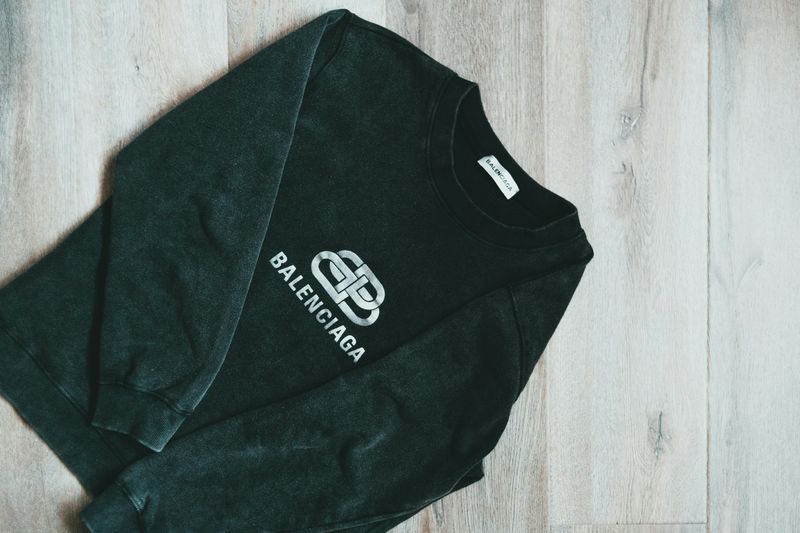
Luxury brands make beautiful things, but wearing every logo simultaneously feels like a walking advertisement.
When your shirt, bag, belt, and shoes all scream different designer names, it comes across as trying too hard rather than genuinely stylish.
Subtle branding often looks more expensive than obvious logos.
Mixing one statement piece with understated items creates better balance.
The goal is looking put-together, not like you’re proving something to strangers.
This trend peaks with certain brands that plaster their names everywhere.
While brand loyalty is fine, moderation makes the difference between looking fashionable and looking like you bought everything to impress others.
Most style-conscious people prefer subtlety over conspicuous consumption.
7. Athletic Shoes with Dressy Outfits
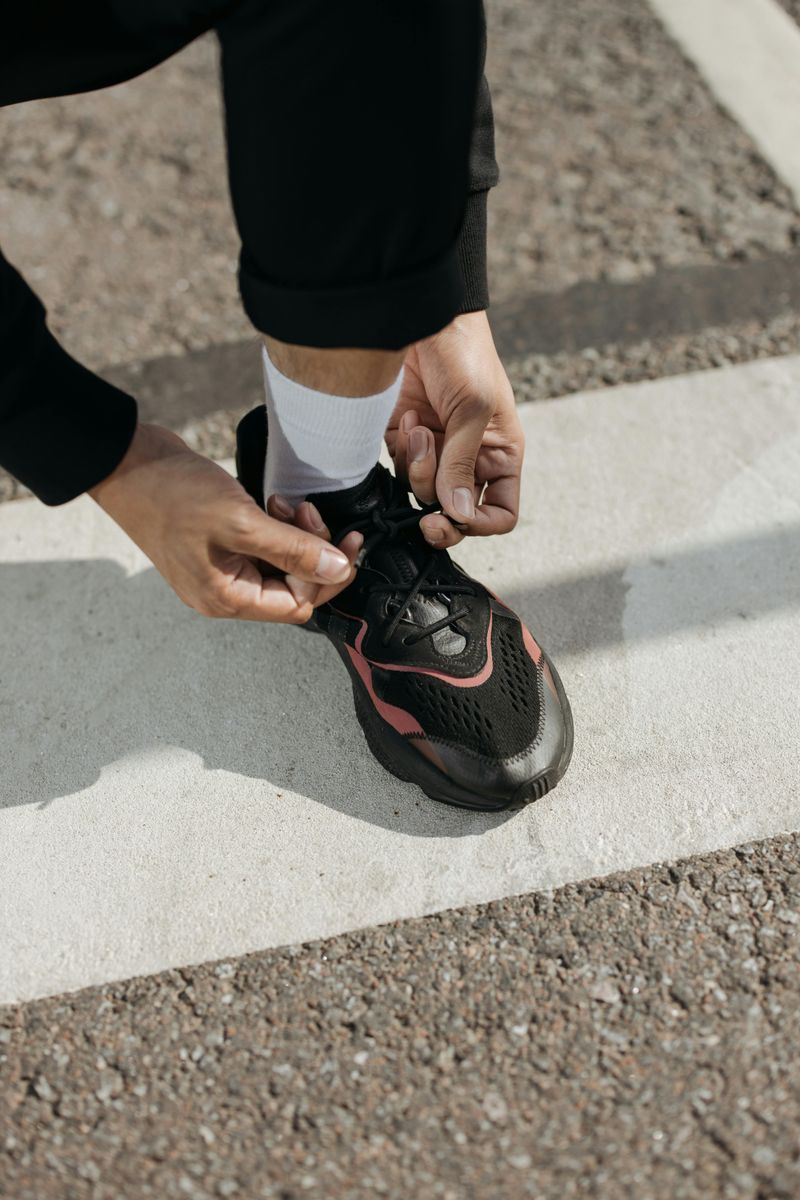
Running shoes are comfortable—nobody disputes that.
But pairing them with dress pants and a nice shirt creates a jarring mismatch that people absolutely notice.
The vibe clash is real, and it undermines the effort you put into the rest of your outfit.
Casual sneakers exist that offer comfort without looking athletic.
Canvas shoes, leather sneakers, or simple slip-ons bridge the gap between formal and comfortable.
They work with nicer clothes without creating that “I forgot to change my shoes” appearance.
This becomes especially noticeable at events or workplaces with dress codes.
While you might feel comfortable, others are silently questioning your footwear choice.
Matching your shoes to your outfit’s formality level takes seconds but changes how people perceive your entire look.
8. Fashion Choices Stuck in a Specific Era

Certain styles immediately timestamp you to a specific year.
Super low-rise jeans, Ed Hardy shirts, or chunky highlights all signal a particular era that has definitively passed.
People won’t say anything, but they’re mentally placing you in 2006.
Fashion evolves, and clinging to outdated trends makes you look stuck rather than confidently individual.
There’s a difference between vintage-inspired and accidentally wearing what was popular during your high school years.
Context matters tremendously here.
Updating even small elements helps modernize your look.
Swapping dated jean cuts for current fits or retiring logo tees from fifteen years ago makes a huge difference.
You don’t need to follow every trend, but acknowledging that styles change prevents you from looking like a time capsule.
9. Makeup Stains on Shirt Collars
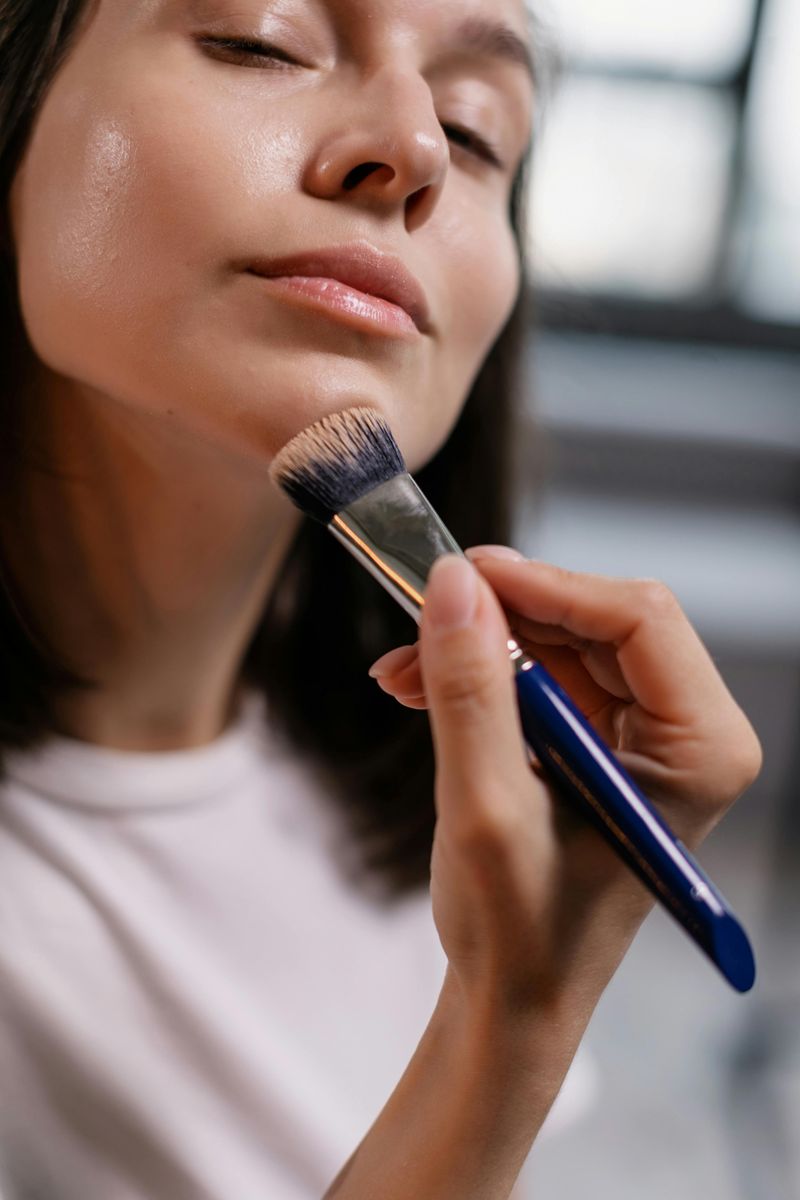
Foundation smudges on collars are incredibly noticeable, especially on light-colored shirts.
That orange ring around the neckline broadcasts either a makeup mishap or the fact that you haven’t washed that shirt recently.
Either way, people see it and silently judge.
Setting spray and powder help prevent transfer.
Putting shirts on before applying makeup also works.
If stains happen anyway, pre-treating them before washing usually removes them completely rather than letting them set permanently.
Heavy fake tan creates similar issues, leaving telltale marks on anything touching your skin.
While self-tanner is fine, visible streaks or transfer onto clothes looks sloppy.
Taking extra care during application and letting products fully dry prevents this easily avoidable problem that people definitely notice.
10. Pilled Hoodies That Have Seen Better Days
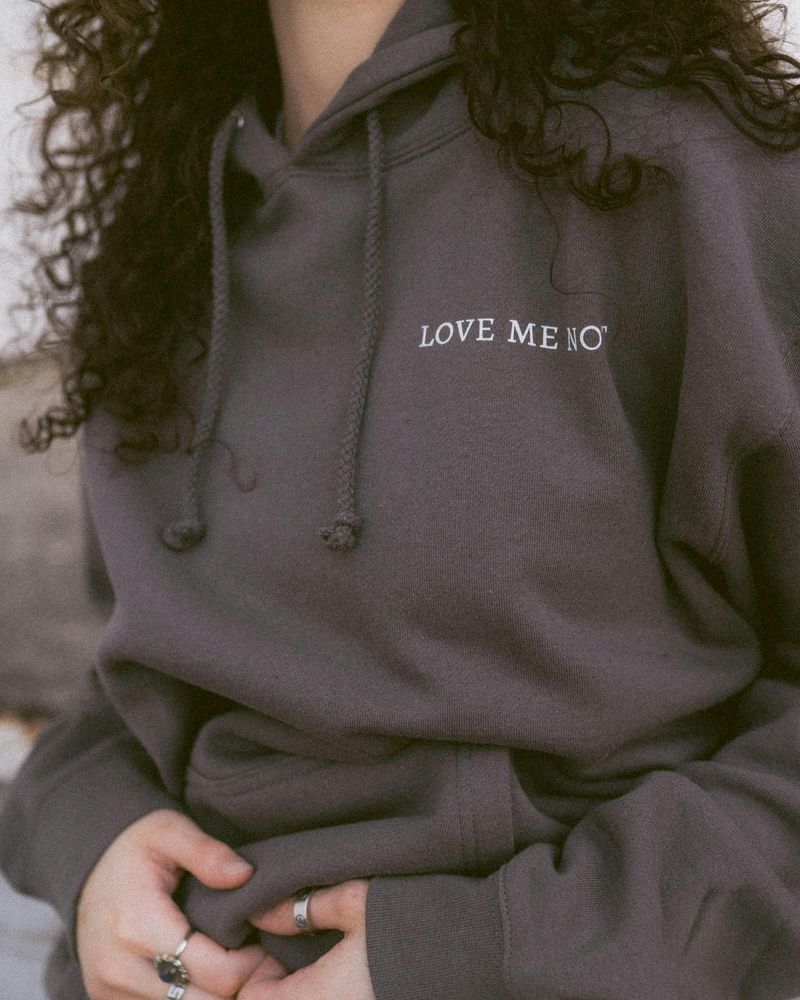
Hoodies are comfort champions, but there’s a limit.
When fabric pills cover every surface and the material looks fuzzy from wear, it crosses from cozy to ratty.
Comfort matters, but so does not looking like you grabbed something from the donation pile.
Fabric shavers cost five dollars and remove pills in minutes.
Washing hoodies inside-out on gentle cycles prevents excessive pilling.
Sometimes though, a hoodie has simply reached the end of its wearable life and needs replacing.
People understand having favorite comfortable clothes.
But wearing visibly worn-out items in public makes others wonder if everything in your closet looks equally rough.
Keeping casual clothes in decent condition shows you care about your appearance even when dressing down.
11. Jeans Ripped Beyond Recognition
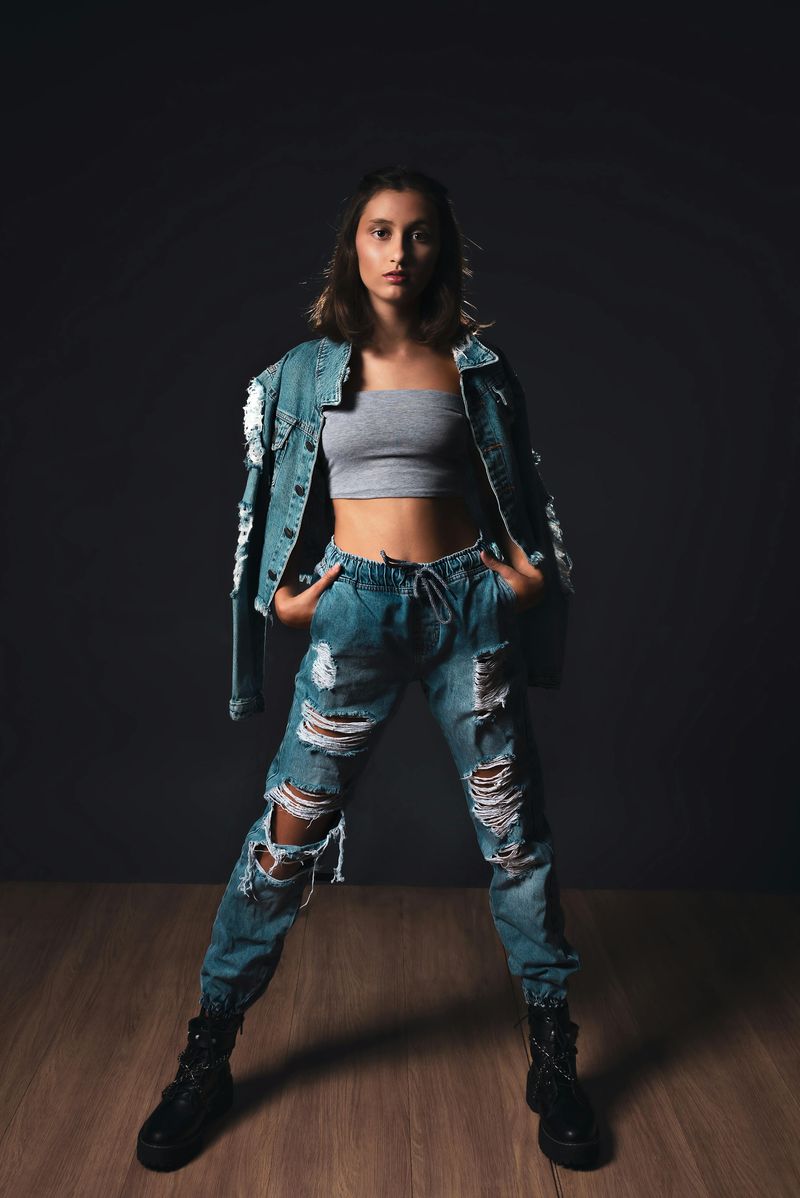
Strategic distressing looks intentional and stylish.
But when jeans are basically held together by threads, with more holes than fabric, it reads differently.
People question whether you’re making a fashion statement or just haven’t bought new pants in years.
A few artfully placed rips work fine.
Entire pant legs shredded to ribbons crosses into territory that makes people wonder about your judgment.
The line between edgy and excessive exists, and most people can identify when it’s been crossed.
This becomes especially noticeable in settings beyond super casual environments.
Wearing heavily destroyed jeans to anything remotely formal looks out of place.
Knowing when distressed denim works and when it doesn’t separates fashion-forward from fashion-confused in most people’s minds.
12. Athleisure Worn All Day Without Working Out
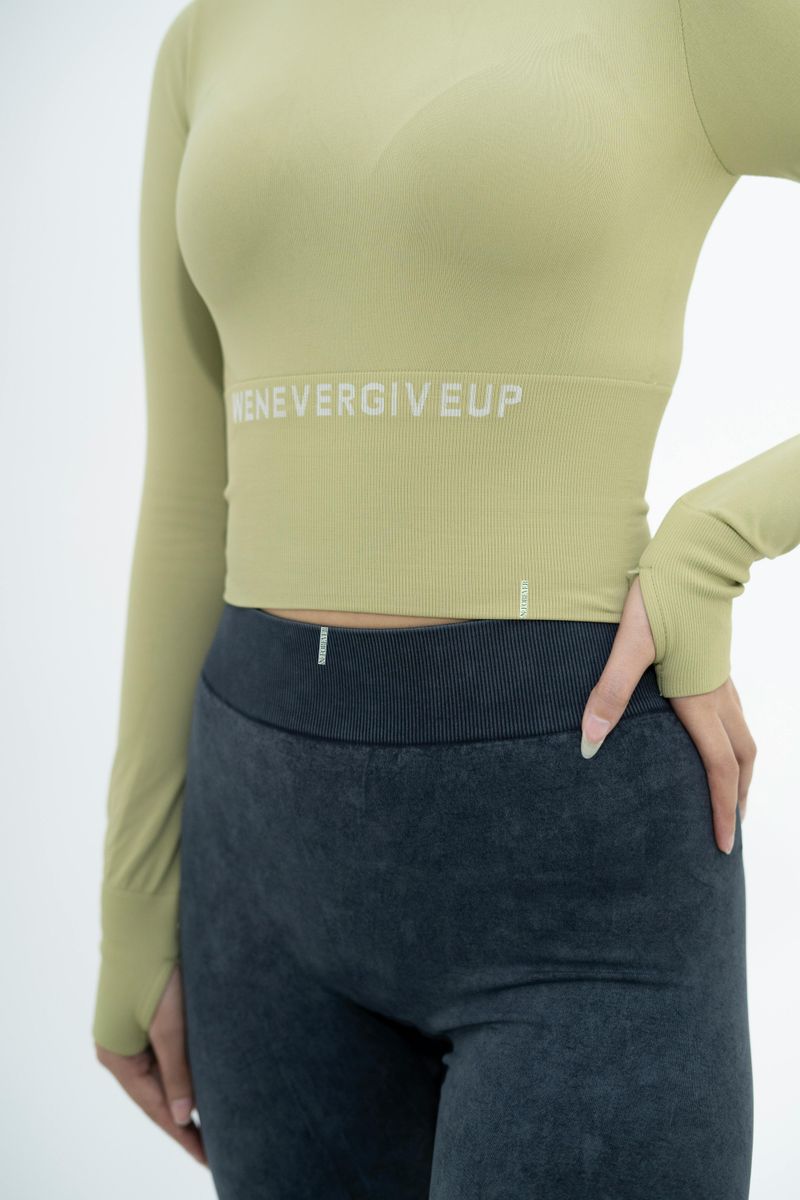
Gym clothes are designed for working out.
Wearing them all day when you clearly haven’t exercised makes people wonder about your actual plans.
Did you intend to work out and bail?
Are those yesterday’s clothes?
The speculation happens automatically.
Athleisure has blurred lines somewhat, but there’s still a difference between stylish athletic-inspired pieces and actual workout gear.
Leggings with a real shirt look intentional.
Full matching gym sets at the grocery store look like you couldn’t be bothered to change.
People judge this harder than they admit.
Something about performance wear in non-performance settings strikes others as lazy or presumptuous.
If you’re genuinely active, fine.
But wearing gym clothes as everyday attire when fitness isn’t part of your routine feels inauthentic to observers.
13. Impractically Tiny Bags That Hold Nothing
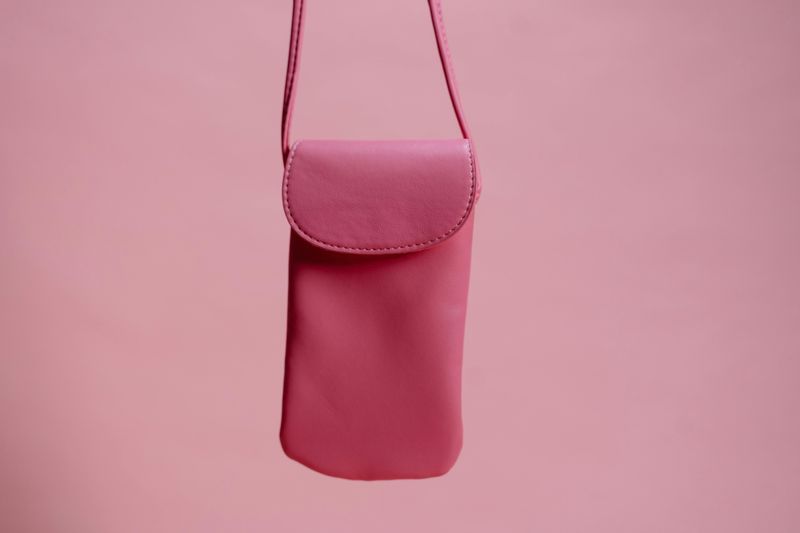
Micro bags and tiny backpacks raise immediate questions: Where’s your stuff?
How do you function?
Can that even fit your phone?
People wonder if it’s purely decorative or if you’ve somehow mastered living with zero belongings.
Fashion-forward folks understand the aesthetic appeal.
But practical-minded people can’t get past the functionality issue.
Watching someone struggle to fit keys into a purse the size of a credit card makes observers question the entire trend.
This judgment often comes from genuine confusion rather than meanness.
Most people carry phones, wallets, maybe some essentials.
Seeing someone with a bag that couldn’t accommodate any of that creates cognitive dissonance.
While you do you, expect people to silently wonder how you manage daily life with such limited carrying capacity.