 MomSkoop
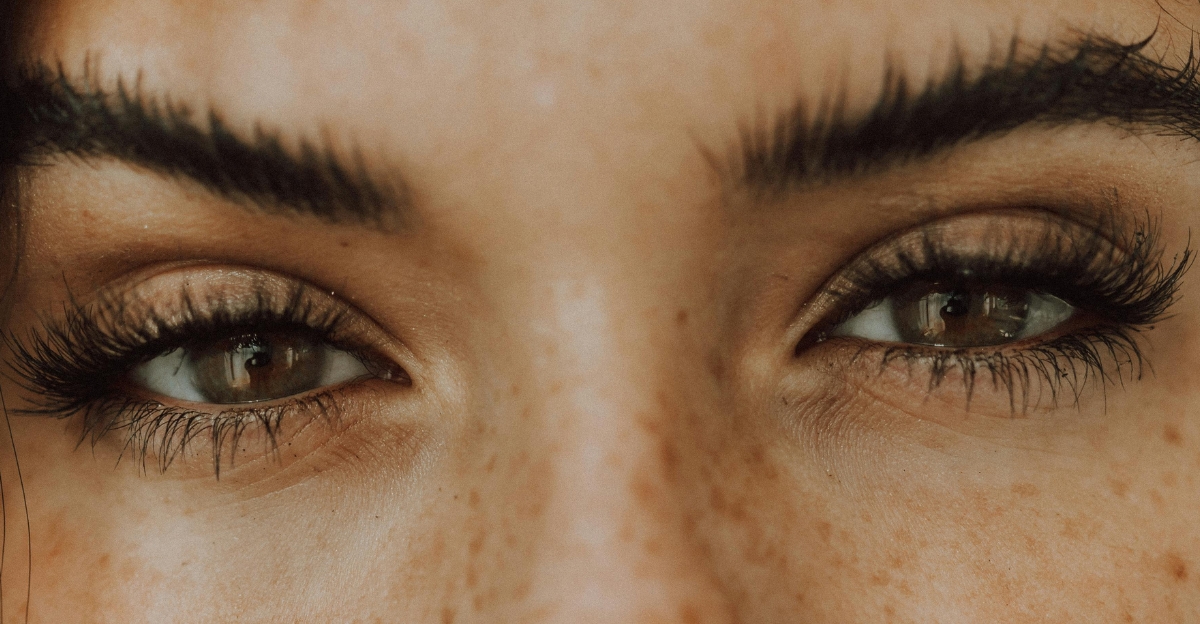
Have you ever wondered if your eye color reveals something deeper about who you are?
From brown to blue, hazel to green, the color of your eyes might be connected to surprising aspects of your personality, health, and even how others see you.
While eye color doesn’t define you completely, scientific research has uncovered some fascinating links between iris pigmentation and various traits that might make you look at your reflection a little differently.
1. Dark Eyes Build Trust Naturally
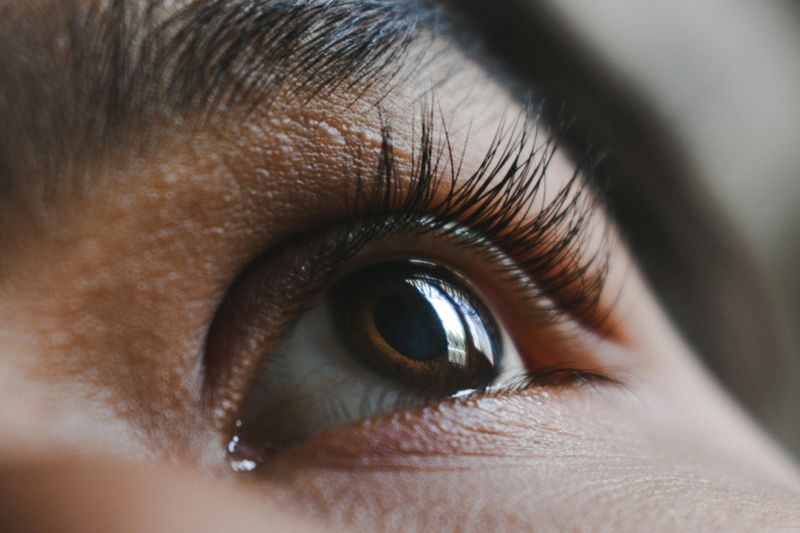
When someone looks into dark brown eyes, they often feel an instant sense of reliability.
Research shows that people consistently rate individuals with darker eyes as more trustworthy, though scientists believe this perception stems more from the facial features commonly associated with brown eyes rather than the color itself.
This perception advantage can play out in everyday social situations, from job interviews to first dates.
The warmth that darker eyes seem to convey creates an approachable vibe that draws people in.
Whether you’re building new friendships or establishing professional relationships, those deep brown eyes might be working in your favor without you even realizing it.
2. Brown-Eyed Speed Demons React Faster
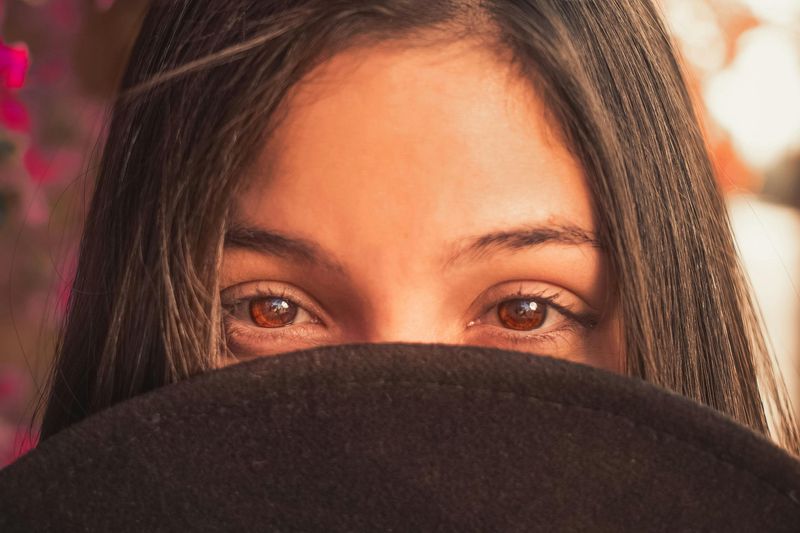
Got brown eyes?
Your reaction time might be quicker than you think.
Scientists have discovered that higher melanin levels in darker eyes could correlate with faster responses in certain rapid-fire tasks and activities.
This advantage shows up most clearly in reactive situations where split-second decisions matter.
Think catching a ball, responding to sudden changes while driving, or excelling at video games that demand lightning-fast reflexes.
The biological connection isn’t fully understood yet, but researchers suspect melanin’s protective properties might extend beyond just shielding your eyes from sunlight.
Your brown eyes could be giving you a competitive edge in activities requiring quick thinking.
3. Light Eyes Handle Alcohol Differently
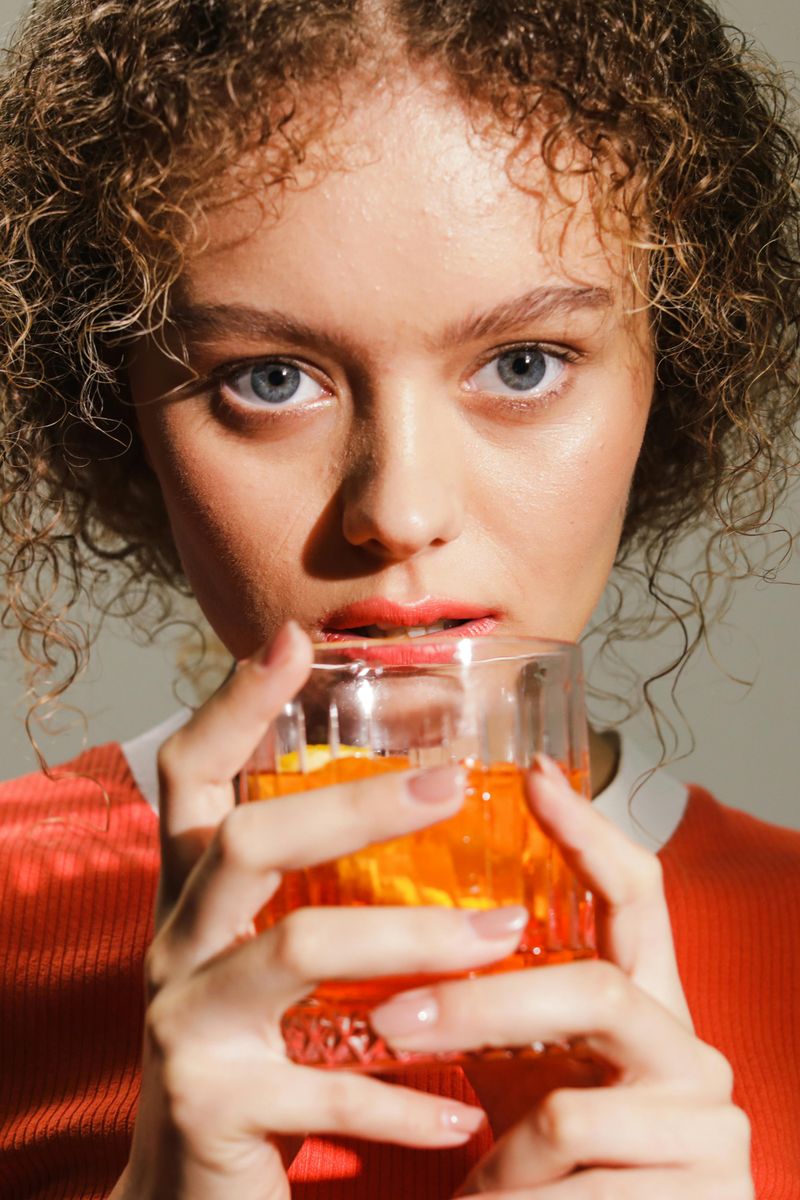
Blue and gray eyes come with an unexpected quirk: studies suggest lighter-eyed individuals may process alcohol differently than their dark-eyed counterparts.
Behavioral research has observed correlations between eye color and alcohol tolerance, though the biological reasons remain somewhat mysterious.
This doesn’t mean light-eyed people should throw caution to the wind at happy hour.
Individual tolerance varies widely based on body weight, genetics, and drinking history, far beyond just iris pigmentation.
Still, it’s a fascinating example of how melanin levels might influence more than just appearance.
Scientists continue investigating whether lighter eyes metabolize substances in unique ways compared to darker shades.
4. Blue Eyes Might Tolerate Pain Better

Here’s something unexpected: limited research suggests that people with blue eyes, particularly women, might experience pain differently.
Studies examining pain response have found that lighter-eyed women reported greater tolerance in specific pain conditions compared to their darker-eyed peers.
Before you assume this makes blue-eyed folks superhuman, remember that pain tolerance is incredibly complex.
Factors like genetics, past experiences, mental state, and even cultural background all play significant roles in how we process discomfort.
The connection between eye color and pain remains one of medicine’s intriguing mysteries.
More research is needed to understand whether melanin truly influences pain pathways or if other genetic factors are at play.
5. Dark Eyes Process Substances Uniquely
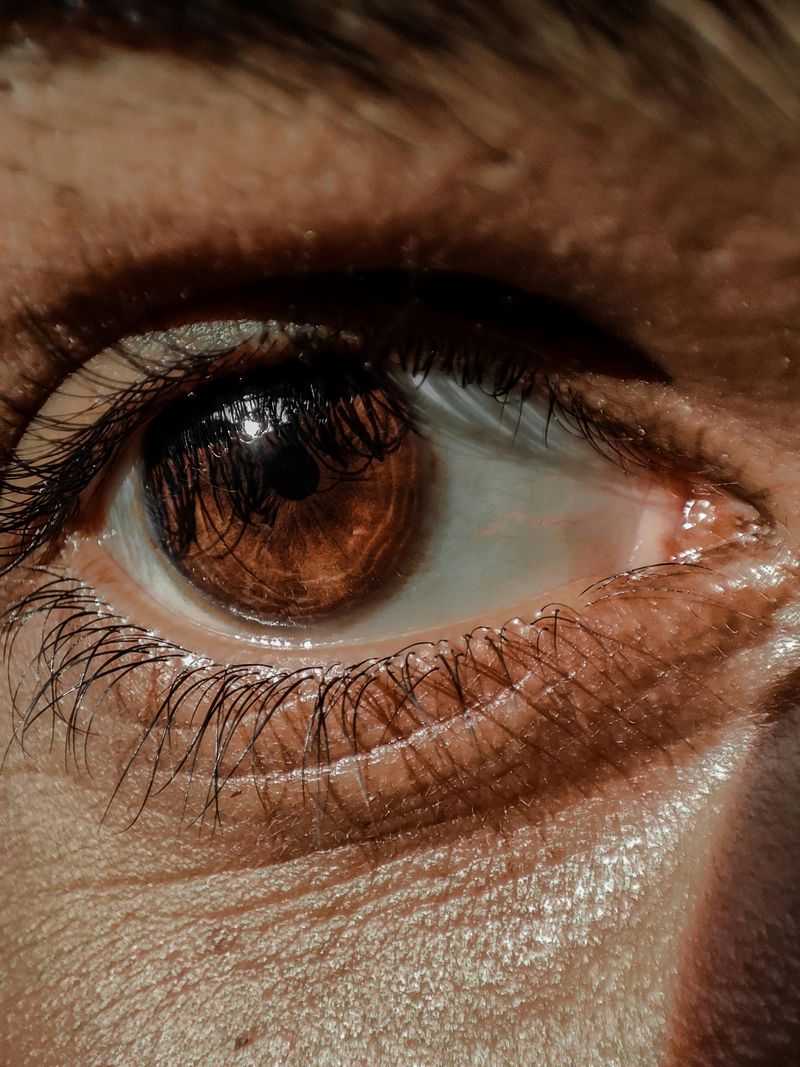
People with darker eyes might need to pay closer attention to medication dosages and alcohol consumption.
Some scientific findings indicate that lighter eyes may metabolize certain substances differently, suggesting that melanin levels could influence how quickly your body processes drugs and drinks.
This doesn’t mean dark-eyed individuals are more sensitive across the board, but it highlights an interesting area where eye color might connect to broader biological processes.
Your doctor should always consider multiple factors when prescribing medications, not just iris color.
The takeaway?
Eye color adds another layer to our understanding of human biological diversity, reminding us that small genetic differences can have surprisingly wide-reaching effects throughout the body.
6. Brown Eyes Seem Warmer and Friendlier

Walk into a room with brown eyes and people might immediately sense your friendly nature.
Studies consistently show that darker-eyed individuals are often perceived as more agreeable and socially warm, creating an instant connection with others.
Like the trustworthiness factor, this perception likely stems from facial structure patterns that commonly accompany brown eyes rather than the color alone.
Rounder faces and softer features frequently pair with darker irises, influencing how others read your personality.
This social advantage can make networking easier and help you build rapport quickly.
Whether it’s accurate or not, first impressions matter, and brown eyes seem to broadcast approachability from the moment you meet someone new.
7. Light Eyes Embrace New Adventures
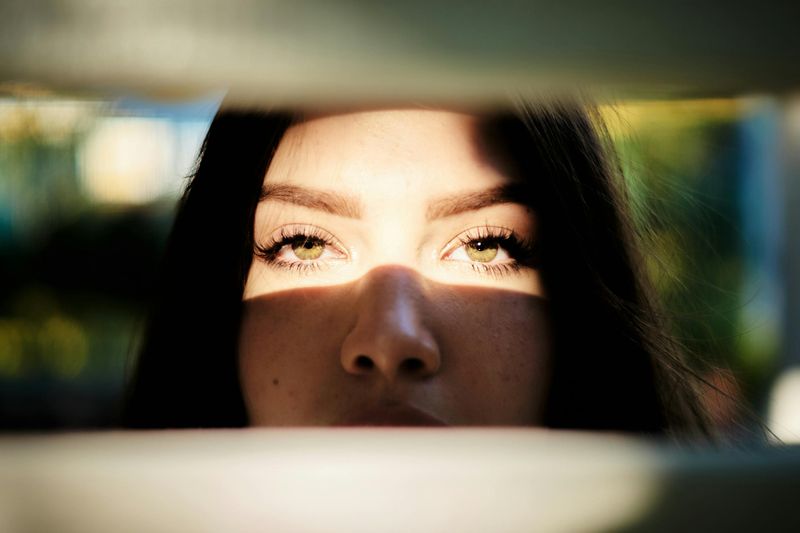
Do lighter eyes come with a more adventurous spirit?
Some personality surveys have found weak but interesting correlations between blue or green eyes and higher scores on openness to new experiences, one of psychology’s Big Five personality traits.
Before you book that spontaneous trip to Iceland based solely on your eye color, remember these connections are subtle at best.
Personality develops through countless influences including upbringing, culture, life experiences, and individual choices that far outweigh any genetic predisposition.
Still, it’s fun to consider whether those pale irises reflect a curious nature that’s always seeking the next exciting experience.
Maybe light-eyed folks really do say yes to adventure a bit more often.
8. Brown Eyes Won the Evolutionary Lottery

Brown eyes aren’t just common—they’re the evolutionary champion.
As the genetically dominant trait worldwide, darker eyes have been naturally selected across human history, particularly in regions with intense sunlight where melanin’s protective qualities offered significant survival advantages.
This explains why brown eyes dominate in populations near the equator and in areas with high UV exposure.
The extra melanin acts like built-in sunglasses, shielding delicate eye structures from potential sun damage over a lifetime.
If you have brown eyes, you’re carrying a trait that’s been favored by natural selection for thousands of years.
Your ancestors passed down this genetic advantage that continues protecting your vision in bright environments today.
9. Light Eyes Squint More in Sunshine

Ever notice light-eyed friends reaching for sunglasses faster than you?
There’s a biological reason: lower melanin levels mean increased sensitivity to bright environments, making blue and green eyes more vulnerable to glare and harsh lighting.
This isn’t just about comfort—it’s about protection.
Without as much natural melanin shielding, lighter eyes can feel overwhelmed by intense sunlight, snow glare, or even bright indoor lighting.
That’s why quality sunglasses become essential accessories rather than fashion statements.
If you have pale eyes, protecting them from UV damage becomes even more important.
Invest in good sunglasses with proper UV protection to keep your sensitive eyes healthy and comfortable in all lighting conditions.
10. Eye Color Doesn’t Define Your Character
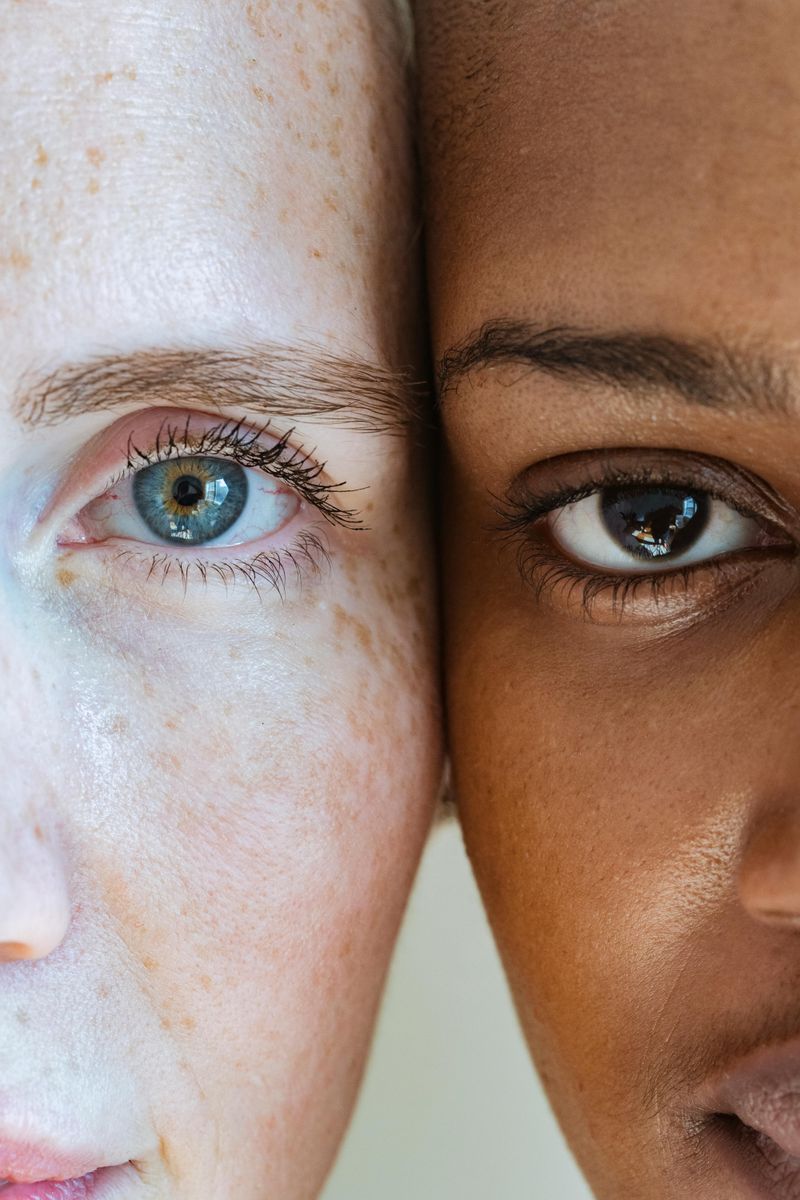
Despite all these fascinating correlations, here’s the truth: your eye color doesn’t determine your intelligence, leadership ability, moral character, or core personality traits.
Major personality frameworks like the Big Five show no strong predictive links to iris pigmentation whatsoever.
The connections we’ve explored are mostly about perception, subtle biological differences, or weak statistical correlations that don’t apply to individuals reliably.
You’re not destined to be trustworthy because you have brown eyes or adventurous because you have blue ones.
Your character develops through choices, experiences, values, and actions—not the melanin in your irises.
Eye color adds interesting flavor to human diversity, but who you become depends entirely on how you live your life.