 MomSkoop

Getting older doesn’t mean slowing down or losing your spark.
It’s actually a chance to build a life that feels even more meaningful and connected than before.
The choices you make today about your body, mind, relationships, and purpose can shape decades of vibrant living ahead.
These ten strategies will help you approach aging with confidence, energy, and a clear sense of direction.
1. Train for Strength, Not Just Stamina
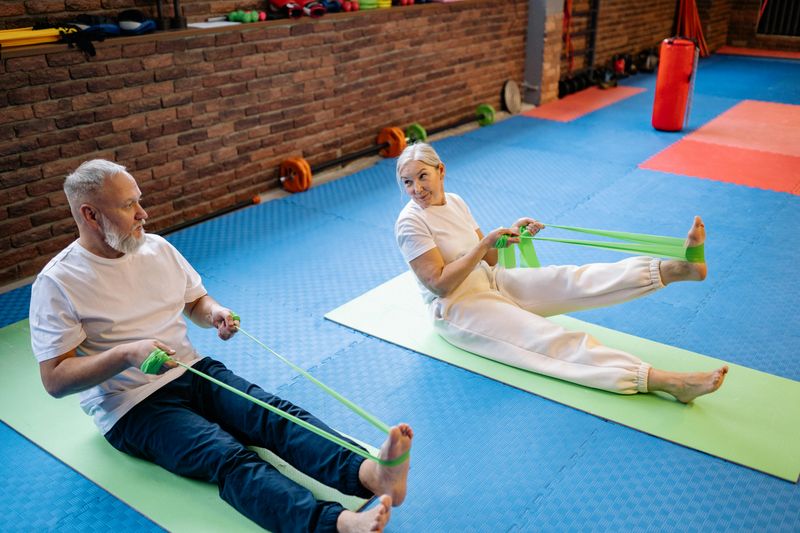
Cardio gets a lot of attention, but strength work is what keeps you moving freely as the years go by.
Lifting weights, using resistance bands, or doing bodyweight exercises protects your bones from becoming brittle and your muscles from shrinking away.
Balance drills help prevent dangerous falls that can change everything in an instant.
You don’t need a fancy gym membership to get started.
Simple movements like squats, wall pushups, and standing on one foot while brushing your teeth build real-world strength.
Consistency matters more than intensity here.
Strong muscles support your joints and make everyday tasks feel effortless.
Carrying groceries, playing with grandkids, or hiking a trail all become easier when your body stays capable and resilient.
2. Guard Your Brain Like an Asset

Your brain thrives on challenge and novelty throughout your entire life.
Learning a new language, tackling crossword puzzles, or picking up an instrument creates fresh neural pathways that keep your mind sharp.
Reading books that make you think deeply does more than pass time—it builds cognitive reserves you’ll draw on later.
Meaningful conversations stimulate your brain differently than scrolling social media.
Debating ideas, sharing stories, or teaching someone a skill exercises mental muscles that matter.
Even changing your daily routine forces your brain to adapt and grow.
Think of cognitive health as a savings account you contribute to regularly.
Every challenging activity deposits protection against memory decline and confusion down the road.
3. Invest in Relationships Intentionally

Loneliness harms your health as much as smoking fifteen cigarettes daily.
Strong friendships and family bonds actually predict how long you’ll live better than many medical factors.
Yet relationships don’t maintain themselves—they need the same attention you’d give an important appointment.
Schedule regular coffee dates, phone calls, or video chats just like you would a doctor visit.
Join clubs, volunteer groups, or classes where you’ll naturally meet people with shared interests.
Quality trumps quantity every time.
When life gets busy, social connections often slip to the bottom of your list.
Treating them as non-negotiable priorities transforms your emotional wellbeing and gives you people to lean on when challenges arise.
4. Redefine Purpose Regularly

Retirement, empty nests, and career endings can leave you wondering what comes next.
Clinging to who you used to be creates frustration, while choosing new goals brings energy back into your days.
Purpose isn’t something you find once—it evolves as you do.
Maybe you’ve always wanted to write, garden seriously, or become a community advocate.
Perhaps mentoring younger people or mastering photography lights you up now.
Your identity can shift without losing value.
Ask yourself what energizes you today, not what mattered twenty years ago.
Setting fresh intentions gives you reasons to wake up excited and keeps you growing instead of just coasting through your remaining years.
5. Stay Proactive with Preventive Care

Catching problems early makes all the difference between a minor adjustment and a major crisis.
Regular screenings for cancer, heart disease, and bone density spot trouble before symptoms appear.
Vaccinations protect you from illnesses that hit older adults harder than younger people.
Tracking basic health metrics like blood pressure, cholesterol, and blood sugar gives you data to work with instead of guessing.
Many serious conditions develop silently for years before causing obvious harm.
Prevention costs less and hurts less than treatment.
Don’t wait until something feels wrong to see your doctor.
Schedule annual checkups, dental cleanings, eye exams, and recommended tests even when you feel fine—that’s when intervention works best.
6. Master Your Digital World

Technology isn’t just for young people anymore—it’s how you stay connected, informed, and independent.
Online banking protects you from scams better than mailing checks.
Video calls let you see distant family members regularly.
Telehealth appointments save exhausting trips to the doctor’s office.
Learning new apps and devices might feel frustrating at first, but the payoff is huge.
You can order groceries, research health conditions, manage finances, and join virtual communities from your couch.
Digital skills prevent isolation and vulnerability.
Take a class at your library, ask a patient family member for help, or watch tutorials online.
Staying digitally literate keeps you secure, connected, and capable of handling modern life without depending on others.
7. Review Your Finances with Clarity

Financial uncertainty creates constant background stress that affects your health and happiness.
Revisiting your budget, insurance coverage, retirement accounts, and estate documents brings peace of mind you can’t get any other way.
Things change—income shifts, expenses evolve, and plans need updating.
Make sure your will reflects your current wishes and your beneficiaries are correct.
Review whether your insurance actually covers what you need now.
Check if you’re spending more or less than you thought in retirement.
You don’t need to be wealthy to feel financially secure—you just need clarity about what you have and where it’s going.
Professional advice helps, but even basic organization reduces anxiety dramatically.
8. Protect Sleep as a Foundation Habit

Sleep isn’t laziness—it’s when your brain clears out toxins, consolidates memories, and regulates emotions.
Poor sleep makes you forgetful, irritable, and more vulnerable to illness.
Quality rest strengthens your immune system and helps you handle stress without falling apart.
Create a consistent bedtime routine that signals your body it’s time to wind down.
Keep your bedroom cool, dark, and quiet.
Limit screens an hour before bed since blue light disrupts your natural sleep cycle.
If you’re waking up exhausted or snoring heavily, talk to your doctor about sleep apnea or other disorders.
Treating sleep problems improves virtually every aspect of your health and daily functioning.
9. Practice Adaptability Over Control

Life throws curveballs at every age, but trying to control everything exhausts you and sets you up for disappointment.
Adaptability means focusing your energy on what you can actually influence while accepting what you can’t.
This mindset shift reduces frustration and opens you to unexpected opportunities.
When plans fall apart, ask what you can learn instead of dwelling on what went wrong.
Treat transitions as chances to grow rather than threats to fight.
Flexibility doesn’t mean giving up—it means choosing your battles wisely.
People who adapt quickly to change report higher life satisfaction and lower stress levels.
You can’t stop aging or prevent all loss, but you can control how you respond to it.
10. Give Forward While You Grow Forward

Decades of experience give you wisdom that younger generations desperately need.
Mentoring someone in your former field, volunteering for causes you care about, or simply sharing hard-earned lessons reinforces your own sense of meaning.
Contribution keeps you relevant and connected to something bigger than yourself.
You don’t have to start a nonprofit or teach classes—small acts count too.
Helping a neighbor, sharing family stories, or offering advice when asked all matter.
Generativity, the desire to guide the next generation, becomes more important as you age.
Giving forward reminds you that your life still has impact and purpose.
It’s proof that aging doesn’t diminish your value—it amplifies what you have to offer.