 MomSkoop

You don’t need a designer label to look polished and intentional—small choices make a huge difference. These ten practical tweaks transform affordable pieces into outfits that read refined and well-curated.
I’ll walk you through actionable, easy-to-apply tips so you can get more out of what you already own. Read on and start elevating your everyday looks without breaking the bank.
1. Prioritize Fit Above All Else
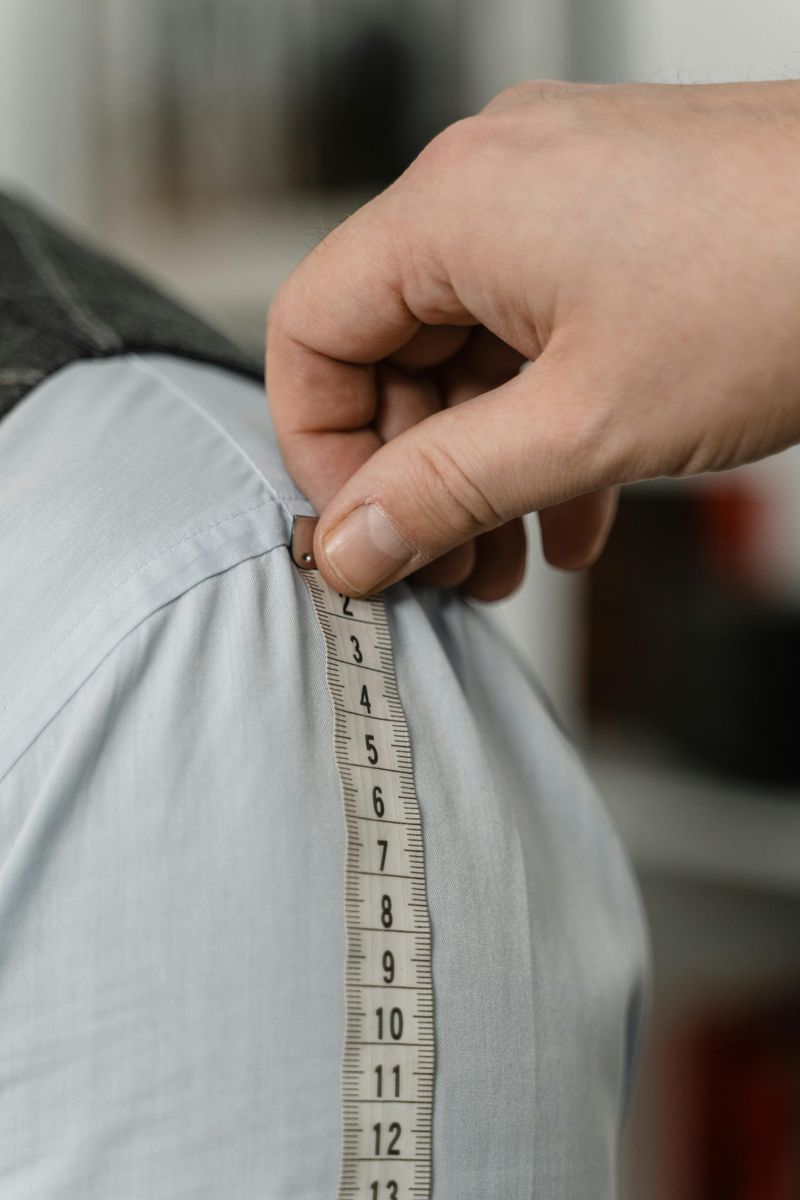
Fit is the most powerful signal of quality and instantly changes how a garment reads.
Start by assessing whether trousers break properly at the shoe and if blazers sit cleanly on the shoulders; those areas reveal luxury or budget right away.
A hem that grazes the top of a shoe, sleeves that show a touch of cuff, and a waist that doesn’t gape create a proportionate silhouette that looks intentional and tailored.
If a piece feels off, I take it to a trusted tailor for simple tweaks – shortening hems, taking in waists, and adjusting sleeve length.
Small alterations cost little but return big style dividends, making even inexpensive finds feel custom and expensive.
2. Stick to a Cohesive Color Palette
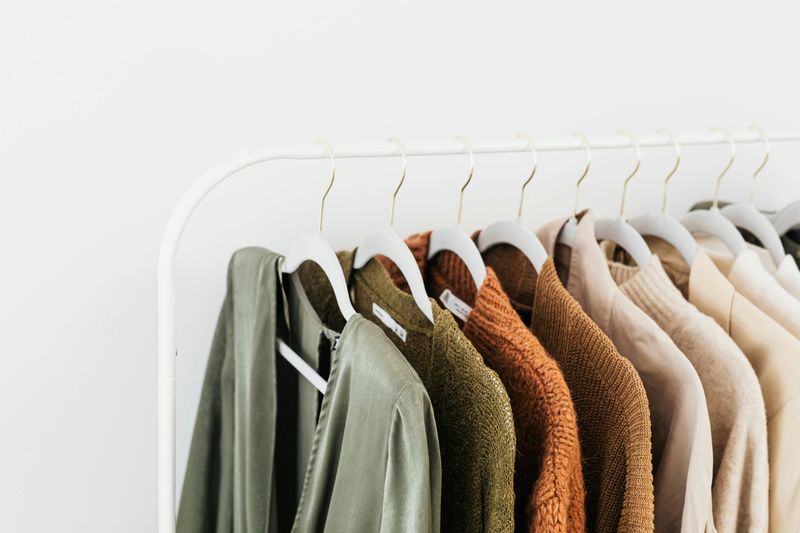
Choosing a tight color story like all-black, cream, or tonal neutrals instantly elevates any outfit by creating visual cohesion.
When pieces harmonize, the look reads deliberate rather than thrown together, which gives affordable clothes a refined appearance.
Limit contrast and avoid too many competing hues so the eye rests on shape and texture instead of loud color clashing.
When building outfits, pick two or three complementary shades and stick to them across top, bottom, and accessories.
This restraint mimics high-end wardrobes where simplicity and consistency signal sophistication without needing expensive labels or patterns.
3. Steam or Press Everything
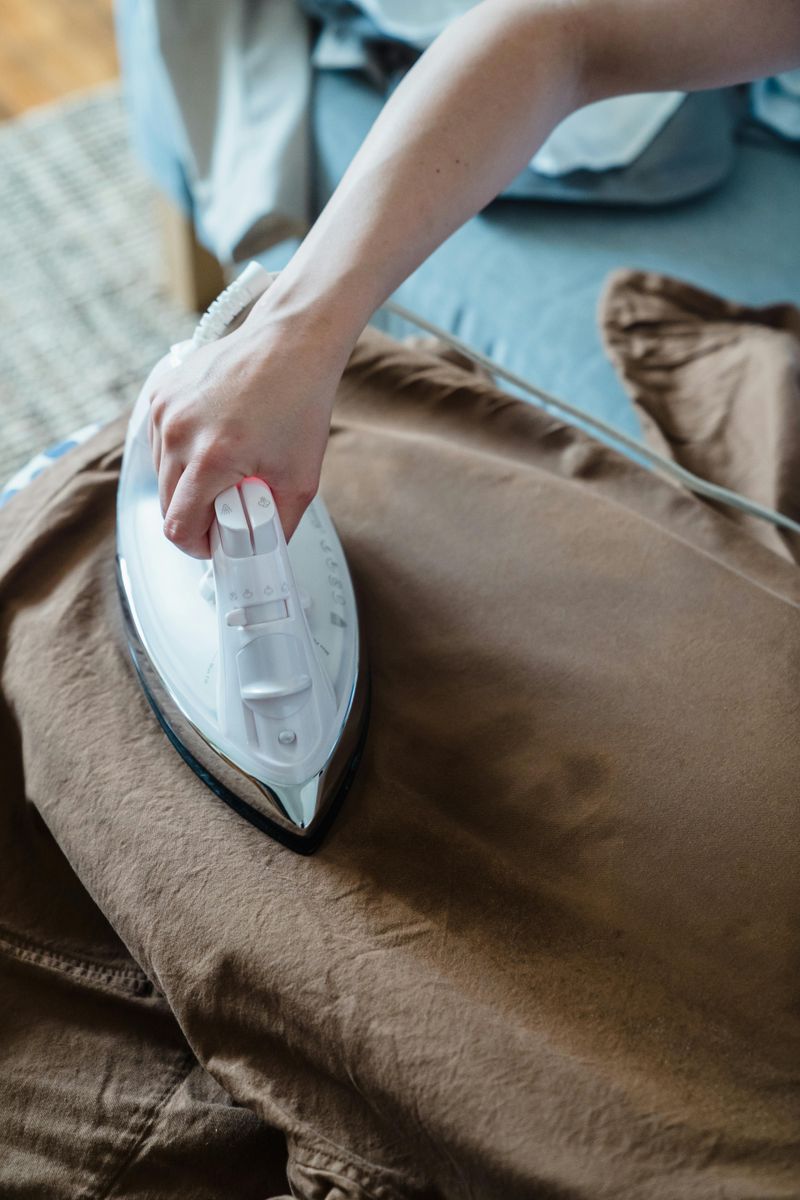
Wrinkles are the fastest way to make even a well-fitting outfit look cheap or careless.
Steam garments before wearing them, removing packaging creases and smoothing collars, cuffs, and hems to present a crisp appearance.
A simple steaming session takes minutes but yields a polished finish that communicates care and attention to detail.
For structured pieces like blazers and shirts, pressing creates sharp lines that read expensive.
Keep a steamer or iron accessible and make steaming part of your routine; the investment in a little extra time dramatically improves how your clothes read in photos and in person.
4. Upgrade Your Buttons
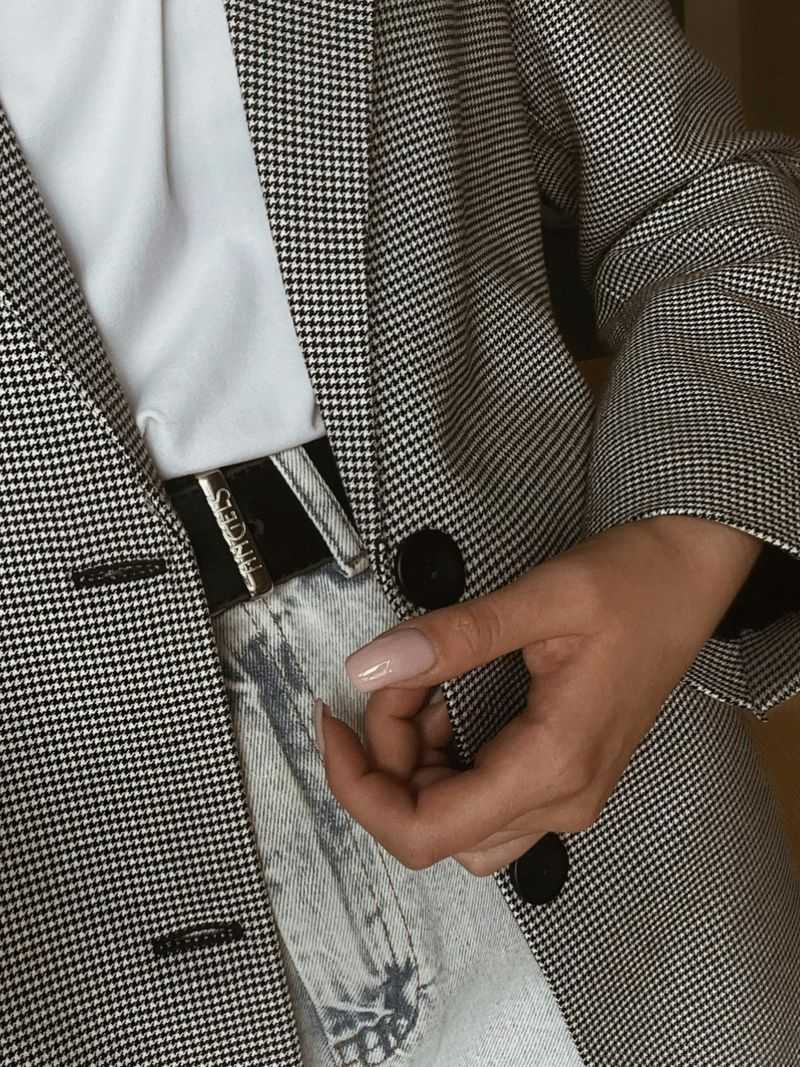
Buttons are tiny details that punch above their weight when it comes to elevating garments.
Swapping cheap plastic buttons for metal, horn-style, or tortoiseshell versions immediately changes the perceived value of blazers, coats, and shirts.
This small DIY upgrade requires minimal skill and modest cost but yields a sophisticated result that aligns with higher-end tailoring.
Pick buttons with weight and subtle texture to ensure they feel substantial in hand and harmonize with the garment’s hardware and overall aesthetic.
5. Add Structured Accessories
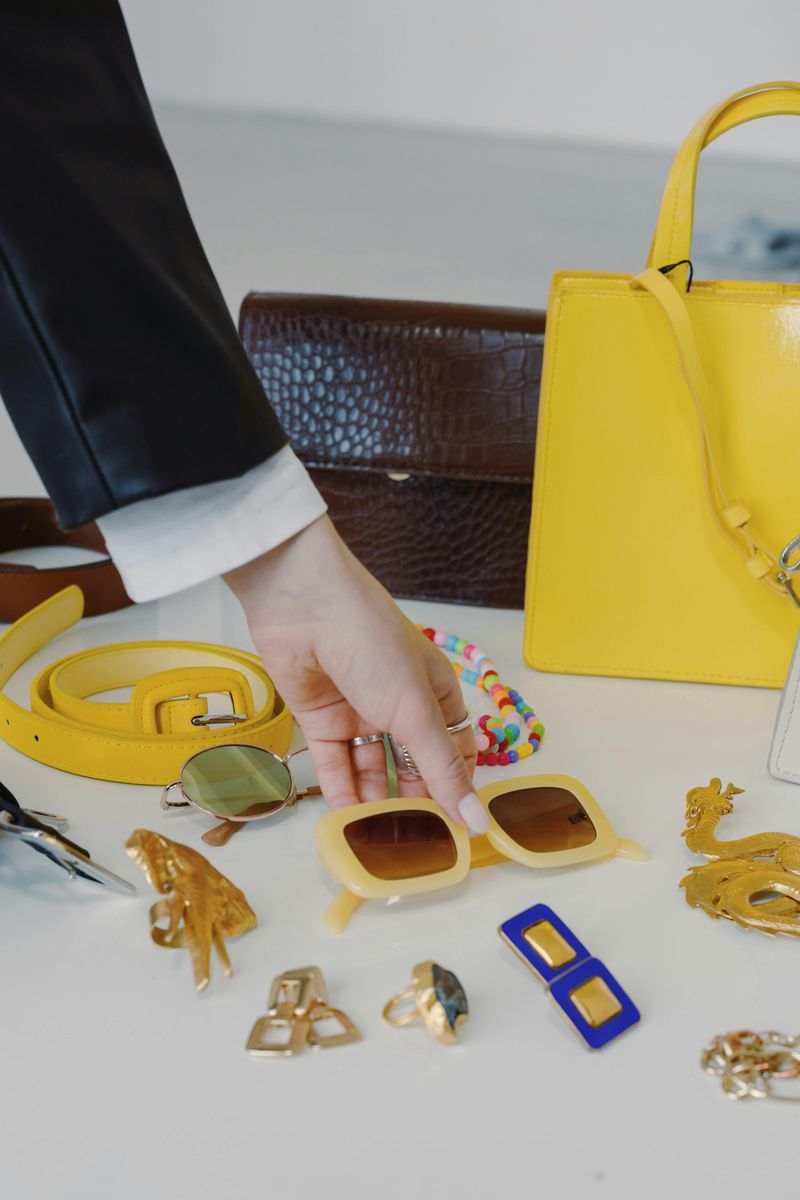
Structured accessories signal expense because they create crisp silhouettes and visual backbone for an outfit.
Pick a compact structured handbag over slouchy shapes and a sleek belt with minimal hardware to anchor looks and add intentionality.
These choices lend clarity to proportions and make casual garments appear thoughtfully styled rather than thrown on.
Sunglasses with angular frames and firm shapes also lift an outfit, adding a designer-like finishing touch.
Investing in one or two well-made accessories is smarter than buying many trendy pieces, since structure and restraint are long-term style multipliers.
6. Keep Hardware Minimal and Coordinated
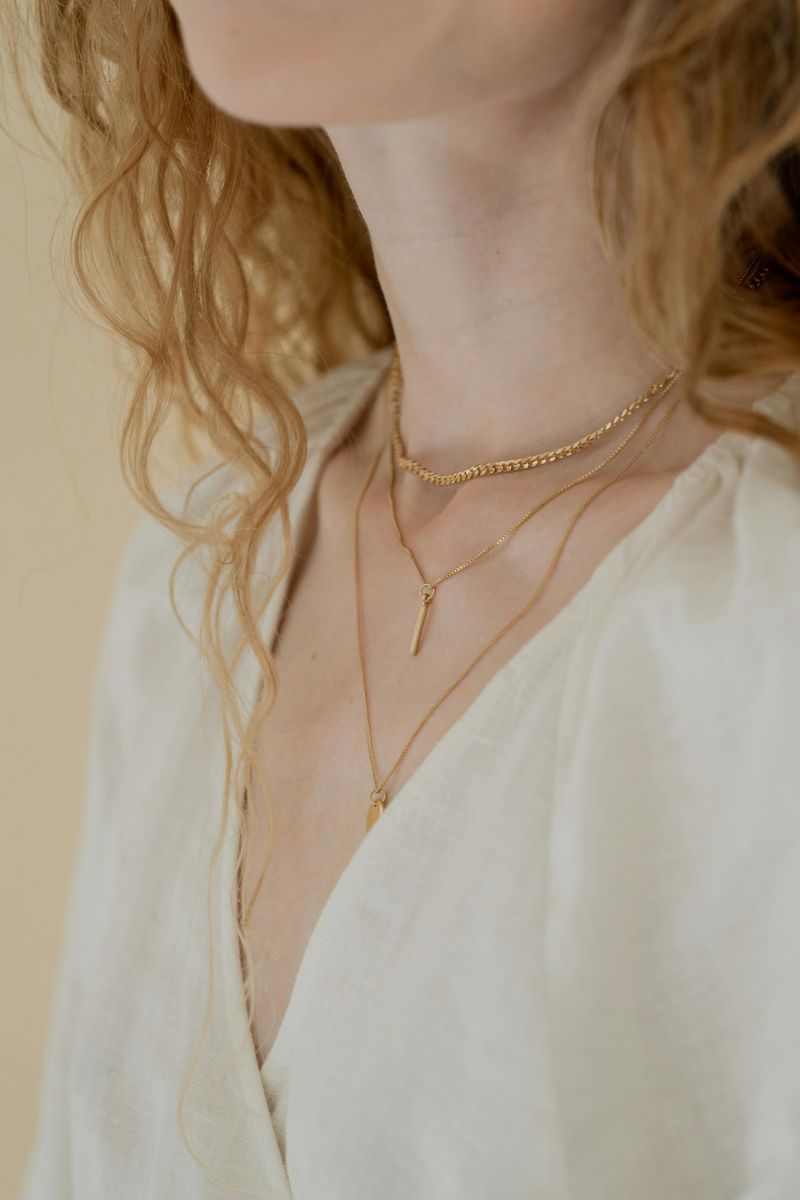
Coordinated hardware feels intentional and curated, which reads as expensive.
Match metals across watches, belt buckles, bag clasps, and jewelry to maintain a consistent finish rather than mixing shiny and matte pieces randomly.
Limiting hardware to one metal creates a subtle visual language that suggests thoughtfulness and restraint.
Avoid overly flashy logos or chunky brand marks that shout budget or trend.
Minimal, well-chosen pieces with a unified metal tone look cohesive and mature, turning inexpensive items into a composed, signature outfit with an elevated feel.
7. Focus on Fabric Appearance
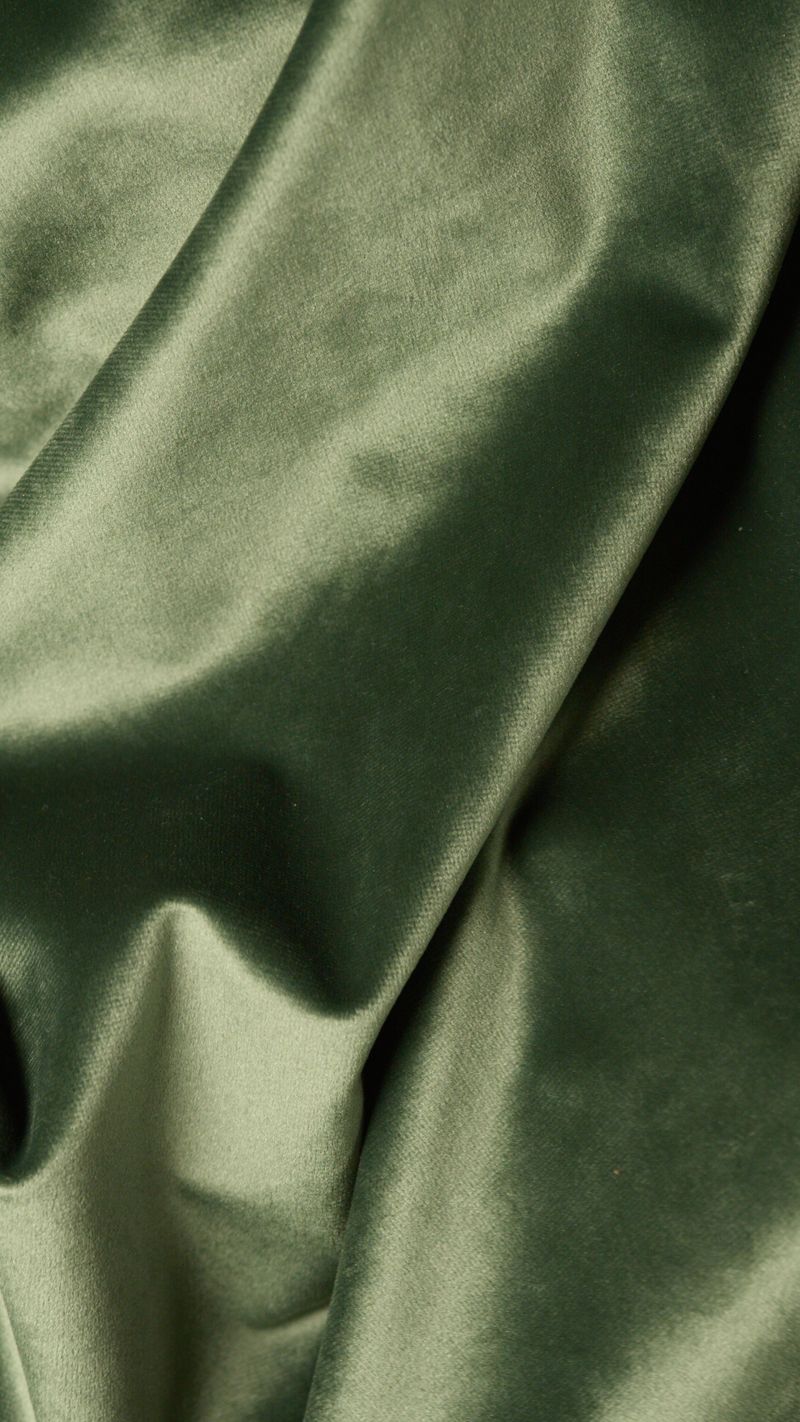
Fabric reads louder than price, so make sure to prioritize pieces that look substantial and tactile.
Choosing thicker knits over thin jerseys, matte fabrics over shiny synthetics, and textured materials over slippery finishes makes garments appear more considered and high-quality.
Texture and weight create depth and disguise lower price points by suggesting durability and craftsmanship.
When shopping, I palpate fabrics, hold them to light, and avoid overly clingy materials that show every line.
Simple attention to fiber and finish helps build a wardrobe of affordable yet sophisticated pieces that age and photograph well.
8. Tuck, Roll, and Adjust
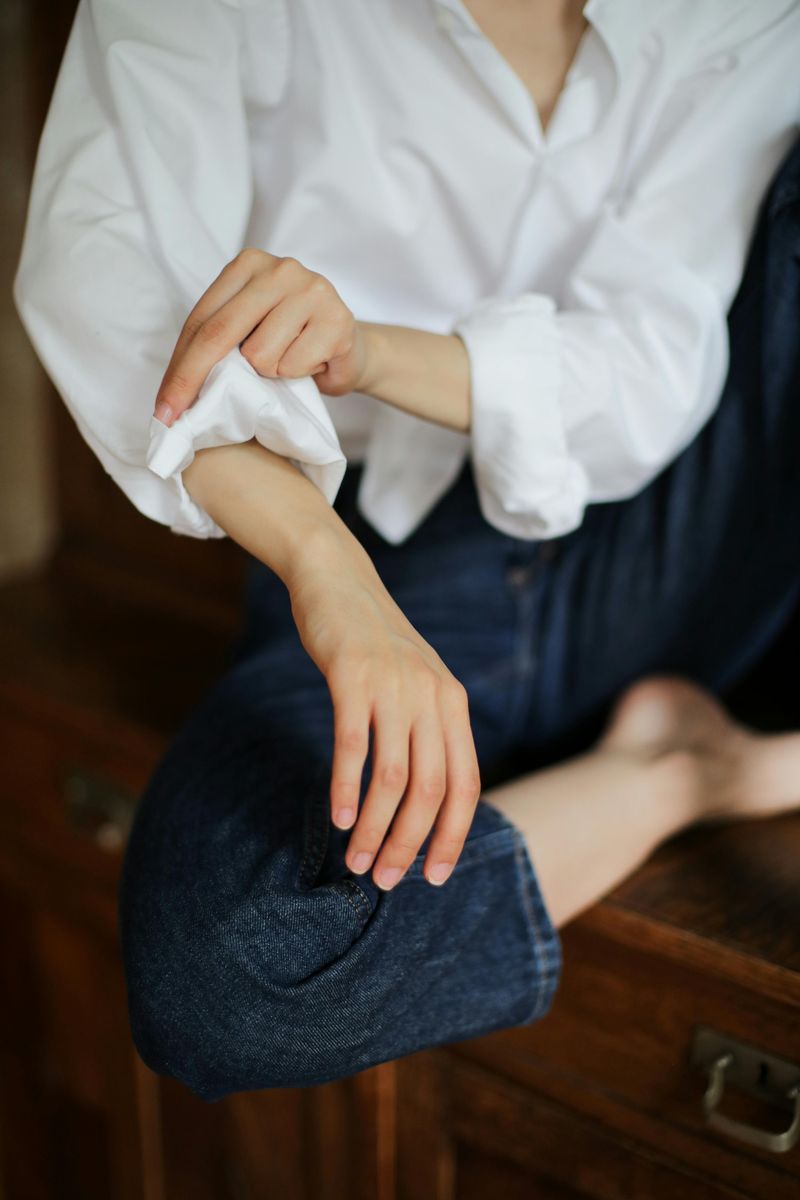
Intentional micro-styling instantly elevates outfits by adding polish and personality.
Use techniques like the French tuck to define waistlines, neatly roll sleeves for a relaxed yet tailored look, and cuff jeans slightly to reveal shoes and create proportion.
These small moves transform off-the-rack garments into looks that appear edited and purposeful.
Practicing these adjustments in front of a mirror helps determine what flatters your body and the outfit’s silhouette.
Micro-styling signals effort and curation, making affordable clothes feel bespoke through thoughtful presentation and proportion control.
9. Maintain Impeccable Grooming
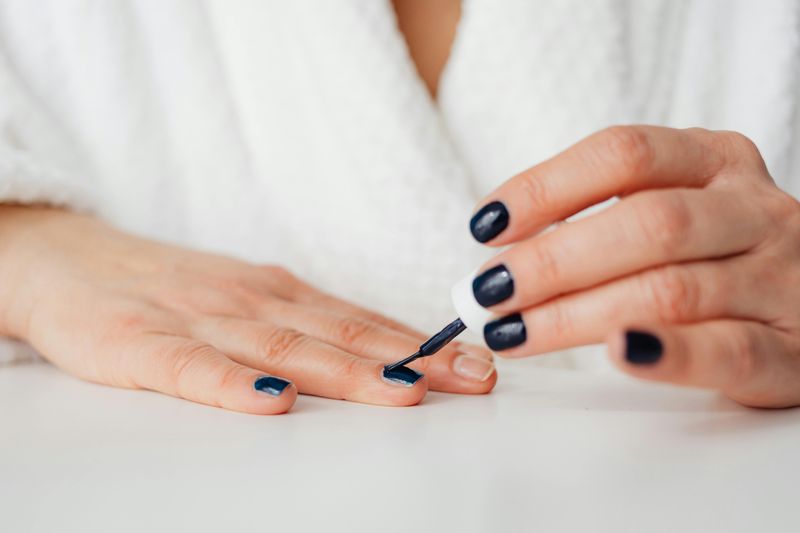
Clothing is only one part of looking expensive – grooming completes the message.
Clean shoes, neat nails, and well-kept hair frame outfits and communicate that you care about the whole presentation.
Keep a small kit for quick touch-ups: a brush for shoes, a compact nail file, and a dry shampoo or smoothing brush for fast hair fixes.
When grooming is consistent, even casual outfits read refined because the person looks curated from head to toe.
Luxury is holistic, and taking a few extra minutes to perfect grooming elevates any inexpensive look into polished style.
10. Edit Ruthlessly
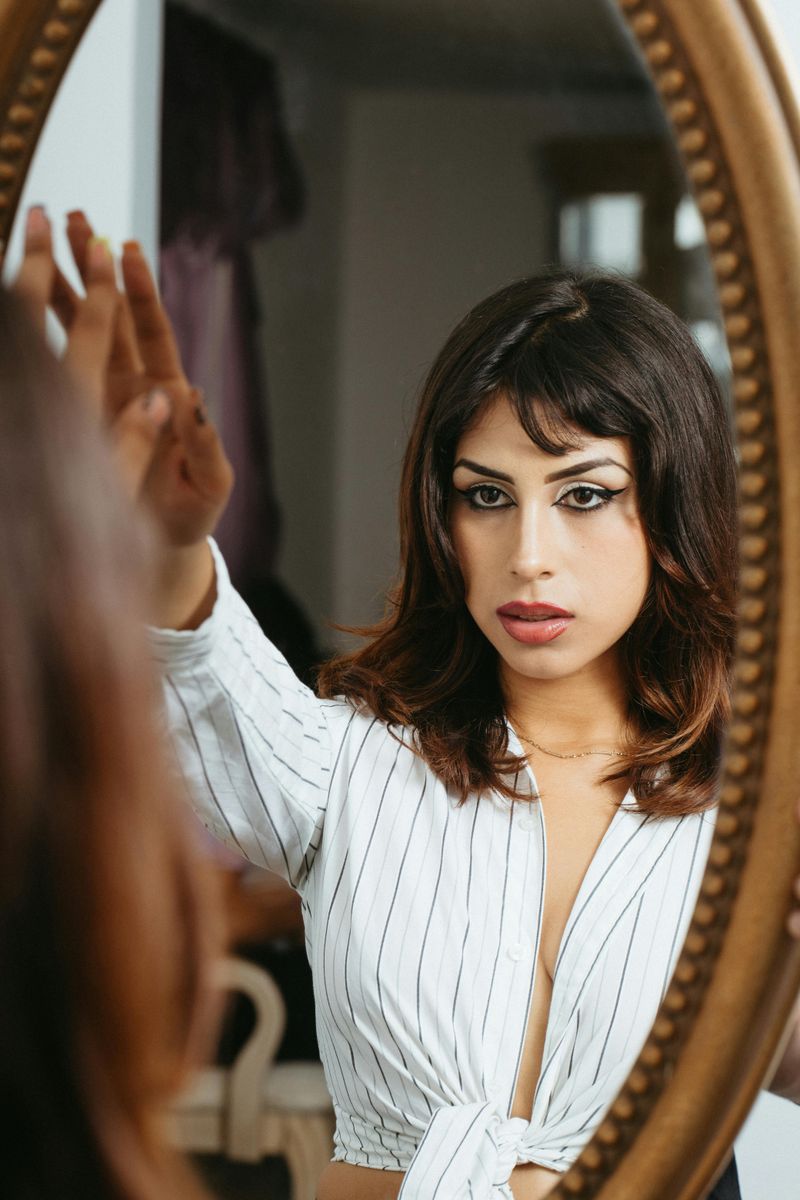
Understatement often reads more expensive than maximalism.
Editing ruthlessly – taking off an extra necklace, skipping a second bracelet, or leaving a bold jacket behind – clarifies the outfit and keeps attention on the strongest element.
This restraint mirrors designer styling, which usually favors one focal point rather than many competing details.
Keeping accessories minimal and avoiding over-layering ensures a composed silhouette and reduces visual clutter.
Learning to stop at the right moment makes even inexpensive outfits feel intentional and elegantly simple.