 MomSkoop
Growing up, the foods on your dinner table said a lot about your family’s background. Some kids had lunchboxes filled with items that seemed exotic or fancy compared to what most classmates brought. These weren’t necessarily expensive ingredients, but they showed a certain lifestyle and set of priorities that upper-middle-class families often shared.
1. Whole Wheat Or Multigrain Bread As The Default
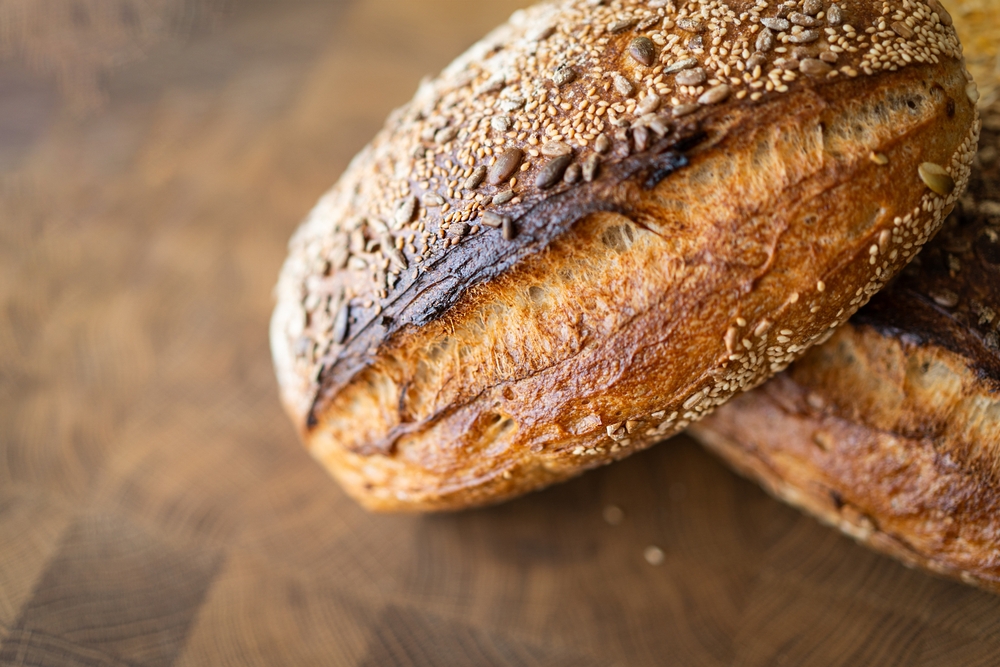
White bread was everywhere in the 1990s and early 2000s, but some households refused to buy it.
Parents who prioritized health trends early made whole wheat or multigrain the only option in the pantry.
Kids from these homes often felt embarrassed trading sandwiches at lunch because their bread looked darker and denser than everyone else’s.
Looking back, it was a sign that nutrition mattered more than convenience in those households.
These families read labels carefully and cared about fiber content before it became mainstream.
That grainy bread nobody wanted to eat at age ten suddenly makes sense as an adult trying to stay healthy.
2. Quiche For Brunch
Most families did pancakes or cereal on weekend mornings.
But in upper-middle-class homes, brunch meant something entirely different.
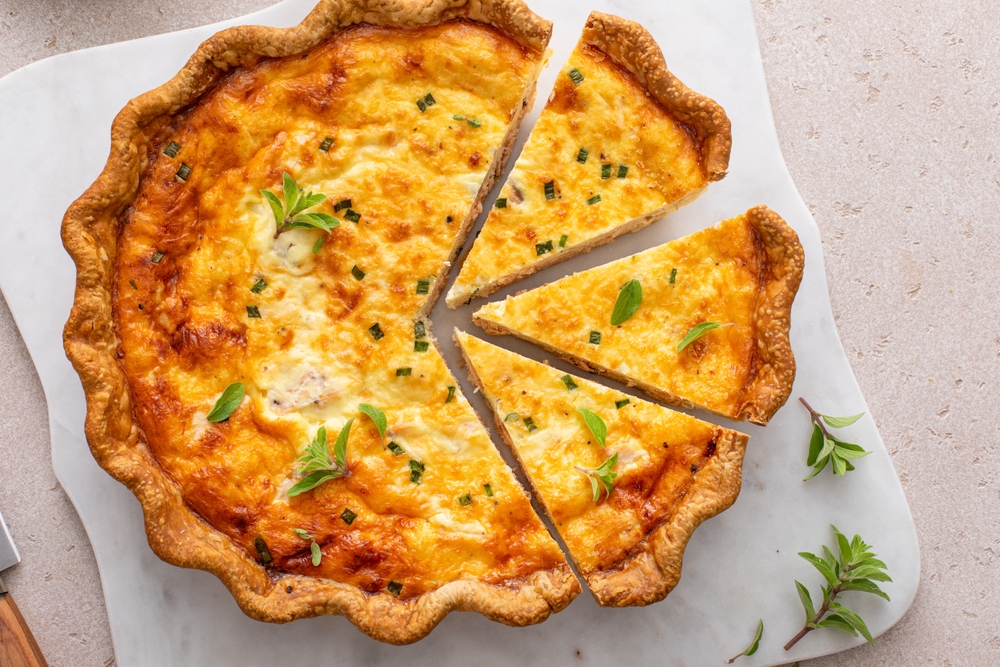
Quiche appeared on the table like it was no big deal, filled with spinach, mushrooms, or fancy cheeses most kids couldn’t pronounce.
It felt very grown-up and somewhat intimidating compared to the sugary cereals friends were eating.
Parents would serve it with mixed greens or fruit salad, turning breakfast into an actual event.
The whole production signaled that weekends weren’t just for relaxing but for elevating everyday routines.
Now quiche feels comforting rather than pretentious, a nostalgic reminder of leisurely mornings.
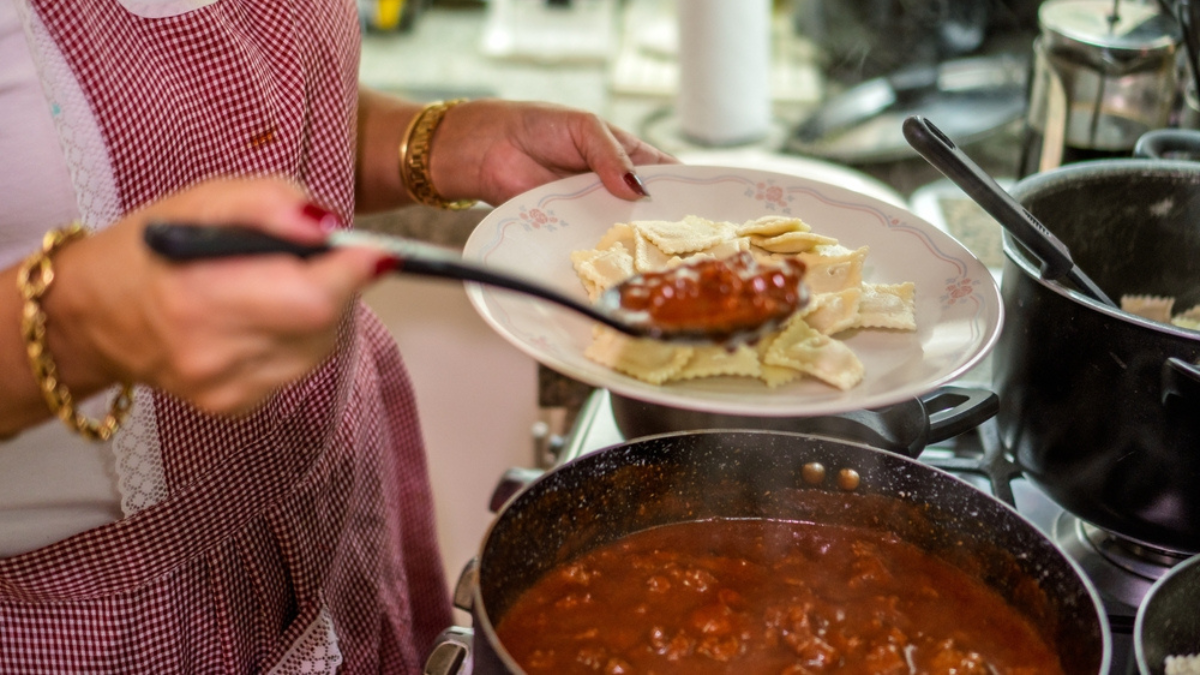
3. Pasta With Homemade Sauce Instead Of A Jar
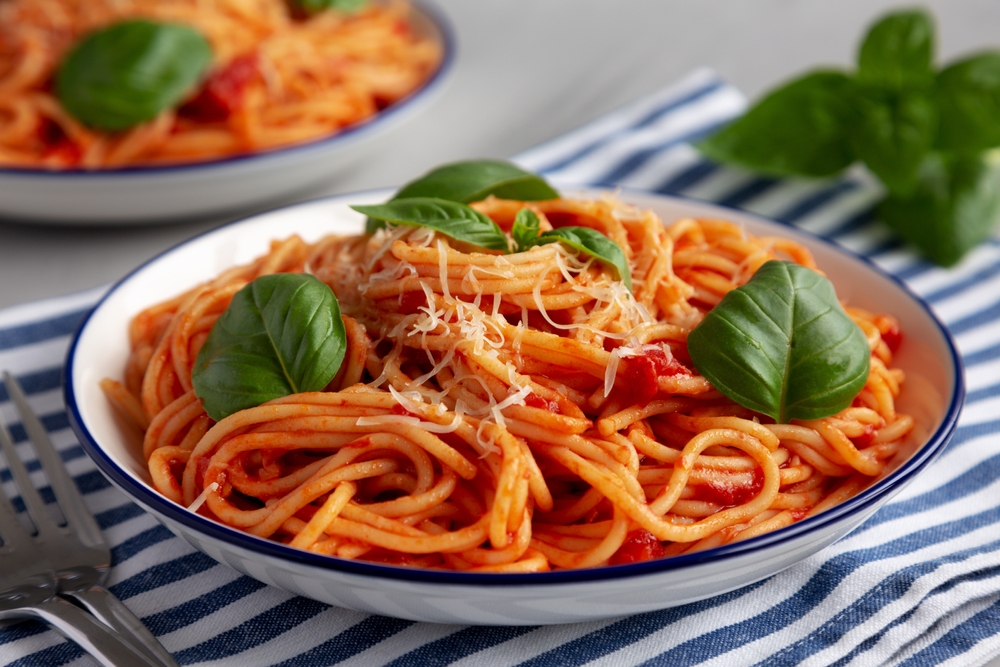
Jarred spaghetti sauce was perfectly acceptable in most kitchens across America.
Yet some families insisted on simmering tomatoes, garlic, and herbs for hours every time pasta night rolled around.
The kitchen smelled incredible, but it also meant dinner took way longer to prepare.
Kids from these homes didn’t realize how unusual this was until visiting friends whose parents just heated up Ragu.
Homemade sauce became a point of pride, showing that cooking from scratch mattered even on busy weeknights.
It taught an important lesson about valuing quality and effort over convenience, something that sticks with you into adulthood.
4. Grilled Salmon On A Weeknight
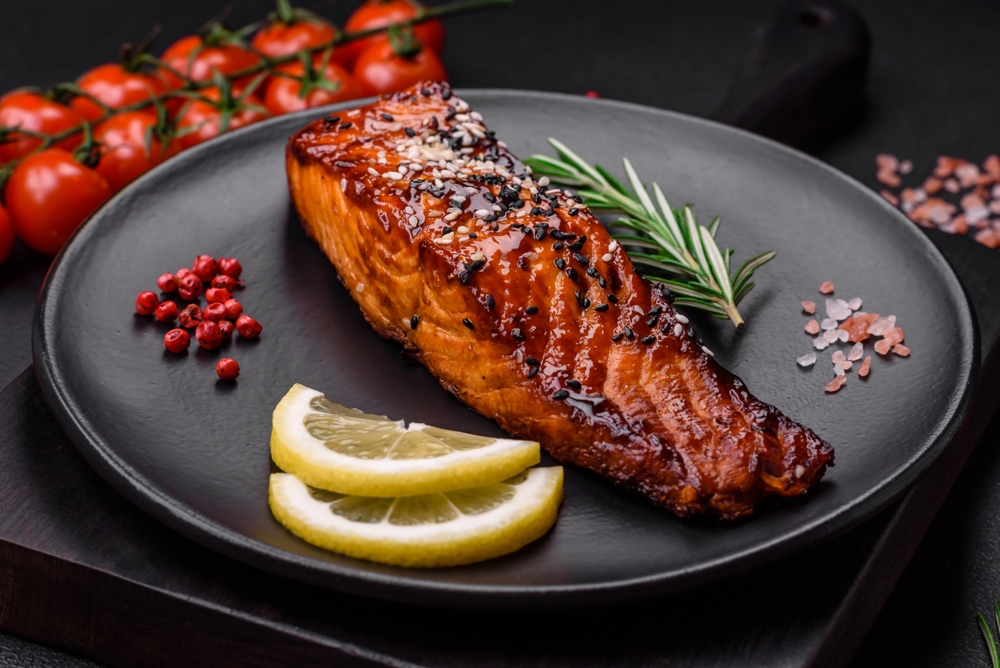
Fish sticks were the typical weeknight seafood for most American families.
But upper-middle-class households served actual salmon fillets, grilled with lemon and dill like it was nothing special.
To kids used to chicken nuggets and hot dogs, this felt incredibly fancy and sometimes unwelcome.
Parents explained omega-3s and brain health while children pushed pink fish around their plates.
The regularity of salmon showed financial comfort since fresh fish costs significantly more than frozen processed options.
It also demonstrated health consciousness that went beyond occasional efforts.
Those salmon dinners now seem like thoughtful parenting rather than culinary torture.
5. Stir-Fry With Vegetables You’d Never Heard Of
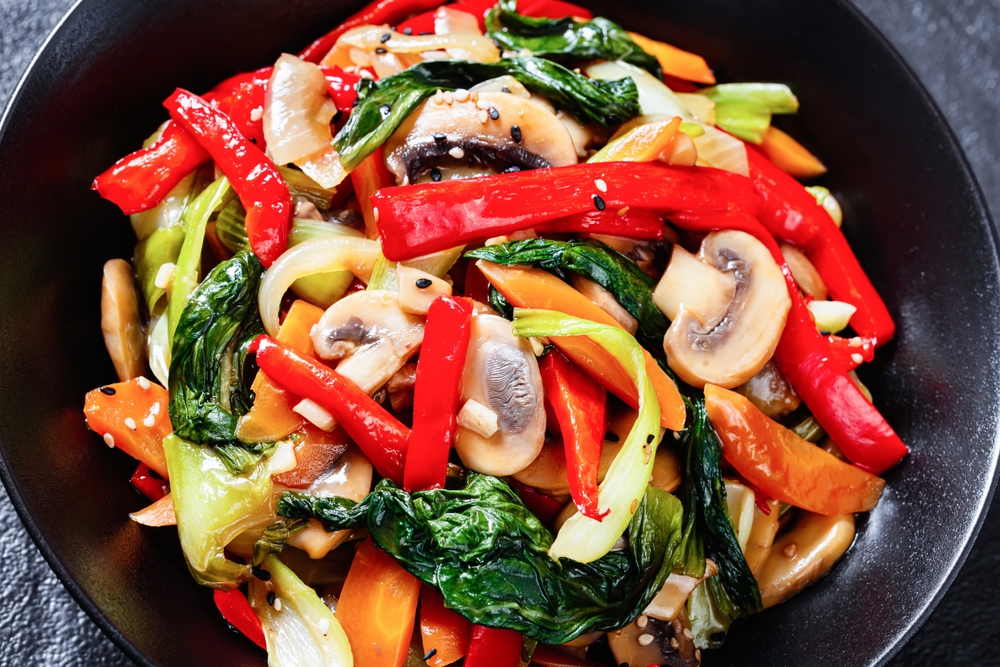
Did you know what bok choy was in elementary school?
Most kids didn’t, but some families regularly made stir-fries loaded with exotic vegetables from Asian markets.
Snow peas, water chestnuts, baby corn, and other mysterious ingredients filled the wok while parents talked about balanced meals.
These dinners exposed children to international flavors long before food diversity became trendy.
Friends coming over for dinner sometimes stared confused at their plates, unsure what half the vegetables were.
The willingness to cook unfamiliar cuisines showed cultural curiosity and adventurous eating habits.
Those weird vegetables taught openness to new experiences beyond just food.
6. Fresh Berries Outside Of Summer
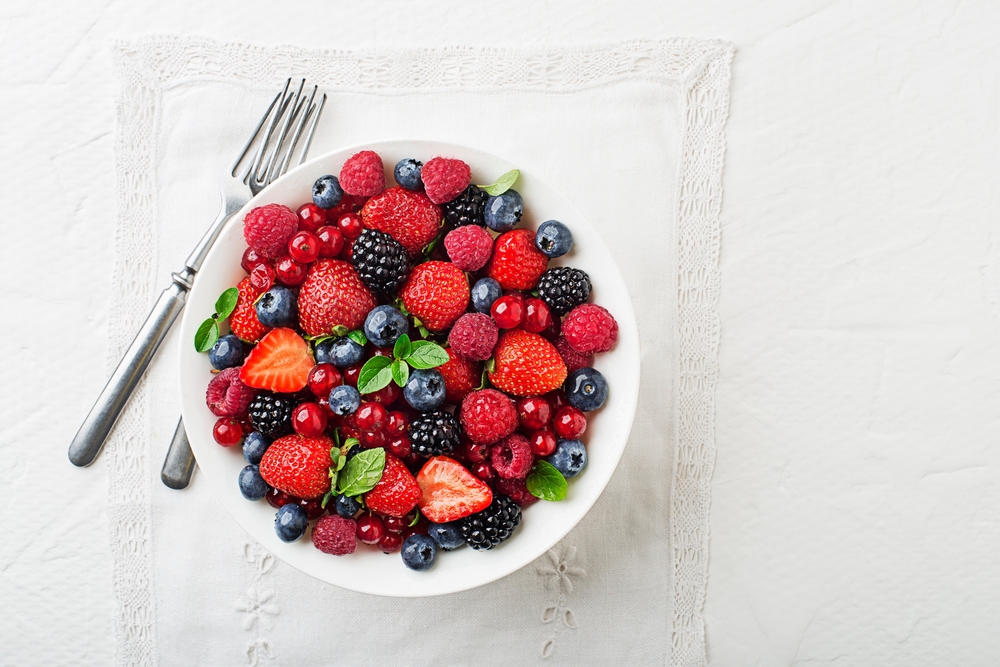
Berries in January seemed like magic to kids whose families only bought them in peak season.
But some households served fresh strawberries, blueberries, and raspberries year-round regardless of cost.
These families prioritized fresh fruit over canned or frozen alternatives even when prices skyrocketed during winter months.
Having raspberries with breakfast in February signaled economic flexibility most families didn’t have.
It also showed commitment to healthy eating that didn’t waver based on convenience or budget.
Kids took this luxury for granted until realizing their friends only got berries during summer barbecues.
Those out-of-season berries represented privilege disguised as normal grocery shopping.
7. Greek Yogurt Before It Was Trendy

Back when Yoplait dominated grocery store shelves, some families bought thick, tangy Greek yogurt nobody had heard of.
It came in plain tubs rather than individual flavored cups, and kids had to add their own honey or fruit.
This felt unnecessarily complicated compared to the sweet, smooth yogurt most people ate.
Parents explained protein content and probiotics while children grimaced at the sour taste.
Choosing Greek yogurt years before it became mainstream showed awareness of health trends early.
It meant parents read nutrition articles and sought out specialty items before everyone else caught on.
That weird yogurt was actually ahead of its time.
8. Sparkling Water As A Normal Beverage

Soda filled most refrigerators, but some families stocked sparkling water like it was perfectly normal.
Brands like Perrier or San Pellegrino sat where Coke and Sprite usually lived, confusing visiting friends who wanted something sweet.
Kids from these homes learned to appreciate bubbles without sugar, though they often wished for actual soda.
Parents treated sparkling water as the default beverage choice, making it seem sophisticated rather than boring.
This habit showed health priorities and European influences that set these families apart.
Drinking fizzy water instead of juice boxes signaled different values around sugar and nutrition.
Now LaCroix is everywhere, but back then it marked you as different.