 MomSkoop
Something quietly powerful happens when a woman reaches her 40s. Years of people-pleasing, over-apologizing, and shrinking to fit other people’s comfort zones start to feel less like kindness and more like exhaustion.
Many women are waking up and realizing that being “nice” sometimes came at the cost of being honest, fulfilled, and true to themselves. Here are 11 habits that women in their 40s are finally, boldly leaving behind.
1. Saying Yes When They Mean No

Image Credit: © Getty Images / Unsplash
How many times have you said “sure, no problem” while every part of you was screaming the opposite?
Agreeing out of guilt, fear, or pressure to keep others happy is one of the most exhausting habits a woman can carry.
For years, saying no felt selfish, even rude.
But women in their 40s are learning a powerful truth: a yes that isn’t real doesn’t serve anyone well.
Boundaries aren’t walls that push people away.
They’re honest signals about what you can and cannot give.
Choosing yourself doesn’t make you difficult.
It makes you someone worth trusting, including by yourself.
2. Over-Apologizing for Everything

Image Credit: © www.kaboompics.com / Pexels
“Sorry, but…” “I’m sorry to bother you…” “Sorry for having an opinion.” Sound familiar?
Over-apologizing is something many women have done so automatically they barely notice it anymore.
Saying sorry for having needs, taking up space, or simply existing became second nature.
The problem is that constant apologizing sends a message that your presence is an inconvenience.
Women in their 40s are choosing to swap empty apologies for clear, confident communication.
Saving “I’m sorry” for moments that truly deserve it gives those words real weight again.
Your opinions, needs, and presence deserve to be in the room without an apology attached.
3. Avoiding Conflict at All Costs

Keeping the peace used to feel like the kindest thing to do.
Swallowing words, letting things slide, staying silent while something felt completely wrong — all of it was done in the name of harmony.
But silence has a price, and most women in their 40s have paid it long enough.
Avoiding conflict doesn’t make problems disappear.
It buries them until they grow bigger and heavier.
Speaking up, even when it feels uncomfortable, is a form of respect — for yourself and for the relationship.
Healthy disagreement clears the air.
It shows that you value honesty more than you fear awkwardness.
That shift is worth every uncomfortable conversation.
4. Putting Themselves Last on Every List

She made sure everyone else had what they needed before she even thought about herself.
Meals were made, schedules were managed, emotions were soothed — and somewhere in the shuffle, her own needs quietly disappeared from the list entirely.
Prioritizing everyone else’s comfort over your own isn’t selfless; it’s unsustainable.
Women in their 40s are starting to treat their own needs as non-negotiable rather than optional.
Rest isn’t a reward for finishing everything else.
It’s a requirement.
Putting yourself on the list — near the top sometimes — doesn’t mean you care less about others.
It means you finally care enough about yourself to show up fully for them too.
5. Explaining Their Boundaries Like They Need Approval
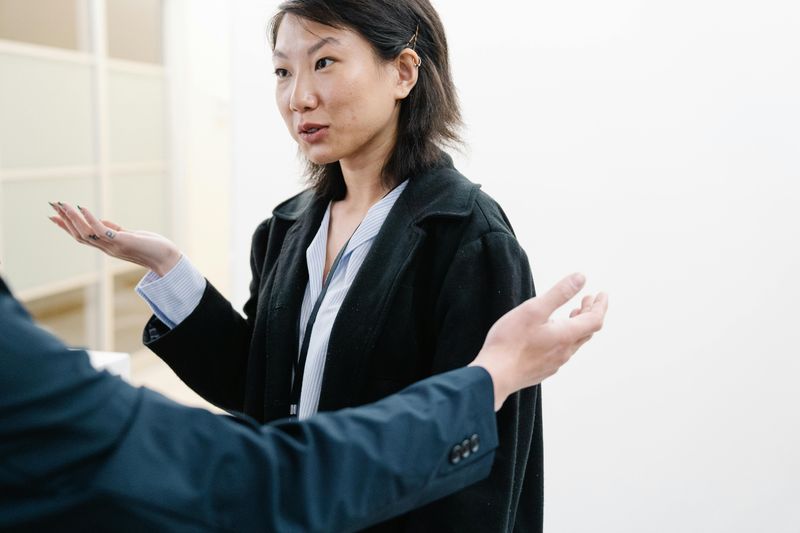
“I can’t make it because my daughter has a recital and my boss changed my schedule and honestly I’ve just been so overwhelmed…” Sound familiar?
Many women feel the need to build a full legal case just to justify saying no to something.
As if a boundary without a good enough reason doesn’t count.
Here’s the shift women in their 40s are making: “No” is a complete sentence.
You don’t owe anyone a detailed explanation for your choices.
Offering context is kind, but justifying every decision to earn someone’s acceptance is exhausting.
A firm, calm boundary doesn’t need a disclaimer.
Confidence is the only accessory it needs.
6. Shrinking to Make Others Comfortable

Ever catch yourself saying “Oh, it was nothing” after doing something genuinely impressive?
Or laughing off your own intelligence so someone else didn’t feel intimidated?
Shrinking — dimming your light so others don’t feel outshone — is a habit many women learned early and carried far too long.
Women in their 40s are done making themselves smaller to manage other people’s insecurities.
Owning your accomplishments isn’t arrogance.
Sharing your ideas fully isn’t showing off.
Ambition doesn’t need an apology.
When you stop shrinking, you give other women around you permission to stand tall too.
That ripple effect is one of the most quietly powerful gifts you can offer the world.
7. Tolerating One-Sided Relationships

You always reach out first.
You show up for every crisis, every celebration, every hard moment.
But when things get tough on your end, the phone stays quiet.
One-sided relationships are one of the most quietly draining experiences a person can have, and many women have stayed in them far too long out of loyalty or guilt.
Reciprocity matters.
Friendship and partnership should feel like a two-way exchange, not a transaction where one person keeps giving and the other keeps taking.
Women in their 40s are learning to evaluate relationships by how they feel afterward — energized or emptied?
Letting go of unbalanced connections isn’t cold.
It’s self-aware and long overdue.
8. Absorbing Other People’s Emotions as Their Own

Someone walks into the room in a bad mood, and suddenly you’re rearranging your entire energy to fix it.
Their stress becomes your stress.
Their disappointment lands on your shoulders.
For emotionally attuned women, absorbing the feelings of everyone around them can feel almost automatic — and completely exhausting.
Taking responsibility for other people’s emotional states isn’t empathy; it’s overreach.
Women in their 40s are learning to offer support without carrying the full emotional weight of everyone else’s experience.
You can care deeply without drowning alongside someone.
Holding your own emotional ground while being compassionate is a skill, and it’s one of the most freeing things to practice.
9. Chasing Approval Before Making Decisions

What will people think?
Will they approve?
Will they understand?
For a long time, these questions shaped major life choices — careers, relationships, hobbies, even personal style.
Chasing approval is an exhausting loop that keeps you stuck performing a version of yourself built for other people’s comfort.
Women in their 40s are getting better at asking a different question: What do I actually want?
Making decisions from that place — rather than from fear of judgment — feels radically different.
Not everyone will cheer you on, and that’s okay.
The right choices often come with a little resistance from the outside and a deep sense of rightness from within.
Trust that more.
10. Expecting Others to Notice Instead of Asking Clearly
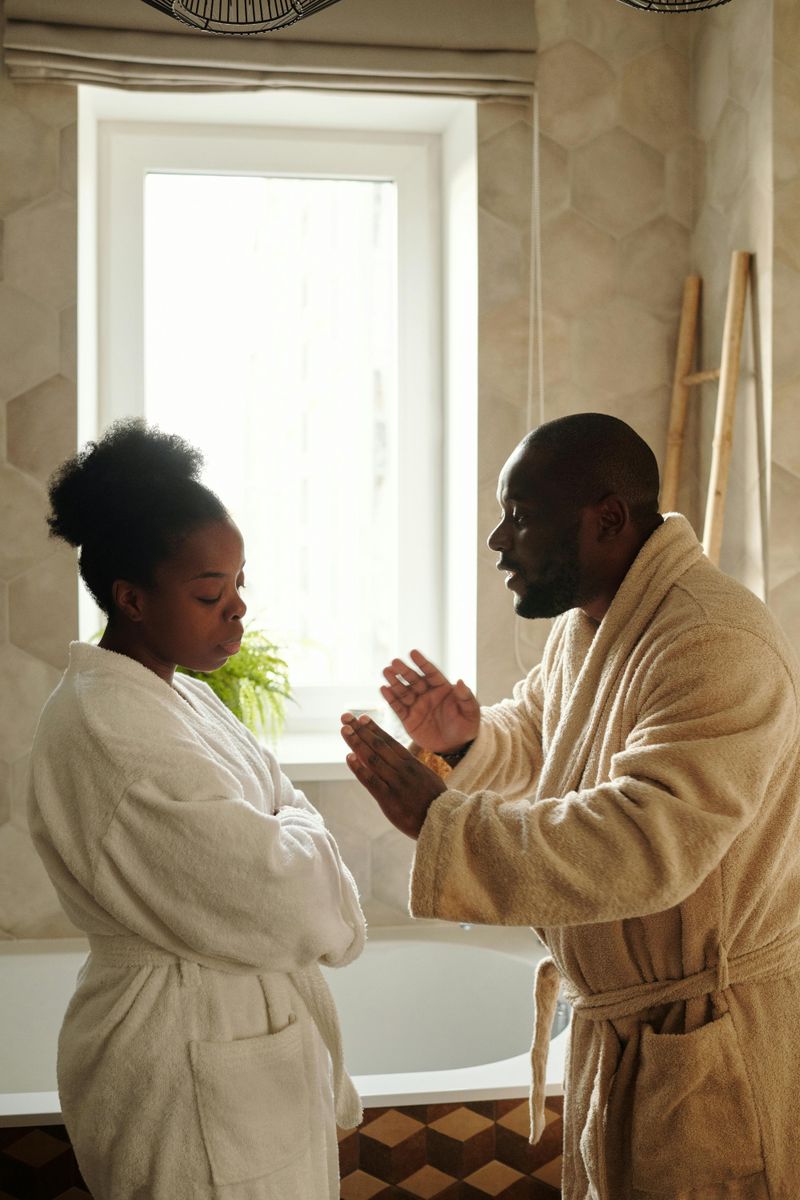
“If they really cared, they’d just know.” It’s a thought many women have had, and it makes sense emotionally — but it rarely works in real life.
Expecting people to read your mind and then feeling hurt when they don’t is a cycle that leaves everyone frustrated and disconnected.
Asking clearly for what you need isn’t weakness.
It’s actually one of the most mature and effective communication tools available.
Women in their 40s are learning to say “I need help with this” or “I’d love it if you did that” without guilt or hesitation.
Clear communication builds real intimacy.
Hoping someone guesses correctly just builds quiet resentment over time.
11. Staying in Situations They’ve Outgrown

Some things fit perfectly once — a job, a role, a routine, a relationship dynamic — and then slowly, quietly, they stop fitting at all.
But leaving felt complicated.
There were obligations, expectations, and the fear of what people might say about someone who walked away from something stable.
Women in their 40s are recognizing that staying out of obligation is not the same as staying out of love or purpose.
Growth sometimes means outgrowing things that once made sense.
Leaving a situation that no longer fits isn’t failure — it’s wisdom in action.
Making space for what’s next is one of the bravest, most self-honoring things a woman can choose to do.