 MomSkoop
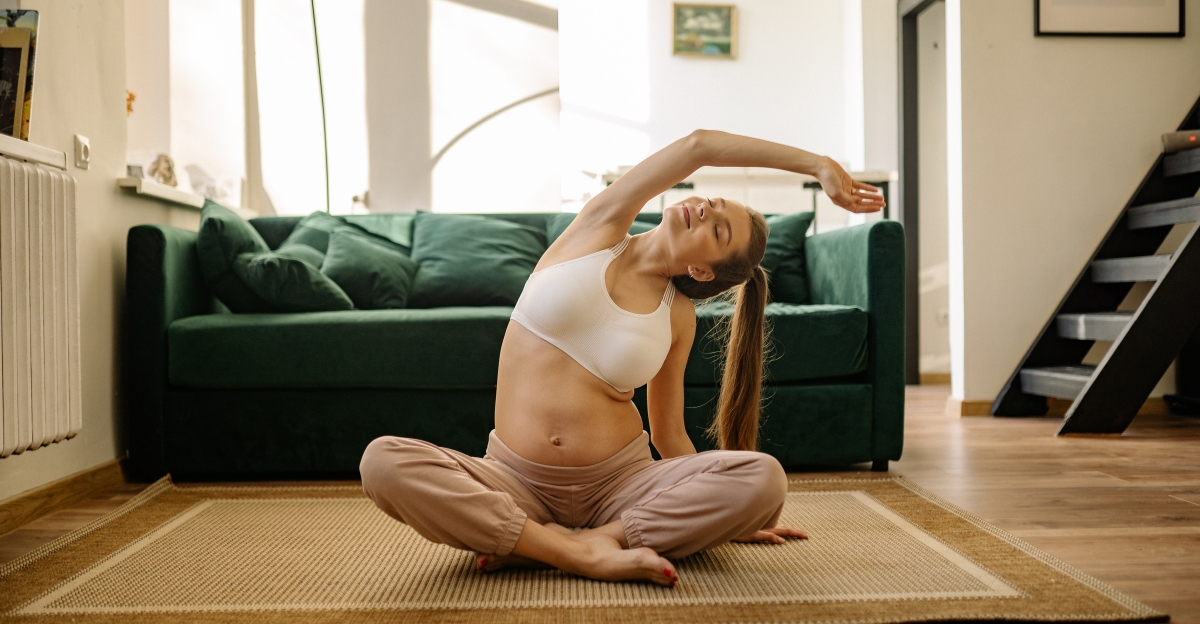
Life moves fast, and sometimes it feels like there is no time left to just breathe.
But here is the good news: you do not need a full hour or a fancy spa day to feel better.
Even a few focused minutes can reset your mood, calm your nerves, and help you face the rest of your day with a clearer head.
These ten simple stress relievers each take ten minutes or less, and any one of them could be exactly what you need right now.
1. Deep Breathing Exercises

Your breath is one of the most powerful tools you already own.
Slow, deep diaphragmatic breathing tells your nervous system to calm down, lowering your heart rate and easing tension almost instantly.
It costs nothing and works anywhere.
Try breathing in slowly for four counts, holding for four, then exhaling for four.
Repeat this cycle five to eight times.
You will likely feel a noticeable shift in how your body feels within just a couple of minutes.
Diaphragmatic breathing has been used for centuries in meditation and healing traditions worldwide.
Even modern science confirms it reduces cortisol, the body’s main stress hormone.
2. A Quick Walk or Light Movement
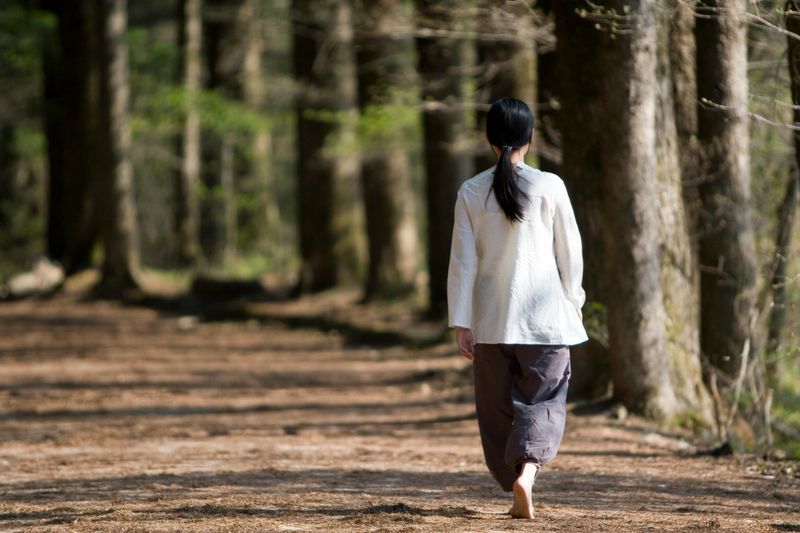
Sometimes your body just needs to move.
Getting up and walking, even just around the block or down the hallway, shakes loose the tension that builds up when you sit still for too long.
Movement signals your brain to release feel-good chemicals called endorphins.
You do not need running shoes or a gym membership.
A brisk ten-minute walk, a few jumping jacks, or even a quick kitchen dance session all count.
The goal is simply to get your blood flowing.
Research shows that even short bursts of physical activity can meaningfully reduce anxiety and improve your overall mood for hours afterward.
3. Meditation or Mindfulness Practice
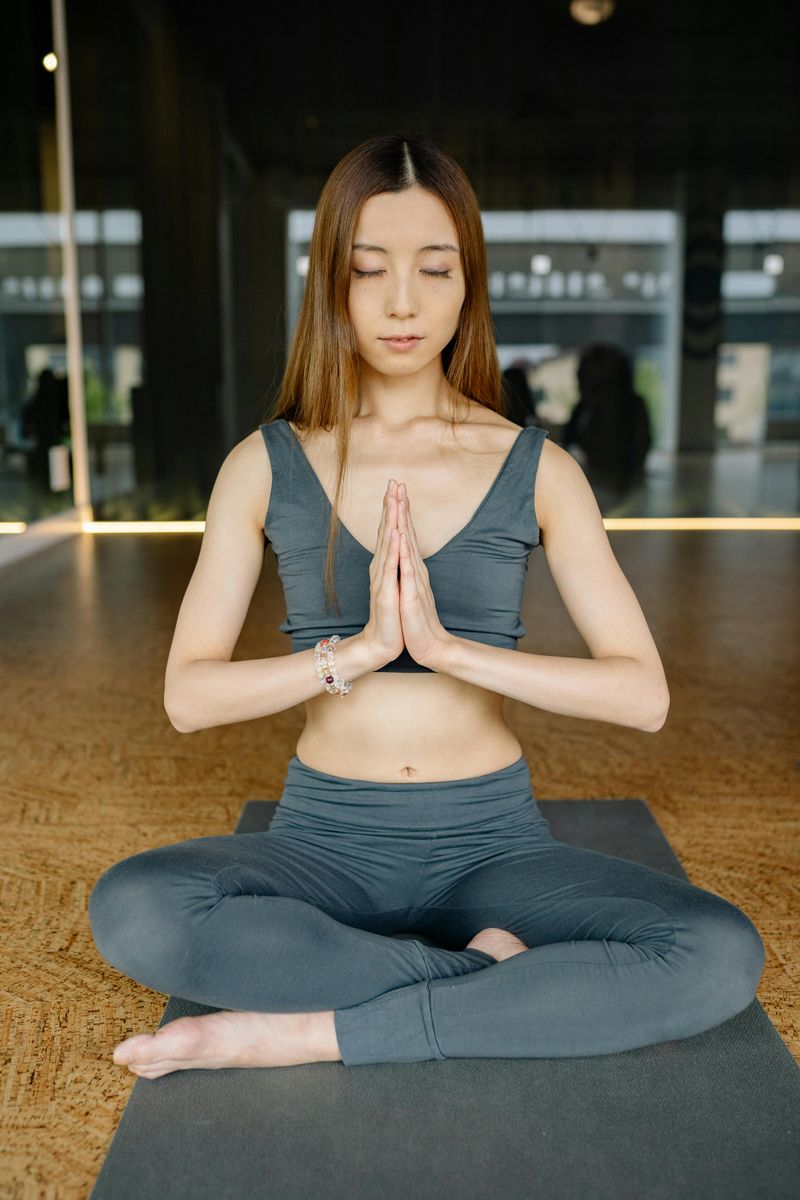
Mindfulness is not about emptying your mind completely.
It is about noticing what is happening right now without judging it.
Even five minutes of sitting quietly and focusing on your breath can create a surprising sense of calm.
Start by finding a comfortable seat, closing your eyes, and simply paying attention to each inhale and exhale.
When your mind wanders, and it will, gently bring your focus back.
That act of returning your attention is actually the practice itself.
Apps like Headspace or Calm offer free guided sessions under ten minutes, making it easy for total beginners to get started without any experience at all.
4. Connect with Nature

There is something almost magical about stepping outside and paying real attention to the world around you.
The sound of wind through trees, the warmth of sunlight on your skin, or even the sight of birds passing overhead can pull your mind away from whatever was stressing you out.
Research actually backs this up.
Studies show that spending even a few minutes in or near nature lowers blood pressure and reduces feelings of anxiety.
You do not need a hiking trail or a national park to benefit.
A short mindful walk around your yard, a park bench sit, or even watching a nature video indoors can deliver a noticeable calming effect.
5. Progressive Muscle Relaxation

Did you know your muscles hold onto stress even when you are not aware of it?
Progressive muscle relaxation, or PMR, is a technique where you deliberately tense each muscle group for a few seconds and then release it.
The contrast between tension and release teaches your body what true relaxation actually feels like.
Start with your feet, squeeze tightly for five seconds, then let go completely.
Work your way up through your legs, stomach, hands, arms, shoulders, and face.
A full body round takes about ten minutes and leaves most people feeling noticeably looser, calmer, and more in control of how their body feels.
6. Guided Imagery and Visualization
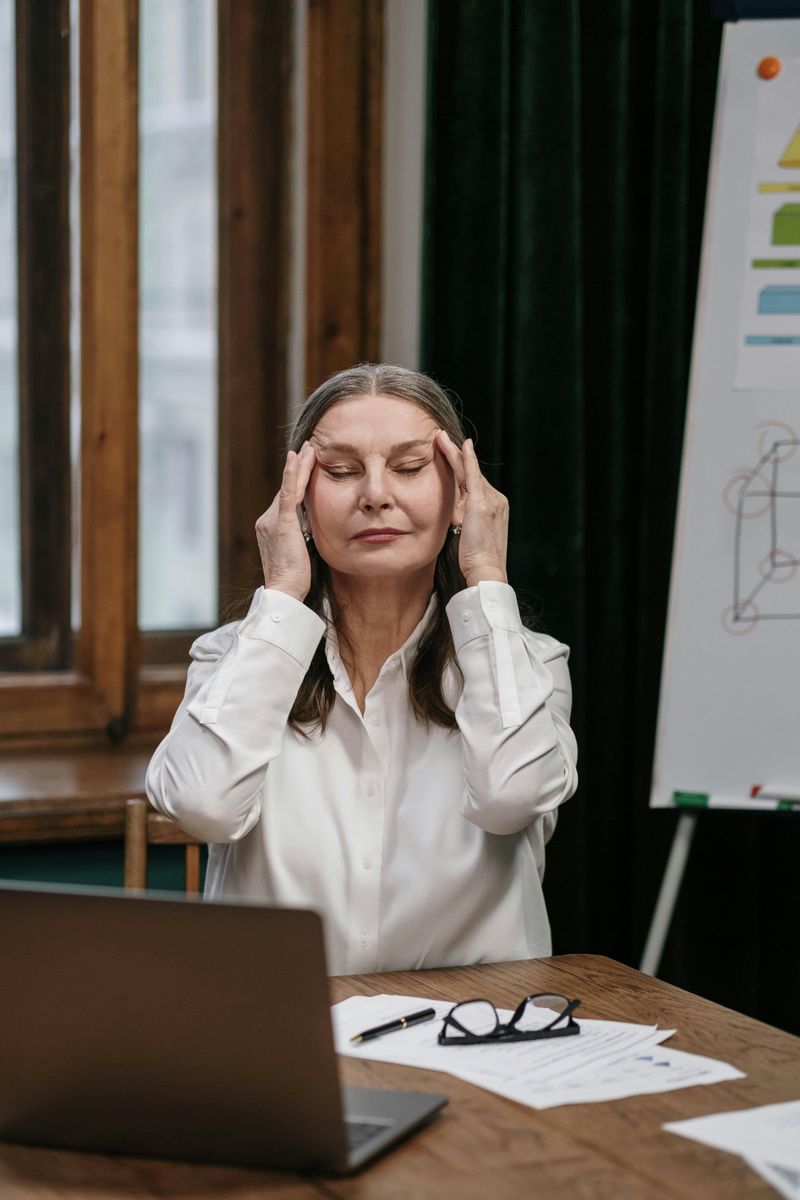
Close your eyes and picture the most peaceful place you can imagine.
Maybe it is a quiet beach at sunrise, a cabin surrounded by pine trees, or a sunlit garden full of flowers.
Guided imagery uses the power of your imagination to give your nervous system a genuine break from stress.
Your brain responds to vivid mental images almost as if they were real experiences.
That means picturing calm can actually create calm in your body.
Follow along with a free guided visualization audio online, or simply build the scene yourself in your mind.
Even seven or eight minutes of this practice can lower your heart rate and shift your entire mental state.
7. Gratitude Journaling

Stress has a way of making everything feel heavy and wrong.
Gratitude journaling works by deliberately shifting your focus toward what is actually going well, even when life feels messy.
It sounds simple, but the effect on your mood can be genuinely powerful.
Grab any notebook and write down three things you are grateful for today.
They do not have to be big.
A warm cup of tea, a funny text from a friend, or a moment of quiet all count.
The act of writing, not just thinking, makes the shift feel more real.
Studies show that regular gratitude practice rewires the brain over time to notice positives more naturally and automatically.
8. Mindful Stretching or Gentle Yoga
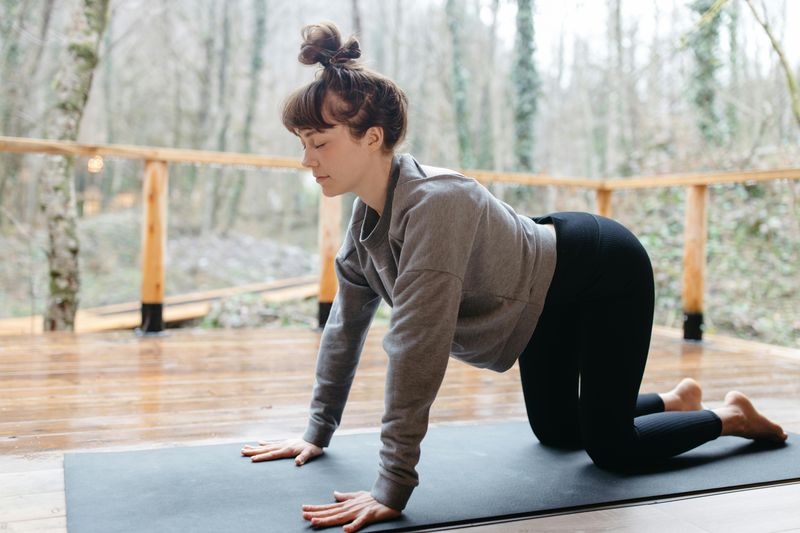
Stretching is not just for athletes.
When stress builds up, your muscles tighten, especially around your neck, shoulders, and lower back.
Gentle stretching or a short yoga flow helps release that physical tension while also calming your thoughts at the same time.
The key is to move slowly and breathe intentionally with each stretch.
Pay attention to how your body feels rather than how far you can reach.
This mind-body connection is what separates mindful stretching from just going through the motions.
A quick ten-minute beginner yoga video on YouTube can walk you through the whole thing, no experience or special equipment needed whatsoever.
9. Brief Social Connection

Humans are wired for connection, and even a short conversation with someone you trust can dramatically shift how stressed you feel.
Sending a quick voice note, texting a funny meme, or calling a friend for just five minutes can remind you that you are not carrying things alone.
You do not need a deep emotional conversation to feel the benefit.
Sometimes just hearing a familiar voice or sharing a laugh is enough to interrupt the stress spiral and bring you back to the present moment.
Studies on social support consistently show that people with strong connections recover from stressful events faster and report higher overall wellbeing than those who stay isolated.
10. Mindful Self-Reflection and Reframing

Stress often grows bigger when we accept our first, most panicked interpretation of a situation without questioning it.
Mindful self-reflection invites you to pause and ask: is this thought actually true, or is my stressed brain exaggerating things right now?
Try writing down the stressful thought, then writing a calmer, more balanced version of it.
For example, swap “everything is falling apart” for “this is hard right now, but I have handled hard things before.” That small shift matters more than it sounds.
Cognitive reframing, as therapists call it, is one of the most well-researched tools in psychology for reducing anxiety and building long-term emotional resilience.