 MomSkoop

Your morning routine can make or break your weight loss goals.
What you do in those first few hours after waking up sets the tone for your entire day, affecting everything from your energy levels to how hungry you feel later.
These ten simple habits take just minutes but can seriously boost your metabolism and help you make better food choices all day long.
1. Drink a Glass of Water Before Anything Else

Your body loses water overnight through breathing and sweating, which means you wake up naturally dehydrated.
Drinking water first thing kicks your metabolism into gear and helps your body start burning calories right away.
This simple habit also fills your stomach a bit, which can stop you from eating too much at breakfast or grabbing unhealthy snacks.
Some people feel hungry when they’re actually just thirsty, so water helps you tell the difference.
Adding lemon makes it taste better if plain water feels boring, though it won’t magically detox you like some people claim.
The real benefit is just getting hydrated early.
2. Get Morning Sunlight Within 30 Minutes

Stepping outside for just five to ten minutes after you wake up does something amazing to your internal clock.
Natural light tells your brain it’s daytime, which helps regulate hormones that control when you feel hungry and when you feel full.
Better sleep comes from this too, because your circadian rhythm stays on track.
When you sleep well, your body manages weight more effectively since poor sleep messes with hunger signals.
You don’t need a long walk or special equipment.
Stand on your porch, sit by a sunny window, or take your coffee outside for a few minutes.
3. Eat a Protein-Rich Breakfast (If You Eat Breakfast)

Protein keeps you feeling satisfied way longer than toast or cereal alone.
Aiming for twenty to thirty grams at breakfast means you’ll have fewer cravings when lunchtime rolls around, and you won’t be tempted by vending machines mid-morning.
Greek yogurt, eggs, cottage cheese, protein smoothies, or tofu scrambles all work great.
Your muscles also need protein to stay strong, especially if you’re trying to lose weight without losing muscle mass.
Not everyone feels hungry right away in the morning, and that’s totally fine.
If you skip breakfast naturally, don’t force it just because of this tip.
4. Include Fiber Early in the Day
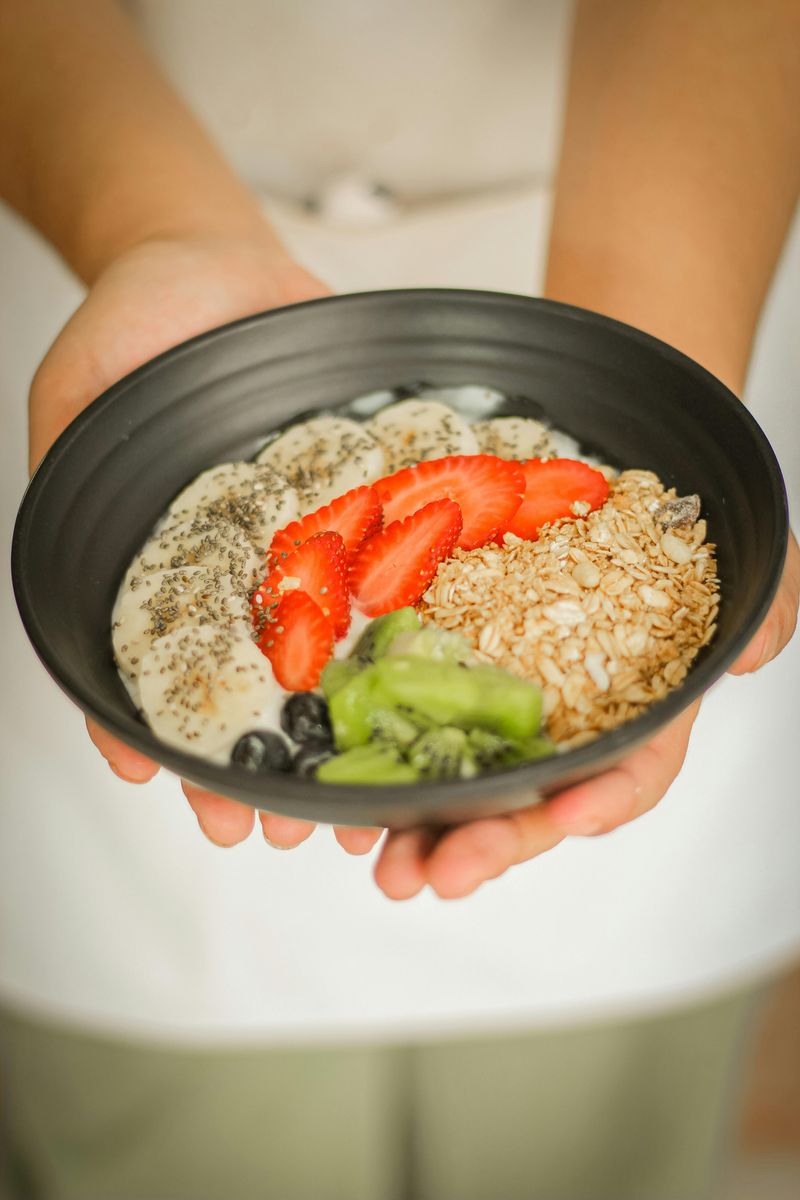
Pairing protein with fiber creates the ultimate combination for steady energy.
Berries, chia seeds, oats, whole grain toast, or vegetables slow down how quickly sugar enters your bloodstream, preventing those annoying energy crashes.
When your blood sugar stays stable, you make better decisions about food throughout the day.
You’re less likely to grab candy or chips when you hit that afternoon slump.
Fiber also feeds the good bacteria in your gut, which scientists now know plays a bigger role in weight management than we used to think.
Plus, it keeps your digestive system running smoothly.
5. Avoid Starting the Day with Added Sugar

Grabbing a sweetened coffee drink or pastry might taste amazing, but it sets you up for a rough day.
Your blood sugar shoots up fast, then crashes hard about an hour later, leaving you tired and craving more sugar.
This cycle makes it really tough to stick with healthy eating because you’re constantly fighting cravings.
Your brain gets confused about what real hunger feels like versus what’s just a sugar withdrawal.
If you really love your morning treat, pair it with protein instead of having it alone.
That egg sandwich with your latte works way better than the latte and muffin combo.
6. Move Your Body — Even Briefly

Even five minutes of movement makes a difference.
A quick walk around the block, some stretching on your bedroom floor, or a few jumping jacks gets your blood flowing and improves how your body handles sugar throughout the day.
This boost in insulin sensitivity means your cells use energy more efficiently instead of storing it as fat.
You’ll also burn more calories overall, even if the workout itself isn’t intense.
The key is consistency, not perfection.
Dancing while you make coffee counts.
Taking the stairs instead of the elevator counts.
Movement doesn’t have to mean a full gym session.
7. Plan What You’ll Eat Later

Spending just two or three minutes thinking about your meals prevents those moments when you’re starving and grab whatever’s closest.
When you’re already hungry, your brain picks high-calorie foods because it thinks you need quick energy.
Planning ahead means you can pack snacks, defrost something healthy for dinner, or mentally prepare for eating out.
You’re way more likely to stick with your goals when you’re not making decisions under pressure.
This doesn’t mean you need fancy meal prep containers or complicated recipes.
Even a simple mental checklist like “salad for lunch, chicken for dinner” helps tremendously when life gets hectic.
8. Step on the Scale Strategically (If You Use One)

Weighing yourself right after you wake up and use the bathroom gives you the most consistent numbers.
Your weight fluctuates several pounds throughout the day based on food, water, and other factors, so morning measurements are most reliable.
What matters is the overall trend over weeks, not what happens day to day.
You might see the number go up after a salty dinner or intense workout, but that’s just water retention, not actual fat gain.
Some people find daily weigh-ins helpful for staying accountable, while others feel stressed by them.
Choose what works for your mental health, because stress actually makes weight loss harder.
9. Pause Before Caffeine

Coffee on a completely empty stomach can make some people feel jittery and anxious.
It also triggers cortisol release, which is your stress hormone, and too much cortisol can actually increase cravings for sugary and fatty foods.
If you notice you get shaky or extra hungry after morning coffee, try drinking water and eating something small first.
Even waiting thirty minutes can make a big difference in how you feel.
This tip isn’t for everyone though.
Some people handle caffeine perfectly fine on an empty stomach and it doesn’t affect their appetite at all.
Pay attention to your own body’s signals.
10. Start the Day With a Clear Intention

Taking thirty seconds to set a simple intention can change how you approach food all day.
Something like “Today I’ll eat to feel energized and satisfied” gives your brain a helpful framework for making choices.
Emotional eating often happens when we’re on autopilot, not really thinking about why we’re reaching for food.
A quick morning reset helps you pause and ask yourself if you’re actually hungry or just stressed, bored, or tired.
This isn’t about being perfect or restrictive.
It’s about being more aware and kind to yourself, which makes healthy choices feel easier instead of like a constant battle against your own brain.