 MomSkoop
Shopping for your home should be exciting, but some purchases end up causing more headaches than happiness. Designers see the same costly mistakes over and over again, from furniture that crowds a room to curtains that drag down an entire space.
Knowing what to avoid before you buy can save you serious money and a lot of regret. Here are the top home-buying blunders that interior designers wish everyone would stop making.
1. Buying Oversized Furniture
Ever walked into a room and felt like the sofa was eating the space alive?
Oversized furniture is one of the most common mistakes homeowners make, and it’s surprisingly easy to do.
A sectional that looks sleek in a showroom can turn your living room into an obstacle course.
Scale and proportion matter far more than the idea that bigger equals better.
Before buying, measure your room carefully and tape out the furniture footprint on the floor.
Designers suggest leaving at least 18 inches of walking space between pieces.
A well-proportioned room always feels larger, more comfortable, and more inviting than one stuffed with oversized pieces.
2. Choosing Trend-Driven Pieces
Remember shag carpeting and avocado-green appliances?
Every decade has its design darlings, and almost every decade eventually cringes at them.
Chasing ultra-trendy colors, shapes, or finishes can make your home look dated faster than you might expect.
Designers consistently recommend anchoring your space with timeless, classic pieces — think neutral sofas, solid wood tables, and clean-lined storage.
Then layer in trends through smaller, affordable accents like throw pillows, vases, or artwork.
These are easy to swap out when tastes shift.
Spending big money on a trendy statement sofa in a very specific color is a gamble that rarely pays off long-term.
3. Poor-Quality Fast Furniture
Flat-pack furniture has its place, but when every single piece in your home comes from the bargain bin, things start falling apart — literally.
Low-cost pieces made from particleboard or thin veneers often warp, chip, or loosen within just a few years of regular use.
Designers advocate strongly for buying fewer, better-quality items rather than filling a room quickly with pieces that won’t last.
A solid wood dresser or a well-constructed sofa might cost more upfront, but it will outlast five cheap replacements.
Think of quality furniture as an investment, not just a purchase.
Your future self will absolutely thank you for making the smarter choice.
4. Matching Furniture Sets
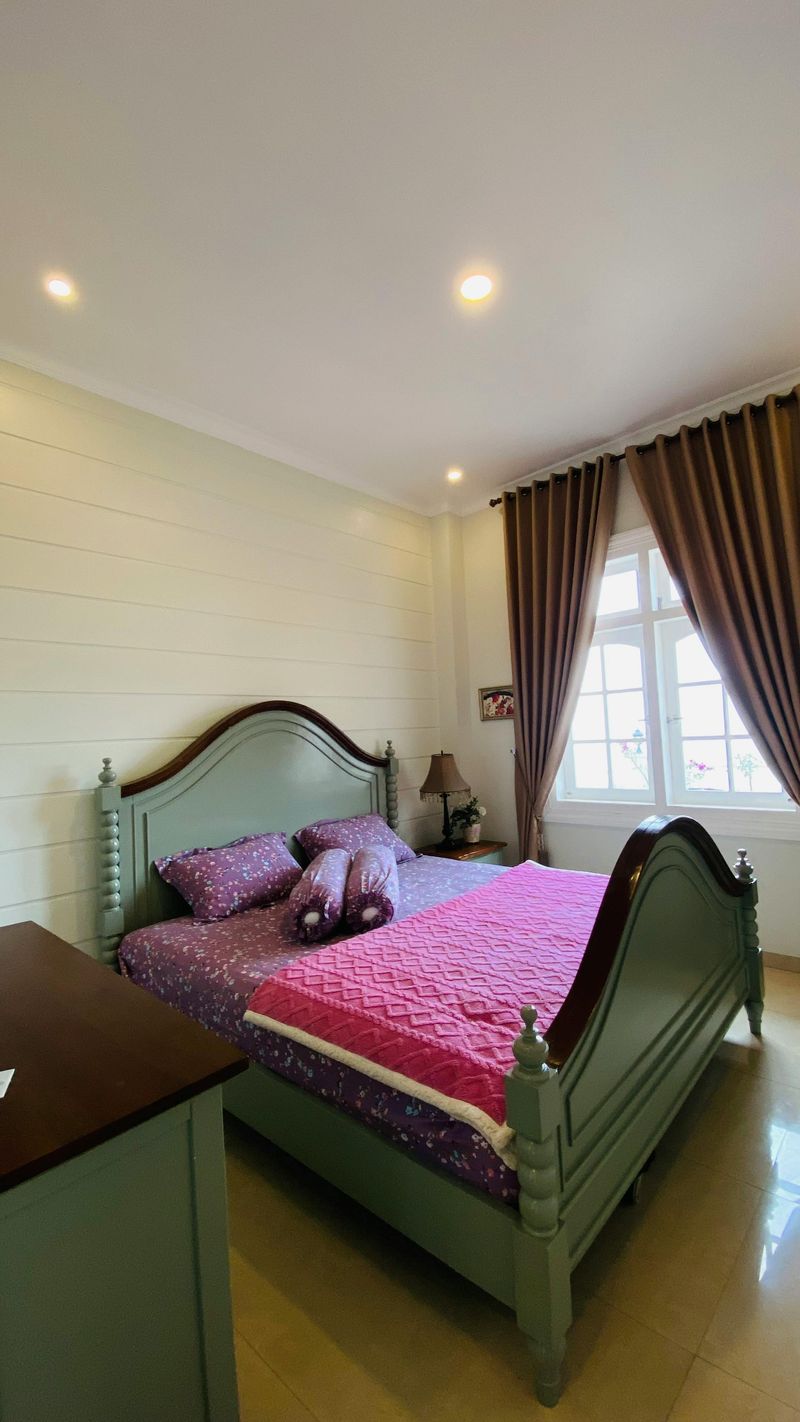
Walking into a furniture showroom and buying the entire display — nightstands, dresser, bed frame, and all — feels efficient, but it creates a look that designers describe as flat and lifeless.
Matching sets scream “catalog page” rather than “curated home.”
Real character comes from mixing materials, textures, and time periods.
Pair a vintage wooden dresser with a sleek modern bed frame, or mix metal and wood accents throughout a room.
This collected, layered approach gives a space depth and personality that no matching set can replicate.
Start with one anchor piece you love, then build around it thoughtfully.
The result will feel far more authentic and visually interesting.
5. Ignoring Lighting Layers
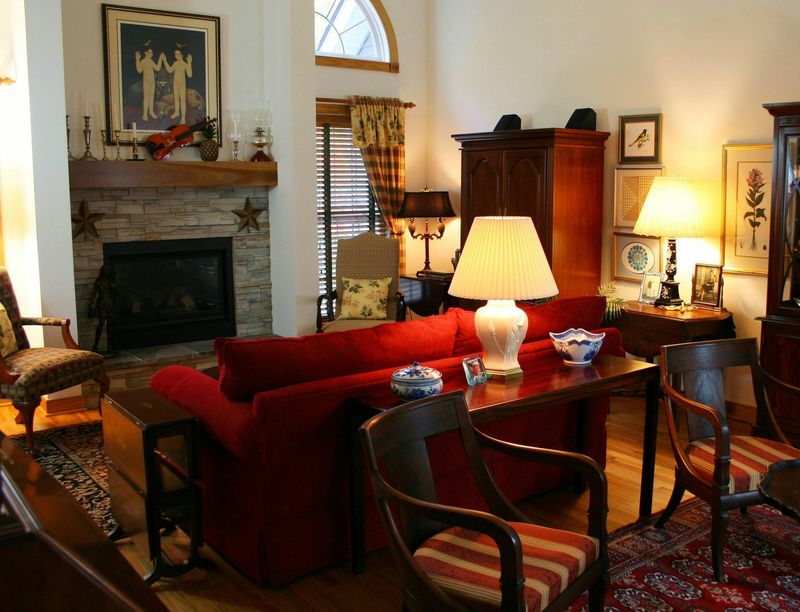
Flip on one overhead light and suddenly your cozy living room feels like a doctor’s waiting area.
Relying solely on a single ceiling fixture is one of the most widespread — and easily fixable — design mistakes out there.
Great lighting works in layers.
Ambient lighting sets the overall mood, task lighting helps you read or cook, and accent lighting highlights artwork or architectural features.
Together, these three layers make a room feel warm, functional, and professionally designed.
Floor lamps, table lamps, and wall sconces are affordable tools that completely transform a space.
Designers say lighting is the single most underestimated element in home design, yet it makes the biggest difference.
6. Choosing the Wrong Rug Size
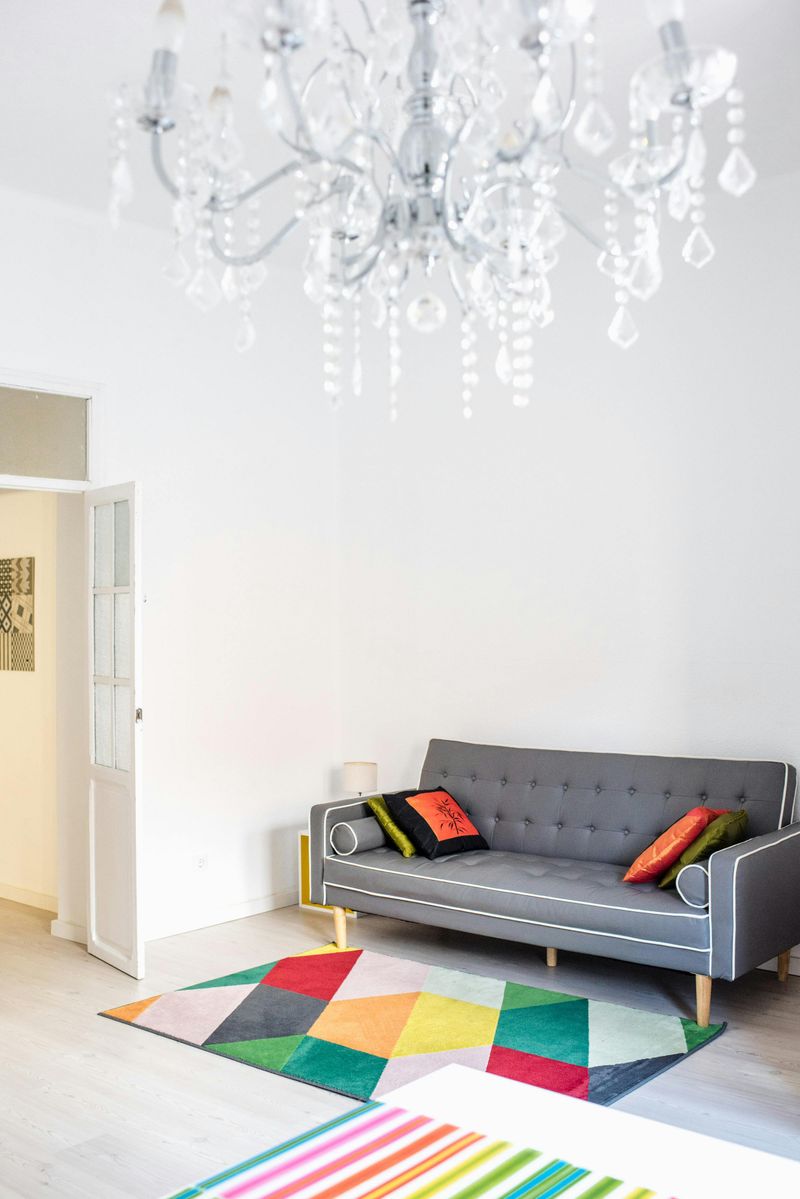
A rug that’s too small for a room is like wearing shoes two sizes too small — it just looks and feels off.
Yet undersized rugs are everywhere, and they visually shrink even generously sized rooms in the most unflattering way.
Designers have a simple rule: the rug should be large enough for all key furniture legs to rest on it, or at the very least, the front legs of every major seating piece.
In a dining room, the rug should extend at least 24 inches beyond the table on all sides.
Going bigger than you think you need is almost always the right call.
A properly sized rug anchors the entire room and ties everything together beautifully.
7. Prioritizing Aesthetics Over Function
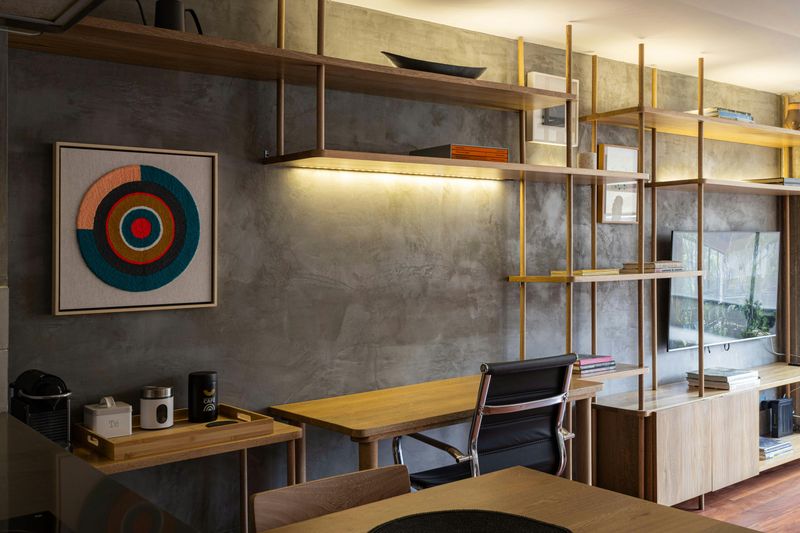
Open shelving looks gorgeous in magazine photos, but real life involves dust, clutter, and the occasional knocked-over glass.
Choosing home elements purely for looks — without thinking about how you actually live — is a recipe for daily frustration.
Impractical fabrics like white linen in a pet-friendly home, or delicate marble surfaces in a busy kitchen, tend to cause major regret.
Designers encourage clients to be honest about their lifestyle before making big purchases.
A beautiful piece that you’re afraid to use isn’t serving you well.
Function and style don’t have to compete — the best design choices manage to deliver both without forcing you to choose one over the other.
8. Overlooking Paint Undertones
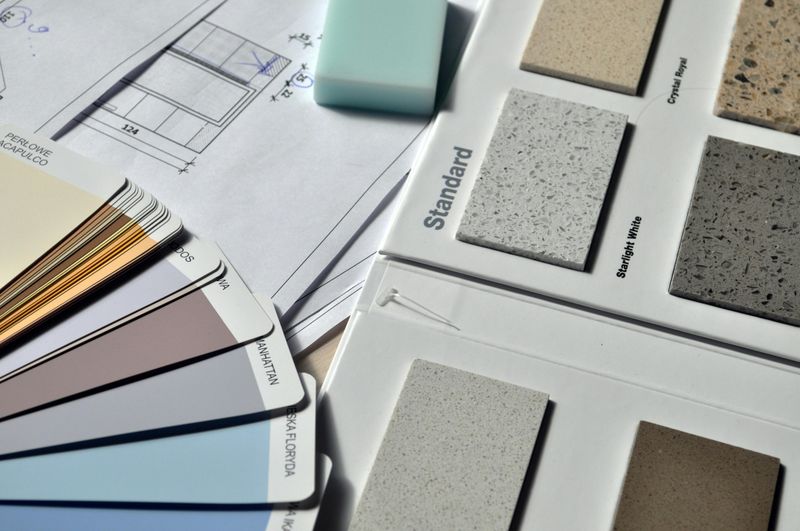
You picked the perfect gray from a tiny swatch, painted an entire room, and suddenly the walls look inexplicably purple.
Sound familiar?
Paint undertones are sneaky, and they trip up even experienced homeowners every single time.
Every paint color carries an underlying hue — warm, cool, or neutral — that interacts with your flooring, cabinetry, and lighting in unexpected ways.
Natural daylight, incandescent bulbs, and LED lighting all reveal different sides of the same color.
Designers always recommend painting large test swatches — at least 12 by 12 inches — and observing them at different times of day before committing.
That extra step can save you from an expensive and exhausting repaint job down the road.
9. Installing Highly Specific Built-Ins
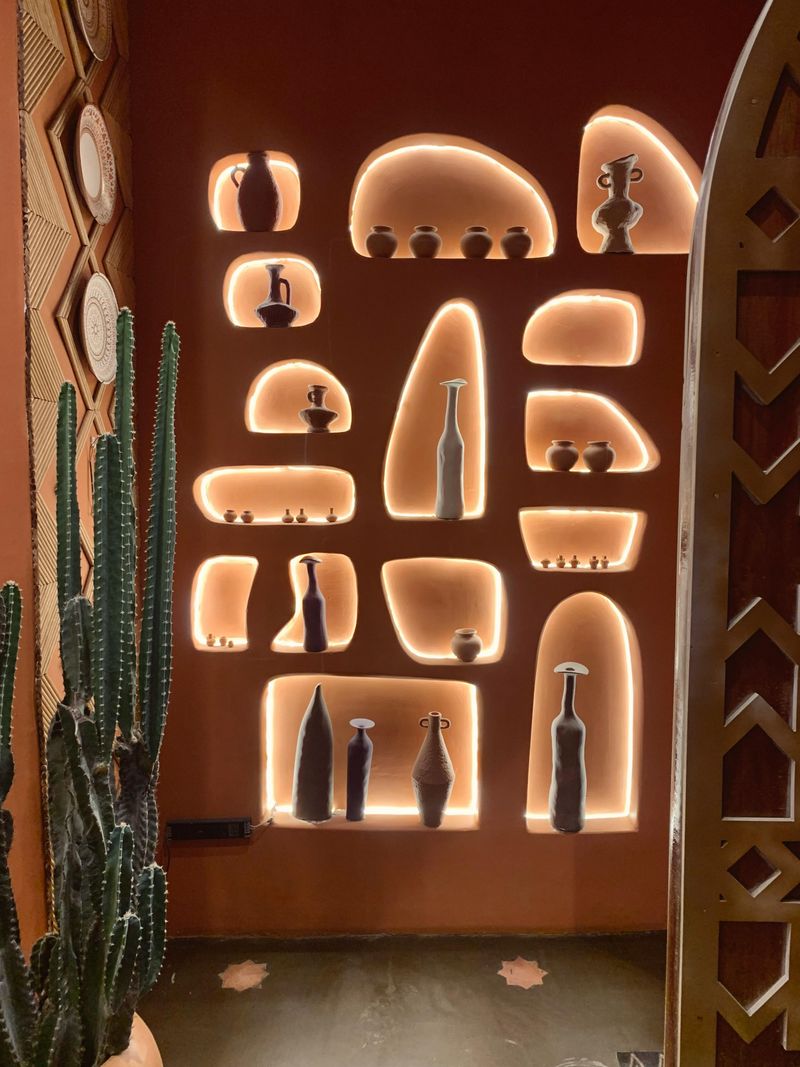
Built-ins feel like the ultimate home upgrade — permanent, polished, and purposeful.
But when they’re designed around extremely niche personal needs, they can actually hurt your home’s resale value rather than help it.
A floor-to-ceiling vinyl record wall or a custom built-in aquarium might be your dream feature, but it could be a dealbreaker for future buyers.
Designers suggest finding a balance between personalization and broad appeal.
Classic built-in bookshelves, window seats with storage, or simple mudroom cubbies add value without alienating buyers.
The goal is to enhance the home’s bones without locking future owners into your very specific lifestyle.
Smart built-ins feel like a bonus, not a burden.
10. Skimping on Window Treatments
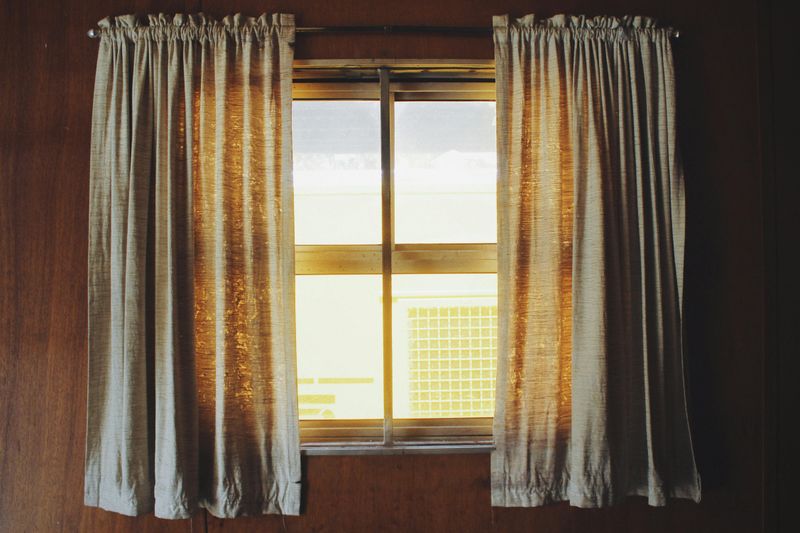
Curtains seem like a finishing touch, but they can make or break an entire room.
Cheap, poorly sized window treatments have a way of dragging down even the most beautifully decorated space in a matter of seconds.
Designers follow a few non-negotiable rules: hang curtain rods close to the ceiling, not just above the window frame, and let panels fall all the way to the floor.
This trick makes ceilings look taller and windows look grander.
Fabric quality matters too — thin, see-through panels rarely look intentional.
Investing in proper, full-length drapery is one of the highest-impact, relatively affordable upgrades you can make to instantly elevate any room in your home.