 MomSkoop

Your body uses inflammation to fight off infections and heal injuries, but when it sticks around too long, it can cause serious problems like joint pain, fatigue, and even heart disease.
The tricky part is that some foods we eat every single day can keep that inflammation going without us even realizing it.
Many of these culprits hide in plain sight on grocery store shelves and restaurant menus, quietly working against your health with every bite.
1. Added Sugar and Sugary Drinks

When you gulp down a soda or munch on candy, your blood sugar shoots up like a rocket.
This sudden spike tells your body something is wrong, triggering an inflammatory response that can damage your cells over time.
Desserts and sweetened drinks might taste amazing, but they’re basically liquid inflammation in disguise.
Your pancreas works overtime pumping out insulin, and all that extra sugar floating around your bloodstream causes chaos.
Cutting back doesn’t mean giving up sweetness forever.
Try swapping soda for sparkling water with fresh fruit, or reach for naturally sweet options like berries when you’re craving something sugary.
2. Refined Carbohydrates

White flour loses almost all its nutrients during processing, leaving behind basically pure starch that your body treats like sugar.
White bread, regular pasta, and most baked goods fall into this troublemaking category.
Your digestive system breaks down these refined carbs super quickly, causing the same blood sugar rollercoaster as candy.
Without fiber to slow things down, your body scrambles to deal with the glucose flood, creating inflammatory compounds in the process.
Switching to whole grain versions makes a huge difference because the fiber and nutrients stay intact.
Look for bread and pasta that list whole wheat or whole grain as the first ingredient on the package.
3. Processed Meats

Bacon might smell incredible in the morning, but processed meats pack a serious inflammatory punch.
Hot dogs, sausages, and deli meats contain preservatives like nitrates that scientists have linked to increased inflammation throughout your body.
These convenient proteins also tend to be loaded with salt and unhealthy fats that add fuel to the inflammatory fire.
Your immune system sees these chemical additives as potential threats and responds accordingly.
Fresh chicken, turkey, or fish offer protein without the inflammatory baggage.
If you absolutely love deli sandwiches, look for nitrate-free options or roast your own turkey breast at home for slicing.
4. Trans Fats and Hydrogenated Oils

Trans fats are basically Frankenstein fats created in laboratories to make food last longer on shelves.
Margarine, many packaged snacks, and commercial baked goods contain these artificial fats that your body doesn’t know how to handle properly.
Research shows trans fats crank up inflammation markers in your blood while simultaneously lowering your good cholesterol.
They’re so harmful that many countries have actually banned them from food production entirely.
Check ingredient lists for anything that says “partially hydrogenated oil” and put it back on the shelf.
Real butter in moderation or healthy oils like olive oil are much better choices for your body.
5. Ultra-Processed Foods

Walk down the middle aisles of any grocery store and you’ll find ultra-processed foods everywhere.
These ready-to-eat meals and snacks are engineered in factories with additives, sugars, and unhealthy fats designed to make you crave more.
Your body evolved eating whole foods, not chemistry experiments in shiny packages.
When you eat these heavily processed items, your immune system can react to all the unfamiliar ingredients, triggering inflammation as a defensive response.
The more steps between farm and fork, the worse it usually is for inflammation.
Stick to foods with short ingredient lists you can actually pronounce and recognize as real food.
6. Deep-Fried Foods

That crispy, golden coating on fried chicken comes at a cost your body pays later.
Deep-frying creates compounds called advanced glycation end products that directly promote inflammation in your tissues.
French fries, doughnuts, and anything dunked in hot oil soaks up unhealthy fats that throw your body’s inflammatory balance completely out of whack.
The high temperatures also change the molecular structure of the oils, making them even more harmful.
Baking, grilling, or air-frying can give you similar textures without the inflammatory aftermath.
When you do indulge in fried foods, consider it an occasional treat rather than a regular habit.
7. High-Fructose Corn Syrup Products
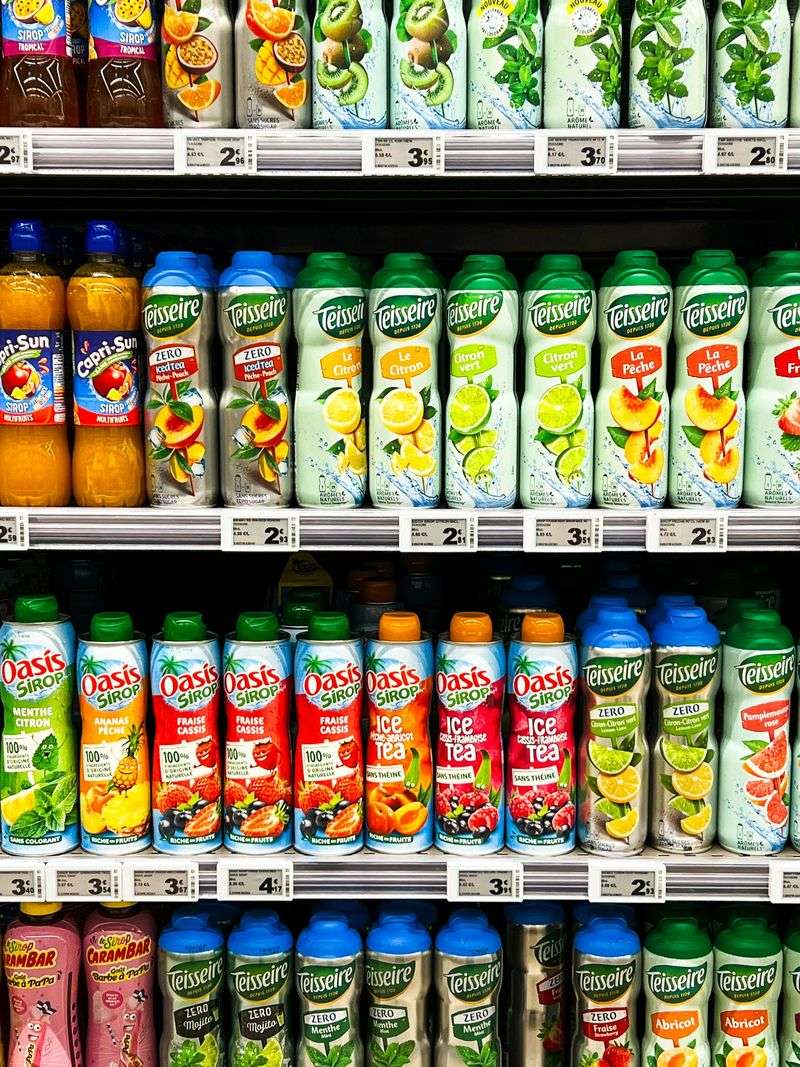
Food manufacturers love high-fructose corn syrup because it’s cheap and super sweet, but your liver definitely doesn’t love processing it.
This concentrated sweetener hides in soft drinks, flavored yogurts, and many breakfast cereals marketed as healthy.
Unlike regular sugar, high-fructose corn syrup gets processed almost entirely by your liver, which can trigger fat accumulation and inflammatory responses.
Your body handles this synthetic sweetener differently than natural sugars found in fruit.
Reading labels becomes crucial since this ingredient sneaks into unexpected places like bread, salad dressing, and ketchup.
Choose products sweetened with regular sugar or better yet, no added sweeteners at all.
8. High-Sodium Processed Snacks
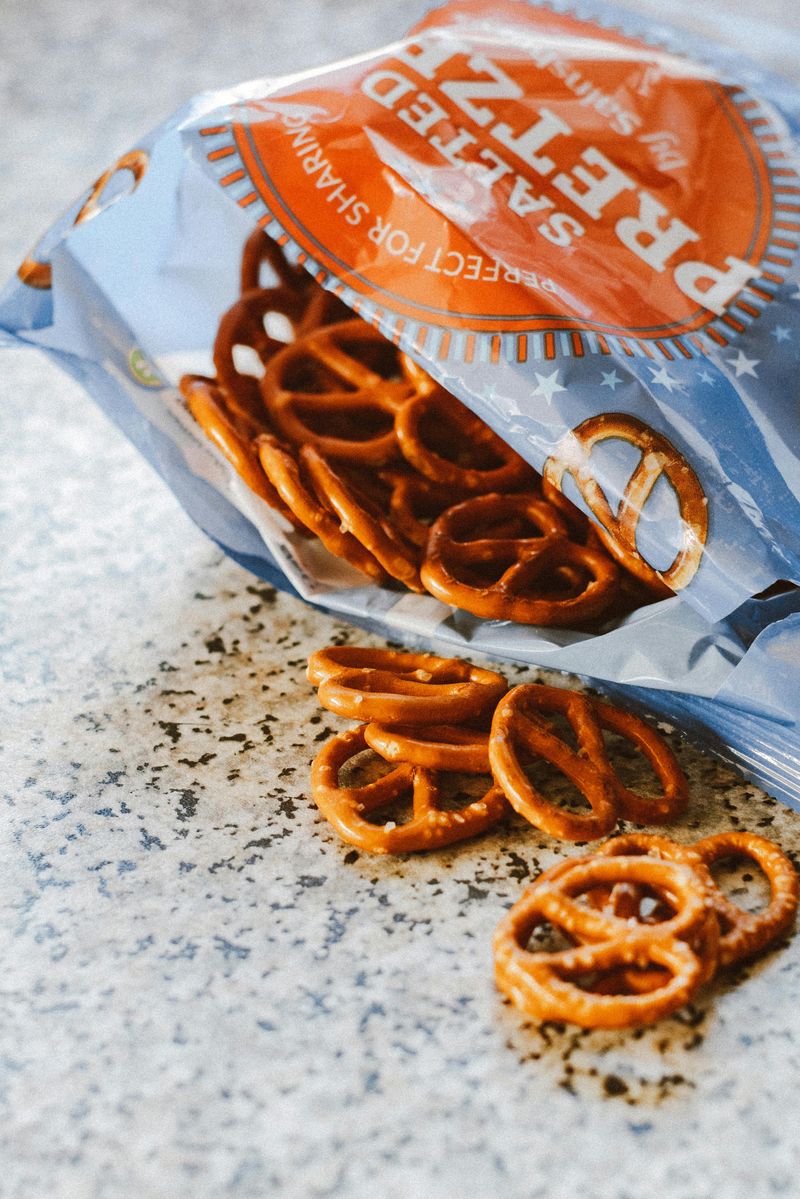
That satisfying crunch of pretzels and crackers comes with a hidden cost measured in sodium.
Packaged salty snacks contain way more salt than your body needs, which can stress your cardiovascular system and contribute to inflammatory processes.
Excess sodium makes your body retain water and puts pressure on your blood vessels, creating an environment where inflammation can thrive.
Many people eat three times the recommended daily sodium without even realizing it.
Unsalted nuts, fresh vegetables with hummus, or lightly salted popcorn you make yourself offer crunch without the inflammatory overload.
Your taste buds adjust surprisingly quickly when you cut back on salt.
9. Excessive Alcohol

An occasional drink probably won’t hurt, but chronic alcohol consumption is like pouring gasoline on your body’s inflammatory fires.
Your gut and liver take the biggest hits, developing inflammation that can spread throughout your entire system.
Alcohol damages the lining of your intestines, allowing bacteria and toxins to leak into your bloodstream where they definitely don’t belong.
Your liver works overtime trying to filter everything out, becoming inflamed in the process.
Moderation means different things for different people, but keeping it to a few drinks per week rather than daily is a good start.
Your body needs alcohol-free days to recover and reduce inflammation.
10. Artificial Sweeteners and Additives

Diet soda might have zero calories, but artificial sweeteners can mess with your gut bacteria in ways scientists are still figuring out.
These synthetic chemicals change the balance of microbes in your intestines, potentially triggering inflammatory responses.
Your gut microbiome plays a huge role in controlling inflammation throughout your body.
When artificial additives disrupt this delicate ecosystem, the effects ripple outward, affecting everything from your mood to your immune function.
Natural alternatives like stevia or monk fruit seem less problematic, but honestly, retraining your taste buds to enjoy less sweetness overall is the healthiest long-term strategy for reducing inflammation.