 MomSkoop
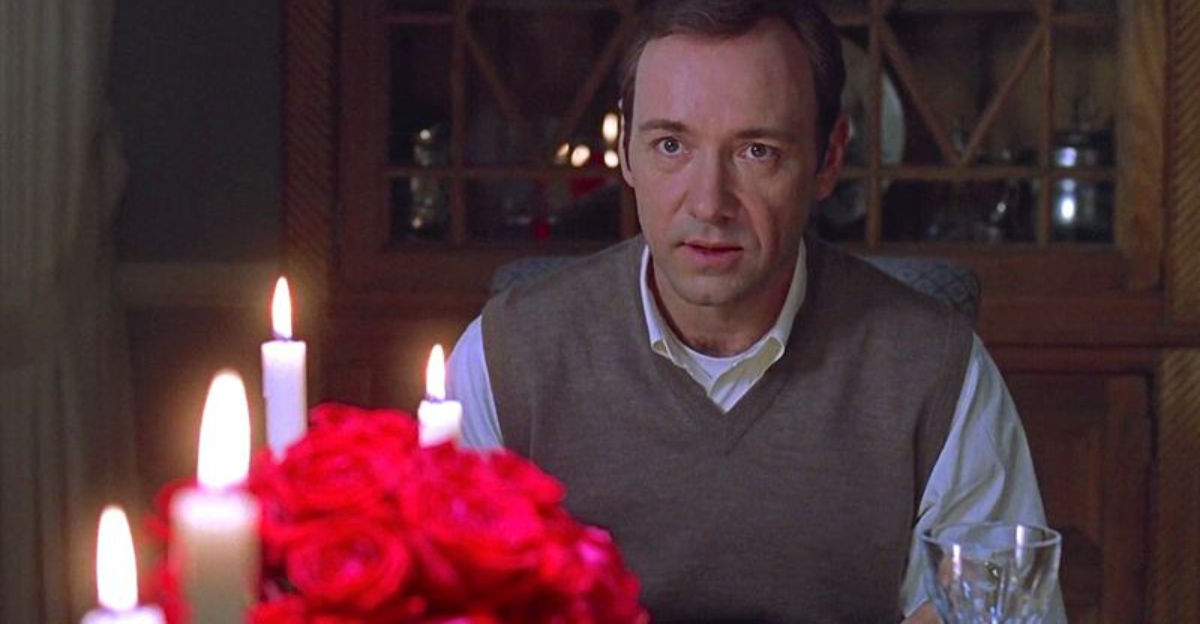
Some movies from the past were huge hits when they first came out, but looking back, it’s hard to imagine them getting made today. Hollywood has changed a lot, and so have the standards for what’s considered funny, acceptable, or respectful on screen.
Many beloved classics contain jokes, characters, and storylines that would spark serious backlash in 2026. Here’s a look at 14 movies that audiences once loved but would face major hurdles if someone tried to produce them now.
1. Blazing Saddles (1974)
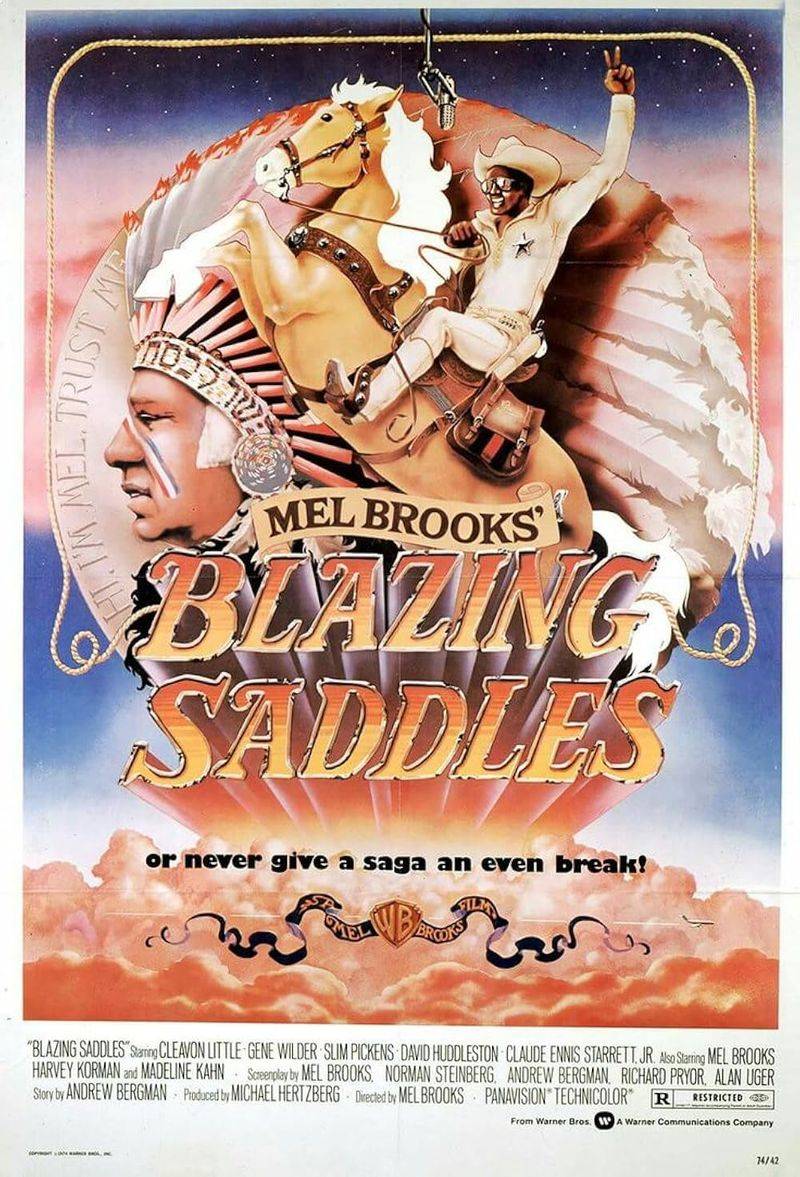
Few comedies in history have walked such a razor-thin line as Blazing Saddles.
Mel Brooks used racial slurs and exaggerated bigotry not to celebrate them, but to make racists look foolish.
The satire was sharp, brave, and ahead of its time.
Still, today’s audiences would likely struggle with the sheer volume of offensive language, regardless of the comedic intent behind it.
Studios would almost certainly refuse to greenlight the script as written.
Even Brooks himself has said a movie like this couldn’t survive the current climate.
The film remains a landmark, but its approach to tackling prejudice through shock comedy feels nearly impossible to replicate without major controversy today.
2. Tropic Thunder (2008)
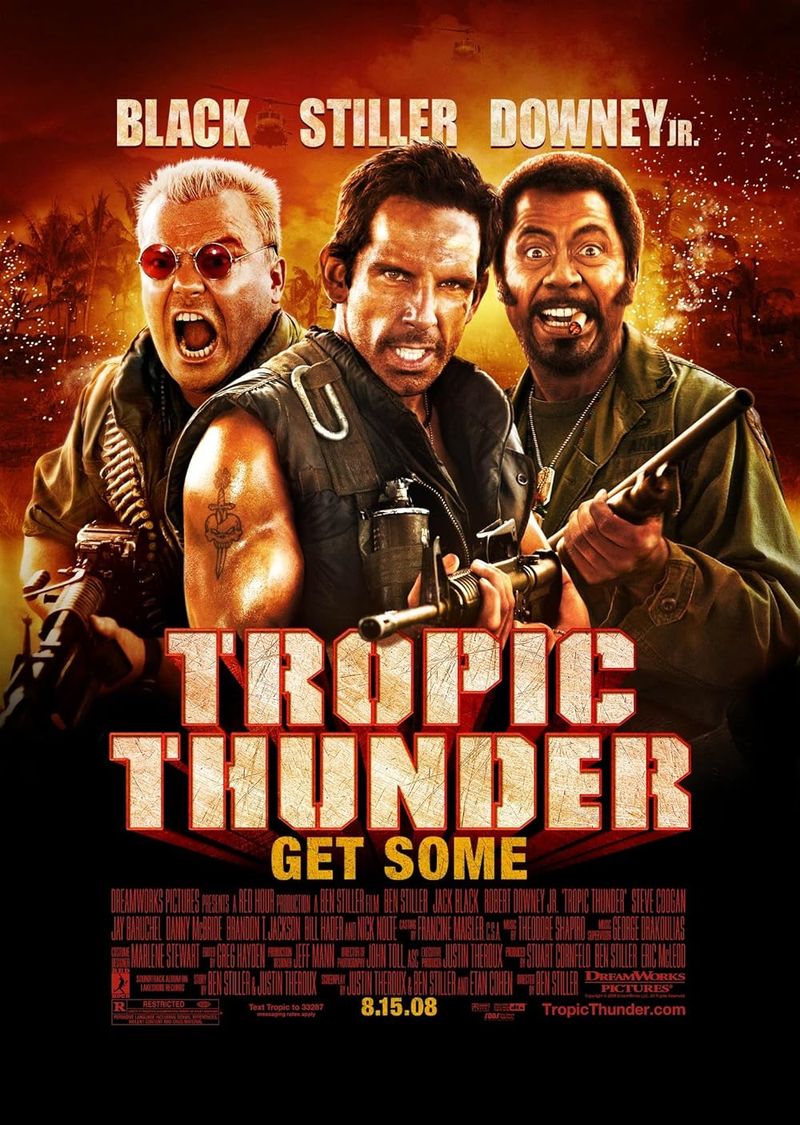
Robert Downey Jr. wore blackface in Tropic Thunder — and somehow, it worked as biting satire aimed at Hollywood actors who go too far for awards glory.
The film was poking fun at the industry’s ego, not celebrating racism.
But in 2026, that distinction would barely matter.
The image alone would ignite a firestorm on social media before the movie even opened.
Add in a storyline mocking people with intellectual disabilities using a deeply offensive term, and studios would be running for the exits.
Tropic Thunder was bold and clever for its time, but its most controversial choices would be seen as completely off-limits in today’s filmmaking world.
3. Animal House (1978)
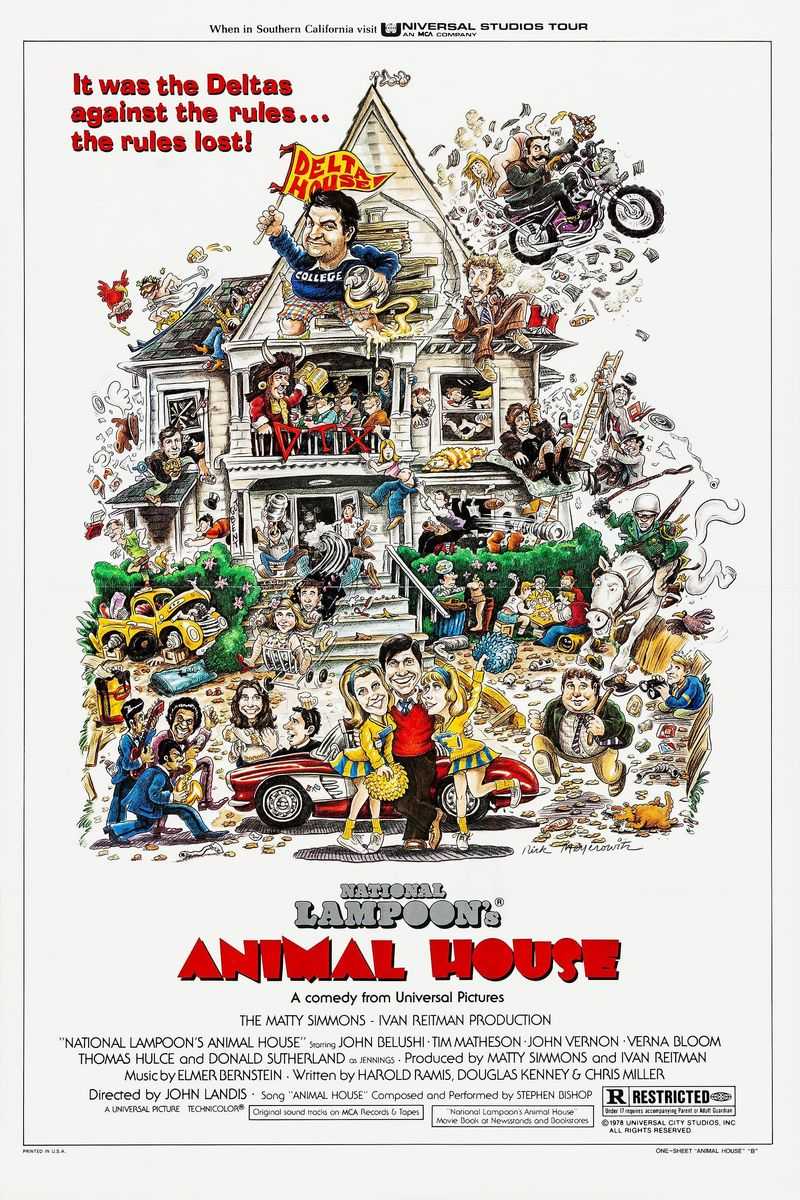
Animal House basically invented the raunchy college comedy genre, and generations of fans quote it endlessly.
But buried inside all that chaos are moments that would never survive a modern script review.
Scenes involving voyeurism and situations where consent is treated as an afterthought are played entirely for laughs.
There’s even a famous scene where a character debates whether to take advantage of an unconscious girl — and the “angel and devil” framing treats it like a punchline rather than a serious issue.
Audiences in 1978 largely brushed past these moments.
In 2026, those same scenes would dominate every review, every social media post, and every conversation about the film.
4. Revenge of the Nerds (1984)
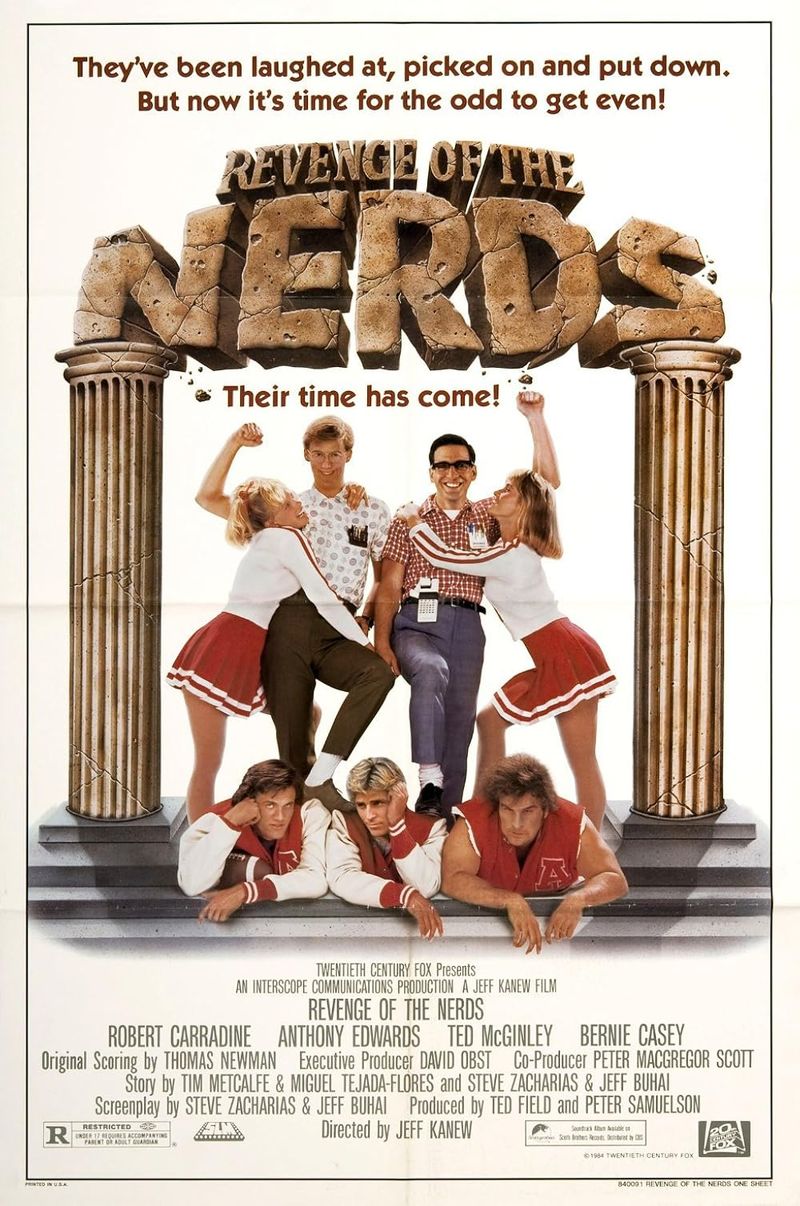
Revenge of the Nerds was supposed to be a feel-good story about underdogs finding their place.
And for a lot of people who grew up watching it, that’s exactly what it felt like.
But the plot contains a scene where the main character disguises himself to be intimate with a woman without her knowledge or consent — and the film frames it as romantic.
That scene alone would kill any modern production before cameras even rolled.
No studio executive in 2026 would sign off on a script where that moment is treated as a sweet, triumphant beat in a love story.
The underdog charm can’t carry the weight of what the film actually asks audiences to overlook.
5. Gone with the Wind (1939)
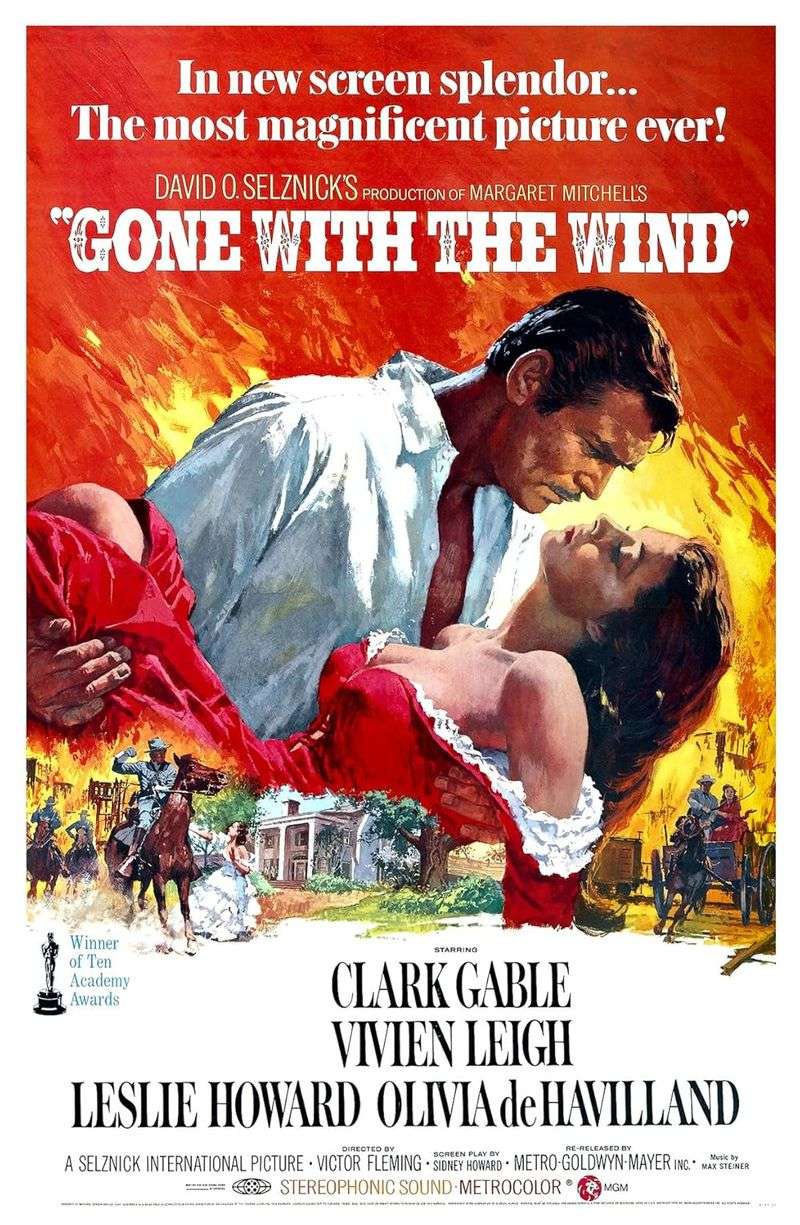
Gone with the Wind swept the Oscars and became one of the highest-grossing films of all time.
For decades, it was considered the gold standard of epic Hollywood storytelling.
But the world it lovingly portrays — the antebellum South — was built on the suffering of enslaved people, and the film barely acknowledges that truth.
Enslaved characters are shown as loyal and content, while Confederate figures are romanticized as noble and honorable.
That framing would be impossible to defend today without a complete rethinking of the story’s perspective.
HBO Max temporarily pulled the film in 2020 for exactly these reasons, signaling just how differently modern audiences view its legacy compared to earlier generations.
6. The Birth of a Nation (1915)
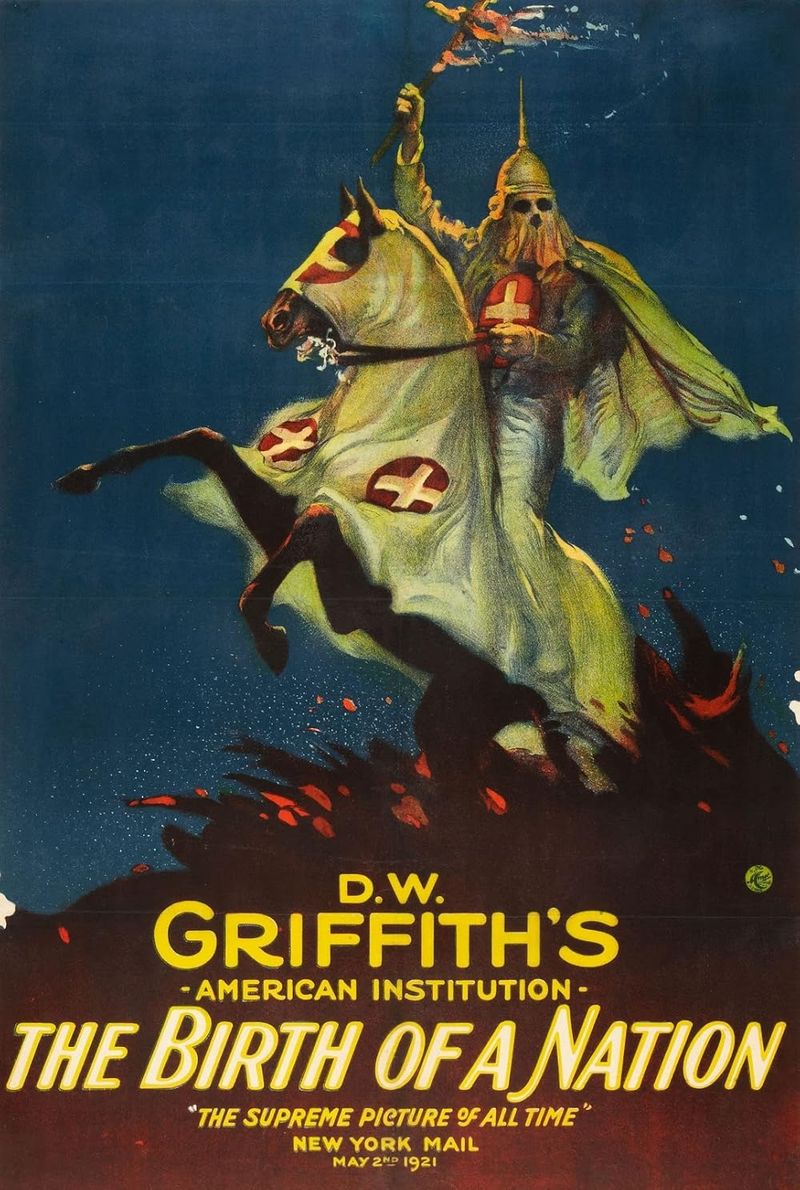
Calling The Birth of a Nation controversial feels like an understatement.
Directed by D.W.
Griffith, this silent film portrayed the Ku Klux Klan as heroes and depicted Black Americans through deeply racist caricatures performed by white actors in blackface.
It was, without question, racist propaganda dressed up as cinema.
The film is widely credited with reviving the Klan in real life and inspiring racial violence.
No mainstream studio in 2026 — or any year in recent memory — would touch a project remotely resembling this film’s premise or ideology.
Its historical significance in the development of filmmaking technique is real, but its content remains one of the most shameful chapters in Hollywood history.
7. Ace Ventura: Pet Detective (1994)
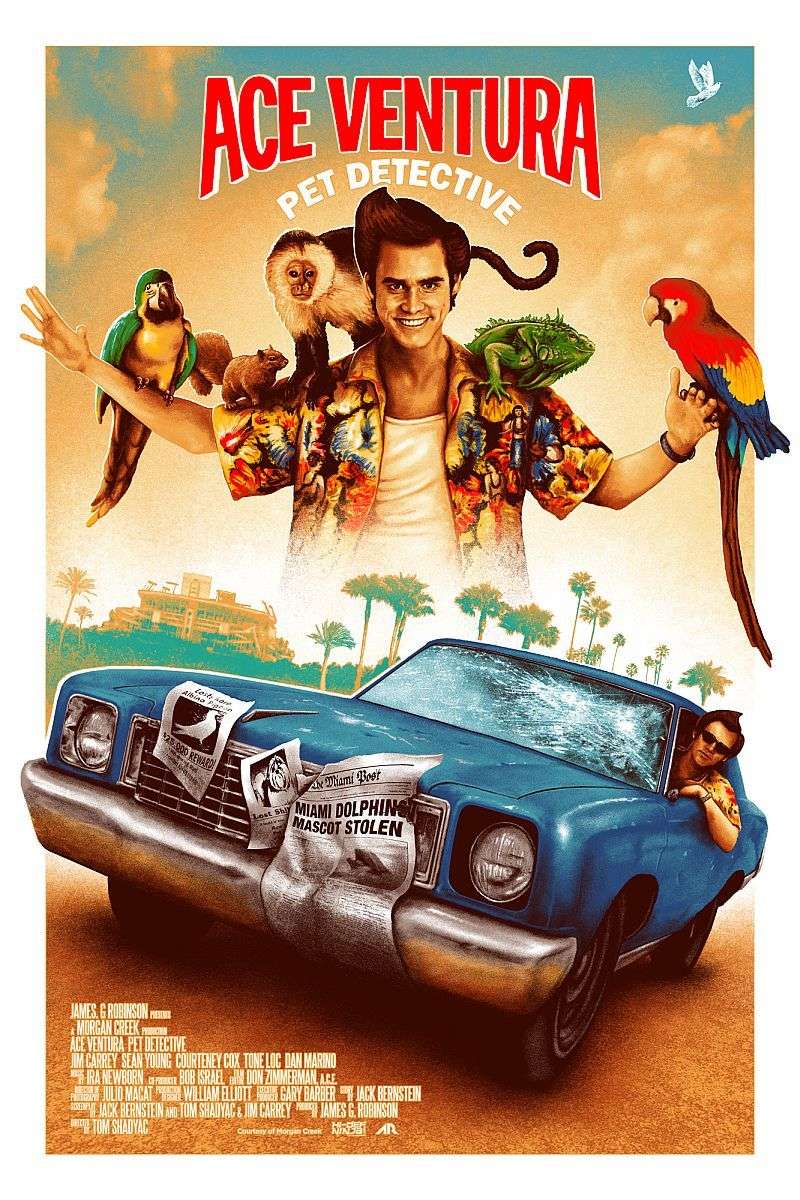
Jim Carrey’s rubbery, over-the-top performance in Ace Ventura made it one of the biggest comedies of the 1990s.
Kids quoted it on playgrounds, and Carrey became a superstar overnight.
But the film’s climax relies entirely on a cruel joke at the expense of a transgender character.
The punchline involves the “reveal” of the villain’s gender identity, played for maximum disgust and horror from the other characters.
Every person on screen reacts with revulsion, and the film treats this as a comedic high point.
That scene would be considered deeply harmful today.
Transgender representation has evolved dramatically, and using someone’s identity as a shock punchline would generate immediate and justified backlash from audiences and advocacy groups alike.
8. The Ringer (2005)
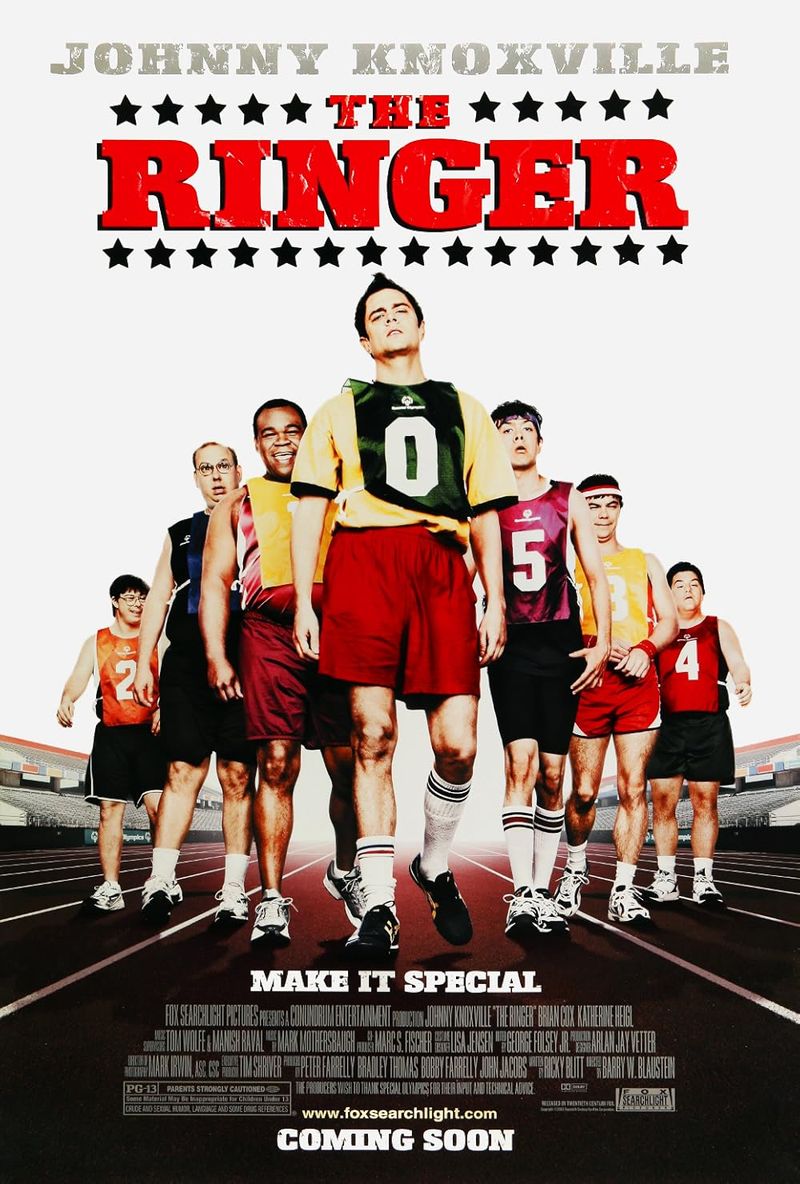
The Ringer may have had good intentions.
The Farrelly Brothers worked closely with Special Olympics to make a film that ultimately celebrated athletes with intellectual disabilities rather than mocking them.
Many disability advocates praised the finished product at the time.
But the core premise — a non-disabled man faking a disability to cheat in the Special Olympics — is an incredibly difficult sell in 2026.
No matter how positive the message ends up being, the concept would face fierce opposition before anyone even saw a single frame.
Good intentions don’t always survive the pitch meeting.
The conversation around disability representation has shifted so significantly that this story would need a complete reimagining to move forward today.
9. Breakfast at Tiffany’s (1961)
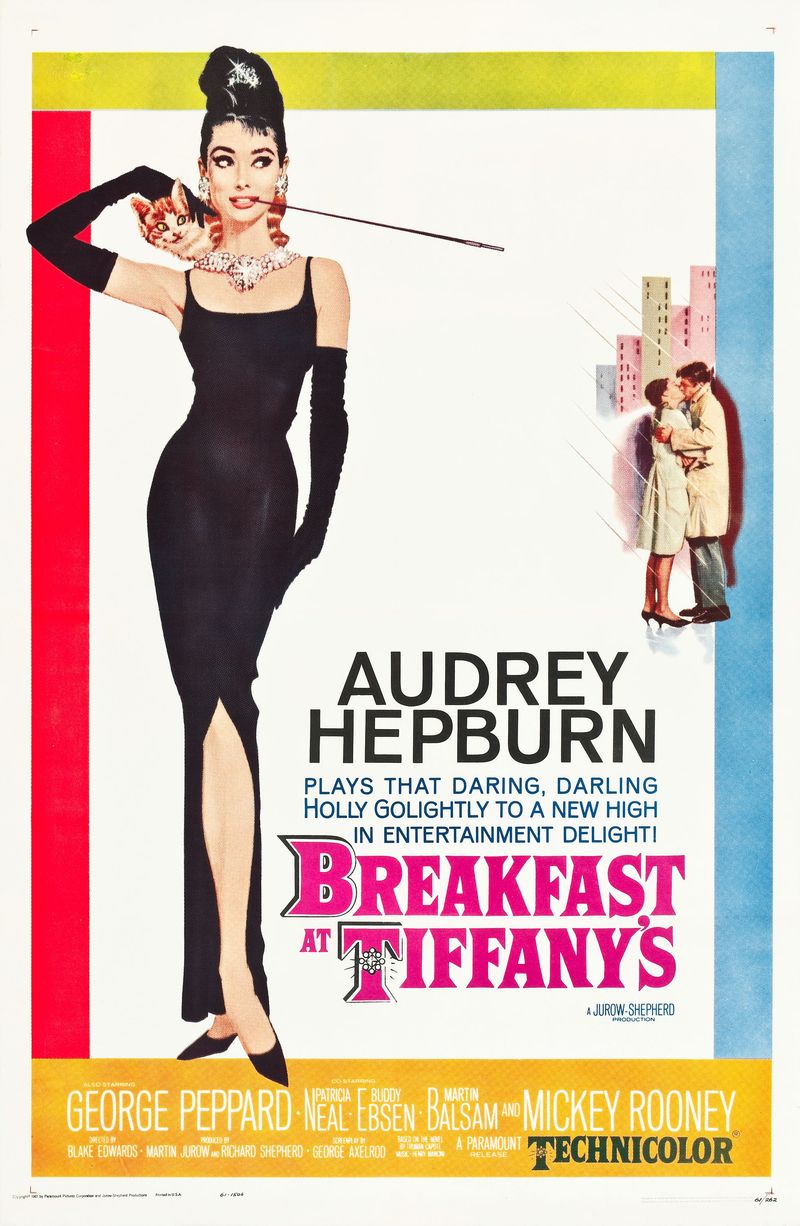
Breakfast at Tiffany’s is remembered as one of the most stylish films ever made.
Audrey Hepburn’s iconic black dress, the Manhattan backdrop, and Henry Mancini’s unforgettable score have made it a cultural touchstone for over six decades.
But sharing the screen with all that elegance is Mr. Yunioshi.
Mickey Rooney’s portrayal of the Japanese neighbor — buck teeth, thick accent, exaggerated facial expressions — is a painful racial caricature that has aged terribly.
Rooney himself later apologized for the role, calling it a mistake.
No studio today would cast a non-Asian actor in that role using those mannerisms.
The character would either be rewritten entirely or removed from the story altogether in any modern adaptation.
10. Indiana Jones and the Temple of Doom (1984)
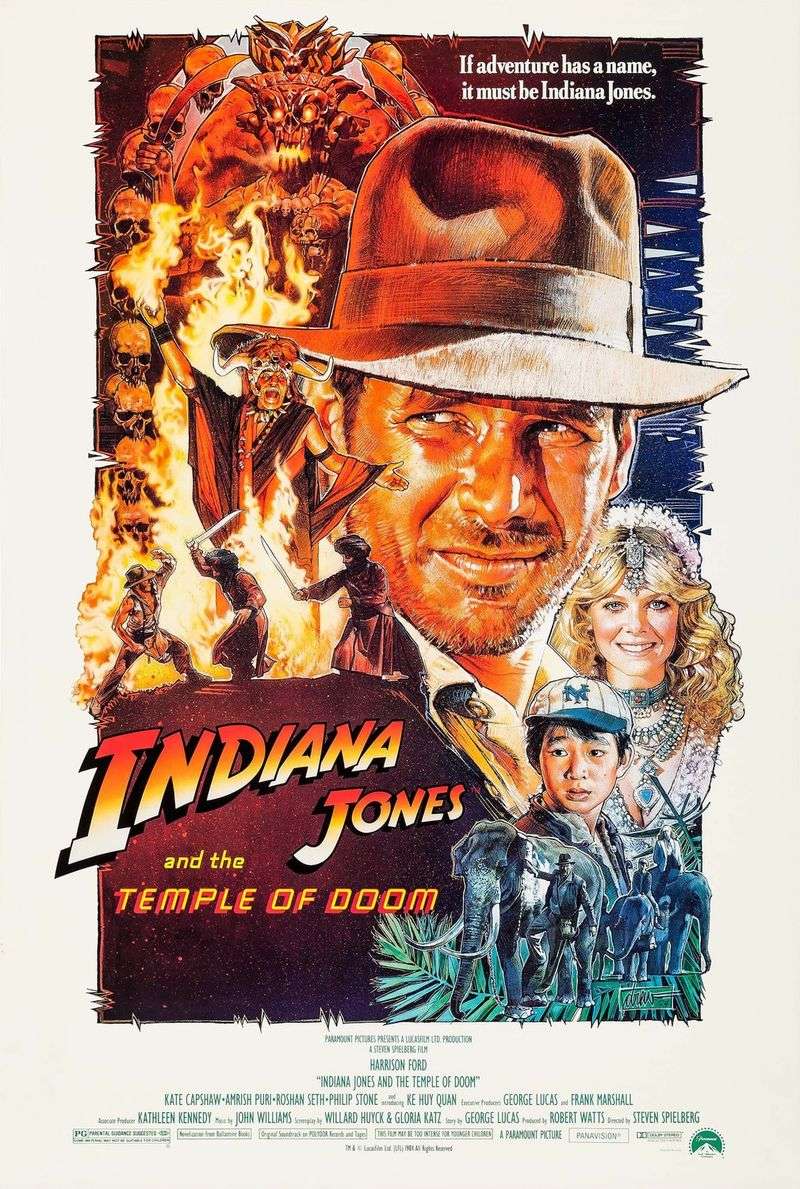
Indiana Jones and the Temple of Doom is a thrilling ride from start to finish, but it leans heavily on a version of India that feels more like a fever dream than a real place.
Villagers are shown as helpless and primitive, the food is presented as grotesque, and the antagonists are drawn from a shallow well of “mysterious Eastern evil” stereotypes.
Short Round, Indy’s young sidekick, is lovable, but his character also reflects outdated ideas about how Asian characters should be written and performed.
Modern audiences and filmmakers are far more attuned to these issues.
A 2026 production would face significant pressure to rethink the entire cultural framing of the story from the ground up.
11. Sixteen Candles (1984)
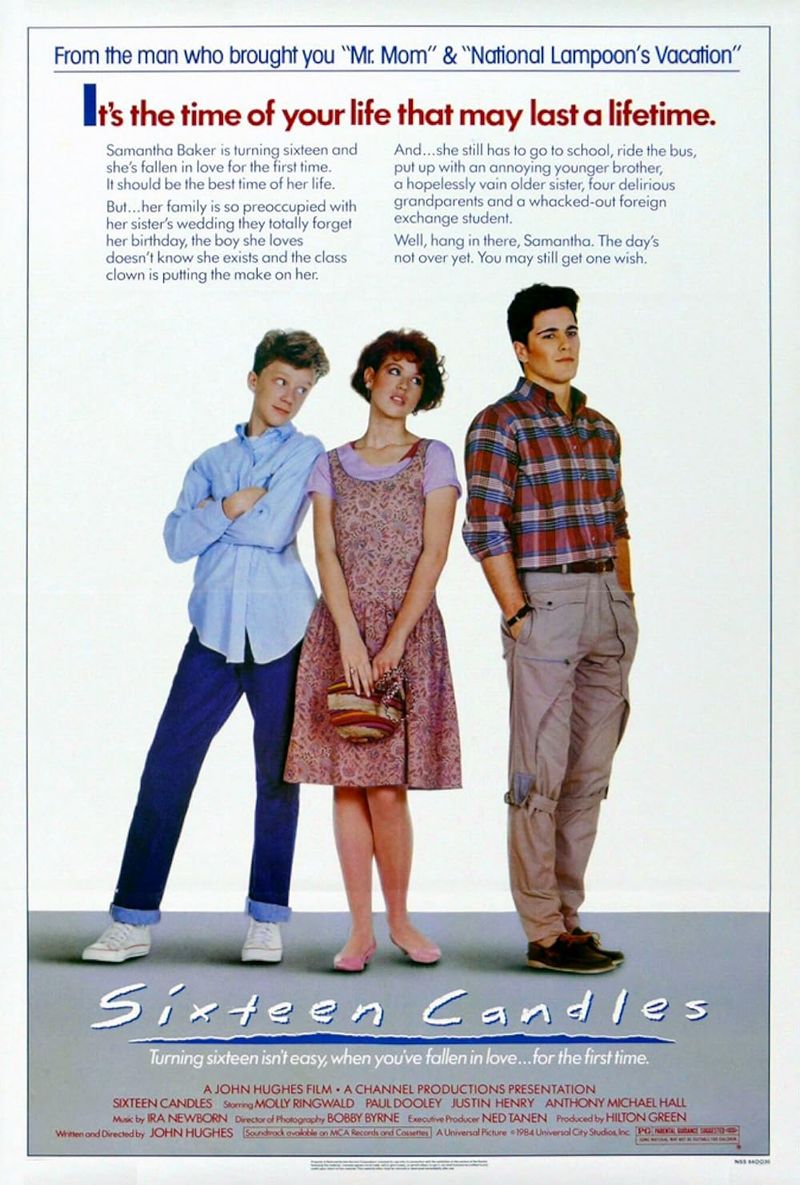
John Hughes captured teenage life like almost no other filmmaker, and Sixteen Candles was one of his most beloved films.
Molly Ringwald’s awkward, endearing performance made audiences fall in love with the story instantly.
But the film carries some serious baggage that’s hard to ignore today.
Long Duk Dong is a walking racial stereotype, complete with a gong sound effect every time he appears on screen.
And a subplot involving the popular girl being passed around while unconscious is treated as a throwaway joke rather than a serious concern.
Hughes clearly had a gift for capturing youthful emotion, but these elements would require a complete overhaul before any studio would consider moving forward with a modern version.
12. The Hangover (2009)
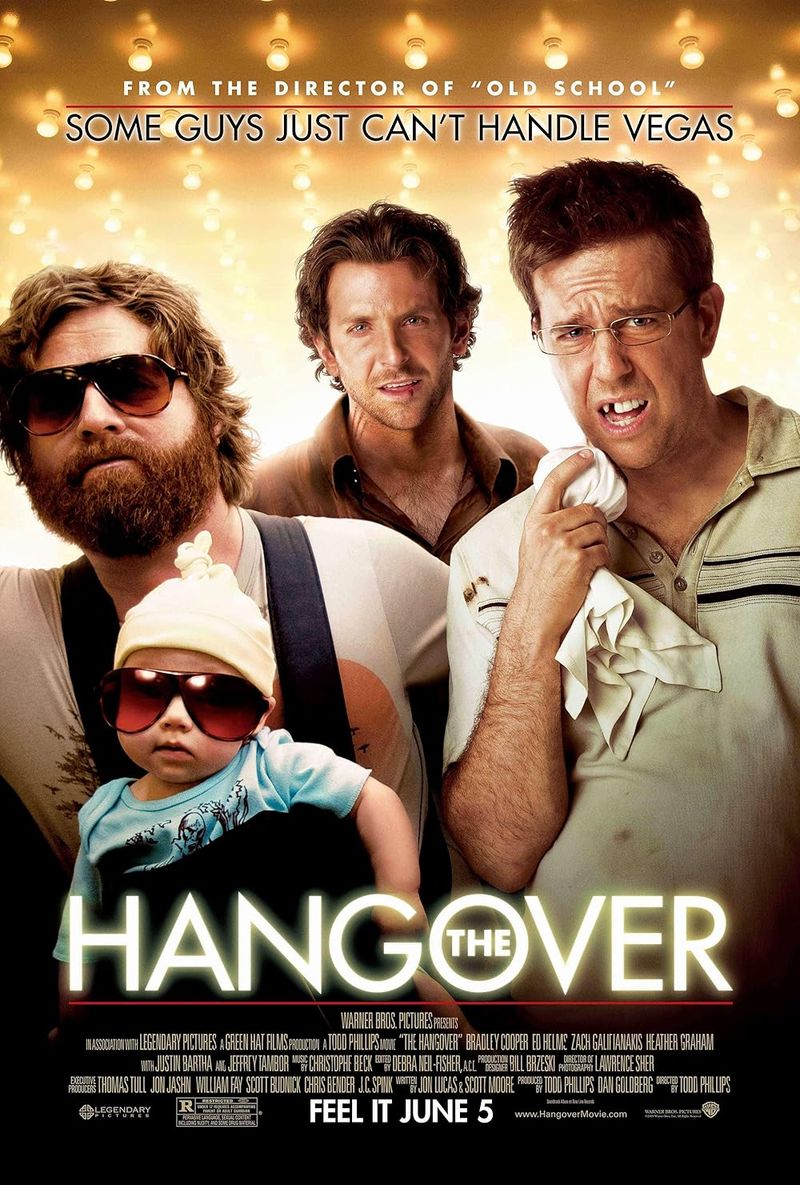
The Hangover was a massive comedy hit that launched a franchise and made Bradley Cooper a household name.
Its wild, mystery-driven structure felt fresh and genuinely funny to millions of viewers.
But scattered throughout the laughs are homophobic slurs and jokes about gender identity that land very differently now.
Language that was casually tossed around in 2009 comedies has since been recognized as harmful, particularly to LGBTQ+ audiences who were already underrepresented in mainstream films.
A 2026 version of The Hangover could absolutely keep the chaotic energy and clever mystery format.
But the script would need serious revisions to strip out language and jokes that punch down rather than simply being outrageous and fun.
13. Porky’s (1981)
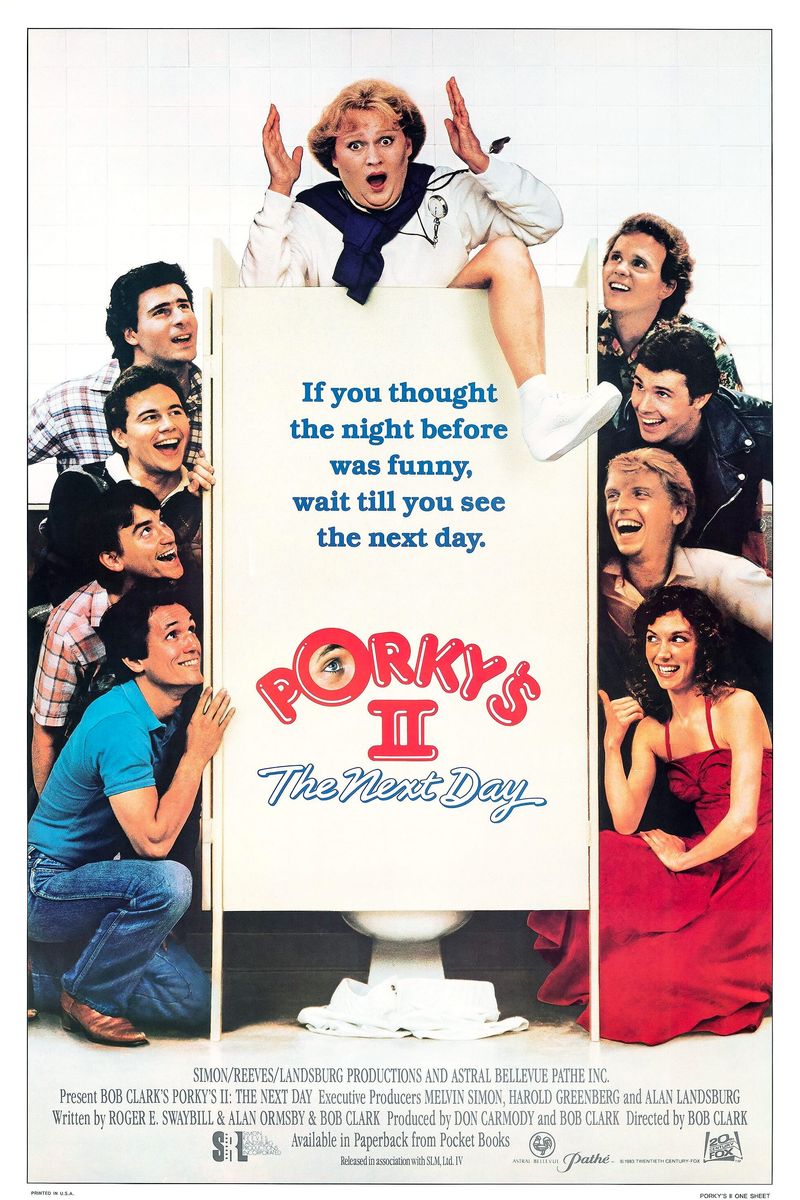
Porky’s was a massive box office success in 1981, becoming one of the highest-grossing Canadian films ever made.
Teenagers loved it, and it launched a wave of similar raunchy comedies throughout the decade.
But watching it today feels like stepping into a very different world.
The film treats sexual harassment as slapstick entertainment, with scenes of boys spying on girls and women being humiliated played entirely for laughs.
There’s very little acknowledgment that any of this behavior is wrong or harmful.
No modern studio would greenlight a comedy built around this premise without completely rethinking the story’s moral compass.
What felt edgy and rebellious in 1981 reads as straightforwardly misogynistic to contemporary audiences.
14. American Beauty (1999)
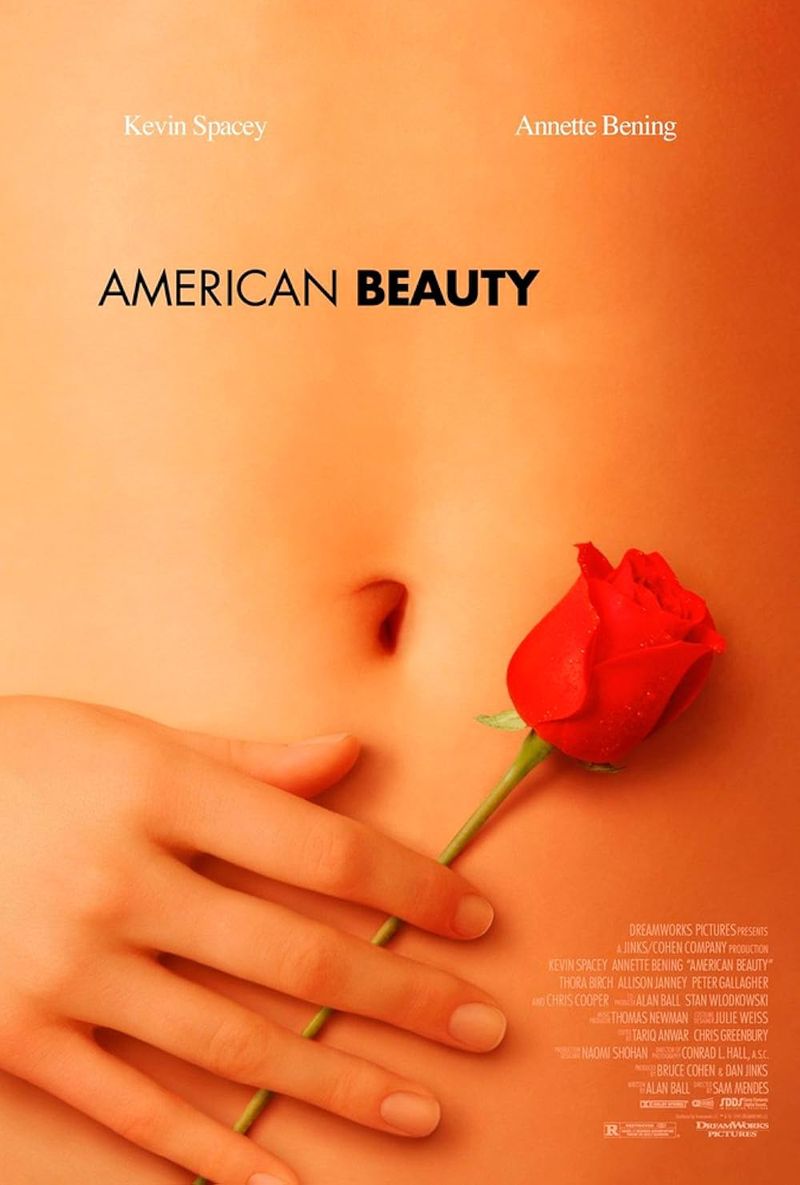
American Beauty won five Academy Awards including Best Picture, and at the time, many critics praised it as a sharp critique of suburban emptiness and midlife desperation.
Kevin Spacey’s performance as the disillusioned Lester Burnham was widely celebrated.
But the core of the story involves a middle-aged man becoming obsessed with his teenage daughter’s best friend.
The film frames this obsession with a kind of dreamy, romantic lens that would be far less tolerated today.
Add in the real-world allegations that later emerged against Spacey himself, and a modern release becomes virtually unimaginable.
The film still sparks debate among critics, but its central storyline would face enormous resistance from both studios and audiences in 2026.